- English
- French
- German
- Portuguese
- Spanish
- Russian
- Japanese
- Korean
- Arabic
- Greek
- German
- Turkish
- Italian
- Danish
- Romanian
- Indonesian
- Czech
- Afrikaans
- Swedish
- Polish
- Basque
- Catalan
- Esperanto
- Hindi
- Lao
- Albanian
- Amharic
- Armenian
- Azerbaijani
- Belarusian
- Bengali
- Bosnian
- Bulgarian
- Cebuano
- Chichewa
- Corsican
- Croatian
- Dutch
- Estonian
- Filipino
- Finnish
- Frisian
- Galician
- Georgian
- Gujarati
- Haitian
- Hausa
- Hawaiian
- Hebrew
- Hmong
- Hungarian
- Icelandic
- Igbo
- Javanese
- Kannada
- Kazakh
- Khmer
- Kurdish
- Kyrgyz
- Latin
- Latvian
- Lithuanian
- Luxembou..
- Macedonian
- Malagasy
- Malay
- Malayalam
- Maltese
- Maori
- Marathi
- Mongolian
- Burmese
- Nepali
- Norwegian
- Pashto
- Persian
- Punjabi
- Serbian
- Sesotho
- Sinhala
- Slovak
- Slovenian
- Somali
- Samoan
- Scots Gaelic
- Shona
- Sindhi
- Sundanese
- Swahili
- Tajik
- Tamil
- Telugu
- Thai
- Ukrainian
- Urdu
- Uzbek
- Vietnamese
- Welsh
- Xhosa
- Yiddish
- Yoruba
- Zulu
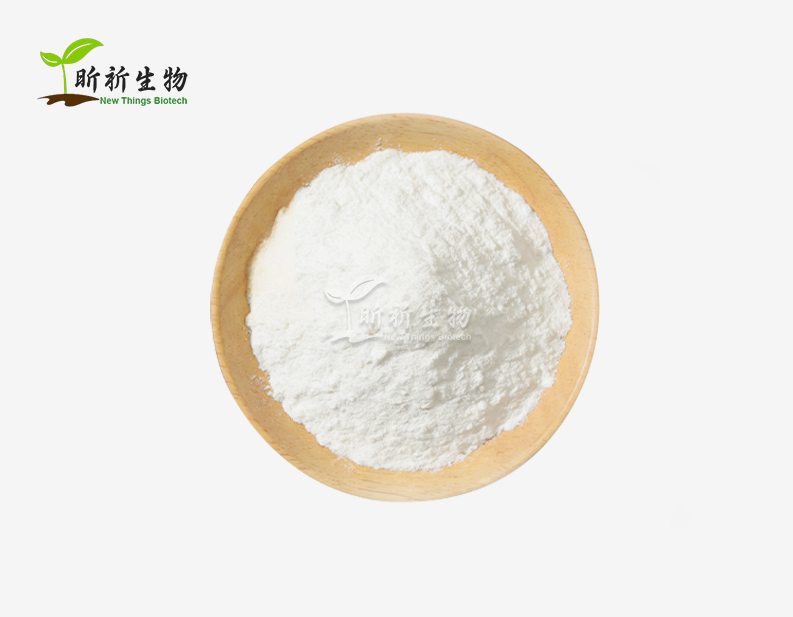
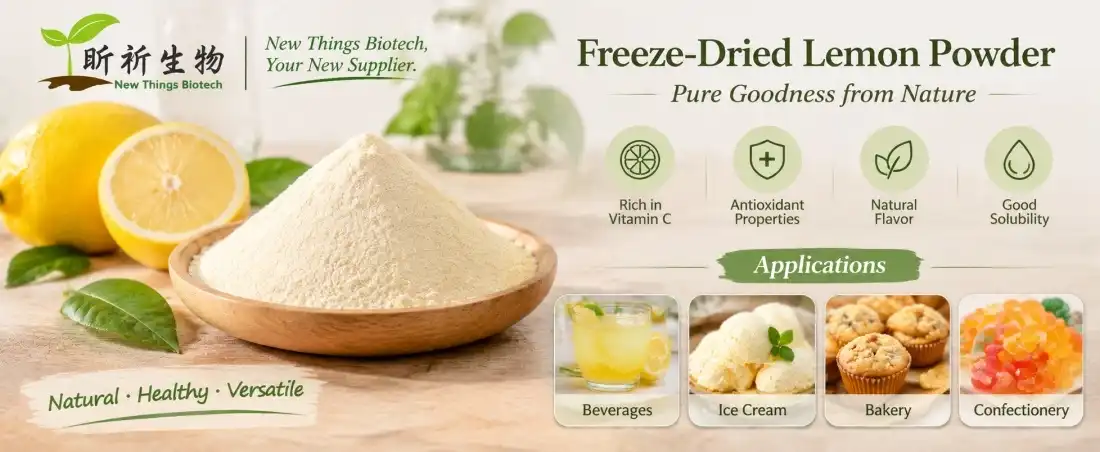
Fresh lemons are missing at the worst times—halfway through a salad dressing, just before visitors arrive, or the last one in the fridge has gone hard and dry. A container of lemon powder will cure that. It’s ready for months of vibrant citrus taste, and spoonable cleanly. It also works in areas where liquid juice cannot reach, including dry rubs, seasoning salts and baking mixes. This article tells you how to utilize it from breakfast to dessert. It illustrates how to adapt recipes from fresh juice, the culinary science behind successful outcomes, and how food businesses transform these common ideas into polished goods. NT Biotech is an experienced provider of dried lemon juice powder to companies in the food, beverage and supplement industries all around the globe. Our lemon juice powder is prepared from authentic Citrus limon juice and is spray-dried to a fine, light yellow powder. It passes 80 mesh, is readily soluble in water and each batch is analyzed and sent with a Certificate of Analysis. Lemon For samples or bulk pricing contact info@newthingsbiotech.com.
Lemon Flavor Without the Squeeze
From Fresh Fruit to Fine Powder
Most of the lemon powders on the market are manufactured via spray drying. The juice of fresh lemons is filtered and condensed, sometimes with a food safe carrier such as maltodextrin, and then sprayed as a fine mist into a stream of heated air. The water disappears in seconds, leaving microscopic dry particles that settle at the bottom of the chamber. Spray drying is the most common way to transform fruit liquids into powders, say Shishir and Chen, since it’s quick, mild enough to preserve most of the taste, and simple to operate at scale. The carrier has an actual task to do. Lemon Juice has a lot of citric acid and natural sugars and they get sticky as they dry. Such compounds have low glass transition temperatures and hence tend to clump without support, Bhandari, Datta and Howes said. Therefore a good spray dried lemon juice powder will flow easily and disperse evenly.
What It Offers Over Fresh and Bottled Juice
Fresh lemons vary in size, juiciness and acidity, so “the juice of one lemon” might equal anything from two to four teaspoons. Powder takes the guess work out . One level teaspoon gives you the same tang each time. CITRIC ACID - Lemon juice is one of the highest natural sources of citric acid. Penniston et al. detected it at levels much beyond those of most commercial fruit juices, and the powder gives the same crisp, clear sourness. González-Molina and colleagues have also shown that lemons contain vitamin C and citrus flavonoids, such as eriocitrin and hesperidin, adding to the ingredient’s inherent allure. It does not have to be refrigerated and is quite light. Store in a sealed, dry place for around 24 months. Lemon is always available for busy chefs and food processors.
From Morning to Night: Everyday Recipes Using Lemon Powder
Breakfast and Morning Drinks
Instant lemon water to start the day. Just add half a teaspoon of spray dried lemon powder to a glass of warm or cold water and if you prefer add honey or a piece of ginger. It’s ready in seconds. Lemon powder also makes yogurt bowls, overnight oats and smoothies more vibrant without watering them down like liquid juice may. For pancakes and waffles mix a teaspoon into the dry ingredients, add a little zest for a fresh sunny taste. This is how lemon ricotta pancakes taste like a brunch at a café.
Lunchtime Dressings, Dips, and Marinades
The powder gleams in a vinaigrette. An easy-to-emulsify dressing that keeps well in the fridge. Add olive oil, a splash of water, mustard, salt and herbs and mix. A pinch makes all dips great, such hummus, tzatziki, guacamole, and tahini sauce, and you won't need to add any additional liquid so dips stay thick and scoopable. Or use lemon powder in marinades for chicken or fish, where the tang will linger on the top, rather than running off into the dish.
Dinner Rubs and Seasonings
Liquid juice won’t work for dry rubs, but powder will. Homemade Lemon Pepper Mix is a spray dried lemon powder mixed with cracked black pepper, garlic and salt. Use as a topping over roasted vegetables, grilled salmon, shrimp or popcorn. It also adds rice, couscous and soups at the end of cooking which is especially useful if a dish is tasting ‘flat’ and needs a little acidity to lift it.
Sweet Treats and Baking
Lemon powder adds a unique citrus taste to cookies, shortbread, pound cakes and muffins without changing the wet to dry ratio. Whisk into powdered sugar with a few drops of water for a simple glaze, or fold into whipped cream and cheesecake fillings. Here is a table of some useful starting amounts.
| Recipe | Suggested Amount | Kitchen Tip |
|---|---|---|
| Lemon water or lemonade | ½–1 tsp per 250 ml | Sweeten to taste; add mint or ginger |
| Vinaigrette | 1 tsp per 60 ml oil | Dissolve in a splash of water first |
| Hummus and dips | ½–1 tsp per 250 g | Adds tang without thinning |
| Dry rub or lemon pepper | 1 part powder to 2 parts pepper | Store in an airtight shaker |
| Cookies and pound cake | 1–2 tsp per 250 g flour | Pair with zest for extra aroma |
| Icing glaze | 1 tsp per 120 g powdered sugar | Add water drop by drop |
| Yogurt, oats, smoothies | ¼–½ tsp per serving | Blends without extra liquid |
| Popcorn and roasted nuts | ½ tsp per large bowl | Mix with fine salt for even coating |
Turning a favorite lemon recipe into a seasoning blend, drink mix, or bakery product for retail? Email info@newthingsbiotech.com with your idea. Our technical team will reply within two hours with usage suggestions and a free sample with its batch CoA.

Kitchen Science: Getting the Best Results
Measuring and Rehydrating
For example, a reasonable rule of thumb is to dissolve around 1 tsp. of powder in 1 tbsp. of water to replace 1 tbsp. of juice called for in a recipe. Strength varies amongst goods, particularly with carrier content. Taste and adjust as needed. For dry recipes like cake mixes and rubs, stir the powder in straight. First dissolve in a little water, to use in sauces and beverages. This prevents tiny clumps and allows the taste to be uniformly dispersed.
Working with Dairy and Leavening
Other compounds will interact with citric acid and you may take advantage of this. Lemon powder, when mixed with milk or cream, has a mild thickening effect like buttermilk or crème fraîche. But for a nice smooth cream sauce, add it at the very last, off the heat, so the sauce doesn't curdle. When baking, the acid combines with the baking soda to produce carbon dioxide . Therefore, lemon powder may be used in the leavening system. If you're adding a lot to a recipe that already has buttermilk or yogurt, you may want to reduce the other acid a little, so your bake doesn't taste overly sour.
Keeping It Dry and Fresh
The worst enemy of fruit powders is moisture. Adhikari and colleagues in their analysis of stickiness in meals indicated that sugar and acid-rich powders collect water from humid air and start to cake once they reach a crucial moisture level. Keep jar securely covered, measure with a dry spoon, and keep it away from the heat, dishwasher, and direct sunlight. If the powder forms soft lumps, split them up with a fork. Usually the taste is still great. In humid locations, it is good to include a food-safe desiccant package in the jar.
For Food Brands: Turning Everyday Recipes into Products
Where Lemon Powder Fits Commercially
The features that make dried lemon juice powder so important to home chefs in the production line. It provides natural acidity and true fruit taste in a dry, free-flowing form that mixes with salt, sugar, spices and flours. Commercial applications include lemon pepper and spice blends, quick lemonade and iced tea mixes, electrolyte and vitamin C drink sachets, cake and cookie premixes, snack coatings, frosting mixes and marinades. Del Río et al. identified lemons as a good source of citrus flavonoids, providing marketers with a clean-label narrative that is rooted in real fruit, not just artificial flavoring.
What a Quality Specification Looks Like
Consistent raw material means consistent products. Order a comprehensive spec sheet and a batch specific CoA before to purchasing. The average profile of NT Biotech’s spray dried lemon juice powder is shown in the table below and validated on every manufacturing batch.
| Item | Specification | Test Method |
|---|---|---|
| Botanical Source | Citrus limon (fruit juice) | Organoleptic |
| Process | Spray-dried | — |
| Appearance | Pale yellow to off-white fine powder | Visual |
| Odor and Taste | Characteristic lemon, tart | Organoleptic |
| Solubility | Water soluble | — |
| Particle Size | 100% pass 80 mesh | Sieve |
| Loss on Drying | ≤ 5.0% | USP |
| Heavy Metals | ≤ 10 ppm | ICP-MS |
| Total Plate Count | ≤ 10,000 cfu/g | USP |
| Yeast and Mold | ≤ 100 cfu/g | USP |
| E. coli / Salmonella | Negative | USP |
| Storage and Shelf Life | Sealed, cool, dry, away from light; 24 months | — |
Why Brands Choose NT Biotech
NT Biotech guaranties a first answer to each question within two hours. Popular grades are stocked and delivered 1-3 working days following order confirmation. Production orders usually take 3-10 working days including raw material sourcing, processing, laboratory testing and packing. Samples ship directly from our plant, on our own FedEx and UPS accounts, and bulk orders ship by air or sea with reputable freight forwarders. ISO9001 quality management certified KOSHER and HALAL certifications available We also provide OEM & ODM services for bespoke carrier ratios, mesh sizes and ready-to-use mixes and accept payment in the buyer’s native currency.

Conclusion
Dried lemon juice powder adds bright and dependable citrus flavor to any dish. It transforms water into lemonade in seconds, and provides sauces and dips tang without diluting them. It also lends clean citrus overtones to biscuits, cakes and glazes and makes dry rubs and lemon pepper feasible. Measure it properly, keep it dry, and it will operate consistently for months. Shaanxi New Things Biotech is reliable provider of plant derivatives with batch tested dried lemon juice powder, CoA documents and ISO9001, KOSHER and HALAL certifications. We help food and beverage manufacturers take ordinary tastes and make them profitable products with rapid stock delivery, flexible logistics and custom OEM solutions. Add the flavor of fresh lemons to your lineup. Start working with us immediately.
FAQ
Q1: How do I replace fresh lemon juice with powder?
Start with about 1 tsp of powder in 1 tbsp of water per tablespoon of juice, then adjust to taste.
Q2: Can I use lemon powder in dry rubs?
Yes. That is one of its biggest advantages over liquid juice.
Q3: Will it work in baking?
Yes. It adds citrus flavor and can react with baking soda to help with leavening.
Q4: How should I store it?
Keep it sealed, cool, and dry. Use a dry spoon to prevent caking.
Q5: How fast can NT Biotech ship bulk orders?
Stock grades ship within 1–3 working days. Production orders take 3–10 working days.
Add Bright Citrus Flavor to Your Range with NT Biotech
Lemon is loved by consumers and convenience even more so. NT Biotech mixes the two together with authentic Citrus limon juice dried lemon juice powder. Spray dried for rapid dissolution. Finely milled for easy incorporation. CoA available for each batch. We react in 2 hours, send stock grades in days, accept payment in your local currency and give OEM and ODM assistance for seasoning blends, drink mixes, bakery premixes and snack coatings. Are you introducing a lemon pepper spice or an instant lemonade sachet? Our technical staff can help you get the taste perfect. Email info@newthingsbiotech.com immediately for a free sample, complete specs and a competitive bulk quote.
References
1. González-Molina E, Domínguez-Perles R, Moreno DA, García-Viguera C. Natural bioactive compounds of Citrus limon for food and health. Journal of Pharmaceutical and Biomedical Analysis. 2010;51(2):327–345.
2. Del Río JA, Fuster MD, Gómez P, Porras I, García-Lidón A, Ortuño A. Citrus limon: a source of flavonoids of pharmaceutical interest. Food Chemistry. 2004;84(3):457–461.
3. Penniston KL, Nakada SY, Holmes RP, Assimos DG. Quantitative assessment of citric acid in lemon juice, lime juice, and commercially-available fruit juice products. Journal of Endourology. 2008;22(3):567–570.
4. Shishir MRI, Chen W. Trends of spray drying: a critical review on drying of fruit and vegetable juices. Trends in Food Science & Technology. 2017;65:49–67.
5. Bhandari BR, Datta N, Howes T. Problems associated with spray drying of sugar-rich foods. Drying Technology. 1997;15(2):671–684.
6. Adhikari B, Howes T, Bhandari BR, Truong V. Stickiness in foods: a review of mechanisms and test methods. International Journal of Food Properties. 2001;4(1):1–33.