- English
- French
- German
- Portuguese
- Spanish
- Russian
- Japanese
- Korean
- Arabic
- Greek
- German
- Turkish
- Italian
- Danish
- Romanian
- Indonesian
- Czech
- Afrikaans
- Swedish
- Polish
- Basque
- Catalan
- Esperanto
- Hindi
- Lao
- Albanian
- Amharic
- Armenian
- Azerbaijani
- Belarusian
- Bengali
- Bosnian
- Bulgarian
- Cebuano
- Chichewa
- Corsican
- Croatian
- Dutch
- Estonian
- Filipino
- Finnish
- Frisian
- Galician
- Georgian
- Gujarati
- Haitian
- Hausa
- Hawaiian
- Hebrew
- Hmong
- Hungarian
- Icelandic
- Igbo
- Javanese
- Kannada
- Kazakh
- Khmer
- Kurdish
- Kyrgyz
- Latin
- Latvian
- Lithuanian
- Luxembou..
- Macedonian
- Malagasy
- Malay
- Malayalam
- Maltese
- Maori
- Marathi
- Mongolian
- Burmese
- Nepali
- Norwegian
- Pashto
- Persian
- Punjabi
- Serbian
- Sesotho
- Sinhala
- Slovak
- Slovenian
- Somali
- Samoan
- Scots Gaelic
- Shona
- Sindhi
- Sundanese
- Swahili
- Tajik
- Tamil
- Telugu
- Thai
- Ukrainian
- Urdu
- Uzbek
- Vietnamese
- Welsh
- Xhosa
- Yiddish
- Yoruba
- Zulu
Lemon is one of the most sought after tastes in the culinary sector. It may be found in spices, drinks, sauces, snacks and baked products. But for many producers, fresh lemons and liquid juice are a pain. Crates of fruit with inconsistent acidity. Juice that requires refrigeration. Heavy drums that cost a lot to transport. Dry mixtures that just can't accept liquid. Most of these difficulties are solved at once with a powdered format. And this post lays out the business case for changing. It lists the functional roles lemon powder can do on a production line, the operational savings it can provide you, the categories where it pays off the most, and the quality checks that safeguard your completed goods. It is authored by NT Biotech, a seasoned provider of dried lemon juice powder to food, beverage and supplement businesses throughout the globe. Our dried lemon juice powder is prepared from authentic Citrus limon juice, carefully spray dried into a thin, light yellow, water soluble powder that will pass 80 sieve. Popular grades are retained in stock for prompt shipping and each batch is tested and supplied with a Certificate of Analysis. For samples or wholesale pricing, contact info@newthingsbiotech.com.

The Business Case at a Glance
Fresh, Liquid, or Powder? A Side-by-Side Look
Lemon ingredients are often benchmarked on price per kilogram by procurement teams. That number masks much of the true cost . Fresh fruit has to be cleaned, chopped and pressed, and peel and pulp may make up as much as half the weight. Not-from-concentrate juice requires a cold chain. Concentrate is more thick, but still liquid and still has to be stored in a frozen or cold state. Most of the water is removed when a lemon powder is spray dried. It weighs a quarter of the weight and stores at room temp. The table below compares the four formats on the aspects that are most important to a plant manager.
| Factor | Fresh Lemons | NFC Lemon Juice | Lemon Juice Concentrate | Dried Lemon Juice Powder |
|---|---|---|---|---|
| Storage | Cool, short-term | Refrigerated | Chilled or frozen | Ambient, sealed and dry |
| Typical shelf life | Weeks | Weeks to months | Months | About 24 months |
| Shipping weight | Heavy (rind, water) | Heavy (mostly water) | Moderate | Light |
| Batch-to-batch consistency | Varies with fruit | Moderate | Good | High, standardized |
| Use in dry mixes | Not possible | Not possible | Not possible | Ideal |
| Labor and waste | High | Low | Low | Very low |
| Dosing on automated lines | Difficult | Pump systems | Pump systems | Weigh and blend |
The Hidden Costs of Liquid Juice
Liquid juice has charges that are seldom on the invoice. Reefer containers are more costly than dry freight. Chilled storage space is costly. Once you open a drum you have to utilize it soon or it spoils and you lose a lot of juice. Adding liquid to a dough or batter also affects its water balance, requiring formulators to rebalance other ingredients. A powder does not have these difficulties. It may be kept with flour, sugar and spices, opened and resealed as required and added to without disturbing hydration.
Clean Labels Win Shelves
Shoppers are reading ingredient lists more than ever and they want names they know. In a survey of clean label trends, Asioli and colleagues note that customers use known, natural ingredients as signals of quality and trust that guide their purchase behavior across categories. A genuine lemon juice powder allows manufacturers to use the claim “lemon juice powder” instead of just artificial flavor or additional acidulants. That simple modification reinforces the narrative on the label, promotes premium pricing and taps into the rising desire for goods produced with genuine fruit.
The Functional Jobs Lemon Powder Does on the Line
Acidity and Flavor in One Ingredient
Lemon juice is naturally high in citric acid that provides customers with the crisp, clear sourness they anticipate from lemon items. The most often used acidulant in the food business is citric acid. It has been called by Ciriminna and co-workers the flagship product of industrial biotechnology, due to its pleasing flavor, great solubility and wide applicability. Natural lemon juice powder gives you that acidity, with real citrus fragrance. That means that formulators may use a single ingredient to balance sweetness, smooth out savory notes and add brightness. Lemon’s natural vitamin C and citrus flavonoids were also described by Klimek-Szczykutowicz, Szopa and Ekiert, adding to its nutritional value.
Natural Browning Control
Enzymes in cut fruit, avocado and other vegetables react with air and may cause browning. Food manufacturers have traditionally slowed the process by adding acidulants and antioxidants. Chemical treatments for fresh-cut fruit were examined by Oms-Oliu et al. Ascorbic acid and citric acid are efficient and common anti-browning agents. Lemon powder gives both natural. It helps to keep guacamole, fruit fillings, salsas and ready meals looking fresh and delicious, while helping to maintain a clean label.
Supporting Product Stability
Lowering the pH is one of the oldest strategies in preserving food. Leistner, in his work on hurdle technology, described how a combination of numerous mild barriers, such as acidity, decreased water activity and regulated temperature, maintains foods stable without the need for a single severe treatment. Lemon powder provides citric acid that may add to the acidity level seen in sauces, dressings, marinades and drinks. It cannot replace a verified preservation system but does provide a helpful auxiliary function.
A Partner in Leavening
The acid in the lemon powder combines with the baking soda to release carbon dioxide in baked products. Bakers may use it as part of a leavening method with the addition of citrus flavor. This makes lemon cakes, muffins and cookies lighter in crumb and brighter in flavor without adding other ingredients.
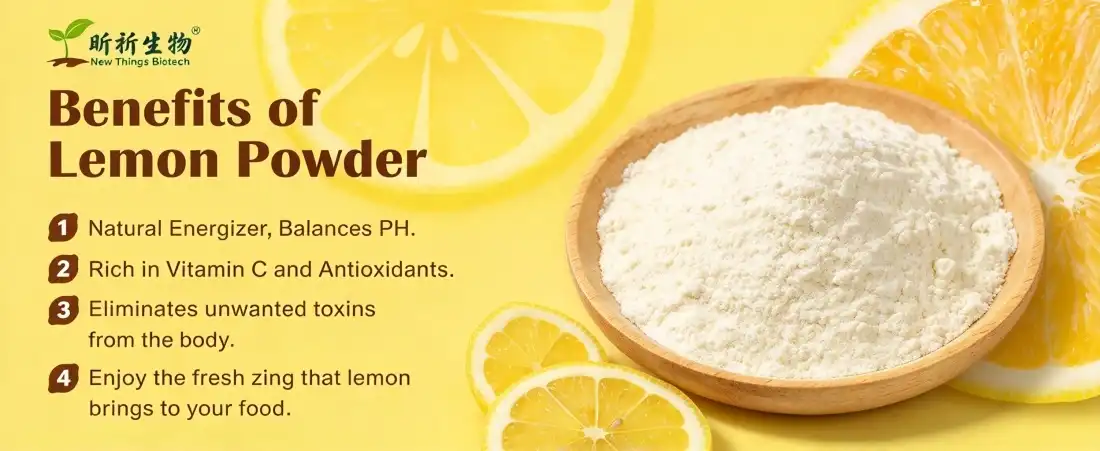
Operational Advantages: Handling, Storage, and Scale
Accurate Dosing on Automated Lines
The manufacturers of today work on exact weights. The juice output and acidity of fresh lemons varies from crate to crate, and liquid juices need pumps and flow meters that must be cleaned and calibrated. A free-flowing powder is simply weighed and put to the mixer with the remaining dry ingredients. Our dried lemon juice powder is ground to pass 80 mesh and is compatible with salt, sugar, starches and spices. Each element of a seasoning or premix has the same taste and acidity and quality teams have fewer out-of-spec batches to deal with.
Lighter Freight and Simpler Warehousing
Taking the water out cuts the cost of transferring and storing lemon flavor. One pallet of powder replaces numerous pallets of fresh fruit or juice and is sent in conventional dry containers instead of chilled containers. In the warehouse it is stored on ambient racking with other dry items. Store in a cool, dry place and keep sealed. The powder will last around 24 months. This steadiness allows purchasers to acquire more volume at good rates and lessens the danger of running out in high season.
Managing Moisture Like a Pro
Fruit powders, rich in sugars and acids, absorb water from humid air. “Drying conditions and carrier agents, such as maltodextrin, greatly influence the moisture content, flowability and caking behavior of spray-dried fruit juice powders,” said Phisut. Thus, the choice of carrier and thorough drying are important. Bags should be kept properly resealed. Use dry scoops on the factory floor. In humid locations, keep the powder in climate-controlled environments. A tiny quantity of anti-caking agent is also added to completed blends to facilitate smooth flow through packing equipment.
Considering a change from liquid lemon juice to powder or a new lemon product? Send your application and taste profile target to info@newthingsbiotech.com. Our technical staff will react within 2 hours with user level advice and a free sample with batch CoA.
Where Lemon Powder Pays Off: Applications by Category
Seasonings, Snacks, and Savory Foods
Lemon powder naturally belongs with dry seasonings, since liquid juice can’t be utilized there. Snacks coatings for chips, popcorn and nuts, as well as lemon pepper, herb mixes and fish and poultry rubs need a dry acidulant with authentic citrus flavor. The powder may also be used in quick soups, sachets of noodle flavoring and dry marinades. Typical beginning levels in the main categories are shown in the table below.
| Application | Suggested Use Level | Main Benefit | Production Tip |
|---|---|---|---|
| Lemon pepper and seasoning blends | 10–30% of blend | Tangy citrus flavor in a dry format | Add anti-caking agent to finished blend |
| Snack coatings | 2–8% of seasoning | Bright sourness that clings | Apply with oil spray for adhesion |
| Instant lemonade and iced tea | 5–15% of dry mix | Real fruit flavor, quick dissolving | Pair with sugar or natural sweeteners |
| Electrolyte and vitamin C sachets | 3–10% of dry mix | Natural taste and label appeal | Use moisture-proof foil sachets |
| Cake, cookie, and muffin premixes | 1–3% of flour weight | Citrus flavor and leavening support | Balance with baking soda |
| Dressings, sauces, and marinades | 0.5–2% | Acidity without adding water | Dissolve in a small amount of liquid first |
| Dairy and frozen desserts | 0.5–2% | Fresh lemon notes | Add late to avoid curdling |
Beverages and Drink Mixes
Powdered drink mixes are a rapidly developing category and lemon is one of the most selling flavors. The powder is water soluble and may be used to create rapid lemonade, lemon iced tea, honey-lemon beverages and useful sachets with vitamins or electrolytes. It also works well in effervescent tablets and stick packs where the reduced moisture provides shelf life benefits.
Bakery, Confectionery, and Dairy
Lemon powder is included in cake and cookie premixes, glazes, frostings, and fillings where it adds flavor without affecting dough moisture. It is used by confectioners in hard candy, in gummy candies and in sour sugar coatings. In dairy it adds a fresh citrus touch to cheesecakes, yogurts and icecreams when introduced late in the process. You may buy the same ingredient in many manufacturing lines, which streamlines your purchases.
Sourcing Quality: What to Check Before You Buy
Read the Specification Sheet
The raw material can only be as excellent as the final output. Request a complete specification sheet and batch specific CoA before you authorize a supplier and validate the botanical source, carrier, moisture and microbiological. The table below illustrates the standard profile of NT Biotech’s spray dried lemon powder, confirmed on each manufacturing batch.
| Item | Specification | Test Method |
|---|---|---|
| Botanical Source | Citrus limon (fruit juice) | Organoleptic |
| Process | Spray-dried | — |
| Carrier | Food-grade maltodextrin (ratio customizable) | — |
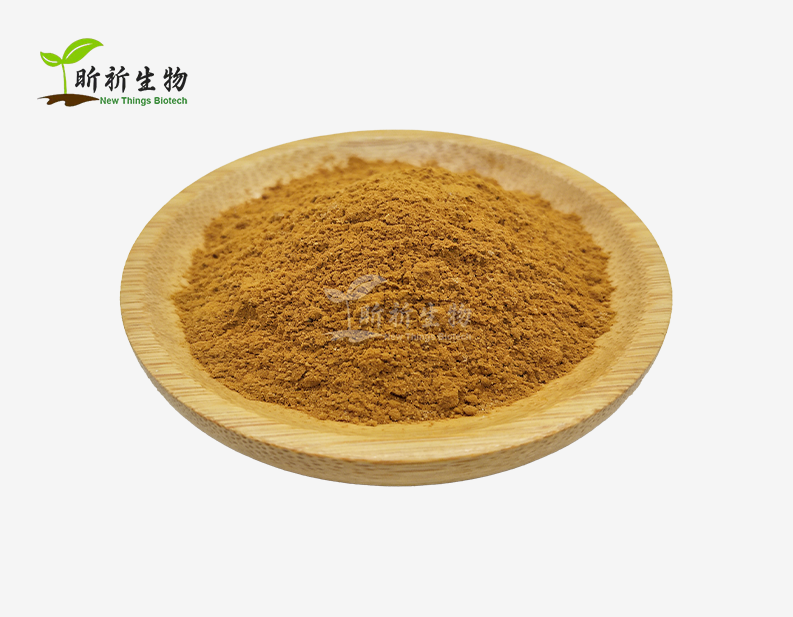
| Appearance | Pale yellow to off-white fine powder | Visual |
| Odor and Taste | Characteristic lemon, tart | Organoleptic |
| Solubility | Water soluble | — |
| Particle Size | 100% pass 80 mesh | Sieve |
| Loss on Drying | ≤ 5.0% | USP |
| Heavy Metals | ≤ 10 ppm | ICP-MS |
| Total Plate Count | ≤ 10,000 cfu/g | USP |
| Yeast and Mold | ≤ 100 cfu/g | USP |
| E. coli / Salmonella | Negative | USP |
| Storage and Shelf Life | Sealed, cool, dry, away from light; 24 months | — |
Ask About Carrier Ratio and Flavor Strength
Lemon powders vary mostly in the amount of juice solids vs the carrier. Higher juice content means greater taste and acidity. Higher carrier content increases flow and decreases expense. It's not "better" in every scenario. The correct ratio depends on your application. Request samples at varying strengths and test them in your real product before locking on a specification.
Certifications and Documentation
Increasingly retailers and importers are requiring documented quality processes. Make sure your supplier is certified for the markets you want to sell in and that they provide a CoA with each batch. This documentation speeds up incoming inspection and helps keep audits going smoothly.

Why Food Producers Choose NT Biotech as Their Dried Lemon Juice Powder Supplier
Fast Response and Reliable Stock
Production schedules allow little time to delay. All questions will be answered within 2 hours of receipt by NT Biotech. Popular grades are in stock and ship within 1-3 working days following purchase confirmation. Production orders are usually 3-10 working days, including premium raw material acquisition, processing, laboratory testing and final packing so your lines stay operating.
Flexible Logistics, Certifications, and Payment
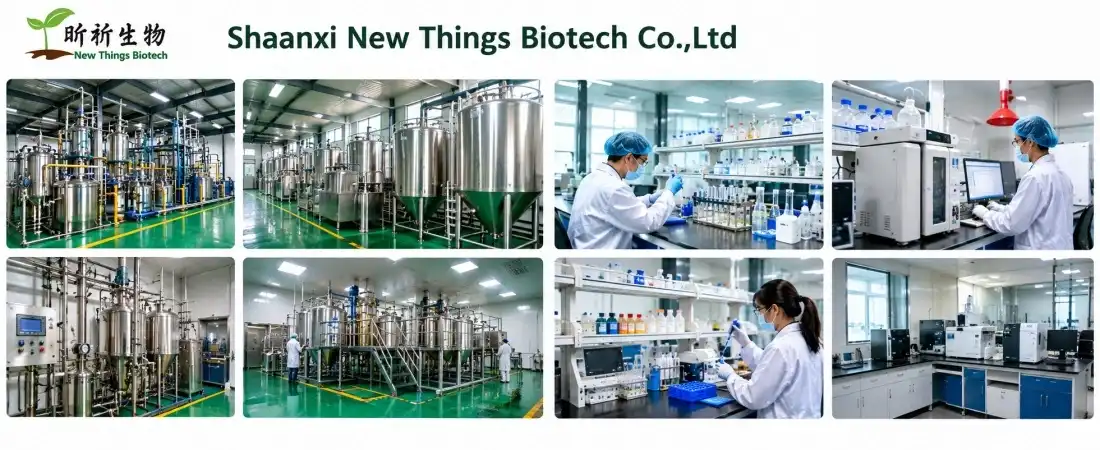
Samples and smaller orders ship straight from our plant on our own Fedex and UPS accounts. Bulk orders go by air or sea via reputable freight forwarders, tailored to your preferences for time, volume and cost. We have ISO9001 quality management and KOSHER & HALAL certifications. We are a long-term technical partner and provide OEM and ODM services to tune carrier ratio, mesh size, taste strength, ready-to-use seasoning or drink mixes. We also take payment in the native currency of the buyer.
Conclusion
Dried lemon juice powder offers food manufacturers a way to provide real lemon flavor and natural acidity in a stable, lightweight, easy-to-dose form. It reduces shipping and cold-storage expenses. It works where liquids don't, particularly in spices and dry mixes. It also helps regulate browning, aids in leavening and supports clean label claims. Shaanxi New Things Biotech is a reliable provider of plant derivatives offering batch tested dried lemon juice powder with CoA paperwork and ISO9001, KOSHER and HALAL certifications. We assist food & beverage companies from plant source to completed product with speedy stock delivery, flexible logistics and customized OEM solutions. Make the wise step to powder and start working with us immediately.
FAQ
Q1: Why use lemon powder instead of liquid juice in production?
It stores at room temperature, ships lighter, doses accurately, and works in dry mixes.
Q2: What is the shelf life of NT Biotech's lemon powder?
About 24 months when stored sealed, cool, and dry.
Q3: Can it help prevent browning?
Yes. Its natural citric and ascorbic acids help slow enzymatic browning.
Q4: Can the carrier ratio be customized?
Yes. We adjust juice-to-carrier ratio, mesh size, and flavor strength through OEM service.
Q5: How fast can you ship bulk orders?
Stock grades ship within 1–3 working days. Production orders take 3–10 working days.
Streamline Your Lemon Products with NT Biotech
Liquid juice and fresh lemons slow production. A good powder makes it quicker. NT Biotech provides dried lemon juice powder, prepared from the natural Citrus limon juice. Spray dried for rapid dissolving. Milled for consistent mixing. CoA recorded for every batch. We react within two hours, ship stock grades in days, accept payment in your local currency, and provide OEM and ODM assistance for spices, drink mixes, bakery premixes and sauces. If you are changing liquid juice on an existing line or introducing a new lemon product, our technical team will work with you to get the taste and performance correct. Email info@newthingsbiotech.com immediately for a free sample, complete specs and a competitive bulk quote.
References
1. Asioli D, Aschemann-Witzel J, Caputo V, et al. Making sense of the "clean label" trends: a review of consumer food choice behavior and discussion of industry implications. Food Research International. 2017;99(Pt 1):58–71.
2. Ciriminna R, Meneguzzo F, Delisi R, Pagliaro M. Citric acid: emerging applications of key biotechnology industrial product. Chemistry Central Journal. 2017;11:22.
3. Klimek-Szczykutowicz M, Szopa A, Ekiert H. Citrus limon (lemon) phenomenon—a review of the chemistry, pharmacological properties, applications in the modern pharmaceutical, food, and cosmetics industries, and biotechnological studies. Plants. 2020;9(1):119.
4. Oms-Oliu G, Rojas-Graü MA, González LA, et al. Recent approaches using chemical treatments to preserve quality of fresh-cut fruit: a review. Postharvest Biology and Technology. 2010;57(3):139–148.
5. Leistner L. Basic aspects of food preservation by hurdle technology. International Journal of Food Microbiology. 2000;55(1–3):181–186.
6. Phisut N. Spray drying technique of fruit juice powder: some factors influencing the properties of product. International Food Research Journal. 2012;19(4):1297–1306.