- English
- French
- German
- Portuguese
- Spanish
- Russian
- Japanese
- Korean
- Arabic
- Greek
- German
- Turkish
- Italian
- Danish
- Romanian
- Indonesian
- Czech
- Afrikaans
- Swedish
- Polish
- Basque
- Catalan
- Esperanto
- Hindi
- Lao
- Albanian
- Amharic
- Armenian
- Azerbaijani
- Belarusian
- Bengali
- Bosnian
- Bulgarian
- Cebuano
- Chichewa
- Corsican
- Croatian
- Dutch
- Estonian
- Filipino
- Finnish
- Frisian
- Galician
- Georgian
- Gujarati
- Haitian
- Hausa
- Hawaiian
- Hebrew
- Hmong
- Hungarian
- Icelandic
- Igbo
- Javanese
- Kannada
- Kazakh
- Khmer
- Kurdish
- Kyrgyz
- Latin
- Latvian
- Lithuanian
- Luxembou..
- Macedonian
- Malagasy
- Malay
- Malayalam
- Maltese
- Maori
- Marathi
- Mongolian
- Burmese
- Nepali
- Norwegian
- Pashto
- Persian
- Punjabi
- Serbian
- Sesotho
- Sinhala
- Slovak
- Slovenian
- Somali
- Samoan
- Scots Gaelic
- Shona
- Sindhi
- Sundanese
- Swahili
- Tajik
- Tamil
- Telugu
- Thai
- Ukrainian
- Urdu
- Uzbek
- Vietnamese
- Welsh
- Xhosa
- Yiddish
- Yoruba
- Zulu
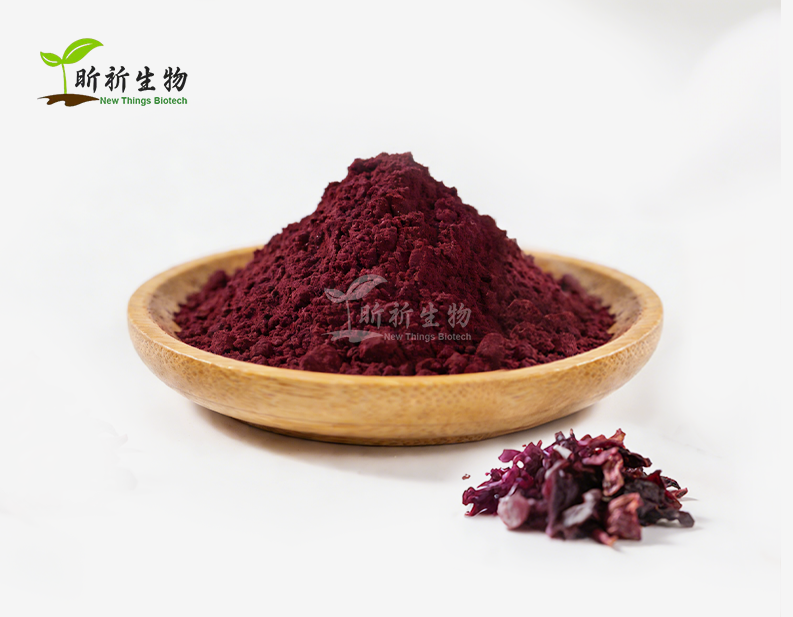
Pure purple yam powder can be used in a huge range of ways in cosmetics, drinks, nutraceuticals, and foods. This colorful ingredient comes from the root of the Dioscorea alata plant. It works well with other ingredients in the manufacturing process and can be easily mixed with liquids, added directly to dry mixes, or mixed in during the production steps. The powder gives consistent color, nutrition, and taste to baked goods, functional drinks, and skin care products when added at normal amounts of 2 to 10 percent by weight, based on the level of intensity needed and the needs of the application.
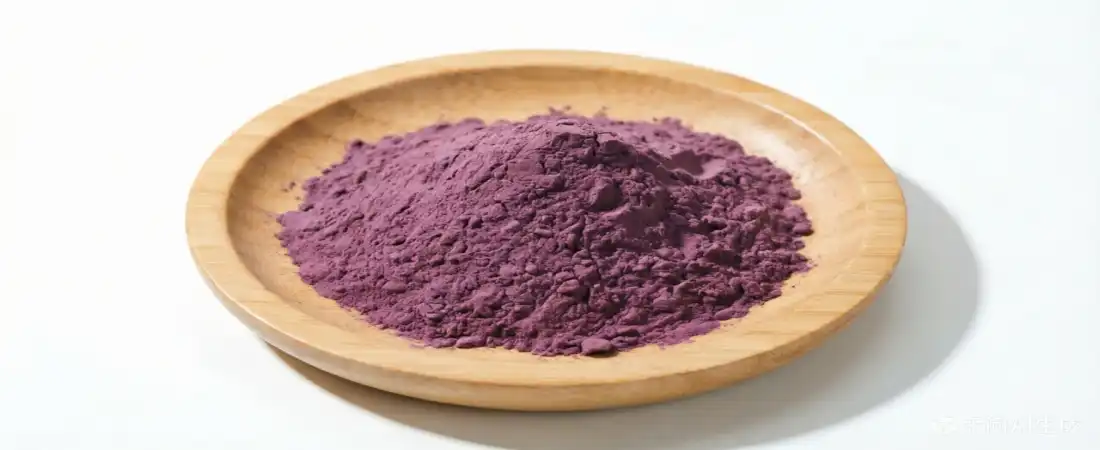
Understanding Pure Purple Yam Powder
Pure purple yam powder is a clever plant ingredient that comes from purple yams (Dioscorea alata L.), which have been grown for hundreds of years in Asia because people have known their health benefits. Authentic pure purple yam powder is different from purple sweet potato powder, which comes from Ipomoea batatas. It has a different botanical profile with different phytonutrient composition and organoleptic traits that sourcing workers need to be aware of.
Botanical Origin and Processing Excellence
To make high-quality powder, the roots are carefully chosen, and then the powder is cleaned, dehydrated at low temperatures, and milled with great accuracy until the particles are 80 mesh. This method is very careful to keep the natural anthocyanin colors, tough starch structures, and bioactive substances that make something good. Advanced freeze-drying or spray-drying methods keep up to 95% of the functional qualities of the raw material. This makes their goods better than air-dried ones, which lose nutrients and become oxidized.
Nutritional Profile and Functional Benefits
Pure purple yam powder has a lot of dietary fiber, resistant starch, and a rich anthocyanin spectrum that gives it its unique violet color. Vitamin C, important minerals like manganese and potassium, polysaccharides, and substances based on diosgenin are all in the mixture. These parts help the immune system work, keep the heart healthy by keeping blood fat levels normal, and protect against free radicals, which is good for both internal health and skin uses. Formulation scientists who are making goods to improve metabolic health like the resistant starch content because it breaks down more slowly than regular carbs, which helps keep glucose levels stable after a meal.
Quality Specifications and Certifications
Professional-grade powder has to meet strict quality standards, such as being 100% pure, having a moisture level kept below 6% for stability, and always being the same color. Products that have ISO 9001, Kosher, or Halal standards make sure that they meet the needs of people from different cultures and legal settings. Each batch of production should come with a lot of paperwork, like HPLC analysis, Certificates of Analysis, and microbiological tests. This gives procurement workers the traceability they need for quality control programs and regulatory reports.
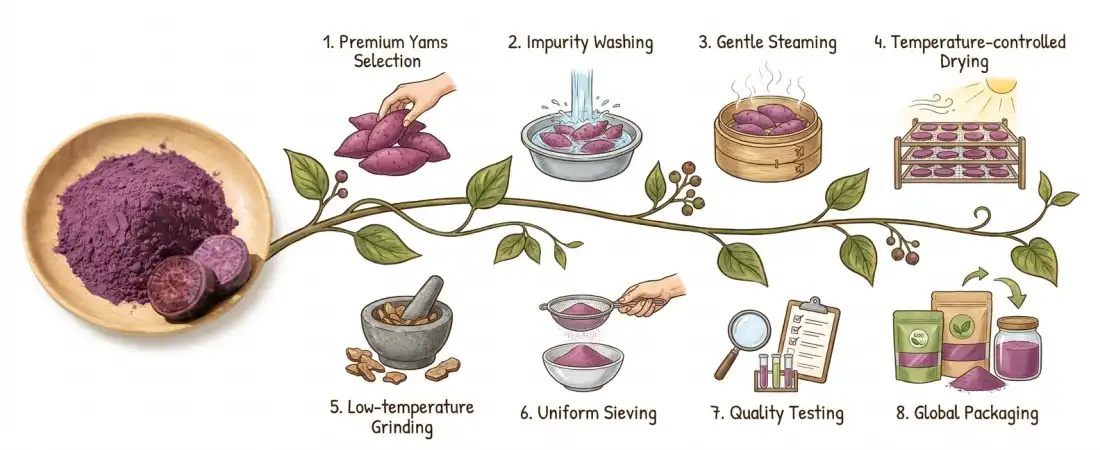
How to Use Pure Purple Yam Powder Effectively in B2B Applications
If you want to successfully add this plant ingredient to commercial products, you need to know about dosage rules, processing compatibility, and application-specific factors that improve both function and appearance.
Food and Beverage Formulation Strategies
When used in industrial bakeries, the pure purple yam powder's ability to keep water in helps prevent sagging and adds natural color that can survive heat processing. Manufacturers usually add 3 to 8 percent by weight of flour when making cakes, cookies, bread, or desserts, but they can change the amount depending on the color and taste they want to add. The starch framework in the powder gives gluten-free recipes structure when there are no standard wheat proteins, which makes the crumb texture better and keeps it stable on the shelf.
Beverage developers appreciate that the ingredient dissolves well in both water- and dairy-based systems. Protein shakes, smoothie mixes, and functional wellness drinks that are ready to drink contain 2 to 5 percent powder, and micronized grades keep the drinks from settling, which can happen with suspension drinks. The natural viscosity input lowers the need for synthetic stabilizers, which supports a clean-label stance that appeals to health-conscious consumers.
Nutraceutical and Supplement Integration
Meal replacement formulas use the nutritional value of the powder and mix it with fruit extracts, protein isolates, and collagen peptides to make full nutrition profiles. Products for sports nutrition use resistant starch to give you energy that lasts, and the anthocyanin content meets the growing need for antioxidant-rich ingredients. Dosage in dry-mix vitamins is usually between 10 and 20 percent of the total weight of the mixture. This is based on how strong the taste is and what nutritional goals are being met.
Cosmetic and Personal Care Applications
The antioxidant power of anthocyanins makes them useful in skin care products, since oxidative stress makes skin look older. The powder is used in both direct and ingestible beauty nutrition items to help skin health by neutralizing free radicals. Formulators who work with creams, serums, or beauty supplement powders like that this ingredient works well with collagen, vitamin C, and plant extract complexes. This lets them make products that work better together and help the skin in more ways.
Processing Considerations and Stability Management
Because anthocyanin colors are sensitive to temperature, they need to be controlled during production. The carbohydrate structure protects against heat during baking (up to 180°C for a short time), but high temperatures for a long time can change the color patterns. Because anthocyanins are pH-sensitive, mixtures with alkaline ingredients may show blue color changes. To keep the violet hue, buffering techniques or changing the formulation's pH between 3.5 and 6.5 are needed. Powder stays intact for a long time when stored in cool, dry places with little light exposure. This protects both the color stability and the bioactive chemical effectiveness.

Quality Assessment and Selecting the Right Pure Purple Yam Powder
Decisions about what to buy have a big effect on how well the finished pure purple yam powder works, so evaluating suppliers and checking their quality are important parts of strategic buying.
Critical Quality Indicators
The first thing that you should look at is the color consistency. Premium powder has a deep purple color that stays the same from batch to batch and doesn't have any brown rust spots. The spread of particle sizes affects both how the material is handled and how it feels when it's finished. An industry standard of 80 mesh strikes a balance between how easily it dissolves and how easy it is to make. The aroma profile should have mild, naturally sweet notes with no off-odors that could mean the product was not processed properly or was not stored properly.
Supplier Credibility and Documentation Standards
Reliable providers have complete quality systems that are backed up by certifications that are known around the world. ISO 9001 shows that quality management is done in a planned way, and Kosher and Halal standards make it easier for people to buy products. Traceability paperwork should link each production batch to particular farming locations, processing times, and quality test results. This way, any quality issues can be fixed quickly, and clean-label marketing claims can be backed up.
The professional skills of the supplier are just as important. Partners who offer formulation help, data from stability tests, and application advice add value beyond just providing raw materials. They become development partners instead of just trade sellers. This partnership method cuts down on recipe risk and speeds up the product development process.
Comparative Product Analysis
Specification mistakes can be avoided by knowing the differences between pure purple yam powder and other products that are similar. Even though purple sweet potato powder looks like regular sweet potato powder, it comes from a different plant family and has different flavors and nutritional values. Taro powder is yet another option. It has different starch qualities that change the way recipes behave viscoelastically. When buying plants, procurement teams have to make sure that the ones they choose meet the needs of the product in question, taking into account things like taste, color stability, and how well the plants work in the intended uses.
Strategic Procurement of Pure Purple Yam Powder
To support consistent production, good pure purple yam powder sourcing methods combine the need for quality, the need to control costs, and the need for a reliable supply chain.
Supplier Identification and Evaluation
Botanical ingredient companies that have been in business for ten years or more show that they are stable in the market and skilled in their field. Suppliers with dedicated quality control offices, advanced research and development teams, and their own processing technologies can offer competitive benefits by making sure that their products are always consistent and helping with new ideas. Geographical factors affect wait times and the difficulty of logistics, but experienced suppliers can make these issues less of a problem by strategically placing their goods and building relationships with freight companies.
Minimum order quantities (MOQs) are based on how things are made on an industrial scale. 10 kg MOQs are used for initial trials, while bigger volumes are usually negotiated for ongoing purchases based on predicted usage. Different operating sizes and storing needs can be met by a range of flexible packaging options, such as 1 kg sampling bags, 10 kg boxes, and custom bulk cases.
Pricing Dynamics and Contract Negotiation
The prices of raw materials change depending on how much food is grown, how complicated the process is, and how the market changes in demand. Long-term supply deals keep prices stable and make sure that supplies are distributed evenly during times when supplies are low. Payment terms that take into account the realities of foreign trade, such as flexible currencies and standard business credit agreements, make transactions go more smoothly. When you build relationships that go beyond negotiating prices, you both benefit because you can get early access to new products, technology innovations, and market information.
Logistics and Supply Chain Management
Temperature-controlled shipping keeps moisture from absorbing during transport, which is especially important for ocean freight that goes through a lot of different temperature zones. Respondent suppliers are those that can quickly fulfill orders; having standard products in stock so they can be shipped within one to three days supports just-in-time manufacturing methods; and 3–10 day production cycles for custom specifications give customers flexibility without having to pay too much for inventory.
The knowledge of a freight forwarder is important for combining shipments, figuring out customs paperwork, and choosing the best method of delivery. For express shipping, suppliers use established FEDEX and UPS accounts. For bulk containers, they use known ocean freight partners. This gives customers choices that fit their needs and budget. These transportation skills have a direct effect on figuring out the total landed cost and making sure that production schedules are kept.
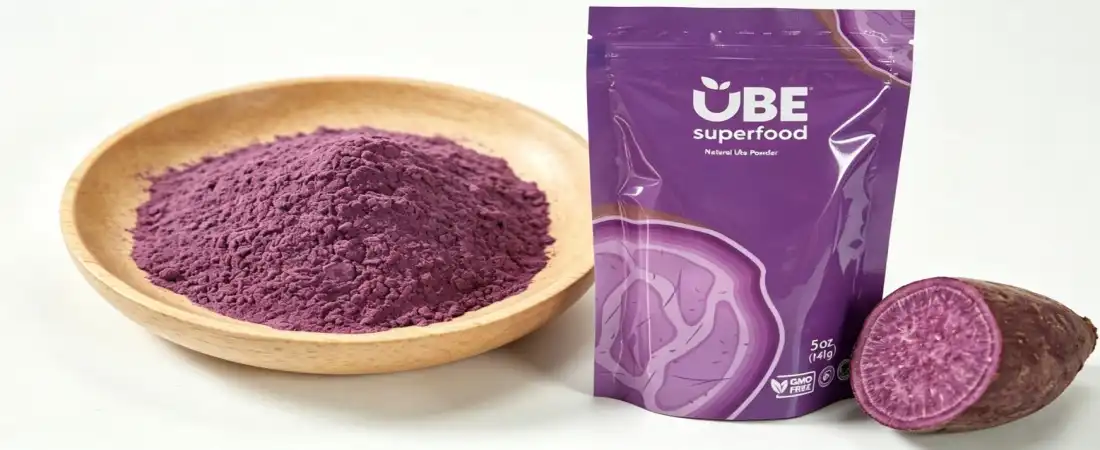
Maximizing ROI: Practical Tips for B2B Clients Using Pure Purple Yam Powder
Strategically choosing ingredients isn't just about meeting the needs of the current recipe; it's also about meeting business goals like market positioning, brand differentiation, and regulation compliance.
Aligning with Consumer Trends
As more people read ingredient labels and choose natural dyes over manufactured ones, the demand for natural colorants keeps going up. Products with pure purple yam powder can honestly say that the color comes from natural sources. This supports a "clean label" stance that gets higher prices and more trust from customers. Bright purple foods and drinks look great on Instagram and get people to interact with each other on social media, which is good for marketing in ways other than standard advertising.
Functional nutrition trends that support ingredients with proven health benefits make it possible for powders to be used in two-in-one formulas, where they serve both nutritional and aesthetic purposes. Marketing stories that connect old traditional use with current nutritional science are effective with a wide range of people, from wellness fans to people who are just generally concerned about their health.
Leveraging Certifications for Brand Building
Certifications for suppliers give final goods more authority. Kosher and Halal certifications let you reach certain markets and show that you understand different cultures. ISO 9001 certification shows that you have systematic quality control. Putting these credentials front and center in B2B marketing materials and product packaging helps build trust with both business partners and end customers, setting brands apart in crowded categories.
When launching new goods in areas that people don't know much about, co-branding with famous suppliers can help people think that the products are of higher quality. Stability studies, application instructions, and nutritional data are some of the technical documents that good providers provide that back up regulatory submissions, label claims, and marketing communications.
Risk Management and Compliance Assurance
Different parts of the world have different rules and regulations, so working with suppliers who know about foreign safety is a good idea. Products that are approved by more than one standard can better adapt to tactics for growing their markets. Detailed quality paperwork speeds up government filings, which shortens the time it takes for new products to hit the market.
Diversifying vendors is important for a supply chain's stability, but so is building deep relationships with vendors so that they can work together technically. Having qualified backup suppliers on hand avoids problems, and main partnerships help with new ideas. Regular quality checks and batch testing make sure that standards are always met, which protects the brand's image from quality problems caused by ingredients.
Operational Efficiency Optimization
Free sample programs lower the risk of formulation by letting small-scale testing happen before making big promises. This method makes sure that the recipe will work with the processing, checks the sensory profiles, and finds any application-specific problems that need to be fixed. Suppliers who offer expert support during product development speed up optimization and help companies avoid common recipe mistakes.
When custom packaging choices are matched with production processes, handling steps are cut down, and the risk of contamination is lower. OEM and ODM features let you customize ingredients in ways like pre-blended formulas or changed particle sizes, which makes manufacturing processes easier and lowers the complexity of the work you do in-house.
Conclusion
In conclusion, pure purple yam powder is a valuable and flexible plant ingredient that can be used in a wide range of B2B formulations in the cosmetics, nutraceuticals, food, and drink industries. To make a good application, you need to know about quality standards, processing issues, and the supplier's skills that will ensure regular performance. Businesses can take advantage of the rising demand for natural, useful products by balancing quality, cost, and supply dependability in their strategic buying. Procurement pros lower risks by working with experienced suppliers that offer technical support, full certifications, and quick shipping. This lets them come up with new products that give their companies a competitive edge and help the market grow.
FAQ
1. What is the recommended shelf life for purple yam powder?
Premium-grade powder stays at its best for 24 months after it was made, as long as it is kept in cool, dry places with little light and in sealed containers that keep wetness out. When stored correctly, anthocyanins don't break down, so the color stays bright and the nutrients stay active for the time period that was set.
2. How does purple yam powder compare nutritionally to purple sweet potato powder?
Both pure purple yam powder and purple sweet potato powder have anthocyanins and fiber, but pure purple yam powder from Dioscorea alata has higher levels of resistant starch and unique diosgenin chemicals. Because they come from different plants, they have different nutritional profiles and functional qualities that affect how well the mixture works and how healthy it is positioned.
3. Can purple yam powder replace synthetic food colorants in commercial formulations?
Yes, the powder can be used instead of manufactured dyes like Red No. 40 and Blue No. 1 in many situations. It gives products a natural violet color that is good for clean labels. However, changes may need to be made to the formulation to take into account how pH and processing factors affect how the end color looks.
Partner with NT Biotech for Premium Purple Yam Powder Supply
NT Biotech has been working with plant ingredients for over 10 years and is ready to help you with your manufacturing needs with their high-quality natural ube powder. Our pure purple yam powder source has ISO 9001, Kosher, and Halal standards, which make sure quality in markets around the world. We keep an accurate collection, so we can ship regular orders within one to three days. Custom orders take three to ten days to be made. Our expert research and development team backs up every batch with a full Certificate of Analysis and technical support. Whether you're making functional drinks, clean-label bakery goods, or new nutraceuticals, we offer flexible OEM solutions, free samples, and minimum orders of 10 kg. Get in touch with our helpful staff at info@newthingsbiotech.com to talk about your project needs and find out why top makers choose NT Biotech as their preferred pure purple yam powder manufacturer.
References
1. Chen, L., & Huang, G. (2019). "Anthocyanin Composition and Bioactivity of Purple Yam (Dioscorea alata) Extracts." Journal of Food Science and Technology, 56(4), 1823-1832.
2. Rodriguez-Amaya, D. B. (2018). "Natural Food Pigments and Colorants." Current Opinion in Food Science, 22, 76-85.
3. Singh, B., & Kaur, A. (2020). "Resistant Starch: Functional Properties and Applications in Food Industry." Critical Reviews in Food Science and Nutrition, 60(16), 2784-2798.
4. Teow, C. C., Truong, V. D., McFeeters, R. F., Thompson, R. L., Pecota, K. V., & Yencho, G. C. (2017). "Antioxidant Activities, Phenolic and β-Carotene Contents of Sweet Potato Genotypes with Varying Flesh Colors." Food Chemistry, 103(3), 829-838.
5. Williams, C. A., & Grayer, R. J. (2021). "Anthocyanins as Natural Colorants in Food Systems: Stability, Bioavailability and Health Effects." Phytochemistry Reviews, 20(2), 347-368.
6. Zhang, Y., Wang, D., & Lee, R. (2020). "Application of Natural Plant Extracts in Functional Food Development: Industrial Perspectives and Quality Control." Food Research International, 137, 109342.