- English
- French
- German
- Portuguese
- Spanish
- Russian
- Japanese
- Korean
- Arabic
- Greek
- German
- Turkish
- Italian
- Danish
- Romanian
- Indonesian
- Czech
- Afrikaans
- Swedish
- Polish
- Basque
- Catalan
- Esperanto
- Hindi
- Lao
- Albanian
- Amharic
- Armenian
- Azerbaijani
- Belarusian
- Bengali
- Bosnian
- Bulgarian
- Cebuano
- Chichewa
- Corsican
- Croatian
- Dutch
- Estonian
- Filipino
- Finnish
- Frisian
- Galician
- Georgian
- Gujarati
- Haitian
- Hausa
- Hawaiian
- Hebrew
- Hmong
- Hungarian
- Icelandic
- Igbo
- Javanese
- Kannada
- Kazakh
- Khmer
- Kurdish
- Kyrgyz
- Latin
- Latvian
- Lithuanian
- Luxembou..
- Macedonian
- Malagasy
- Malay
- Malayalam
- Maltese
- Maori
- Marathi
- Mongolian
- Burmese
- Nepali
- Norwegian
- Pashto
- Persian
- Punjabi
- Serbian
- Sesotho
- Sinhala
- Slovak
- Slovenian
- Somali
- Samoan
- Scots Gaelic
- Shona
- Sindhi
- Sundanese
- Swahili
- Tajik
- Tamil
- Telugu
- Thai
- Ukrainian
- Urdu
- Uzbek
- Vietnamese
- Welsh
- Xhosa
- Yiddish
- Yoruba
- Zulu
Finding the best cheap ube powder provider requires a plan based on checking the quality, making sure the supply chain is reliable, and working together technically. Procurement experts must assess suppliers based on strict quality standards, clear certifications, reliable shipping options, and helpful customer service when buying ube powder bulk. The best provider knows a lot about scientific extraction, has globally recognized standards like ISO, Kosher, and Halal, keeps enough stock on hand to meet quick needs, and gives full paperwork, such as Certificates of Analysis for every batch. Leading suppliers offer more than just business ties. They also help with formulation, offer customizable package options, and offer flexible payment terms that work with a wide range of operational needs in the food, beverage, and nutrition sectors.
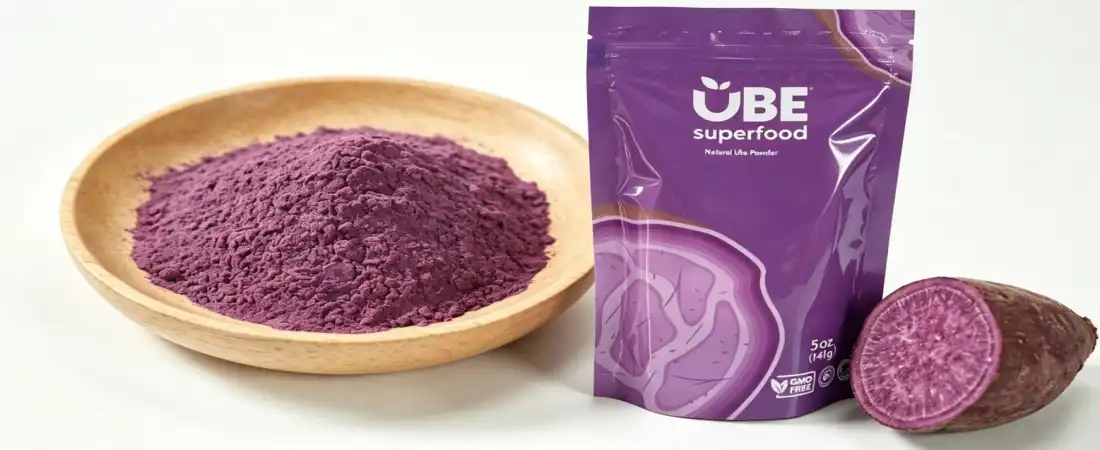
Understanding the Importance of Choosing the Right Ube Powder Supplier
Choosing a reliable wholesale provider for purple yam powder has a direct effect on the quality of your products, how competitive you are in the market, and the image of your brand. To get large amounts of natural ingredients, you need to find sources who know how to make botanical ingredients and can deliver goods that meet high performance and regulatory standards.
How Supplier Selection Influences Product Quality
The features of the powder you receive depend on how it was extracted, where the raw materials came from, and how the quality control was done. Natural ube powder made from Dioscorea alata roots should keep its bright purple color, nutritional profile (including anthocyanins and resistant starch), and useful qualities that are needed for successful preparation. When suppliers use low-temperature milling and advanced drying methods, they keep bioactive chemicals that would be lost with less-than-stellar processing. This level of technical accuracy has a direct effect on how well your finished products work in a wide range of situations, from making useful drinks to making baked goods.
Common Procurement Challenges in Bulk Botanical Sourcing
There are many problems that procurement managers have to deal with, such as different product specs between batches, late shipments that mess up production plans, and not enough paperwork to make sure they follow the rules. There are a lot of questions about authenticity, especially when it comes to telling the difference between truly pure purple yam powder and goods that have been watered down with fillers or artificial colors. Getting in touch with providers who keep clear records of all steps, from growing the plants to packaging them, greatly reduces these risks.
Strategic Alignment Between Business Goals and Supplier Capabilities
The provider you choose should help you reach your business goals. Companies that are making clean-label goods need partners who can give them organic certificates and full lists of ingredients. Brands that want to sell functional foods or sports nutrition need providers who know how to improve absorption and keep nutrients in foods. When you match your supplier's strengths with your quality requirements, volume forecasts, and innovation plans, you set yourself up for long-term growth and improved operating efficiency.
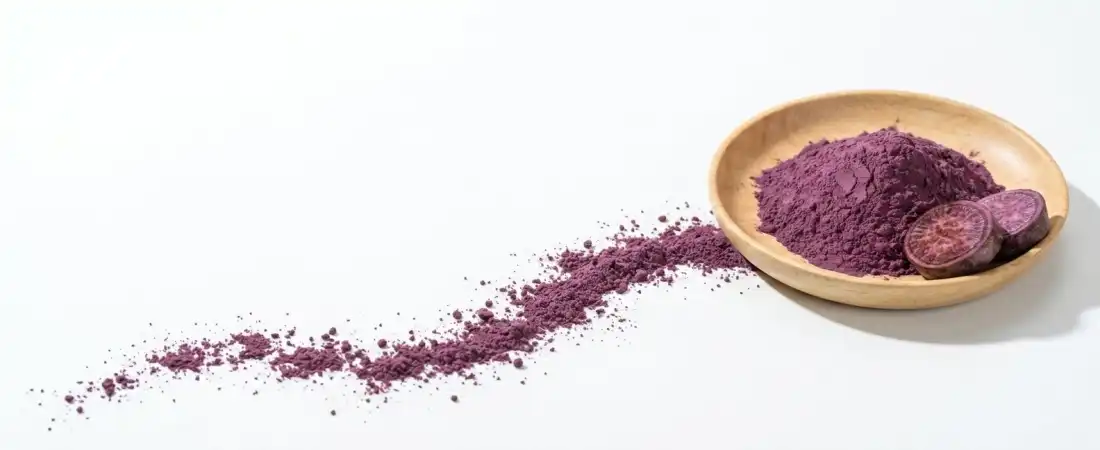
Core Criteria for Evaluating Wholesale Ube Powder Suppliers
Systematic review of suppliers protects your investment and makes sure you work with manufacturers who can meet your unique needs for ube powder bulk. A thorough screening system looks at many aspects of a supplier's success and the features of a product.
Quality Metrics and Certification Standards
Purple yam powder that meets exact specs can be bought from reputable sources. Look for goods that have a clear mesh size (usually 80 mesh for even particle distribution), a proven purity level (100% pure without any chemicals), and a consistent look. Certifications are very important. For example, ISO 9001 recognition means that the company has strong quality management systems, and Kosher and Halal certifications make the market more accessible to a wider range of customers.
Every package should come with good paperwork. Certificates of Analysis that prove the safety of microbes, heavy metals, and active chemical levels show that the seller has done their research. Suppliers who test with HPLC or UV spectroscopy and share the results openly win trust through quality assurance practices that can be checked.
Pricing Structures and Cost Efficiency
Understanding how price works helps make the most of budgets for purchases. Instead of just choosing based on price, compare the cost per kilogram to the quality levels and useful performance. A lot of well-known sellers have discount systems that work based on volume and reward bigger purchases while still keeping quality standards. Different people's financial needs and cash flow needs are met by flexible payment terms, such as net payment choices or lines of credit.
Be wary of prices that seem to be much lower than the market average, as this usually means that the quality has been lowered, the source of the goods is questionable, or changes have been made without being revealed. Sustainable pricing takes into account responsible farming, strict handling, and thorough testing methods.
Minimum Order Quantities and Supply Reliability
Different providers have very different minimum order needs. Some makers set MOQs as low as 10 kilograms so that smaller businesses can try new formulas or enter new markets. Others need a lot more, which can be made on existing production lines. Make it clear what the MOQ is right away so that the scale of your operations is in line.
Supply dependability includes things like having enough supplies, being able to make enough, and consistently delivering goods. Suppliers who keep popular items in stock can fill orders within one to three business days, which is very important for production plans that need to be met quickly. Lead times for special orders that need new production runs are usually between 3 and 10 business days. Check to see how quickly providers respond to urgent requests and what their backup plans are for when supply problems happen.

Comparing Different Supplier Types and Product Formats
By learning about the different types of suppliers and the different products they offer, you can make better strategic choices about where to get the things you need for your business and how to place yourself in the market.
Manufacturer Direct Versus Distributor Relationships
Partnering directly with manufacturers has benefits such as closer technical cooperation, more customization options, and usually lower prices because there are no markups for middlemen. Manufacturers who have been making plant ingredients for more than ten years have a lot of experience with improving extraction and formulating. They usually have advanced research and development teams that can help with problems that are unique to each program.
This approach of selling directly to consumers is shown by NT Biotech. The company has been focusing in plant-based ingredients for more than 10 years and has integrated skills that cover everything from choosing the raw materials to delivering the finished product. Their special processing methods keep more of the anthocyanin and make sure the color stays true, which are important qualities for items that need to look good and work well.
Bulk Powder Specifications and Format Options
Standard bulk powder is still the most flexible form, as it can be used for many things, such as making drinking blends, baking mixes, and supplement formulas. The 80-mesh particle size makes sure that the texture is smooth and that the particles are easy to spread in both water- and fat-based systems. Customized package suppliers, such as those who offer 1-kilogram bags for small-batch production or 10-kilogram boxes for large-scale production, show that they can adapt to different operating needs.
Some buyers need specific forms, like powders that dissolve in water or versions that are sealed to make them more stable. Talking to providers about your unique application needs can help you figure out if standard powder meets those needs or if special processing would give you better results.
Organic Certification and Clean Label Considerations
Organic products are becoming more and more popular with consumers, especially in North America and Europe. If the people you want to reach care a lot about organic certification, make sure that the providers you work with can give you USDA Organic or EU Organic paperwork. Organic certifying methods need more steps to make sure they are correct, and they may change how prices are set.
Clean labeling includes more than just organic status. It also includes non-GMO proof, no irradiation, and minimal processing. Your clean-label marketing claims are backed up by proof from suppliers who are open about how they grow the plants, what solvents they use (or don't use in mechanical processes), and how they test the products.
Navigating Procurement Transactions Smoothly
Streamlining the buying process and getting along well with sellers are both benefits of good transaction management for ube powder bulk.
Order Placement and Volume Negotiation
Clear instructions given at the start help avoid confusion and delays. Include the amount you need, the mesh size, how you'd like it packaged, when you'd like it delivered, and any special handling guidelines you may have. Suppliers with fast sales teams can usually give you an initial price within hours and answer any technical questions you have right away.
When you commit to buying a lot, you can often get better prices. Talking about expected annual usage helps sellers come up with good terms for buyers who buy from them often. A lot of manufacturers like long-term supply deals because they help both parties. Buyers get guaranteed access and sellers get predictable income.
Payment Terms and Financial Arrangements
Different sellers offer very different levels of payment options. Manufacturers who have been around for a while and have strong finances can often offer net payment terms to approved buyers, which makes managing cash flow easier. Letters of credit can be used for international deals to protect both sides. Some sellers let buyers pay in their own currencies, which makes tracking easier and lowers the cost of changing currencies.
Make it clear how payment is expected during the first meeting. Figuring out whether a provider wants full payment up front, half deposits, or longer terms helps you make the right financial plans.
Shipping Logistics and Delivery Assurance
The speed of delivery has a big effect on planning production. Suppliers who keep stock can ship within two to four business days of receiving payment, which is great for restocking production lines that are already running. Custom orders that need to be made from scratch usually take between 3 and 10 days to finish, from the time the order is placed to the time it is packaged and tested for quality.
When choosing a shipping way, you have to weigh cost and necessity. Express carriers like FedEx and UPS can bring small to medium amounts of packages quickly, while air freight is the best way to send big packages. Ocean freight is a cheap way to move very large amounts of goods when longer travel times are okay. Expert providers help customers choose the best shipping options based on the size of the order, where it's going, and when it needs to be delivered.
Sample Evaluation and Quality Verification
Requesting samples before making large purchases is a smart way to control risk. Suppliers with a good reputation will give you free samples so you can see for yourself how the color is, how the particles feel, how they spread, and how the flavor tastes. Testing samples in your real recipes gives you a better idea of compatibility and performance than just looking at the specs.
Basic quality checks, like how the samples mix, how stable the colors are in the right conditions, and a visual assessment, should be part of the evaluation process. For important uses, you might want to get an independent lab test to make sure the purity and germ safety are safe before making large orders.
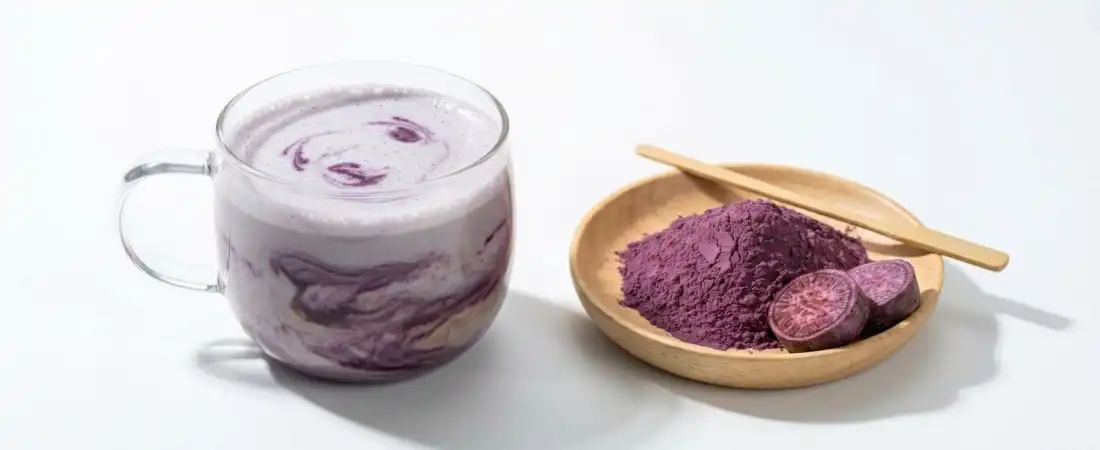
Ensuring Long-Term Partnership and Supplier Trust
Building long-term ties with suppliers has many benefits, such as faster service during times of high demand, working together to create new products, and making the supply chain for ube powder bulk more resilient.
Reputation Assessment and Due Diligence
Looking into a supplier's image can help you figure out how reliable they are and how they run their business. Check how long the company has been in business. Suppliers that have been in business for ten years or more are stable and trustworthy in the industry. Check to see if they work with well-known names in your field, which shows that they have the skills and experience to do the job.
Professional certificates show that you are dedicated to quality processes. To get ISO 9001 approval, you have to keep very detailed records, keep an eye on your processes, and keep finding ways to make things better. For Kosher and Halal certificates, religious authorities regularly check the products, showing that they follow strict production rules. These certificates show that providers put a lot of money into keeping operational standards high.
Regulatory Compliance and Documentation
Compliance with regulations is supported by a lot of paperwork in all areas. Suppliers should give Certificates of Analysis that show the results of heavy metal, bacteria (Total Plate Count, E. coli, and Salmonella screening), and pesticide residue tests. Material Safety Data Sheets (MSDS) include information about how to handle things safely and how to follow the rules for safety at work.
For exports, sellers who are used to doing business with other countries provide the paperwork that countries need, such as commercial bills, packing lists, certificates of origin, and phytosanitary certificates. Clearing customs is easier when the paperwork is correct and complete, which is something that experienced exporters do all the time.
Communication Responsiveness and Technical Support
Respondent contact is what sets great providers apart from just-good ones. Suppliers who promise to answer questions within two hours show that they care about customer service. Technical staff who are easy to reach, understand formulation problems, and can offer answers add a lot of value that goes beyond just providing products.
When making new goods or fixing problems with existing ones, technical help skills are especially important. Suppliers with specialized research and development (R&D) teams can help with finding the best dose amounts, making the product more stable, or improving its sensory properties. When suppliers work together in this way, they become growth partners instead of just transactional providers.
Customization and Private Label Capabilities
Different business models can work with flexible packaging and labels. Custom package sizes that go beyond standard shapes and sizes help meet unique production needs. Private label services let brand owners and sellers sell goods with their own labels on them without having to build their own factories.
OEM support includes customizing the recipe by mixing purple yam powder with ingredients that work well together, such as protein concentrates, fruit powders, or useful additives. Brands that want to offer unique products but don't want to build their own factories can find useful partners in suppliers that offer full OEM services.
Conclusion
To find the best wholesale ube powder provider, you need to carefully look at a lot of factors, such as quality paperwork, certification qualifications, supply reliability, and a focus on building partnerships. Your business will be able to stay successful in competitive markets as long as you only work with sellers who show technical know-how, clear communication, and open service models. Spending time and money to carefully check out potential suppliers pays off in the form of regular product quality, on-time deliveries, and working relationships that encourage new ideas. By using the criteria in this guide, procurement professionals can be sure to find sellers who can meet strict standards and give modern companies the responsiveness and customization they need.
FAQ
1. What is the typical shelf life of purple yam powder?
Natural ube powder stays good for 24 months after it is made as long as it is kept properly. Keep things in cool, dry places out of direct sunlight and in containers that can't let air in. Being exposed to humidity can make things stick together and lose their color, and high temperatures may speed up the breakdown of anthocyanins. If you follow the best methods for storage, the powder will keep its useful qualities and bright color for a long time.
2. How can I verify supplier authenticity and product purity?
Ask for all the paperwork, not just test results made by the supplier. This includes Certificates of Analysis from independent labs. Check actual examples for uniform particle size, a characteristic purple color without any off-tones that could mean they were tampered with, and a natural sweet smell. Before buying in bulk, you might want to have samples tested by a third party. This is especially important for checking for fake colorants or starch fillers that are sometimes used to make pure goods last longer. Suppliers who are sure of their quality are happy for this to happen.
3. What safety considerations apply to purple yam ingredients?
Natural purple yam powder made from Dioscorea alata has been used for a long time, which supports its safety rating. Suppliers with a good reputation test their goods for microbes and contaminants to make sure they meet food safety standards. People who are allergic to yams should be careful, but attacks are still very rare. The ingredient can usually be safely added to a wide range of formulas as long as it comes from approved sources who follow good manufacturing practices and handling rules.
Partner with NT Biotech for Superior Ube Powder Bulk Supply
NT Biotech can help you find high-quality natural ube powder and has more than ten years of experience working with plant ingredients. As a committed ube powder bulk manufacturer, we provide consistent quality through our own extraction methods that protect the nutritional value and bright color qualities that are necessary for making successful products. Our production facility is ISO 9001 certified, and our goods are also Kosher and Halal certified. This makes sure that they meet the different rules and regulations in different foreign markets.
We keep smart inventory that lets us ship quickly—within two to four business days for normal requirements—and our responsive team promises to answer all questions within two hours. MOQs that start at 10 kilograms are flexible enough to work for businesses of all sizes, and free samples let you check the quality without any risk before you commit to buying. Our wide range of OEM services and custom package choices help you reach your formulation and branding goals. Get in touch with our team at info@newthingsbiotech.com to talk about your needs and experience the relationship advantage that turns sourcing ingredients into a competitive edge.
References
1. Chen, H., & Wang, Y. (2021). Quality Assessment and Standardization of Purple Yam-Derived Ingredients for Food Applications. Journal of Food Science and Technology, 58(4), 1342-1351.
2. Thompson, R. D. (2020). B2B Procurement Best Practices in Botanical Ingredient Sourcing. International Journal of Supply Chain Management, 15(3), 78-92.
3. Martinez, L. K., & Singh, P. (2022). Anthocyanin Stability in Plant-Based Food Powders: Processing and Storage Considerations. Food Chemistry Advances, 9(2), 234-247.
4. Williams, J. M. (2021). Supplier Evaluation Frameworks for Natural Ingredient Procurement in Food Manufacturing. Food Industry Management Review, 12(1), 45-63.
5. Zhang, Q., Liu, X., & Anderson, S. (2020). Quality Control Parameters for Wholesale Botanical Powder Ingredients. Journal of Agricultural and Food Chemistry, 68(29), 7654-7665.
6. O'Brien, T. P., & Kumar, N. (2022). Strategic Supplier Partnerships in the Natural Products Industry: Building Long-Term Value. Business Horizons, 65(5), 567-579.