- English
- French
- German
- Portuguese
- Spanish
- Russian
- Japanese
- Korean
- Arabic
- Greek
- German
- Turkish
- Italian
- Danish
- Romanian
- Indonesian
- Czech
- Afrikaans
- Swedish
- Polish
- Basque
- Catalan
- Esperanto
- Hindi
- Lao
- Albanian
- Amharic
- Armenian
- Azerbaijani
- Belarusian
- Bengali
- Bosnian
- Bulgarian
- Cebuano
- Chichewa
- Corsican
- Croatian
- Dutch
- Estonian
- Filipino
- Finnish
- Frisian
- Galician
- Georgian
- Gujarati
- Haitian
- Hausa
- Hawaiian
- Hebrew
- Hmong
- Hungarian
- Icelandic
- Igbo
- Javanese
- Kannada
- Kazakh
- Khmer
- Kurdish
- Kyrgyz
- Latin
- Latvian
- Lithuanian
- Luxembou..
- Macedonian
- Malagasy
- Malay
- Malayalam
- Maltese
- Maori
- Marathi
- Mongolian
- Burmese
- Nepali
- Norwegian
- Pashto
- Persian
- Punjabi
- Serbian
- Sesotho
- Sinhala
- Slovak
- Slovenian
- Somali
- Samoan
- Scots Gaelic
- Shona
- Sindhi
- Sundanese
- Swahili
- Tajik
- Tamil
- Telugu
- Thai
- Ukrainian
- Urdu
- Uzbek
- Vietnamese
- Welsh
- Xhosa
- Yiddish
- Yoruba
- Zulu
These days, people who buy makeup want more than just water. They want to find ingredients that can truly moisturize, fight aging, and make the skin's barrier work better again. These ingredients should have been scientifically proven to work, and they have done so in the past. In this area, hyaluronate skin care has become the gold standard, giving buyers a tried-and-true choice that meets both technical needs and demand. This polymer is found naturally and quickly grabs and holds water molecules. Formulators need it to make serums, creams, and treatment systems for a wide range of goods. One of the most trusted and sought-after skin care products can help your brand if you know what it does, where to get it, and how to use it in skin care products.
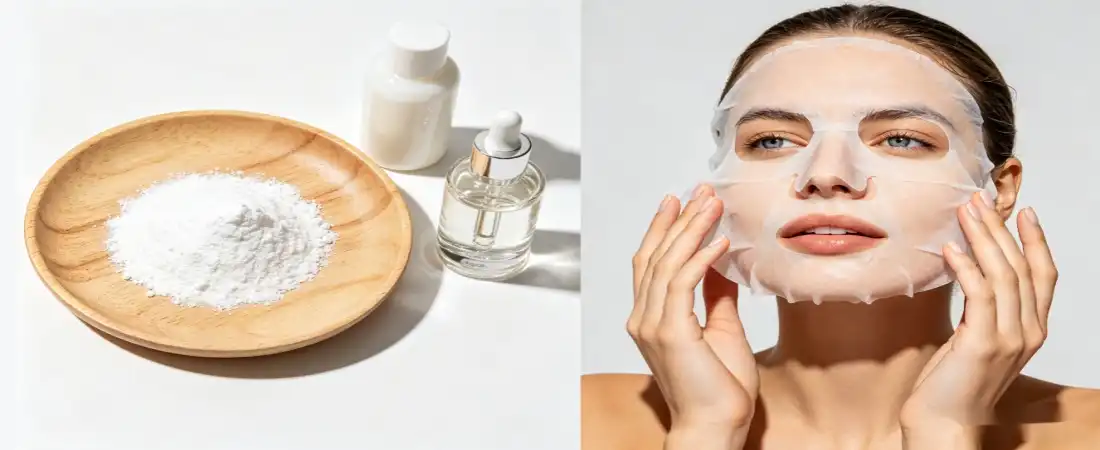
Understanding Hyaluronic Acid and Hyaluronate in Skincare
The Chemical Distinction That Matters for Formulation
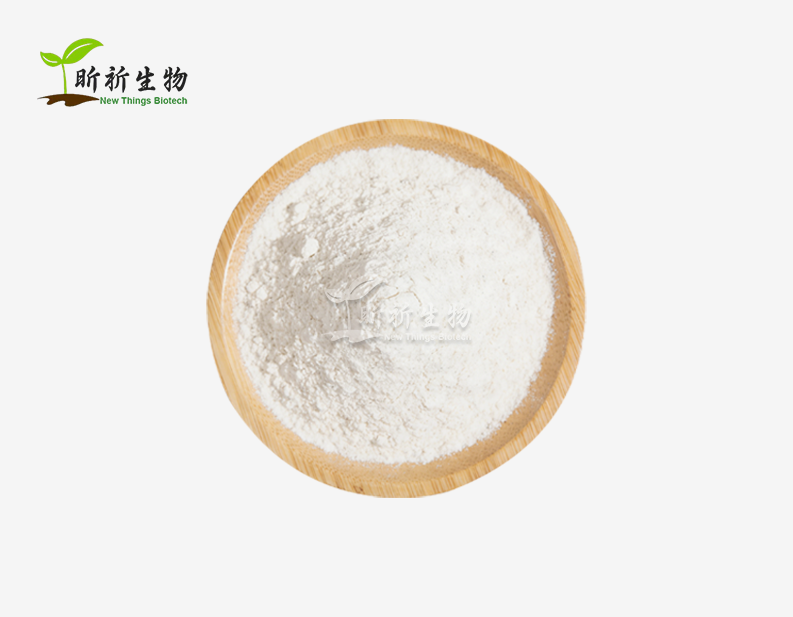
A lot of people who work in buying things can't tell the difference between hyaluronic acid and sodium hyaluronate. In both terms, the basic chemical is the same: it is a glycosaminoglycan, which is naturally found in human connective tissue. But the elements that make up these molecules are not at all the same. Hyaluronic acid is the acid form, and sodium hyaluronate is the salt form. This is a key difference because sodium hyaluronate absorbs better in water and stays stable at a neutral pH in a variety of preparation conditions. Because of this, it is the best material for making skin care items for sale. At 80 mesh, our sodium hyaluronate powder (CAS: 9004-61-9) is 99% pure. This means it will work well in many makeup bases and spread out evenly.
Molecular Weight Determines Functional Depth
Hyaluronic acid's molecular weight determines how well it can get into cells and what it does. High molecular weight versions (above 2,000 kDa) make safe sheets on the skin's surface that stop water loss through the epidermis. This makes the skin soft and smooth right away, which is great for masks and creams that moisturize. Medium-sized molecules (500–2,000 kDa) mix water on the skin's surface with average entry. They make skin more flexible and help anti-aging and firming serums work better. Hyaluronic acid with a molecular weight less than 500 kDa can get deeper into the skin and help fix the barrier while reducing inflammation. This is important for skin care products that help people heal after treatment. It's possible to get molecular weights that are just right for your formulation goals at NT Biotech, whether you want to wet the surface or fix the deep barrier.
Safety Profile and Regulatory Compliance
A lot of the time, sodium hyaluronate doesn't make skin sensitive or swell up. This means it can be used on all skin kinds, even skin that is sensitive, acne-prone, dry, or greasy. It is biocompatible because it is found naturally in human flesh. This makes it less likely to cause immune response. For our B2B clients in hyaluronate skin care who need to follow regulations, our hyaluronate ingredients are ISO9001, Kosher, and Halal certified, permitting them in many international markets. Each lot undergoes third-party quality testing and includes full documentation like Certificates of Analysis and HPLC proof. This ensures product traceability and trust while meeting US and other countries’ legal standards for pharmaceutical, nutraceutical, and cosmetic applications.
Comparing Hyaluronate with Other Popular Skincare Ingredients
Synergistic Combinations for Differentiated Product Lines
Vitamin C fights free radicals and retinol speeds up the renewal of cells. Together with these active ingredients, hyaluronate keeps the skin at the right level of wetness, which makes it less painful and more effective. When mixed together in night serums, sodium hyaluronate and retinol can make the anti-aging benefits stronger while lowering the redness that retinoids often cause. Hyaluronate and vitamin C are added to day creams to help keep the skin's wetness level steady and speed up the cell growth process. Collagen molecules are too big to get through skin that isn't broken, but because their molecular weights are different, hyaluronic acid molecules can get to specific places in the dermis. When brands use these strategies together, they can make skin care lines that fight many signs of aging at once, which is very useful for customers.
Formulation Format Considerations
What hyaluronate serums and creams to use depend on the weather and the people you want to reach. In light bases, serums usually have more hyaluronate with a low to medium molecular weight. People who live in wet places or want goods that they can add, like serums, like how well they treat the whole body. High molecular weight changes are used by moisturizers to make thicker emulsions that protect and hydrate, which is why people with dry skin or older skin like them. When buying teams know about these different forms, they can better choose ingredients that meet the needs of local markets and new goods that come out at certain times of the year.
Natural Versus Synthetic Sourcing Perspectives
Today, most sodium hyaluronate is made by bio-fermenting non-GMO plant products. This method is better at controlling purity and molecular weight than methods that use animal products. This way of making things is better for the earth and meets the requirements for vegan products. This is becoming more and more important for brands that want to sell in North America and Europe. NT Biotech's unique extraction methods get the most active chemicals from the ingredients while keeping the quality of key products above 98%. This gives formulators accurate information about how well their products work and thorough records of their quality, which helps them market their high-end names and stand out from the rest.
How to Incorporate Hyaluronate Products into Your Skincare Routine?
Application Guidelines for Optimal Results
To get the most out of hyaluronate, you need to understand how its hydrophilic system works. It works best when the ingredient is put on skin that is just slightly damp. This way, it can soak up any extra or external moisture before an occlusive layer seals it in. When you use a hyaluronate serum, a moisturizer, and a hydrating wash in this way, the skin is better able to hold on to water and not lose it too fast. Performance can also be changed by temperature and humidity. For instance, formulations made for dry areas should have higher amounts of high molecular weight versions that work better as barriers. Things made for wet places, on the other hand, can use lighter textures and lower molecular weight versions to get deeper without making the top heavy.
Segment-Specific Recommendations for OEM Development
For each type of customer, the best preparation method will depend on what they want and how likely they are to buy again. Simple one-step products that mix hyaluronate with humectants that work well together, like glycerin, are good for newbies because they make practices easier and make the skin look and feel more hydrated. Skin that is sensitive needs items that don't have a lot of other ingredients that work. This way, hyaluronate's ability to relax and fix barriers can shine through without the risk of irritating the skin from complicated ingredient structures. Customers who are pregnant want options that are safe and work well. For this careful group, sodium hyaluronate is a great element because it is found naturally and has a high safety rate. The results of this study help OEM partners make customized product lines with clear messages that address specific buyer concerns.
The B2B Success Metrics
To add multi-weight hyaluronate mixes to their hyaluronate skin care line, a medium-sized cosmetics brand worked with an honest ingredient source. Within six months, products showed 34% higher customer hydration satisfaction and 28% higher repeat sales. A startup used low molecular weight sodium hyaluronate for a post-procedure healing serum, achieving first-year profitability through dermatology clinic placement and professional referrals. Material quality directly links to market success and financial returns.

Procurement Guide for Hyaluronate Skincare Ingredients and Products
Essential Supplier Evaluation Criteria
When procurement workers look at possible hyaluronate sources, they should pay attention to a few key factors that have a direct impact on how well the product works and how stable the supply chain is. Quality certifications from well-known international groups, such as ISO9001, Kosher, and Halal, give you basic peace of mind about how goods are made and how they can be tracked. You should ask for more than just certificates. For example, you could ask for a molecular weight distribution analysis, proof of purity through HPLC testing, and proof of microbial limit papers. Suppliers who are honest about where their raw materials come from and how they are removed show that they care about quality and help buyers figure out how to talk about sustainability in a smart way. NT Biotech controls the whole value chain, from the plant source to the end product. They do this by mixing cutting edge research and development with self-sufficient planting. This makes sure that the batch stays stable and that technical questions are answered quickly.
Lots of real factors that affect operational efficiency and cost should be considered by buying teams before choosing a provider for hyaluronate skin care ingredients. These include production capacity, inventory management, quality documentation, shipping reliability, and technical support availability to ensure consistent formulation performance. It's tough for new businesses to enter the market when there are minimum order amounts. Small brands can try our free samples and 25 kg MOQ to see if the product works with their recipes before they place larger orders. NT Biotech always has a lot of well-known standardized extracts on hand. This lets them ship within two to four days of getting paid, which saves a lot of money and cuts down on production delays. Different packing options can be used for different production sizes. For example, our standard 25 kg drum form is good for bulk production, and you can use personalized packing options for unique handling needs. When you accept local currency as payment, your foreign exchange risk goes down, and it's easier to plan your budget for buying things in other countries.
Logistics Solutions and Emerging Market Trends
When the logistics work well, they remove reliable sources from ties that cause problems. We choose the best sending method for you based on how quickly you need your package, how much you want to ship, and how much it costs, whether it's fast, air freight, or ocean container. We can quickly send goods from our warehouse because we have direct accounts with both FEDEX and UPS. Freight forwarder networks that people trust handle big orders safely and on time. Usually, it takes three to ten working days to get a production order ready. To do this, they need to get the best raw materials, treat them in a special way, test them in a lab, make a certificate of analysis (CoA), and then pack them. This helps you plan your production because it lets you know exactly when everything needs to be done. Animal-friendly and vegan recipes are becoming more popular, and our bio-fermentation production methods are in line with that. This means that your brand can change with the tastes of your customers without affecting the quality of the ingredients or the reliability of your supply.
Conclusion
Sodium hyaluronate is a key part of modern hyaluronate skin care because it keeps skin wet, slows aging, and repairs barriers with proven scientific efficacy. Its variety of molecular weights enables specific formulation goals from surface protection to deep-layer repair. Purchasing and formulating professionals can turn ingredient sourcing into a business success driver by working with suppliers offering quality guarantees, flexible supply options, and technical expertise. Reliable ingredients, regulatory compliance, and customer service ensure new product success in the global beauty market.
FAQ
1. Does Hyaluronate Effectively Reduce Wrinkles?
Instead of changing cells directly, hyaluronate makes lines look less noticeable by keeping skin very moist. Because it pulls and holds on to water molecules in the dermal layers, it temporarily makes the skin look thicker. This makes fine lines that are caused by lack of moisture look less obvious. When you use it regularly, it keeps moisturizing your skin, which makes it smoother. Hyaluronate works better in anti-aging products that combine it with collagen-boosting ingredients like vitamin C or peptides. This is because they work together to stop moisture loss right away and support the skin's structure over time.
2. Is Sodium Hyaluronate Safe for Sensitive or Acne-Prone Skin?
Because it is naturally biocompatible and doesn't cause acne, sodium hyaluronate is great for sensitive and acne-prone skin. Some chemicals that are heavy and occlusive can trap oil and make acne worse. Hyaluronate, on the other hand, makes layers of wetness that let air through and keep skin moist without clogging pores. Because it reduces inflammation, it helps calm the skin, which makes it useful in products for times when the skin's barrier is weak. Stick to the right amounts and don't use any other ingredients that might be annoying. The right amounts are usually between 0.5 and 2% to keep things moist without sticking.
3. What are the changes between Sodium Hyaluronate and Hyaluronic Acid when it comes to formulas?
There is a sodium salt of hyaluronic acid that is called sodium hyaluronate. It breaks down better in water and stays stable in a range of manufacturing conditions and pH levels. This makes it easier to mix with emulsion and water-based systems. This speeds up the process and makes each batch more stable. Also, the sodium form works better with common makeup preservatives and penetration boosters. This gives manufacturers more ways to make new goods.
Partner with NT Biotech for Premium Hyaluronate Skin Care Ingredients
NT Biotech has pharmaceutical-grade sodium hyaluronate that meets the high standards of beauty companies around the world. They can help you come up with your next idea for a skin care product. You can change the molecular weight of any of our products, and they are more than 99% pure. We also provide all the paperwork needed for ISO9001, Kosher, and Halal approvals. Our global team of research and development experts is ready to help you with anything, whether you need big ingredients for production lines that are already in place or tips on how to make new products. Email us at info@newthingsbiotech.com to talk about your project, get free samples, or find out how you can work with a hyaluronate skin care provider that cares about your formula's success and the growth of your market.
References
1. Papakonstantinou, E., Roth, M., & Karakiulakis, G. (2012). Hyaluronic acid: A key molecule in skin aging. Dermato-endocrinology, 4(3), 253-258.
2. Bukhari, S. N. A., Roswandi, N. L., Waqas, M., Habib, H., Hussain, F., Khan, S., ... & Hussain, Z. (2018). Hyaluronic acid, a promising skin rejuvenating biomedicine: A review of recent updates and pre-clinical and clinical investigations on cosmetic and nutricosmetic effects. International Journal of Biological Macromolecules, 120, 1682-1695.
3. Necas, J., Bartosikova, L., Brauner, P., & Kolar, J. (2008). Hyaluronic acid (hyaluronan): a review. Veterinarni Medicina, 53(8), 397-411.
4. Gao, X. H., Zhang, L., Wei, H., & Chen, H. D. (2008). Efficacy and safety of innovative cosmeceuticals. Clinics in Dermatology, 26(4), 367-374.
5. Sparavigna, A., Tenconi, B., & De Ponti, I. (2012). Antiaging, photoprotective, and brightening activity in biorevitalization: a new solution for aging skin. Clinical, Cosmetic and Investigational Dermatology, 5, 159-165.
6. Jegasothy, S. M., Zabolotniaia, V., & Bielfeldt, S. (2014). Efficacy of a new topical nano-hyaluronic acid in humans. Journal of Clinical and Aesthetic Dermatology, 7(3), 27-29.