- English
- French
- German
- Portuguese
- Spanish
- Russian
- Japanese
- Korean
- Arabic
- Greek
- German
- Turkish
- Italian
- Danish
- Romanian
- Indonesian
- Czech
- Afrikaans
- Swedish
- Polish
- Basque
- Catalan
- Esperanto
- Hindi
- Lao
- Albanian
- Amharic
- Armenian
- Azerbaijani
- Belarusian
- Bengali
- Bosnian
- Bulgarian
- Cebuano
- Chichewa
- Corsican
- Croatian
- Dutch
- Estonian
- Filipino
- Finnish
- Frisian
- Galician
- Georgian
- Gujarati
- Haitian
- Hausa
- Hawaiian
- Hebrew
- Hmong
- Hungarian
- Icelandic
- Igbo
- Javanese
- Kannada
- Kazakh
- Khmer
- Kurdish
- Kyrgyz
- Latin
- Latvian
- Lithuanian
- Luxembou..
- Macedonian
- Malagasy
- Malay
- Malayalam
- Maltese
- Maori
- Marathi
- Mongolian
- Burmese
- Nepali
- Norwegian
- Pashto
- Persian
- Punjabi
- Serbian
- Sesotho
- Sinhala
- Slovak
- Slovenian
- Somali
- Samoan
- Scots Gaelic
- Shona
- Sindhi
- Sundanese
- Swahili
- Tajik
- Tamil
- Telugu
- Thai
- Ukrainian
- Urdu
- Uzbek
- Vietnamese
- Welsh
- Xhosa
- Yiddish
- Yoruba
- Zulu
Hyaluronic acid is now a big part of many skin care items because it has so many benefits. When you know these perks, you can change how you create new things. This naturally occurring molecule does a great job of attaching water to skin cells. This keeps the skin moist and supports its structure and flexibility. When you are shopping for hyaluronate skin care ingredients, you should know that this chemical is very important in many different types of goods, from everyday lotions to advanced anti-aging treatments. You can use this guide to help you pick the right ingredients for your products by going over the technical basics, the health benefits, and planning your sources.
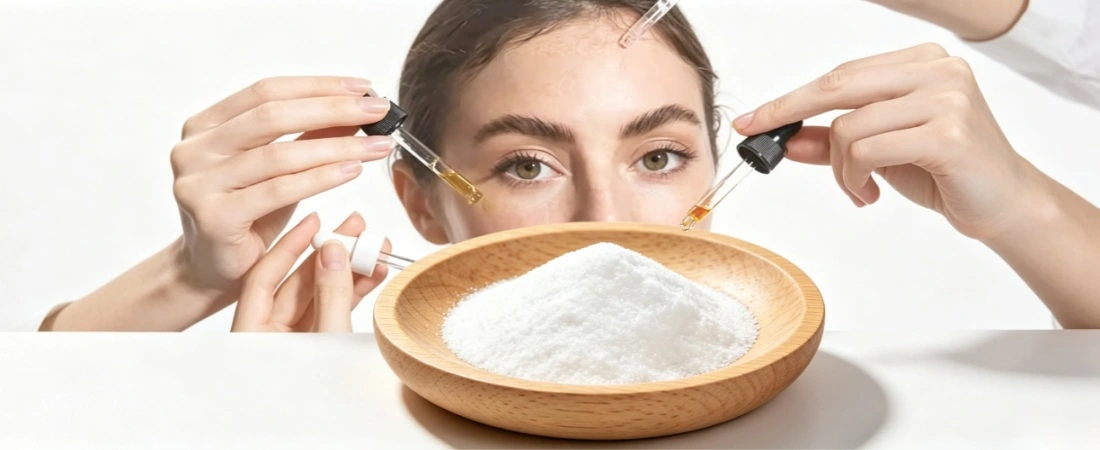
Understanding Hyaluronic Acid and Hyaluronate in Skin Care
There is one helpful ingredient that is hyaluronic acid and another that is sodium hyaluronate. Hyaluronic acid is the parent molecule that is found in elastic tissue in humans. Sodium hyaluronate is hyaluronic acid in the form of a sodium salt. It stays steady and dissolves better in makeup.
Molecular Weight Matters for Penetration
A big part of how hyaluronate works with skin is its molecular weight. Different types of the protein with a molecular weight of more than 2000 kDa cover the skin's surface and keep water from escaping through the epidermis. Medium molecular weight forms (500–2000 kDa) keep the skin's surface from getting too wet by letting only a small amount of water in. This makes the skin stiffer and more pliable. Molecular weights less than 500 kDa can get deeper into the skin and help hold the barrier in place. They also add water to the skin's cells, which is where it has the most important effect on health.
Clinical Evidence Supporting Efficacy
A lot of research has shown that hyaluronic acid can make skin up to 96% more moist in just a few hours. Some changes that can be seen in the skin after regular use are in the number of lines, its elasticity, and its general appearance. The chemical is safe since it can be found in human flesh. This means it won't make people sick and can be used in skin care items for sensitive skin. This scientific proof gives buying teams peace of mind when they ask for hyaluronate to be used in products that say they will keep skin moist, fight age, or remove hurdles.
Core Benefits of Hyaluronic Acid for Skin Health
Another good thing about hyaluronic acid for your face is that it keeps it moist. It's good for a lot of different health problems at the same time.
Exceptional Water Retention Capacity
In hyaluronate skin care, hyaluronic acid holds 1,000 times its weight in water, instantly plumping skin and smoothing fine lines. It is essential for dry, dehydrated, or environmentally stressed skin due to its water-binding capacity. The molecule does not block pores but creates an open moisture mesh that keeps skin hydrated all day while allowing normal breathing and natural barrier function.
Anti-Aging and Wrinkle Reduction
As we get older, our bodies naturally make less hyaluronic acid. This makes wrinkles, fine lines, and loss of volume stand out more. Putting hyaluronate on your skin changes the balance of how wet it is. This makes your skin stronger and less wrinkled. This vitamin or mineral helps your body make collagen and keep the structure of the extracellular matrix in good shape. This makes you look younger over time. Hyaluronate is a key part of high-end anti-aging goods as it helps keep skin fresh and supports its structure.
Safety Profile and Skin Compatibility
A lot of people with sensitive, acne-prone, or reacting skin say that hyaluronic acid is safe for them. Because it is non-comedogenic, it hydrates without making acne or pain worse. Studies in clinical dermatology show that there is a very small chance of bad reactions. Because of this, hyaluronate is a chemical that can be mixed in a lot of different ways and used in a lot of different things.
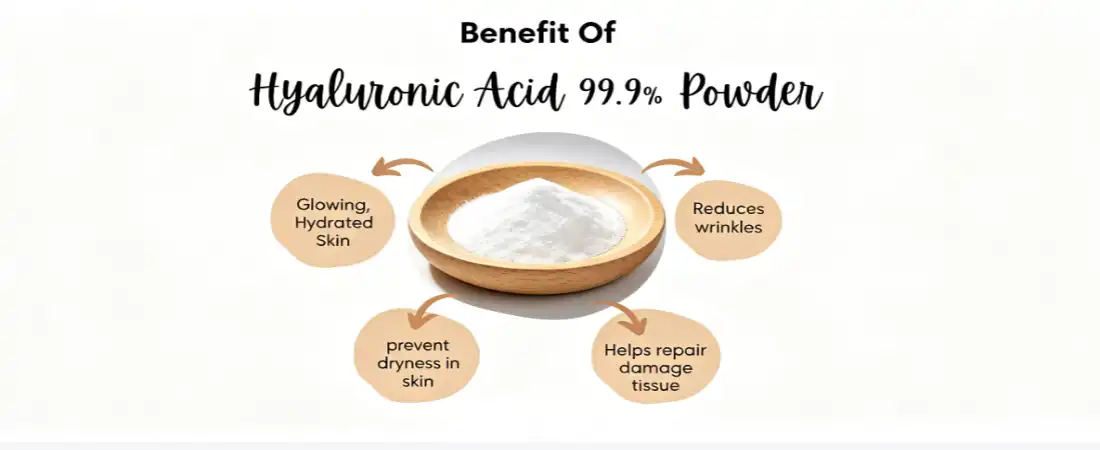
Sodium Hyaluronate Skin Benefits: Why the Salt Form Performs
Sodium hyaluronate skin benefits are the same as hyaluronic acid since they are the same active chemical in various forms. Sodium hyaluronate, the salt form of hyaluronic acid, also offers intense hydration and skin barrier support and helps minimize the look of fine wrinkles. In terms of practical use, the salt form is stable in water and across a range of pH, thus formulators may employ it at effective concentrations without losing activity throughout manufacturing.
The most important skin advantages of sodium hyaluronate for product makers come down to its reliability: it dissolves fast, penetrates reliably at low molecular weights, and plays well with multi-weight systems. It is non-comedogenic and is well accepted by sensitive and acne-prone skin, making it a safe default active for daily serums, creams and aftercare treatments.
Sodium hyaluronate, from a procurement standpoint, guaranties that the proven hyaluronic acid advantages will be consistently delivered in the completed product. The sodium hyaluronate skin advantages your clients read about become benefits they really feel: plumper, calmer, and better-hydrated skin. It’s a 99% pure powder with a validated molecular-weight distribution.
Comparing Hyaluronic Acid with Other Hydrating Ingredients
If people who work in buying know how hyaluronic acid compares to other humectants, they can build products that meet user needs and the needs of the market.
Hyaluronic Acid versus Glycerin
Hyaluronic acid makes your face feel and look more wet than glycerin, which is good at pulling moisture from the air. Glycerin can sometimes feel heavy or sticky, but hyaluronate absorbs quickly and leaves a lovely finish. The two things work better when mixed together than when used separately. This helps keep the skin's surface wet, and hyaluronate takes care of the skin's deep moisture needs. It is possible for formulators to make goods that work better because these two things go well together.
Hyaluronic Acid and Collagen Synergy
Hyaluronic acid gives collagen the water it needs to do its job. Collagen is a structural protein that makes skin tight. People who want all-around anti-aging treatments will like goods that contain these ingredients because they protect the skin from drying out and keep it healthy. Hyaluronic acid can get deeper into the skin than collagen because its molecules are smaller. This means that it can work faster and more clearly.
Formulation Considerations: Serums versus Creams
Sessions with more low molecular weight hyaluronic acid are better for deep hydration treatments because they can reach more of the skin's surface. Creams with a range of molecular weights protect the skin's surface for a long time and are good for daily use. The buying team should remember these recipe differences when making product lines for different customer needs and times of use. This way, they can be sure that each product provides the right benefits for its purpose.
Procurement Insights: Sourcing and Buying Hyaluronic Acid Products
You should not only look at price when you are planning where to get hyaluronic acid. You need to think about things like how reliable the provider is, how much help you can get, and how consistent the quality is.
Key Supplier Selection Criteria
Certificates of quality are very important for making sure that goods are clean and made to the right standards. ISO9001 certification makes sure that methods for quality control are always the same. Kosher and Halal certifications help more people buy from a business. Providers should show all the proof they have, such as Certificates of Analysis with HPLC test results that show molecular weight standards and purity levels higher than 99%. This paper work helps people follow the rules in global markets and keeps track of what's going on.
Understanding Molecular Weight Options
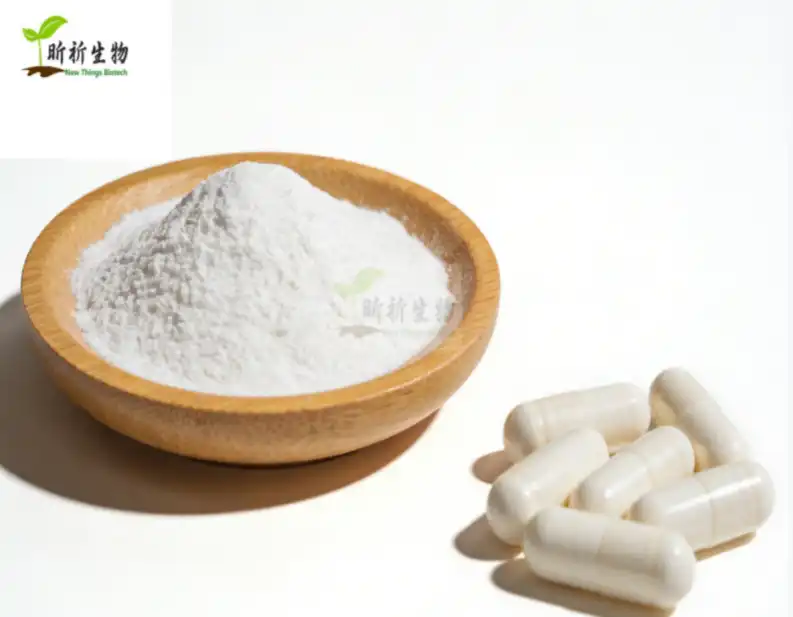
Because molecular weight specs can be adjusted from 5,000 to 20,000,000 Daltons, NT Biotech lets buying teams choose the best forms for their hyaluronate skin care manufacturing goals. Very pure sodium hyaluronate powder (CAS: 9004-61-9, 80 Mesh, 99% purity) works well across many product types. Formulators can create complex multi-weight hyaluronic acid systems that hydrate top skin layers, support middle layers, and repair deep barrier function simultaneously.
Evaluating Supply Chain Reliability
Having a store that you can trust helps keep product launches on track and cuts down on production delays. You can be sure that your production plans will go smoothly if your suppliers keep things in stock and can send them within two to four business days. There is a 25 kg minimum order size, which means that both new and well-known manufacturers can get their goods. There are also many custom packing options to meet different storage and handling needs. You can try something out before getting a lot of it when you get free stuff. This lowers the risk of shopping.
How to Effectively Use Hyaluronic Acid Products in Skin Care Routines?
When you know how to use a product properly, it works better and makes people happier. This makes them more likely to buy from you again and builds trust in your brand.
Application Timing and Layering
In hyaluronate skin care, hyaluronic acid works best when applied to already damp skin, as it pulls water from the air into the skin. Teach consumers to apply products to slightly moist skin for maximum hydration benefits. HA should be added after cleansing and toning but before heavier creams and oils in multi-step routines. This allows its light molecular structure to penetrate before occlusives lock in moisture.
Customization by Skin Type
For dry skin, formulas with a mix of different molecular weights work best because they soothe the skin's surface right away and keep it moist for a long time. Hyaluronic acid serums that are light to medium in molecular weight are good for oily and mixed skin types because they moisturize without adding oil or weight to the skin's surface. When making products for sensitive skin, only use high-quality sodium hyaluronate and a few other active ingredients. This will lower the chance of discomfort while still giving the skin what it needs: moisture.
Managing Potential Side Effects
The side effects of hyaluronic acid are pretty rare, but if it's used wrong in places that are very dry, it can pull moisture from the skin's lower layers if the air isn't warm enough. You can escape this rare problem by putting the product on wet skin first and then covering it with a lotion. For B2B clients, these rules help them make clear customer education tools that help people get the most out of their goods and cut down on returns and bad reviews.
Conclusion
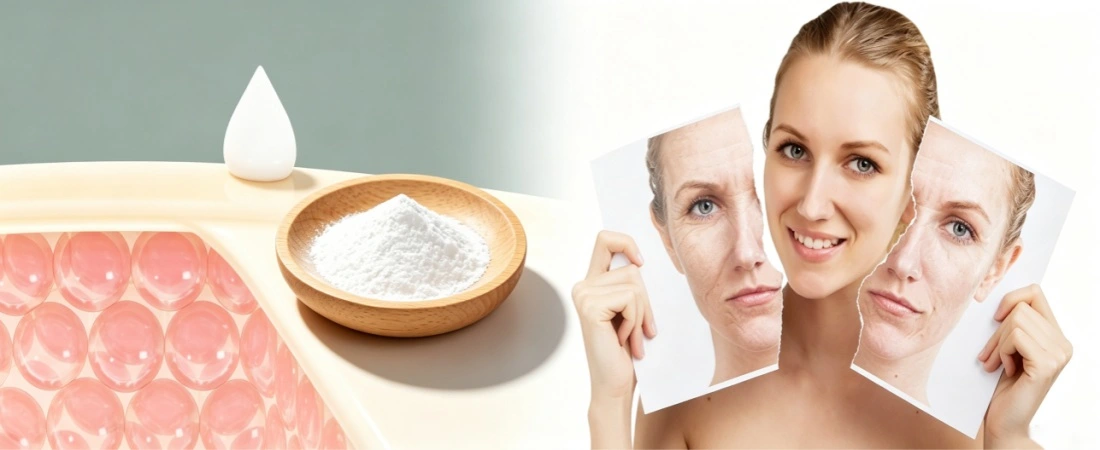
Hyaluronic acid is an important part of current skin care products because it has been shown to moisturize, fight aging, and support the skin's protective function for all skin types. Sourcing workers need to add it to their competitive product lines because it is safe, comes in different weights, and has been shown to work in clinical studies. When you buy from reliable sources with full quality certifications, flexible molecular weight options, and fast supply lines, you can be sure that your recipe will work and stand out in the market.
If sourcing teams understand how hyaluronate works in the lab and its real-world applications in hyaluronate skin care, they can safely add this powerful ingredient to products that meet growing consumer demand for scientifically proven, effective skincare solutions that deliver visible results across hydration, anti-aging, and barrier repair.
FAQ
1. What is the difference between hyaluronic acid and sodium hyaluronate in formulations?
Sodium hyaluronate is the sodium salt of hyaluronic acid, which is the main molecule. In most skin care products, sodium hyaluronate is used because it dissolves better and stays stable in makeup for longer. Some chemicals in sodium hyaluronate make it last longer and work better in a wider range of pH levels and preparation conditions. Both are good for your skin.
2. Can hyaluronic acid genuinely reduce wrinkles?
Regular use of hyaluronic acid has been shown to greatly improve the look of fine lines and wrinkles by keeping the skin wet and improving the extracellular matrix (the outer layer of cells). It has been shown in studies that regular use can make the skin more elastic and less wrinkled. Aside from making your skin smoother and less wrinkled, hyaluronic acid can't get rid of deep static lines. However, it can make you look younger.
3. What quality benchmarks should procurement teams evaluate when selecting hyaluronic acid suppliers?
It is important for buyers to make sure that the purity level is more than 99%. This can be done with HPLC testing and is written down in Certificates of Analysis. Having an international license like ISO9001, Kosher, or Halal on a product means that it meets high quality standards. They should give clear molecular weight specs, keep their stock levels stable, reply quickly, and give a lot of specific information so that their target markets know how to follow the rules.
4. What are the skin benefits of sodium hyaluronate compared to hyaluronic acid?
The skin advantages of sodium hyaluronate are very much the same as hyaluronic acid: deep hydration, barrier support and obvious anti-aging benefits. Sodium hyaluronate advantages include delivery-the salt form is more soluble and stable than the free acid, thus the skin benefits of sodium hyaluronate reach the formula more dependably. For most B2B skincare brands, such stability is what makes lab findings consistent on-skin performance.
Partner with NT Biotech for Premium Hyaluronate Skin Care Solutions
NT Biotech has sodium hyaluronate powder that is very pure and meets strict international standards. This powder is ready to help you reach your industrial goals. As a hyaluronate skin care supplier, we can offer different molecular weight options. Our products are also certified as ISO9001, Kosher, and Halal, and we can ship them quickly—within two to four business days—from our well-stocked warehouse. Before you decide to buy in bulk, you can get free samples of our goods to fully test them out. We also offer a range of flexible packing options to meet your unique production needs. Our expert team can help you with the whole creation process and help you pick the best molecular weight options for where you want to put your product. No matter if you're making daily lotions or advanced anti-aging treatments, our consistent quality, unique extraction methods, and full paperwork will help your brand do well in the very competitive global markets. Talk to our sourcing experts about your hyaluronate needs by emailing info@newthingsbiotech.com. You can also learn how our stable supply chain and technical know-how can help you make new goods more quickly.
References
1. Papakonstantinou E, Roth M, Karakiulakis G. "Hyaluronic acid: A key molecule in skin aging." Dermato-Endocrinology, 2012.
2. Bukhari SNA, Roswandi NL, Waqas M, et al. "Hyaluronic acid, a promising skin rejuvenating biomedicine: A review of recent updates and pre-clinical and clinical investigations on cosmetic and nutricosmetic effects." International Journal of Biological Macromolecules, 2018.
3. Stern R, Maibach HI. "Hyaluronan in skin: aspects of aging and its pharmacologic modulation." Clinics in Dermatology, 2008.
4. Pavicic T, Gauglitz GG, Lersch P, et al. "Efficacy of cream-based novel formulations of hyaluronic acid of different molecular weights in anti-wrinkle treatment." Journal of Drugs in Dermatology, 2011.
5. Jegasothy SM, Zabolotniaia V, Bielfeldt S. "Efficacy of a New Topical Nano-hyaluronic Acid in Humans." Journal of Clinical and Aesthetic Dermatology, 2014.
6. Keen MA. "Hyaluronic Acid in Dermatology." Skinmed: Dermatology for the Clinician, 2017.