- English
- French
- German
- Portuguese
- Spanish
- Russian
- Japanese
- Korean
- Arabic
- Greek
- German
- Turkish
- Italian
- Danish
- Romanian
- Indonesian
- Czech
- Afrikaans
- Swedish
- Polish
- Basque
- Catalan
- Esperanto
- Hindi
- Lao
- Albanian
- Amharic
- Armenian
- Azerbaijani
- Belarusian
- Bengali
- Bosnian
- Bulgarian
- Cebuano
- Chichewa
- Corsican
- Croatian
- Dutch
- Estonian
- Filipino
- Finnish
- Frisian
- Galician
- Georgian
- Gujarati
- Haitian
- Hausa
- Hawaiian
- Hebrew
- Hmong
- Hungarian
- Icelandic
- Igbo
- Javanese
- Kannada
- Kazakh
- Khmer
- Kurdish
- Kyrgyz
- Latin
- Latvian
- Lithuanian
- Luxembou..
- Macedonian
- Malagasy
- Malay
- Malayalam
- Maltese
- Maori
- Marathi
- Mongolian
- Burmese
- Nepali
- Norwegian
- Pashto
- Persian
- Punjabi
- Serbian
- Sesotho
- Sinhala
- Slovak
- Slovenian
- Somali
- Samoan
- Scots Gaelic
- Shona
- Sindhi
- Sundanese
- Swahili
- Tajik
- Tamil
- Telugu
- Thai
- Ukrainian
- Urdu
- Uzbek
- Vietnamese
- Welsh
- Xhosa
- Yiddish
- Yoruba
- Zulu
Superfruits like Red Pitaya Powder (Red Pitaya Powder from Hylocereus polyrhizus) are known to be very good for you because they are full of antioxidants, have bright natural colors, and are high in nutrients. The powerful betalains, vitamin C, dietary fiber, iron, and magnesium are still in the freeze-dried or spray-dried powder. It can be stored for a long time without going bad, which isn't possible with fresh dragon fruit. Red Pitaya Powder can help food, drink, nutraceutical, and cosmetic companies that want plant-based alternatives to synthetic colorants and functional additives make better products. In addition to health claims, it offers consistency, scalability, and compliance with regulations, all of which are important for international purchasing plans.
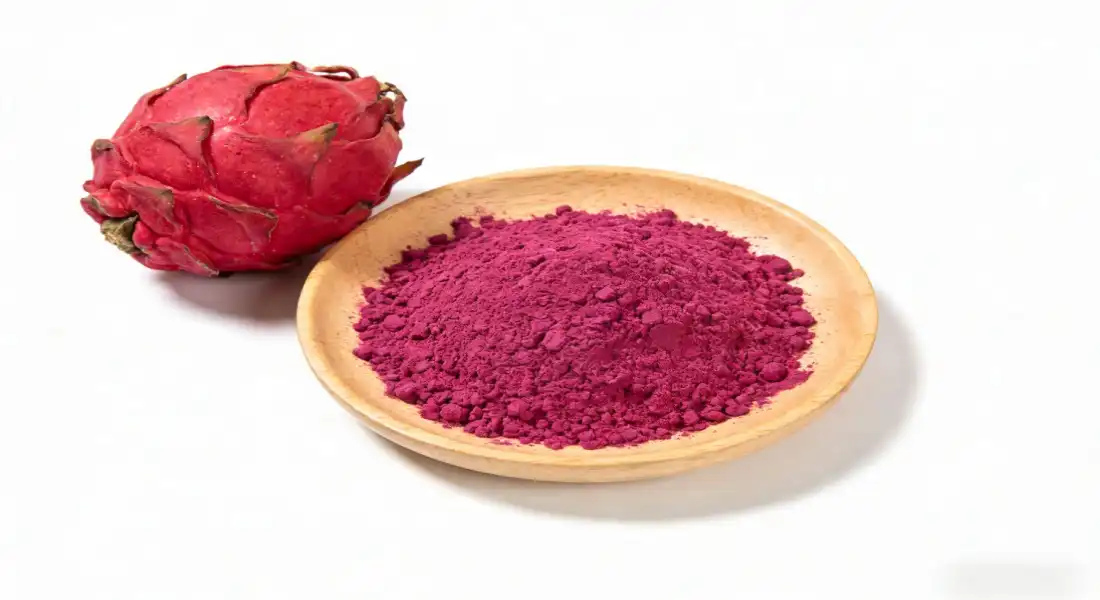
Understanding Red Pitaya Powder and Its Health Benefits
What Is Red Pitaya Powder and How Is It Processed?
Ruddy Pitaya Powder, a Southeast Asian and South American snake natural product, has more cancer-fighting betalain than pink variations. Freeze-drying preserves seeds, fiber, and nutrients in 80-mesh particles, whereas spray-drying boosts solvency but lowers fiber. Premium caking powders have moisture below 3%. Both processes preserve color and bioactives, but freeze-dried powders are nutrient-dense. In beverages and supplements, spray-dried modifications break down easier, making them flexible.
Nutritional Profile and Core Health Benefits
Red Pitaya Powder contains antioxidants including vitamin C, press, magnesium, and betacyanins. The prebiotic oligosaccharides help stomach and intestine microorganisms. The powder appears like coloring but protects, resists, and heals cells. Concentrated supplements are appropriate for supplements, utilitarian meals, and beverages. Vitamins, minerals, fiber, and pigments enable formulators to give bioactive benefits in modest dosages while keeping color and taste.
Safety Profile and Considerations for Different Demographics
Safe for adults, children, and the elderly when bought from trusted sources. Glycemic impact is low, and it's gluten, dairy, and soy-free. Most pregnant and breastfeeding women may consume it, but suppliers' CoAs should check for heavy metals and pesticides. Rarely, cactaceae allergies occur. Vegan, gluten-free, and diabetic products benefit from Red Pitaya Powder's versatility.
Comparing Powder Form to Fresh Pitaya
If stored properly, Red Pitaya Powder lasts 18–24 months, unlike heavy, perishable, and seasonally limited raw dragon fruit. One kilogram of powder equals 8–12 kg of fresh fruit, saving transit and storage space. Freeze-drying preserves 85–95% of heat-sensitive vitamins and most minerals better than fresh fruit. Powdered form simplifies supply chain management, stabilizes pricing, and ensures quality and availability year-round for B2B buyers.
Comparing Red Pitaya Powder with Other Similar Powders
Dragon Fruit Powder Variants
Various Hylocereus species' Red Pitaya Powder contains 20–30% more pigment than Pink Dragon Fruit Powder, giving deeper magenta tones and more betalain. Softer pink or white Hylocereus undatus powders have less health advantages. Red Pitaya Powder complements citrus and berry flavors with a neutral to slightly sweet tropical taste. Its high tintorial strength makes it suitable for colorful drinks, confectionery glazes, and cosmetics, using less powder and lowering cost.
Beetroot Powder as a Competitive Comparison
The major option for natural pink-red coloring is beetroot powder, but its earthy taste might overshadow delicate recipes. Red Pitaya Powder brightens magenta, retains color under heat, and adds subtle fruit taste. Pitaya powder contains vitamin C and prebiotic fiber for immunological and digestive health, while beetroot provides iron and nitrates for sports nutrition. High-end pastries, beverages, and visual items love its pure flavor and vivid color.
Organic Certification and Quality Considerations
Health-conscious shoppers spend 15–25% extra for Organic Red Pitaya Powder. Synthetic pesticides and GMOs are banned by USDA Organic, EU Organic, and JAS, which may lower production and raise expenses. Safe and pure conventional powders with comprehensive residue testing are available. For wider market access, buyers should examine Kosher, Halal, and non-GMO certifications and connect them with target markets, brand positioning, and consumer willingness to pay.
How to Use Red Pitaya Powder Effectively in Food and Beverage Manufacturing?
Recipe Development and Formulation Techniques
Red Pitaya Powder dissolves quickly in water but requires proper preparation for best color and taste. Natural fiber frozen foods may settle and need stirring. Depending on matrix and desired color intensity, drinks may include 0.5–2% by weight and baked items 2–5%. Betalain pigments are heat-sensitive, therefore add powders cold or post-pasteurization. Protein interactions affect stability; whey-based systems perform best at pH 4.5–6.0, whereas plant proteins may have a wider pH range.
Popular Application Examples in Product Development
The powder works in beverages, snacks, and supplements. Functional beverages need 0.8-1.5% to obtain brilliant pink-purple colors without synthetic Red No. 40, whereas smoothies often utilize 10 g per single-serve bag. It adds fiber and antioxidants to beauty and digestive health powders and colors vegan chocolates, macaron shells, cream fillings, and cold-processed energy balls. Its stickiness makes healthy, attractive treats.
Maximizing Nutrient Retention and Bioactive Benefits
Maintaining betalain pigments and bioactive chemicals requires environmental regulation. Powders should be stored in dark, opaque, or amber containers at ≤25°C, preferably in climate-controlled warehouses in tropical climates. Nitrogen flushing and low-transmission packing sheets reduce oxygen and moisture exposure. To minimize frictional heat, keep pH between 3.0–7.5 and mix below 3000 RPM throughout processing. Four weeks of shelf-life testing at 40°C/75% RH assures stability and safety under real-world circumstances.
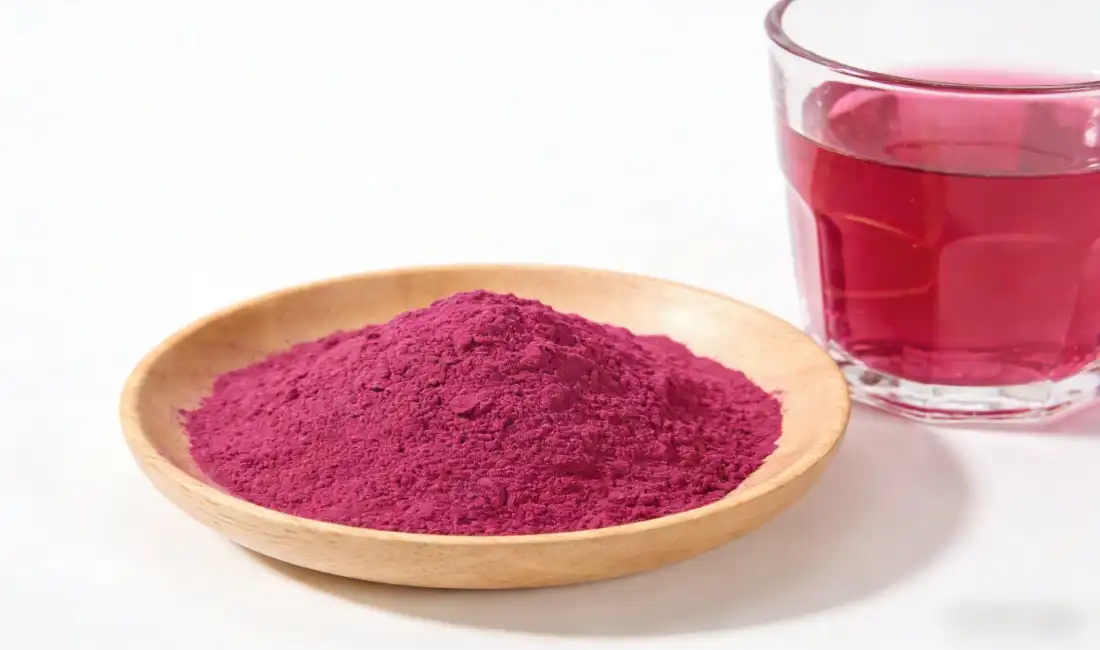
Sourcing and Procuring Red Pitaya Powder for B2B Clients
Key Supplier Evaluation Criteria
You must evaluate product quality and supply chain stability to find reliable Red Pitaya Powder suppliers. Looking at extraction methods determines creation quality. Modern freeze-drying equipment controls temperature and vacuum, whereas earlier spray-drying systems without process monitoring offer inconsistent results. Every batch comes with a complete Certificate of Analysis from trusted suppliers. Their distinctiveness depends on this. HPLC for betalain, heavy metal screening for lead, arsenic, cadmium, and mercury, and EU or USDA pesticide residue panels indicate bacterium kinds. Buyers may match supplier production capacity to demand by knowing whether a supplier keeps stock for one-to-three-day fulfillment or manufactures in three to ten days. This avoids expensive peak-time stock-outs.
Certifications and Regulatory Compliance
Suppliers must be certified for their target market to trade globally. An ISO 9001-certified company has a quality management system for monitoring, addressing complaints, and improving. All vital business-to-business contacts need this. GMP certification keeps food and supplement manufacturing clean, prevents contamination, and trains personnel to handle ingredients safely. Growers having USDA, EU, or JAS organic certifications must obey the requirements, handle ingredients individually, and keep good records to prevent mixing them with conventional goods. In religious places like the Middle East, KOSHER and HALAL certifications let more products reach new customers. Clearing customs and obtaining export permissions are essential. After exporting to North America and Europe, providers know what documentation is needed to avoid delays and fees at ports. They include phytosanitary certificates, country-of-origin declarations, and FDA prior notice.
Pricing Models and Cost Transparency
Red Pitaya Powder costs depend on amount, processing method, and needs. FOB prices per kilogram range from USD 18 to USD 45, depending on circumstances. Organic certified freeze-dried powder costs extra (USD 38–45/kg) due to lower yields and certification costs. Traditional spray-dried powder costs 18–28 USD/kg and is appropriate for low-cost, low-color activities. Prices drop 8–15% for orders above 500 kg, and most volume discounts start at 100 kg. Signing a contract for more than 2–5 metric tons per year may save you money. Express shipment costs $8–15/kg, air freight $4–7/kg, and sea freight $0.50–1.20/kg for modest amounts. Freight, customs duties (3–8% for food), and warehouse storage costs if you mix and match items should be considered.
Sample Testing and Quality Verification Process
Smart procurement requires samples before significant purchases when adding suppliers or altering needs. Serious shoppers may get 50–100g samples for free or cheap from good providers. Express couriers deliver to North America and Europe in 4–7 days. When samples arrive, check color intensity, particle size, smell, taste, and target matrix dissolution. If possible, have a third-party lab check technical specifications. Checks color stability in finished products. Heat exposure and pH fluctuations are simulated before growth to show their impact. Separate microorganism and heavy metal lab tests ensure suppliers' honesty and build trust.
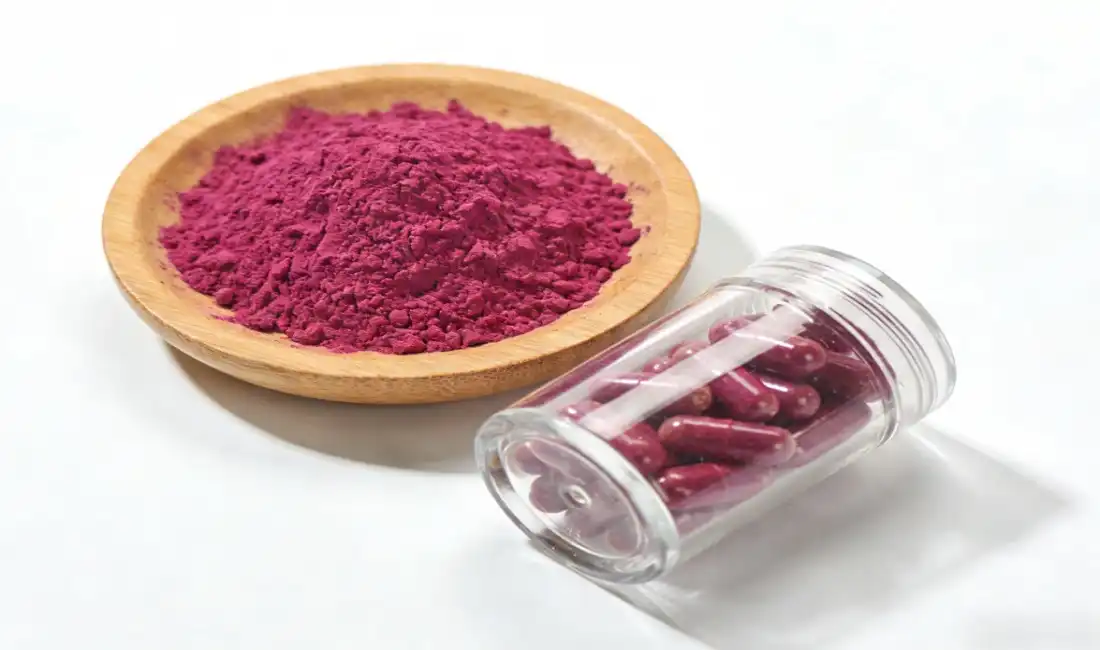
Making an Informed Decision When Choosing Red Pitaya Powder Suppliers
Production Technology and Quality Assurance Systems
Modern supplier manufacturing facility technologies simplify and standardize value chain tracking. Some sophisticated vendors examine raw ingredients and packaging. Choose ripe fruit (12°–16° Brix) for taste and nutrition. Avoid enzyme breakdown by discarding damaged or underripe fruit and cooking it within 24 hours. Automation records extraction temperature, pressure, and moisture. Regulatory audits and troubleshooting need these documents. Modern businesses use HEPA-filtered clean rooms for final grinding and packing. It controls bacteria and pollution. Moisture analyzers, particle size distribution equipment, UV-Vis spectrophotometers for betalain analysis, and others are needed for objective quality assurance.
Customer Feedback and Track Record Assessment
Famous Red Pitaya Powder vendors may be reliable, responsive, and long-term. Similar corporate client references should be requested via procurement. A good drink ingredient sourcer may not stabilize nutraceutical capsules. Client retention shows work satisfaction. Suppliers with 3–5 years of brand experience can handle problems and provide quality. Digital presence on Alibaba, Made-in-China, or industry directories may reveal transaction volumes, response times, and complaints. SGS, Intertek, and Bureau Veritas audits may check building conditions, quality, and regulations. Attending SupplySide, Vitafoods Europe, and Natural Products Expo West displays company care and client connection building.
Balancing Cost and Long-Term Value
Smart purchasing extends beyond cost. The entire ownership cost includes several items. Low-cost suppliers may utilize different raw materials, don't test, or have unstable supply chains that delay manufacturing, lowering quality. Too much or too little moisture management may cause waste, caking, solubility issues, color loss, batch trash, and contamination recalls. Premium suppliers compensate for higher prices with technical support for formulation issues, custom particle size optimization, flexible minimum order quantities for new products, and predictable lead times to conserve inventory. Long-term collaborations enable both parties obtain first dibs on limited raw resources, collaborate on new goods and market knowledge, and invest in novel applications that generate new markets.
Building Strategic Supplier Partnerships
Long-term supplier agreements need organized, mutually beneficial teamwork. Accurate demand forecasts help suppliers plan manufacturing and negotiate better raw material bargains. Buyers may purchase first and hold prices throughout market changes. Tech companies may collaborate to build hard-to-copy goods. They may mix Red Pitaya Powder with superfruits or adjust particle size for drinks. To enhance and align, the organization should periodically analyze quality indicators, delivery performance, and market trends. Price hikes based on farm prices and volume assurances promote market stability and risk distribution. Future customers and brands will audit or participate in sustainability initiatives to ensure ethical suppliers. These distinguish them from competitors and make them seem more pricey.
Conclusion
Food, beverage, nutraceutical, cosmetics, clean label, and functional nutrition use Red Pitaya Powder for more than color. It approaches formulation issues strategically. Health and Instagram appeal are important to modern clients. Betaines, vitamin C, prebiotic fiber, and minerals abound. Check each source before purchasing. You should analyze their production method, quality certifications, regulatory compliance, and long-term collaboration. Antioxidant drinks and beauty-from-within supplements use this. It may be used to create new products and distinguish the market. As clean label movements spread globally and synthetic additives are investigated, Red Pitaya Powder can meet consumer and regulatory needs. Choose elements strategically today to gain a competitive edge tomorrow.
FAQ
1. Is Red Pitaya Powder safe for pregnant women and children?
Red Pitaya Powder is safe for pregnant and nursing women, children, and the elderly when acquired from recognized suppliers meeting international quality requirements. Vitamin C, iron, fiber, and no common allergies improve mother-child health. Pregnant women should ensure providers test for heavy metals and pesticide residues to reduce pollution. Kids can eat the right amount, but certain kid-friendly products may need to be modified. Cactaceae allergies should be addressed with a doctor before use, like any drug.
2. How does the nutritional content of Red Pitaya Powder compare to fresh dragon fruit?
Red Pitaya Powder has more nutrients per gram than raw fruit since it is processed without water. 8-12 kilograms of freeze-dried Red Pitaya Powder equals fresh dragon fruit. Due to comparable fiber, mineral, and vitamin packing. Correctly freeze-dried powder preserves 85–95% heat-sensitive vitamin C and almost all fresh fruit minerals. The same fiber and prebiotic oligosaccharides aid digestion. Heat, light, and oxygen destroy water-soluble vitamins. Careful handling is stressed. Fresh fruit is healthful and offers whole-food matrix advantages, but powder is easier, lasts longer, and is always available.
3. What minimum order quantities should buyers expect when sourcing Red Pitaya Powder internationally?
Supplier MOQs vary by size, product, and target market logistics. Standard minimum order quantities are 25–100 kilograms. Small businesses may source high-quality ingredients without spending much or having trouble maintaining them. Samples of common requirements may allow suppliers to handle 5–10 kilogram orders, but each unit costs more. Organic certification, particle size distributions, and specialty packaging may need 100–500 kg MOQs. Compensation for setup and production. Spray-dried versions need additional equipment and have higher MOQs (200 kg or more) than freeze-dried ones. Annual supply agreements with staggered delivery save money on larger amounts. Ensuring shipments match production schedules helps manage cash flow and warehouse space.
Partner with NT Biotech for Premium Red Pitaya Powder Sourcing
Your technical partner, NT Biotech, produces pure Red Pitaya Powder that meets international standards. Our freeze-drying process makes betalain over 98% pure for important active ingredients, so it's always accessible. With HPLC validation and detailed Certificates of Analysis, your R&D teams can trust formulation consistency. Since we stock numerous things, standard orders ship in one to three days. Manufacturing times for special orders range from 3-10 days. ISO9001, KOSHER, and HALAL accreditation lets us meet North American, European, and other laws. OEM customization lets you change particle size, carrier ratios, and container types for Red Pitaya Powder. Our technical support team answers within two hours with formulation and stability testing advice to accelerate product development. Procurement experts may use our clear landed cost estimates and local currency transactions. Quickly email info@newthingsbiotech.com to get samples, talk about prices for Red Pitaya Powder in bulk, or learn how our full value-chain service system, which includes support from plant source to application, can help your ingredient supply chain and make you more competitive in the natural products market around the world.
References
1. Wu, L. C., Hsu, H. W., Chen, Y. C., Chiu, C. C., Lin, Y. I., & Ho, J. A. (2006). Antioxidant and antiproliferative activities of red pitaya. Food Chemistry, 95(2), 319-327.
2. Wybraniec, S., & Mizrahi, Y. (2002). Fruit flesh betacyanin pigments in Hylocereus cacti. Journal of Agricultural and Food Chemistry, 50(21), 6086-6089.
3. Tenore, G. C., Novellino, E., & Basile, A. (2012). Nutraceutical potential and antioxidant benefits of red pitaya (Hylocereus polyrhizus) extracts. Journal of Functional Foods, 4(1), 129-136.
4. Ramli, N. S., Brown, L., Ismail, P., & Rahmat, A. (2014). Effects of red pitaya juice supplementation on cardiovascular and hepatic changes in high-carbohydrate, high-fat diet-induced metabolic syndrome rats. BMC Complementary and Alternative Medicine, 14(1), 189.
5. Lourith, N., & Kanlayavattanakul, M. (2011). Dragon fruit as a natural colorant and functional ingredient in cosmetic emulsions: Stability and clinical safety studies. International Journal of Cosmetic Science, 33(5), 408-415.
6. Guerrero-Beltrán, J. Á., Swanson, B. G., & Barbosa-Cánovas, G. V. (2005). Inhibition of polyphenoloxidase in mango puree with 4-hexylresorcinol, cysteine and ascorbic acid. LWT - Food Science and Technology, 38(6), 625-630.