- English
- French
- German
- Portuguese
- Spanish
- Russian
- Japanese
- Korean
- Arabic
- Greek
- German
- Turkish
- Italian
- Danish
- Romanian
- Indonesian
- Czech
- Afrikaans
- Swedish
- Polish
- Basque
- Catalan
- Esperanto
- Hindi
- Lao
- Albanian
- Amharic
- Armenian
- Azerbaijani
- Belarusian
- Bengali
- Bosnian
- Bulgarian
- Cebuano
- Chichewa
- Corsican
- Croatian
- Dutch
- Estonian
- Filipino
- Finnish
- Frisian
- Galician
- Georgian
- Gujarati
- Haitian
- Hausa
- Hawaiian
- Hebrew
- Hmong
- Hungarian
- Icelandic
- Igbo
- Javanese
- Kannada
- Kazakh
- Khmer
- Kurdish
- Kyrgyz
- Latin
- Latvian
- Lithuanian
- Luxembou..
- Macedonian
- Malagasy
- Malay
- Malayalam
- Maltese
- Maori
- Marathi
- Mongolian
- Burmese
- Nepali
- Norwegian
- Pashto
- Persian
- Punjabi
- Serbian
- Sesotho
- Sinhala
- Slovak
- Slovenian
- Somali
- Samoan
- Scots Gaelic
- Shona
- Sindhi
- Sundanese
- Swahili
- Tajik
- Tamil
- Telugu
- Thai
- Ukrainian
- Urdu
- Uzbek
- Vietnamese
- Welsh
- Xhosa
- Yiddish
- Yoruba
- Zulu
The brilliant cyan-blue pigment-protein complex known as Blue Phycocyanin comes from cyanobacteria, primarily Arthrospira platensis, also known as Spirulina. There are alpha and beta protein subunits attached to phycocyanobilin chromophores in this naturally occurring phycobiliprotein. This gives it unique optical properties and biological activities. We know that Blue Phycocyanin, which is sold as Spirulina Extract, is the only natural blue food colorant that has been approved by the FDA. Instead of using synthetic dyes like Brilliant Blue FCF (Blue No. 1), this bioactive ingredient supports the clean label movement and has powerful anti-inflammatory and antioxidant properties that make it very useful in the nutrition, cosmetics, and pharmaceutical industries.
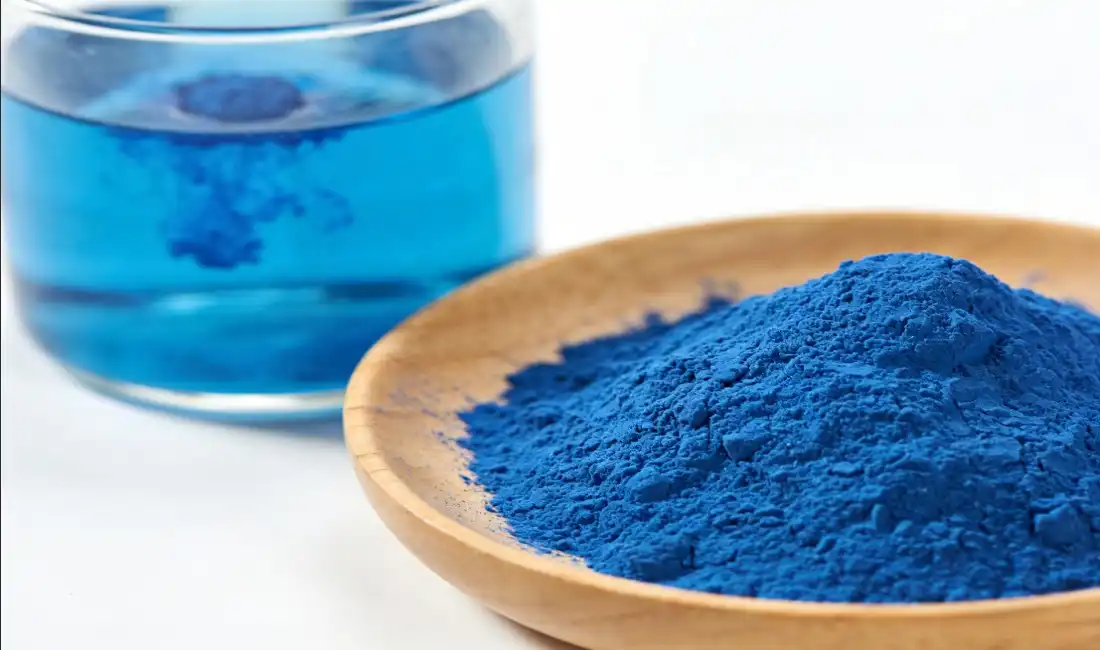
Understanding Blue Phycocyanin: Definition and Core Characteristics
The structure of Blue Phycocyanin molecules makes it different from other colorants. It is made up of complicated protein parts that hold light-absorbing chromophores, which makes the color bright and the bioactivity work. We get this compound out of plants using very controlled methods that keep the protein structure intact while reaching levels of purity that are good enough for use in medicine.
Extraction Methods and Purity Standards
Modern extraction techniques range from simple aqueous processes to advanced chromatographic separations. Our methods preserve plant structures while maximizing active compounds. Purity is measured by the A620/A280 ratio—0.7–1.5 for food-grade and above 4.0 for pharmaceutical-grade. We guarantee >98% purity for high-end applications, improving formulation performance and color stability.
Nutritional Profile and Antioxidant Properties
Blue Phycocyanin is rich in amino acids and neutralizes peroxyl, hydroxyl, and alkoxyl radicals. Food-grade extracts contain 30–50% protein, with higher levels for nutraceuticals. Its dual function as a colorant and bioactive ingredient supports wellness-focused product development, providing both visual appeal and functional benefits.
Stability Factors: Temperature and pH Considerations
Blue Phycocyanin denatures above 60°C, causing color loss and protein aggregation. Add it during the last cooling stages below 55°C for optimal intensity. It is most stable at pH 5.5–8.0, while pH below 4.5 can cause precipitation. Our technical team offers full formulation support to maintain color and functionality throughout shelf life.
Industrial Dosage Recommendations
Dosage depends on desired color and application. Drinks and sweets require 0.01–0.05% for pastel blue, while 0.1–0.2% achieves deeper navy tones. Combining with complementary natural colorants can refine hues. Detailed dosage matrices and lab colorimetric data ensure consistent color, optimizing cost and appearance for procurement and production.
Health and Functional Benefits of Blue Phycocyanin for Industrial Use
Blue Phycocyanin is a strategic functional ingredient for health-focused product lines because its therapeutic potential goes far beyond its coloring capabilities. Phycobiliprotein supports human health in a number of ways, which makes for compelling marketing stories for companies that want to attract health-conscious customers.
Immune Support and Wellness Applications
Clinical studies show Blue Phycocyanin enhances immune function by boosting natural killer cell activity, increasing beneficial cytokines, and reducing inflammatory mediators. Its support of antioxidant enzymes like superoxide dismutase and catalase strengthens the scientific basis for immunity-focused nutraceuticals. This makes it a popular choice for seasonal health and immunity-boosting formulations.
Multifunctional Applications Across Industries
Blue Phycocyanin’s versatility allows use in nutritional, cosmetic, and pharmaceutical products. It provides color and antioxidant benefits in supplements, anti-inflammatory and anti-aging effects in skin care, and potential neuroprotective and COX-2 inhibition properties for pharmaceutical research. Close collaboration with R&D teams helps streamline formulation development and improve product success rates.
Regulatory Compliance
Spirulina-derived Blue Phycocyanin is GRAS-approved by the FDA and accepted by EFSA in Europe. Toxicology studies show no significant adverse effects at standard use levels. Each batch undergoes testing for heavy metals, microbes, and pesticides and is supplied with a Certificate of Analysis, simplifying regulatory submissions and ensuring consistent safety and quality.
Comparing Blue Phycocyanin: Making Informed Procurement Decisions
When procurement professionals need to find Blue Phycocyanin, they have a lot of options. The performance and cost structures of different sources, processing methods, and product formats are all very different. We walk our clients through these things so that they can choose ingredients that meet the needs of their specific applications and their budgets.
Spirulina-Derived vs. Alternative Sources
Although Arthrospira platensis (Spirulina) is the main commercial source of phycocyanin, some suppliers use other cyanobacteria. Spirulina offers faster time to market and fewer regulatory hurdles due to established safety data. Our controlled, fully integrated cultivation and processing ensure consistent quality and traceability from farm to final ingredient, minimizing contamination risks.
Powder vs. Liquid Formats: Practical Considerations
Powdered Blue Phycocyanin has a longer shelf life (18–24 months) and easier international shipping but requires careful rehydration. Liquid forms are convenient for cosmetics and beverages but need cold-chain shipping and last 6–12 months. Standard stock ships in 1–3 days, while custom formulations are ready in 3–10 days.
Organic Certification and Quality Indicators
Certified Organic Blue Phycocyanin supports marketing in natural and organic markets. KOSHER and HALAL certifications expand reach globally. Quality indicators include color standardization (E18 vs. E25), purity ratios, and residual solvent testing. Our processing enhances active compound yield and removes solvents, with full batch documentation for easy QA verification.
Procurement Insights: How to Source Quality Blue Phycocyanin in Bulk?
To do bulk purchasing right, you need to carefully look at the skills, quality systems, and service infrastructure of your suppliers. We know that finding trustworthy sources for ingredients is a top priority for procurement professionals who have to handle complicated supply chains and tight production schedules.
Supplier Credentials and Certification Requirements
Supplier evaluation begins with credential verification. GMP compliance ensures pharmaceutical and dietary supplement production best practices. The ISO9001 accreditation indicates quality management system dedication. Our ISO9001, KOSHER, and HALAL certifications enable us to serve consumers in many locations. From raw material testing to product release testing, our quality assurance infrastructure spans the manufacturing process. Each batch is rigorously tested using HPLC and UV spectroscopy. Results are documented in thorough Certificates of Analysis. This systematic technique reduces quality control effort while ensuring ingredient specifications suit formulation objectives.
Pricing Trends and Negotiation Strategies
The market price of Blue Phycocyanin varies on purity, order volume, and certification. Food-grade materials cost moderate to premium, while ultra-pure pharmaceutical grades cost very much since they must be cleansed. Our pricing is straightforward, and volume-based incentives reward long-term partners. Our manufacturing capability allows us to provide cheap costs without compromising quality. Our buyers may pay in their native currencies to make international trading simpler. Negotiating the total cost of ownership rather than the unit price is ideal. This includes considering consistency, technical support, and supplier dependability, which impact corporate efficiency.
Logistics and Global Supply Chain Considerations
You must consider logistics and customs when importing materials from foreign nations. We'll choose the optimal shipping option depending on your speed, volume, and cost. Our FedEx and UPS accounts allow speedy direct shipment from our location. This tracks and reliably delivers urgent orders. Reputable freight forwarders may manage ingredients, documentation, customs clearance, and delivery coordination for bulk shipments. Our rapid response procedure answers all inquiries within two hours, and our technical staff updates you on order status. Service indicates that we want to be more than a provider; we want to be a strategic partner that helps you plan production and manage inventories.
Strategic Supplier Partnerships for OEM Clients
We form strategic collaborations with OEMs and distributors that seek specialized solutions and technical support beyond purchasing products. Our OEM services may accommodate your formulation, packaging, and private labeling demands. Brand differentiation is possible with these services. We study your product development strategies and market positioning. This allows us to offer proactive formulation and ingredient improvements. From concept validation to mass production, our technical team offers application assistance. This consulting strategy transforms supplier relationships beyond commodities transactions into collaborations that create value, accelerate innovation, and make you more competitive in your target markets.
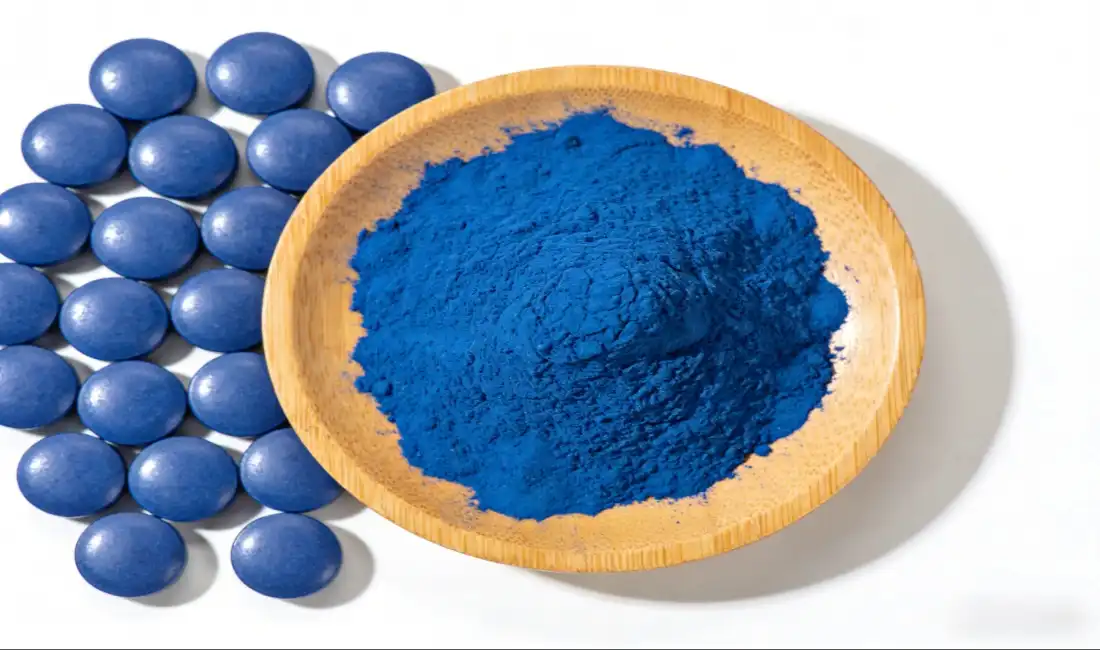
Practical Applications of Blue Phycocyanin in B2B Industries
Blue Phycocyanin is very useful in business because it has a unique mix of physiological and visual effects, making it useful in many different areas of industry. We see that the number of use cases keeps growing as manufacturers see the benefits of changing recipes to be more "clean label" and adding functional ingredients.
Natural Food and Beverage Coloring
Natural food and beverage colorants are popular because consumers want them. When combined with natural yellow pigments like curcumin, Blue Phycocyanin provides sweets, candies, and frozen desserts beautiful blue colors. In functional drinks, smoothies, and cocktail syrups, blue delivers unforgettable brand experiences. Application planning should include processing parameters like temperature sensitivity. In the latter phases of manufacturing, add pigment after heat treatment (usually below 60°C) to retain color intensity. Preventing protein precipitation in liquids below 4.5 pH requires acid-stabilized or pH buffering methods. We provide thorough product usage instructions in our technical documentation. This helps product development teams regularly tackle formulation challenges.
Nutritional Enhancement in Dietary Supplements
As a versatile ingredient that may improve product appearance and provide bioactive benefits, blue phycocyanin is becoming more and more popular in the nutraceutical industry. Supplement producers incorporate it in antioxidants, immunological support, and sports nutrition for its protein and free radical-fighting qualities. Powder supplements include tablets and capsules, whereas liquids use aqueous dispersions or stable liquid concentrates. Nutritionally, 200 mg to 1000 mg per serving is recommended, depending on cost and function. Many nutritional and bioavailability data may help you create legal supplement fact panels and marketing claims.
Cosmetic and Skincare Formulations
Anti-aging serums, moisturizers, and color cosmetics all include blue Phycocyanin, an antioxidant and anti-inflammatory substance. Luxury skincare claims for environmental protection and oxidative stress reduction are supported by free radical neutralization. Natural and bright blue, it compliments the clean beauty trend and showcases product displays. Formulators should increase oil-water emulsion dissolution and cosmetic storage stability. Our cosmetic chemists create stable dispersions that work with emulsifiers and preservatives. This enables their effective inclusion to finished products. We test our cosmetic parameters for safety to meet INCI listing requirements and important market cosmetic regulations.
Pharmaceutical and Research Applications
Pharmaceutics research examines Blue Phycocyanin's neuroprotection, inflammation, and oxidative stress therapies. A620/A280 ratios exceeding 4.0 and strict oligomeric aggregation tests are needed for research. These chemicals are non-toxic and high quantum yield fluorescent markers for flow cytometry and immunofluorescence. Preclinical and clinical research may use our pharmaceutical-grade goods, which meet high quality standards. Each batch includes regulatory filing and scientific publication analytical profiles. Blue Phycocyanin is high-quality and consistent, so researchers and drug developers may utilize it.
Conclusion
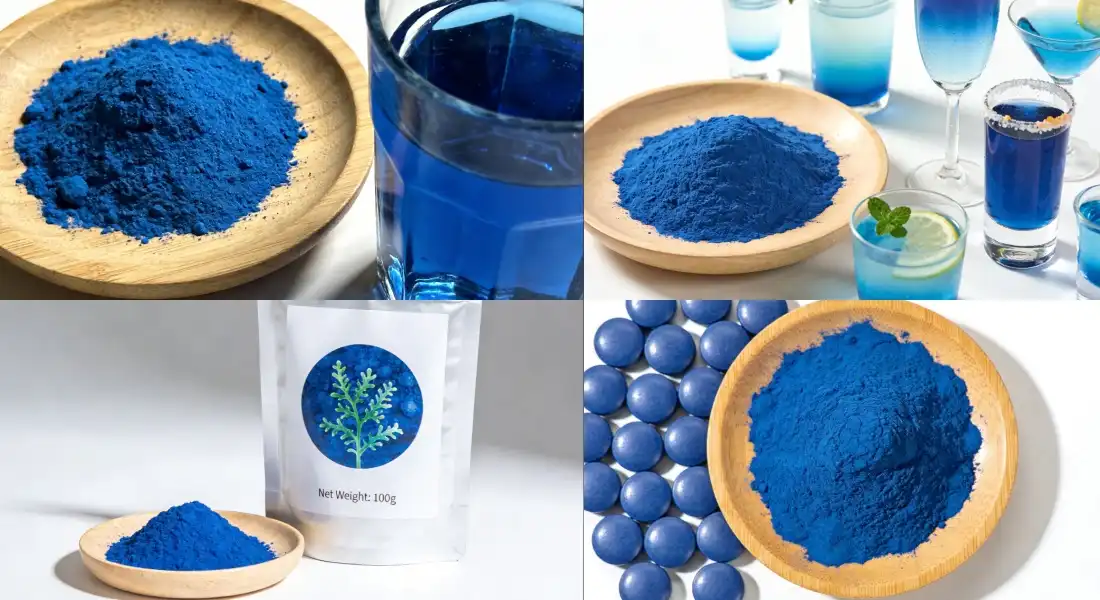
Blue Phycocyanin is a useful natural colorant for manufacturers. Food, nutrition, cosmetics, and medicine may use this safe, regulator-approved ingredient. This is crucial for new-idea product portfolios. You must examine purity, format, supplier credentials, and application-specific technical requirements before buying anything. Value should be calculated by procurement professionals using more than unit price. Consistency, technical support, regulatory paperwork, and supply dependability affect ingredient performance in finished items. Blue Phycocyanin's unique properties offer enterprises new market chances as "clean label" and functional ingredient demand grow.
Frequently Asked Questions
1. What purity level of Blue Phycocyanin should we specify for food applications?
For food applications, E18 specification material is usually used. This type of material has an A620/A280 ratio between 0.7 and 1.5 and about 30% phycocyanin content. This concentration works well with colors and doesn't cost too much for most formulations. E25 concentrations, which deliver 40–50% phycocyanin content, can be used in high-end applications or those that need lower dosage rates. Which one you choose depends on your specific color intensity goals, formulation limitations, and cost constraints.
2. How does Blue Phycocyanin compare to synthetic blue colorants regarding regulatory status?
Blue Phycocyanin, also known as Spirulina Extract, has been approved by the European Food Safety Authority (EFSA) and is generally recognized as safe (GRAS). When compared to synthetic alternatives that are getting more scrutiny, this regulatory acceptance makes it easier to label products and get them on the market. The advantages of clean labels support marketing stories that focus on natural ingredients, which meets the needs of health-conscious consumers who make buying decisions.
3. Can Blue Phycocyanin withstand standard pasteurization processes?
Standard pasteurization temperatures, which are usually 72°C for 15 seconds, break down proteins, which makes colors fade a lot. We suggest either adding the color in a clean way after the heat treatment or using high-stability liquid formulations that were made to withstand thermal shock. Your processing parameters should be looked at on their own, and our technical team can help you find the best places to add things to your specific manufacturing workflow.
Partner with NT Biotech: Your Trusted Blue Phycocyanin Supplier
For decades, NT Biotech has been specializing in functional ingredients derived from plants. They can help you with your product development and procurement goals. As a top Blue Phycocyanin manufacturer, we always provide materials that are very pure, along with detailed quality reports and quick technical support. Our secret extraction methods get the most active compounds out of the materials while keeping their high stability, which directly leads to better formulation performance. With our streamlined production cycle, custom orders are finished in three to ten working days, while standard orders can be shipped quickly within one to three working days. All of our questions are answered within two hours, and we offer OEM solutions that are flexible and can be changed to fit the needs of your market. Send us an email at info@newthingsbiotech.com to get samples, full product specs, or custom bulk quotes. Learn how our dedication to quality, service excellence, and technical partnership can help you stand out in the market for natural ingredients.
References
1. Eriksen, N. T. (2008). "Production of phycocyanin—a pigment with applications in biology, biotechnology, foods and medicine." Applied Microbiology and Biotechnology, 80(1), 1-14.
2. Romay, C., González, R., Ledón, N., Remirez, D., & Rimbau, V. (2003). "C-phycocyanin: a biliprotein with antioxidant, anti-inflammatory and neuroprotective effects." Current Protein and Peptide Science, 4(3), 207-216.
3. Sekar, S., & Chandramohan, M. (2008). "Phycobiliproteins as a commodity: trends in applied research, patents and commercialization." Journal of Applied Phycology, 20(2), 113-136.
4. Benedetti, S., Benvenuti, F., Pagliarani, S., Francogli, S., Scoglio, S., & Canestrari, F. (2004). "Antioxidant properties of a novel phycocyanin extract from the blue-green alga Aphanizomenon flos-aquae." Life Sciences, 75(19), 2353-2362.
5. Spolaore, P., Joannis-Cassan, C., Duran, E., & Isambert, A. (2006). "Commercial applications of microalgae." Journal of Bioscience and Bioengineering, 101(2), 87-96.
6. Batista, A. P., Gouveia, L., Bandarra, N. M., Franco, J. M., & Raymundo, A. (2013). "Comparison of microalgal biomass profiles as novel functional ingredient for food products." Algal Research, 2(2), 164-173.