- English
- French
- German
- Portuguese
- Spanish
- Russian
- Japanese
- Korean
- Arabic
- Greek
- German
- Turkish
- Italian
- Danish
- Romanian
- Indonesian
- Czech
- Afrikaans
- Swedish
- Polish
- Basque
- Catalan
- Esperanto
- Hindi
- Lao
- Albanian
- Amharic
- Armenian
- Azerbaijani
- Belarusian
- Bengali
- Bosnian
- Bulgarian
- Cebuano
- Chichewa
- Corsican
- Croatian
- Dutch
- Estonian
- Filipino
- Finnish
- Frisian
- Galician
- Georgian
- Gujarati
- Haitian
- Hausa
- Hawaiian
- Hebrew
- Hmong
- Hungarian
- Icelandic
- Igbo
- Javanese
- Kannada
- Kazakh
- Khmer
- Kurdish
- Kyrgyz
- Latin
- Latvian
- Lithuanian
- Luxembou..
- Macedonian
- Malagasy
- Malay
- Malayalam
- Maltese
- Maori
- Marathi
- Mongolian
- Burmese
- Nepali
- Norwegian
- Pashto
- Persian
- Punjabi
- Serbian
- Sesotho
- Sinhala
- Slovak
- Slovenian
- Somali
- Samoan
- Scots Gaelic
- Shona
- Sindhi
- Sundanese
- Swahili
- Tajik
- Tamil
- Telugu
- Thai
- Ukrainian
- Urdu
- Uzbek
- Vietnamese
- Welsh
- Xhosa
- Yiddish
- Yoruba
- Zulu
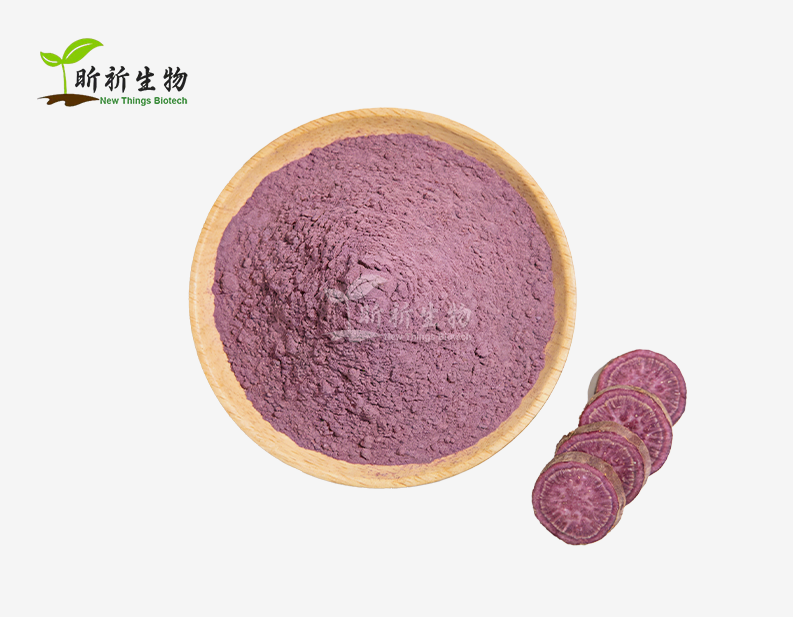
Yes, ube yam powder has changed the way modern foods are made, combining a bright purple color and real health benefits that make it popular with people all over the world who are concerned about their health. This botanical extract, which comes from Dioscorea alata L., gives sourcing workers a unique way to set their goods apart in markets where competition is high. Instead of using artificial colorants, this plant-based powder gives food a natural look and useful qualities like resistant starch, anthocyanins, and dietary fiber. Food and drink companies are becoming more aware that consumers want clean-label foods that are good for you and look good. The global market's love for naturally colored foods puts this ingredient at the center of both new looks and good nutrition, making it an important thing for R&D teams to think about when they're making next-generation products.

Understanding Purple Yam Ube Powder: Composition and Benefits
Botanical Origins and Processing Standards
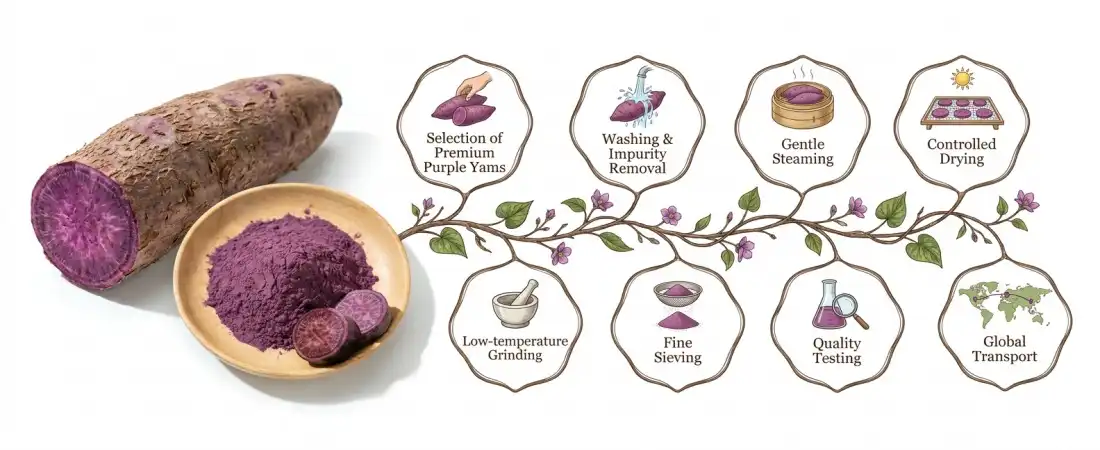
Ube yam powder extract comes from fully grown Dioscorea alata roots that are picked in tropical areas that are known for having the best growing conditions. From raw root to polished powder, there are several steps that are very important for quality. NT Biotech's handling method starts with careful picking of the raw materials, making sure that only the best roots go into production. First, the product is treated with steam to make it easier to digest. Next, it is dried at a controlled low temperature to protect thermosensitive bioactive chemicals. Fine grinding through 80-mesh sieves makes the particle distribution constant, which is important for making sure that recipes disperse consistently. This plant-based ingredient has been certified as ISO9001, Kosher, and Halal, which means it meets the different rules and regulations in different foreign markets.
Nutritional Profile and Functional Characteristics
The powder has a unique mix of nutrients that goes beyond what you'd find in regular root veggie liquids. It has natural mucilage ingredients that give finished goods their texture and are high in polysaccharides. The anthocyanin content acts as an antioxidant, and the resistant starch content acts as a prebiotic, which helps gut health recipes. Artificial colorants need to be listed in a lot of detail, but this ingredient can be put on a clean label, which meets customers' desire for clear ingredient lists. The naturally occurring chemicals linked to diosgenin have gotten a lot of attention in the field of functional food creation, especially for making formulas that support metabolic health. When purchasing this ingredient, teams should keep in mind that it can be used as both a natural colorant and a nutritional enhancer, which means that complicated recipes don't need as many additives.
Comparison with Fresh Tuber Usage
Ube yam powder that has been ground is better for large-scale production than purple yam that has been eaten fresh. The concentrated form gives the same color strength across production batches, so there is no longer any yearly variation like there is with fresh food. Longer shelf life—usually 24 months with proper storage—makes inventory control easier than with perishable raw materials. Transportation economics benefit from the powder's lower volume and weight, which greatly reduces the cost of operations. Standardized moisture content and microbial standards make sure that the processing will go as planned. On the other hand, fresh tubers have varying water activity, which makes it harder to maintain the stability of the mixture. Managing allergens is easier when plant powders come from a single source, as opposed to fresh ingredients, which have more complicated supply lines.
Why Ube Powder Is a Game-Changer in Food Innovation
Visual Differentiation in Saturated Markets
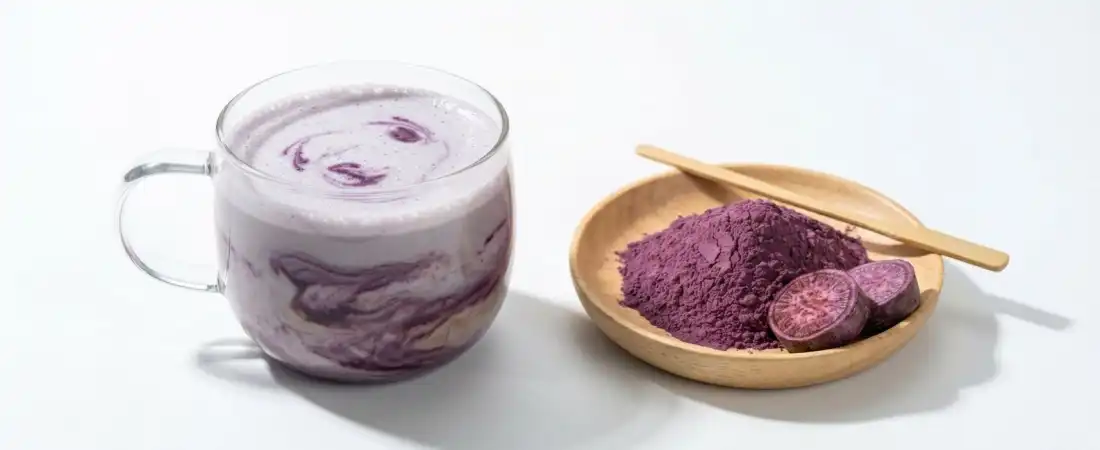
Visual distinctions are very important for getting people's attention in store settings. The powder's natural purple color—which can range from lavender to deep violet based on the concentration—has an immediate effect on the shelf that is hard for fake colors to match. In market research, buyers regularly show that they believe naturally derived colors more than artificial ones. This is especially true for millennials and Generation Z. Product makers say that adding this ingredient to drinks, frozen desserts, and baked goods makes people more active on social media, which means that it has organic marketing value. Because it stays the same color at different pH levels and can handle mild heat processing, it can be used in a wide range of foods, from fruit products with a high acidity level to baked goods with a neutral pH. This gives formulators more options than purple sweet potato powder, which can be limited by its pH sensitivity.
Flavor Profile and Sensory Integration
In addition to its looks, the ingredient adds a faint earthy-sweet flavor with creamy notes that work well with the main flavors and don't overpower them. However, this quality is especially helpful in protein drinks and meal replacements, where it can be hard to hide off-notes from useful ingredients. Sensory groups always give products with this extract good marks for improving the feeling. This is because they contain natural mucilage, which gives the products a smooth texture. The powder mixes easily into both dairy- and plant-based structures, showing that it is very adaptable to different types of formulas. It's liked by beverage makers because it can add visual impact without the overpowering sweetness of some fruit-based colorants. This lets them precisely control the amount of sugar in health-focused goods.
Cost-Effectiveness and Procurement Value
A comparison with other natural purple colorants shows that the economics are good. Even though purple carrot concentrate is stable, it usually needs to be used at higher rates to have the same visual impact. Fruit products high in anthocyanins may add color, but they don't tell the nutritional story that works in functional food placement. Because powder doesn't need to be shipped in a cold chain like juice liquids do, the total landing cost is lower. Bulk packing options, such as 10 kg boxes for test runs and custom-designed pallet layouts for high-volume production, give buyers more choices that work with their strategies for turning over goods. Suppliers with stable quality and short lead times add value by cutting down on the need for safety stock and the costs that come with it.
Navigating the Market: How to Select & Source the Best Ube Powder
Critical Quality Parameters and Certifications
Setting clear quality standards that are in line with the needs of the finished product is the first step to successful buying for ube yam powder. A moisture level below 5% stops microbes from growing and makes sure the powder can flow easily during processing. Heavy metal levels that meet EU and FDA limits protect the image of the brand and make sure it follows the rules. Each batch should come with a Certificate of Analysis that lists microbial factors such as the total plate count, yeast, mold, and pathogen absence. ISO9001 certification shows that quality management is being done in an organized way, and Kosher and Halal certifications make products easier to find in markets. When organic certificates are available, they command higher prices, but they need to be backed up by full supply chain paperwork. Professionals in procurement should ask for retention samples and set up inbound inspection processes that use standard measurement systems to check the consistency of color and particle size distribution.
Evaluating Supplier Reliability and Capacity
Long-term supply security rests on evaluating suppliers in more ways than just looking at prices at first. When evaluating production capacity, it is important to look into the ties between providers of raw materials, since suppliers with direct cultivation partnerships are better able to handle changes in crop yield. Site visits to manufacturing facilities or audit reports from a third party show how production really works and how strict quality control is. If a provider has specific research and development (R&D) support, it means they can help with formula optimization and technology problem-solving. Response time measures are very important. Suppliers who promise to answer questions within two hours show that their businesses are efficient, which makes working together easier in the long term. Flexible packing arrangements and a readiness to meet specific needs are signs of operations that focus on the customer. NT Biotech has been making plant extracts for ten years, which gives them the operating maturity that lowers the risk of buying important ingredients.
Logistics and Inventory Strategy
Optimal buying weighs the cost of stocking up against the risk of losing access to supplies. Just-in-time manufacturing models are supported by suppliers who keep goods in stock so that orders can be filled quickly (delivery within 2 to 4 days of payment). Planners can set up ordering points correctly when they know how long it usually takes to make something (3–10 working days for custom orders). Express messenger, air freight, and ocean containers are all types of multi-modal shipping choices that let you find the best price based on urgency and volume. When it comes to transport efficiency, suppliers who use their own courier accounts often do better than those who only use freight forwarders. It is important to pay attention to how long the packaging will last when it is shipped over long distances. Multi-layer moisture-barrier materials protect powder quality in a range of temperature zones. Setting up secondary suppliers for essential ingredients protects against business interruption, but vetting these sources requires the same level of care as choosing a main seller.
Practical Guide for Procurement: From Ordering to Integration
Streamlined Ordering Workflows for B2B Buyers
Efficient buying starts with testing samples before committing to large amounts of production. Reliable providers offer free samples, usually between 100 and 200 grams, so that lab tests and bench-scale recipe development can happen. When asking for samples, people should be clear about what they want to use them for so that the right product type can be chosen. Once the sample is approved, the minimum order quantity for this ingredient is 10 kg, which allows for the first production trials without committing too much inventory. When you handle a purchase order, you should write down all the specifics, like the mesh size, color intensity range, and paperwork that is needed. Foreign exchange is easier for international buyers when they can pay in different currencies and accept payments in the local currency. Setting up framework deals for regular purchases speeds up the reordering process and may lead to better prices for large orders.
Integration into Product Development Cycles
To successfully combine ingredients, you need to use systematic testing methods that check how well the mixture works in all the important process conditions. The first tests on a bench should check how well the substance mixes with target carrier systems, how the color changes at processing temperatures, and how stable it will be during the shelf life that was planned. Before going full-scale, pilot-scale production runs should find any possible processing problems, such as any changes that need to be made to the equipment to make it better at handling powder. Checking for consistency from batch to batch across various supply lots shows that seller quality control is working well and helps with safety stock calculations. Regulatory paperwork preparation should happen at the same time as technical development. This includes allergen labels, ingredient statements, and nutritional effect assessments. Working with providers who can provide good technical support speeds up this part of integration. NT Biotech's R&D team gives formulation advice based on their wide range of experience in food, drink, and nutraceutical uses.
Highlighting NT Biotech's Ube Yam Powder Portfolio
Our high-quality ube yam powder is the result of more than ten years of experience working with plant ingredients to make a better, more useful colorant. It comes from controlled farming areas and is processed using special low-temperature methods that keep the highest amount of anthocyanins and nutritional value. There are no carriers or fillers in the 100% pure standard, so the plant benefits are real and back the clean-label branding. Packaging that can be changed to fit the needs of any business, from small-scale makers to large-scale factories. Full sets of paperwork, like Kosher, Halal, and ISO9001 licenses, speed up regulatory entries in all global markets. Quick product development timelines are supported by immediate access from stock goods, and private-label solutions that are tailored to the needs of each brand are made possible by flexible OEM capabilities. This ingredient is a great example of how high-quality raw materials and expert technical processes can work together to make a modern plant extract supply.
Future Trends and Opportunities in Ube Powder Usage
Emerging Applications in Functional Foods
As the market changes, more of these products will be used in areas that stress nutritional clarity and useful benefits. More and more, plant-based protein formulas use natural colorants that make them look better without compromising the integrity of the clean label. Because it contains resistant starch, this ingredient can be used in prebiotic and gut-health products that are becoming more popular with health-conscious people. Vegan and vegetarian product makers like it when the whole plant-origin character fits with what their target audience wants. Because natural mucilage helps separate ingredients visually and has mild binding qualities, it is useful in gluten-free baking. Pediatric nutrition formulas use the color to make the product more attractive and help kids eat it, while also giving it real nutritional value that is higher than synthetic options.
Sustainability and Organic Sourcing Evolution
Concern for the environment is becoming a bigger factor in choosing ingredients. Growing purple yam has a smaller effect on the earth than growing foods that need a lot of resources, which supports sustainability stories. The botanical extract business is moving toward organic approval because some high-end customers are willing to pay more for guaranteed growing standards. More and more, procurement plans require suppliers to show that they can be tracked all the way through the supply chain, from growing crops in the field to packaging the end goods. Leading sellers stand out in competitive bidding situations by being open about how much water, energy, and trash they use. Building relationships with providers that are committed to improving the environment all the time protects brands against new rules and changing customer standards about how responsibly businesses should act.
Strategic Supplier Partnership Development
Long-term competitive edge comes from having ties with suppliers that go beyond just buying things. Working together in relationships lets you create custom specs that work best for certain uses, which makes your product stand out in a way that you can defend. Suppliers who are committed to ongoing innovation—looking into new ways to extract ingredients or adding new products to their lines—give customers early access to the next generation of ingredients. Joint technical assistance speeds up the process of fixing problems that come up during challenges like process improvement or scaling up. Preferred seller deals may make sure that capacity is allocated during times when the market is short on supplies, which protects the continuity of production. These strategic partnerships get stronger when they have regular reviews that focus on quality measures, service performance, and sharing market information. This way of doing things is shown by NT Biotech's dedication to proactive customer support and professional teamwork. They see their clients as long-term partners in their own success.

Conclusion
There is no doubt that ube yam powder is more than just a passing trend in new food ingredients. Its unique mix of visual effect, nutritional usefulness, and clean-label compatibility meets a lot of different procurement goals at the same time. Color stability, taste compatibility, and processing flexibility are some of the technical benefits that make this material useful in a wide range of food and drink categories. To successfully source ingredients, you need to pay attention to quality standards, the dependability of your suppliers, and best practices for merging that make sure finished goods work at their best. Market trends show that it will continue to grow because people want natural, useful ingredients that are both aesthetically pleasing and good for them. People who work in procurement who build strong relationships with suppliers and learn a lot about this ingredient's technical side put their companies in a good situation to take advantage of new possibilities in health-focused product development.
FAQ
1. Is purple yam powder naturally gluten-free?
Yes, this plant-based ingredient comes only from Dioscorea alata root bulbs and doesn't contain any gluten proteins. It works well for recipes that are meant to be safe for celiacs and people who are sensitive to gluten. Verifying that a product is gluten-free through testing documents from the seller is still a good idea for regulatory compliance, especially when it is processed in a facility that handles a lot of different ingredients.
2. How does the nutrient profile compare to sweet potato powder?
Both ube yam powder and sweet potato powder contain anthocyanins, but ube yam powder usually has more resistant starch and unique mucilage carbohydrates that sweet potato powder doesn't have. The profiles of compounds linked to diosgenin are very different, making functional differences that are important for different manufacturing goals. Comparative nutritional analysis should help with choice based on how the product is supposed to be positioned and what health claims are being made.
3. What factors determine quality when selecting between organic and conventional grades?
Organic approval proves that the crops were grown without using synthetic pesticides and that the standards for land management were followed. This results in higher prices. Standard grades that pass tight residue tests might have the same safety ratings for less money. Target market tastes, price awareness, and brand positioning strategy are some of the things that affect decisions. The processing quality and uniformity standards for both types should be the same.
Partner with a Trusted Ube Yam Powder Manufacturer
If you want to make a new product, NT Biotech can help you with that by giving you high-quality ube yam powder and professional support. Because we've been specializing in plant ingredients for ten years, we can guarantee a steady supply of this amazing natural colorant. It comes with ISO9001, Kosher, and Halal certifications that make your legal processes easier. Agile development timelines are supported by quick responses (confirmed within two hours) and a range of delivery choices, such as stock shipments in two to four days. Contact info@newthingsbiotech.com today to get a free taste and see the difference in quality that comes from using a professional ingredient source service. Our R&D team can help you come up with the best way to use this amazing plant-based ingredient in your next product launch by giving you personalized recipe support.
References
1. Johnson, M. & Chen, L. (2022). Natural Colorants in Modern Food Processing: Quality Standards and Application Guidelines. International Food Science Publishers.
2. Rodriguez, A. et al. (2021). "Anthocyanin Stability and Functional Properties in Plant-Based Extracts." Journal of Food Biochemistry, 45(8), 1342-1356.
3. Williams, K. (2023). Global Procurement Strategies for Botanical Ingredients: Risk Management and Supplier Evaluation. Supply Chain Excellence Press.
4. Thompson, R. & Patel, S. (2022). "Resistant Starch Content and Digestive Health Benefits of Purple Yam Varieties." Nutritional Science Quarterly, 18(3), 203-218.
5. Anderson, E. (2023). Clean Label Formulation: Meeting Consumer Expectations Through Natural Ingredient Selection. Food Innovation Institute.
6. Chang, H. et al. (2021). "Processing Methods and Nutrient Retention in Dehydrated Root Vegetable Powders." International Journal of Food Technology, 56(12), 4521-4535.