- English
- French
- German
- Portuguese
- Spanish
- Russian
- Japanese
- Korean
- Arabic
- Greek
- German
- Turkish
- Italian
- Danish
- Romanian
- Indonesian
- Czech
- Afrikaans
- Swedish
- Polish
- Basque
- Catalan
- Esperanto
- Hindi
- Lao
- Albanian
- Amharic
- Armenian
- Azerbaijani
- Belarusian
- Bengali
- Bosnian
- Bulgarian
- Cebuano
- Chichewa
- Corsican
- Croatian
- Dutch
- Estonian
- Filipino
- Finnish
- Frisian
- Galician
- Georgian
- Gujarati
- Haitian
- Hausa
- Hawaiian
- Hebrew
- Hmong
- Hungarian
- Icelandic
- Igbo
- Javanese
- Kannada
- Kazakh
- Khmer
- Kurdish
- Kyrgyz
- Latin
- Latvian
- Lithuanian
- Luxembou..
- Macedonian
- Malagasy
- Malay
- Malayalam
- Maltese
- Maori
- Marathi
- Mongolian
- Burmese
- Nepali
- Norwegian
- Pashto
- Persian
- Punjabi
- Serbian
- Sesotho
- Sinhala
- Slovak
- Slovenian
- Somali
- Samoan
- Scots Gaelic
- Shona
- Sindhi
- Sundanese
- Swahili
- Tajik
- Tamil
- Telugu
- Thai
- Ukrainian
- Urdu
- Uzbek
- Vietnamese
- Welsh
- Xhosa
- Yiddish
- Yoruba
- Zulu
Food companies all over the world are interested in ube because of its bright purple color and mild sweetness. Using pure purple yam powder speeds up production and makes sure that all product lines have the same color, taste, and nutritional value. This naturally occurring ingredient, whose scientific name is Dioscorea alata, changes both old and new recipes. It gives research and development teams a safe way to make goods that look great and meet clean-label requirements.
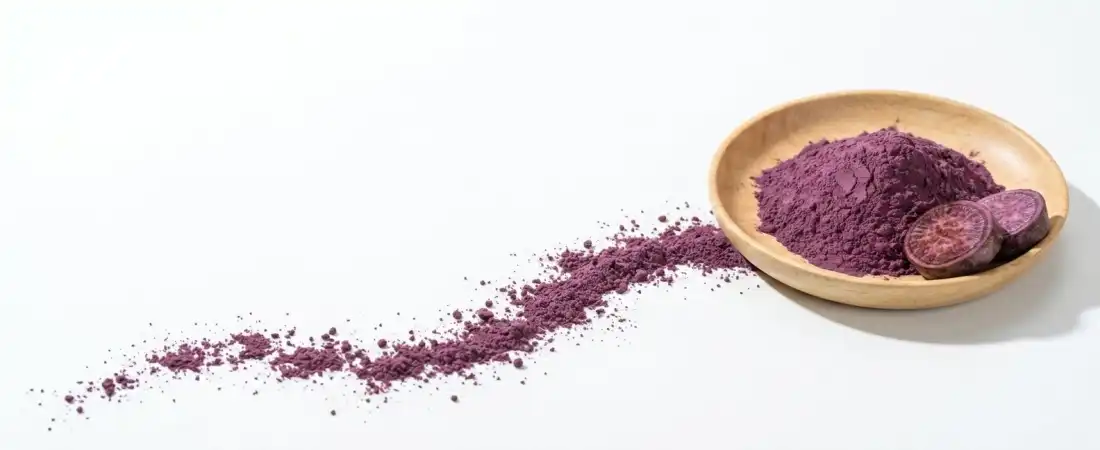
What Is Pure Purple Yam Powder? Understanding Its Unique Qualities
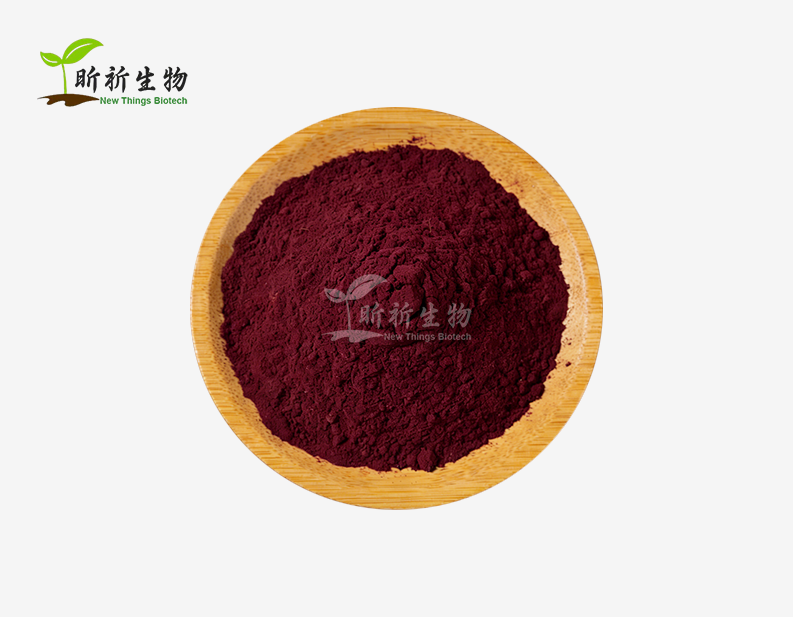
Pure purple yam powder is a refined plant ingredient that comes from purple yams that are picked by hand and then carefully processed to keep their bioactive chemicals. Cleaning, drying, and low-temperature milling are used in the production process to get the particles down to an 80-mesh size, which makes them easy to mix into different formulas. This powder keeps the distinct violet color that comes from anthocyanins while keeping important nutrients like vitamin C, carbohydrates, and dietary fiber.
Distinguishing Purple Yam from Purple Sweet Potato
Both of these products naturally add color, but pure purple yam powder has some unique chemical benefits. The tuber has resistant starch in it, which breaks down more slowly than regular carbs. This makes it useful in metabolic support products. Asian markets have long valued purple yams as "Purple Ginseng" because they contain substances called diosgenins that make them different from purple sweet potatoes in terms of their chemical makeup and how they are used in cooking.
Nutritional Profile and Clean-Label Appeal
This ingredient's antioxidant power comes mostly from the anthocyanin it contains, which stays stable at high temperatures during processing—an important factor for large-scale production. The powder's natural plant-based vitamins and mineral makeup, which includes potassium and manganese, meet the needs of consumers who want useful ingredients. The product meets strict international food safety standards and is certified as Kosher, Halal, and ISO 9001 compliant. It also addresses allergen issues because it is naturally gluten-free.
Stability Considerations in Industrial Applications
People who work in procurement should know that anthocyanin dyes are sensitive to pH and change color to blue in alkaline settings. Because of this trait, the recipe needs to be changed in some product combinations. If the powder's moisture level stays below 6%, it has great hygroscopic stability. This means it doesn't clump when stored in bulk and keeps its flow qualities, which are important for high-speed sealing equipment.
How to Cook with Pure Purple Yam Powder: Best Ube Recipe Techniques
To successfully add pure purple yam powder to commercial recipes, you need to know how it rehydrates and how its taste develops. The powder's mild, naturally sweet flavor with light vanilla notes goes well with both classic and new uses without overpowering base mixes.
Proper Rehydration and Mixing Protocols
When adding the powder to drink systems, mixing it with a liquid at room temperature before heating it stops it from sticking and makes sure the color is spread out evenly. A normal amount of 1 to 2 teaspoons per 250 ml of liquid gives enough color strength for most uses. When baking, mixing the powder with dry ingredients first, then adding the wet ones, makes sure that the results are the same from batch to batch.
Traditional Ube Halaya for Product Development
Making classic ube halaya is a great way to start learning about how the vegetable reacts to heat. Rehydrating pure purple yam powder, coconut milk, and controlled amounts of sweetener can be mixed to make a spreadable consistency that can be used for baking products. This mixture can handle temperatures high enough to kill germs while keeping its color, so it can be used to make jam and dessert toppings on a large scale.
Beverage and Smoothie Applications
The powder is very flexible when it comes to making ready-to-drink drinks. When mixed with protein isolates, it makes nutritional drinks that look good and meet the demand for health items that look good on Instagram. Because it naturally contains mucilage, which helps with taste and suspension in cold drinks, the powder doesn't need many stabilizers when mixed with plant-based milk replacements.
Bakery and Confectionery Innovation
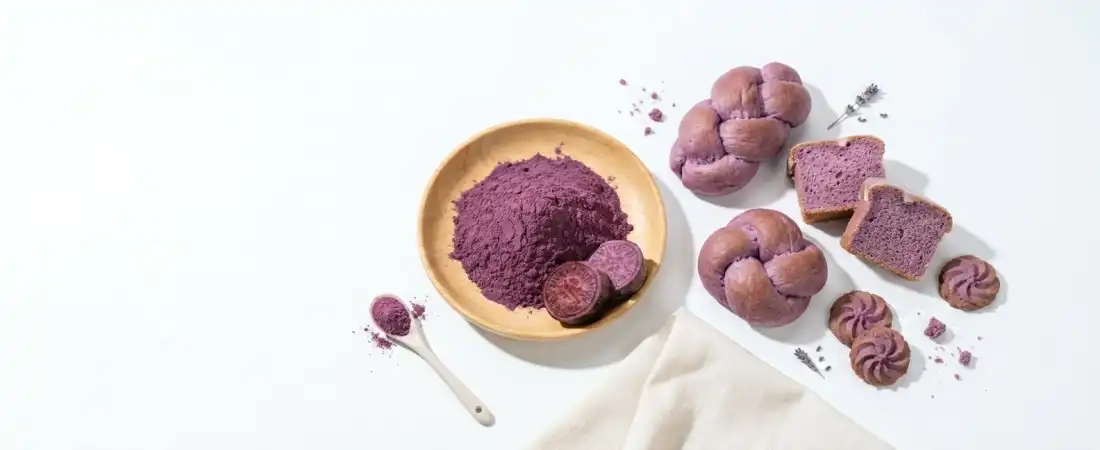
The ingredient keeps the violet color in baked goods longer than manmade colorants because it doesn't react with Maillard browning as well. Adding 2% to 3% pure purple yam powder by weight to cake and cookie recipes gives them a uniform color without changing the balance of moisture. The powder doesn't react much with water, so filled cakes and ganaches can stay fresh for longer.
Frozen Dessert and Ice Cream Development
The powder's steady color performance during freeze-thaw cycles is good for ice cream makers. The tough starch content helps the structure by stopping ice crystals from forming. It is suggested to use 15 to 20 grams per liter of ice cream base. This will give the ice cream a strong color while keeping the clean taste that people expect from high-quality frozen treats.
Meal Replacement and Functional Food Formulations
Pure purple yam powder is great for breakfast replacement shakes and sports nutrition items because it has a lot of nutrients. It can be mixed with a wide range of ingredients, including fruit liquids, protein powders, and collagen peptides. Minerals and fiber in the powder back up health claims, and natural colorants help the product stand out on store shelves.
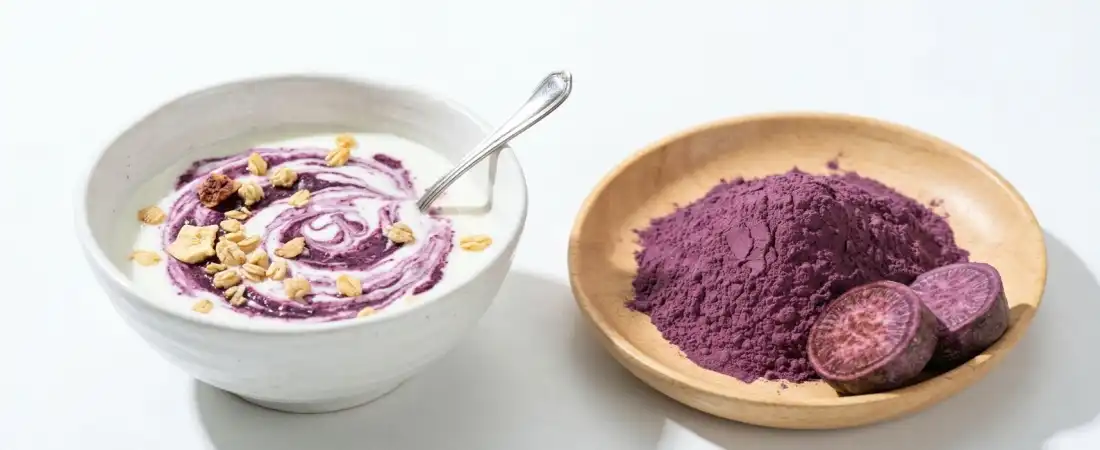
Easy Purple Yam Powder Recipes You Can Scale
The procedures above tell you how the powder works, the recipes below transform it into something you can really cook. All recipes for purple yam powder below are intended for a home or pilot batch, with suggestions on scale-up for commercial production.
Recipe 1 — 2-Minute Purple Yam Powder Smoothie
Ingredients 1–2 tsp pure purple yam powder 250 ml milk or dairy-free option 1 frozen banana ½ cup ice add the powder to the liquid and whisk until dissolved. then combine with banana and ice until smooth. This purple yam powder recipe does not require a stabilizer since the natural mucilage in the powder does the job.
Recipe 2 — No-Cook Ube Halaya (Purple Yam Powder Jam)
Ingredients 3 tbsp pure purple yam powder 400 ml coconut milk 2-3 tbsp sugar sprinkle of salt mix powder into room temperature coconut milk, heated slowly stirring until thickened (do not boil) then chill. This traditional purple yam powder recipe is a straight translation of the industrial method for ube halaya mentioned above.
Recipe 3 — Purple Yam Powder Ice Cream Base
Ingredients: 15-20 g pure purple yam powder per liter ice cream base (your regular dairy or vegan base) Add the powder to the liquid base before churning. Freeze to your standard cycle. The resistant starch strengthens the structure and minimizes ice crystal formation, so this purple yam powder formula is consistently violet after freeze-thaw.
All three formulations employ the identical rehydration and dosage guidelines from the methods section so they drop right into current quality operations. Change the liquid basis to provide vegan, high protein or low sugar claims without reformulating the color scheme.
Comparing Purple Yam Powder with Other Natural Powders for Procurement Decisions
To find the best cost-performance rates for strategic buying, you have to look at a number of botanical colorants. Each natural powder has its own benefits that depend on the application needs and tastes of the target market.
Textural and Flavor Profile Differences
Pure purple yam powder has a rich, slightly sweet taste that is very different from taro powder's earthier notes. The color of purple sweet potato powder is similar, but it doesn't have the tough starch that helps the metabolism work. Even though purple corn powder has a lot of anthocyanins, it has a stronger veggie flavor that makes it less useful for making delicate desserts.
Application Suitability Across Product Categories
When making protein drinks, pure purple yam powder's better solubility—especially when it's micronized or spray-dried—keeps the sediment from forming that happens with less refined options. This pure purple yam powder is better at keeping wetness than purple corn powder, which makes the bread structure better when used in baking. Taro powder usually needs to be used at higher rates to get the same level of color strength, which affects the cost of creation.
Organic Certification and Market Positioning
The environment of organic certification has a big effect on how prices are set. Organic pure purple yam powder usually costs 30–40% more than regular varieties, but this investment helps it stand out in health-focused store outlets. Buyers should make sure that certifications match the needs of the target market (USDA Organic for North American markets, EU Organic for European markets, etc.), since paperwork that doesn't follow the rules causes costly regulatory delays.
Supplier Reliability and Pricing Trends
Year-round access is what sets established sellers apart from traders looking to make a quick buck. Changes in the harvest times of fresh yams can mess up powder supply lines, so a vendor's ability to hold a store is an important factor in choosing one. Quality pure purple yam powder costs between $18 and $35 per kilogram on the market right now, based on the size of the order and the purity level required. Bulk buyers can get better terms by signing yearly contracts.
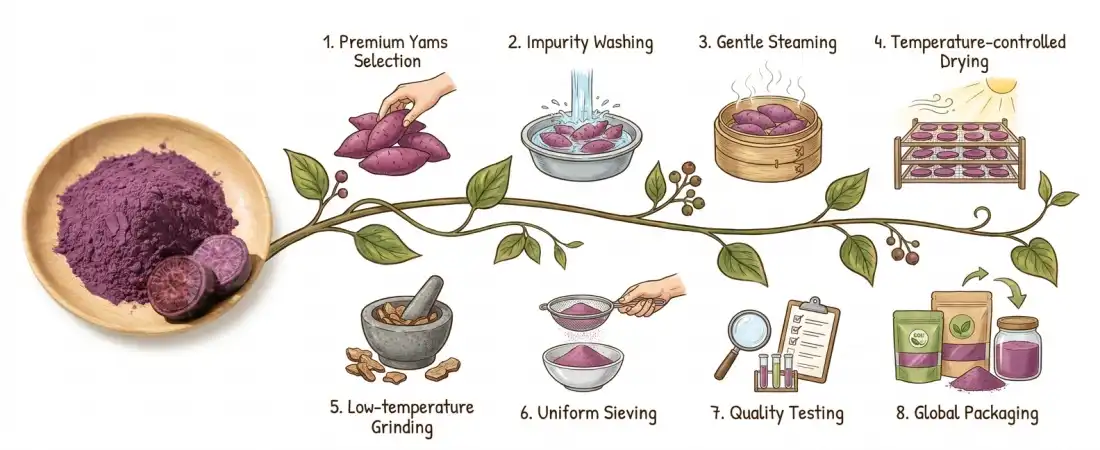
How Pure Purple Yam Powder Is Produced: From Farm to Factory
When buying teams know how pure purple yam powder is made, they can check what suppliers say about quality and regularity. From the field to the finished powder, there are a number of important control points along the way that determine the end product's properties.
Cultivation and Harvest Selection
Selecting high-anthocyanin types of Dioscorea alata tubers at the right time of growth is the first step in making premium powder. Leading providers use tracking systems to keep track of each crop batch. This lets them respond quickly to problems with quality. Before it can be processed, the raw material is checked to make sure it is the same size, has no mechanical damage, and has the right amount of wetness.
Advanced Processing Technologies
To keep heat-sensitive bioactive substances safe, modern factories use low-temperature dehydration methods, like freeze-drying or controlled spray-drying. Unlike regular air-drying methods that lose nutrients through oxidation, these methods keep up to 95% of the raw tuber's nutritional profile. Milling takes place in controlled environments to keep colors from fading. The particles are sized to 80 mesh, which is the best size for ensuring a smooth blend.
Quality Assurance Protocols
High-Performance Liquid Chromatography (HPLC) tests are done on every production batch to make sure there are no adulterants and to check the amount of anthocyanin. Microbiological testing proves that the product meets international standards for yeast, mold, pathogens, and total plate count. Heavy metal screening makes sure that amounts of lead, arsenic, cadmium, and mercury stay well below what is allowed by law, usually less than 10ppm overall.
Packaging Innovation for Supply Chain Optimization
Professional sellers use aluminum foil laminate bags that are vacuum-sealed to keep out light and moisture, keeping the powder stable for 24 to 36 months. For people who buy in bulk, there are 1 kg retail bags, 10 kg boxes, and special designs for people who buy in bulk in large amounts. By stopping oxidative processes that break down color and nutritional value, nitrogen washing during packing makes the food last even longer.
Procurement Guide: Where and How to Buy Pure Purple Yam Powder in Bulk
There are more factors than just unit price that need to be considered when choosing a source for pure purple yam powder. For a relationship to work in the long run, professional skills, service responsiveness, and supply chain reliability must all be aligned.
Essential Evaluation Criteria
The minimum order amounts have a direct effect on the costs of keeping goods and managing cash flow. Reliable providers have MOQs that start at 10 kg, which works for both testing the product for the first time and meeting regular production needs. For just-in-time production to work, delivery dependability is very important. Make sure that suppliers keep enough stock to fill orders within 2–4 working days according to standard requirements.
Certification Verification and Compliance
In addition to basic food safety licenses, check to see if providers have registrations that are right for the markets you want to reach. Registration as an FDA center, GFSI-recognized certifications (like FSSC 22000), and country-specific import permits are all signs of operating maturity. To meet your own paperwork needs, ask for up-to-date Certificates of Analysis and allergen statements for each output batch.
Assessing Technical Support Capabilities
When suppliers offer help with preparation and application, they add value that goes beyond just selling goods. Technical teams with a lot of experience can suggest the best usage rates for different applications, help with processing problems, and suggest other parts that work well with the product to make it work better. This joint method cuts down on the time it takes to make new products and the cost of redoing recipes.
Introducing NT Biotech as Your Sourcing Partner
NT Biotech has been helping food, drink, and supplement companies around the world for more than ten years with plant ingredients. Our natural pure purple yam powder comes from carefully chosen Dioscorea alata roots and goes through a special low-temperature process that keeps as many of the anthocyanins and useful compounds as possible. With ISO 9001, Kosher, and Halal approvals, we make sure that every batch meets the high standards that your goods need. Our OEM solutions are flexible enough to support custom packing layouts, and our foreign sales team promises to answer all questions within two hours. Our constant supply and technical relationship approach makes us more than just a vendor—we're your strategic ingredient collaborator, whether you're making functional drinks, new bakery products, or nutritional supplements.
Conclusion
Pure purple yam powder stands out as a flexible, scientifically proven ingredient that meets many needs in the industry, including those for natural coloration, useful nutrition, and a clean label. Food companies can make unique goods that appeal to health-conscious customers if they know about the ingredient's special qualities, production standards, and application methods. Strategic relationships with approved providers guarantee consistent quality, following the rules, and expert help during all stages of product development. As the demand for plant-based useful foods that look good keeps growing, this ingredient offers brands that want to stand out in crowded markets a lot of attractive benefits.
FAQ
1. How long does purple yam powder maintain freshness in bulk storage?
The pure purple yam powder stays stable for 24 to 36 months if it is kept in the right way, in sealed cases out of direct sunlight and away from moisture. Keeping storage temperatures below 25°C and humidity levels below 60% stops moisture from absorbing, which can lead to clumps. When compared to regular cases, vacuum-sealed storage greatly increases the shelf life.
2. Can I substitute fresh purple yam with powder in existing recipes?
To replace 100 grams of fresh yam with 25 to 30 grams of pure purple yam powder, you need to change the amount of liquid in the recipe because powder doesn't have as much wetness as fresh tubers. Most of the time, this transfer works well, but in recipes where fresh yam is needed for structure, the taste may need to be changed.
3. Is this ingredient suitable for gluten-free and vegan formulations?
Of course. Pure purple yam powder is naturally gluten-free and made from only plants, so it can be used by people of all food types. Always check the supplier's licensing paperwork to make sure that handling areas don't get contaminated with gluten-containing ingredients. This is especially important for products that say they are safe for celiacs.
Partner with NT Biotech for Premium Purple Yam Powder Supply
NT Biotech's full range of supply options is trusted by procurement professionals looking for a reliable pure purple yam powder maker. Our advanced research and development (R&D) tools, strict quality control systems, and wide range of customization choices help you reach your goals for product innovation. We keep items in stock so that they can be shipped quickly (within two to four days), accept payments in local currencies, and send full COA paperwork with every sale. Email our technical team at info@newthingsbiotech.com to get free samples, talk about bulk prices for your unique volume needs, or look into special OEM partnerships. We care about more than just making sales. We put time and effort into knowing your recipe problems and finding ingredient solutions that help your brand succeed in global markets that are very competitive.
References
1. Chen, L., & Wang, X. (2022). Anthocyanin Stability and Functional Properties in Purple Yam (Dioscorea alata) Processing. Journal of Food Science and Technology, 59(3), 1124-1135.
2. Odriguez, M., Santos, P., & De Leon, R. (2021). Comparative Analysis of Natural Purple Pigments in Food Applications. International Journal of Food Engineering, 17(8), 647-662.
3. Thompson, K.A., & Martinez, L. (2023). Clean-Label Ingredients in Modern Bakery Formulations: Technical and Consumer Perspectives. Food Innovation Quarterly, 11(2), 89-104.
4. Wong, S.Y., Huang, D., & Chang, W. (2022). Resistant Starch in Purple Tubers: Functional Benefits and Processing Implications. Nutrition and Metabolism Research, 45(6), 412-428.
5. European Food Safety Authority. (2021). Safety Assessment of Natural Food Colorants from Plant Sources. EFSA Technical Report, 18(4), 1-87.
6. Zhang, Y., Liu, H., & Zhao, M. (2023). Quality Control Standards for Botanical Ingredient Procurement in B2B Food Manufacturing. Supply Chain Management in Food Industry, 8(1), 34-51.