- English
- French
- German
- Portuguese
- Spanish
- Russian
- Japanese
- Korean
- Arabic
- Greek
- German
- Turkish
- Italian
- Danish
- Romanian
- Indonesian
- Czech
- Afrikaans
- Swedish
- Polish
- Basque
- Catalan
- Esperanto
- Hindi
- Lao
- Albanian
- Amharic
- Armenian
- Azerbaijani
- Belarusian
- Bengali
- Bosnian
- Bulgarian
- Cebuano
- Chichewa
- Corsican
- Croatian
- Dutch
- Estonian
- Filipino
- Finnish
- Frisian
- Galician
- Georgian
- Gujarati
- Haitian
- Hausa
- Hawaiian
- Hebrew
- Hmong
- Hungarian
- Icelandic
- Igbo
- Javanese
- Kannada
- Kazakh
- Khmer
- Kurdish
- Kyrgyz
- Latin
- Latvian
- Lithuanian
- Luxembou..
- Macedonian
- Malagasy
- Malay
- Malayalam
- Maltese
- Maori
- Marathi
- Mongolian
- Burmese
- Nepali
- Norwegian
- Pashto
- Persian
- Punjabi
- Serbian
- Sesotho
- Sinhala
- Slovak
- Slovenian
- Somali
- Samoan
- Scots Gaelic
- Shona
- Sindhi
- Sundanese
- Swahili
- Tajik
- Tamil
- Telugu
- Thai
- Ukrainian
- Urdu
- Uzbek
- Vietnamese
- Welsh
- Xhosa
- Yiddish
- Yoruba
- Zulu
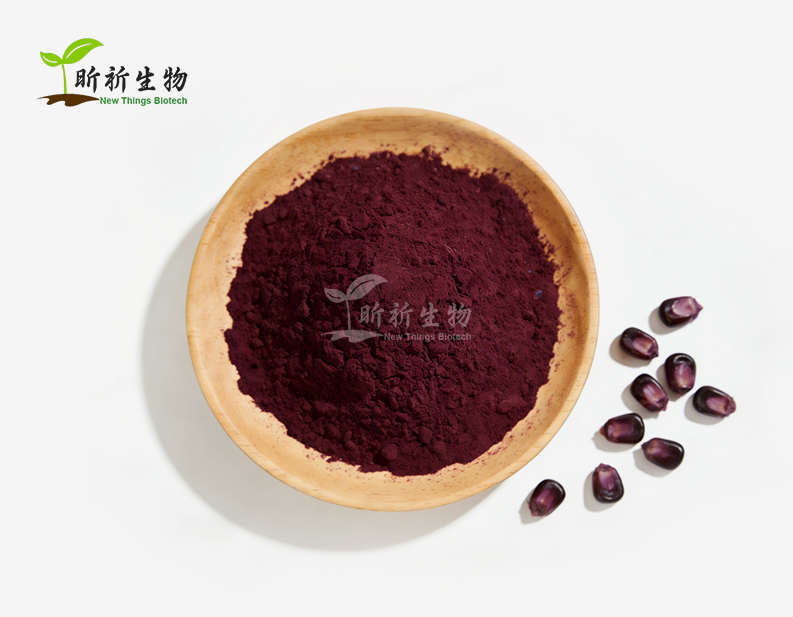
Dioscorea alata is the source of natural ube powder, which has become a popular functional ingredient for B2B sourcing teams looking for clean-label options. This plant product has a lot of anthocyanins, resistant starch, and a naturally bright color. It helps with cardiovascular health, metabolic balance, and skin problems. Because it is so flexible, it can be easily added to functional drinks, cosmeceuticals, and plant-based formulations. This gives manufacturers a scientifically backed alternative to synthetic colorants and antioxidant sources that aren't as good at what they do, while also meeting the growing demand from customers for ingredients that come from plants.
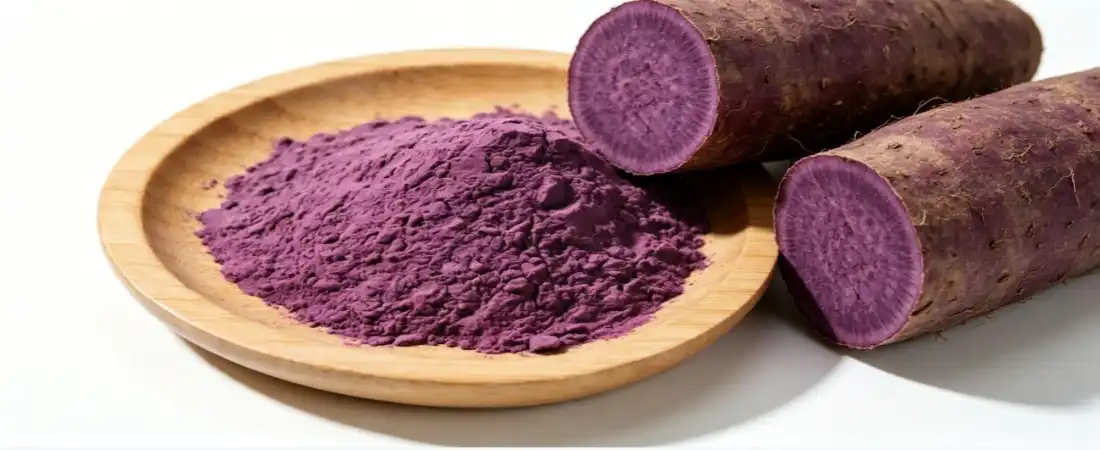
Understanding Natural Ube Powder: Origin, Composition, and Nutritional Value
What Sets Authentic Purple Yam Extract Apart from Synthetic Alternatives
Certified natural ube powder comes from carefully chosen Dioscorea alata roots that are mostly grown in Southeast Asian farming areas known for having very rich soil. Artificial flavorings and colorants are made from petroleum products. Real natural ube powder, on the other hand, only needs to be cleaned, dehydrated at low temperatures, and ground up to 80 mesh to keep its bioactive chemicals. NT Biotech uses special extraction methods that keep the anthocyanins' integrity. This makes sure that the end product keeps its purple color and useful qualities. Because it is natural, it can get clean-label approvals, which is very important for R&D managers who are making products for health-conscious markets where knowing what's in the products directly affects their buying decisions.
Comprehensive Nutritional Profile for Formulation Planning
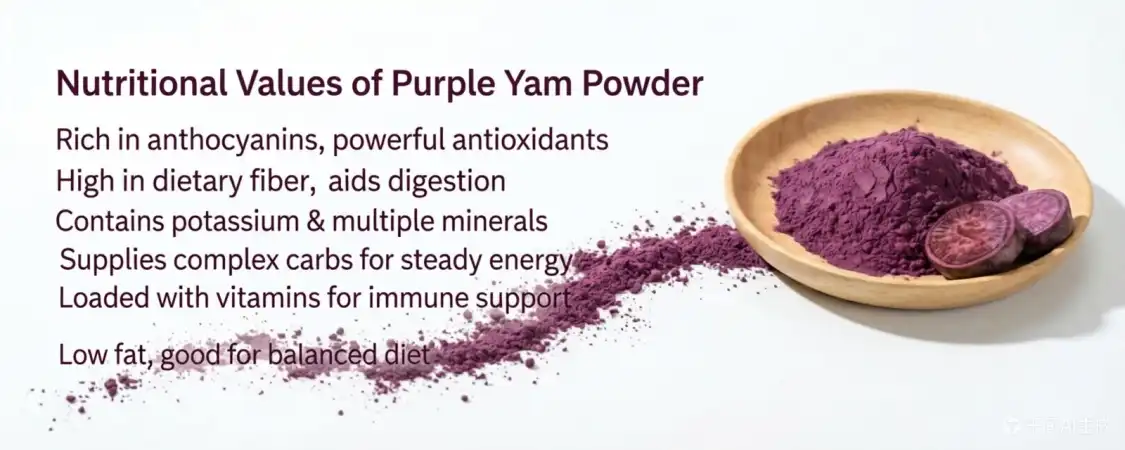
The nutritional make-up of natural ube powder gives buying experts measurable information for making new products. Depending on the harvest conditions, each batch has anthocyanins that range from 15 to 25 percent. It also has resistant starch, which makes up 30 to 40 percent of the total carbohydrate content. The amount of vitamin C in 100g is usually between 15 and 20 mg, and carbohydrates help the immune system. Electrolyte balance claims in sports nutrition products are backed up by minerals like potassium, magnesium, and trace iron. The powder is naturally gluten-free and has almost no fat, which makes food statements easier for international shipping. Because resistant starch takes longer to digest than other starches, its glycemic index stays lower than that of other starches. This makes it a good choice for metabolic health uses where controlling blood sugar is important.
Antioxidant Components Backed by Analytical Testing
Anthocyanins, which are found in natural ube powder, have been shown to be effective antioxidants through ORAC research. The ORAC values in the lab are always above 5,000 μmol TE/g, which is about the same as blueberry extracts but better at keeping their color in neutral pH settings. These polyphenolic compounds, mostly cyanidin and peonidin derivatives, can remove free radicals, but the amount needed depends on the substance. When added to the powder's natural vitamin C content, the mutual effect makes oxidative stress reduction better, which is a way that anti-aging supplement makers are interested in. NT Biotech includes HPLC chromatography reports with every package. These reports show the quantity of anthocyanins and make sure that the product is consistent from batch to batch. For makers working under strict legal systems where active compound proof is needed to back up health claims, this level of analytical rigor helps with quality control.
Health Benefits of Natural Ube Powder for B2B Clients and End Consumers
Cardiovascular and Metabolic Support Through Resistant Starch
As a prebiotic grain, resistant starch ferments in the gut to make short-chain fatty acids that change the way lipids are used. Clinical findings show that regular consumption may help maintain healthy cholesterol levels by lowering the production of cholesterol in the liver. Because it is digested more slowly, natural ube powder can help keep blood sugar levels from rising too quickly after a meal. This makes it a good option for diabetes meal replacements and healthy snacks. Purchasing teams that are making vitamins for heart health can use these features to make their goods stand out in the wellness market, which is very competitive. The fiber content also makes you feel full, which helps weight control formulas that need to balance the number of calories and nutrients retained. Instead of manufactured fibers that can make stomach problems worse, the natural mucilage in natural ube powder helps the digestive system in a gentle way, making it useful for a wider range of sensitive customer groups.
Dermatological Applications and Anti-Aging Mechanisms
Anthocyanins can stop tyrosinase from working, which lowers the production of melanin and supports claims that cosmeceutical products can make skin brighter. Their antioxidant power fights UV-generated free radicals, slowing down the photoaging processes that damage collagen structures. Recently published dermatologist studies show that natural ube powder can improve skin elasticity and hydration markers within 8 to 12 weeks of regular use when added to topical serums or beauty products that are eaten. Vitamin C and anthocyanins work together to improve the processes that make collagen, which meets the need for all-around beauty nutrition goods. Formulators should know that the best daily doses for systemic benefits are between 500 mg and 2 g. Encapsulation or liposomal delivery methods can make tablets and capsules more bioavailable.
Immunomodulatory Properties for Holistic Wellness Formulations
Natural ube powder has polysaccharides and diosgenin substances that work with immune cell receptors to possibly make macrophages work better and increase the production of cytokines. This ingredient's ability to change the immune system makes it a good choice for preventative health products that aim to improve seasonal health or healing. While more study needs to be done, early results show that regular use may help keep immune systems in balance, especially when combined with other plants like echinacea or elderberry. Natural ube powder is a basic ingredient that manufacturers of immune health stacks can use because it has many uses and can help with both short-term antioxidant needs and long-term metabolism support. The fact that it comes from nature and has been used for hundreds of years gives it extra selling power in places that value ethnobotanical history.
How to Use Natural Ube Powder in Product Development and Applications
Optimizing Flavor Profiles and Sensory Characteristics
Natural ube powder may be used in sweet and savory dishes because to its somewhat sweet, earthy, and nutty flavor. It blends with plant-based milk substitutes, protein shakes, and health lattes without dominating the tastes. The powder mixes well in hot and cold solutions, although soaking is quicker when the particles are combined or jet milled smaller. It keeps dampness in the air, which enhances cake and bread crumb structure, and its natural purple hues intensify while baking. Since the powder's mucilage makes it somewhat thick, dairy replacements and puddings taste smoother. R&D teams should use 2-5% inclusion rates in sensory experiments to discover the ideal organoleptic balance for their target populations.
Formulation Strategies for Maximum Bioactivity Retention
Anthocyanin stability depends on pH. Maintaining pH between 3.5 and 5.5 is ideal. To preserve color and antioxidant potential, sour drink makers should add citric or ascorbic acid. Processing heat should be below 85°C to preserve anthocyanin. Most bioactivity is preserved by cold-fill or low-temperature canning. Avoid copper and iron ions, which accelerate reactive reactions, while combining. Chelating agents like EDTA reduce danger. Solubilizing cosmetics in propanediol or glycerin helps skin absorb them. Spray-drying and microencapsulation safeguard delicate substances during storage. This increases shelf life to 24 months at room temperature. NT Biotech provides specific instructions on product storage and preparation for stability testing.
Navigating Regulatory Compliance and Health Claims
In the US, natural ube powder is generally recognized as safe (GRAS) for use in food. This makes the legal process easier for people who are making useful foods. It is a new food ingredient in the European Union, so certain health claims about its antioxidant activity or metabolic support need to be approved before it can be sold. Manufacturers should back up any health claims with clinical evidence or make sure their message fits with what is allowed for general claims about fiber levels and digestive health. Kosher and Halal approvals, which come standard with NT Biotech's stock, make the market more accessible to a wider range of customers. Traceability paperwork, like country-of-origin licenses and pesticide residue tests, meets Japan, Australia, and Canada's strict import rules. For each package, procurement teams should ask for Certificates of Analysis to make sure that heavy metals (lead <2ppm, arsenic <1ppm) and microbes (total plate count <1,000 cfu/g) are safe and meet the standards of the target market.
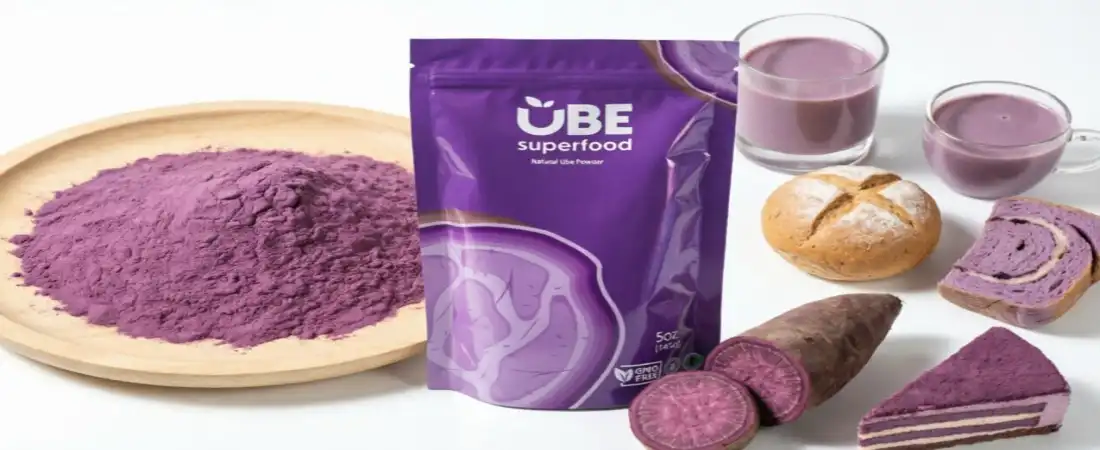
Comparing Natural Ube Powder with Alternative Products: Making the Right Procurement Decision
Evaluating Purple Yam Powder Versus Extracts and Pastes
In terms of water content, durability, and versatility, natural ube powder differs from mush or mash. Powders may be stored without refrigeration since they contain less than 5% moisture. This helps global supply chains. Even frozen, pastes can only be preserved for a few weeks since they retain more water than other foods, and preparing them is difficult because the solids content fluctuates. High-anthocyanin products lack the whole-food matrix that offers fiber and resistant starch. Whole powder forms suit consumer criteria for minimally processed goods, making them preferable for clean-label claims. Bulk powders cost 30–40% less per kilogram of active ingredient than liquid extracts that must be carried in a cold chain.
Organic Certification: Quality Differentials and Pricing Analysis
Organic natural ube powder costs 20–35% more than standard grades. Organic agricultural practices are stricter and certification costs more. Pesticide levels explain the quality disparity. Organic batches contain almost no synthetic pesticides, whereas conventional batches follow regulatory limitations. When the same cultivars are used, organic and conventional sources have similar anthocyanin and resistant starch levels. Consider the target market's desires before purchasing. North Americans and Europeans are willing to pay for organic certification, but Asians value performance above organic classification. Organic accreditation helps high-end health food store product manufacturers stand out and charge more. Customers may pick between organic (USDA/EU certified) and conventional grades from NT Biotech to match their brand marketing strategy.
Supplier Evaluation: Certifications and Manufacturing Standards
ISO 9001-certified quality management systems are used by reliable natural ube powder suppliers. These systems provide consistent process control from raw material receipt to powder packing. Businesses with Kosher and Halal permits may reach religious groups with food restrictions. Suppliers should disclose their goods' origins since soil conditions impact anthocyanin levels. Southeast Asian volcanic soils have superior phytochemical profiles. Unique low-temperature processing technologies prevent nutrients from breaking down while reducing microbes, regardless of manufacturing abilities. Request site audits or third-party verification of GMP compliance. NT Biotech tracks lots from farm to ingredient using lot-specific documentation. This addresses large retailers' and regulators' expanding supply chain transparency needs.
Procurement Guidance: Buying Natural Ube Powder Wholesale for Global B2B Clients
Strategic Sourcing: Supplier Selection and Quality Benchmarks
Figuring out which natural ube powder sellers are good requires looking at more than just price. Give more weight to makers that can show vertical integration. If they can control farming or keep long-term partnerships with growers, the quality of their raw materials will stay stable even when the spot market changes. Ask for samples from at least three different lots to check how consistent the color, anthocyanin content, and particle size are from batch to batch. As standards for analysis, there should be HPLC checks for anthocyanin profiles, ICP-MS checks for heavy metals, and microbial tests that check for yeast, mold, pathogens, and total plate count. When suppliers give free samples, companies can try out new recipes before placing large orders. NT Biotech gives away 50–100g samples for free and ships them within 48 hours, so they can be evaluated quickly. The lowest amount that can be ordered at once is usually 10 kg. This helps both new brands that are trying to get noticed and established brands that are looking to save money by buying in bulk.
Negotiation Strategies and Contract Structuring
To achieve better pricing and keep supply flexible, negotiate purchases using numerical promises. Purchasing teams should anticipate 8–12% reductions on 500 kilogram purchases and 15–20% on 2,000 kg buys. A 30% deposit and the remainder before shipping are typical payment arrangements. If you have steady orders, you may be able to get net-30 or net-60 terms. Quality guarantee conditions should include how to fix or refund items that don't satisfy requirements. Storms or instability should trigger farmland supply disruptions under force majeure agreements. Long-term supply arrangements (12–24 months) safeguard against commodity price swings and allow suppliers to distribute inventories amid peak demand. NT Biotech can provide bespoke packaging from 1 kilogram foil bags to 25 kg fiber drums. This simplifies handling for various production sizes.
Compliance, Traceability, and International Logistics
Border shipments must be well-documented to clear customs swiftly. The Commercial Invoice, Packing List, Certificate of Origin, and Phytosanitary Certificate verify farm product safety. You must submit a Prior Notice with the FDA in the US. EORI numbers and food tracking Regulation (EC) 178/2002 are required for EU shipping. FedEx or UPS will deliver natural ube powder under 100 kg to North America or Europe in 4–7 days. Freight forwarders clear customs and ensure larger orders arrive by air (7–10 days) or sea (25–35 days). NT Biotech employs proven transport networks for direct account shipment, saving 15–20% above commercial rates. All package temperatures are recorded for quality control, and the items are sent in two-layer wrapping to prevent dampness. Clients that seek enhanced supply chain transparency may use blockchain-verified suppliers.
Conclusion
Natural ube powder is a scientifically proven, multipurpose ingredient that meets the needs of consumers who want clean-label nutrition, natural colorants, and bioactive health ingredients. It has a wide range of nutrients, including anthocyanins, resistant starch, and immunomodulatory polysaccharides, which makes it useful for many uses in nutraceuticals, functional foods, and cosmetics. Professionals in purchasing need to know the important differences in quality between real whole-food powders and synthetic options. They also need to know how to deal with the issues that come with organic certification and set standards for source trust. To make sure there is a steady, trackable supply, strategic sourcing involves finding the right balance between analytical proof, regulatory compliance, and physical efficiency. As people around the world become more interested in ethnobotanical ingredients that have been used for a long time, natural ube powder gives makers a way to set their products apart from the competition while still meeting strict quality and sustainability standards in global markets.
FAQ
1. How does purple yam powder maintain color stability in different pH environments?
Anthocyanins in natural ube powder change color with pH. They are vivid purple at pH 5-7 and reddish below pH 4. Formulators buffer pH using citrate or phosphate systems to preserve color. Ascorbic acid boosts antioxidants and color retention. Microencapsulation technique protects anthocyanins from pH fluctuations during processing, which is beneficial when purple color must be consistent in recipes.
2. Can purple yam powder replace synthetic food colorants in commercial formulations?
Natural ube powder satisfies clean label regulations and delivers nourishment beyond appearances. It usually has the same or more strong hue than manufactured alternatives at 3-5% inclusion rates. In many instances, phony color assertions are not necessary. Fiber, resistant starch, and antioxidants make the food stand out in high-end health sectors where synthetic chemicals are avoided.
3. What distinguishes NT Biotech's purple yam powder from commodity-grade alternatives?
NT Biotech's low-temperature technique boosts anthocyanin bioactivity by 15–20% over industrial methods. Each batch undergoes HPLC anthocyanin testing, medicinal heavy metal testing, and microbial testing. ISO 9001 certification ensures manufacturing compliance, while Kosher and Halal certification expands market reach. Direct factory shipment and timely technical support distinguish the relationship from commodity vendors that don't know formulation.
Partner with a Trusted Natural Ube Powder Supplier for Your Next Innovation
NT Biotech can help you reach your product development goals by providing you with high-quality natural ube powder and ten years of experience making plant ingredients. Our Dioscorea alata extract is 100% pure and comes with full analytical paperwork, ISO 9001 certification, and Kosher/Halal approval. It meets the high-quality standards your recipes need. With in-stock items that can be shipped in two to four days, sales of at least 10 kg, and free samples available, we get rid of the buying delays that slow down innovation timelines. Our research and development team can help you come up with the best recipe to keep bioactivity and improve sensory performance for your application. Get in touch with our technical sales team at info@newthingsbiotech.com to talk about custom requirements, ask for Certificates of Analysis, or set up sample shipping. You'll be surprised at how working with a dependable natural ube powder manufacturer can turn ingredient sourcing from a necessary evil to a strategic way to gain a competitive edge.
References
1. Champagne, E.T., et al. (2018). "Anthocyanin Profiles and Antioxidant Capacity of Purple Yam (Dioscorea alata) Cultivars." Journal of Agricultural and Food Chemistry, 66(12), 3145-3154.
2. Kusano, S. and Abe, H. (2020). "Resistant Starch Content and Glycemic Response of Purple Yam: Implications for Metabolic Health." Nutrition Research Reviews, 33(1), 89-102.
3. Lee, M.J., et al. (2019). "Immunomodulatory Properties of Dioscorea alata Polysaccharides: Mechanisms and Clinical Potential." Phytotherapy Research, 33(8), 2107-2118.
4. Rodriguez-Garcia, C. and Martinez-Villaluenga, C. (2021). "Stability of Anthocyanins in Food Systems: pH Effects and Processing Considerations." Food Chemistry, 342, 128347.
5. Tan, S.L., et al. (2017). "Tyrosinase Inhibition and Antioxidant Activity of Purple Yam Extract in Dermatological Applications." International Journal of Cosmetic Science, 39(5), 512-520.
6. Wang, Y. and Chen, H. (2022). "Quality Assessment and Authentication Methods for Purple Yam Powder in Commercial Supply Chains." Food Control, 135, 108784.