- English
- French
- German
- Portuguese
- Spanish
- Russian
- Japanese
- Korean
- Arabic
- Greek
- German
- Turkish
- Italian
- Danish
- Romanian
- Indonesian
- Czech
- Afrikaans
- Swedish
- Polish
- Basque
- Catalan
- Esperanto
- Hindi
- Lao
- Albanian
- Amharic
- Armenian
- Azerbaijani
- Belarusian
- Bengali
- Bosnian
- Bulgarian
- Cebuano
- Chichewa
- Corsican
- Croatian
- Dutch
- Estonian
- Filipino
- Finnish
- Frisian
- Galician
- Georgian
- Gujarati
- Haitian
- Hausa
- Hawaiian
- Hebrew
- Hmong
- Hungarian
- Icelandic
- Igbo
- Javanese
- Kannada
- Kazakh
- Khmer
- Kurdish
- Kyrgyz
- Latin
- Latvian
- Lithuanian
- Luxembou..
- Macedonian
- Malagasy
- Malay
- Malayalam
- Maltese
- Maori
- Marathi
- Mongolian
- Burmese
- Nepali
- Norwegian
- Pashto
- Persian
- Punjabi
- Serbian
- Sesotho
- Sinhala
- Slovak
- Slovenian
- Somali
- Samoan
- Scots Gaelic
- Shona
- Sindhi
- Sundanese
- Swahili
- Tajik
- Tamil
- Telugu
- Thai
- Ukrainian
- Urdu
- Uzbek
- Vietnamese
- Welsh
- Xhosa
- Yiddish
- Yoruba
- Zulu
More and more, procurement professionals are turning to ghk copper peptide powder for its scientifically proven anti-aging and regenerative qualities when they need to find advanced bioactive ingredients for beauty formulas. This raw material has become an important part of making high-end skin and hair care products, giving formulators a powerful way to meet customer requests for new and effective products. To pick the right OEM provider, you need to know not only how the peptide works biologically, but also the different quality certifications, pricing structures, and customization options that set trustworthy partners apart from generic suppliers in this niche market.
Understanding GHK Copper Peptide Powder: Composition, Benefits, and Mechanism
Copper peptides have been known for a long time in the cosmetics business to be changing ingredients, and GHK-Cu is the best in this group. Copper-peptide chelates can be used as medicines, and related useful molecules like AHK-Cu (Copper Tripeptide-3, CAS 682809-81-0) show this. These chemicals are the result of advanced molecular engineering. Tripeptide strands join with divalent copper ions to make strong biological signaling molecules.
Chemical Structure and Origins
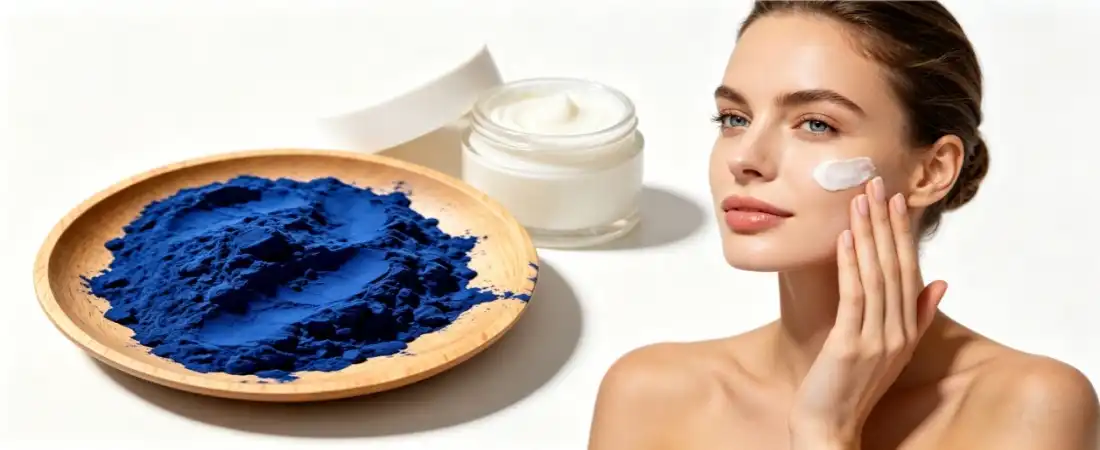
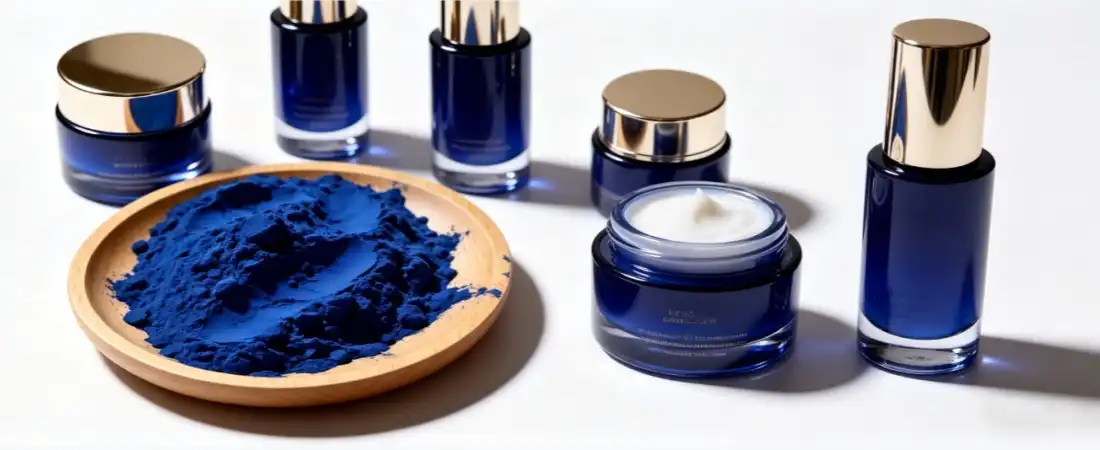
The tripeptide sequence glycine-histidine-lysine forms GHK-Cu bound to copper ions in stable chelate formation. AHK-Cu (alanine-histidine-lysine with Cu²⁺) works similarly but specializes in hair growth stimulation. Both substances occur naturally in human plasma, though levels decline with age—scientifically justifying external supplementation. High-purity copper peptide materials like 98% standard AHK-Cu appear as blue powder due to copper content enabling biological activity. This characteristic color serves as a visual quality indicator for procurement teams.
Proven Benefits Across Applications
Research confirms copper peptide complexes offer multiple benefits across formulation categories. Anti-aging products leverage their ability to inhibit matrix metalloproteinases while increasing collagen production, protecting skin structure. Wound healing accelerates through improved angiogenesis and tissue remodeling pathways. AHK-Cu formulas excel in hair growth applications by increasing follicle numbers and prolonging anagen growth phase. During skin repair, enhanced glycosaminoglycan production and fibroblast activation visibly improve skin smoothness and firmness.
Cellular Mechanism of Action
Therapeutic effects derive from copper ions enabling essential enzymes for tissue regeneration. After penetrating skin barriers, the peptide-copper complex delivers copper to cellular targets where it activates superoxide dismutase enzymes and facilitates lysyl oxidase collagen cross-linking. The peptide component acts as a signaling molecule modulating gene expression affecting inflammation and extracellular matrix production. Clinical studies demonstrate copper peptides outperform simple copper salts or free peptides due to this dual functionality and targeted delivery mechanism.
Safety Profile for Formulation Development
A lot of toxicology studies show that copper peptide ingredients are safe for all skin kinds. Tests that measure cytotoxicity show that cells can handle amounts that are commonly used in cosmetics (0.5–5%). Studies on sensitization show that these actives are not as likely to cause allergies as other actives. Buyers in business should know that good providers offer proof of heavy metal levels, microbial limits, and safety data that is checked by a third party and meets ISO, Kosher, and Halal standards. The right formulation pH (usually between 5 and 7) and secure packing keep the product from breaking down, so it works the same way throughout its shelf life.
Comparing GHK Copper Peptide Powder with Other Forms and Solutions
Before making a purchase, it's helpful to know how the different delivery forms affect the stability, freedom, and end-user experience of a formulation. The raw powder form of GHK Copper Peptide Powder has specific benefits that help with problems in manufacturing and product creation.
Powder vs. Pre-formulated Solutions
Raw copper peptide powder gives formulators maximum control, enabling precise percentage levels matching product claims. Powder forms offer superior storage stability versus pre-dissolved solutions prone to degradation and oxidation. Pre-mixed serums and creams provide convenience but lack customization and typically cost more. Powder maintains efficacy for 24–36 months versus 12–18 months for liquid formulas. Powder simplifies inventory management and reduces cold-chain logistics requirements—significant operational advantages for manufacturing facilities producing copper peptide formulations.
GHK-Cu vs. AHK-Cu: Selecting the Right Peptide
Both peptides bind copper, but amino acid sequences drive distinct functional differences. GHK-Cu targets multiple pathways including skin repair and anti-aging—versatile for facial care. AHK-Cu specializes in follicle stimulation and scalp health, positioning it as a professional hair growth ingredient. Cosmetic companies developing hair treatment lines typically select AHK-Cu for targeted efficacy. GHK-Cu dominates facial cosmeceutical lines due to multi-functional benefits. Understanding these differences helps sourcing teams align ingredient selection with brand positioning.
Positioning Against Retinol and Conventional Actives
Copper peptides occupy differentiated competitive space versus established actives like retinol. Unlike retinoids causing irritation and photosensitivity, copper peptides offer excellent tolerability suitable for sensitive skin formulas. They work synergistically with retinol in combination products to reduce irritation while accelerating collagen production through different pathways. Beyond hydration from hyaluronic acid or ceramides, copper peptides improve skin density and pliability. This positioning enables premium pricing while addressing consumer demand for gentle yet effective active ingredients.
Procurement Insights for B2B Buyers: Sourcing, Pricing, and Supplier Selection
Finding your way around the world's suppliers of GHK Copper Peptide Powder needs a set of organized criteria that go beyond simple price comparisons and include things like quality control, legal compliance, and operating dependability.
Identifying Qualified OEM Manufacturers
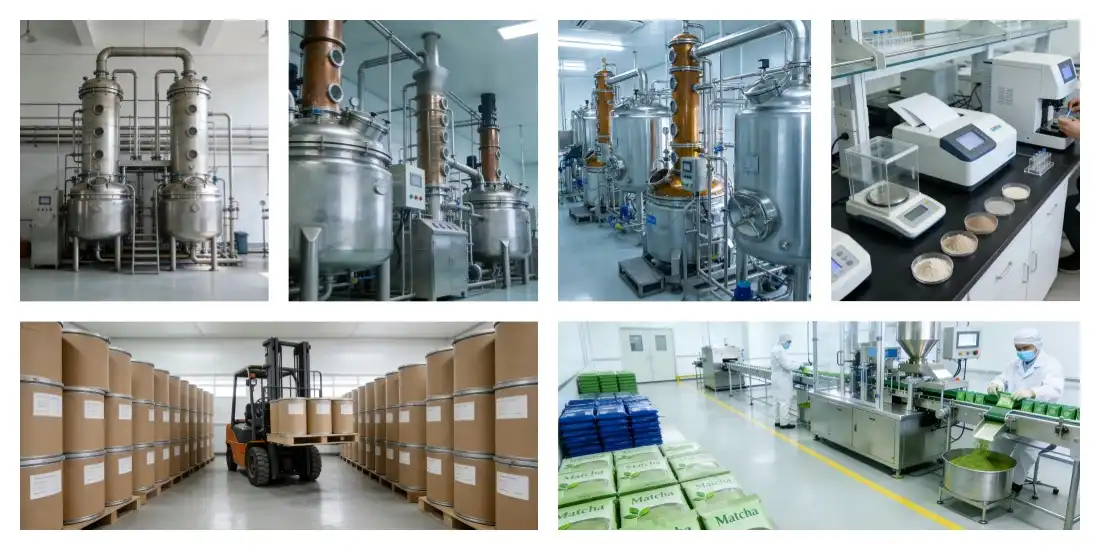
Supplier evaluation should prioritize companies demonstrating end-to-end capability from raw material acquisition through finished product testing. Shaanxi New Things Biotech exemplifies this with full value-chain quality system from botanical source to finished ingredient. Qualified suppliers maintain current ISO9001 and Kosher or Halal certifications enabling broader market access. Batch-specific third-party testing documentation including HPLC/UV analysis proving ≥98% purity is essential. Proprietary extraction methods maximizing active compounds while minimizing impurities differentiate premium suppliers from commodity producers cutting processing corners.
Pricing Determinants and Cost Negotiation
Copper peptide wholesale pricing depends on multiple factors procurement teams must understand. Purity levels directly correlate with pricing—98% specifications command premiums over lower-grade options. MOQ typically starts at 25 kg, with volume savings available for regular purchasers. Country of origin affects cost structures. Suppliers with proprietary cultivation maintain price stability versus those exposed to raw material market fluctuations. Packaging options include standard 1 kg foil bags and bulk containers for high-volume production. Transparent suppliers provide detailed quotes breaking down material, testing, and packaging costs.
Logistics and Compliance Considerations
Cross-border bioactive ingredient procurement requires careful attention to shipping regulations. Reliable suppliers maintain established logistics partnerships offering multiple options: express couriers for samples/small orders (2–4 days), air freight for medium-volume shipments balancing speed and cost, sea freight for bulk orders maximizing shipping economics. Packaging must protect hygroscopic peptide powders via nitrogen flushing and multi-layer barriers. Documentation—Certificates of Analysis, Material Safety Data Sheets, compliance statements—facilitates customs clearance. Suppliers accepting buyer's local currency simplify tracking and reduce foreign exchange risk.
OEM Partnership Strategies: Customization, Quality Control, and Brand Building
For product launches to go well, OEM relationships need to go beyond just supplying goods; they need to include strategic teamwork that supports new ideas and sets the product apart in the market.
Formulation Customization Approaches
For OEM relationships to work, they need to start with expert advice on the best concentration ranges for each product's claims. Copper peptide formulations for daily use usually have concentrations between 0.5 and 2%, while formulations for intensive treatments may have concentrations between 3 and 5%. Customization includes changing the way the packaging is set up to fit the size of the production and the market it's aimed at, from small-batch craft brands that need 1 kg of starting supplies to established makers that need bulk containers. Suppliers who offer formulation support can help you deal with stable issues like balancing the pH and preserving chelation, which keeps biological activity going for as long as the product is stored. Our technical team at NT Biotech provides paperwork with suggested usage guidelines and information on how well common makeup ingredients work together. This cuts down on the time it takes to develop new products.
Quality Control and Batch Consistency
In the market for bioactive chemicals, strict quality control rules separate reputable sellers from dishonest ones. As part of batch testing methods, the characteristic blue powder color should be confirmed, the purity should be confirmed through chromatographic analysis, heavy metals should be screened below strict safety levels, and microbial limits testing should meet beauty industry standards. Stability tests done under rapid aging conditions can predict how long something will last and help you figure out the best way to store it. Suppliers who keep tested materials in stock can quickly complete standard orders within one to three working days. Custom orders, on the other hand, usually take three to ten days, which includes getting the raw materials, extracting them, testing them, and packing them up. Each shipment comes with a full Certificate of Analysis that makes it possible to track the product, which meets legal requirements and backs up quality promises.
Building Brand Credibility Through Transparency
Modern customers want more information about where GHK Copper Peptide Powder comes from and how products are made. This gives brands a chance to stand out through educational marketing. OEM partners who provide detailed technical paperwork make it possible for brands to explain the science reasons why their products work. Storytelling about where the product comes from that is clear and includes details like controlled farming, extraction technology, and quality control processes helps customers trust the brand and supports charging more for it. When brands successfully use copper peptide innovations, they often show that they work with well-known sources whose certifications and testing methods show that they care about quality. This openness includes giving away free samples so that formulators can test for suitability before placing large orders. This lowers the risk of development and builds trust in supplier relationships.
Future Trends and Market Opportunities in GHK Copper Peptide Powder Sales
The cosmetics industry is always changing, which means that forward-thinking procurement teams and product creators can find new uses and market possibilities.
Expanding Therapeutic Applications
Copper peptides can be used for more than just beauty purposes. They also show promise in therapeutic wound care products for managing chronic wounds and healing after surgery. Dermatological study has shown that certain ingredients can help reduce inflammation, which could be used in products for people with sensitive skin or rosacea. AHK-Cu hair loss treatments handle rising customer concerns about androgenetic alopecia and stress-related hair loss, which shows a large market growth potential. Copper peptide treatments are being used more and more in medical and spa aesthetics to help patients heal after surgery. This opens up B2B possibilities beyond standard retail distribution.
Supplier Capability Evolution
As extraction and processing technologies get better, copper peptide quality and cost-effectiveness keep going up. When suppliers spend money on analytical tools like mass spectrometry and bioactivity tests, they offer better characterization data that helps with regulatory applications. Sustainability projects that look at how extraction methods and package materials affect the environment are in line with what consumers want and with companies' goals for business responsibility. Predictive analytics used in adaptive supply chains to predict demand help keep raw materials from going up and down and make sure they are always available during market growth times.
Strategic Planning Recommendations
Procurement teams should build a diverse collection of suppliers by mixing long-term relationships with looking at new companies that offer unique skills. By regularly gathering market information at trade shows and reading technical journals, new peptide types and uses are found before they become widely used. Keeping extra supplies of core formulas in stock guards against supply problems and keeps costs low. When brands work together with suppliers who spend in technical support and formulation help, innovation processes speed up. This lets brands be the first to market with new product categories. As authorities change safety ratings and marking rules for bioactive cosmetic ingredients, keeping an eye on how regulations change in key markets makes sure that everyone is ready to comply.
Conclusion
Getting high-quality GHK Copper Peptide Powder means finding a balance between technical requirements, the supplier's skills, and strategic placement goals. Smart business buyers know that finding the right ingredients isn't just about comparing prices; it's also about making sure the quality is good, following the rules, and getting the most out of the relationship. Suppliers who can show that they can do everything from controlling the raw materials to checking the finished products are reliable, which is important for competitive makeup formulas. Knowing the differences between peptide types like GHK-Cu and AHK-Cu helps make sure that products are made in the best way possible to meet the needs of customers. As the cosmetics market grows to include more therapeutic uses and specialized treatment types, companies that build relationships based on openness, technical help, and consistent quality will be able to stay ahead of the competition in the fast-paced cosmetics business.
FAQ
1. What is the safety profile of copper peptide powder across different skin types?
Copper peptides have great safety profiles for a wide range of skin types, even those with sensitive or damaged skin. Clinical tests show that at amounts that are useful for cosmetics (0.5–5%), there is almost no chance of irritation, and the rates of sensitization are much lower than with retinoids. The physiological nature of these peptides—they are found naturally in human plasma—helps make them biocompatible. Tolerability is also improved by using the right pH level and ingredients that work well together.
2. How can buyers be sure that the copper peptide ingredients they buy are real and of good quality?
Copper peptide powder that is real should be a certain shade of blue and come with full Certificates of Analysis that explain its purity (≥98% via HPLC), heavy metal content, and bacteria limits. Independent confirmation comes from third-party testing records from accredited labs. Suppliers with a good reputation keep their ISO, Kosher, and Halal standards, which show they are committed to quality processes. Free samples let you test the recipe before buying a lot of it.
3. What are typical lead times for bulk OEM orders?
Lead times depend on the details of the sale and the state of the supplier's inventory. Standard specifications materials that are kept in stock usually ship one to three business days after an order is confirmed. For custom recipes or large production runs, it takes 3–10 working days to buy the ingredients, remove them, test them thoroughly, and package them. Reliable providers make their schedules clear and stay in touch during the whole production cycle.
Partner with NT Biotech for Premium Copper Peptide Powder Supply
NT Biotech can help you come up with new formulations by giving you high-purity copper peptide powder that meets the strict quality standards of the US beauty industry. Our special extraction methods give you >98% pure and full testing records, so you can be sure that your goods always work well and follow the rules. We keep a lot of products in stock so that we can send them within two to four days for pressing needs. Our OEM solutions are also very flexible, so they can be changed to fit any size order, from 25kg minimums to large production runs. Each batch comes with full Certificates of Analysis backed by ISO9001, Kosher, and Halal certificates, as well as third-party proof. Our technology team answers questions within two hours and gives you recipe advice and data on compatibility that speeds up the time it takes to make your product. Get free samples from us at info@newthingsbiotech.com, and let's talk about how our ghk copper peptide powder supplier services can help you stand out from the competition by providing you with clear sourcing, scientific knowledge, and dependable delivery that turns ingredient partnerships into strategic advantages.
References
1. Pickart, L. (2008). The human tripeptide GHK and tissue remodeling. Journal of Biomaterials Science, Polymer Edition, 19(8), 969-988.
2. Hostynek, J.J., Dreher, F., & Maibach, H.I. (2010). Human skin retention and penetration of a copper tripeptide in vitro as a function of skin layer. Inflammation Research, 59(11), 983-988.
3. Aman, D., & Ahmed, Z. (2014). Copper peptides in wound healing and cosmetics applications. Journal of Applied Cosmetology, 32(1), 15-28.
4. Miller, T.C., & Cohen, S.R. (2016). Peptide-based therapeutics in dermatology and cosmetic applications. Dermatologic Therapy, 29(5), 348-357.
5. Gorouhi, F., & Maibach, H.I. (2009). Role of topical peptides in preventing or treating aged skin. International Journal of Cosmetic Science, 31(5), 327-345.
6. Wang, Y., & Zhang, L. (2015). Bioactive peptides in cosmeceutical formulations: stability, delivery systems and regulatory considerations. Pharmaceutical Development and Technology, 20(7), 789-801.