- English
- French
- German
- Portuguese
- Spanish
- Russian
- Japanese
- Korean
- Arabic
- Greek
- German
- Turkish
- Italian
- Danish
- Romanian
- Indonesian
- Czech
- Afrikaans
- Swedish
- Polish
- Basque
- Catalan
- Esperanto
- Hindi
- Lao
- Albanian
- Amharic
- Armenian
- Azerbaijani
- Belarusian
- Bengali
- Bosnian
- Bulgarian
- Cebuano
- Chichewa
- Corsican
- Croatian
- Dutch
- Estonian
- Filipino
- Finnish
- Frisian
- Galician
- Georgian
- Gujarati
- Haitian
- Hausa
- Hawaiian
- Hebrew
- Hmong
- Hungarian
- Icelandic
- Igbo
- Javanese
- Kannada
- Kazakh
- Khmer
- Kurdish
- Kyrgyz
- Latin
- Latvian
- Lithuanian
- Luxembou..
- Macedonian
- Malagasy
- Malay
- Malayalam
- Maltese
- Maori
- Marathi
- Mongolian
- Burmese
- Nepali
- Norwegian
- Pashto
- Persian
- Punjabi
- Serbian
- Sesotho
- Sinhala
- Slovak
- Slovenian
- Somali
- Samoan
- Scots Gaelic
- Shona
- Sindhi
- Sundanese
- Swahili
- Tajik
- Tamil
- Telugu
- Thai
- Ukrainian
- Urdu
- Uzbek
- Vietnamese
- Welsh
- Xhosa
- Yiddish
- Yoruba
- Zulu
Procurement experts often have trouble finding grape seed OPC suppliers who can provide uniform quality, clear documentation, and reliable supply lines when they are looking for plant-based active ingredients for dietary supplements, functional foods, or cosmetics. Because it is such a good antioxidant, organic grape seed OPC (standardized oligomeric proanthocyanidins taken from Vitis vinifera seeds) has become an important part of many beauty and health items. This guide helps R&D managers, buying directors, and technical procurement experts buy large amounts of this valuable plant extract in the U.S. market, which is very competitive.
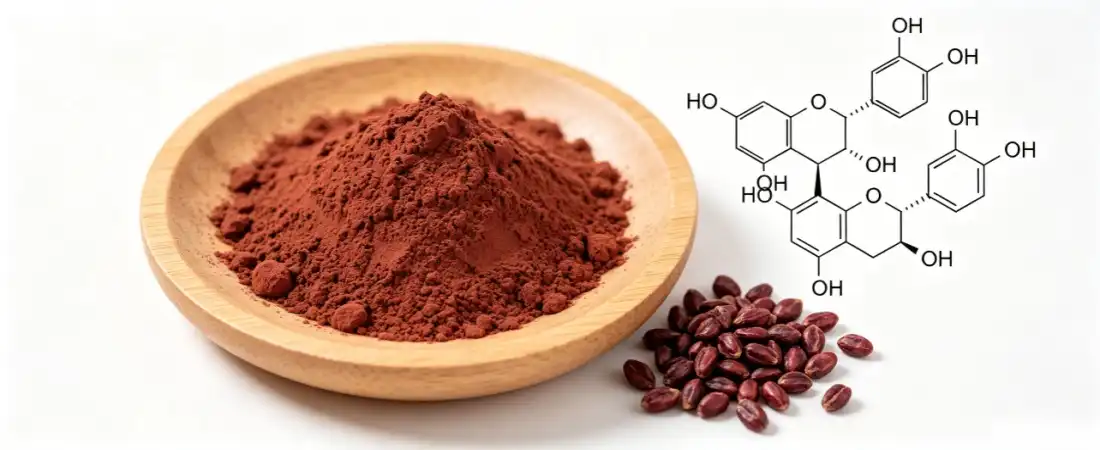
Understanding Organic Grape Seed OPC: Composition and Market Relevance
What Makes OPC Different from Standard Grape Seed Extracts
Grape seed OPC only refers to the low-molecular-weight oligomers (dimers, trimers, and tetramers) of proanthocyanidins. This is different from general extracts, which may contain high-molecular-weight tannins that aren't very bioavailable. The fact that our Organic Grape Seed Extract Powder comes from Vitis vinifera seeds and is said to contain 95% OPC and 90% polyphenols shows that it contains a lot of these shorter-chain compounds. This difference is important because oligomeric forms are better at crossing biological boundaries and providing detectable antioxidant action in cardiovascular and skin care uses. Studies that have been published in reputable journals show that OPC can remove free radicals more effectively than vitamins C and E, measured by molarity.
Core Applications Driving Commercial Demand
Organic proanthocyanidins are being used instead of man-made preservatives in healthy drinks and beauty-from-within products because of the "clean label" trend. The National Center for Complementary and Integrative Health looked at human clinical studies and found that eating grape seed opc was linked to better LDL cholesterol levels and diastolic blood pressure measures. These results guide the development of three main areas: nutraceutical supplements that aim to improve heart health; makeup ingredients that help protect against UV rays and increase collagen production; and functional food uses that include antioxidant-rich drink powders and gummy bears. Buyers in the business world like this ingredient because it can be used to back up claims with science and make stories more interesting for consumers.
Key Criteria for Selecting Organic Grape Seed OPC Bulk Suppliers
Certifications That Protect Your Brand and Ensure Compliance
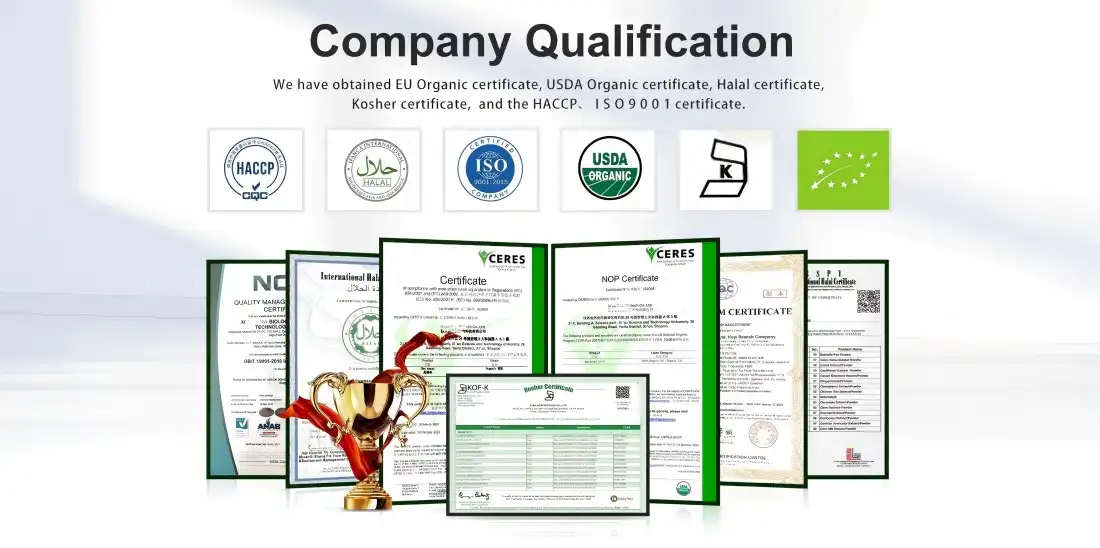
Verifying a supplier's qualifications is the first step in following the rules. Organic certifications, like those from the USDA or the EU, show that farming methods follow strict limits on residues. On the other hand, ISO9001 certification shows that quality management is used throughout the whole production process. Halal and Kosher approvals make it easier for goods that are aimed at a wide range of consumers to reach new customers. When looking at possible business partners, it is necessary to ask for full Certificates of Analysis for each production batch. These papers should have HPLC fingerprints on them to prove that the plants are real and to rule out adding peanut skin oils or pine bark for financial reasons. Heavy metal tests (for example, arsenic, cadmium, mercury, and lead) must show readings well below the levels set by the FDA and the European Pharmacopoeia, usually less than 10 parts per million (ppm). Screening for pesticide residues according to USP guidelines gives organic claims even more support.
Evaluating Technical Capacity and Supply Reliability
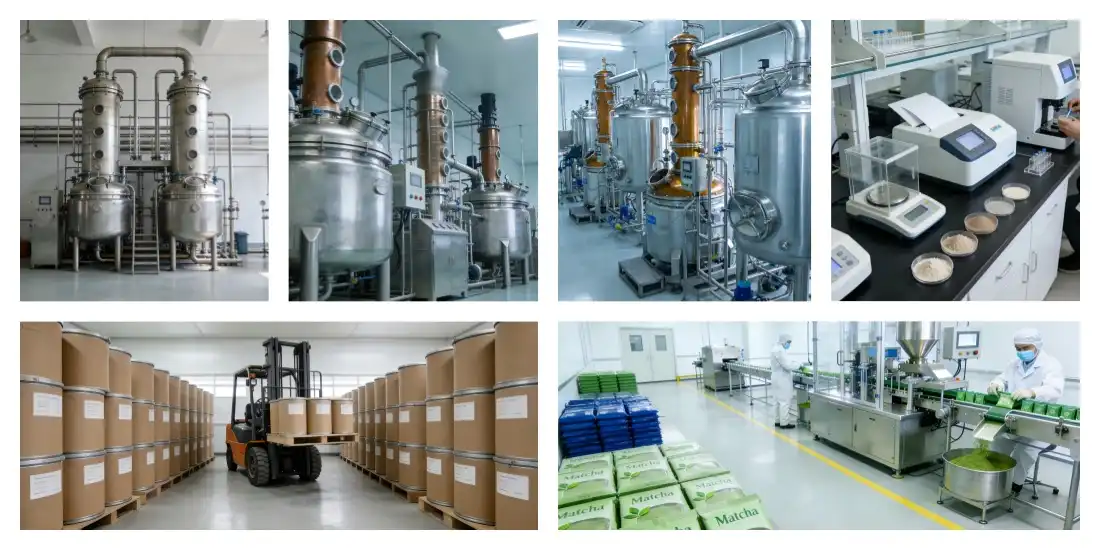
In addition to paperwork, a supplier's practical skills show how well they can grow with your business. Important questions to ask include: Does the seller keep stock that can be shipped right away, or does each order need a unique production run? Can they give you stability data that shows how fast OPC breaks down in different storage conditions? It's also important to know how the extraction was done. For example, water-ethanol extraction usually leaves behind fewer residual chemicals and better profiles than acetone-based methods. Suppliers who show vertical integration from getting the raw materials to packaging the finished product usually offer better tracking and stability from batch to batch. Small pre-commercial samples let formulation teams check for compatibility before agreeing to minimum order numbers. This lowers the risk of development.
Comparing Product Formats and Supplier Offerings
Bulk Powder Versus Finished Dosage Forms
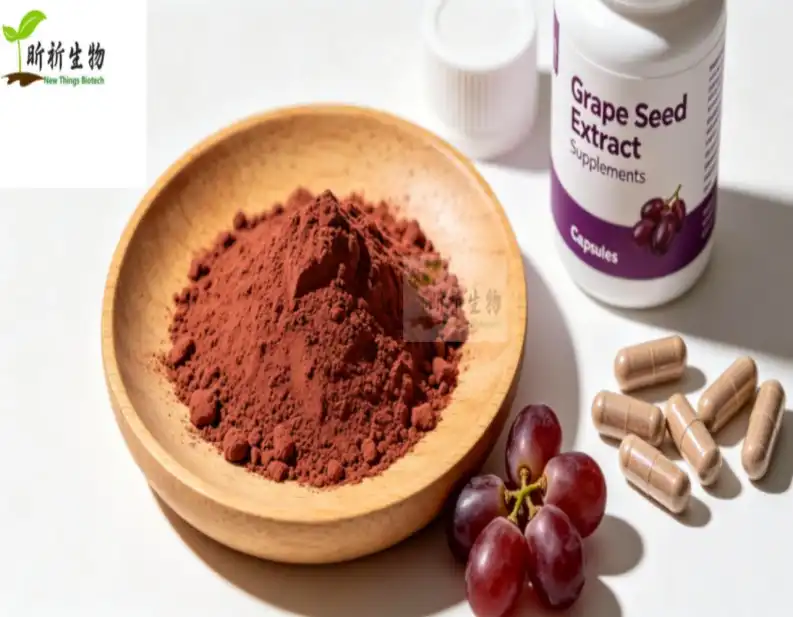
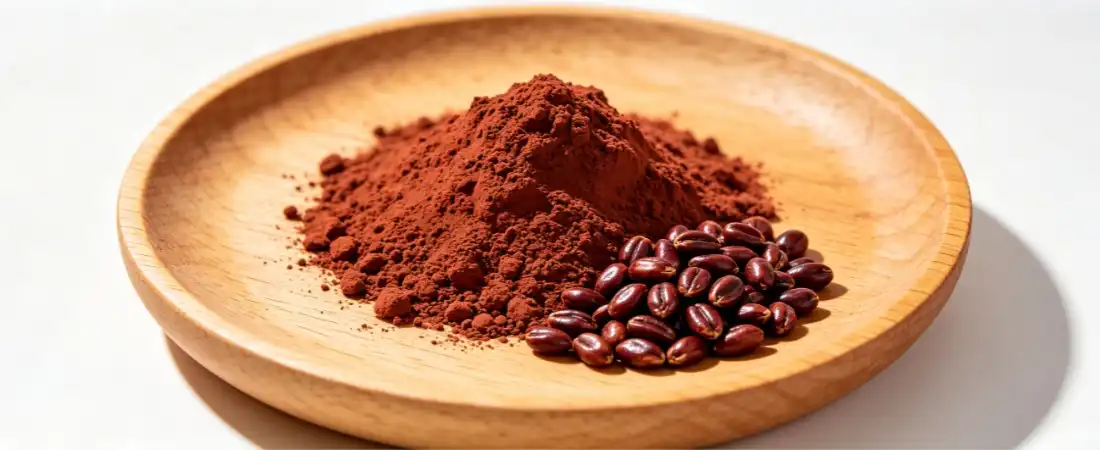
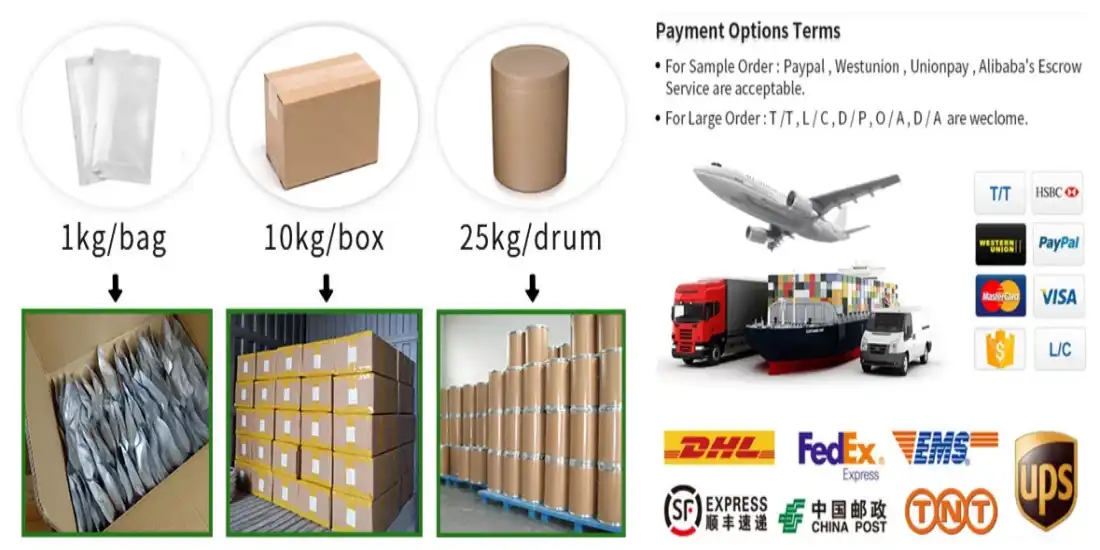
A lot of the time, buying choices are based on whether your business needs flexible raw materials or complete solutions. Bulk powder forms, like our reddish-brown Organic Grape Seed Extract Powder with 95% OPC, give you the most options for how to make your formulas. Manufacturers can mix this stuff into their own special structures, change the dose for certain claims, and use custom packaging or tabletting. This method works for medium-sized to big businesses that can make their own products. The powder form works well in stick packs for quick drinks, protein blends for health shakes, and beauty serums that need antioxidants that dissolve in water. Standard packing includes 25 kg fiber drums with two plastic liners to keep moisture out, but custom packaging can be made to fit different production sizes.
Assessing Supplier Claims Through Analytical Verification
There are several "95% OPC" standards, including grape seed OPC. The Folin-Ciocalteu technique for total polyphenols and gel permeation chromatography for actual oligomeric content differ greatly in quality. Buyers should request confirmation of polymerisation (DP) spread as lower DP values increase absorption rates. ORAC tests evaluate antioxidant capability and may be used to compare batches. By sharing analytical information, technical accuracy-focused suppliers might distinguish themselves from price-focused ones. Quality partners give method-proof data and enable a third-party lab verify standards.
Pricing Strategies and Procurement Best Practices for B2B Buyers
Understanding Cost Components and Volume Economics
The price of high-purity proanthocyanidin extracts depends on a number of things, including the cost of getting an organic license, how well the extracts are extracted, how they are tested, and how they are shipped. Standardized 95% OPC material costs more than 50–60% phenolic extracts because of the steps needed to concentrate it and the need for more raw materials. When buyers commit to buying in bulk, they can usually get better prices, but they need to weigh the savings on each unit against the costs of keeping supplies and the length of time the product will last. Most suppliers set minimum order numbers around 25 kg, which is what we use as a norm. This is a good batch size for quality-controlled production that doesn't make it too hard for new brands to get started. Negotiating multi-shipment contracts with fixed prices guards against changes in the prices of raw materials and lets deliveries happen at different times to fit production plans.
Mitigating Supply Chain Risks Through Transparent Sourcing
Weather events that affect grape yields, changes in regulations, and shipping delays can sometimes mess up global supply markets. Building relationships with providers and keeping a safety stock store on hand can help you deal with these unknowns. Payment freedom, such as the ability to do business in local currencies, makes overseas buying easier and lowers your risk of losing money on foreign exchange. By asking suppliers to show proof of their own upstream buying deals, you can see how safe the raw materials are. When it makes sense, dual-sourcing methods keep you from being too dependent on a single source. However, the costs of qualifying secondary sources must be weighed against the benefits of lowering risk.
Ensuring Safety, Efficacy, and Regulatory Compliance
Documentation Requirements for Market Entry
For product launches to go well, they need detailed technical dossiers to back up the claims on the label and the regulatory files. Suppliers should give full details about the product, such as its taste and smell, how it dissolves, the best way to store it, and how much it is usually used. Expiration dates are based on stability studies that show OPC preservation under rapid aging conditions (40°C/75% RH). Microbiological data showing that there are no germs and good total plate counts make sure that the final product is safe. For U.S. dietary supplement uses, providers who know about the FDA's structure-function claim rules and the GRAS reporting method are very helpful. Export paperwork, like health certificates and certificates of free sale, makes it easier to get goods through customs and meets the needs of the country that is buying them.
Maintaining Batch Consistency Through Quality Agreements
Making quality agreements formal clarifies requirements, testing, and deviations. These agreements should specify important parameter values, analytical methodologies used as reference standards, and what to do when findings don't meet criteria, including for grape seed opc. If quality concerns arise after delivery, retention sample rules allow you look back. Regular source inspections, either in person or online, ensure excellent production procedures and warn of capability changes. Quality systems cost more upfront, but they avoid costly product returns and supply shortages.
Conclusion
To successfully source organic grape seed OPC, you need to find a balance between technical requirements, seller dependability, and business sense. When it comes to buying things, the best tactics put suppliers who show strong analytical skills, knowledge of regulations, and operating openness ahead of those who are only fighting on price. As the need for clean-label, plant-based actives grows, forming relationships with qualified botanical extract makers becomes a way to stand out from the competition. B2B buyers profit when sellers see the quality of the ingredients as an investment in their long-term success, not just a thing to be bought and sold.
FAQ
1.What documentation should I expect from a qualified grape seed OPC supplier?
Each batch from a reliable source comes with a Certificate of Analysis that lists the HPLC identification, OPC percentage, heavy metals screening, pesticide residues, microbial limits, and organoleptic qualities. Manufacturing flow plans, allergen declarations, GMO-free statements, organic certificates, and stable studies are some of the other documents that are needed. These files help you meet the standards for quality assurance and regulatory reports.
2.How can I verify that grape seed OPC hasn't been adulterated with cheaper materials?
Ask for an HPTLC or FTIR fingerprint study that compares your samples to genuine Vitis vinifera reference standards. Peanut skin products have various amounts of different types of proanthocyanidins. The real 95% OPC should dissolve totally in water with no solids left behind, and the HPLC profiles should show the right amount of oligomers instead of too many high-molecular-weight tannins.
3.What factors affect grape seed OPC shelf life during storage?
Proanthocyanidins absorb water and react badly with oxygen. For proper keeping, things need to be kept in sealed cases with desiccants, kept cool (below 25°C), and kept out of direct sunlight. When kept in these settings, high-quality products stay active for 24 to 36 months. Suppliers should give stable data that shows how fast things break down in different situations.
Partner with NT Biotech: Your Trusted Grape Seed OPC Supplier
NT Biotech (Shaanxi New Things Biotech) gives procurement workers what they need most: quality that has been checked, quick service, and an expert partner. Our Organic Grape Seed Extract Powder is certified as having 95% OPC and 90% polyphenols from Vitis vinifera. It also meets ISO9001, Kosher, and Halal standards. We keep items in stock that can be shipped within two to four days, and we answer questions within two hours. Our R&D team and quality control systems have been specializing in plant products for more than ten years. They make sure that each batch is the same and that you have all the paperwork you need for legal purposes. We offer flexible OEM solutions and free samples to make sure recipe fit, whether you need a minimum order of 25 kg or mass production with custom packaging. Get in touch with a dependable grape seed OPC maker at info@newthingsbiotech.com to find a company that wants the success of your product.
References
1. Bagchi, D., et al. "Molecular Mechanisms of Cardioprotection by Proanthocyanidins from Grape Seeds." Journal of Cardiovascular Pharmacology, vol. 47, 2006, pp. S96-S102.
2. Shi, J., et al. "Polyphenolics in Grape Seeds—Biochemistry and Functionality." Journal of Medicinal Food, vol. 6, no. 4, 2003, pp. 291-299.
3. Feringa, H.H., et al. "The Effect of Grape Seed Extract on Cardiovascular Risk Markers: A Meta-Analysis of Randomized Controlled Trials." Journal of the American Dietetic Association, vol. 111, no. 8, 2011, pp. 1173-1181.
4. Williamson, G. "The Role of Polyphenols in Modern Nutrition." Nutrition Bulletin, vol. 42, no. 3, 2017, pp. 226-235.
5. Natella, F., et al. "Absorption, Metabolism, and Effects of Grape Seed Proanthocyanidins in Humans." BioFactors, vol. 40, no. 3, 2014, pp. 355-365.
6. U.S. Food and Drug Administration. "Guidance for Industry: Botanical Drug Products." FDA Center for Drug Evaluation and Research, August 2016.