- English
- French
- German
- Portuguese
- Spanish
- Russian
- Japanese
- Korean
- Arabic
- Greek
- German
- Turkish
- Italian
- Danish
- Romanian
- Indonesian
- Czech
- Afrikaans
- Swedish
- Polish
- Basque
- Catalan
- Esperanto
- Hindi
- Lao
- Albanian
- Amharic
- Armenian
- Azerbaijani
- Belarusian
- Bengali
- Bosnian
- Bulgarian
- Cebuano
- Chichewa
- Corsican
- Croatian
- Dutch
- Estonian
- Filipino
- Finnish
- Frisian
- Galician
- Georgian
- Gujarati
- Haitian
- Hausa
- Hawaiian
- Hebrew
- Hmong
- Hungarian
- Icelandic
- Igbo
- Javanese
- Kannada
- Kazakh
- Khmer
- Kurdish
- Kyrgyz
- Latin
- Latvian
- Lithuanian
- Luxembou..
- Macedonian
- Malagasy
- Malay
- Malayalam
- Maltese
- Maori
- Marathi
- Mongolian
- Burmese
- Nepali
- Norwegian
- Pashto
- Persian
- Punjabi
- Serbian
- Sesotho
- Sinhala
- Slovak
- Slovenian
- Somali
- Samoan
- Scots Gaelic
- Shona
- Sindhi
- Sundanese
- Swahili
- Tajik
- Tamil
- Telugu
- Thai
- Ukrainian
- Urdu
- Uzbek
- Vietnamese
- Welsh
- Xhosa
- Yiddish
- Yoruba
- Zulu
Functional food formulators increasingly turn to grape seed OPC—oligomeric proanthocyanidins—because these short-chain polyphenols deliver exceptional antioxidant potency with superior bioavailability compared to traditional botanical extracts. Extracted from Vitis vinifera seeds and standardized to 95% OPC, this ingredient solves critical formulation challenges: it remains stable across diverse pH environments, dissolves completely in aqueous systems, and provides measurable cardiovascular and skin health benefits backed by clinical research. Unlike high-molecular-weight tannins in generic grape seed extracts, OPCs consist of dimers to pentamers that cross biological membranes efficiently, enabling faster onset of action in functional beverages, dietary supplements, and wellness foods targeting health-conscious consumers.
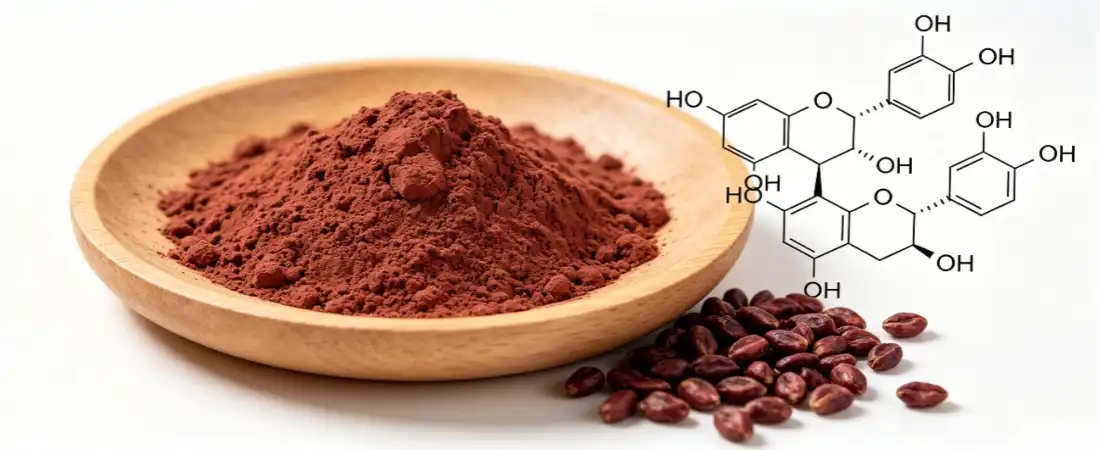
Understanding Grape Seed OPC and Its Functional Benefits
What Makes OPC Different from Standard Grape Seed Extracts
Oligomeric proanthocyanidins are a type of polyphenol that can be identified by their molecular weight and degree of polymerization. The total amount of polyphenols in grape seed extracts can reach 90%, but only the oligomeric forms—made up of two to five catechin or epicatechin units—absorb quickly and are distributed throughout the body in a way that functional food makers need. This difference is very important when making goods whose label claims need to match up with physiological results.
Cardiovascular Support Through Endothelial Function
The National Center for Complementary and Integrative Health did research that shows that proanthocyanidins from grape seeds have a good effect on signs of vascular health. Low-density lipoprotein cholesterol levels, triglyceride control, and diastolic blood pressure regulation all got better in clinical studies. These effects come from Grape seed OPC's ability to boost the production of nitric oxide in endothelial cells, which helps keep arteries flexible and blood flowing well. This is a strong argument for functional foods that are sold to promote heart health.
Antioxidant Capacity and Free Radical Scavenging
The ability of grape seed proanthocyanidins to absorb oxygen radicals is much higher than that of ascorbic acid or alpha-tocopherol. This strength leads to benefits in formulation: lower inclusion rates achieve the desired antioxidant effects, which lowers the cost of raw materials while keeping labels clean. Because they are made up of oligomers, these molecules can neutralize reactive oxygen species in both lipid and water phases at the same time. This protects both water- and fat-soluble vitamins in complex food matrices.
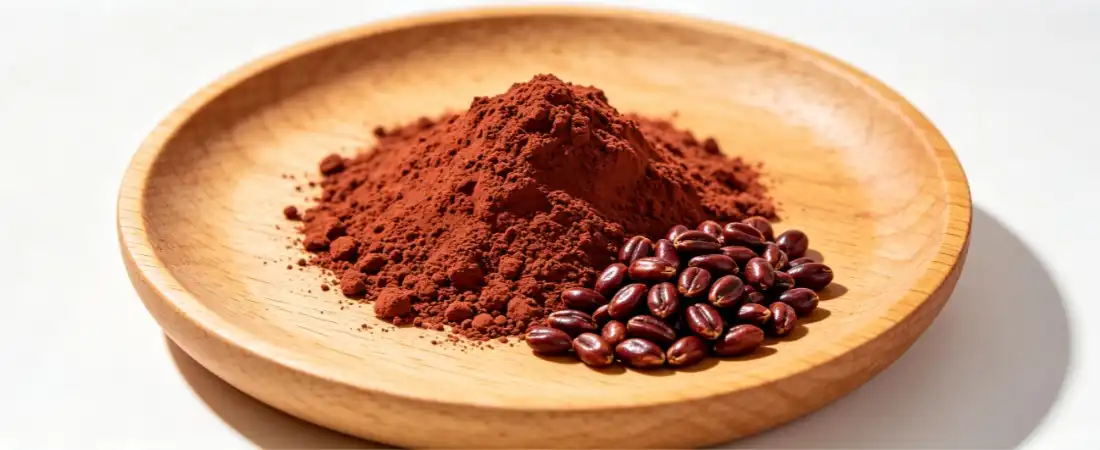
Comparison of Grape Seed OPC with Other Popular Antioxidants in Functional Foods
Stability Advantages Over Ascorbic Acid
When vitamin C is exposed to heat, light, and metal ions, which happens a lot when drinks are made and stored, they break down quickly. The structure of organic grape seed extract powder that is standardized to 95% OPC stays the same through pasteurization processes and normal shelf life periods. Because of this temperature stability, safe encapsulation technologies are not needed. This makes the process of formulating easier and lowers the cost of production for companies that make ready-to-drink functional drinks.
Bioavailability Comparison with Resveratrol
Resveratrol is popular in the health sector, however it has low water solubility and substantial first-pass metabolism, rendering it unbioavailable. Grape seed OPC, especially the oligomeric portion, is easily absorbed by the intestine without lipid carriers or solubility boosters. Plasma concentration studies demonstrate that OPCs are detectable in the blood within 30 minutes of eating or drinking. This supports claims of fast benefits from pre-workout drinks and energy-boosting meals.
Synergistic Effects with Other Plant Compounds
Grape seed OPC works with vitamin E, ascorbic acid, and other phenolic chemicals to restore antioxidants that have been damaged by oxygen, making them more effective at protecting cells. By working together, formulators can make complete antioxidant systems that use lower amounts of many ingredients instead of mega-dosing a single molecule. These balanced methods are in line with what consumers want, which is multinutrient goods made from whole foods instead of single synthetic additives.
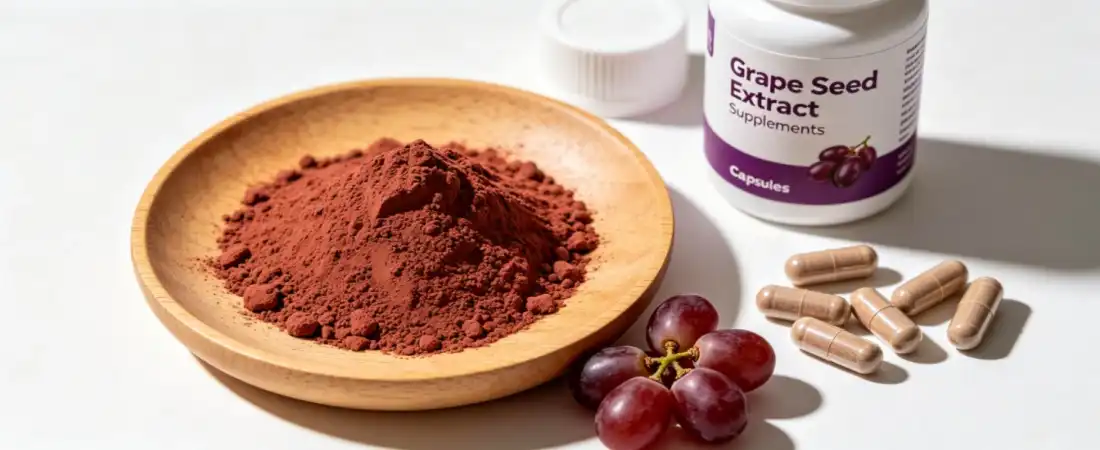
Formulation Considerations and Dosage Recommendations for Functional Foods
Recommended Inclusion Rates for Different Product Categories
Most functional drinks have between 50 and 150 mg of 95% OPC in each dose to provide useful antioxidant support without making the drink taste bitter or changing the color. Capsules and tablets let you take bigger doses, usually 200 to 300 mg per day, which are the same amounts used in studies on heart health. Gummy formulations are hard because OPC's water attraction could change the shape. But, by carefully choosing which hydrocolloids to use, stable matrices with 75–100 mg per piece can be made.
pH Stability and Color Considerations
Proanthocyanidins change colour with pH. They are lighter in acid and darker in alkali. This feature affects the beverage preparation since pH less than 4.0 keeps the ingredient in its reddish-brown hue and prevents its oxidation to brown colour. The organic grape seed opc extract powder exhibits the behaviour of anthocyanidins with its reddish-brown hue and formulators need to examine its possible interactions with other colourants.
Enhancing Efficacy Through Strategic Combinations
When you mix proanthocyanidins with vitamin C, you make collagen synthesis routes stronger. This makes it possible to make great joint health and skin elasticity goods. Putting OPC and B-complex vitamins together backs up claims that functional foods for busy lives help with energy metabolism. Through synergistic benefit placement and the storytelling power of multiple natural compounds working together, these strategic ingredient relationships help brands set their goods apart.
Procurement Insights: How to Source Quality Grape Seed OPC for Functional Foods
Distinguishing Authentic OPC from Adulterated Materials
There are ongoing quality problems in the plant extract market, such as lower-cost materials like peanut skin extract or pine bark products being used instead. Smart buyers use HPLC fingerprinting to check the unique proanthocyanidin makeup of Vitis vinifera, which makes sure they are getting real products. Reliable sellers offer third-party certificates of analysis that show the ratio of B-type to A-type links that are unique to OPCs from grapes, which makes them different from fakes.
Organic grape seed extract powder of high quality that comes from reputable companies dissolves completely in water without forming precipitates or becoming cloudy. Materials that are cloudy or have sediment in them usually have too many high-molecular-weight polymers that hurt their solubility and formulation performance. Before making big purchases, buying teams should test the stability in clear containers. This helps them avoid costly problems with reformulation later on.
Evaluating Supplier Capabilities and Certifications
Aside from product standards, the framework of the supplier is also important for ingredient partnerships to work. Facilities with ISO9001 certification show that they handle quality in an organized way, and facilities with Kosher and Halal approvals can reach more customers. NT Biotech keeps these licenses up to date and also follows GMP guidelines. This allows us to serve a wide range of global markets that need strict paperwork and the ability to track products all the way through the supply chain.
Commodity providers are different from strategic partners because they offer responsive technical help. Directors of procurement value sellers who offer formulation advice, data from stability tests, and application knowledge that cuts down on the time it takes to make a new product. Our team answers technical questions within two hours and offers useful answers based on more than ten years of experience using plant extracts, beneficial ingredients, and grape seed opc.
Inventory Management and Lead Time Considerations
Problems in the supply chain show how important it is for sellers to keep standard goods on hand. Our inventory management makes sure that popular specs like 95% OPC can still be shipped within one to three business days of receiving an order. Our 3–10 day lead time includes checking the raw materials, controlled extraction, analytical testing, and safe packing for custom recipes or bigger production runs. All of this is done according to documented quality standards.
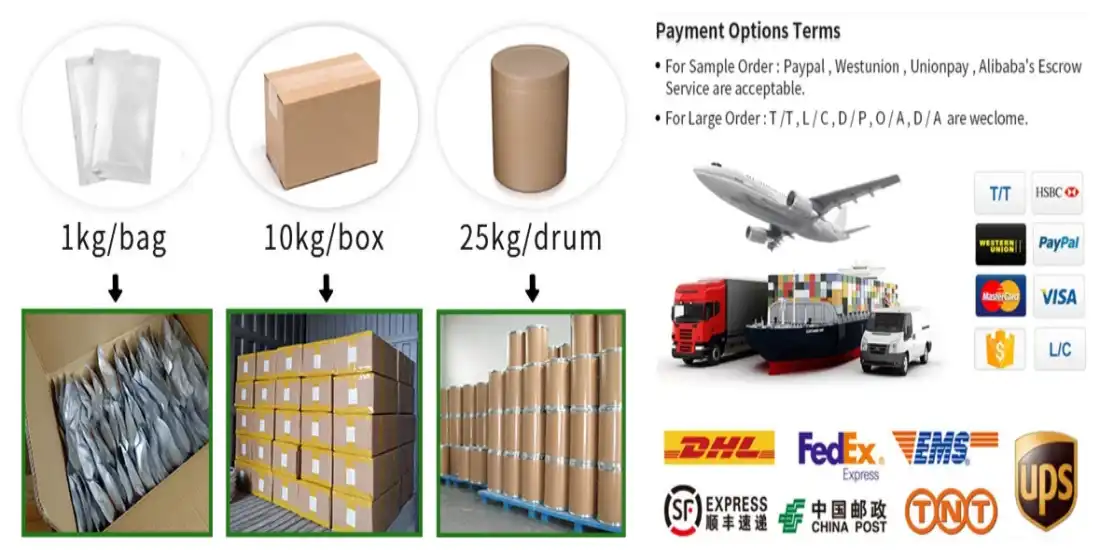
Flexible packaging choices support a range of operating scales, from 25 kg drums that meet minimum order sizes to custom packaging that fits the needs of unique handling. We can handle both small-scale R&D samples (which are free for approved formulators) and large production amounts, making sure that the quality of the materials is the same no matter what size the order is. This ability to grow is especially helpful for brands that are moving from small test amounts to mass production.
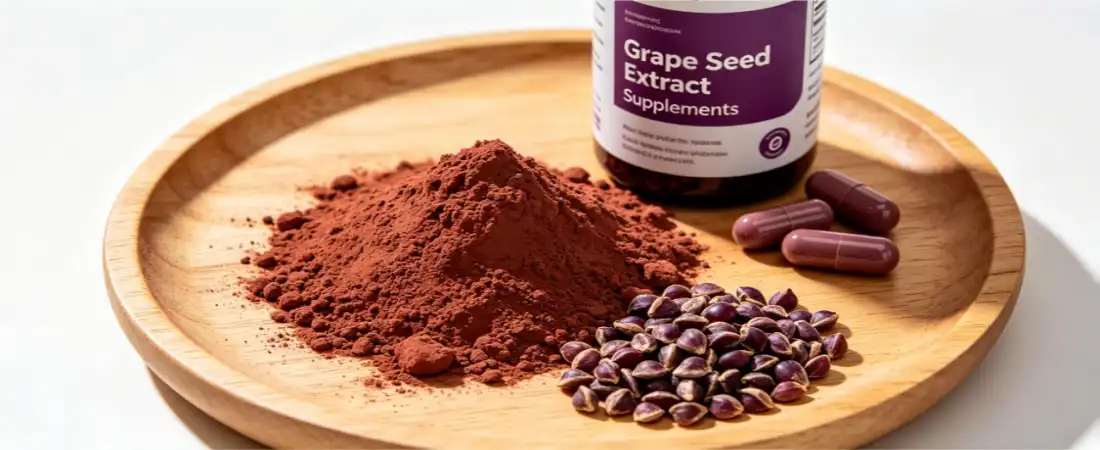
Case Studies and Future Outlook of Grape Seed OPC in Functional Foods
Successful Applications in Functional Beverages
Significant rise has been seen in the antioxidant beverage market, with grape seed proanthocyanidins playing a key role in high-end formulations. OPC's clean label appeal and strong scientific basis are used by brands that market their goods around ideas like cellular health, sports recovery, and beauty from the inside out. The ingredient works well with common drinking ingredients like citric acid, natural flavors, and vitamin fortification mixes, and it stays stable at high temperatures.
Stick pack delivery methods are another new use for concentrated powder blends that contain 95% OPC. They make single-serve amounts that are easy to mix into water or other drinks. This style is good for people who are always on the go and want to take their health with them. It also gives brands a chance to highlight vitamin support that is easy to carry around. The powder's reddish-brown color shows that it is natural and full of antioxidants without using any artificial dyes.
Innovation Trends in Enhanced Delivery Systems
New methods try to make OPC more bioavailable by using nano-emulsification, liposome packaging, and phytosome complexation. These new ways of delivering drugs offer better absorption rates, which could mean smaller doses that still work. Early-stage product launches with "enhanced absorption" grape seed extracts command high prices, which suggests that the market is open to scientifically different forms.
Proanthocyanidins may play bigger parts in personalized diet, which is another new area of research. Genetic differences that affect the metabolism of polyphenols could help with focused supplementation plans. For example, people whose genetic traits show higher cardiovascular risk factors might be advised grape seed opc-rich formulas. These targeted methods to health are in line with a larger trend in the industry toward personalization and product suggestions based on data.
Regulatory Evolution and Market Expansion
Structure-function promises about antioxidant support and circulatory health are becoming more accepted by regulators, which is good for functional foods that contain OPC. As regulations around the world get stricter, standardized plant extracts with strong safety ratings and clinical support are given more attention than new synthetic chemicals that need to go through a lot of steps before they can be sold.
As more people look for plant-based, sustainable ingredients, grape seed extracts, which are made when wine is made, are seen as an environmentally friendly option that turns farming waste into high-value useful ingredients. Brands that focus on the circular economy and reusing materials find that grape-derived OPCs have interesting stories that connect with eco-conscious customers who are willing to pay more for sustainable goods.
Conclusion
Because it is a powerful antioxidant, good for your heart, and easy to use in a variety of drinks, vitamins, and wellness foods, grape seed OPC has won its place as a key ingredient in functional food formulations. Its clean-label draw, which is based on clinical research and good safety profiles, meets both regulatory needs and customer tastes for actives that come from plants. Understanding the differences between standardized OPC extracts and common grape seed materials helps procurement teams make sure that formulations work by using real, accessible ingredients. As delivery methods and personalized nutrition uses get better, proanthocyanidins from Vitis vinifera seeds are still set to grow in the functional foods market. They give producers reliable ways to make their products stand out and be successful in the market.
FAQ
1. How does 95% OPC differ from 90% total polyphenols specifications?
The 95% OPC standard only talks about oligomeric proanthocyanidins, which are the short-chain molecules that are bioavailable and cause quick absorption and metabolic action. A 90% total polyphenols definition includes bigger, less absorbable tannins that add to the polyphenol amount but don't provide the same health benefits. When looking at grape seed extracts for formulations that aim to achieve measured health results, procurement teams that want to get the most bioactivity should put the OPC percentage ahead of the total polyphenols.
2. What solubility characteristics should high-quality OPC materials exhibit?
Real 95% OPC extracts mix fully with water at room temperature, making solutions that are clear to slightly yellow and don't cloud or precipitate. Materials with turbidity or debris show too many high-molecular-weight polymers, which hurt the stability of the composition and the user experience. Before buying in bulk, testing the stability of the material helps find high-quality materials that can be used in drinks and supplements.
3. Can grape seed OPC withstand typical food processing conditions?
When pasteurization temperatures are used to make drinks, especially in acidic pH conditions like those found in functional drinks, proanthocyanidins show amazing heat stability. Processing grape seed OPC at 75–85°C for short periods of time keeps its structure, but boiling it for a long time may break it down. This processing tolerance makes production easier than with heat-sensitive antioxidants that need to be protected or added after processing.
Partner with NT Biotech for Premium Grape Seed OPC Supply
NT Biotech can help you make useful foods by giving you organic grape seed extract powder that is standardized to 95% OPC, comes from Vitis vinifera, and is approved by ISO9001, Kosher, and Halal standards. Our special extraction methods get the most oligomeric proanthocyanidin out of the material while also making sure it is very pure and dissolves easily in water, which is important for uses in drinks, gummies, and capsules. We offer the dependability and speed that procurement workers need by having standard specs in stock and ready to ship within one to three days. Each batch also comes with full technical documentation. Our OEM skills are very flexible, so we can make custom formulations, private labeling, and package arrangements that fit the way you want to place your product in the market. Our team is quick and has over ten years of experience extracting plants, so they can help you whether you need free samples for research and development or large amounts for business production. They can answer your questions within two hours. Get in touch with our technical experts at info@newthingsbiotech.com to find out how working with a reliable grape seed OPC provider can help you improve your functional food line with clean-label ingredients that are backed by science and help customers choose your brand over others.
References
1. Bagchi D, Bagchi M, Stohs SJ, Das DK, Ray SD, Kuszynski CA, Joshi SS, Pruess HG. Free radicals and grape seed proanthocyanidin extract: importance in human health and disease prevention. Toxicology. 2000;148(2-3):187-197.
2. Feringa HH, Laskey DA, Dickson JE, Coleman CI. The effect of grape seed extract on cardiovascular risk markers: a meta-analysis of randomized controlled trials. Journal of the American Dietetic Association. 2011;111(8):1173-1181.
3. Shi J, Yu J, Pohorly JE, Kakuda Y. Polyphenolics in grape seeds—biochemistry and functionality. Journal of Medicinal Food. 2003;6(4):291-299.
4. Yamakoshi J, Saito M, Kataoka S, Kikuchi M. Safety evaluation of proanthocyanidin-rich extract from grape seeds. Food and Chemical Toxicology. 2002;40(5):599-607.
5. Ratz-Łyko A, Arct J. Resveratrol as an active ingredient for cosmetic and dermatological applications: a review. Journal of Cosmetic and Laser Therapy. 2019;21(2):84-90.
6. Xia EQ, Deng GF, Guo YJ, Li HB. Biological activities of polyphenols from grapes. International Journal of Molecular Sciences. 2010;11(2):622-646.