- English
- French
- German
- Portuguese
- Spanish
- Russian
- Japanese
- Korean
- Arabic
- Greek
- German
- Turkish
- Italian
- Danish
- Romanian
- Indonesian
- Czech
- Afrikaans
- Swedish
- Polish
- Basque
- Catalan
- Esperanto
- Hindi
- Lao
- Albanian
- Amharic
- Armenian
- Azerbaijani
- Belarusian
- Bengali
- Bosnian
- Bulgarian
- Cebuano
- Chichewa
- Corsican
- Croatian
- Dutch
- Estonian
- Filipino
- Finnish
- Frisian
- Galician
- Georgian
- Gujarati
- Haitian
- Hausa
- Hawaiian
- Hebrew
- Hmong
- Hungarian
- Icelandic
- Igbo
- Javanese
- Kannada
- Kazakh
- Khmer
- Kurdish
- Kyrgyz
- Latin
- Latvian
- Lithuanian
- Luxembou..
- Macedonian
- Malagasy
- Malay
- Malayalam
- Maltese
- Maori
- Marathi
- Mongolian
- Burmese
- Nepali
- Norwegian
- Pashto
- Persian
- Punjabi
- Serbian
- Sesotho
- Sinhala
- Slovak
- Slovenian
- Somali
- Samoan
- Scots Gaelic
- Shona
- Sindhi
- Sundanese
- Swahili
- Tajik
- Tamil
- Telugu
- Thai
- Ukrainian
- Urdu
- Uzbek
- Vietnamese
- Welsh
- Xhosa
- Yiddish
- Yoruba
- Zulu
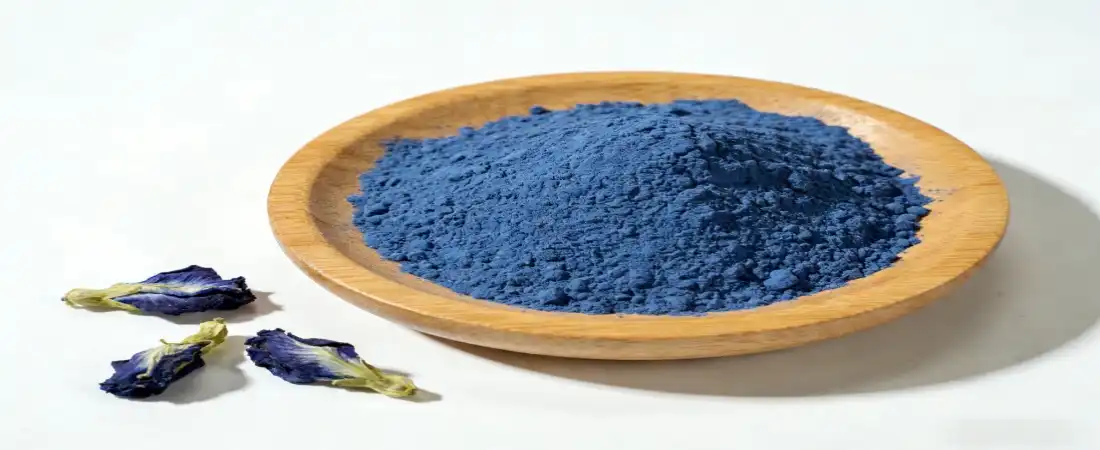
Powdered butterfly pea flower has emerged as a sought-after botanical ingredient in the nutraceutical and cosmetic industries, delivering remarkable benefits for skin rejuvenation, hair vitality, and overall health enhancement. Derived from Clitoria ternatea L., this vibrant blue powder is rich in anthocyanins, flavonoids, and polyphenolic compounds that combat oxidative stress and inflammation. As B2B procurement professionals seek clean-label, traceable ingredients with proven efficacy, understanding the multifaceted applications of this natural extract becomes essential for formulation success and market differentiation.
Understanding Powdered Butterfly Pea Flower: Composition & Nutritional Profile
What Makes This Natural Extract Unique?
Low-temperature drying and micronization are used to make the powder into 80-mesh particles that keep all of its nutrients and make it more soluble in water- and fat-based systems. The method used for extraction protects chemicals that are sensitive to heat, such as ternatins, which are a type of polyacylated anthocyanins that give the substance its blue color and antioxidant power. This processing edge directly turns into formulation stability, which lets makers get bright colors without using synthetic additives while still providing measurable functional benefits.
Key Bioactive Components
Essential amino acids, minerals like iron and magnesium, and a wide range of vitamins that help cells work properly are all part of the phytochemical makeup. Polyphenolic substances can get rid of DPPH radicals, showing antioxidant properties similar to manmade preservatives but with a clean label appeal. Flavonoids, such as quercetin and kaempferol, help reduce inflammation by changing the production of cytokines that are important for maintaining a healthy hair and skin barrier. For R&D managers looking at ingredient specs, the known amount of anthocyanin in uniform batches is between 12 and 18%, so the performance of final products can be predicted.
Manufacturing Standards and Traceability
Controlled growth conditions make sure that the phytochemical profiles are always the same during the planting stage, which is where quality control starts. To get ISO9001, Kosher, and Halal licenses, the flower leaves are put through a lot of tests, such as HPLC analysis to make sure they contain active compounds and microbiological screening. Each production batch comes with a full Certificate of Analysis that lists the maximum amounts of heavy metals, chemical residues, and moisture levels below 5%. In the US market, clean-label claims need to be backed up by third-party testing and full supply chain documents. This level of transparency meets government Powdered butterfly pea flower compliance standards.
Skin Benefits of Powdered Butterfly Pea Flower
Antioxidant Protection Against Environmental Stressors
Pollution and UV light that you are exposed to every day create reactive oxygen species that damage skin. Butterfly pea powder has anthocyanins that stop these reactions and keep DNA and lipid membranes from getting damaged. The use of preparations containing 2-5% butterfly pea extract on the skin has been shown to lower signs of oxidative stress, which supports the ingredient's role in anti-aging lines. This process works especially well for serums and day creams that are aimed at urban consumers who are worried about air pollutants.
Moisturization and Barrier Enhancement
In addition to being an antioxidant, the polysaccharide part is also a humectant, which means it draws moisture to the stratum corneum and raises humidity levels. Formulation studies show that adding the powder to emulsion systems improves measures of skin smoothness and suppleness after four weeks of regular use. Because the anti-inflammatory flavonoids calm down the itchiness that comes with a damaged barrier, the ingredient can be used on sensitive skin. This plant additive is gentle and won't irritate skin, which is good for companies that make items for people with sensitive skin.
Versatile Applications in Skincare Formulations
Product designers can use the powder in a number of different forms, such as clay masks (the blue color makes them stand out visually), cream bases for daily lotions, and gel serums that use the extract's ability to dissolve in water. Because the chromism changes from blue in neutral settings to purple in acidic ones, it can be used to come up with new ways to sell products that change color. Spas and professional skin care companies that work with distributors find that goods with certified organic butterfly pea powder meet the needs of customers who want clear information about where their ingredients come from and eco-friendly beauty practices. Cosmetic OEMs have worked together to show that new products have done well in North American markets, where brands highlight the plant's Southeast Asian roots and its long history of use in natural beauty practices. People who want authenticity and cultural links in their skin care decisions will connect with these stories. Quality paperwork, such as data from stability tests and safety studies, makes the legal process easier and gives procurement teams more trust when they are looking at new ingredient partnerships.
Hair Growth and Hair Care Advantages
Nutrient Delivery to Hair Follicles
The plant product has amino acids that are needed to build keratin, which is the structural protein that makes up hair shafts. Minerals like iron help get oxygen to follicular cells, which boosts cellular activity that is needed for growth to continue. Vitamin C makes the dermal papilla make more collagen, which makes the structure that holds hair cells in place stronger. Because it contains these nutrients, the powder is useful in leave-on treatments and overnight masks meant to feed the hair.
Addressing Dandruff and Scalp Inflammation
Flavonoids' anti-inflammatory qualities lessen the redness and irritation that come with seborrheic dermatitis and other diseases of the scalp. Antimicrobial peptides work against Malassezia species, which are fungi that are thought to cause dandruff. The people who make therapeutic shampoos and hair tonics can use these benefits to their advantage, putting their products in a situation where they look good Powdered butterfly pea flower and work well. The natural blue color adds visual interest to clear shampoo bases, making them stand out on store shelves where other goods are competing for attention.
Formulation Flexibility for Diverse Hair Types
The powder can be used with a wide range of products, from light serums for fine hair to rich conditioners for thick hair. The ingredient dissolves easily in water, which makes manufacturing easier and lowers costs compared to oil-soluble extracts that need to be emulsified. Custom formulation support lets OEM partners change concentration levels based on the level of color strength and the practical benefits that are wanted. This makes it possible for OEM partners to serve a wide range of market groups, from professional spas to mass-market retail channels. When buying from providers, teams should give more weight to companies that offer detailed technical information, such as studies on how well their products work with common makeup ingredients and information on how stable they are at different temperatures. Reliable sources make sure that performance is the same from batch to batch, which is important for brands that want to build trust with customers through product reliability. Certifications like ISO standards and organic proof give customers even more peace of mind and meet the high-quality standards of medium- to large personal care businesses.
How to Use Powdered Butterfly Pea Flower in Health & Wellness
Traditional and Modern Beverage Applications
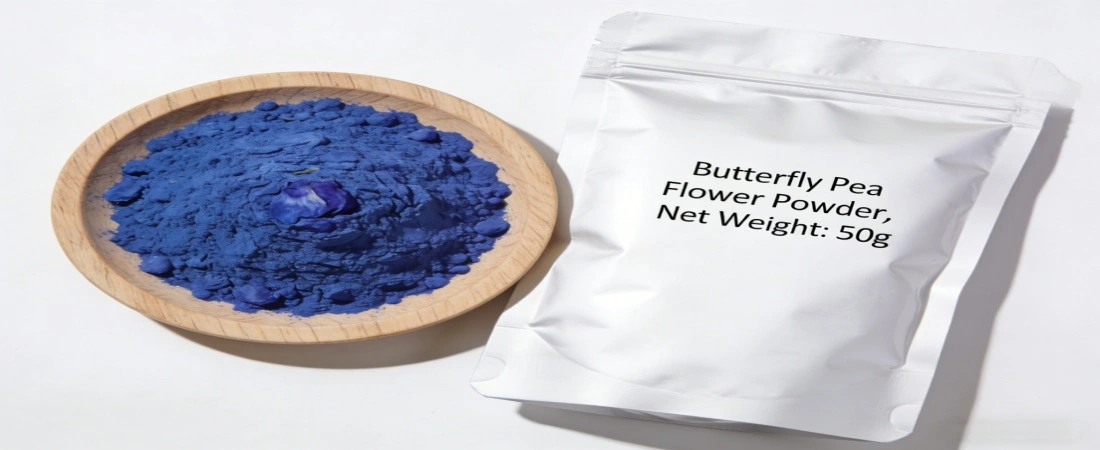
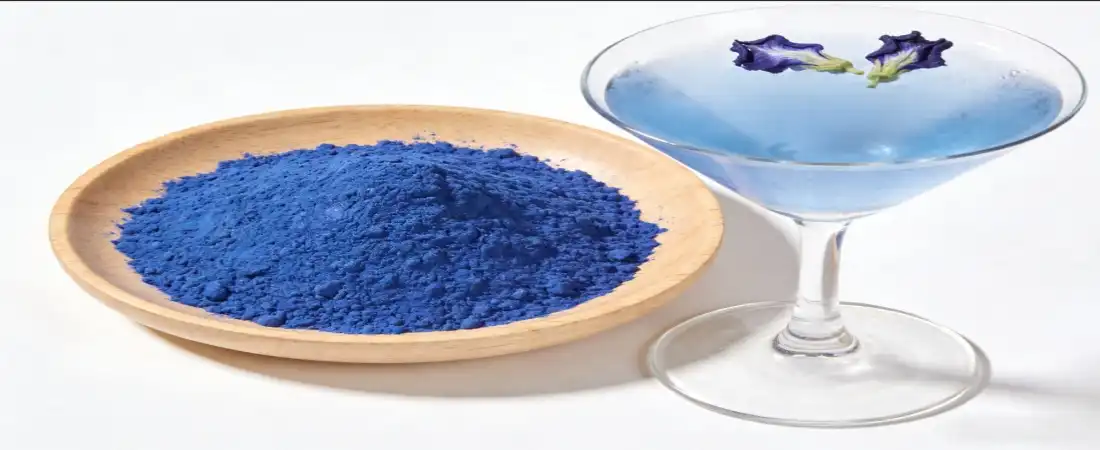
Southeast Asians have traditionally drunk the dried flowers as a plant tea. The bright blue beverage turns purple when citrus juice is added because the anthocyanins are pH-sensitive. In modern times, this practice is used to make ready-to-drink functional drinks, smoothie mixes, and health shots. The powder has a neutral flavor that works well with fruit bases, green tea mixes, and adaptogenic formulations. This lets beverage makers make products that look great without sacrificing taste.
Neuroprotective and Cognitive Benefits
Studies done on animals show that anthocyanins can cross the blood-brain barrier and protect neurons in a number of ways. These chemicals lower neuroinflammation, improve blood flow to the brain, and change the way memory and learning neurotransmitter systems work. While there aren't many human clinical studies yet, early data suggest that the ingredient should be in nootropic supplements and brain health products for older people and students who want to improve their brain power.
Formulation Considerations for Supplement Manufacturers
When making food products, it is important to know the difference between whole flower powder and standardized extracts. The 80 mesh 100% pure flower powder has all the phytochemicals that are needed for medicinal purposes, but it needs to be taken in larger amounts. Concentrated extracts are convenient because they come in pill form, but they may lose some of the benefits that come from the whole plant material working together. Technical procurement experts have to weigh these trade-offs based on cost, goal dosage, and transport format. Suppliers of ingredients that offer both powder and extract forms give makers who want to serve a variety of market groups more options. Being able to find materials with confirmed anthocyanin content through HPLC analysis makes sure that label claims are correct, which is important for following FDA rules for food supplements. R&D teams can test for suitability with free samples before placing big orders. This lowers the risk of formulation errors and speeds up the development process.
Choosing the Right Powdered Butterfly Pea Flower for Your Business
Quality Certifications and Compliance Standards
Organic approval from the USDA or a similar international body ensures farming without synthetic chemicals, which makes the product appealing to natural product brands and people who care about their health. Kosher and Halal licenses make it easier to get into new markets, especially in places where religious food rules are very important. ISO9001 quality management systems show that a seller is dedicated to using consistent production methods and making things better all the time. These licenses are more than just marketing tools; they show that a company is good at operations and reducing risk in global supply lines.
Evaluating Supplier Capabilities
Leading botanical extract sellers set themselves Powdered butterfly pea flower apart by handling farming, processing, and quality testing all within the same business. This is called "vertical integration." This structure makes it possible to track ingredients from the field to the finished product, meeting customer expectations for clear supply chains. When sellers offer technical support services like formulating advice and help with stability testing, they become strategic partners instead of just transactional vendors. Guaranteed return times of within two hours show how responsive communication can help solve problems quickly during the product development stages.
Balancing Cost and Quality Metrics
Price plays a role in buying choices, but the total cost of ownership is more than just the price per kilogram. Reliable providers who keep items in stock so they can be shipped quickly (within one to three working days for kept items) avoid production delays and the high costs of fast shipping. The 10-kilogram minimum order quantity strikes a good mix between ease of access for small-batch tests and efficiency for large-scale production. Flexible packing choices, such as 1-kilogram bags for test sales or custom bulk configurations, can work for businesses of all sizes, from small, local names to large, international companies. Being able to take payments in local currencies makes doing business across borders easier, lowers the risk of foreign exchange, and makes tracking simpler. Established transport relationships with major companies like FedEx and UPS, along with knowledge of the paperwork needed to clear customs, make it easy for goods to move across borders. Over time, these business savings add up, which helps make margins stronger and puts the company ahead of the competition in end markets.
Conclusion
Companies making unique goods in the wellness, skin care, and hair care areas can use powdered butterfly pea flower as a valuable ingredient. Its high anthocyanin content gives it measurable anti-inflammatory and antioxidant effects while meeting the needs of clean-label consumers. To integrate well, you need to work with providers who can show they have the technical know-how, follow the rules, and keep the supply chain reliable. As the market for natural, functional ingredients keeps growing, brands that use traceable, standardized botanical extracts early on will have a long-term economic edge across many product lines and methods of distribution.
FAQ
1. What concentration should be used in cosmetic formulations?
Inclusion rates usually fall between 0.5% and 5%, with 0.5% giving a light tint and 5% giving a strong color and the most practical benefits. Stability testing at your goal concentration makes sure that it works with other ingredients in the recipe and has the shelf life you want.
2. Can the powder cause allergic reactions?
The butterfly pea flower has a low allergenicity profile. When adding a new plant ingredient to products for sensitive groups, patch testing is still the usual way to do it.
3. How does processing affect bioactive retention?
Anthocyanins and flavonoids that are damaged by heat can be kept safe by drying and grinding at low temperatures. When suppliers provide proof of extraction temperature, it's possible to check that gentle processing methods are being followed, which keeps the ingredient's effectiveness.
4. What documentation supports regulatory approval?
Full scientific dossiers have things like Certificates of Analysis, heavy metal tests, microbiological screening, allergen statements, and certifications from the place of origin. These files make it easier for regulatory applications to be sent across foreign markets.
Partner with NT Biotech for Premium Blue Matcha Butterfly Pea Flower Powder
NT Biotech is your one-stop shop for powdered butterfly pea flower, and they only sell 100% pure Clitoria ternatea L. Flower powder that has been certified as ISO, Kosher, or Halal. Our vertical merger makes sure that each batch is more consistent, and we can deliver within two to four days of receiving an order. R&D teams get free samples and help with formulations, as well as full Certificates of Analysis that show the purity is higher than 98% for key bioactives. Get in touch with our expert team at info@newthingsbiotech.com to talk about your specific application needs and find out how our unique processing methods can improve the performance of your product while still meeting strict clean-label standards.
References
1. Chusak, C., et al. (2018). Anthocyanins and Their Metabolites from Clitoria ternatea: Bioavailability and Antioxidant Activity. Journal of Functional Foods, 45, 203-212.
2. Oguis, G.K., et al. (2019). Butterfly Pea (Clitoria ternatea): A High-Antioxidant Food Crop with Therapeutic Potential. Molecules, 24(8), 1539.
3. Nair, V., et al. (2015). Comparative Study on the Antioxidant and Anti-inflammatory Properties of Butterfly Pea Flower Extracts. International Journal of Pharmacy and Pharmaceutical Sciences, 7(5), 98-102.
4. Kazuma, K., et al. (2003). Malonylated Flavonol Glycosides from the Petals of Clitoria ternatea. Phytochemistry, 62(2), 229-237.
5. Jeyaraj, E.J., et al. (2020). Clitoria ternatea Flower Extract as a Natural Colorant and Its Functional Properties in Food Applications. Food Science and Nutrition, 8(6), 2865-2874.
6. Lakshan, S.A.T., et al. (2019). Neuroprotective Effects of Anthocyanins from Butterfly Pea Flower: Implications for Cognitive Health. Nutritional Neuroscience, 22(11), 780-791.