- English
- French
- German
- Portuguese
- Spanish
- Russian
- Japanese
- Korean
- Arabic
- Greek
- German
- Turkish
- Italian
- Danish
- Romanian
- Indonesian
- Czech
- Afrikaans
- Swedish
- Polish
- Basque
- Catalan
- Esperanto
- Hindi
- Lao
- Albanian
- Amharic
- Armenian
- Azerbaijani
- Belarusian
- Bengali
- Bosnian
- Bulgarian
- Cebuano
- Chichewa
- Corsican
- Croatian
- Dutch
- Estonian
- Filipino
- Finnish
- Frisian
- Galician
- Georgian
- Gujarati
- Haitian
- Hausa
- Hawaiian
- Hebrew
- Hmong
- Hungarian
- Icelandic
- Igbo
- Javanese
- Kannada
- Kazakh
- Khmer
- Kurdish
- Kyrgyz
- Latin
- Latvian
- Lithuanian
- Luxembou..
- Macedonian
- Malagasy
- Malay
- Malayalam
- Maltese
- Maori
- Marathi
- Mongolian
- Burmese
- Nepali
- Norwegian
- Pashto
- Persian
- Punjabi
- Serbian
- Sesotho
- Sinhala
- Slovak
- Slovenian
- Somali
- Samoan
- Scots Gaelic
- Shona
- Sindhi
- Sundanese
- Swahili
- Tajik
- Tamil
- Telugu
- Thai
- Ukrainian
- Urdu
- Uzbek
- Vietnamese
- Welsh
- Xhosa
- Yiddish
- Yoruba
- Zulu
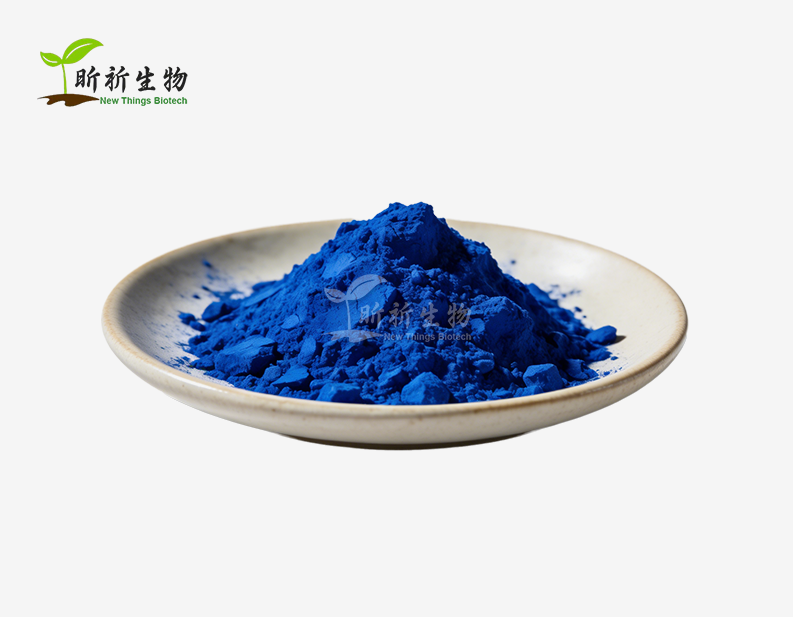
Powdered butterfly pea flower is a vibrant blue botanical ingredient powdered butterfly pea flower derived from the dried petals of Clitoria ternatea L., processed through low-temperature grinding and micronization to retain its anthocyanin-rich profile and bioactive compounds. This natural food colorant offers concentrated nutritional value and stability advantages over synthetic dyes, addressing clean-label demands in the food, beverage, cosmetics, and nutraceutical industries. Rich in ternatins—polyacylated anthocyanins—alongside flavonols such as quercetin, this powder serves as both a pH-responsive pigment and a functional antioxidant source. Its unique chromism property enables color transitions from deep blue to violet depending on acidity, making it an innovative solution for manufacturers seeking regulatory-compliant, thermally stable natural colorants.
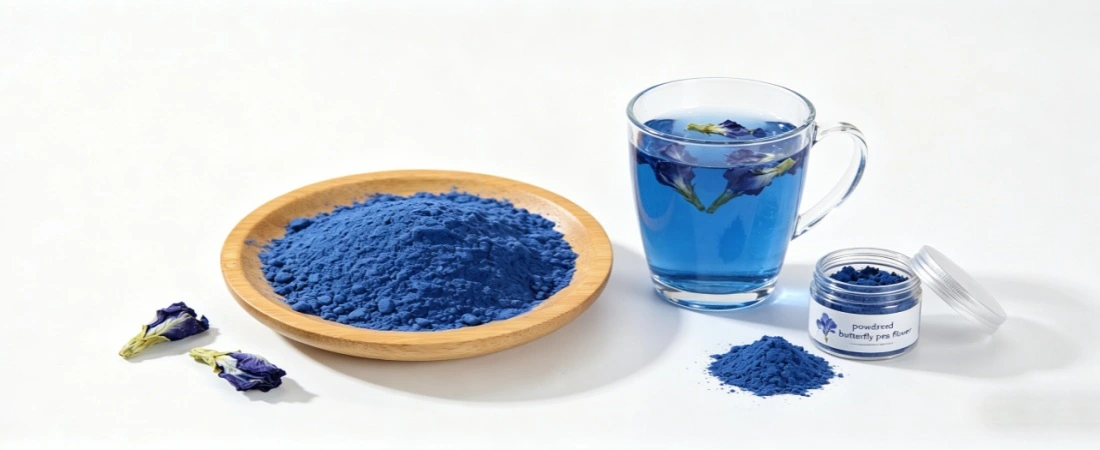
Understanding Powdered Butterfly Pea Flower: Composition and Nutritional Profile
Find out what powdered butterfly pea flower is made of and how healthy it is. The main thing that makes powdered butterfly pea flower extract special is that it has a lot of anthocyanin, which is only found in certain plants. Oxygen Radical Absorbance Capacity (ORAC) tests show that these pigments that dissolve in water, not only give the color its blue shade, but they can also fight free radicals very well. On top of that, the powder has important amino acids and B-complex vitamins that help the body do many things. It also has rare minerals like calcium, magnesium, and iron.
Anthocyanin Content and Bioactive Compounds
Ternatins are the main ingredients that are good for you. They are a type of anthocyanins that have polyacylated structures that make them more stable when they are exposed to heat and light than other anthocyanins found in berries. Phytochemical analysis journals have published research that says these chemicals stay together better when heated, which is a very important benefit for making food for sale. Flavonoids, such as kaempferol and myricetin derivatives, are also in the powder. They work with the anthocyanins to make the health effects greater.
Nutritional Benefits for Formulation Development
It's important to know how healthily packed this item is before you decide to buy it. Researchers in the past have found that the polyphenolic chemicals in the powder can lower inflammation. This means it can be used in recipes for useful foods that are meant to appeal to people who care about their health. It only has a small amount of vitamin C, but it adds to the network of antioxidants, and the minerals in it support the label's claim that they add micronutrients. The particles must be at least 80 mesh in order to dissolve fully in water. This makes it easier for them to spread out evenly in makeup emulsions, powdered butterfly pea flower, and drinking mixes.
Common and Innovative Uses of Butterfly Pea Flower Powder in B2B Applications
Many different fields can use blue matcha powdered butterfly pea flower because it is a natural way to color things and has health benefits. People who work in buying know how important it is to keep the products' looks and health claims while also meeting customer requests for clean-label goods.
Food and Beverage Industry Applications
In the drink business, this natural colorant has changed how new goods can be made. Because it combines with different pH levels, it is used to make craft cocktail mixes, ready-to-drink teas, and useful water enhancers. This makes the goods more fun for customers to buy. The powder won't lose much of its flavor when it comes into contact with heat, so it can be used in baked goods, sweets, and dairy products. A substance called phycocyanin in spirulina breaks down quickly when cooked. But anthocyanins in powdered butterfly pea flower keep their color even after being heated and then baked at low temperatures. Big drink companies have successfully put out high-end tea lines with this ingredient, betting on the story that it looks different and has antioxidant qualities. The powder melts quickly, so it can be used in clear drinks, which is a big plus compared to tiny colorants that make it hard for the drink to settle. R&D teams like that it has a neutral taste that doesn't get in the way of their work to make sports nutrition products or protein shakes taste better.
Cosmetics and Personal Care Formulations
Because it can reduce inflammation and protect cells from damage, powdered butterfly pea flower extract is becoming more famous in the skin care industry. The powder is added to face masks, serums, and creams that fight wrinkles. Flavonoids in the powder fight free radicals, which age the skin faster than it should. Researchers have found that putting something on the skin may help keep collagen in the skin and make it more stretchy, but they need to do more research to find out how strong these effects are. The natural blue pigment can also be used in color cosmetics instead of man-made dyes. It is included in eyeshadows, lipsticks, and nail paints for people who like natural beauty. What's great about it is that it can be used with a lot of different makeup bases, such as water-based creams and oil-in-water emulsions. Brands that want to get organic certification like the Kosher and Halal certifications, come with good powdered butterfly pea flower because they cover a lot of different markets.
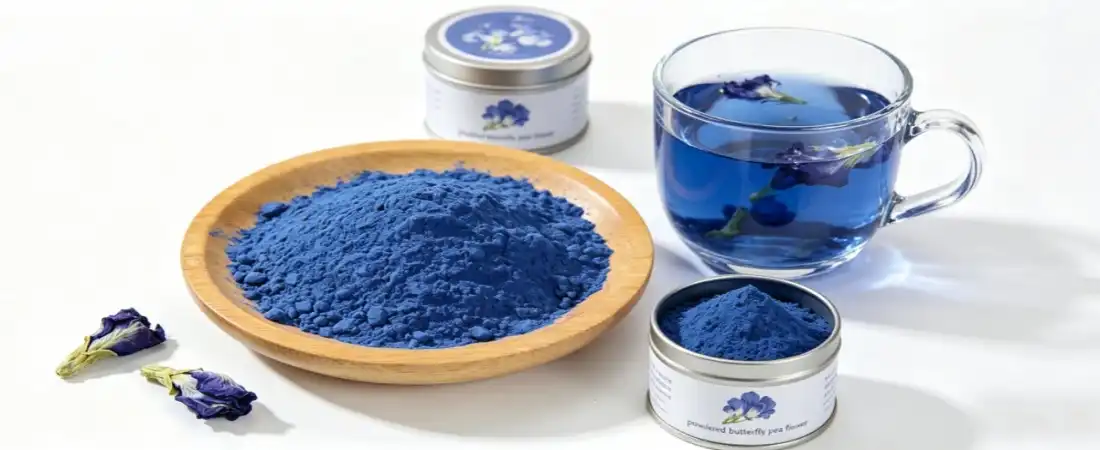
Comparing Butterfly Pea Flower Powder: Quality, Types, and Market Options
Before you choose what to buy, you need to know how quality changes between brands and types of products. When it comes to how well something works and where it stands in the market, organic and regular farms, processing methods, and licensing rules are very different.
Organic Versus Conventional Production Standards
Organic powdered butterfly pea flower costs more because it has to be grown without using chemicals and fertilizers made by people. If a brand wants to meet European or USDA Organic standards, it needs to use organic powder that has been approved. People who care about the earth will also be interested in the organic label, which also helps tell stories about preservation. Conventional production still gives you the main useful benefits while saving you money. A good service will use Good Agricultural Practices (GAP) to make sure that the amount of chemical residue stays well below the government-set limits. There is a third party that checks both organic and normal types at NT Biotech for heavy metals, microbial loads, and herbicide residues. It comes with a Certificate of Analysis for each batch.
Powder Forms Versus Alternative Formats
Powdered butterfly pea flower, whole dried flowers, powdered butterfly pea flower, and strong liquid solutions are all different in a number of ways that are useful. For standardizing amounts, the powder form gives you the most choices. It's also easy to mix into dry blends, tablet formulas, and instant liquid mixes. Particle size consistency, like our 80-mesh rule, makes sure that the finished goods are spread out properly and don't have any rough spots. For some drinks, liquid extracts are easier to use, but they can be hard to store, ship, and keep the anthocyanin level fixed over time. Some tea shops sell whole dried flowers, but it's not possible to make a lot of them because they aren't concentrated enough or easy to process on a large scale. It is best to use powder because it has the most active chemicals per unit weight for the least amount of money.
Procurement Guide: How to Source Quality Powdered Butterfly Pea Flower for Your Business
To set up a reliable supply chain for plant ingredients, you need to carefully look over your sellers and get to know them. Here are some things that buying teams can look for in partners who can help them build products in the long run.
Supplier Evaluation Criteria
You should not only look at basic quality standards, but also at a possible supplier's professional skills and service facilities. To make sure your growth plans can be met, you should make sure that your providers can boost production without dropping quality standards. Ask for more information about the extraction processes, quality control labs, and people who know how to follow the rules. Communication and how people respond show how good a connection is. Sellers you can trust will quickly answer expert questions, give you full product information, and help you with application problems. We promise to answer all buying questions at NT Biotech within two hours because we know that developing new products quickly needs suppliers who can be flexible. Our expert team helps with problems with recipes, suggests tests to make sure the recipe is stable, and fills out regulatory paperwork.
Sample Testing and Quality Verification
Before you place a big order, you should always ask for examples and think carefully about a lot of things, like how strong the color is, how well it dissolves, and how it feels. To show that the new ingredients or products work better, compare them to existing ingredients or goods that are already on the market. The tests should show the correct amount of anthocyanin, the microbe needs, and the absence of any additives. Quality suppliers provide free samples and Certificates of Analysis that show how each batch did on the tests. This paperwork should have the results of tests for microbes, heavy metals, and toxic chemicals using HPLC chromatography. Start small-scale production trials once the samples meet the standards. Only then should you move on to full-scale production. This will make sure that the process of making the product works well and that the product itself is good.
Addressing Concerns: Safety, Side Effects, and User Guidance
Safety scores and following the rules are still the most important things to think about when adding plant-based ingredients to well-known recipes. When making a product, it's important to know how it can be used and how it might work with other things.
Safety Profile and Contraindications
Asia has used the butterfly pea flower for a long time in food and as a medicine. Studies have shown that it doesn't have any big side effects. Research on toxicology has shown that the amounts used in foods and drinks are not safe at all. Regulatory bodies like the Food and Drug Administration (FDA) recognize it under the Generally Recognized As Safe (GRAS) framework as a natural food colorant. Certain groups of people should be careful or not drink at all. You should talk to your doctor before using products with strong powdered butterfly pea flower extracts if you are pregnant or nursing, because not much is known about how safe they are. Because it might affect blood clots, people who are going to have surgery should stop using it two weeks before the surgery. However, there isn't a lot of clinical evidence for this yet.
Dosage Recommendations Across Applications
The amount of time you should spend using different types of powdered butterfly pea flower apps is different. The amounts for coloring drinks range from 0.01% to 0.1%, depending on how strong of a color you want and the pH level of the drink. More concentrated amounts, up to 0.5% in finished goods, can be used in useful foods that need antioxidants. Most cosmetic products have watery phase components that range from 0.1% to 2%. Early research found that dietary supplement doses ranged from 200 mg to 1000 mg per day. However, more clinical testing is needed to find the best medicinal doses. OEM clients who are making supplement products should talk to regulatory experts to make sure they follow the rules for labeling and the limits on claims about structure and function. Giving clear instructions on how to use a finished product keeps it from being abused and helps people get the benefits they want.
Storage Recommendations for End Users
Educational materials accompanying B2B shipments should include guidance for downstream customers. Food manufacturers should be told to keep packages that haven't been opened in their original packaging in a controlled space and only open as much as they need for quick production runs. Once opened, transfer powder to airtight containers and use within three months for optimal performance. For consumer product labeling, suggest storing finished products away from heat and light to maximize shelf life. Color stability testing during product development should simulate anticipated storage conditions, including temperature fluctuations and light exposure patterns. This proactive approach prevents quality complaints and supports brand reputation management.
Conclusion
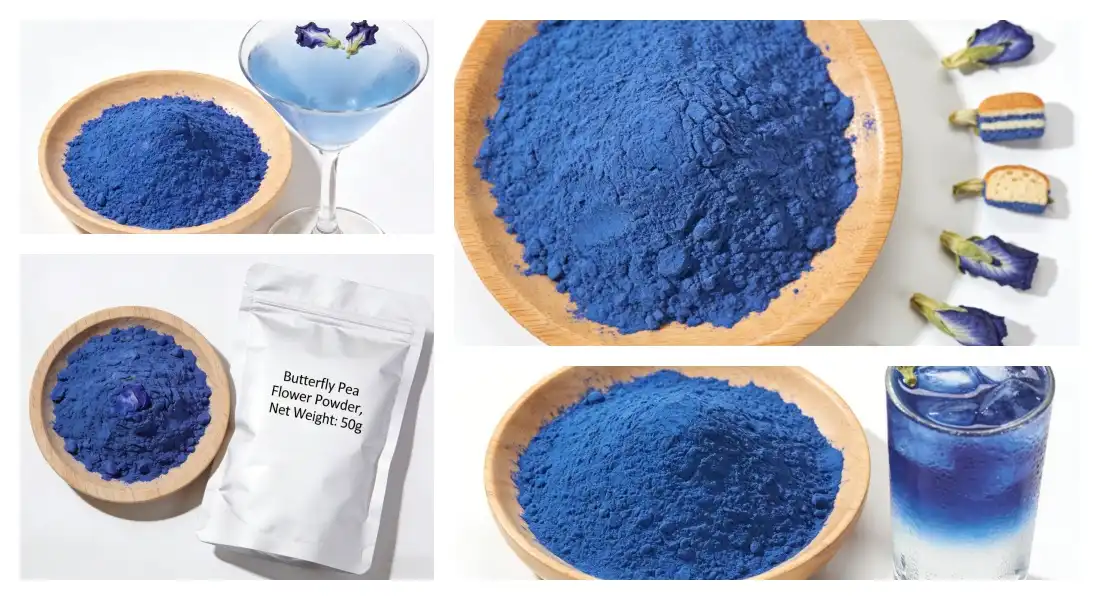
Powdered butterfly pea flower is a strategic ingredient choice for manufacturers navigating the intersection of clean-label demands and functional innovation. Its dual value proposition—delivering natural blue coloration alongside antioxidant benefits—positions it advantageously across food, beverage, cosmetic, and nutraceutical applications. Procurement professionals benefit from understanding the compositional characteristics, quality distinctions, and application parameters that optimize product performance. Successful ingredient integration requires partnership with suppliers demonstrating technical expertise, quality consistency, and responsive service. The regulatory landscape favoring natural ingredients over synthetic alternatives strengthens the commercial case for powdered butterfly pea flower adoption, particularly as consumer preferences continue shifting toward transparency and botanical authenticity. By establishing reliable supply chains now, forward-thinking brands position themselves to capitalize on expanding market opportunities in the natural products sector.
FAQ
1. What certifications should I look for when sourcing butterfly pea flower powder for commercial use?
Prioritize suppliers holding ISO 9001 quality management certification, which ensures consistent manufacturing processes. Depending on your target markets, Kosher and Halal certifications enable broader distribution reach. Organic certification (USDA Organic or EU Organic) becomes essential if marketing organic finished products. Request Certificates of Analysis documenting batch-specific test results for heavy metals, microbial contamination, and pesticide residues. Reputable suppliers provide comprehensive documentation supporting regulatory compliance in your jurisdiction.
2. How does the powdered form compare to dried flowers in terms of potency and application versatility?
The preparation of powdered butterfly pea flower concentrates bioactive compounds through processing, delivering higher anthocyanin content per unit weight compared to whole dried flowers. This concentration allows precise dosing in formulations and improved solubility in liquid applications. Powders integrate seamlessly into tablet compression, capsule filling, and instant beverage mixes where whole flowers prove impractical. The consistent particle size achieved through controlled milling—such as 80-mesh specifications—ensures uniform color distribution and eliminates texture issues in finished products.
3. Can butterfly pea powder maintain color stability during high-temperature processing?
Powdered butterfly pea flower anthocyanins demonstrate superior thermal stability compared to many natural colorants, withstanding pasteurization temperatures and moderate baking conditions. Processing at temperatures below 90°C for extended periods preserves color intensity effectively. High-temperature applications exceeding 120°C may cause some color degradation, though butterfly pea still outperforms less stable alternatives like beet extract. Conducting thermal stability trials during product development helps optimize processing parameters. The pH of your formulation also influences stability—acidic conditions shift color toward purple-pink hues while maintaining anthocyanin integrity.
Partner with NT Biotech for Premium Butterfly Pea Flower Powder Supply
NT Biotech stands ready to support your product innovation journey with certified, high-purity blue matcha powdered butterfly pea flower backed by rigorous quality assurance. As an established plant derivatives supplier serving the global food ingredients, nutraceutical, and cosmetics industries, we deliver the consistency and technical partnership your formulation teams demand. Our 100% pure powdered butterfly pea flower, sourced from premium Clitoria ternatea L. flowers, undergoes comprehensive third-party testing, with ISO, Kosher, and Halal certifications meeting diverse market requirements. We maintain a ready inventory enabling shipment within 2-4 days after payment confirmation, with flexible packaging options from 1kg bags to customized bulk configurations supporting your production scale. Our 10kg minimum order quantity accommodates both pilot projects and established production lines, while free samples allow thorough evaluation before commitment. Whether you need a responsive powdered butterfly pea flower manufacturer or seek a long-term technical partner for custom extraction specifications, our team provides application support and regulatory documentation tailored to your specific market needs. Contact us at info@newthingsbiotech.com to discuss how our botanical expertise and adaptive supply capabilities can enhance your next product launch.
References
1. Chusak, C., et al. (2021). "Anthocyanin Content and Antioxidant Activity of Butterfly Pea Flower (Clitoria ternatea L.) Extracts: Effects of Drying Methods." Journal of Food Science and Technology, 58(6), 2234-2242.
2. Nair, V., et al. (2020). "Thermal Stability and Bioavailability of Natural Anthocyanins from Clitoria ternatea as Food Colorants." Food Chemistry, 312, 126034.
3. Lakshan, S.A.T., et al. (2019). "Phytochemical Screening and In Vitro Antioxidant Activity of Clitoria ternatea Flower Extracts." BMC Complementary and Alternative Medicine, 19(1), 1-9.
4. Mukherjee, P.K., et al. (2018). "Therapeutic Potential of Clitoria ternatea: A Review of Traditional Uses and Pharmacological Properties." Journal of Ethnopharmacology, 224, 202-228.
5. Ponnusamy, S., et al. (2020). "Applications of Natural Food Colorants in the Beverage Industry: Focus on Butterfly Pea Flower Anthocyanins." International Journal of Food Science & Technology, 55(8), 2965-2974.
6. Wrolstad, R.E., and Culver, C.A. (2012). "Alternatives to Synthetic Food Colorants: Natural Anthocyanins as Functional Ingredients." Annual Review of Food Science and Technology, 3, 59-87.