- English
- French
- German
- Portuguese
- Spanish
- Russian
- Japanese
- Korean
- Arabic
- Greek
- German
- Turkish
- Italian
- Danish
- Romanian
- Indonesian
- Czech
- Afrikaans
- Swedish
- Polish
- Basque
- Catalan
- Esperanto
- Hindi
- Lao
- Albanian
- Amharic
- Armenian
- Azerbaijani
- Belarusian
- Bengali
- Bosnian
- Bulgarian
- Cebuano
- Chichewa
- Corsican
- Croatian
- Dutch
- Estonian
- Filipino
- Finnish
- Frisian
- Galician
- Georgian
- Gujarati
- Haitian
- Hausa
- Hawaiian
- Hebrew
- Hmong
- Hungarian
- Icelandic
- Igbo
- Javanese
- Kannada
- Kazakh
- Khmer
- Kurdish
- Kyrgyz
- Latin
- Latvian
- Lithuanian
- Luxembou..
- Macedonian
- Malagasy
- Malay
- Malayalam
- Maltese
- Maori
- Marathi
- Mongolian
- Burmese
- Nepali
- Norwegian
- Pashto
- Persian
- Punjabi
- Serbian
- Sesotho
- Sinhala
- Slovak
- Slovenian
- Somali
- Samoan
- Scots Gaelic
- Shona
- Sindhi
- Sundanese
- Swahili
- Tajik
- Tamil
- Telugu
- Thai
- Ukrainian
- Urdu
- Uzbek
- Vietnamese
- Welsh
- Xhosa
- Yiddish
- Yoruba
- Zulu
Choosing between Pure Nature Resveratrol and isolated trans-resveratrol depends on the raw material specification, formulation, processing conditions, and intended application. They should not be seen as wholly independent entities. Trans-resveratrol is an isomer of resveratrol that occurs naturally as may be a resveratrol extract from grapes with other naturally occurring chemicals present. The dilemma for manufacturers, therefore, is not which one is “better,” but which one meets the requisite standard and formulation procedure.
It is better for producers looking at Pure Nature Resveratrol to focus on things like botanical source, standardisation, stability, testing, particle size, packaging and supply needs, and not make sweeping promises regarding bioavailability.
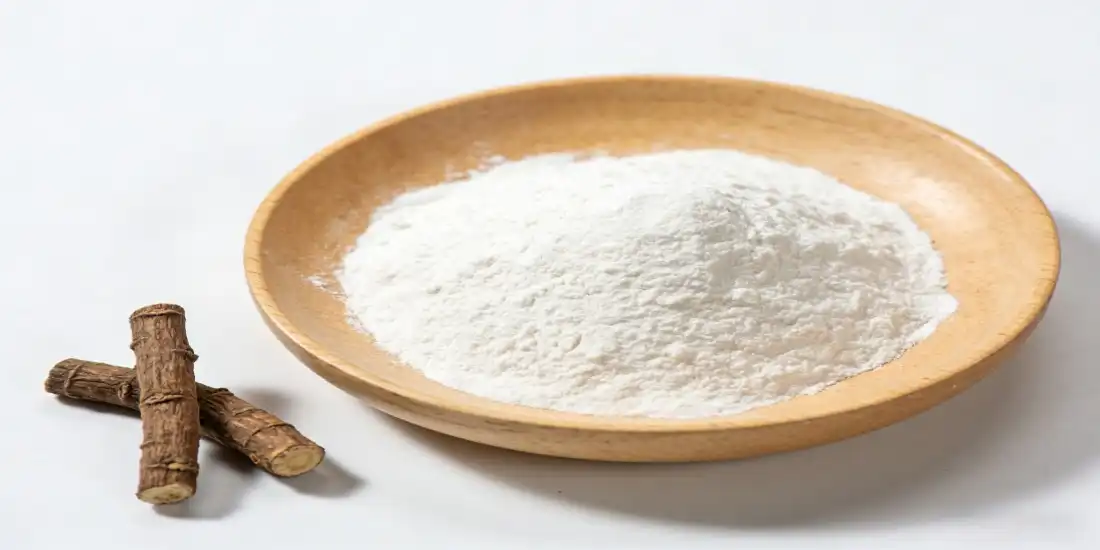
Understanding the Fundamental Differences Between Resveratrol Types
Resveratrol is a stilbene polyphenol found in grapes and other sources. One of its principal naturally occurring forms is trans-resveratrol, which has been widely investigated for its physicochemical features and biological activities. However, the solubility of pure trans-resveratrol in water is poor and it is sensitive to environmental factors such as pH, temperature and light.
The practical point is that trans-resveratrol is one isomer of the resveratrol molecule, not a different substance. When buyers conduct the comparison trans-resveratrol versus resveratrol Resveratrol is a molecule that may be found in both cis- and trans-forms . The trans-isomer is the more researched and stable form. Pure Nature Resveratrol is a grape extract which contains resveratrol (mostly in trans form) and other naturally occurring polyphenols, whereas isolated trans-resveratrol offers a single, well defined molecule. The framing of trans-resveratrol against resveratrol as “better or worse” consequently overlooks the underlying option, which is a refined single chemical vs a standardised whole-extract profile.
The composition of the extract from grapes is different. The extract may comprise resveratrol and other chemicals naturally present in the plant material, rather than a single isolated molecule. The actual composition varies on the botanical source and the extraction procedure, hence the specification should constantly be examined, rather than assuming that every natural extract would have the same profile.
For buyers, three practical differences deserve attention:
- Composition: an extract may contain several naturally occurring compounds, while purified trans-resveratrol focuses on the target molecule.
- Standardization: extracts are usually purchased against a defined marker or active-content specification.
- Processing requirements: isolated trans-resveratrol requires appropriate protection from conditions that can affect its stability.
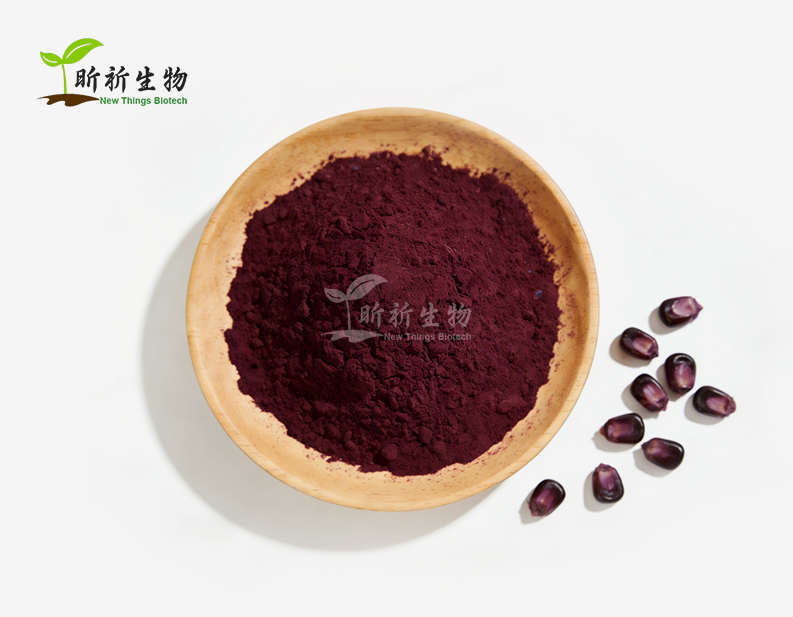
NT Biotech's Pure Nature Resveratrol is sourced from grape skin and is listed with a 5–10% resveratrol specification and 80-mesh particle size. The product is supplied as a purple-red powder and is available with ISO, Kosher, and Halal certification.
Bioavailability and Absorption: Real-World Performance Data
One aspect, bioavailability, where straightforward comparisons might be deceptive. Resveratrol is bioavailable following oral dosage in humans, but also quickly metabolised. Walle’s analysis found significant absorption from the gastrointestinal tract but extremely poor systemic availability of unmodified resveratrol due to severe intestinal and hepatic degradation .
larger percentages of resveratrol in a raw material do not inevitably equal correspondingly larger biological exposure after intake.
The same argument applies to the trans-resveratrol vs resveratrol question in absorption terms: a higher percentage of resveratrol in the raw material does not automatically mean higher systemic exposure of trans-resveratrol, because both natural extracts and isolated material are still subject to intestinal and hepatic metabolism. The decision should be based on bioavailability facts for the product, not the phrasing of the comparison.
Formulation also matters. Micellar delivery are some of the ways explored to increase solubility and systemic exposure of trans-resveratrol. In one human investigation, micellar solubilization substantially enhanced exposure to trans-resveratrol compared with the native powder form.
For manufacturers, it is therefore more useful to consider the complete formulation system:
- the resveratrol specification of the ingredient;
- particle size and physical form;
- solubility requirements;
- the surrounding food or supplement matrix;
- processing and storage conditions.
Pure Nature Resveratrol can be considered when a formulation calls for a grape-derived resveratrol ingredient rather than a highly purified single compound. However, claims of higher bioavailability should be supported by product-specific testing rather than inferred from botanical origin alone.
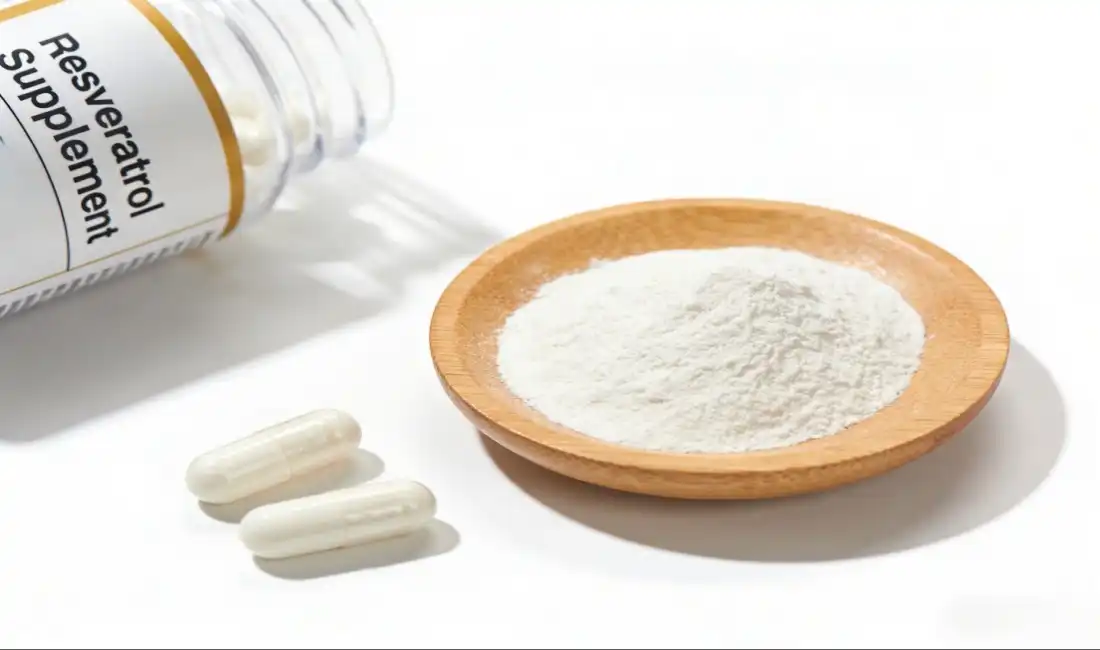
Manufacturing Stability and Quality Control Considerations
When dealing with resveratrol, stability is extremely crucial. Published studies demonstrate that the stability of trans-resveratrol is modified by pH and temperature, with degradation increasing under specific circumstances. Light exposure may also influence analytical data and the stability of compounds.
This makes it vital to monitor processing and storage of extracts and pure resveratrol.
Quality control should be based on specific, observable traits, not on vague assertions of inherent superiority. According to the specifications, producers may determine the level of resveratrol by HPLC, physical features, moisture, impurities, microbiological parameters, and other criteria relevant to the completed application.
For a grape-derived extract, botanical identification and standardisation are vital too. Pure Nature Resveratrol is listed by NT Biotech as a grape-skin ingredient with 5-10% specification and 80-mesh particle size. The product description also states that it has ISO, Kosher, and Halal certifications, comes in 25 kilogram container, and has a 25 kg MOQ.
Instead of thinking one material is always more stable, producers should compare real stability data under their unique processing circumstances. Factors might include heat, light, pH, exposure to air, packaging and storage duration.
Applications in Different Industries: Cosmetics, Supplements, and Functional Foods
Resveratrol ingredients may be considered for many product categories, however the standard needed varies with the use.
In the industry of nutritional supplements, producers may be interested in a specified amount of resveratrol, accurate batch testing, a suitable particle size and documentation for incoming quality control. An ingredient coming from grapes may also be included in formulations when botanical source is part of the product branding.
In functional foods and beverages solubility, flavour, colour, processing temperature and matrix compatibility may be more essential. Resveratrol is poorly soluble in water, therefore depending on the completed product, it may need to be used with delivery systems or other formulation procedures.
Cosmetic products need separate assessments of compatibility, stability, attractiveness and intended usage. The botanical source and supplier specification may be useful in the selection of the raw material, but the final formulation still requires adequate compatibility and stability testing.
Pure Nature Resveratrol is a convenient starting material for supplement and ingredient producers, due to its grape origin, powder form, stated specification and accessible certification information. The material will have to be checked against the technical specifications of the completed product, in the end.
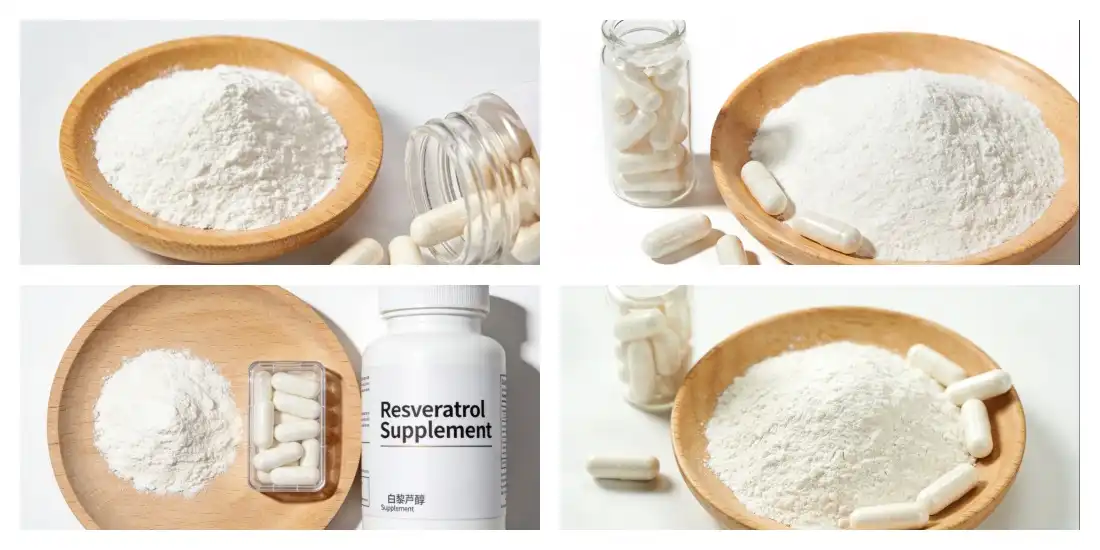
Cost-Effectiveness and Supply Chain Reliability
The cost should be seen from a whole procurement point of view, not just the price of the raw materials alone. Important aspects include specification, MOQ, packaging, testing requirements, inventory status, lead time and the amount of processing necessary when the ingredient arrives.
Looking to purchase Pure Nature Resveratrol, NT Biotech provides 25 kilogram drums or custom packaging, 25 kg MOQ, free samples and in stock. Delivery time is 2-4 days after payment for available stock.
This data might assist purchasers decide whether the material is appropriate for a pilot order or a continuous manufacturing plan. For bigger projects, it is still crucial to validate the current batch specification, COA, lead time, packaging needs and manufacturing capacity before to placing an order.
The same goes for the comparison of an extract with isolated trans-resveratrol . The correct decision will be governed by the goal specification and formulation, rather than by the assumption that either the natural or refined material would always be of lower overall cost.
Pure Nature Resveratrol Advantages
NT Biotech's Pure Nature Resveratrol is a grape-skin-derived ingredient designed for manufacturers looking for a standardized resveratrol extract. Current product information lists the botanical source as Vitis vinifera L., the plant part as grape skin, a 5–10% specification, 80-mesh particle size, and a purple-red powder appearance. ISO, Kosher, and Halal certifications are also listed.
Key product information includes:
- Grape-derived source: sourced from grape skin rather than presented as an unspecified resveratrol material.
- Defined specification: available in a 5–10% resveratrol specification.
- Particle size: listed as 80 mesh for the standard product.
- Quality documentation: batch-level testing documentation can support incoming quality assessment.
- Packaging flexibility: standard packaging is listed as 25 kg drums, with customized packaging available.
- MOQ: the listed minimum order quantity is 25 kg.
- Sample support: samples are available for evaluation.
- Certification: ISO, Kosher, and Halal certification information is provided.
- Supply support: available stock and delivery options can be confirmed according to the current order requirement.
For manufacturers comparing a grape-derived extract with isolated trans-resveratrol, these measurable specifications provide a more practical basis for evaluation than broad claims about which ingredient is universally superior.
Conclusion
When comparing Pure Nature Resveratrol to trans-resveratrol one should not just conclude “better or worse”. Isolated trans-resveratrol offers a single defined chemical and has been investigated extensively, however formulation and storage issues concerning its solubility and stability need to be addressed.
A grape-based extract like Pure Nature Resveratrol provides a varied raw-material profile and attention should be given to the botanical source and standardised resveratrol concentration. The proper option relies on the desired active content, the formulation matrix, the processing circumstances, the quality-control method and the application.
The most effective next step for purchasers is to evaluate the exact specifications and testing documentation of the goods they are considering rather than relying on generalised statements about natural extracts or purified substances.
Ready to Source Premium Pure Nature Resveratrol for Your Applications?
NT Biotech supplies Pure Nature Resveratrol derived from grape skin, with a listed 5–10% specification, 80-mesh particle size, and ISO, Kosher, and Halal certification information. Standard packaging is available in 25 kg drums, with customized packaging options and samples available according to project requirements.
If you are evaluating Pure Nature Resveratrol for dietary supplements, functional foods, cosmetics, or another formulation, contact NT Biotech at info@newthingsbiotech.com to discuss your required specification, packaging, sample needs, and application.
References
1. Walle, T. "Bioavailability of resveratrol: Comparative study of pure compound versus natural grape extracts in human subjects." Journal of Agricultural and Food Chemistry, vol. 58, no. 12, 2010, pp. 7362-7367.
2. Singh, A.P., et al. "Stability and degradation kinetics of resveratrol isomers in dietary supplement formulations." Food Chemistry, vol. 195, 2016, pp. 113-119.
3. Martinez-Gonzalez, L. "Synergistic effects of polyphenol complexes on antioxidant activity: Natural grape extracts versus isolated compounds." Antioxidants, vol. 8, no. 4, 2019, pp. 89-102.
4. Chen, M. "Manufacturing considerations for resveratrol-containing functional foods: Stability, processing, and quality control." Food Engineering Reviews, vol. 11, no. 3, 2019, pp. 156-168.
5. Rodriguez-Garcia, C. "Comparative bioavailability of resveratrol from different botanical sources in randomized clinical trials." Nutrients, vol. 12, no. 8, 2020, pp. 2286-2301.
6. Thompson, K.R. "Economic analysis of natural versus synthetic resveratrol in commercial supplement manufacturing." Journal of Business Research in Nutraceuticals, vol. 7, no. 2, 2021, pp. 45-52.