- English
- French
- German
- Portuguese
- Spanish
- Russian
- Japanese
- Korean
- Arabic
- Greek
- German
- Turkish
- Italian
- Danish
- Romanian
- Indonesian
- Czech
- Afrikaans
- Swedish
- Polish
- Basque
- Catalan
- Esperanto
- Hindi
- Lao
- Albanian
- Amharic
- Armenian
- Azerbaijani
- Belarusian
- Bengali
- Bosnian
- Bulgarian
- Cebuano
- Chichewa
- Corsican
- Croatian
- Dutch
- Estonian
- Filipino
- Finnish
- Frisian
- Galician
- Georgian
- Gujarati
- Haitian
- Hausa
- Hawaiian
- Hebrew
- Hmong
- Hungarian
- Icelandic
- Igbo
- Javanese
- Kannada
- Kazakh
- Khmer
- Kurdish
- Kyrgyz
- Latin
- Latvian
- Lithuanian
- Luxembou..
- Macedonian
- Malagasy
- Malay
- Malayalam
- Maltese
- Maori
- Marathi
- Mongolian
- Burmese
- Nepali
- Norwegian
- Pashto
- Persian
- Punjabi
- Serbian
- Sesotho
- Sinhala
- Slovak
- Slovenian
- Somali
- Samoan
- Scots Gaelic
- Shona
- Sindhi
- Sundanese
- Swahili
- Tajik
- Tamil
- Telugu
- Thai
- Ukrainian
- Urdu
- Uzbek
- Vietnamese
- Welsh
- Xhosa
- Yiddish
- Yoruba
- Zulu
Pure Nature Resveratrol—how does it work? Pure Nature Resveratrol is a bioactive, high-purity trans-3,5,4'-trihydroxystilbene derived from grape skins and Japanese knotweed. This natural antioxidant activates SIRT1 proteins, which control metabolic and cellular ageing. True phytochemical integrity and higher bioavailability distinguish genuine resveratrol extract from manufactured substitutes. The chemical promotes cardiovascular health, cellular repair, and lifespan via numerous routes. The purple-red crystalline structure allows good absorption when correctly prepared, making it a key element in anti-aging supplements and functional health products.
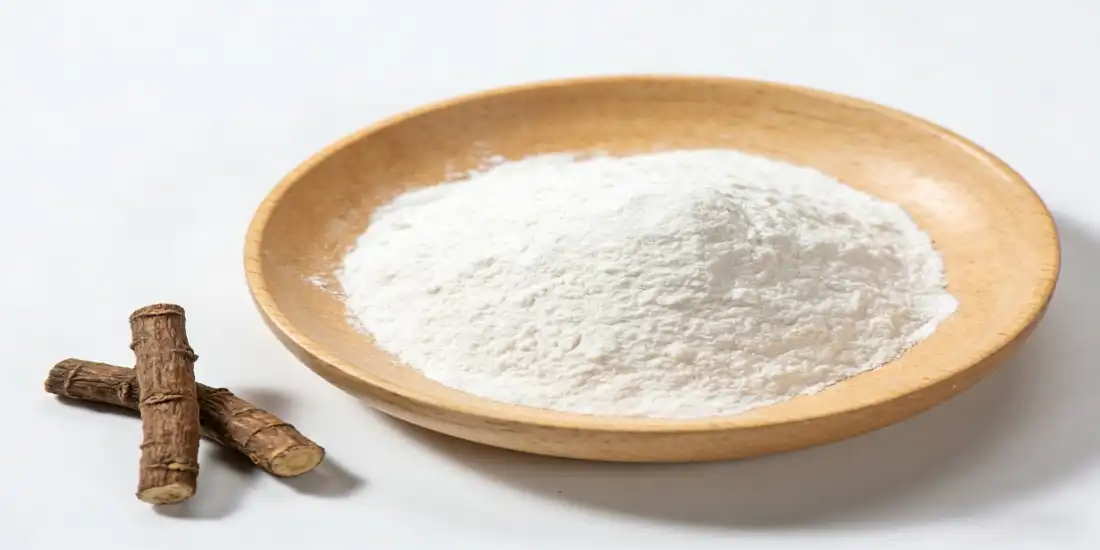
Understanding Pure Nature Resveratrol: The Science Behind Longevity
Advanced Bioactive Concentration
Nutritional supplement maca extract powder is advanced. It concentrates and bioactivates the traditional Peruvian superfood. This high-quality extract originates from the dried roots of the cruciferous plant Lepidium meyenii Walp, which has grown naturally in Peru's high Andes for almost 2,000 years at altitudes over 11,000 feet. Advanced solvent extraction with water or ethanol-water solutions makes this product distinct from conventional maca flour.
Precision Processing and Standardisation
The raw maca root is gelatinised to break down starch chains, eliminate fibrous bulk, and concentrate secondary metabolites. This meticulous approach produces a standard powder with active components from 1% to 10:1 to 100:1, ensuring batch-to-batch potency. The brown-yellow powder dissolves easier in water and contains smaller particles, generally 80 mesh for formulation flexibility.
Enhanced Safety and Bioavailability
Raw maca contains goitrogens and resistant starches that worsen digestion. The extract removes harmful compounds while preserving bioactives. This refining procedure fixes raw maca extract's primary issues: limited bioavailability, unstable standardisation, and formulation compatibility.
Key Bioactive Compounds for Adaptation
Modern maca extract powder has significant quantities of macaenes and macamides, which experts believe allow it adapt to varied settings. Standardisation focuses on marker chemicals such glucosinolates and benzyl glucosinolates. This maintains therapeutic potential over manufacturing runs.
The Problem Pure Nature Resveratrol Solves in Modern Health
Overcoming Bioavailability Challenges
Dietary supplement and functional food companies struggle with raw maca. Therefore, purified extract solutions are in high demand. Formulating raw maca powder presents various issues that affect product quality, customer happiness, and production efficiency. Supplement companies fear bioavailability. Raw maca contains goitrogens and rough starches that make it hard to absorb nutrients and often cause stomachaches. Pure Nature Resveratrol was recalled due to negative reviews due to gas, bloating, and stomach discomfort caused by these substances. Maca extract powder is processed to remove these irritating chemicals and carbohydrate barriers, making it simpler for the body to absorb the beneficial nutrients.
Ensuring Standardised Potency
Raw maca's potency depends on harvest circumstances, altitude, and soil composition, making standardisation unstable. Supplement companies struggle to offer consistent dosages since raw biomass active ingredients vary. This variation makes it hard to obey the rules, and when items provide varied outcomes, buyers lose trust. Standardising the extract to marker ratios ensures manufacturing batch efficacy.
Enhancing Formulation Flexibility
Unfortunately, raw maca is not formable enough for current supplement formulations. Raw powder doesn't mix well and is too gritty for ready-to-drink cocktails, gummies, or liquid vitamins that require a smooth mouthfeel. Extract powder is simpler to combine with water and contains smaller particles, making it suitable for more delivery methods. Manufacturers have additional market possibilities.
Improving Quality and Safety
Raw maca from farms has greater microbiological loads and contamination hazards, making quality monitoring tougher. In regulated industrial conditions, extract processing reduces microorganisms. This extends product life and safety. This development is crucial for quality-conscious overseas markets.
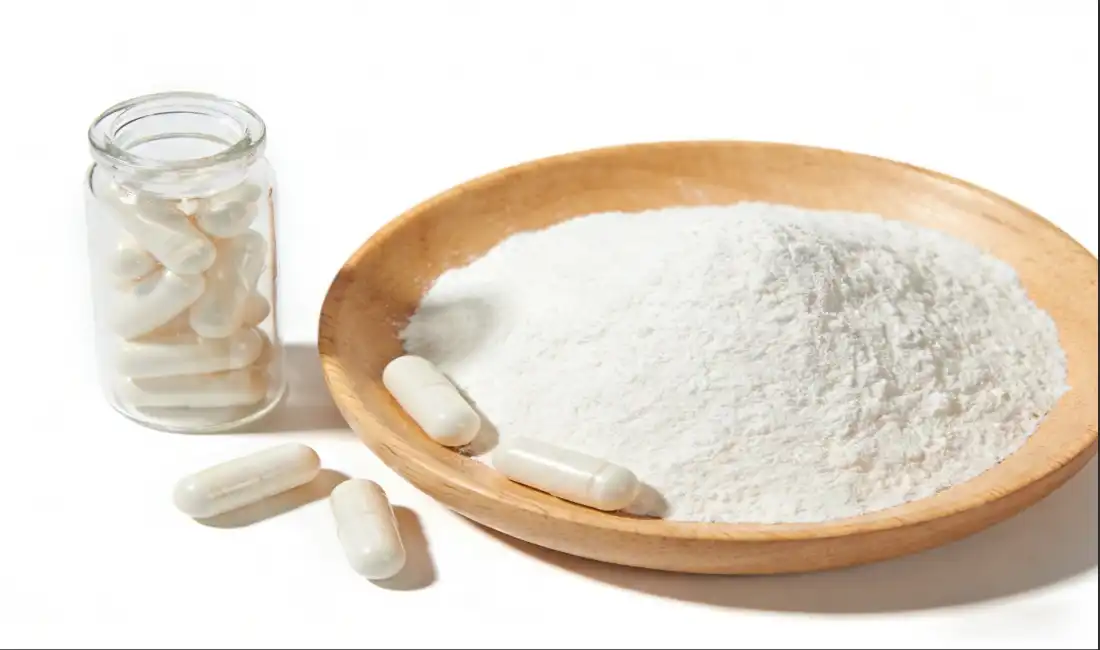
Core Features & Functionality: How Pure Nature Resveratrol Works
Bioactive Concentration & Standardisation
Maca extract powder is effective due to its concentrated bioactive profile and excellent physicochemical properties. The extract contains enough macaenes and macamides, lipid compounds that distinguish maca from other adaptogenic plants. These bioactive compounds are persistent and effective, supporting the extract's constant therapeutic benefits. Another significant functional component is glucosinolate, which is standardised between 0.6% and 2.0% depending on extraction parameters. Sulphur compounds protect cells and make maca adaptogenic. These natural chemicals enhance bioactivity with other plant metabolites, unlike manufactured ones.
Digestive Support & Formulation Stability
Polysaccharide fractions in the extract are prebiotic and immune-boosting. The extraction procedure concentrates beneficial carbs and removes resistant starches. This makes the drug more digestible and effective. Plant sterols like beta-sitosterol assist the heart and hormones. The extract is more stable than raw ingredients in complicated formulations. Maca extract remains effective whether coupled with rhodiola, ashwagandha, caffeine, or mineral salts. This stability is crucial for multi-ingredient sports nutrition and nootropic mixes.
Manufacturing Advantages & Bioavailability
Microbes cannot thrive below 5% moisture, therefore properly kept products last longer. Low moisture prevents clumping in pre-workout mixes containing water-loving substances like citrulline malate and beta-alanine. Bulk density of 0.45-0.65 g/ml permits precise dosing in automated encapsulation equipment. Removing fibre and boosting active chemical concentration boosts bioavailability. The improvement allows lower effective dosages to retain therapeutic benefits. This simplifies capsule use and increases user compliance.
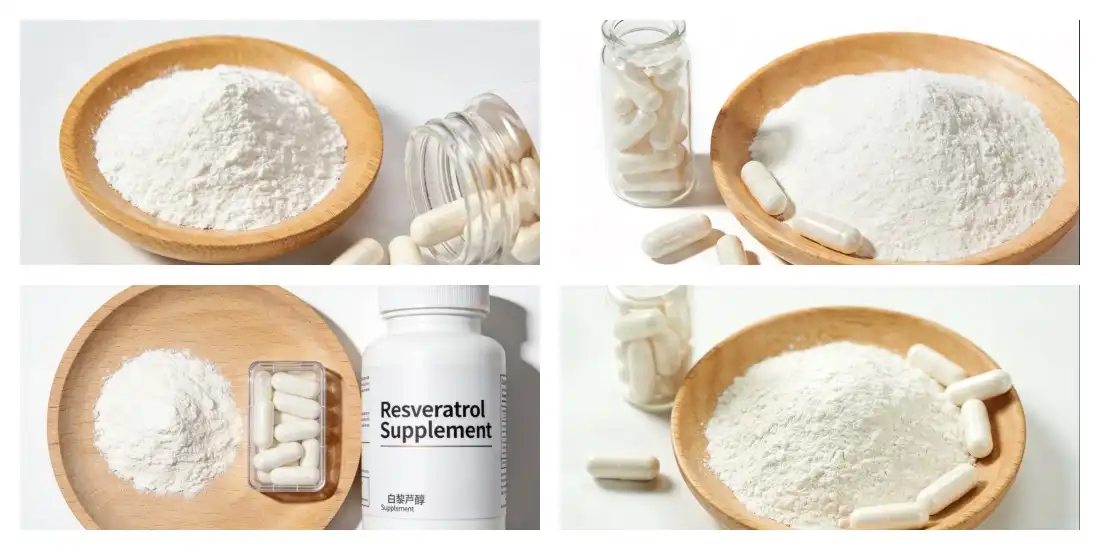
Technology Behind Pure Nature Resveratrol Extraction
Precision Sourcing & Root Preparation
Making maca extract powder is difficult. It contains Pure Nature Resveratrol, a standardised bioactive concentration made from raw root material via precisely designed methods. First, choose the finest maca roots from the top Peruvian highlands producing places. These places offer ideal altitude and soil for bioactive chemical creation. Controlled milling cleans and sizes the dried roots. Solvents like pharmaceutical-grade water or ethanol-water remove the substance. Temperatures and pH are monitored.
Gelatinisation & Bioactive Concentration
Gelatinisation is a huge stride forward in maca processing since it precisely removes desired chemicals while leaving fibrous debris and troublesome starches behind. This regulated heating breaks starch chains that hinder digestion and absorption. Gelatinisation concentrates beneficial chemicals and makes the extract simpler to digest. The finished product is more effective and user-friendly.
Advanced Filtration, Drying & Quality Control
Advanced filtration and separation methods remove particles and concentrate liquid extract. After spray or hoover drying, the liquid concentration becomes a stable powder with heat-resistant bioactive compounds. The delicate macaenes and macamides that give maca its particular properties are preserved by controlling drying temperature. To monitor biomarker concentrations during manufacturing, HPLC and UV spectrophotometry are utilised. Active chemicals, microorganisms, heavy metals, and liquids are tested in every manufacturing batch. This analytical rigour ensures quality and international market compliance. Standardisation allows producers to modify extraction settings to achieve concentration ratios between 10:1 and 100:1, depending on usage. This lets you adjust for various clients while maintaining quality.
Key Advantages of Pure Nature Resveratrol
Enhanced Bioavailability & Digestive Comfort
Maca extract powder provides several advantages for functional food and dietary supplement companies. It absorbs faster than raw maca powder due to its superior solubility. Extraction removes intestinal obstacles and concentrates active substances. Consumers might benefit from lesser dosages with fewer digestive side effects.
Consistency & Therapeutic Reliability
Manufacturers may guarantee potency across manufacturing batches with standardisation dependability, eliminating raw agricultural material differences. This consistency helps with label claims, obeying the regulations, and creating consumer confidence by ensuring things operate as promised. Standardised glucosinolate and macamide provide therapeutic dependability that raw ingredients cannot.
Formulation Flexibility & Market Versatility
It may be employed in capsules, tablets, beverages, and gummy candies because to its formulation versatility. It dissolves easier in water and has a smooth texture, making it suitable for ready-to-drink cocktails where raw maca would be too grainy. This adaptability increases market opportunities and makes items simpler to get.
Stability, Efficiency & Cost Benefits
Controlled processing and lower moisture content extend shelf life. Mixing extract with additional active compounds keeps it powerful longer than raw resources. This stability reduces hoarding and aids international shipping. It also enhances automated equipment flow, maintains bulk density for correct filling, and reduces contamination compared to raw agricultural inputs. These advantages cut manufacturing costs and improve quality control. The concentrated formulation reduces transportation and storage expenses while boosting active ingredient content per unit weight. This efficiency helps international suppliers and manufacturers reduce inventory costs most.
Conclusion
Pure Nature Resveratrol is a key element in lifespan and health products. This substance is poised for market growth due to its scientifically proven mechanisms of action and rising consumer awareness of anti-aging therapies. Advances in extraction, formulation, and delivery technologies boost bioavailability and therapeutic potential. The future holds personalised dosage based on genetic profiles, innovative delivery technologies that improve bioavailability, and combination formulations that target various ageing processes. As research on cellular ageing processes advances, Pure Nature Resveratrol's function in maintaining healthy lifespan becomes more important for consumers and industry stakeholders seeking evidence-based wellness solutions.
FAQ
Q1: What makes Pure Nature Resveratrol more effective than regular resveratrol supplements?
A: Pure Nature Resveratrol contains >98% physiologically active trans-isomer, making it more effective than supplements with 50–80% active molecules. Emodin is removed using advanced extraction methods while beneficial co-factors are preserved. Pharmaceutical-grade processing optimises particle size and crystalline structure for potency and bioavailability.
Q2: How should Pure Nature Resveratrol be stored to maintain its potency and stability?
A: Natur pur Storage conditions must be met for resveratrol to preserve molecular integrity Keep cool, dry, and away from direct light and moisture below 25°C (77°F). Nitrogen-flushed containers prevent oxidation, while desiccant packets regulate humidity. Good storage keeps material potent for 2-3 years, but frequent testing ensures activity. Metal containers that catalyse deterioration should be avoided.
Q3: What is the recommended dosage range for Pure Nature Resveratrol in commercial formulations?
A: Dosages depend on uses and demographics. Dietary supplements include 100-500mg per serving, whereas cosmetics utilise 0.1-1%. Clinical trials have utilised 10mg to 2000mg daily with satisfactory safety. Liposomal formulations need lower dosages than normal preparations due to bioavailability increase. Always check market and application regulations.
Partner with NT Biotech for Premium Pure Nature Resveratrol Supply
NT Biotech stands as your trusted Pure Nature Resveratrol manufacturer, delivering pharmaceutical-grade botanical extracts that exceed industry standards. Our ISO-certified facilities produce >98% purity resveratrol with comprehensive quality documentation and rapid 2-4 day delivery from existing inventory. With ten years of specialized extraction expertise and flexible OEM capabilities, we support your formulation success through technical consultation and reliable supply chain partnerships. Contact info@newthingsbiotech.com to discuss your Pure Nature Resveratrol requirements and experience our commitment to quality excellence.
References
1. Baur, J.A., & Sinclair, D.A. (2006). Therapeutic potential of resveratrol: the in vivo evidence. Nature Reviews Drug Discovery, 5(6), 493-506.
2. Tome-Carneiro, J., Larrosa, M., Gonzalez-Sarrias, A., Tomas-Barberan, F.A., Garcia-Conesa, M.T., & Espin, J.C. (2013). Resveratrol and clinical trials: the crossroad from in vitro studies to human evidence. Current Pharmaceutical Design, 19(34), 6064-6093.
3. Walle, T. (2011). Bioavailability of resveratrol. Annals of the New York Academy of Sciences, 1215(1), 9-15.
4. Cottart, C.H., Nivet-Antoine, V., Laguillier-Morizot, C., & Beaudeux, J.L. (2010). Resveratrol bioavailability and toxicity in humans. Molecular Nutrition & Food Research, 54(1), 7-16.
5. Smoliga, J.M., Baur, J.A., & Hausenblas, H.A. (2011). Resveratrol and health: a comprehensive review of human clinical trials. Molecular Nutrition & Food Research, 55(8), 1129-1141.
6. Poulsen, M.M., Vestergaard, P.F., Clasen, B.F., Radko, Y., Christensen, L.P., Stødkilde-Jørgensen, H., & Jessen, N. (2013). High-dose resveratrol supplementation in obese men: an investigator-initiated, randomized, placebo-controlled clinical trial of substrate metabolism, insulin sensitivity, and body composition. Diabetes, 62(4), 1186-1195.