- English
- French
- German
- Portuguese
- Spanish
- Russian
- Japanese
- Korean
- Arabic
- Greek
- German
- Turkish
- Italian
- Danish
- Romanian
- Indonesian
- Czech
- Afrikaans
- Swedish
- Polish
- Basque
- Catalan
- Esperanto
- Hindi
- Lao
- Albanian
- Amharic
- Armenian
- Azerbaijani
- Belarusian
- Bengali
- Bosnian
- Bulgarian
- Cebuano
- Chichewa
- Corsican
- Croatian
- Dutch
- Estonian
- Filipino
- Finnish
- Frisian
- Galician
- Georgian
- Gujarati
- Haitian
- Hausa
- Hawaiian
- Hebrew
- Hmong
- Hungarian
- Icelandic
- Igbo
- Javanese
- Kannada
- Kazakh
- Khmer
- Kurdish
- Kyrgyz
- Latin
- Latvian
- Lithuanian
- Luxembou..
- Macedonian
- Malagasy
- Malay
- Malayalam
- Maltese
- Maori
- Marathi
- Mongolian
- Burmese
- Nepali
- Norwegian
- Pashto
- Persian
- Punjabi
- Serbian
- Sesotho
- Sinhala
- Slovak
- Slovenian
- Somali
- Samoan
- Scots Gaelic
- Shona
- Sindhi
- Sundanese
- Swahili
- Tajik
- Tamil
- Telugu
- Thai
- Ukrainian
- Urdu
- Uzbek
- Vietnamese
- Welsh
- Xhosa
- Yiddish
- Yoruba
- Zulu
If you buy pure purple yam powder from the right company, it can change your product line and make you more competitive. This guide shows you the important things you need to look at when evaluating manufacturers, such as their certifications, production capacity, quality control methods, and how to negotiate. This will help you find a reliable partner who can provide you with consistent, high-quality botanical ingredients for your formulations.
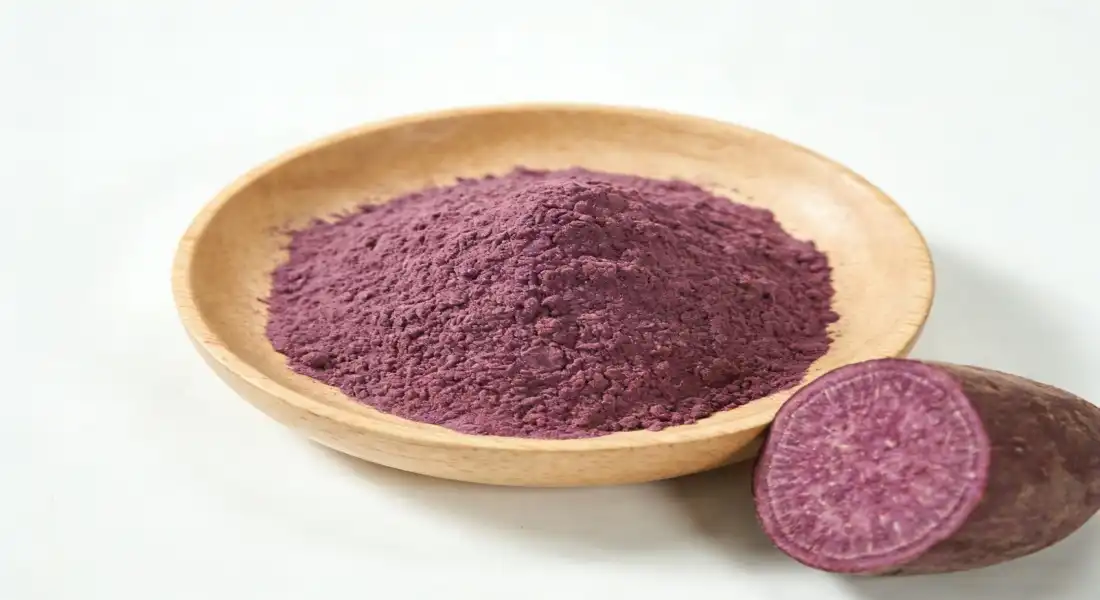
Understanding Pure Purple Yam Powder and Its Market Demand
What Makes Pure Purple Yam Powder Unique
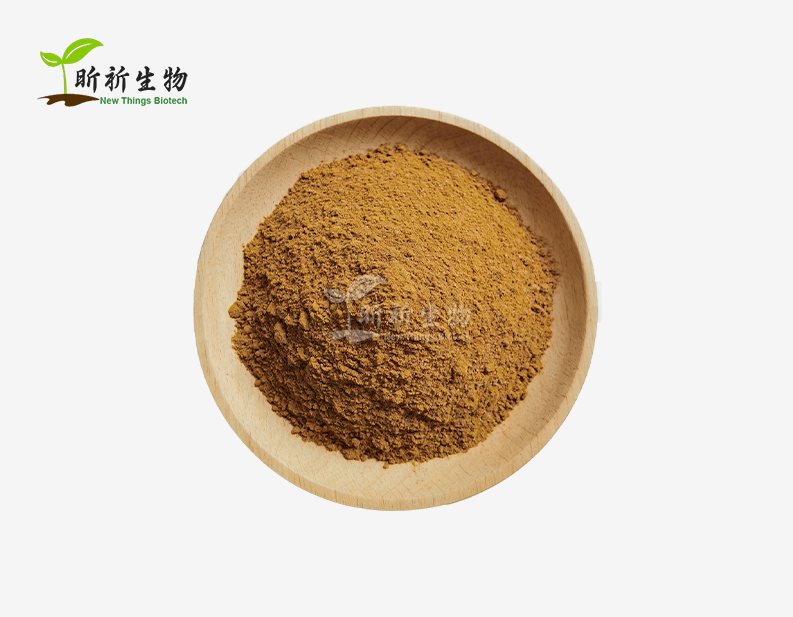
Pure purple yam powder, which comes from Dioscorea alata L., is different from other powders that are similar, like taro or sweet potato powders, because it has a different nutritional profile and a bright natural color. Genuine purple yam has a darker purple color and a softer flavor than taro. It also has more anthocyanins, which are powerful natural antioxidants. The powder has special ingredients like resistant starch, dietary fiber, carbohydrates, vitamin C, and important minerals. These are things that health-conscious people like, and that can be used for many different purposes.
Applications Across Multiple Industries
Because this plant ingredient can be used in many different ways, it has spread to more areas. In the food and drink business, it's used to make healthy drinks, protein shakes, baked goods, ice cream, and meal replacement powders. The makeup industry uses its anthocyanin content to make antioxidant beauty products, and the food supplement industry uses its immune-boosting polysaccharides and digestive health benefits. This appeal across industries is what makes procurement professionals look for sellers who can offer quality and purity on a large scale.
Market Growth and Buyer Expectations
The need for natural colorants and plant-based useful ingredients is growing quickly around the world, especially in the gluten-free and clean-label product categories. Transparency, sustainability, and verified nutritional value are becoming more important to consumers, and these standards have a direct effect on B2B sourcing factors. To keep up with changing regulatory standards in foreign markets, procurement professionals are now looking for partners who can provide full traceability, strong quality documentation, and quick technical help.
Criteria for Evaluating Purple Yam Powder Manufacturers
Certifications That Signal Quality and Compliance
When looking at possible providers, certifications are the best way to tell right away how reliable they are and how well they follow the rules. Getting ISO 9001 approval shows that a company is dedicated to quality management systems and consistent output methods. Certifications like Kosher and Halal make it easier for goods to reach more people and appeal to specific groups of people around the world. Food safety routines and industrial hygiene standards are even more solidified by HACCP and GMP certifications.
Reliable makers keep their paperwork up to date and are happy to share information about their certifications right away. NT Biotech has been providing plant products for more than 10 years and has ISO 9001, Kosher, and Halal certifications, which show that they strictly follow international quality standards. These references make sure that the pure purple yam powder you buy meets the standards of the places you want to reach.
Production Capacity and Scalability
Reliable providers keep enough stock on hand to meet both short-term needs and long-term growth. Companies that have established networks for getting raw materials and high-tech centers for extraction can increase output without lowering quality. When looking at capacity, you should find out what the minimum order quantity is, how long the normal production cycle is, and how much inventory is kept for standard goods.
As a flexible partner, a good one should be able to quickly fill orders for in-stock items (within one to three business days) and give acceptable wait times for production orders (three to ten business days). This combination makes sure that you can take advantage of market opportunities quickly while keeping the supply chain stable.
Transparent Pricing and Value Assessment
Price transparency includes more than just the cost per kilogram. It also includes things like premiums for organic certification, special packing, and transportation plans. Suppliers who clearly explain cost structures, such as where to get raw materials, how to remove them, how to test them, and how to ship them, show skill and build trust.
When you buy in bulk, volume savings and long-term contract terms can help you save a lot of money. Manufacturers that offer flexible payment options, such as accepting local currencies, make foreign trade even easier and lower financial problems in the partnership.
Supplier Reputation and Customer Feedback
Verified customer reviews, industry references, and comments from third parties can tell you a lot about a company's dependability, product quality, and customer service. People who work in procurement should look for examples of relationships that have worked well in their field, whether it's food ingredients, cosmetics, or dietary supplements.
Suppliers that have been around for a while can show their knowledge through academic white papers, application advice, and formulation support. A maker with a skilled research and development team can help you get the most out of the ingredients in your product, which is strategic value that goes beyond just providing materials.
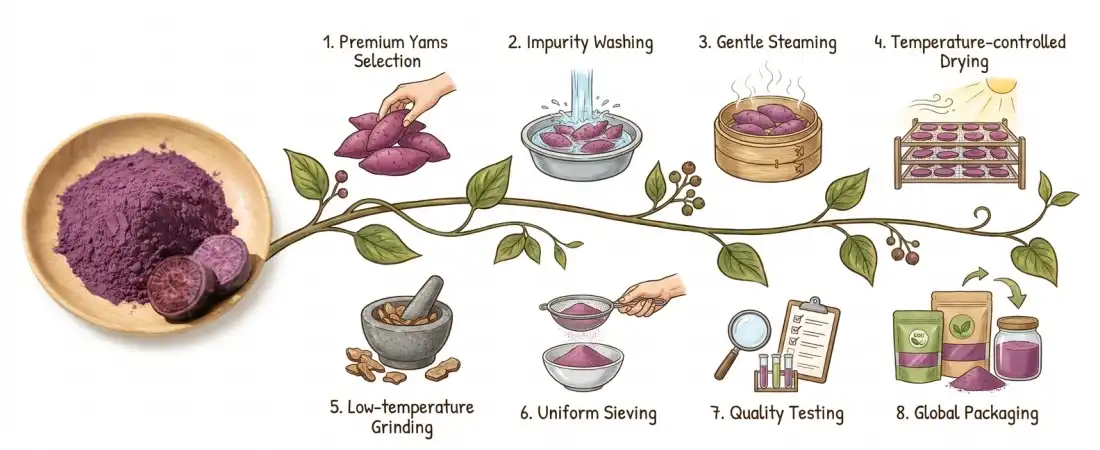
Comparing Types of Purple Yam Powder for Procurement Decisions
Nutritional Content and Functional Properties
Knowing how different yam-based powders stack up lets you match them perfectly to your needs. Pure purple yam powder has higher amounts of anthocyanins than taro powder. This makes it perfect for goods that highlight antioxidant benefits and bright natural color. Even though sweet potato powder is healthy, it doesn't have the same depth of purple color or resistant starch content.
Functional substances in pure purple yam powder, such as diosgenin, carbohydrates, and dietary fiber, help the immune system work well, keep the digestive system healthy, and keep the metabolism in balance. These qualities make it a good choice for making useful foods and vitamin supplements for people who care about their health.
Color Stability and Sensory Profile
For quality control and brand image, color uniformity between batches is very important. When processed and milled at the right low temperatures, high-quality pure purple yam powder keeps its unique purple color. Suppliers who use modern drying methods keep both the natural color and the bioactive substances that make the product useful.
Real pure purple yam powder has a mild, slightly sweet taste that goes well with a wide range of foods and drinks, from protein shakes and smoothie mixes to baked goods and dairy-free options, without overpowering other ingredients. This compatibility with different senses gives formulators artistic freedom while still giving consumers a product they can trust.
Organic Versus Non-Organic Considerations
Organic approval is useful for brands that want to reach high-end customers and people who want to make sure their food doesn't contain any pesticides. However, organic status usually comes with higher prices because of the need for controlled farming, the licensing process, and lower crop returns.
Pure purple yam powder from non-organic sources still meets strict safety standards and has the same nutritional values as organic powder. When choosing between organic and non-organic choices, you should think about your target market's price sensitivity and how you want to talk about natural products in your brand.
How to Verify Supplier Authenticity and Avoid Common Pitfalls
Red Flags That Signal Unreliable Partners
Several red flags point to possible source risks. If your licensing paperwork isn't clear or is out of date, it makes you wonder about your current compliance status. Changes in color, taste, or moisture content between batches show that the quality standards aren't working well or that the raw materials aren't coming from a reliable source.
If a manufacturer won't give you samples of their products, Certificates of Analysis (CoA), or full specs, it could mean they don't trust their quality processes. Also, prices that are too cheap usually mean that the quality has been lowered, fillers have been added that aren't revealed, or the processing methods used were not up to par, which makes the ingredients less useful.
Practical Authentication Steps
Asking for sample batches before placing large orders lets you directly check how the product looks, how well it dissolves, how it tastes, and how well it works in your specific application. Suppliers you can trust will give you free samples and detailed scientific data sheets with information like the mesh size (usually 80 mesh for fine powder), the moisture content, and the results of microbe tests.
By ordering independent laboratory testing through recognized third-party centers, you can make sure that the specs given for pure purple yam powder are correct and spot any signs of possible adulteration. Standard food safety panels check for heavy metals, chemical residues, and microbial pollution, while HPLC testing proves the amount of anthocyanin present.
Establishing Clear Contractual Terms
Strong relationships are based on clear agreements that spell out things like quality standards, supply times, stable prices, and ways to settle disagreements. Key factors, such as color value, active compound concentrations, and physical traits, should be allowed for differences in contracts.
Quality promises that cover possible problems, like batch rejects, replacement policies, and payment terms, keep your business running smoothly. Technical support after the sale, such as help with formulation and problems, adds value that lasts beyond the initial purchase.
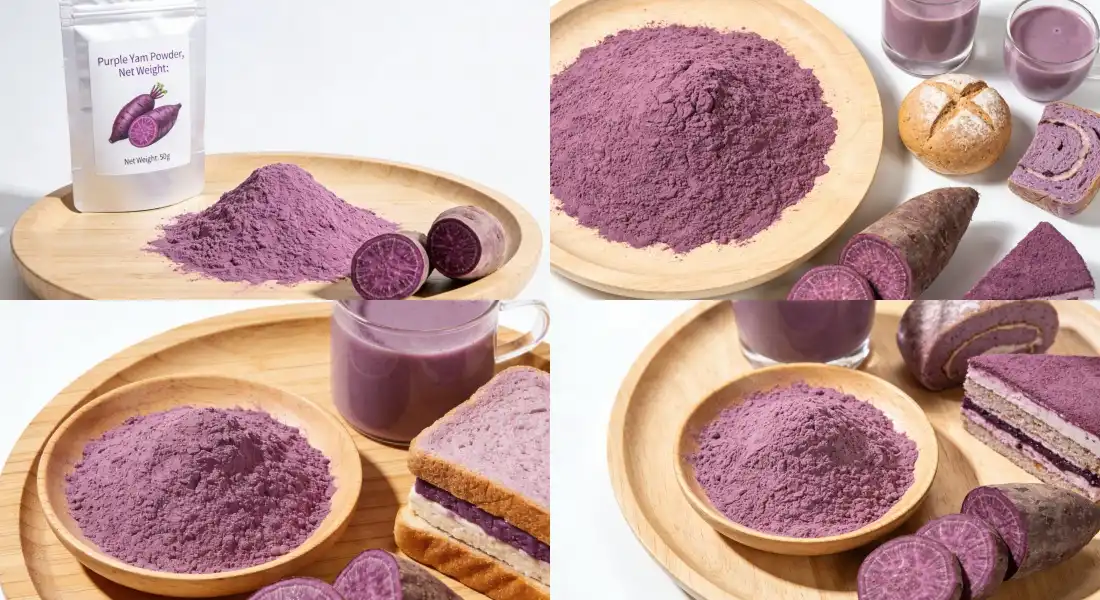
Best Practices in Negotiating and Purchasing Pure Purple Yam Powder
Leveraging Volume and Long-Term Commitments
Bulk buying deals can save you a lot of money and give you priority access to supplies when demand is high or raw materials are scarce. Long-term contracts give manufacturers a way to predict their income, and in return, they often offer better prices, faster production schedules, and dedicated account management.
By negotiating multi-year contracts with regular price reviews, you can protect yourself from changes in the market while still being able to change amounts as your business grows. Because of these strategic relationships, suppliers can invest in growing their capacity and making process changes, which will help the quality of your products in the long run.
Optimizing Shipping and Storage Solutions
Flexible transportation plans make sure that the product stays fresh and effective throughout the whole delivery chain. Experienced sellers offer a range of shipping options, including fast courier for small orders that need to be sent quickly, air freight for medium amounts that need to be sent quickly, and sea freight for large packages that need to be sent as cheaply as possible.
When manufacturers keep standard orders in ready stock, they can fill them within two to four days of receiving payment proof. This lowers the costs of keeping inventory and makes just-in-time production methods possible. Customized packaging choices, such as 1 kg retail bags and 10 kg bulk boxes, allow for a range of operating sizes and lower the need for handling.
Identifying Trusted Manufacturing Partners
Leading makers set themselves apart by offering full-service environments that include everything from growing raw materials to helping with applications. NT Biotech is a good example of this method because it has self-sufficient planting networks, cutting-edge extraction facilities, and helpful foreign sales teams.
Their special low-temperature processing methods keep the natural color, taste, and useful chemicals of Dioscorea alata roots. This makes pure purple yam powder (80 mesh) that can be used in new foods today. They deal with the practicalities of modern supply chain management by guaranteeing answers to initial inquiries within two hours and offering a wide range of OEM customization options.
The company has been providing plant products to the food, beverage, nutrition, cosmetics, and animal feed businesses around the world for ten years. This shows that they have the technical knowledge and dependability that procurement professionals look for. Their advanced research and development team helps with creation, and strict quality control procedures and full certificate of analysis (CoA) paperwork make sure that each batch is the same.
Initiating Productive Supplier Dialogues
Communication that works well is the key to building relationships that work. When you approach possible suppliers, be sure to be clear about your application needs, goal specs, expected volume, and delivery dates. Manufacturers can give accurate quotes and find possible customization opportunities when you ask for them in detail at the start.
By asking for technical advice, you can find out how knowledgeable the company is and how willing they are to work with you to solve formulation problems. Manufacturers who take the time to learn about your specific needs, like keeping the color stable in acidic drinks, making it easy for protein shakes to mix, or making sure baked goods don't lose their flavor, show that they care about your success in more ways than one.
Conclusion
There are a lot of things to think about when looking for a reliable pure purple yam powder maker. These include certifications that make sure they follow the rules, production capacity that allows for growth, clear pricing that shows what the product is really worth, and a reputation that has been built on consistent performance. Sample testing, independent analysis, and process audits are some of the ways that good procurement professionals make sure that sellers are who they say they are. They also set up contractual frameworks that protect quality and delivery promises. Strategic relationships with experienced makers that offer technical support, flexible logistics, and quick communication can turn getting ingredients from a job that needs to be done into a competitive advantage that drives new products and market differentiation.
FAQ
1. What is the difference between purple yam powder and ube powder?
Ube powder and pure purple yam powder are both made from the same plant, Dioscorea alata L. This type of purple yam is called "ube" in Filipino. Southeast Asian dishes have made it famous around the world. Check the scientific name when you buy to make sure you get real Dioscorea alata and not purple sweet potato (Ipomoea batatas), which some sellers mistake for ube.
2. How can I verify the purity of purple yam powder?
Ask your provider for Certificates of Analysis (CoA) that show HPLC or UV spectroscopy data that prove the presence of anthocyanin and no synthetic colorants. Request tests from a third-party lab to make sure the requirements are met. A good powder has a deep purple color, a fine texture (80 mesh or smaller), and a slight sweetness that isn't accompanied by smells or clumping that could mean it has too much water or is contaminated.
3. What certifications should I prioritize when sourcing for the U.S. market?
ISO 9001 shows that a quality management system is being followed, and FDA registration (which isn't required for ingredients) shows that you know how U.S. regulations work. Organic approval based on USDA guidelines is appealing to high-end markets. Kosher and Halal licenses make it easier to sell products. When it comes to food supplements, companies that follow GMP guidelines meet FDA standards for the safety and quality of the ingredients.
Partner with NT Biotech for Premium Purple Yam Powder Supply
NT Biotech (Shaanxi New Things Biotech) offers high-quality pure purple yam powder. They have been working with botanical ingredients for over ten years and have a quality commitment that sourcing pros trust. Our pure purple yam powder comes from carefully chosen Dioscorea alata roots and is made using our own special low-temperature methods. It keeps the most anthocyanin content, color, and useful chemicals that you need for your recipes. We are your technical partner as you create competitive goods for food, drink, nutrition, and skincare. We have ISO 9001, Kosher, and Halal certifications, quick response times (inquiries are answered within two hours), flexible delivery options, and full OEM support. Email our foreign sales team at info@newthingsbiotech.com to get free samples, talk about customization options, or find out how our knowledge as a pure purple yam powder provider can help your business.
References
1. Chen, J., & Wang, Y. (2021). Anthocyanins in Purple Yam: Extraction, Stability, and Health Benefits. Journal of Functional Foods, 85, 104623.
2. Rodriguez-Martinez, L., & Singh, P. (2020). Dioscorea alata: Nutritional Composition and Bioactive Compounds. Food Chemistry Review, 12(3), 245-262.
3. Thompson, H. (2022). Natural Food Colorants: Market Trends and Regulatory Considerations for Plant-Based Ingredients. International Food Ingredients Journal, 18(2), 112-128.
4. Liu, M., Zhang, X., & Patel, R. (2021). Quality Control Standards for Botanical Powder Ingredients in Global Supply Chains. Food Quality Assurance Review, 9(4), 334-351.
5. Anderson, K. (2023). B2B Procurement Strategies for Plant-Derived Functional Ingredients. Supply Chain Management in Food Industries Quarterly, 15(1), 78-95.
6. Yamamoto, S., & Nguyen, T. (2022). Processing Technologies for Preserving Anthocyanin Content in Tropical Tuber Powders. Journal of Food Engineering and Technology, 27(6), 891-908.