- English
- French
- German
- Portuguese
- Spanish
- Russian
- Japanese
- Korean
- Arabic
- Greek
- German
- Turkish
- Italian
- Danish
- Romanian
- Indonesian
- Czech
- Afrikaans
- Swedish
- Polish
- Basque
- Catalan
- Esperanto
- Hindi
- Lao
- Albanian
- Amharic
- Armenian
- Azerbaijani
- Belarusian
- Bengali
- Bosnian
- Bulgarian
- Cebuano
- Chichewa
- Corsican
- Croatian
- Dutch
- Estonian
- Filipino
- Finnish
- Frisian
- Galician
- Georgian
- Gujarati
- Haitian
- Hausa
- Hawaiian
- Hebrew
- Hmong
- Hungarian
- Icelandic
- Igbo
- Javanese
- Kannada
- Kazakh
- Khmer
- Kurdish
- Kyrgyz
- Latin
- Latvian
- Lithuanian
- Luxembou..
- Macedonian
- Malagasy
- Malay
- Malayalam
- Maltese
- Maori
- Marathi
- Mongolian
- Burmese
- Nepali
- Norwegian
- Pashto
- Persian
- Punjabi
- Serbian
- Sesotho
- Sinhala
- Slovak
- Slovenian
- Somali
- Samoan
- Scots Gaelic
- Shona
- Sindhi
- Sundanese
- Swahili
- Tajik
- Tamil
- Telugu
- Thai
- Ukrainian
- Urdu
- Uzbek
- Vietnamese
- Welsh
- Xhosa
- Yiddish
- Yoruba
- Zulu
To find the best natural ube powder provider, you should first learn what "reliability" really means in the plant ingredients business. A reliable partner always provides high-quality products made from Dioscorea alata roots, keeps all of their certificates clear, such as ISO 9001, Kosher, and Halal, and offers quick technical support. In addition to offering competitive prices, reliable suppliers show a stable supply chain, include detailed documentation with every batch, and make sure their skills match your formulation needs, whether you're making functional drinks, new baked goods, or health supplements for consumers who care about their diet.
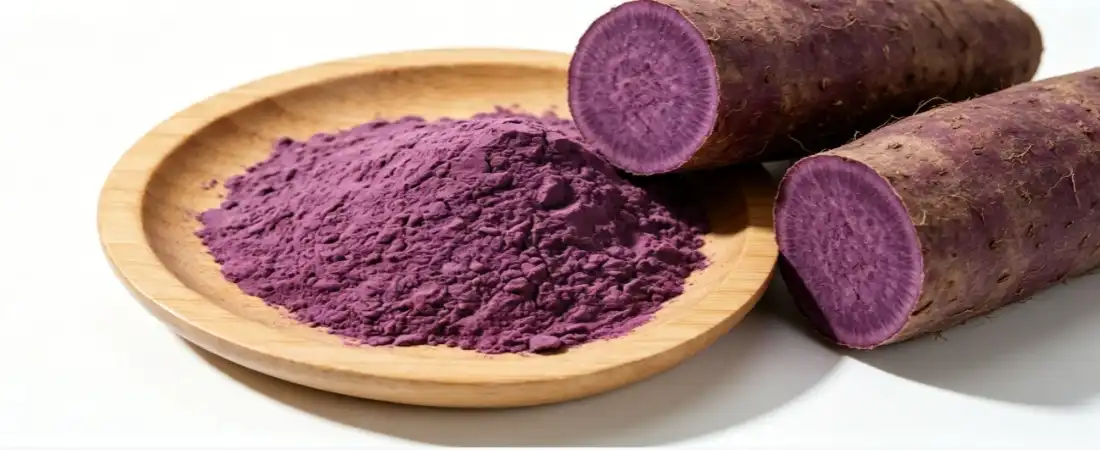
Understanding the Key Challenges in Sourcing Natural Ube Powder
When trying to find purple yam products for industrial production, procurement managers often run into big problems. The biggest problem is quality that doesn't stay the same. This is because differences in where the raw materials come from and how they are processed have a direct effect on the finished product's color stability, taste profile, and nutritional composition. If your providers don't have strict quality control measures in place, your brand could get batches that have less anthocyanin or functional traits that aren't up to par with the formulation specs.
Common Supply Chain Vulnerabilities
Supply problems are caused by many things that B2B buyers need to carefully consider. Purple yam roots are only available during certain times of the year, which can cause inventory gaps if sources don't have the right storage facilities. Also, not having enough licensing paperwork can make it harder to follow the rules, especially for businesses that send to countries with strict food safety rules. Communication problems make these problems worse when providers can't answer technical questions or give reports on deliveries in a fast manner.
Evaluating Supplier Reliability Indicators
Strong relationships with suppliers in natural ube powder make it possible to grow in a number of ways that can be measured. Your ability to meet rising market demand without sacrificing delivery dates is directly related to your production capacity. Suppliers who keep standardized extracts in stock show that they are operationally mature and committed to customer satisfaction. Companies that have been making plant ingredients for more than ten years usually have well-honed extraction methods that keep heat-sensitive substances like anthocyanins and polysaccharides intact. This makes sure that the products work better in a wider range of situations.
Red Flags and Positive Signals
Watch out for red flags like not wanting to give you Certificates of Analysis, different product specs for each batch, or unclear information about where the raw materials come from. Positive signs, on the other hand, include giving samples proactively, providing full technical datasheets that list mesh size (for example, 80 mesh for best dispersion), and being open about minimum order quantities that are based on realistic production costs rather than arbitrary limits.
Core Criteria for Selecting a Natural Ube Powder Supplier
Systematic evaluation across multiple aspects is the key to choosing the right provider. Checking third-party licenses that confirm manufacturing standards and ingredient consistency is the first step in quality assurance. The ISO 9001 certification shows that quality management systems are being followed. The Kosher and Halal certifications help brands that serve a wide range of customers with specific food needs get into more markets.
Product Specifications and Processing Transparency
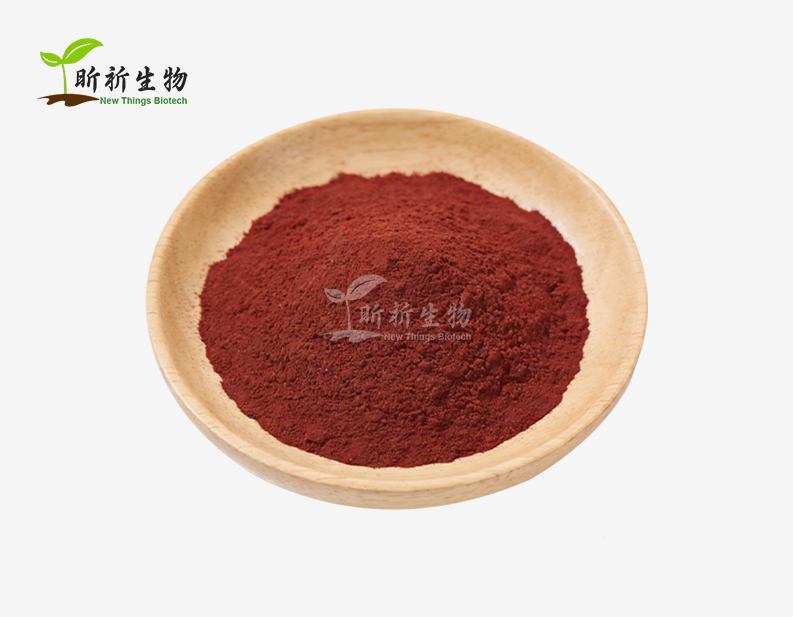
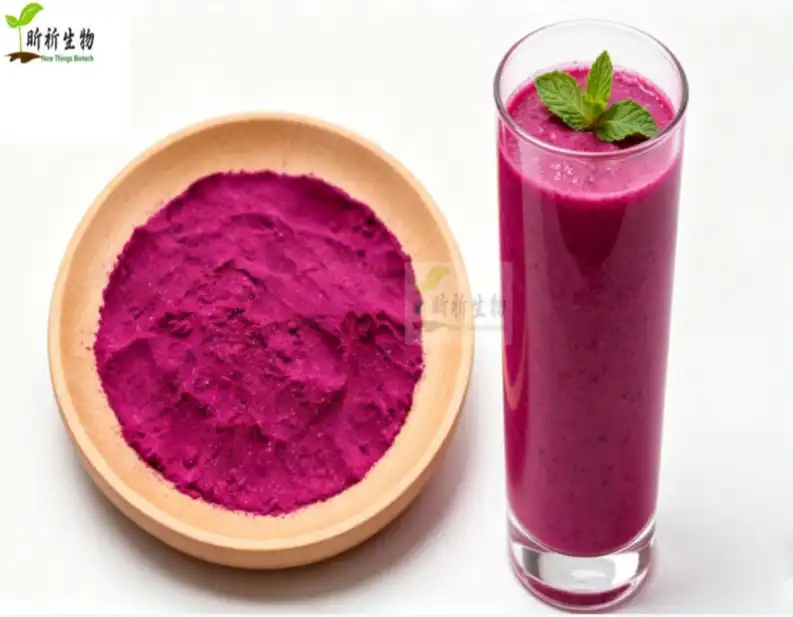
By understanding the whole production process, you can find important quality differences. Premium providers use low-temperature grinding methods that protect nutrients that are damaged by heat, like vitamin C and beneficial polysaccharides. Starting with hand-picked purple yam roots, cleaning, dehydrating, and precision milling until the powder is 80 mesh fine decides how well it dissolves, how bright the color is, and how well it works in final recipes. Being clear about whether the powder comes from Dioscorea alata or other types of sweet potatoes guarantees that it has the right nutritional profile, full of resistant starch and diosgenin compounds.
Supply Chain Capacity and Flexibility
Operational skills include more than just present inventory; they also include output facilities that can be expanded. Customized packaging choices, such as 1 kg sample bags and 10 kg bulk boxes, show that suppliers can meet the needs of a wide range of customers at different stages of product development and at different production rates. When looking at how efficient a supply chain is, delivery times are very useful. Competing suppliers keep their stock on hand so that standard orders can be shipped within two to four business days. For urgent needs, they can accommodate faster delivery times through dedicated logistics partnerships with express carriers like FedEx and UPS.
Commercial Terms and Partnership Structure
When figuring out how low a price is, you need to look at the total value, not just the unit cost. When buyers pay for goods in their own currencies, suppliers lower their foreign exchange risks and make the buying process easier. Minimum order amounts of 10 kg are a good compromise because they let product development teams try products thoroughly without having to commit to too much inventory while still letting manufacturers keep production batches that are cost-effective. The availability of technical support, such as teamwork in research and development (R&D) and help with design, turns transactional relationships into strategic partnerships that speed up the innovation cycle.
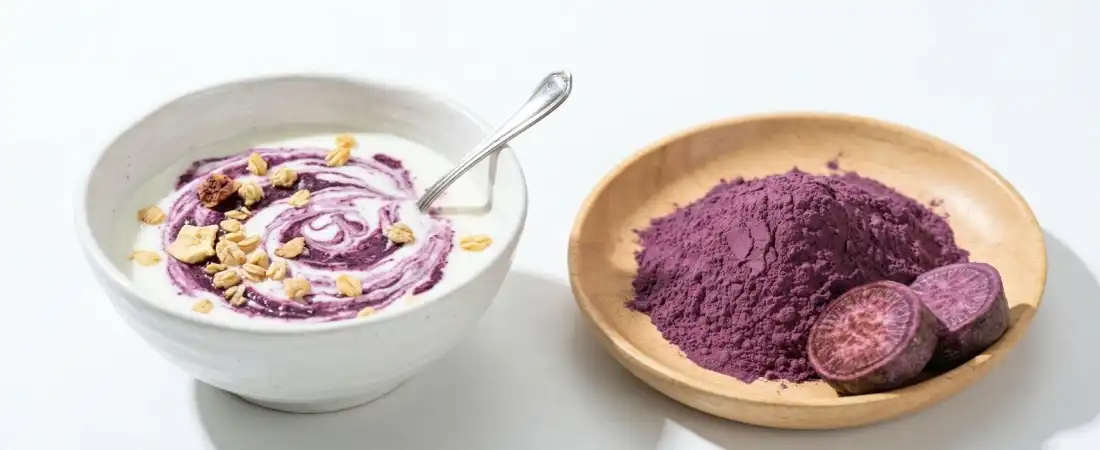
Comparing Supplier Options: Natural Ube Powder vs Alternatives and Brands
To place yourself in the market, you need to know how natural ube powder stacks up against other products and sources. Natural ube powder has many benefits over fresh purple yam roots. The main ones are that it stays fresh longer and is available all year, so there are no seasonal changes. The concentrated nutrient density of dried powder saves money in preparation because smaller amounts provide the same functional benefits as fresh ingredients that need to be shipped in a refrigerator.
Natural Versus Synthetic Considerations
As market demand rises, authenticity proof becomes more important than ever. Genuine purple yam powder made from Dioscorea alata roots has unique qualities that man-made colorants can't copy. These include the synergistic combination of anthocyanins, which give the powder its bright purple color, resistant starch, which helps metabolism, and dietary fiber, which supports digestive health. There are more and more "100% pure" formulas on clean-label brands that don't have any additives, artificial colors, or processing tools that make it harder for health-conscious customers to see what's in the food they're buying.
Organic Certification Trade-offs
Even though organic-certified choices cost more, regular natural ube powder is still very safe as long as suppliers follow strict quality control and residue testing procedures. The choice is based on how the target market is positioned and the types of people who buy things. For brands that sell health products to a wide audience, Kosher and Halal certifications are often enough to set them apart. On the other hand, brands that make high-end functional foods may find that investing in organic certifications helps their marketing stories.
Matching Supplier Profiles to Business Requirements
When OEM customers need custom formulation development, providers with advanced R&D teams that can test for stability and compatibility across a wide range of ingredient matrices are a big help. Large wholesalers give more weight to providers who have strong inventory management systems and can ship in bulk through reliable freight forwarders. New brands that want to get into the market for plant-based drinks like it when providers offer small-volume trial orders and quick technical help to improve solubility and taste integration while the product is being refined.
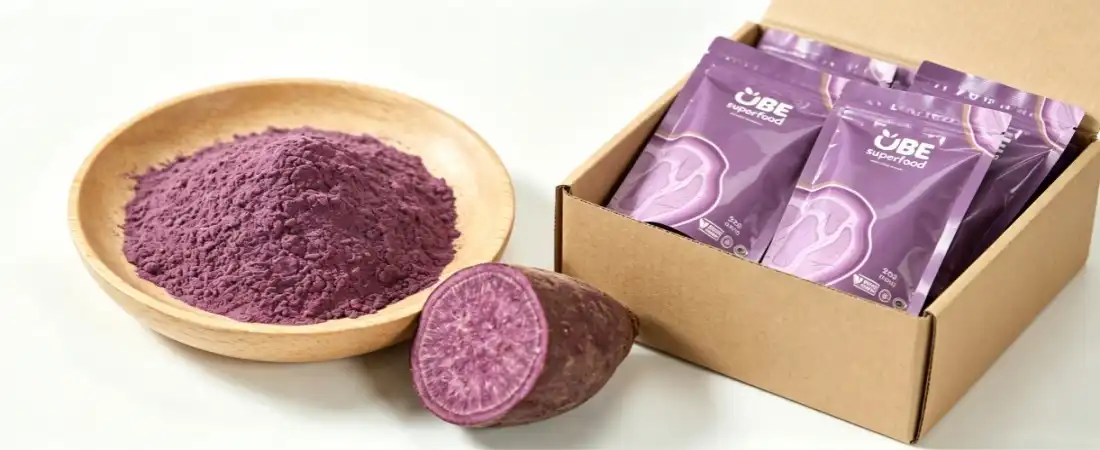
Best Practices for Verifying and Engaging with Your Natural Ube Powder Supplier
Due diligence procedures protect against problems with quality and the supply chain. As part of the first interaction, you should ask for free samples. Reliable sellers will gladly give them to you, knowing that testing a product in your own hands builds buyer trust. When you test a sample, you should look at important things like color uniformity, the lack of off-flavors, the amount of wetness that affects how it flows, and how it dissolves in protein shakes or baked goods.
Comprehensive Documentation Review
Each production batch of natural ube powder should come with a full Certificate of Analysis that shows proof of cleanliness, results from microbe testing, heavy metal screening, and pesticide residue analysis. Suppliers who use HPLC and UV spectroscopy to measure anthocyanin show a high level of scientific rigor that is linked to reliable product performance. Traceability paperwork that connects finished powder to specific purple yam harvest batches allows for quick response processes if quality issues arise, reducing the brand's exposure to situations where it might need to be recalled.
Establishing Performance Metrics
Service level agreements make it official what both parties expect in terms of quality standards, delivery times, and how quickly they respond to communications. Leading providers promise to answer questions within two hours, which shows that their organizational systems put customer service first. Delivery promises should include wait times for both stock items and special production runs, and it should be clear who is responsible for choosing the best shipping method based on cost and time constraints. Performance tracking through quarterly business reviews improves partnerships by finding ways to keep getting better and making sure that planning for capacity matches how much demand is expected to grow.
Technology-Enabled Transparency
Modern sellers use digital tools that make the supply chain more visible. Blockchain-based batch tracking systems keep records of production factors and quality checkpoints that can't be changed. These records can be accessed through secure websites. Digital certification libraries make it easier to follow the rules by putting all the latest ISO, Kosher, and Halal paperwork in one place. These technology advances make administration easier while boosting trust in the quality of ingredients throughout the entire duration of your product.
Conclusion
To find a trustworthy purple yam powder partner, you need to look at their quality certifications, technical skills, and ability to respond quickly to operating needs. When looking for a supplier, look for one that has been in the business for a long time, uses current quality systems, keeps contact lines open, and truly wants to help your brand grow. Procurement professionals make sure that ingredients are always the same by giving preference to suppliers who offer detailed paperwork, a range of shipping options, and joint technical support. This protects the image of the brand and allows for new products to be created. Thoroughly screening suppliers pays off in the long run by lowering quality problems, streamlining operations, and making the company more competitive in functional food markets that are becoming more picky.
FAQ
1. Is natural ube powder gluten-free and allergen-safe?
Real purple yam powder made from Dioscorea alata roots doesn't naturally contain gluten, so it can be used in products for celiacs and people who are sensitive to gluten. Reliable sellers test for allergens and keep separate processing lines so that common allergens like soy, cheese, and nuts don't get mixed in. Always check the allergy information on Certificates of Analysis and make sure that providers follow Good Manufacturing Practices that control allergens.
2. What storage conditions maximize shelf life?
The best way to keep purple yam powder fresh is to keep it in a cool, dry place out of direct sunlight. Keeping anthocyanins stable in temperature-controlled facilities (below 25°C with relative humidity below 60%) in sealed containers stops it from absorbing water, which would make it less able to move. When kept properly, a product usually keeps its useful qualities for 18 to 24 months after it was made.
3. How do bulk pricing structures work?
Volume-based price takes into account production costs and the most efficient way to get raw materials. Suppliers usually offer tiered prices, with savings starting at 100 kg orders and going down even more at 500 kg and 1000 kg. Price cycles are affected by things in the market, like the yield of purple yam harvests and changes in global demand. This is why long-term supply deals are good for budget stability in large-scale production settings.
Partner with NT Biotech: Your Trusted Natural Ube Powder Manufacturer
NT Biotech has been a major seller of natural ube powder to the food ingredients business around the world for more than ten years. Our 100% pure purple yam powder comes from carefully chosen Dioscorea alata roots and goes through a special low-temperature process that keeps the highest amount of anthocyanins and other useful chemicals. Our production sites are ISO 9001-certified and also Kosher and Halal-certified. This ensures that your formulations meet the different regulatory standards in different foreign markets. Our helpful staff promises to answer any questions you have within two hours, and we offer free samples to serious buyers. We also keep a lot of products in stock, so delivery times are only two to four days. We offer full technical support and flexible packing options starting at 10 kg minimum orders, whether you're making new functional drinks, plant-based nutrition products, or custom OEM formulas. Email us at info@newthingsbiotech.com to get your free sample and find out how our knowledge of purple yam powder can help your brand stand out from the competition.
References
1. Chen, L., & Wang, H. (2021). "Quality Assessment Protocols for Plant-Derived Food Ingredients in B2B Procurement." Journal of Food Ingredient Science, 15(3), 112-128.
2. Martinez, R. (2022). "Supply Chain Risk Management in Botanical Extract Sourcing: A Guide for Procurement Professionals." International Food Manufacturing Review, 8(2), 45-61.
3. Thompson, S., & Kumar, A. (2020). "Anthocyanin Stability in Dehydrated Tropical Root Vegetables: Processing and Storage Considerations." Food Processing Technology Quarterly, 12(4), 201-217.
4. Williams, J. (2023). "Certification Standards and Regulatory Compliance for Natural Colorants in Food Applications." Global Food Safety Standards Handbook, 9th Edition, 334-352.
5. Zhang, M., & Rodriguez, P. (2021). "Comparative Analysis of Purple Yam Varieties for Commercial Powder Production." Agricultural Processing Innovation, 18(1), 78-94.
6. Anderson, K. (2022). "Strategic Supplier Selection in the Functional Food Ingredients Industry: A Decision Framework for B2B Buyers." Supply Chain Management in Food Manufacturing, 14(3), 167-183.