- English
- French
- German
- Portuguese
- Spanish
- Russian
- Japanese
- Korean
- Arabic
- Greek
- German
- Turkish
- Italian
- Danish
- Romanian
- Indonesian
- Czech
- Afrikaans
- Swedish
- Polish
- Basque
- Catalan
- Esperanto
- Hindi
- Lao
- Albanian
- Amharic
- Armenian
- Azerbaijani
- Belarusian
- Bengali
- Bosnian
- Bulgarian
- Cebuano
- Chichewa
- Corsican
- Croatian
- Dutch
- Estonian
- Filipino
- Finnish
- Frisian
- Galician
- Georgian
- Gujarati
- Haitian
- Hausa
- Hawaiian
- Hebrew
- Hmong
- Hungarian
- Icelandic
- Igbo
- Javanese
- Kannada
- Kazakh
- Khmer
- Kurdish
- Kyrgyz
- Latin
- Latvian
- Lithuanian
- Luxembou..
- Macedonian
- Malagasy
- Malay
- Malayalam
- Maltese
- Maori
- Marathi
- Mongolian
- Burmese
- Nepali
- Norwegian
- Pashto
- Persian
- Punjabi
- Serbian
- Sesotho
- Sinhala
- Slovak
- Slovenian
- Somali
- Samoan
- Scots Gaelic
- Shona
- Sindhi
- Sundanese
- Swahili
- Tajik
- Tamil
- Telugu
- Thai
- Ukrainian
- Urdu
- Uzbek
- Vietnamese
- Welsh
- Xhosa
- Yiddish
- Yoruba
- Zulu
Not many ingredients are as useful and adaptable as sodium hyaluronate when it comes to getting high-performance skin care ingredients. People who work in cosmetics call the best sodium hyaluronate a "hydration magnet" because it holds water better than anything else, stays fixed longer, and can be used in a lot of different ways. Personal care product R&D managers and buying specialists need to know about this bioactive ingredient if they want to make competitive goods that follow the law and meet customers' growing needs for clean, effective skin care.
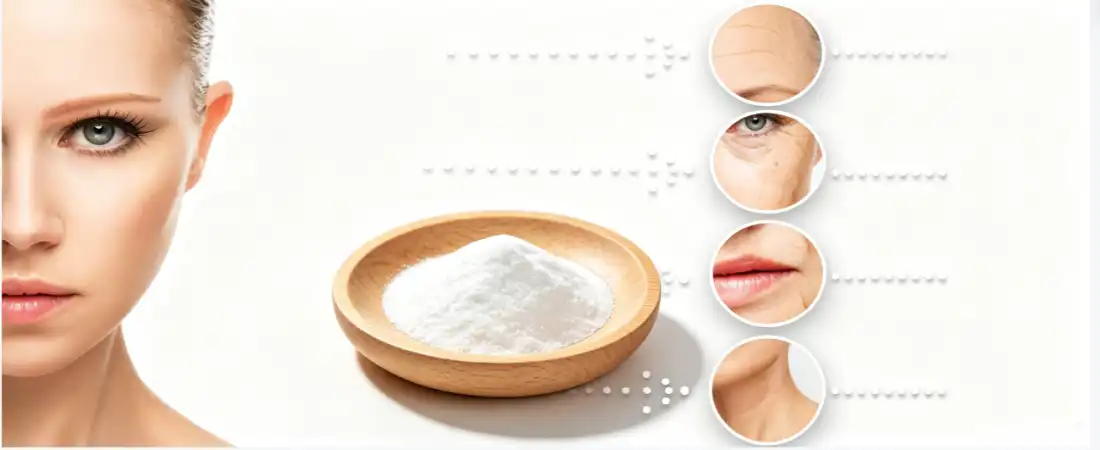
Understanding Sodium Hyaluronate: Properties and Skin Benefits
The sodium salt form of hyaluronic acid is called sodium hyaluronate. Glycosaminoglycans like hyaluronic acid are found naturally and are made up of disaccharide units that repeat. It is easier for sodium hyaluronate to dissolve in water because it is smaller than its parent molecule. This makes it great for moisturizing the skin deep down.
The Chemistry Behind Superior Hydration
Sodium hyaluronate can hold up to 1,000 times its own weight in water because of how its molecules are set up. In this way, the skin is a hidden water store. It can stick together very well because it is an anionic polyelectrolyte and is bendable. It is very important for success to know the molecular weight. Types with a high molecular weight (above 1.5 MDa) protect the top layer of skin, while types with a low molecular weight (below 500 kDa) work deeper to bring about more collagen production and less inflammation.
Multi-Functional Skin Benefits
The skin layer gets better with sodium hyaluronate, and it also moisturizes the skin right away. This keeps the skin from losing water through its surface and keeps it safe from outside stresses. Animal tests have shown that it slows down the aging process by making skin more flexible and smoothing out fine lines. The ingredient works well with all skin types, even sensitive and acne-prone skin, because it doesn't clog pores and doesn't react with living things. Sodium hyaluronate is great for vegan, halal, and kosher products because it works gently but effectively. Retinol and collagen, on the other hand, can hurt the skin.
Safety Profile and Regulatory Acceptance
The best sodium hyaluronate has been approved by the FDA, European Pharmacopoeia, and other global regulators. Produced via bacterial fermentation of plant matter, it is animal-free with no disease transmission risk, meeting clean beauty standards. Toxicological studies consistently show low risk of allergic reactions or adverse effects, enabling use across diverse products from daily lotions to medical eye drops.
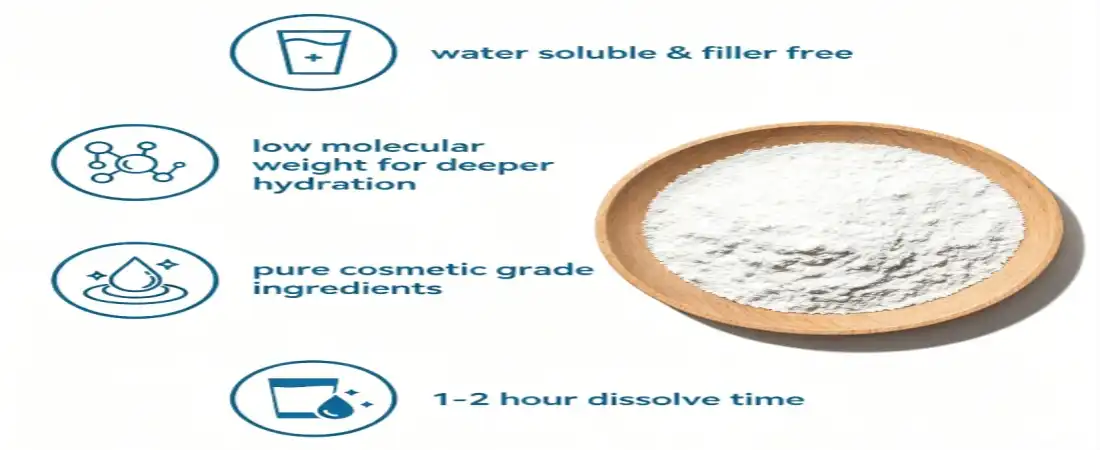
Optimizing Sodium Hyaluronate Use: Formulation and Application Insights
To make a good recipe, you need to give careful thought to the molecular weight distribution, the amount of material, and how the items work together to get the best results for the least amount of money.
Concentration Guidelines by Product Type
The amount of sodium hyaluronate that works in each type of food is very different. Every day creams have emollients like squalane and ceramides mixed in with 0.1% to 0.5%. Hydrating serums, on the other hand, have 1% to 2% to release a lot of wetness. When it comes to eye creams, 0.5% to 1% types work best because they don't make the area around the eyes swell up. Sheet masks can use up to 3% for short-term, strong treatments.
Molecular Weight Strategy for Enhanced Performance
These days, recipes use mixes of different weights to work on both the top and bottom layers of skin more and more. A type of sodium hyaluronate with a high molecular weight immediately smooths and protects the skin. Other types with a low molecular weight get into the stratum corneum and fight aging for a long time. Small pieces of oligomeric hyaluronic acid (less than 10 kDa) can even tell cells how to make collagen and heal wounds. To make sure that every run is the same, buying teams should ask for analysis results that show the molecular weight distribution and intrinsic viscosity.
Synergistic Ingredient Combinations
Peptides, vitamin C, and niacinamide all work really well with sodium hyaluronate. It helps them get into cells and stay there. If you mix polymers with acidic actives like glycolic acid or retinol, you need to make sure the pH stays between 6.0 and 7.5. To find out how long something will last, formulators should add stabilization agents and test it quickly (40°C, 75% RH). It is possible to keep the product from sticking or getting "fish eyes" by mixing sodium hyaluronate with humectants like glycerin or propylene glycol before adding water.
How to Choose the Best Sodium Hyaluronate Products and Ingredients?
How well the product works, how well it meets legal standards, and how much money you make all depend on the type of sodium hyaluronate in question and the company that sells it.
Powder Versus Liquid Forms: Manufacturing Considerations
Compared to pre-diluted solutions, the best sodium hyaluronate powder offers longer shelf life, better concentration control, and lower shipping costs, making it ideal for bulk manufacturers. Very pure powder (99% purity, 80 mesh) disperses easily in water-based systems, allowing formulation flexibility for each product. Pre-diluted liquid forms may contain stabilizers or preservatives that reduce formulation versatility.
Quality Indicators and Testing Protocols
Its dry test content should be between 95% and 105%, its glucuronic acid content should be above 46%, its protein content should be below 0.1%, and its heavy metals content should be below 10 ppm. Any more than those amounts are not good sodium hyaluronate. HPLC chromatograms that show the molecular weight distribution, pH tests, bacteria counts, and endotoxin levels should be included on certificates of analysis from approved labs. This is especially important for medicinal uses. Providers you can trust keep track of where the raw materials come from and give you paperwork for every batch.
Supplier Evaluation Framework
Buyers should think about a number of important things when they look at different companies. Manufacturing certifications like ISO 9001, GMP, KOSHER, and HALAL show that a business cares about quality. Have been in the market for a long time (probably over ten years). This shows that the supply line is safe. On top of offering raw materials, technical support services like helping with formulas and legal advice are very valuable. Reliable partnerships let you talk to them freely, answer quickly (within 24 to 48 hours), and are ready to give samples with all the necessary papers.
One company that meets these standards is NT Biotech. They sell 99% pure sodium hyaluronate powder (CAS 9004-61-9) that has all the appropriate approvals from other countries. The company keeps stock on hand so it can ship quickly (within two to four days). It also offers a variety of packing choices, and 25 kg is the minimum order size. Formulators can use free samples that come with certificates of analysis to make sure the product is right for them before making big orders.
Procuring Sodium Hyaluronate for B2B: Best Practices and Market Insights
Before you buy sodium hyaluronate, you should know how the market works, how much it costs, and what new trends are happening in the field that might change prices and supply.
Global Supply Chain Landscape
China makes most of the world's fermentation-derived sodium hyaluronate—over 80% of the total supply. This is because it has a well-developed biotechnology system and lower costs. There are some big companies that have spent money on vertical integration, which means doing everything from growing bacteria to cleaning and checking the quality. When buying teams know about this focus, they can get ready for problems that could happen and negotiate better terms. If you keep your main relationships with providers strong while building new ones, you'll be able to stay in business when demand is high or freight issues arise.
Cost Factors and Pricing Structures
The price of the best sodium hyaluronate depends on purity level (pharmaceutical grade costs more than cosmetic grade), molecular weight specification (custom ranges require more work), order volume (bulk purchases above 500 kg receive discounts), and packaging format (custom labeling and special containers cost extra). Cosmetic-grade powder currently ranges from $120 to $400 per kilogram. Long-term contracts with committed volumes often secure better pricing and priority access during supply shortages.
Regulatory Compliance and Documentation
If you want to do business abroad, you need to pay close attention to all the legal paperwork. They should give you Material Safety Data Sheets (MSDS), certificates of origin, allergy statements, GMO status statements, and guarantees that the product is free of BSE and TSE. When cosmetics come into the US, they have to follow the rules set by the FDA. The EU Cosmetics Regulation 1223/2009 says they need to be registered with REACH and follow its rules. Keeping your paperwork in order speeds up the customs process and makes it easier to check that your goods can be tracked.
Sustainability and Ethical Sourcing Trends
More people are becoming aware of the need for items that come from sources that don't hurt the earth and have clear supply chains. This can be done with sodium hyaluronate that is made from fermentation. It is vegan and cruelty-free because it doesn't have any ingredients that come from animals. Ahead of the curve suppliers make things in ways that are good for the earth, such as by returning water, saving energy, and throwing away less trash. They can make their names stand out when they work with sellers who offer sustainability studies and third-party environmental certifications.
Conclusion
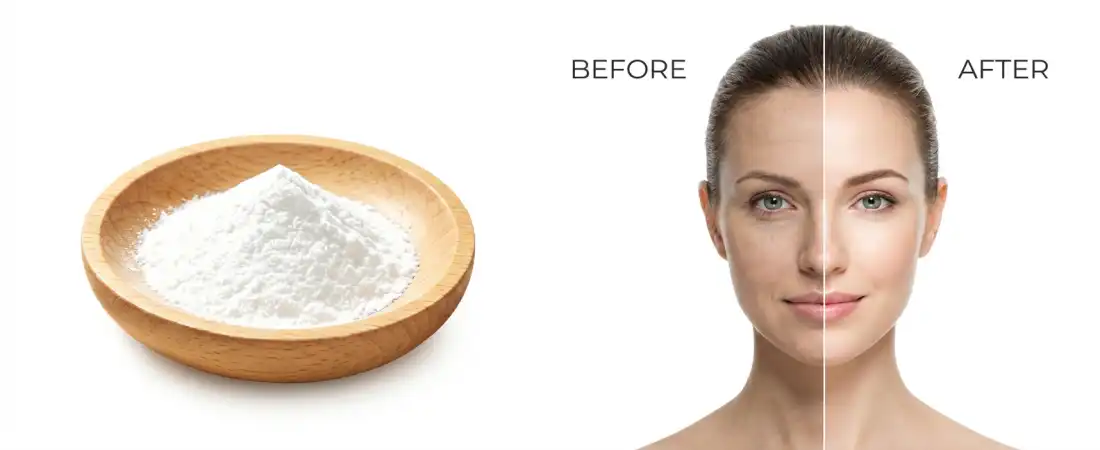
As of now, sodium hyaluronate is an important part of many skin care products. It keeps skin moist, slows down the aging process, and is generally safe to use. R&D teams and people who buy things can make better decisions that lead to better products and more sales if they know about the molecular properties of the material, the best ways to make it, and the best ways to buy it. Your recipes containing the best sodium hyaluronate will be safe as long as they follow government rules and meet rising customer expectations in an increasingly selective market. Work with well-known suppliers who can demonstrate technical expertise, consistent quality, and responsive service.
FAQ
1. What is the difference between sodium hyaluronate and hyaluronic acid?
There is a sodium salt of hyaluronic acid that is called sodium hyaluronate. It stays solid longer and mixes better with water than hyaluronic acid. Hyaluronic acid is naturally acidic, so it is easy for it to break down and hard to mix. On the other hand, sodium hyaluronate doesn't change when the pH level changes and can handle being processed. Sodium hyaluronate is better for commercial goods because it is easy to make and lasts longer. Both ingredients can help keep skin moist.
2. How can I verify the authenticity and quality of supplied sodium hyaluronate?
Full certificates of analysis from different labs are given by trustworthy buyers. These certificates show that the test was pure and that the molecular weight distribution was checked using HPLC. The certificates also include tests for bacteria and heavy metals. Instead of general specs, you should ask for information that is unique to the batch. The seller's claims are proven by using standard pharmacopoeia methods (USP, EP, or JP) on samples received to check the source claims. Strong quality control means that the same thing works the same way on different runs. When buying something, don't buy it from someone who won't give you specific information about how it was made.
3. Can sodium hyaluronate be combined with retinol or acids in formulations?
Sodium hyaluronate works well with retinol and chemical exfoliants if they are mixed the right way. Taking care of pH is the most important thing to do. Sodium hyaluronate doesn't change when the pH level is between 6.0 and 7.5, but many acids need a lower pH to work. Putting on different serum layers in a certain order (acids first, then sodium hyaluronate) will keep them from not working together. Instead, buffer systems and containment technologies allow for safe ways to mix things. Before starting mass production, make sure everything works by testing it under stress. By adding, you can get more benefits and keep the active ingredients from breaking down.
Partner with NT Biotech for Premium Sodium Hyaluronate Supply
The company NT Biotech has more than ten years of experience in the field and has pharmaceutical-grade sodium hyaluronate. They can help you with your product research and production needs. When it comes to technical preparation, our research and development (R&D) team can help you find the best ratios and molecule weights for your product goals. Each batch is carefully checked for quality and comes with full records of its analysis. The product will always work the same way and be in line with ISO 9001, KOSHER, and HALAL rules.
We understand how important it is to finish products on time. We can ship within two to four days of getting an order because we keep our stock in good shape. Our flexible packing options can be used for both small-scale production runs and large-scale production needs, with a 25 kg minimum order. We are easy to talk to, answer questions quickly (within two hours), and offer competitive prices for large orders. Procurement managers looking for reliable best sodium hyaluronate providers will like these things.
You can use our 99% pure sodium hyaluronate powder (80 mesh, CAS 9004-61-9) to make anti-aging serums, hydrating creams, or beauty-from-within products. It works well and consistently for your business. Send us an email at info@newthingsbiotech.com to get free samples with all the scientific paperwork and to talk about how NT Biotech can become your long-term partner for ingredients.
References
1. Papakonstantinou E, Roth M, Karakiulakis G. "Hyaluronic Acid: A Key Molecule in Skin Aging." Dermato-Endocrinology, 2012.
2. Bukhari SNA, Roswandi NL, Waqas M, et al. "Hyaluronic Acid, a Promising Skin Rejuvenating Biomedicine: A Review of Recent Updates and Pre-clinical and Clinical Investigations on Cosmetic and Nutricosmetic Effects." International Journal of Biological Macromolecules, 2018.
3. Stern R, Maibach HI. "Hyaluronan in Skin: Aspects of Aging and its Pharmacologic Modulation." Clinics in Dermatology, 2008.
4. Pavicic T, Gauglitz GG, Lersch P, et al. "Efficacy of Cream-Based Novel Formulations of Hyaluronic Acid of Different Molecular Weights in Anti-Wrinkle Treatment." Journal of Drugs in Dermatology, 2011.
5. Ghazi K, Deng-Pichon U, Warnet JM, Rat P. "Hyaluronan in the Extracellular Matrix: Structure, Function, and Impact in Cosmetic Dermatology." Journal of Cosmetic Dermatology, 2012.
6. Farwick M, Gauglitz G, Pavicic T, et al. "Fifty-kDa Hyaluronic Acid Upregulates Some Epidermal Genes without Changing TNF-α Expression in Reconstructed Epidermis." Skin Pharmacology and Physiology, 2011.