- English
- French
- German
- Portuguese
- Spanish
- Russian
- Japanese
- Korean
- Arabic
- Greek
- German
- Turkish
- Italian
- Danish
- Romanian
- Indonesian
- Czech
- Afrikaans
- Swedish
- Polish
- Basque
- Catalan
- Esperanto
- Hindi
- Lao
- Albanian
- Amharic
- Armenian
- Azerbaijani
- Belarusian
- Bengali
- Bosnian
- Bulgarian
- Cebuano
- Chichewa
- Corsican
- Croatian
- Dutch
- Estonian
- Filipino
- Finnish
- Frisian
- Galician
- Georgian
- Gujarati
- Haitian
- Hausa
- Hawaiian
- Hebrew
- Hmong
- Hungarian
- Icelandic
- Igbo
- Javanese
- Kannada
- Kazakh
- Khmer
- Kurdish
- Kyrgyz
- Latin
- Latvian
- Lithuanian
- Luxembou..
- Macedonian
- Malagasy
- Malay
- Malayalam
- Maltese
- Maori
- Marathi
- Mongolian
- Burmese
- Nepali
- Norwegian
- Pashto
- Persian
- Punjabi
- Serbian
- Sesotho
- Sinhala
- Slovak
- Slovenian
- Somali
- Samoan
- Scots Gaelic
- Shona
- Sindhi
- Sundanese
- Swahili
- Tajik
- Tamil
- Telugu
- Thai
- Ukrainian
- Urdu
- Uzbek
- Vietnamese
- Welsh
- Xhosa
- Yiddish
- Yoruba
- Zulu
It is important to carefully look at purity, molecular weight, source qualifications, and compliance certifications when choosing the best pure hyaluronic acid for your formulations. This guide gives procurement managers, R&D experts, and formulators the tools they need to make smart sourcing choices that balance quality, following the rules, and the reliability of the supply chain. Understanding technical details like the CAS number (9004-61-9), test purity (≥99%), and the best ways to package the product makes sure that it fits easily into the production processes of cosmetics, drugs, or supplements, while still keeping product safety and performance high.
Understanding Pure Hyaluronic Acid: Core Concepts and Benefits
What Makes Hyaluronic Acid Essential for Industrial Formulations?
A naturally occurring glycosaminoglycan called pure hyaluronic acid is made up of repeated disaccharide units of D-glucuronic acid and N-acetyl-D-glucosamine, which can be written as (C14H21NO11)n. Its most important quality is that it can hold up to 1,000 times its own weight in water. Because of this molecular trait, it is essential for use in skin care products, joint health supplements, eye drops, and tissue engineering. The biocompatibility and non-immunogenic characteristics of HA are important to manufacturers because they reduce the risk of adverse responses in both clinical and consumer use.
Functional Benefits Across Application Sectors
Hyaluronic acid powder serves beyond moisturizing cosmetics. Oral HA in dietary supplements supports joint lubrication by replenishing synovial fluid, helping older adults with mobility concerns. Ophthalmic-grade sodium hyaluronate functions as the primary ingredient in artificial tears and surgical fluids. Aesthetic medicine uses high molecular weight HA injectables to smooth wrinkles and add volume. B2B buyers must understand these application-specific requirements when selecting molecular weight and purity standards.
Essential Criteria to Assess When Choosing Pure Hyaluronic Acid
Purity and Molecular Weight: The Foundation of Efficacy
Molecular weight distribution directly affects cellular function and application performance of the best pure hyaluronic acid. Low molecular weight HA (50-300 kDa) penetrates dermal layers for anti-aging serums seeking deep hydration. High molecular weight versions (1.5-2.0 MDa) create occlusive films for barrier repair products. Request HPLC analysis documentation confirming consistent molecular weights for the best pure hyaluronic acid. Controlled fermentation using non-animal Streptococcus strains meets vegan and cruelty-free market requirements while maintaining tight molecular weight ranges for the best pure hyaluronic acid.
Certification Compliance: Navigating Global Regulatory Landscapes
Cosmetic-grade versus pharmaceutical-grade distinctions depend on heavy metal, microbial, and protein residue limits. Kosher and Halal certifications enable supplement brands to reach religious consumer segments. FDA GRAS status or EU Novel Food approval requires extensive manufacturing process documentation. Suppliers should provide Certificates of Analysis showing glucuronic acid (≥46%), pH range (5.0-8.5), and loss on drying (≤10%). Endotoxin testing below 0.5 EU/mg ensures safety for injectable or ophthalmic applications.
Packaging and Logistics Considerations
Bulk packaging affects material handling ease and contamination risk. Standard 25 kg fiber drums with polyethylene inner liners prevent moisture ingress during international shipping. Customized packaging available for smaller test orders or sensitive markets. Procurement must coordinate transportation mode selection balancing cost against delivery speed. Direct FedEx and UPS accounts reduce customs processing by 30-40%. Cold chain solutions protect pharmaceutical-grade shipments during summer months but add 15-20% to freight costs.
Comparing Top Pure Hyaluronic Acid Solutions for Different Business Needs
Pure Hyaluronic Acid Versus Sodium Hyaluronate: Technical Distinctions
Even though they are chemically similar, sodium hyaluronate dissolves better in water and keeps its pH level better than its acid form. The structure of the sodium salt stops precipitation in neutral to slightly alkaline mixtures that are common in creams and lotions. Different costs are caused by extra steps in the reduction process, which usually add 8–12% to unit prices. Formulators choose based on the needs of the final product. Sodium hyaluronate is used most often in water-based solutions and creams, while pure HA is used in acidic peel formulations or specialized medicinal preparations that need exact pH environments.
Matching Molecular Profiles to Target Skin Types
Ultra-low molecular weight HA (under 50 kDa) is good for products for sensitive skin because it keeps the surface from filming over and trapping allergens. Reduced transepidermal water loss has been shown in clinical tests without occlusive side effects. Oily and acne-prone skin types do well with moisturizers with middle molecular weights (300–800 kDa), which don't feel heavy on the skin. High molecular weight blends (above 1.0 MDa) are used by brands that market their goods to older people. These blends have obvious plumping effects 30 to 60 minutes after application, which is backed up by studies that link viscosity to premium product positioning.
Evaluating Supplier Reliability and Service Capabilities
Shaanxi New Things Biotech stands out in producing the best pure hyaluronic acid because its operations are vertically integrated, meaning it grows its own raw materials and delivers finished products. Our independent growing sites ensure consistent quality of the best pure hyaluronic acid, eliminating supply disruptions from seasonal variations or unstable third-party sources. The R&D team continuously conducts stability studies under accelerated aging conditions (40°C/75% RH), providing formulators data on how the best pure hyaluronic acid will perform throughout product shelf life.
Technical help goes beyond simple sets of specs. We work with clients to fix problems with formulations, such as viscosity changes during production scale-up or reactions that don't work well together when acidic actives (vitamin C, alpha-hydroxy acids) are mixed with HA. This partnership method shortens the time it takes to bring new products to market, which gives companies in fast-moving consumer goods categories an edge in markets where new products come out all the time.
Pricing based on volume encourages customers to stay with a business for a long time. Buyers who agree to quarterly orders over 500 kg get savings of up to 18% and are given first choice during times of high demand. Accepting local currencies as payment options gets rid of the costs of hedging foreign exchange, which makes it easier for international buying operations to plan their budgets. Our promise of a two-hour response to inquiries makes sure that technical questions are answered quickly, which is very important when comparing multiple providers with short project deadlines.
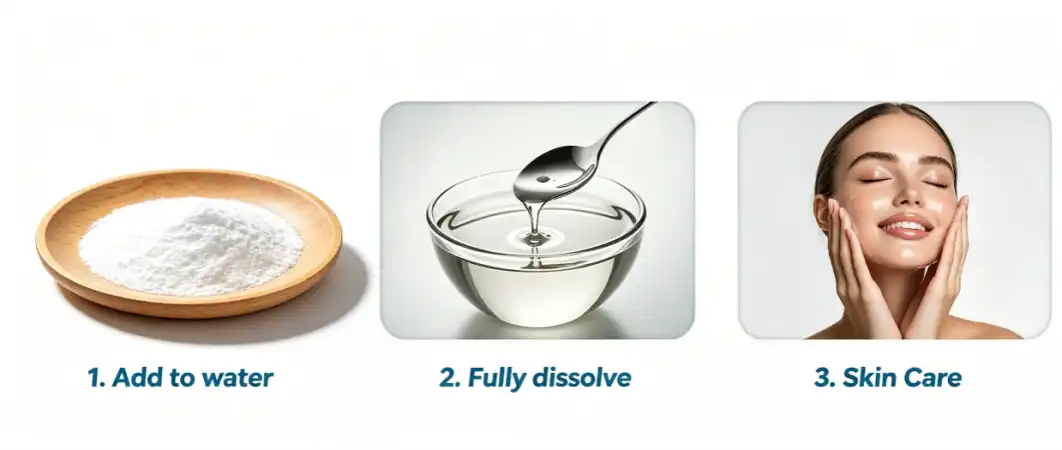
How to Effectively Use Pure Hyaluronic Acid in Your Product Development?
Optimizing Concentration Levels for Target Benefits
When used in cosmetics, HA amounts usually range from 0.1% to 2.0%, which is a balance between how well it works and how thick the formula can be. Professional treatment masks and intense repair serums have higher amounts (3–5%), which is why they cost more because they keep more water in the skin. Oral HA supplements contain between 80 mg and 200 mg of HA per serving, which is in line with clinical studies that shows these doses improve joint satisfaction. Pharmaceutical injectables use carefully controlled concentrations (10–30 mg/mL) that have been proven by testing methods outlined in the USP standard.
Formulators should conduct dose-response studies during product development, evaluating both immediate sensory attributes (skin feel, absorption rate) and long-term stability markers (color shift, viscosity change). Our technical team provides formulation guidelines specific to delivery formats—emulsions require different HA molecular weights than anhydrous oils or powder mixes, optimizing ingredient functionality within each system's chemical environment.
Regulatory Documentation for International Markets
The US Food and Drug Administration (FDA) requires correct concentration levels and chemical declarations using INCI nomenclature (Hyaluronic Acid or Sodium Hyaluronate). The EU Cosmetic Regulation 1223/2009 says that Safety Assessment reports must be made when HA amounts are higher than what is normally used or when they are mixed with penetration boosters that change the way the skin absorbs them. China's new cosmetic registration system (starting in 2021) requires provincial-level filing for foreign goods with HA. This means that CoAs must be translated and manufacturing sites must be inspected.
Pharmaceutical uses are looked at more closely. Injectable HA has to follow the rules set by the European Pharmacopoeia (EP) or the Japanese Pharmacopoeia (JP), which say how much protein it can contain (≤0.1%), how much nucleic acid it can hold, and how much bacterial toxins it can hold. Our pharmaceutical-grade sodium hyaluronate goes through these confirmed tests. This gives us pre-submission paperwork that speeds up regulatory review times by 4 to 6 months compared to materials that need extra testing.
Mitigating Common Procurement Risks
False HA is an ongoing problem in the industry. Materials that have been tampered with and contain cheap fillers (like maltodextrin and modified starches) or molecular weights that don't match the specifications fail to live up to performance promises. Some ways of authenticating are:
1. Carbazole assay testing measures the amount of glucuronic acid present; pure HA gives results between 44 and 48%, while adulterants give results below 35%. Instead of depending only on CoAs given by suppliers, buyers should ask for verification from a third-party lab.
2. Molecular weight confirmation via gel permeation chromatography (GPC) is used to prove the molecular weight by comparing the stated specs with the measured distributions. Discrepancies bigger than ±15% are a sign of poor quality control or deliberate lying.
3. Supplier facility audits look at the infrastructure for fermentation, the tools for purification, and the quality control systems. Video documentation-based virtual inspections are a cost-effective option to on-site trips, especially when the supplier is first being evaluated.
Batch stability concerns appear when sellers get HA from more than one producer, which leads to lot-to-lot variability that makes it hard to make the same formulation again and again. This risk isn't there with our single-site production approach, and full batch records make it possible to follow the product from the fermentation tank to the final packing. Keep samples from each lot you receive for 12 to 18 months. This will make it easier to figure out what went wrong if reports come in from the field after the product has been sold.
Final Decision-Making Framework: Choosing the Best Pure Hyaluronic Acid for Your Business
Aligning Supplier Selection with Strategic Objectives
Buying choices should be based on bigger business goals than just getting the best price per unit. Brands that put a lot of emphasis on sustainability need providers to show that they use green energy, spend in wastewater treatment, and work on circular economy projects. Shaanxi New Things Biotech's plant-based fermentation substrates and solvent recovery systems are 40% better for the environment than options made from petrochemicals. This helps companies meet the ESG reporting standards that investors and customers are looking at more closely.
Innovation-focused companies prioritizing the best pure hyaluronic acid seek suppliers investing in next-generation HA technologies—crosslinked forms for longer release, acetylated derivatives that improve lipid compatibility, or oligosaccharide fractions demonstrating anti-inflammatory bioactivity. Collaborative R&D projects with ingredient suppliers of the best pure hyaluronic acid accelerate development of patent-protected formulations, giving companies defensible market positions against commodity competitors.
Practical Supplier Evaluation Checklist
Systematically assess candidates using weighted criteria matrices addressing technical, operational, and commercial dimensions. Assign priority scores based on your product category requirements:
1. Quality verification includes checking the validity of certifications, making sure that specifications are met across multiple batches, and making sure that data is stable in the right storage circumstances. Ask for aging tests that show the purity and usefulness stayed the same for 36 months at room temperature.
2. Supply chain resilience looks at different ways to get raw materials, gaps for stockpiles against sudden increases in demand, and backup plans for when production is interrupted. Suppliers who keep 60–90 days' worth of finished goods in stock reduce the risk of running out of stock during sudden orders or delays in the delivery process.
3. Commercial terms make sure that prices are competitive while also allowing for flexible payments, rewards for buying in bulk, and defenses against events beyond the parties' control. Multi-year contracts with yearly price changes (CPI-indexed or raw material cost pass-through) keep the budget stable while letting fair value changes happen as market conditions change.
Because NT Biotech has been in the business for ten years, we are better suited as a strategic partner than a transactional provider. Our technical consulting services cover the whole lifecycle of a product, from the original feasibility studies to the optimizations made after the product has been released. Case studies show how collaborative methods cut the time it took for clients to create new formulations by 25–35%. This turned scientific innovation into business success in the cosmetics, pharmaceuticals, and dietary supplements industries.
Conclusion
To find the best pure hyaluronic acid supplier, you need to do more than just compare prices; you also need to look at quality assurance systems, regulatory compliance depth, and technical support capabilities for the best pure hyaluronic acid. Procurement professionals have to weigh the short-term cost pressures against the long-term relationship value, keeping in mind that the quality of the ingredients has a direct effect on the brand's image and the trust of customers. Companies set themselves up for long-term growth in global markets that are very competitive by carefully checking source operating resilience, molecular weight suitability, and purity standards. The models described here help people make smart choices, turning getting raw materials from a tactical buying task into a strategic advantage that drives product innovation and market differentiation.
FAQ
1. What differentiates pharmaceutical-grade from cosmetic-grade hyaluronic acid?
When it comes to protein content (≤0.1% vs. ≤0.5% cosmetic grade), bacterial endotoxin levels (≤0.5 EU/mg), and heavy metal contamination, pharmaceutical-grade HA is more pure. For injectable or eye uses, manufacturing must follow cGMP guidelines and use proven sterilization methods. Cosmetic-grade materials are tested for microbes less thoroughly, so they can be used for topical skin care but not for clean medical devices or invasive treatments.
2. How can buyers verify bulk shipment authenticity?
Ask for samples before they are shipped so that an independent third party can test them using the carbazole method to confirm the amount of glucuronic acid and gel permeation chromatography to confirm the molecular weight. Check the results against the Certificates of Analysis that the seller gave you. Random lot testing should be done after shipping, especially when working with new suppliers. Use blockchain to track the supply chain for sensitive pharmaceutical packages, making records that can't be changed from the time the drugs are made until they are delivered.
3. What molecular weight range suits anti-aging skincare formulations?
Anti-aging products usually have a mix of different molecular weights. Low molecular weight fractions (50–300 kDa) go deep into the skin to boost fibroblast activity and collagen synthesis, while high molecular weight components (1.0–2.0 MDa) form surface films that stop water loss through the epidermis and give instant plumping benefits. Clinical tests show that 70:30 mixes of low- to high-molecular-weight substances at total amounts between 1% and 1.5% give the best results. Talk to formulation scientists to change the amounts based on the structure of the transport system and the active ingredients that work well together.
Partner with NT Biotech for Reliable Hyaluronic Acid Supply
Pharmaceutical and cosmetic-grade hyaluronic acid from NT Biotech is certified as ISO9001, Kosher, and Halal, which meets the high standards that buying professionals expect. Our reputation as the best pure hyaluronic acid seller comes from using specialized extraction technology for more than ten years to make sure that every 25 kg batch is 99% pure and has the same molecular weight. After payment, we can send within 2 to 4 days if the item is in stock, and our OEM services let us change the particle size and packing to fit your production needs. Contact our team at info@newthingsbiotech.com right away to get free samples and technical advice. We can also talk about volume price and give you an edge in the supply chain by working with someone who is dedicated to quality excellence and quick response times.
References
1. Laurent, T.C., and Fraser, J.R. (1992). "Hyaluronan: Structure, Metabolism, Biological Activities, and Therapeutic Applications." FASEB Journal, 6(7), 2397-2404.
2. Stern, R., Asari, A.A., and Sugahara, K.N. (2006). "Hyaluronan Fragments: An Information-Rich System." European Journal of Cell Biology, 85(8), 699-715.
3. Pavicic, T., Gauglitz, G.G., Lersch, P., et al. (2011). "Efficacy of Cream-Based Novel Formulations of Hyaluronic Acid of Different Molecular Weights in Anti-Wrinkle Treatment." Journal of Drugs in Dermatology, 10(9), 990-1000.
4. Bukhari, S.N.A., Roswandi, N.L., Waqas, M., et al. (2018). "Hyaluronic Acid: A Promising Skin Rejuvenating Biomedicine." Saudi Pharmaceutical Journal, 26(7), 1045-1050.
5. Kogan, G., Šoltés, L., Stern, R., and Gemeiner, P. (2007). "Hyaluronic Acid: A Natural Biopolymer with a Broad Range of Biomedical and Industrial Applications." Biotechnology Letters, 29(1), 17-25.
6. Fallacara, A., Baldini, E., Manfredini, S., and Vertuani, S. (2018). "Hyaluronic Acid in the Third Millennium: Molecular, Pharmaceutical, and Biopharmaceutical Aspects." Polymers, 10(7), 701-726.