- English
- French
- German
- Portuguese
- Spanish
- Russian
- Japanese
- Korean
- Arabic
- Greek
- German
- Turkish
- Italian
- Danish
- Romanian
- Indonesian
- Czech
- Afrikaans
- Swedish
- Polish
- Basque
- Catalan
- Esperanto
- Hindi
- Lao
- Albanian
- Amharic
- Armenian
- Azerbaijani
- Belarusian
- Bengali
- Bosnian
- Bulgarian
- Cebuano
- Chichewa
- Corsican
- Croatian
- Dutch
- Estonian
- Filipino
- Finnish
- Frisian
- Galician
- Georgian
- Gujarati
- Haitian
- Hausa
- Hawaiian
- Hebrew
- Hmong
- Hungarian
- Icelandic
- Igbo
- Javanese
- Kannada
- Kazakh
- Khmer
- Kurdish
- Kyrgyz
- Latin
- Latvian
- Lithuanian
- Luxembou..
- Macedonian
- Malagasy
- Malay
- Malayalam
- Maltese
- Maori
- Marathi
- Mongolian
- Burmese
- Nepali
- Norwegian
- Pashto
- Persian
- Punjabi
- Serbian
- Sesotho
- Sinhala
- Slovak
- Slovenian
- Somali
- Samoan
- Scots Gaelic
- Shona
- Sindhi
- Sundanese
- Swahili
- Tajik
- Tamil
- Telugu
- Thai
- Ukrainian
- Urdu
- Uzbek
- Vietnamese
- Welsh
- Xhosa
- Yiddish
- Yoruba
- Zulu
Procurement managers and people who make skin care products need to know the difference between hyaluronic acid and sodium hyaluronate in order to make high-performance products. While both substances are good at keeping things moist, sodium hyaluronate is more stable and dissolves more easily in recipes. This is why makeup companies that want batch quality that is the same choose it. The best sodium hyaluronate goods are very pure and have the right amount of spread out molecular weight. In many different products, from anti-aging serums to pharmaceutical-grade eye drops, this lets them go deep into the skin and keep the moisture there for a long time.
Hyaluronic Acid vs Sodium Hyaluronate: Key Differences at a Glance
Buyers who check components typically inquire about hyaluronic acid versus sodium hyaluronate before locking in a product. Sodium hyaluronate and hyaluronic acid are closely related compounds, however they react differently in manufacture, storage and upon application to skin. Below is a table summarizing the practical differences that matter most to product development and procurement teams.
| Factor | Hyaluronic Acid (HA) | Sodium Hyaluronate |
|---|---|---|
| Chemical form | Free-acid glycosaminoglycan | Sodium salt of hyaluronic acid |
| Water solubility | Lower; pH-sensitive | High; dissolves readily |
| Stability (pH & temperature) | Less stable | Stable across wide ranges |
| Molecular-weight options | Available, harder to process | Broad range, easy to standardize |
| Skin penetration | Mostly surface level | Deeper with low-MW grades |
| Batch-to-batch consistency | More variable | Highly consistent |
| Typical B2B use | Niche acid-form needs | Serums, creams, eye drops, OEM |
For most skin care makers, the decision is simple. Sodium hyaluronate offers the stability and processability that commercial manufacturing requires, but hyaluronic acid still has a role in some acid-form applications. Sodium hyaluronate and hyaluronic acid are similar members of the same glycosaminoglycan family, but only the salt form of sodium hyaluronate affords the solubility and stability necessary for scale manufacturing in cosmetics. Getting the hang of hyaluronic acid versus sodium hyaluronate at this level can assist procurement teams define the proper grade and prevent expensive reformulation.
Understanding Sodium Hyaluronate and Hyaluronic Acid
Chemical Structure and Molecular Distinctions
An important part of the body that makes up hyaluronic acid (HA) is the skin, eyes, and joints. As a glycosaminoglycan, it is made up of long strings of disaccharide units that are repeated over and over again. There is a sodium salt of hyaluronic acid that is called sodium hyaluronate. Hyaluronic acid is neutralized to make it more solid and easy to dissolve in water. The sodium salt absorbs quickly in water and doesn't respond to changes in pH like pure hyaluronic acid does. This change in structure is important for formulation science.
Molecular weight has a big impact on how well something works. High molecular weight types (1,000–1,800 kDa) make protective layers on the skin's surface, which immediately smooths and blocks. Sodium hyaluronate with a molecular weight of less than 50 kDa can get deeper into the stratum corneum and boost collagen production while reducing inflammation. You should take oligomeric types (below 10 kDa) instead of larger ones when you want to improve joint health and body fluids because your body can use them better.
Hydration Mechanisms and Skin Benefits
As much as 1,000 times its own weight in water can be held by sodium hyaluronate. This is why it is useful in skin care products. There is a moisture reserve in the skin tissue because of this hygroscopic property. This keeps the skin at the right level of wetness all day. Sodium hyaluronate constantly pulls water from the air and the skin's lower layers, keeping the skin's moisture level stable. Occlusive products, on the other hand, only keep wetness on the skin's surface.
Hyaluronate changes the chemical routes in cells that help scars heal and tissues grow back. It also keeps skin moist. Clinical study shows that applying something to the skin lowers transepidermal water loss and makes the skin more elastic and smooth. It is a great active ingredient for anti-wrinkle creams, hydration serums, and products that help the skin heal after surgery because it helps with many signs of aging at once.
Formulation Stability and Safety Profiles
It is very stable over a wide range of pH levels and temperature changes, which happen a lot when it is made and stored. As a result, the product will always work the same way. This makes it easier to keep an eye on quality and avoids recipe failures. The material doesn't break down as easily as many natural lubricants do when exposed to oxygen and microbes. No matter if there are stabilizers or not, it still works well.
The safety scores for both are very high, and dermatologists have conducted extensive tests showing they are safe for sensitive and acne-prone skin. No one should fear using the best sodium hyaluronate daily, as it does not cause acne or redness. Global regulatory bodies have approved it for food, medicine, and cosmetics. This makes it easier to register goods for international sales.
Key Factors When Choosing Between Sodium Hyaluronate and Hyaluronic Acid
Performance Criteria for Product Development
You need to look at clear success goals to pick the right part. In light serums and sprays where the consistency needs to be rigid but the mixture needs to break down quickly, sodium hyaluronate works great. Knowing how it will behave rheologically makes it easy to make more of it. This is important for business production because it ensures steadiness from batch to batch. There are times when hyaluronic acid may be better because its acid form makes it easier to prepare, but this is a more specific case.
Quality Considerations and Sourcing Standards
Procurement workers have to tell the difference between cosmetic-grade and pharmaceutical-grade goods based on what they will be used for. Drug-grade sodium hyaluronate is cleaned and tested more thoroughly. For example, endotoxin levels are checked (usually less than 0.05 EU/mg) and the product is deemed safe so it can be used in eye drops and shots. For skin products, materials are less expensive than those made for makeup because they don't have to be as pure (usually 99% or more).
The production methods are part of the source review. Sodium hyaluronate that comes from fermentation is more pure and steady than sodium hyaluronate that comes from animals. This meets customer needs for vegan and cruelty-free ingredients. If a seller has a certification, it means they are committed to doing business in an honest and good way. You can make sure your quality control systems are strong with ISO 9001 certification. Getting KOSHER and HALAL certifications will also help more people buy your goods. When available, organic certifications show that the product was made using ways that are good for the earth. These certifications aren't as common for fermentation goods.
Market Overview: Suppliers and Product Selection for B2B Procurement
Global Supply Landscape and Regional Strengths
Most knowledge about producing the best sodium hyaluronate comes from Asia, Europe, and North America. Asian providers, especially in China, offer lower prices with strong quality. European companies focus on premium positioning and full EU regulatory paperwork. North American suppliers provide proximity and reliable supply chains with short wait times. Each region serves different strategic needs for formulation sourcing.
Supplier approvals from suppliers are a fair way to judge quality. To get ISO 9001 approval, you need to show that quality control is planned, and to get GMP compliance, you need to show that production can be done at a drugstore level. The COSMOS seal of approval shows that natural and organic makeup standards are being met, which is becoming more and more important for showing off high-end goods. Teams that buy things look at certification profiles to help them match the skills of sellers with the needs of certain goods and market entry strategies.
Pricing Trends and Procurement Logistics
When you buy a lot, you save a lot of money, and orders over 100 kg usually get a discount. These days, the market prices depend on how much the raw materials cost, how hard they are to clean, and the molecular weight needs. Materials that are used in medicines are more expensive. Long-term deals on supplies keep prices stable and make sure that goods are spread out fairly when demand is high. This keeps you safe from supply problems that can happen in the food market from time to time.
It's not enough to just think about the price when you buy something from another country. The lead time for shipping things that are in stock is two to four days. For production orders that need to be made to specific needs, the lead time is three to ten days. Customs records like Certificates of Analysis (CoA), allergen statements, and letters of regulatory compliance must be sent with packages so that processing times don't take too long. Professional companies can help you with every step of the export process, making it easy to go through customs and making sure your packages arrive on time.
Supplier Evaluation and Partnership Criteria
More than just product quality is used to measure trust. They also look at how quickly messages are answered and how well technical support is given. When customers ask questions, suppliers who answer quickly—ideally within two hours—show that they care about their customers and want to run their business efficiently. Traceability paperwork, like records of where raw materials came from and records of production batches, helps with sending final goods to the right authorities and making sure they are of high quality.
One great way for a provider to stand out is to offer custom recipe help. Tech teams can help speed up the development of new products by suggesting the best molecular weights, suggesting pairs of ingredients that work well together, and figuring out problems with formulation. With samples, you can try something out before you buy a lot of it, which lowers the risk of buying. If you use quality control methods like steady testing data and bacterial standards, you can be sure that a product will work well for a long time.
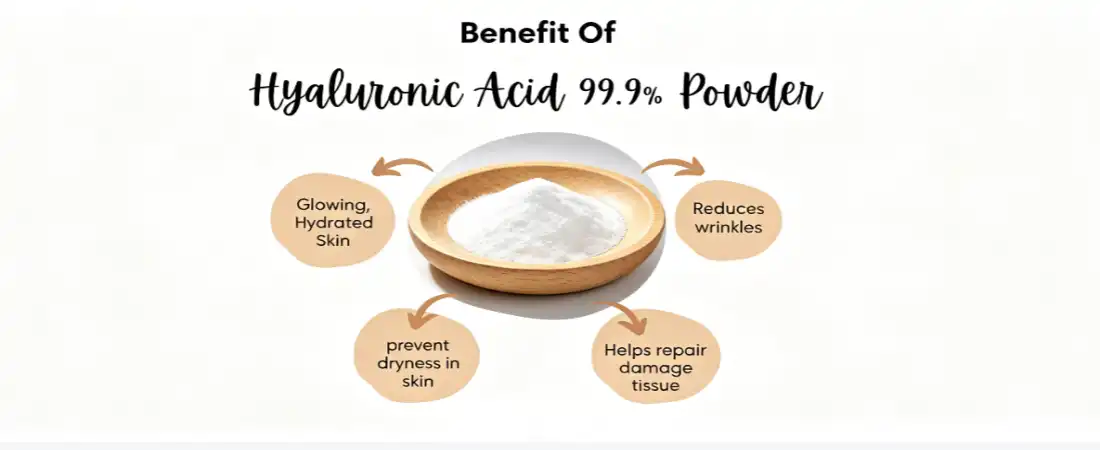
Application Best Practices for Sodium Hyaluronate in Skincare Product Development
Formulation Strategies for Maximum Efficacy
When you add sodium hyaluronate to serums, you need to pay close attention to how it dissolves and the order in which the steps are done. While being slowly stirred into the water phase, the powder works best because it doesn't clump together and lose its usefulness. During hydration, solutions should generally stay below 40°C to keep molecules unbroken and cell action going. It is easy to mix the solution into emulsions once it is fully wet, or it can stay as a watery mixture on its own.
Molecular weight decision determines how well an application works. High molecular weight types work well in thick creams and sleep masks, where they quickly smooth and protect the skin by making a film on top of it. When it comes to surface effects, grades with a middle molecular weight (100–300 kDa) are about equal to their entry. They work well for serums and lotions you use every day.
Most of the time, low molecular weight and oligomeric forms of the best sodium hyaluronate are found in intensive treatment products that work on cell signaling and deep hydration. However, they need better amounts to be effective.
Diverse Application Portfolios
One thing that sodium hyaluronate can be used for is making many different kinds of things. Most of the time, hydrating serums are used. Consistencies are generally between 0.5% and 2%, and you can see results right away after applying them. Plus, many creams that fight age have vitamins, proteins, and sodium hyaluronate in them. These work together to make wrinkles less noticeable, skin stiffer, and skin brighter. A lot of people in Asia use sheet masks and sleep treatments with bigger amounts to deeply moisturize their skin. These methods are now being used all over the world.
Real-World Case Studies and Formulation Success
Cosmetic brands that are well-known use sodium hyaluronate to make products that are at the top of the market. People love premium serums with multi-molecular weight mixes because they make skin look and feel better at the same time. Because sodium hyaluronate works so well, it is used in OEM projects for private label companies to make competitive items at prices that most people can afford. This means that more people can use modern face care equipment.
People who have used it say that after just a few weeks of regular use, their skin looks better, is more hydrated, and has fewer fine lines. When marketers back up these claims with clinical studies, it helps them set their goods apart and explain why they charge more. Brands that use sodium hyaluronate say that their customers are very faithful and that word of mouth is good. This shows that the ingredient plays an important part in modern skin care products.

Conclusion
Being able to tell the difference between hyaluronic acid and sodium hyaluronate helps procurement professionals make smart purchases that support product performance goals and market positioning plans. Sodium hyaluronate is the best material for making beauty products for sale because it stays stable, dissolves quickly, and can be used in many different ways. It can be found in everyday moisturizers and medical equipment that are made to drugstore standards. You should look at a supplier's qualifications, work skills, and customer service to find a good one. You can then build trusted relationships with them, which will help them make consistent things that meet government standards. To get the most out of the best sodium hyaluronate for making unique skin care products that meet changing customer needs, product development teams need to understand how molecular weight impacts manufacturing best practices and application-specific requirements for optimal formulation performance.
FAQ
1. What distinguishes sodium hyaluronate from hyaluronic acid chemically?
There is a sodium salt of hyaluronic acid that is called sodium hyaluronate. Reduction is what makes it possible. This makes the acid more steady at pH levels and easier to mix with water. Because of this change, hyaluronic acid can breakdown quickly in water without being too acidic, which can happen with pure hyaluronic acid. This makes it better for industrial production, where stable batches and easy processing are key to getting things done quickly.
2. Is sodium hyaluronate safe for sensitive and acne-prone skin?
Because it doesn't clog pores and doesn't make skin more sensitive, sodium hyaluronate is great for people with sensitive or acne-prone skin. A lot of tests on the skin have shown that it is safe for most people, and allergy reactions are very rare. It's good for oily and mixed skin types because it doesn't make pimples worse and feels light and airy.
3. How can buyers verify bulk sodium hyaluronate quality and authenticity?
Before you buy something, you should ask for Certificates of Analysis (CoAs), which show the purity, molecular weight distribution, and bacterial specs. You can be even more sure that the goods you buy are of good quality when the supplier has been approved by ISO 9001, KOSHER, or HALAL. Testing by outside labs backs up the specs, and testing samples lets you see how well the formula works, melts, and is clear before you place big orders.
4. Hyaluronic acid vs sodium hyaluronate: which should formulators choose?
Sodium hyaluronate is the favored option for most cosmetic and personal-care applications because of its rapid solubility, stability across a broad pH and temperature range and batch-to-batch consistency. Only if a formulation expressly demands the acid form, is hyaluronic acid (the free-acid form) used. When procurement teams are evaluating hyaluronic acid versus sodium hyaluronate, it is the processability, penetration depth and regulatory grade that matter, not the name of the raw material.
Partner with NT Biotech for Premium Sodium Hyaluronate Supply
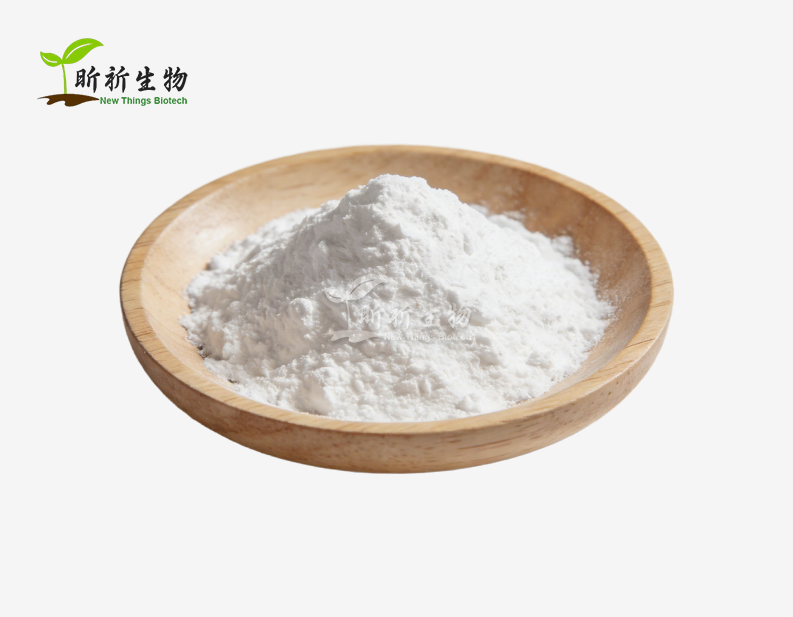
For more than ten years, NT Biotech has been sending cosmetic and medicine-grade chemicals to places all over the world. They can help you find sodium hyaluronate. We make the best sodium hyaluronate and offer 99% pure powder with all the best papers, like ISO 9001, KOSHER, and HALAL certifications. You can try out our items before you decide to buy a lot of them thanks to our free sample program and 25 kg minimum order. This is how we make sure the supply chain works for quick product launches: we send stock materials within two to four days and finish custom production within ten days. If you email our science team at info@newthingsbiotech.com, you can tell them about your manufacturing needs and get personalized tips on how to pick molecular weights and use them in ways that make your product work better.
References
1. Papakonstantinou E., et al. "Hyaluronic Acid: A Key Molecule in Skin Aging." Dermato-Endocrinology, vol. 4, no. 3, 2012, pp. 253-258.
2. Bukhari S.N.A., et al. "Hyaluronic Acid, a Promising Skin Rejuvenating Biomedicine: A Review of Recent Updates and Pre-clinical and Clinical Investigations on Cosmetic and Nutricosmetic Effects." International Journal of Biological Macromolecules, vol. 120, 2018, pp. 1682-1695.
3. Zamboni F., et al. "Sodium Hyaluronate Formulations: Composition, Properties and Clinical Applications." Pharmaceutics, vol. 11, no. 10, 2019, pp. 515-534.
4. Gao X.H., et al. "Molecular Weight Distribution of Hyaluronic Acid and Its Impact on Skin Permeation and Bioactivity." Journal of Cosmetic Science, vol. 69, no. 2, 2018, pp. 121-132.
5. Stern R., and Maibach H.I. "Hyaluronan in Skin: Aspects of Aging and Its Pharmacologic Modulation." Clinics in Dermatology, vol. 26, no. 2, 2008, pp. 106-122.
6. Price R.D., et al. "Hyaluronic Acid: The Scientific and Clinical Evidence for Efficacy in Dermatology and Medical Aesthetics." Journal of Plastic, Reconstructive & Aesthetic Surgery, vol. 60, no. 10, 2007, pp. 1110-1119.