- English
- French
- German
- Portuguese
- Spanish
- Russian
- Japanese
- Korean
- Arabic
- Greek
- German
- Turkish
- Italian
- Danish
- Romanian
- Indonesian
- Czech
- Afrikaans
- Swedish
- Polish
- Basque
- Catalan
- Esperanto
- Hindi
- Lao
- Albanian
- Amharic
- Armenian
- Azerbaijani
- Belarusian
- Bengali
- Bosnian
- Bulgarian
- Cebuano
- Chichewa
- Corsican
- Croatian
- Dutch
- Estonian
- Filipino
- Finnish
- Frisian
- Galician
- Georgian
- Gujarati
- Haitian
- Hausa
- Hawaiian
- Hebrew
- Hmong
- Hungarian
- Icelandic
- Igbo
- Javanese
- Kannada
- Kazakh
- Khmer
- Kurdish
- Kyrgyz
- Latin
- Latvian
- Lithuanian
- Luxembou..
- Macedonian
- Malagasy
- Malay
- Malayalam
- Maltese
- Maori
- Marathi
- Mongolian
- Burmese
- Nepali
- Norwegian
- Pashto
- Persian
- Punjabi
- Serbian
- Sesotho
- Sinhala
- Slovak
- Slovenian
- Somali
- Samoan
- Scots Gaelic
- Shona
- Sindhi
- Sundanese
- Swahili
- Tajik
- Tamil
- Telugu
- Thai
- Ukrainian
- Urdu
- Uzbek
- Vietnamese
- Welsh
- Xhosa
- Yiddish
- Yoruba
- Zulu
In the food, medicine, and skin care industries, hyaluronic acid has become one of the most sought-after active chemicals. When looking for the best pure hyaluronic acid, a business owner needs to know what it is made of, how it functions, and where to find it. This guide tells you everything you need to know, from chemical makeup to picking a seller. It's meant to help people who are in charge of buying things, research and development, and making products make smart decisions that meet strict US market rules and improve the performance of formulations.
Understanding Pure Hyaluronic Acid: Composition, Benefits, and Mechanisms
What Makes Pure Hyaluronic Acid Unique?
Pure hyaluronic acid (HA) is written as (C14H21NO11)n in chemical form. This glycosaminoglycan is found naturally and is made up of repeating units of D-glucuronic acid and N-acetyl-D-glucosamine. The skin, joints, and eye structures have a lot of this high-molecular-weight polysaccharide. It is found in all connective tissues. HA is one of a kind because it can hold 1,000 times its own weight in water. This makes it a natural way to keep skin moist that you can't get anywhere else.
Molecular Weight and Functional Impact
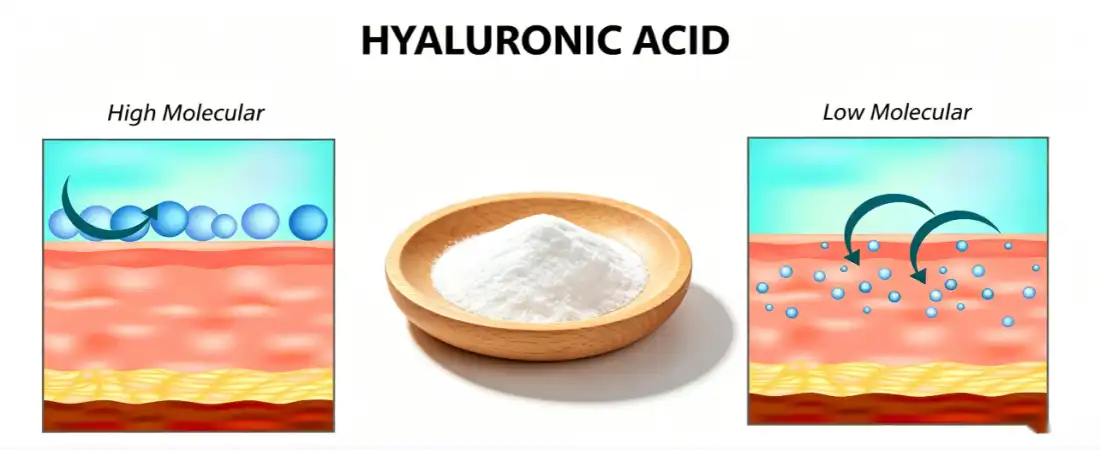
Its molecular weight is directly linked to how well HA works in products. Variants with a molecular weight of more than 1 MDa are better at making films on the surface. They protect the skin from losing water through the epidermis. As the molecular weight goes down (200–800 kDa), it gets deeper into the tissue and helps build collagen and keep cells moist. Because of this, formulators can make things that are made to help people reach their health or beauty goals.
Core Mechanisms and Benefits
The different ways that best pure hyaluronic acid works benefit both skin and oral health. It pulls moisture from the air to the skin's surface due to its hygroscopic nature, making skin smoother and more flexible. HA is a major component of synovial fluid, supporting joint lubrication and comfort. It also aids wound healing by creating a moist environment for cell migration and tissue regeneration. Modern microbial fermentation using Streptococcus zooepidemicus produces consistent 99% pure, animal-free material.
Comparing Pure Hyaluronic Acid with Other Popular Ingredients
Pure Hyaluronic Acid vs. Sodium Hyaluronate
These chemicals are linked, but they break down in water in different ways. In water, sodium hyaluronate absorbs better and stays steady at normal pH levels. It is a sodium salt form of HA. For products that have trouble with precipitation and phase separation, this makes it easy to make them. Pure HA keeps its better viscoelastic properties, which are useful in injectables and certain serums where it's important to keep the structure intact.
Hyaluronic Acid and Complementary Active Ingredients
The effects of HA and retinol don't compete with each other when you look at them side by side. Retinol speeds up the production of collagen and the turnover of skin cells, but it can also make the skin less protective, which can make it dry. This is helped by HA, which restores moisture and helps fix barriers. These two things work well together in anti-aging goods. In the same way, collagen peptides give structural proteins the amino acids they need to be made, and HA makes it possible for collagen to be made and kept in good shape.
Glycerin is often used instead of humectants, but it only works well when it is damp. It is possible for glycerin to pull moisture from deeper layers of skin in places with low humidity, but HA always has the same ability to do this, no matter what. HA is better for things that will be used in all kinds of weather or all year because it is more stable.
Selecting the Best Pure Hyaluronic Acid Products and Suppliers for B2B Procurement
Essential Supplier Evaluation Criteria
The first step in quality assurance is to make sure that approval was given. Reliable manufacturers have Kosher and Halal licenses and ISO9001 certification, which shows that they take quality management seriously. These licenses also make it easier for customers to find their goods in shops. Compliance papers should include full Certificates of Analysis (CoA) with HPLC confirmation that show purity standards, which are generally between 95% and 105% for medicinal uses. In both the oral and eye forms, it is important to keep the protein amount below 0.1% so that the immunogenic potential is as low as possible.
Manufacturing Capabilities and Technical Support
It makes a big difference in the quality of the ingredients how the things are made. Modern suppliers use controlled microbial fermentation on plant-based bases to make goods that are free of GMOs and suitable for vegans. These products are always the same from batch to batch. There are research and development teams at the best pure hyaluronic acid suppliers that can help you pick the right molecular weight, make sure the recipe works with the acid, and test it to see if it is stable. This type of partnership goes beyond simple business deals; it helps make goods from the initial thought to the final sale.
Logistics and Supply Chain Reliability
Keeping track of goods and setting up a way to get them to the right place are important parts of making buying work well. The best suppliers keep standard types in stock, which means that orders can be met quickly—often in two to four business days for 25 kg or less. You can ship things in a way that works for the project and doesn't cost too much with express couriers for pressing samples and freight handling for sending big containers abroad. Because they can get free samples, formulators can try the fit of their ideas before committing to large quantities.
Pricing Models and Market Positioning
The price of powder in bulk is based on the order number, molecular weight, and standard grade. It costs a lot for pharmaceutical-grade material that is 99% pure and has a controlled molecular weight distribution, but it is worth it because it has been tested carefully and has all the paperwork that officials need. Cosmetic-grade versions are less expensive and work well for personal care items that a lot of people use, where a little less strictness is fine. Suppliers can meet a lot of different buyer needs because prices are clear and there are many options for packing, like standard 25 kg drums and custom setups.
Best Practices for Using and Storing Pure Hyaluronic Acid Products
Optimal Storage Conditions
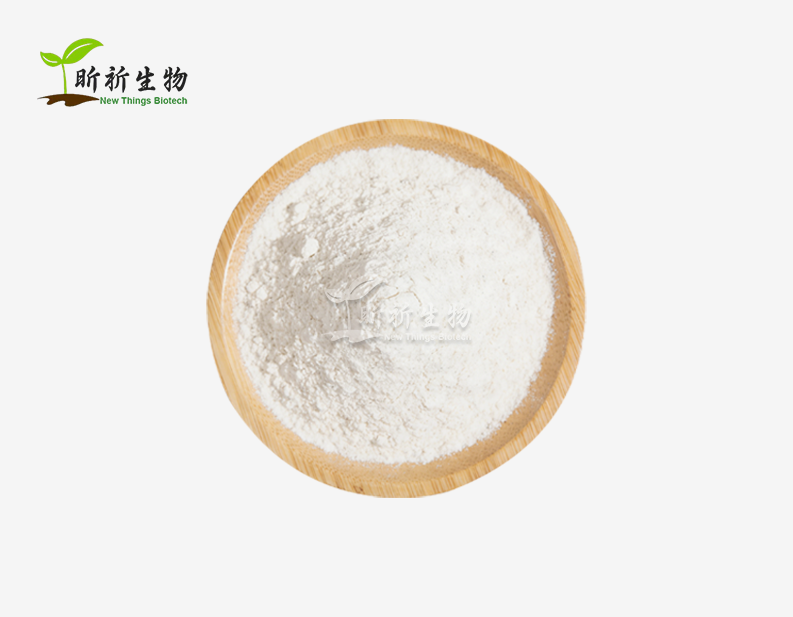
Because best pure hyaluronic acid powder soaks up water, it needs storage in a cool, dry place. Keeping temperature below 25°C and relative humidity under 60% prevents moisture absorption, which could affect microbial activity and stability. Storing in sealed containers away from direct light preserves molecular integrity for 24 months. Oxidative breakdown is minimized when opened packages are flushed with nitrogen or vacuum sealed for protection.
Formulation Incorporation Techniques
Making sure that something spreads out evenly and doesn't break down molecules through pressure is the right way to dissolve something. When you let it sit at room temperature and slowly shake it for a long time (2-4 hours), you get the best results. When you mix things quickly, however, polymer chains can break. When you bring the pH back to a usual range (5.0–8.5) before adding the HA, the acid can't speed up the breakdown. There are ways to make uses that work better with heat, like making sweets, by adding a cooling step or thermally stable HA grades that can handle temperatures up to 100°C.
Quality Control Integration
Key control points should have in-process testing as part of the manufacturing process. The cleanness of the solution (transmittance ≥99%) tests show that it has broken down fully, with no bits getting mixed in. The molecular weight stays the same during processing as long as the viscosity is being watched. Following USP standards for microbial tests meets the needs of the pharmaceutical industry. Full batch paperwork lets you keep track of goods from the time they are delivered as raw materials to the time they are sent out as finished goods. This helps with customer checks and returns to the government.
Conclusion
Another important part of many B2B goods is best pure hyaluronic acid, found in cosmetics, drugs, and food supplements. By understanding how molecular weight affects performance, selecting suppliers based on quality indicators, and handling materials correctly, procurement professionals can improve product effectiveness and market competitiveness. Modern fermentation technology, strict quality systems, and flexible supply chains make pharmaceutical-grade HA accessible. Strategic partnerships with suppliers based on technical expertise and regulatory compliance are essential for creating superior products.
FAQ
1. What distinguishes pure hyaluronic acid from sodium hyaluronate in B2B applications?
Pure hyaluronic acid stays in its acid form and has great flexible properties, which makes it ideal for specialized uses like high-performance serums and injectable products. Sodium hyaluronate, which is a salt, dissolves better in water and keeps its pH fixed. This makes it a better choice for drinks and makeup emulsions that need to be easy to work with. They both start with the same brewing process, but after that, they go through different steps that change how they work in the end.
2. How can procurement teams verify supplier quality credentials?
More than one piece of paper should be brought to you, such as ISO9001 certificates, batch-specific COAs with HPLC chromatograms, endotoxin testing results (very important for injectables), and proof that the product meets the needs of the places you want to sell it to. Sellers you can trust will give you free samples that can be checked by a third-party lab before you place a large order. Inspections of the building and certifications from outside groups, like Kosher and Halal, show that the business is open and dedicated to quality.
3. What molecular weight should B2B buyers specify for different end applications?
For joint health supplements to work, they need molecules with a high molecular weight (above 1.0 MDa) that are like the molecules that make up synovial fluid. Molecular weights between 200 and 800 kDa are best for anti-aging creams that want to get deep into the skin. Ultra-low molecular weight forms are used in beauty and nutrition drinks to keep absorption high and stop viscosity that isn't needed. It is easier to match molecular traits to the desired clinical effects when you talk about them with doctors.
Partner with NT Biotech for Superior Pure Hyaluronic Acid Supply
NT Biotech has been helping the food, cosmetics, and drug industries for more than ten years as a trusted best pure hyaluronic acid manufacturer. Our plant is approved by ISO9001, Kosher, and Halal, and they use cutting edge microbial fermentation to make 99% pure HA powder (CAS 9004-61-9). The grade is always the same, and it follows all the rules set by the law. We keep items in stock that can be shipped within two to four business days, and we offer a variety of packing choices, from 25 kg drums to custom designs that best meet your needs. Our expert research and development team can help you with everything from picking the right molecular weight to making sure your products work well with other ingredients so they do their best. You can get free samples to fully test before you decide to buy. You can email our team at info@newthingsbiotech.com to talk about your needs and find out how our fast response time, low prices, and constant dedication to quality can help you improve your supply chain and make it easier to come up with new goods.
References
1. Papakonstantinou, E., Roth, M., & Karakiulakis, G. (2012). "Hyaluronic Acid: A Key Molecule in Skin Aging." Dermato-Endocrinology, 4(3), 253-258.
2. Stern, R., Asari, A. A., & Sugahara, K. N. (2006). "Hyaluronan Fragments: An Information-Rich System." European Journal of Cell Biology, 85(8), 699-715.
3. Necas, J., Bartosikova, L., Brauner, P., & Kolar, J. (2008). "Hyaluronic Acid (Hyaluronan): A Review." Veterinarni Medicina, 53(8), 397-411.
4. Fallacara, A., Baldini, E., Manfredini, S., & Vertuani, S. (2018). "Hyaluronic Acid in the Third Millennium." Polymers, 10(7), 701.
5. Oe, M., Sakai, S., Yoshida, H., Okado, N., & Kaneda, H. (2017). "Oral Hyaluronan Relieves Knee Pain: A Review." Nutrition Journal, 16(1), 11.
6. Bukhari, S. N. A., Roswandi, N. L., Waqas, M., & Habib, H. (2018). "Hyaluronic Acid, a Promising Skin Rejuvenating Biomedicine: A Review of Recent Updates and Pre-clinical and Clinical Investigations on Cosmetic and Nutricosmetic Effects." International Journal of Biological Macromolecules, 120, 1682-1695.