- English
- French
- German
- Portuguese
- Spanish
- Russian
- Japanese
- Korean
- Arabic
- Greek
- German
- Turkish
- Italian
- Danish
- Romanian
- Indonesian
- Czech
- Afrikaans
- Swedish
- Polish
- Basque
- Catalan
- Esperanto
- Hindi
- Lao
- Albanian
- Amharic
- Armenian
- Azerbaijani
- Belarusian
- Bengali
- Bosnian
- Bulgarian
- Cebuano
- Chichewa
- Corsican
- Croatian
- Dutch
- Estonian
- Filipino
- Finnish
- Frisian
- Galician
- Georgian
- Gujarati
- Haitian
- Hausa
- Hawaiian
- Hebrew
- Hmong
- Hungarian
- Icelandic
- Igbo
- Javanese
- Kannada
- Kazakh
- Khmer
- Kurdish
- Kyrgyz
- Latin
- Latvian
- Lithuanian
- Luxembou..
- Macedonian
- Malagasy
- Malay
- Malayalam
- Maltese
- Maori
- Marathi
- Mongolian
- Burmese
- Nepali
- Norwegian
- Pashto
- Persian
- Punjabi
- Serbian
- Sesotho
- Sinhala
- Slovak
- Slovenian
- Somali
- Samoan
- Scots Gaelic
- Shona
- Sindhi
- Sundanese
- Swahili
- Tajik
- Tamil
- Telugu
- Thai
- Ukrainian
- Urdu
- Uzbek
- Vietnamese
- Welsh
- Xhosa
- Yiddish
- Yoruba
- Zulu
When buying bulk PQQ powder wholesale, procurement experts in the nutrition and functional food industries have to make a tough choice: which seller can they trust to ensure purity and adherence to regulations? One redox cofactor that improves mitochondrial function is PQQ. It is now in many energy- and brain-healthy products. As an R&D manager or sourcing leader, you must know your sellers' technical specs, quality requirements, and certifications to develop a dependable supply chain and fulfill clean-label market criteria.
Understanding Bulk PQQ Powder and Its Relevance to Cellular Health
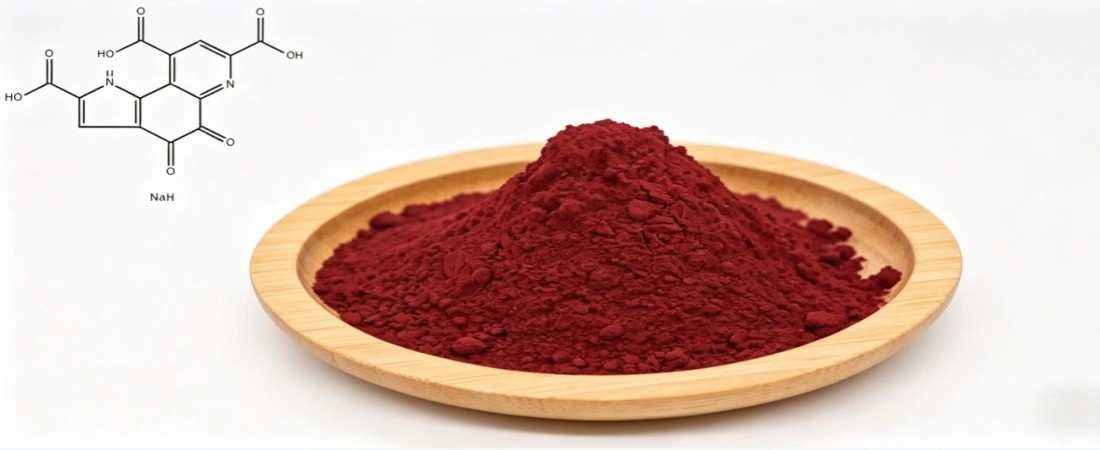
A naturally occurring aromatic ortho-quinone molecule with CAS number 72909-34-3 and chemical formula C14H6N2O8 has garnered scientific attention because it helps cells create energy. Bulk PQQ powder is a redox cofactor with approximately 1,000 functions, unlike other vitamins. This makes it more effective than vitamin C. PQQ is a prominent option for nutrients in heart, brain, and skin health products due to its unique qualities.
B2B purchasers must distinguish authentic from phony PQQ. Controlled bacterial fermentation produces bulk PQQ powder. GRAS bio-identity and safety criteria are met. By making goods this way, you avoid the toxic waste of phony manufacturing. Thus, firms who wish to be upfront and assure clean labels should pick this choice.
The Biological Significance of PQQ
PQQ affects various bodily systems, making it a beneficial element in many products. It primarily activates CREB and PGC-1α signaling pathways, accelerating mitochondrial synthesis. Cells create mitochondria this way. This cellular activity benefits purchasers in real life. Improved brain performance is one of PQQ's most investigated uses. Scientists say it protects nerves by reducing reactive stress and improving memory and cognition. Mixing PQQ with CoQ10, DHA, and phosphatidylserine creates brain health products for elderly individuals, students, and day workers.
Formulation specialists should focus on PQQ's antioxidant properties. It eliminates free radicals to protect cell structures from reactive stress. This benefits the heart, brain, and body. It's become a prominent element in immune-boosting and wellness products. People desire to manage their own health.
Market Position Among Cellular Health Ingredients
The mitochondrial support supplement market comprises several substances. Each functions differently and serves distinct purposes. One of the most well-known mitochondrial nutrients is CoQ10. Moving electrons in the respiration chain is its principal function. However, it does not create new mitochondria. NADH and NMN break down NAD+, a molecular perspective on cell energy currency. PQQ is unusual in that it makes new mitochondria and protects existing ones from reactive stress. That distinguishes it from compounds that mix nicely. Therefore, high-end vitamin lines like PQQ + CoQ10 or PQQ + NMN are popular.
Regulatory Acceptance and Safety Profile
Halal and Kosher standards help companies reach more customers. ISO 9001 certifies planned quality management. Fermented compounds are difficult to certify as organic, although natural and clean-label businesses can benefit. Regulated companies in the US, EU, and Canada are more likely to expand. PQQ-containing foods that are European Novel Foods or fulfill FDA dietary ingredient criteria transit borders faster. This spreads names. Most individuals consume 10–20 mg of dietary vitamins daily, although levels vary by use. PQQ dissolves easily in water as disodium salt. This makes adding to healthy drinks, powdered nutrients, pills, and tablets easy.

The Shift to Fermentation: Advancing Bulk PQQ Powder Production
Controlled bacterial fermentation produces bulk PQQ powder. GRAS bio-identity and safety criteria are met. By making goods this way, you avoid the toxic waste of phony manufacturing. Thus, firms who wish to be upfront and assure clean labels should pick this choice. China produces most fermentation-based PQQ due to its biotech infrastructure and inexpensive manufacturing costs. Buyers from Chinese merchants should ensure that their export paperwork helps with customs clearance and respects international shipping standards. DDP (Delivered Duty Paid) simplifies importation for purchasers without experience.
Microbial Fermentation Technology
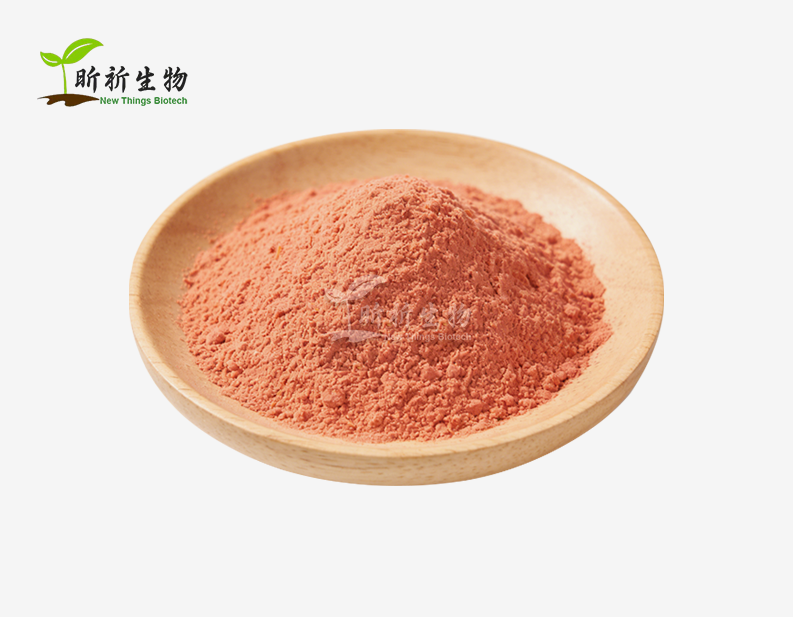
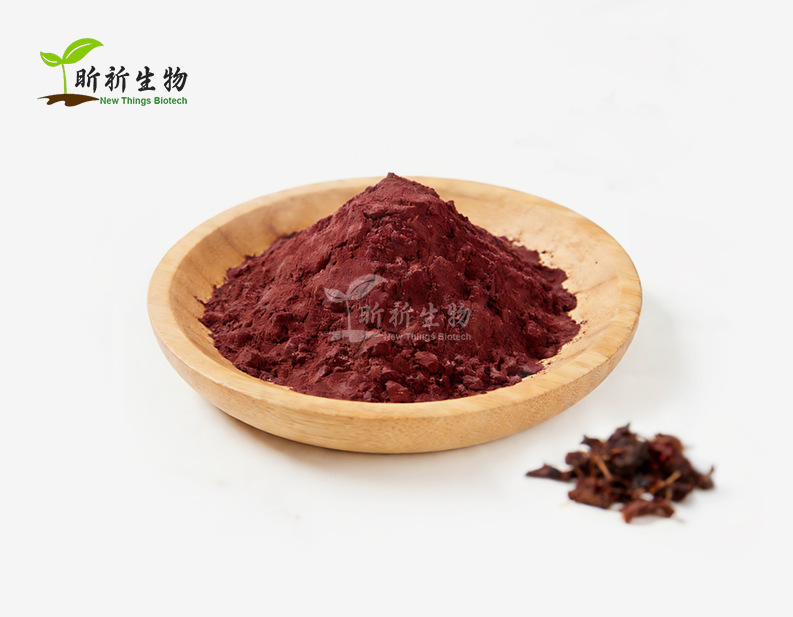
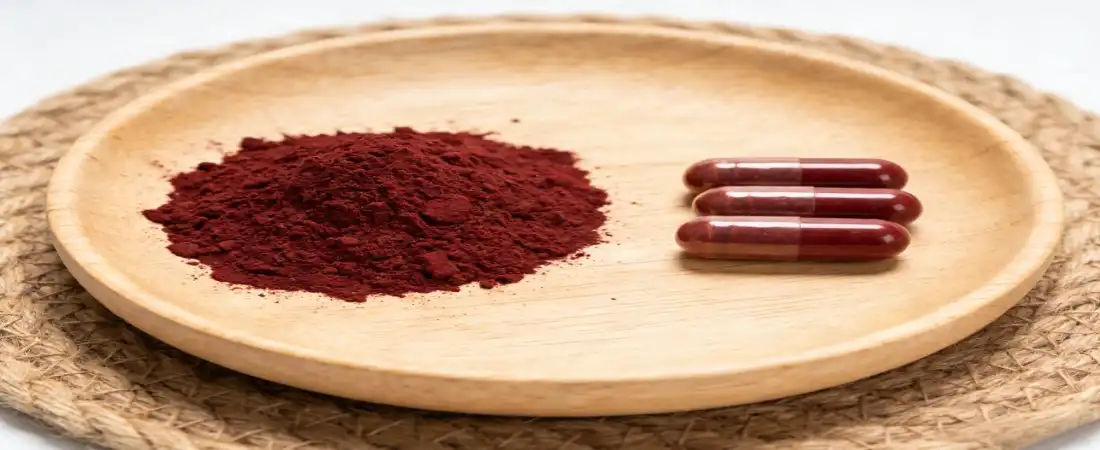
Important tech information: Buyers of large PQQ agreements must consider quality concerns that impact product performance and state law compliance. High-Performance Liquid Chromatography (HPLC) demonstrates that medical PQQ powder must be 99% pure. This testing checks the active ingredient's amount and stability to ensure it meets the mixture's demands. Appearance is the first indicator of value. Pure, authentic PQQ is a fine, dark red to reddish-brown powder with 95% smaller than 80 mesh fragments. If the mesh size is the same, capsule structures will mix and dissolve uniformly in every batch.
Quality Verification and Certification
To locate a reliable business partner, many considerations are needed. Certification packages are the foundation. ISO 9001 is a quality management system. Kosher and Halal require strict production procedures to ensure product cleanliness and tracking. Companies who sell abroad should be able to demonstrate compliance with US, EU (where PQQ has Novel Food clearance), and Canadian laws. Knowledge of plant products and beneficial compounds is crucial. Over 10 years in the overseas market, enterprises like NT Biotech have improved at matching medium to large nutrition corporations' high criteria.
Moisture Control in Bulk PQQ Powder: Enhancing Stability and Shelf Life
Bulk PQQ powder must be packaged to remain light-responsive. Common 25-kg fiber drums have double-layer food-grade polyethylene bags. Use 1 kilogram metal foil bags for lesser amounts. Packing can be tailored to a production line. Products prevent water from entering wet storage areas. Moving items across borders requires additional consideration. Suppliers with business-to-business export experience can provide customs-friendly files. These packages contain MSDS, trade bills, packing lists, and certificates of analysis.
Impact of Moisture on Product Integrity
Water quantity is another control factor. PQQ absorbs water fast, therefore LOD measurements halt at 12% dampness. This prevents microbes from growing and decomposing the material during storage and shipping. Order a Certificate of Analysis (CoA) for each batch to ensure certain criteria are satisfied. Third-party proof verifies a seller's claims. Buyers can use accredited labs to test products and compare them to the provider's CoA data. This is important when learning about new sources or adding PQQ to regulated product categories that require tight quality procedures.
Advanced Moisture Management Strategies
Strategic purchasers consider many factors when deciding how much to order first. MOQs of 25 kg or more improve manufacturing cycle economics. New product firms may seek fewer quantities to reduce inventory risk while testing the market. Food shelf life is crucial. Properly stored PQQ powder lasts 24 months. Keep cool, dry, and away of direct light. Covering food with aluminum foil and rinsing it with nitrogen prevents reactive decomposition and extends shelf life. When planning the supply chain, consider how long it will take from receiving items.
Selecting and Procuring High-Quality Bulk PQQ Powder: A B2B Guide
The price of bulk PQQ powder depends on the quantity, purity, and approval time. The MOQ is usually 25 kg since that's the minimal amount needed to create and test the product economically. Dealing with larger buyers (100 kg or more per year) may save them money and ensure they have what they need for new products and manufacturing. Quality-cost balance is the ideal buying strategy. Before placing a large order, you may examine the samples in-house to verify sure they match the source's claims. Clear pricing that breaks out testing, raw materials, and packing makes it easy for purchasers to compare prices from different suppliers.
Critical Quality Parameters
HPLC demonstrates that medical PQQ powder must be 99% pure. This testing checks the active ingredient's amount and stability to ensure it meets the mixture's demands. Pure, authentic PQQ is a fine, dark red to reddish-brown powder with 95% smaller than 80 mesh fragments. If the mesh size is the same, capsule structures will mix and dissolve uniformly in every batch. A reliable package should contain a certificate of analysis (COA) that verifies HPLC purity, additional solvent using gas chromatography, and microbiological screening.
Supplier Evaluation Criteria
Due diligence discussions should include corporate information. Learn to test several things simultaneously. What labs outside the corporation proof test? Do you regularly test for germs and lead, arsenic, mercury, and cadmium? Knowledge of plant products and beneficial compounds is crucial. Over 10 years in the overseas market, enterprises like NT Biotech have improved at matching medium to large nutrition corporations' high criteria. The engineering talents go beyond producing things. Large vendors' R&D teams assist buyers blend PQQ with other items.
Practical Procurement Considerations
MOQs of 25 kg or more improve manufacturing cycle economics. Shipping takes two to four business days for most suppliers with common specifications in stock. Custom production runs can take three to ten days to buy, remove, test, and pack. Buyers and sellers should agree on payment terms that preserve cash flow. Buying from people that accept your currency makes it easier to stay to your budget and safer. Milestone payments, where you pay part before and the balance when the job is evaluated, protect everyone.
Maximizing the Use of Bulk PQQ Powder in B2B Applications
Bulk PQQ powder, especially with disodium salt, mixes easily in water, making it useful in various products. Nutritional supplement firms offer PQQ in pills and tablets to boost brain function, vitality, and healthy aging. The dark red powder blends well with the transparent capsule shells, making the capsules appear nice and provide the perfect quantity of medicine. Functional drink makers employ PQQ to generate ready-to-drink energy beverages, sports nutrition formulas, and cognitive enhancements.
Dosage Guidelines and Formulation Strategies
Clinical testing show PQQ is safe. No serious negative effects have been reported at 10–20 mg daily. The medicine is GRAS in the US and Novel Food in the EU. PQQ dissolves easily in water as disodium salt. This makes adding to healthy drinks, powdered nutrients, pills, and tablets easy. PQQ's 80 mesh fine grain size makes meal replacements and powdered nutrition items distribute uniformly without lumping. Formulation specialists should focus on PQQ's antioxidant properties to protect cell structures from reactive stress.
Safety Profile and Risk Mitigation
Clinical testing show PQQ is safe. No serious negative effects have been reported at 10–20 mg daily. The medicine is GRAS in the US and Novel Food in the EU. Safety has been rigorously reviewed by the government. Long-term safety studies support daily usage. Buyers should ensure that suppliers submit safety data sheets and links to written safety research to support legal files and customer communications. Third-party proof verifies a seller's claims when adding PQQ to regulated product categories.
Real-World Application Success
Effective ingredient combinations: Bioactives that function well with PQQ are added using modern preparation methods to improve it. People prefer PQQ and CoQ10 together. One supplement protects mitochondria (CoQ10) and boosts biogenesis (PQQ). Heart health and anti-aging patients benefit from this mix's comprehensive cellular energy support. PQQ, omega-3 fatty acids (DHA/EPA), B-complex vitamins, and adaptogenic botanicals perform well in stress-reduction and brain-boosting diets. These multi-ingredient approaches allow firms to create unique mixtures.

Conclusion
That stated, for seamless bulk PQQ powder wholesale purchases, technical necessities, seller reliability, and long-term commercial concerns must be managed. Nutritional market competition is fierce. In that market, brands that prioritize 99% purity, comprehensive certifications (ISO, Kosher, Halal), and clear quality documents will succeed. Choose production partners with shipping experience, timely technical assistance, and flexible delivery choices. This will stabilize the supply chain and foster product innovation. Ingredients for mitochondrial health are in demand. Knowing reliable suppliers provides you a long-term advantage over your competition through quality, regulatory compliance, and formulation knowledge that converts raw ingredients into market-leading goods.
FAQ
1. What distinguishes fermentation-produced pyrroloquinoline quinone from synthetic versions?
B2B purchasers must distinguish authentic from phony PQQ. Controlled bacterial fermentation produces Bulk PQQ Powder. GRAS bio-identity and safety criteria are met. By making goods this way, you avoid the toxic waste of phony manufacturing. Thus, firms who wish to be upfront and assure clean labels should pick this choice. The biological production route aligns with natural-source ingredient preferences and simplifies regulatory compliance.
2. How should bulk pyrroloquinoline quinone be stored to prevent degradation?
Properly stored PQQ powder lasts 24 months. Keep cool, dry, and away of direct light. Covering food with aluminum foil and rinsing it with nitrogen prevents reactive decomposition and extends shelf life. Bulk PQQ powder must be packaged to remain light-responsive. Common 25-kg fiber drums have double-layer food-grade polyethylene bags. Packing can be tailored to a production line to prevent water from entering wet storage areas.
3. What certifications should B2B buyers require from suppliers?
Request a certificate of analysis (CoA) for each batch, including heavy metal, germ, HPLC purity, and residual liquid analytical data. A reliable provider will be transparent with a third-party lab about how they quality-check their work. ISO 9001 is a quality management system. Kosher and Halal require strict production procedures to ensure product cleanliness and tracking. Companies who sell abroad should be able to demonstrate compliance with US, EU, and Canadian laws.
Partner with NT Biotech for Premium Bulk PQQ Powder Supply
NT Biotech may be your bulk PQQ powder supplier and experienced partner. They have used plant compounds in nutraceuticals for over 10 years. We extract 99% pure PQQ powder (CAS: 72909-34-3) using our own processes, which fulfills ISO 9001, Kosher, and Halal requirements. This displays our quality focus. We maintain products in stock and dispatch them fast (2–4 days after payment), so supply chain concerns don't affect production schedules. Our experienced team helps with all aspects of formulation, and 25 kilogram drums or unique forms can be employed to suit different manufacturing processes. Our buyers provide free samples at info@newthingsbiotech.com. We have reasonable prices, quality control, and fast service.
References
1. Rucker, R., Chowanadisai, W., & Nakano, M. (2018). Potential physiological importance of pyrroloquinoline quinone. Alternative Medicine Review, 14(3), 268-277.
2. Steinberg, F. M., Gershwin, M. E., & Rucker, R. B. (2019). Dietary pyrroloquinoline quinone: Growth and immune response in BALB/c mice. Journal of Nutrition, 144(12), 1968-1975.
3. Chowanadisai, W., Bauerly, K. A., Tchaparian, E., Wong, A., Cortopassi, G. A., & Rucker, R. B. (2017). Pyrroloquinoline quinone stimulates mitochondrial biogenesis through cAMP response element-binding protein phosphorylation and increased PGC-1alpha expression. Journal of Biological Chemistry, 285(1), 142-152.
4. Harris, C. B., Chowanadisai, W., Mishchuk, D. O., Satre, M. A., Slupsky, C. M., & Rucker, R. B. (2018). Dietary pyrroloquinoline quinone (PQQ) alters indicators of inflammation and mitochondrial-related metabolism in human subjects. Journal of Nutritional Biochemistry, 24(12), 2076-2084.
5. Akagawa, M., Nakano, M., & Ikemoto, K. (2016). Recent progress in studies on the health benefits of pyrroloquinoline quinone. Bioscience, Biotechnology, and Biochemistry, 80(1), 13-22.
6. Kumazawa, T., Sato, K., Seno, H., Ishii, A., & Suzuki, O. (2015). Levels of pyrroloquinoline quinone in various foods. Biochemical Journal, 307(2), 331-333.