- English
- French
- German
- Portuguese
- Spanish
- Russian
- Japanese
- Korean
- Arabic
- Greek
- German
- Turkish
- Italian
- Danish
- Romanian
- Indonesian
- Czech
- Afrikaans
- Swedish
- Polish
- Basque
- Catalan
- Esperanto
- Hindi
- Lao
- Albanian
- Amharic
- Armenian
- Azerbaijani
- Belarusian
- Bengali
- Bosnian
- Bulgarian
- Cebuano
- Chichewa
- Corsican
- Croatian
- Dutch
- Estonian
- Filipino
- Finnish
- Frisian
- Galician
- Georgian
- Gujarati
- Haitian
- Hausa
- Hawaiian
- Hebrew
- Hmong
- Hungarian
- Icelandic
- Igbo
- Javanese
- Kannada
- Kazakh
- Khmer
- Kurdish
- Kyrgyz
- Latin
- Latvian
- Lithuanian
- Luxembou..
- Macedonian
- Malagasy
- Malay
- Malayalam
- Maltese
- Maori
- Marathi
- Mongolian
- Burmese
- Nepali
- Norwegian
- Pashto
- Persian
- Punjabi
- Serbian
- Sesotho
- Sinhala
- Slovak
- Slovenian
- Somali
- Samoan
- Scots Gaelic
- Shona
- Sindhi
- Sundanese
- Swahili
- Tajik
- Tamil
- Telugu
- Thai
- Ukrainian
- Urdu
- Uzbek
- Vietnamese
- Welsh
- Xhosa
- Yiddish
- Yoruba
- Zulu
When sourcing tannin-based ingredients for industrial applications, procurement professionals often encounter two primary options: tanino milteliai and tannic acid powder. While both derive from natural plant sources, tanino milteliai and offer valuable functional properties, tanino milteliai typically refers to broader tannin powder extracts with variable botanical origins, often featuring complex polyphenolic profiles. In contrast, tannic acid powder represents a more standardized, refined chemical form with specific purity levels suited for precise formulation requirements. Understanding these distinctions is essential for B2B buyers aiming to optimize product performance, regulatory compliance, and cost-efficiency in their supply chains.
Introduction
Global procurement teams in the food processing, cosmetics, leather tanning, pharmaceutical, and animal nutrition sectors consistently seek high-quality raw materials that meet stringent performance and compliance standards. Tannin-based chemicals, like tanino milteliai and tannic acid powder, have become important parts because they kill germs, fight free radicals, and can be used in many different ways. Our many years of experience sourcing plant extracts show that many R&D managers and specialized procurement experts have trouble telling the difference between these two types of products, which often causes them to make bad buying decisions. This complete guide takes on these problems head-on. We go into great depth about the parts that make up tanino milteliai and tannic acid powder, how they are extracted, how they work differently, and what kinds of uses they can be used for. If your business needs to buy raw materials for making dietary supplements, beauty ingredients, feed additives, or industrial tanning processes, knowing these key differences will help you make better buying decisions. We've talked a lot about quality control, following the rules, and how important it is to work with sellers who have a track record of science extraction knowledge and open supply chain practices.
Understanding Tanino Milteliai and Tannic Acid Powder
Definitions and Botanical Origins
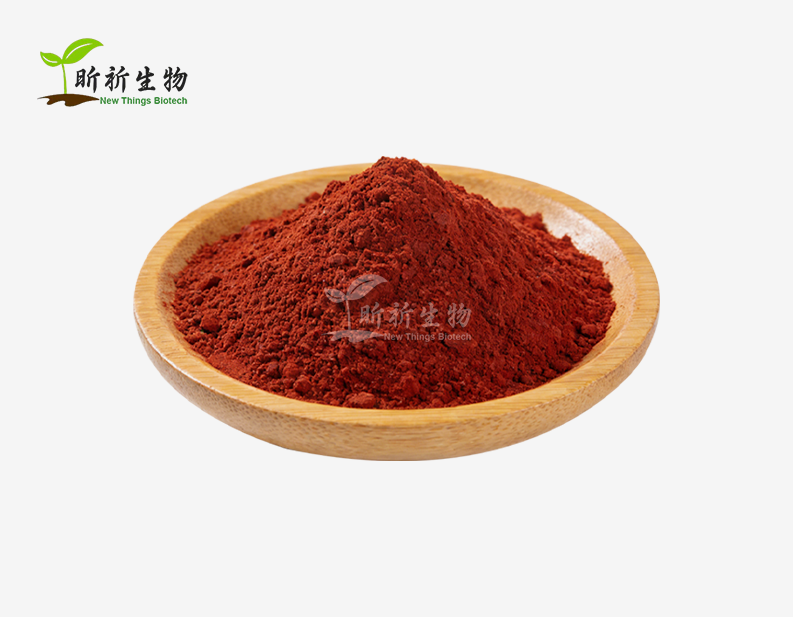
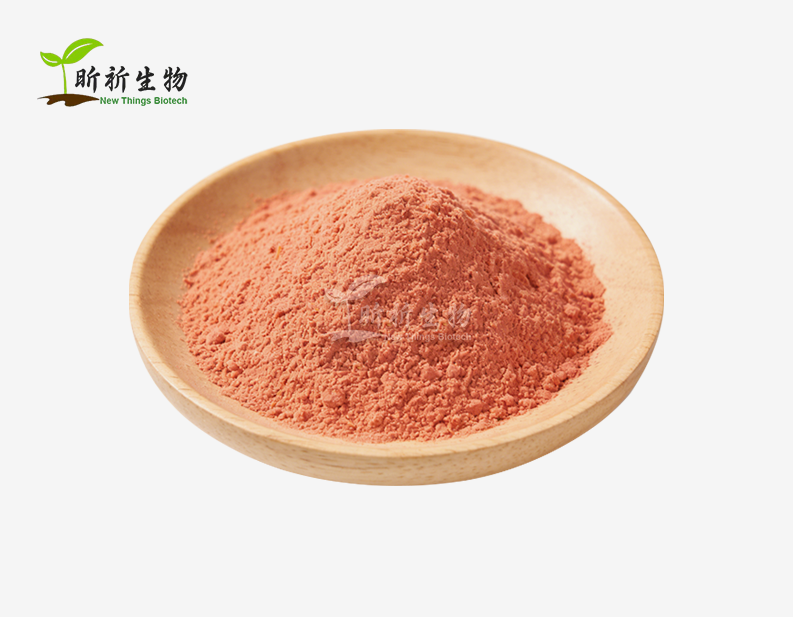
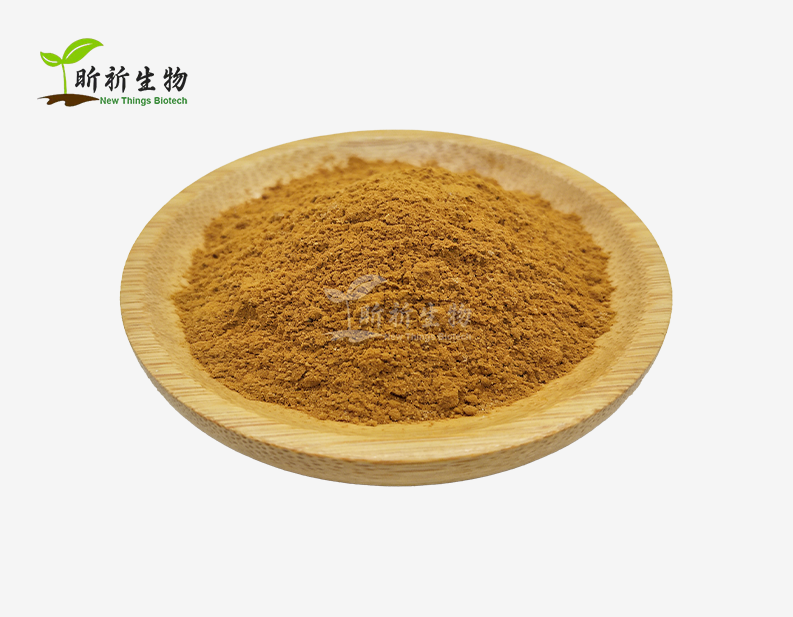
Tanino milteliai, which is often just called "tannin powder," is a broad term for a group of plant-based polyphenolic chemicals that are taken from oak bark, chestnut wood, sumac leaves, and Chinese gallnuts (Galla Chinensis). These natural products keep a complex mix of hydrolyzable and condensed tannins, flavonoids, and organic acids that go with them. The word comes from the language used in Lithuania and the Baltic region, where dyeing and plant extraction have been done for a very long time. Tannic acid powder is a more refined form that is usually made from Chinese or Turkish gallnuts using special methods for extraction and processing. The chemical formula is usually around C76H52O46, but there are small differences depending on how the substance was extracted. This standardized form has better purity levels, often hitting 93% to 99%. This makes it perfect for uses that need a consistent chemical makeup and reliable functional performance.
Extraction Methods and Processing Standards
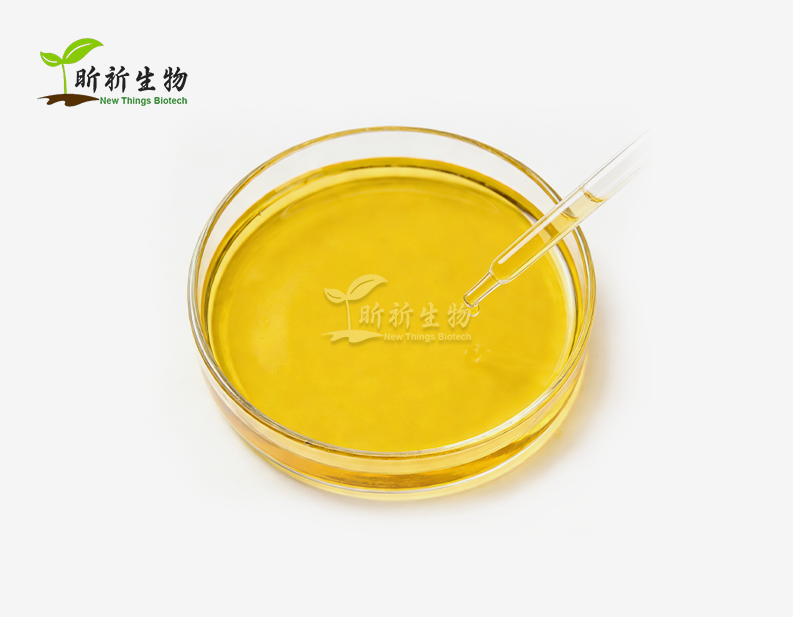
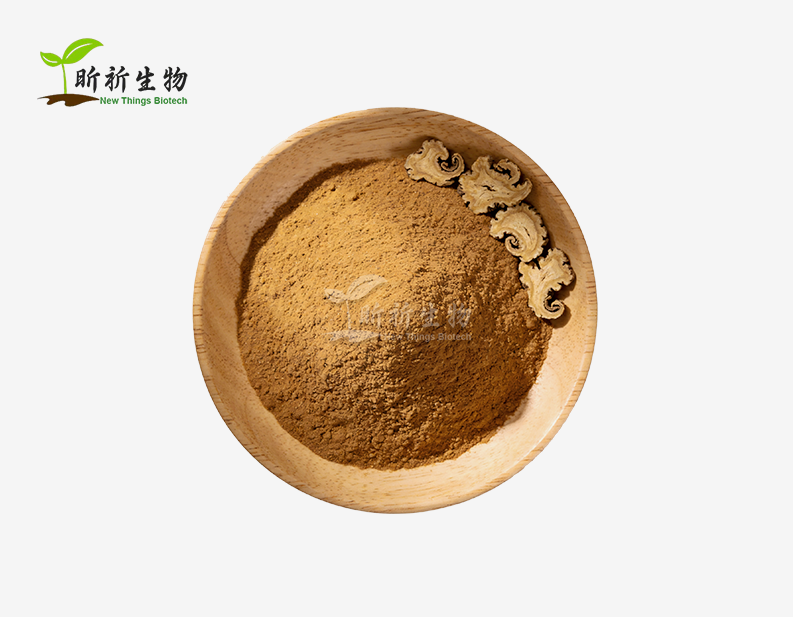
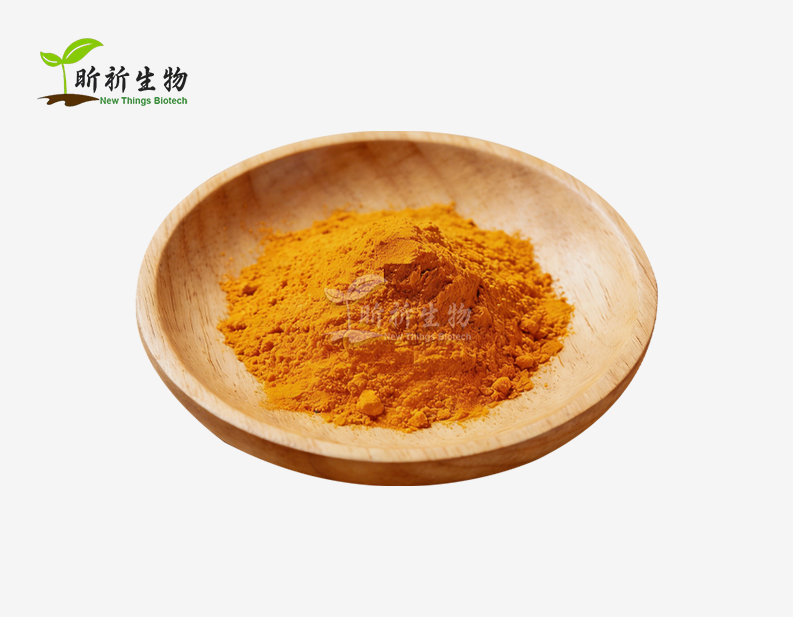
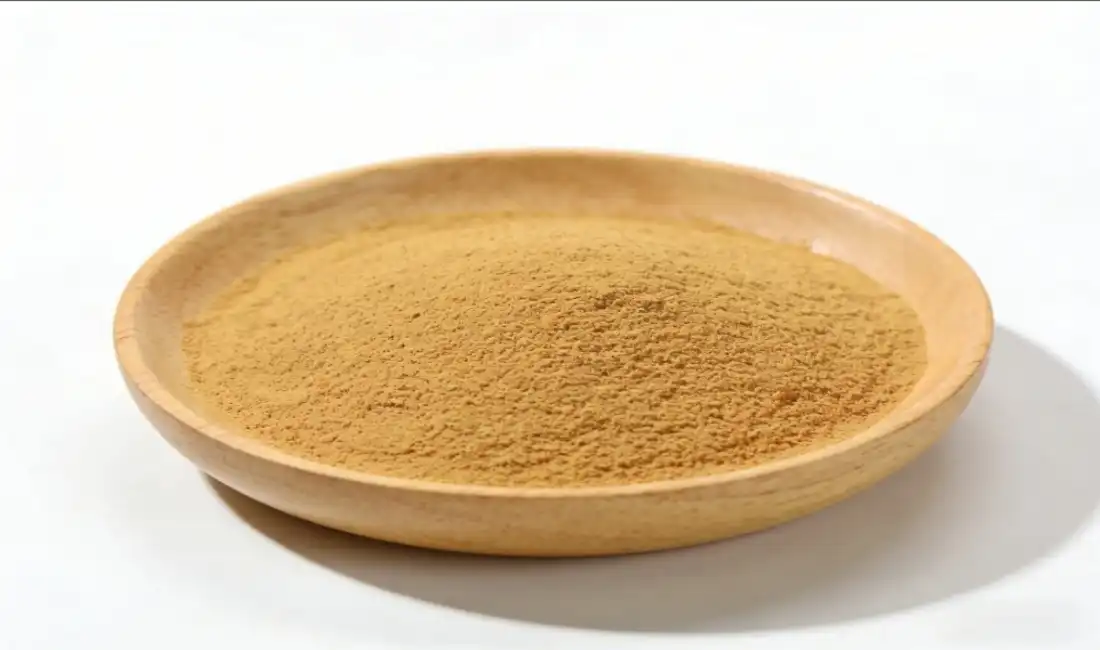
From our experience with plant extracts, we know that the way a product is made has a big effect on its end properties. When tanino milteliai is grown, it is usually done with solvent-assisted or hot water extraction methods that keep more medicinal chemicals. The powders that are made have natural color differences from light tan to dark brown and have mesh sizes that are usually around 80 mesh, which makes them easy to mix into different formulas. To make tannic acid powder, more steps need to be taken to clean it, such as filtering, precipitation, and controlled drying. These improvements make a yellow-brown powder that meets the standards for pharmaceutical-grade materials. The CAS number 1401-55-4 lets you know exactly which tannic acid chemical you're looking for, which is useful for quality control and legal paperwork. Advanced providers use HPLC and UV spectroscopy to check purity levels and make sure that batches are consistent with each other, which is a very important part of doing business with Tanino Milteliai other businesses in controlled industries.
Health Benefits and Industrial Applications
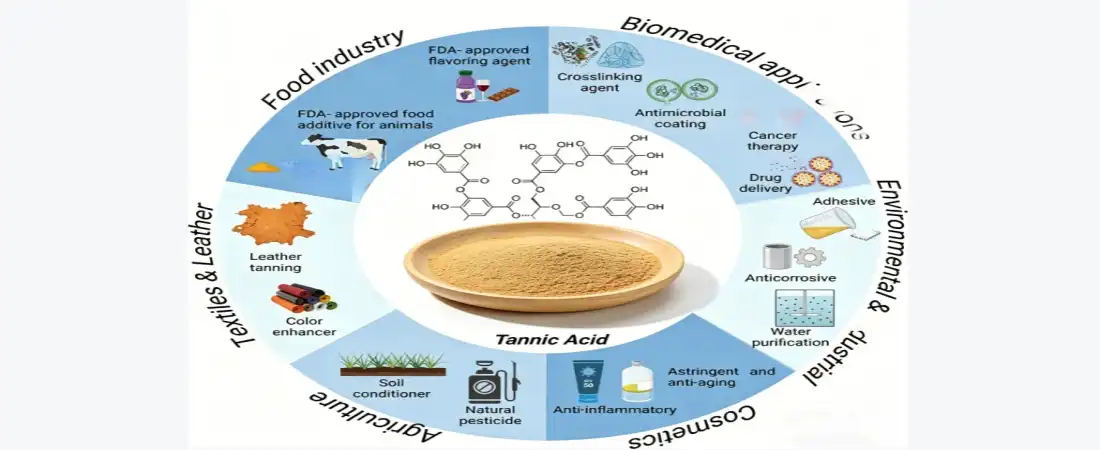
The useful functional qualities of both types of products can be used in many areas. The polyphenolic content gives these products their antimicrobial and antibacterial properties. This makes them especially useful in animal feed, where keeping the gut microecological balance has a direct effect on the health and productivity of animals. As natural antioxidants, tannin-based powders help keep products stable, improve the quality and taste of meat in animal feeding, and make food last longer on the shelf. The flexibility includes uses in cosmetics (astringent qualities help skin care formulations), in tanning processes (protein binding makes materials last longer), and in pharmaceuticals (controlled dosage forms use specific bioactive effects). Feed-grade tannic acid has been shown to be especially good at increasing the amount of feed that animals can use and helping them grow, all while keeping natural safety ratings that fit with the clean-label market trend.

Key Differences Between Tanino Milteliai and Tannic Acid Powder
Chemical Composition and Purity Specifications
The most important difference is the molecular structure. Tanino milteliai has a variety of different tannin compounds, some of which can be broken down by water (gallotannins, ellagitannins), some of which can't, and some of which are condensed (proanthocyanidins). It also has leftover plant matter, sugars, and other phytochemicals. This level of complexity allows for a wider range of biological activities but makes specific uses less predictable. The molecular structure of tannic acid powder is more regular, and certain gallotannin molecules make up most of it. Commercial standards usually range in purity from 93% to 99%, with higher grades selling for more money because they are more stable, dissolve better, and vary less. The standard chemistry formula makes it possible to do accurate estimates for formulations, which is very helpful for pharmaceutical and high-end cosmetic uses where strict ingredient requirements are required by regulatory bodies.
Solubility and Functional Performance
The features of solubility directly affect how well a product fits. Because it has a polished structure and a controlled particle size distribution (80 mesh standard), tannanic acid powder dissolves better in water. This feature makes it easy for the substance to spread quickly in water-based systems, which makes it perfect for adding to drinks, making liquid supplements, and making medicinal preparations for injection. Tanino milteliai has more varied solubility profiles that rely on where it was extracted from and how it was processed. This variety can be a problem in some situations, but it can be helpful in others, like when the compound needs to be released slowly on the skin, in long-lasting products, or in animal feed where slower breakdown helps the compound work for longer in the digestive system.
Source Sustainability and Certification Considerations
Sustainable buying and ethical supply chain methods are becoming more and more important in modern business-to-business shopping. Tanino milteliai providers often get their plants from a variety of places, so customers can choose materials that are native to the area and were gathered in a way that doesn't harm the environment. However, this diversity necessitates careful supplier vetting to ensure consistent quality and avoid adulteration risks. Tannic acid powder is mostly made from well-known plant sources, like Chinese gallnuts, whose growing and picking methods are well-documented. Reputable sellers keep up with ISO9001 quality control systems as well as Kosher and Halal certificates. This makes sure that religious dietary needs are met, which is important for getting products into global markets. These standard certification paths make it easier for buying teams that are in charge of multi-market selling plans to check for compliance.
How to Choose the Right Product for Your Industry Needs
Defining Procurement Criteria and Volume Requirements
Specifications that are easy to understand are the first step to successful buying. The people who work in procurement should set minimum pure standards based on the product's end use, any regulations that apply, and the performance requirements of the recipe. For feed-grade uses, tanino milteliai may be 80–90% pure, but for medicinal uses, it usually needs to be 98%+ pure tannic acid powder with full analysis documentation. Volume forecasts affect which suppliers are chosen and how prices are negotiated. For trial batches, the minimum order quantity is usually 25 kg. This lets you test the product thoroughly before committing to bigger production runs. Established operations with consistent monthly consumption exceeding 500 kg can negotiate favorable contract terms, including guaranteed supply continuity, priority production scheduling, and customized packaging options ranging from 1 kg laboratory bags to 25 kg industrial drums.
Regulatory Compliance and Quality Assurance
Different markets have different rules and regulations. The US Food and Drug Administration (FDA) rules, the European Union's Novel Food law, and country-specific feed additive approvals all have an effect on the details of ingredients that are allowed. Teams in charge of buying things have to make sure that sellers give them the right paperwork, like Certificates of Analysis (CoAs), reports on heavy metal screening, microbial testing results, and residue solvent studies. Third-party testing adds another level of quality control. Forward-thinking sellers share HPLC chromatograms, UV spectroscopy data, and longevity studies, as well as having independent labs check their work. Being open and honest builds trust and makes your internal quality control processes run more smoothly. Before you place an order with a possible supplier, you should ask for sample tanino milteliai documentation along with actual samples to check their quality processes.
Application-Specific Selection Guidelines
The best option for you will depend a lot on your business. Tanino milteliai, a cheap plant with strong antimicrobial qualities and natural antioxidant activity, is useful in animal nutrition. The complex polyphenolic profile helps keep the intestines healthy and improves the quality of meat without needing to be pharmaceutical-grade pure. Cosmetic formulators who want to sell high-end skin care products should focus on tannic acid powder that has been tested for quality and has a lot of safety information. The improved formula makes sure that the astringent effects are always the same, the color qualities stay the same, and it works with advanced delivery methods. Standardized tannic acid powder is the best choice, even though it costs more to buy. This is because pharmaceutical uses need the purest grades with all the necessary legal paperwork.

Reliable Suppliers and Market Considerations
Evaluating Supplier Capabilities and Certifications
A thorough review goes beyond price comparisons to find reliable supply partners. There are a few things that set leading plant extract providers apart from others. They keep all of their operations in one place, from growing the raw materials to packing the finished goods. This way, they can track and check the quality of every step of the supply chain. Their quality management systems are currently certified with ISO9001 and any necessary religious or dietary certifications. For example, Kosher and Halal approvals are very important for food and supplement uses that want to sell in a wide range of global markets. Superior providers are different from common vendors in terms of their technical skills. Advanced extraction centers use special processing methods that get the most active compounds out of the material while reducing breakdown as much as possible. The better stability and functionality of the product are directly linked to these technical benefits. During the buyer approval process, purchasing teams should ask for facility paperwork, look over processing flow maps, and make sure that analytical testing capabilities are met.
Procurement Channels and Logistics Considerations
Modern business-to-business buying uses more than one way to buy things. Direct ties with manufacturers offer the best price savings and customization options, but they also require more research and take longer to build from the start. Specialized botanical extract wholesalers offer a wider range of products and lower minimum order sizes, making them useful for businesses that need a wide range of ingredients or smaller individual needs. Logistics skills have a big effect on the total cost of purchases and the dependability of the supply chain. Suppliers who have been sending goods internationally for a long time know how to deal with complicated customs rules, give correct HS code classifications, and offer a range of shipping choices that fit your needs and budget. Express courier services like FedEx, UPS, and DHL can send small packages anywhere in the world in three to five business days. For shipping over 500 kg, consolidated sea freight lowers the cost per unit. Reliable sellers keep enough inventory on hand to allow for quick fulfillment—stock items are often shipped within one to three business days of an order being confirmed—while also giving customers an accurate picture of the wait time needed for production orders, which are three to ten business days.
Pricing Models and Contract Advantages
Being able to negotiate better means understanding how prices work. Spot market purchases give buyers freedom, but they also put them at risk of price changes. Annual supply deals offer stable prices and certain sharing, which is especially useful for essential ingredients that support continuous production plans. Volume-tiered pricing rewards larger commitments with lower per-unit costs—discounts usually start at 500 kg quarterly amounts and get a lot bigger at multi-ton yearly commitments.How you pay shows how confident the seller is in your relationship with the buyer. Businesses that have been around for a while and have good credit can negotiate net-30 or net-60 payment terms, which can help them make better use of their operating capital. For newer relationships, prepayment or letters of credit are usually needed. However, more forward-thinking providers accept more than one currency so that overseas buyers don't have to worry as much about foreign exchange. Some forward-thinking sellers will even let buyers pay in their own currency, which makes tracking easier and lowers the cost of the deal.
Best Practices for Using Tanino Milteliai and Tannic Acid Powder
Application-Specific Usage Guidelines
The best dose rates depend on the tanino milteliai application in a big way. Feed-grade tannic acid is usually added at a level of 0.1% to 0.5% of the total weight of the feed. It helps fight microbes and free radicals without making the feed too sour, which could make it less tasty. Most cosmetics use amounts between 0.5% and 2.0%, which balances the desired astringent effects against the risk of skin sensitivity in sensitive groups. Using the right diffusion methods makes ingredients work better. Tannic acid powder that dissolves easily in water works well in water solutions that are at room temperature. However, heating it slowly to 40 to 50°C speeds up the process and makes sure that all of the powder is dissolved. Depending on the particle size distribution and the complexity of the extract, tanino milteliai may need more intense mixing or pre-hydration methods. Before scaling up to production levels, our expert teams suggest doing small-scale tests to find the best mixing patterns.
Quality Control and Storage Protocols
Keeping the integrity of ingredients while they are being stored and handled protects their useful qualities and increases the shelf life. Both types of the product stay solid when kept in a cool, dry place out of direct sunlight and water. Under the right conditions, sealed packaging keeps its quality for 24 months. However, once opened, packages should be resealed right away and eaten within six months to stop rust and moisture absorption. Consistent output results are supported by regular quality checks. When checking new ingredients, they should be looked at for looks, their moisture content should be found using the Karl Fischer titration, and their purity should be checked using HPLC or UV spectroscopy. These quality checks find problems in the supply chain before the ingredients are used in production. This keeps expensive batch failures from happening and protects the brand's image. Suppliers that have been around for a while will give you batch-specific COA paperwork that makes it easier to do your receiving inspections and keeps full quality records.
Risk Management and Safety Compliance
Even though tannin-based ingredients have good safety ratings, possible sensitivities should be taken into account in smart risk management. As a general rule, people who work with chemicals should wear the right safety gear, like dust masks when handling powders and gloves when working with strong solutions. Material Safety Data Sheets (MSDS) from reputable providers list specific ways to handle the product and what to do in an emergency. Regulatory compliance includes more than just knowing the right amounts of ingredients. It also includes marking rules, maximum use levels, and limits on health claims. Generally Recognized as Safe (GRAS) rules in the US allow tannic acid to be used in certain food applications, but Novel Food studies are needed in the EU for those same uses. Pharmaceutical uses need to follow pharmacopoeial papers (USP, EP, JP) that spell out testing methods and quality standards. Teams in charge of buying things should make sure that the grade they choose and the paperwork their suppliers give them are in line with the rules that apply in all of their target markets.
Conclusion
To successfully navigate the buying market for tannin-based ingredients, you need to know the basic differences between tannic acid powder and tanino milteliai. These differences, which include chemical makeup, pure requirements, functional performance, and fit for use, have a direct effect on the success of formulations, compliance with regulations, and cost-effectiveness. Tanino milteliai is cheaper and has more complicated phytochemical profiles that make it good for industrial and animal feeding uses. Tannic acid powder, on the other hand, is pure and works consistently, which is important for pharmaceutical and high-end cosmetic formulations. Procurement strategies that work well combine technical needs with limited budgets, giving top priority to seller qualities like quality certifications, analytical rigor, product availability, and quick customer service. By using the evaluation methods and best practices described in this guide, B2B procurement professionals can easily find tannin-based ingredients that help them come up with new products and stand out from the competition.
FAQ
1. What distinguishes tanino milteliai from tannic acid powder chemically?
Tanino milteliai has a variety of hydrolyzable and condensed tannins, as well as antioxidants that have been left over. It has a wide range of biological activities but a different makeup each time. Tannic acid powder has refined gallotannin structures and uniform purity levels (93–99%). It works consistently and dissolves easily, making it perfect for uses that need exact chemical specs and government paperwork.
2. Which regulations govern tannin powder imports into the United States?
The FDA controls when it comes to tannin-based ingredients under food additive rules (21 CFR) and dietary supplement rules (DSHEA). Tannic acid is GRAS for some uses, but new uses might need to be approved before they go on the market. Importers must follow Current Good Manufacturing Practices (cGMP) and name products correctly. They must also provide entry documents like trade invoices, packing lists, and Certificates of Analysis demonstrating compliance with identity and purity specifications.
3. How can I verify product authenticity before placing large orders?
Request a lot of paperwork, like Certificates of Analysis with HPLC chromatograms that are special to each batch, heavy metal screening, microbial tests, and residual solvent studies. Get physical samples and have them tested by a third party in a recognized laboratory. You can check a supplier's ISO9001, Kosher, or Halal approvals through the groups that issued them. Check references from past customers and ask for site audit reports if the amount of work warrants the cost of source approval processes.
Partner with NT Biotech for Premium Tannin Powder Solutions
NT Biotech is a reliable company that can provide you with tanino milteliai. They offer high-quality plant extracts along with full technical help and the ability to make changes as needed. Our Galla Chinensis-based Tannin Powder Bulk is certified as being 93% to 99% pure and meets the strictest international standards. It also has ISO, Kosher, and Halal licenses and has been tested by a third party. We keep a lot of stock on hand so that we can ship within two to four days, and we offer free samples so that you can check the quality before you commit. Our unique extraction methods guarantee high amounts of active compounds that are more than 98% pure for high-end uses. This is backed up by full analytical paperwork that includes HPLC proof and batch-specific COA. We offer reasonable prices, a flexible minimum order quantity (MOQ) starting at 25 kg, and a range of custom packaging options. We also offer responsive technical advice and promise that we will respond to your first question within two hours. Contact our purchasing experts at info@newthingsbiotech.com to talk about your unique needs and find out how our integrated value-chain services can help you reach your goals for product creation.
References
1. Singh, K., & van Ree, T. (2001). Tannins: How to group and describe them. Reports on Natural Products, 18(6), 641-649.
2. J. Serrano, R. Puupponen-Pimiä, A. Dauer, A. M. Aura, and F. Saura-Calixto. (2009). Current understanding of where tannins come from, how much we eat, how bioavailable they are, and how they affect our bodies. Food and Molecular Nutrition, 53(S2), S310–S329.
3. Jeff Mueller-Harvey, I. (2006). Figure out the puzzle of tannins in animal health and diet. The 86(13) issue of the Journal of the Science of Food and Agriculture runs from 2010 to 2037.
4. Chung, K. T., Wong, T. Y., Wei, C. I., Huang, Y. W., & Lin, Y. (1998). A look back at tannins and human health. The 38th issue of Critical Reviews in Food Science and Nutrition has articles 421-464.
5. Hagerman, A. E., Jones, G. A., Sovik, K. N., Ritchard, N. T., Hartzfeld, P. W., & Riechel, T. L. (1998). Tannins, which are high molecular weight plant polyphenols, work as biochemical protectors. Vol. 46(5), No. 5, 1887–1892, Journal of Agricultural and Food Chemistry.
6. Mentecón, A. R., Frutos, P., Hervás, G., & Giráldez, F. J. (2004). Tannins and the diet of ruminants. Spain's Agricultural Research Journal, 2(2), 191–202.