- English
- French
- German
- Portuguese
- Spanish
- Russian
- Japanese
- Korean
- Arabic
- Greek
- German
- Turkish
- Italian
- Danish
- Romanian
- Indonesian
- Czech
- Afrikaans
- Swedish
- Polish
- Basque
- Catalan
- Esperanto
- Hindi
- Lao
- Albanian
- Amharic
- Armenian
- Azerbaijani
- Belarusian
- Bengali
- Bosnian
- Bulgarian
- Cebuano
- Chichewa
- Corsican
- Croatian
- Dutch
- Estonian
- Filipino
- Finnish
- Frisian
- Galician
- Georgian
- Gujarati
- Haitian
- Hausa
- Hawaiian
- Hebrew
- Hmong
- Hungarian
- Icelandic
- Igbo
- Javanese
- Kannada
- Kazakh
- Khmer
- Kurdish
- Kyrgyz
- Latin
- Latvian
- Lithuanian
- Luxembou..
- Macedonian
- Malagasy
- Malay
- Malayalam
- Maltese
- Maori
- Marathi
- Mongolian
- Burmese
- Nepali
- Norwegian
- Pashto
- Persian
- Punjabi
- Serbian
- Sesotho
- Sinhala
- Slovak
- Slovenian
- Somali
- Samoan
- Scots Gaelic
- Shona
- Sindhi
- Sundanese
- Swahili
- Tajik
- Tamil
- Telugu
- Thai
- Ukrainian
- Urdu
- Uzbek
- Vietnamese
- Welsh
- Xhosa
- Yiddish
- Yoruba
- Zulu
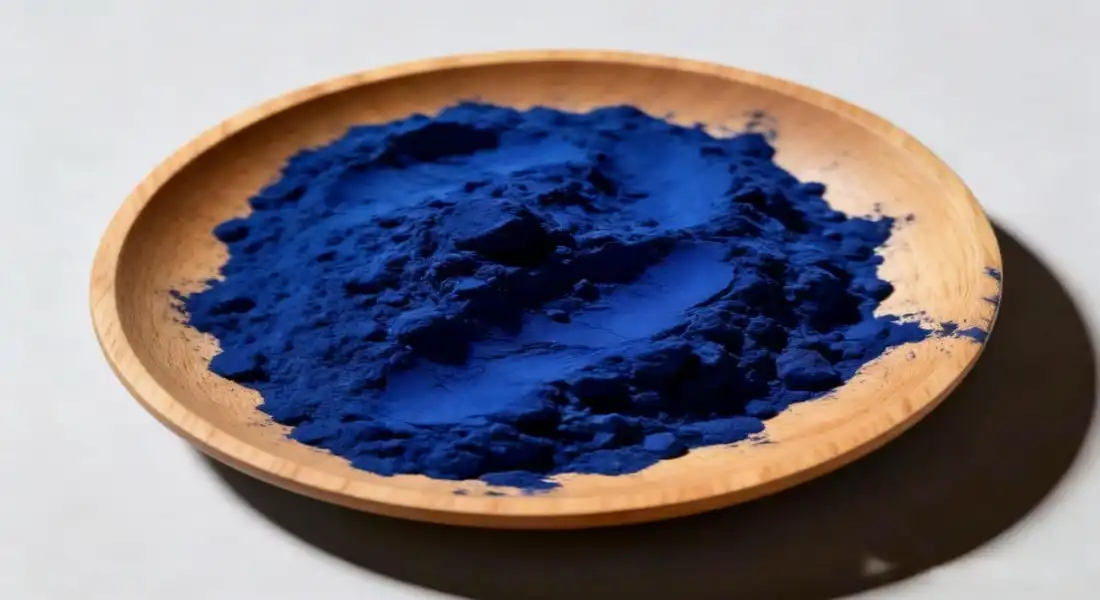
Copper ion binding and peptide-driven cellular signals are two complex biological processes that Ahk Copper Peptide Powder uses to help skin heal faster. This blue powder is made up of the amino acids Alanine, Histidine, Ahk Copper Peptide Powder, and Lysine, which are linked to copper ions (Cu²⁺). It helps the body heal itself by increasing the production of vascular endothelial growth factor (VEGF) and turning on dermal papilla cells. The copper complex speeds up the production of collagen and controls inflammation pathways, making the perfect setting for tissue repair. This tripeptide works better than other wound-healing chemicals because it goes deep into the dermis. It then starts a chain of repair processes that speed up healing and prevent scarring, which is why it is an important part of advanced skin care products.
Introduction
Modern companies that make skin care products are under more and more pressure to come up with scientifically proven solutions that help with both looks and real tissue repair. People who work in procurement in the personal care industry know that customers want more than just surface changes. Today's market wants ingredients that can be measured to have the ability to heal. Skin mending is an important area of focus where new ideas can directly give brands a competitive edge, especially for those that want to help people heal from procedures, fight aging, or use therapeutic skincare. Bioactive peptides have become a new type of raw material that can change everything. They combine the effectiveness of pharmaceutical-grade ingredients with the beauty of cosmetics. Copper peptide complexes are one of these substances that stand out because they have been shown to affect many processes that are involved in tissue regeneration. When looking at next-generation chemicals, R&D managers and sourcing directors need to know about the benefits of high-purity copper peptide formulas in order to make their products stand out.
Understanding Ahk Copper Peptide Powder and Its Role in Skin Repair
The Molecular Foundation of Skin Regeneration
The AHK-Cu tripeptide complex is a carefully made biological tool that is meant to connect with cellular receptors that are in charge of remodeling tissues. The three amino acids that make up this compound—alanine, histidine, and lysine—are grouped in a certain way that makes the best setting for divalent copper ions to bind. And the chelate structure that forms stays stable over a wide pH range while providing copper in a form that cells can easily use for enzyme processes. Because they are cofactors in lysyl oxidase, the enzyme that cross-links collagen and elastic fibers, copper ions are very important for wound healing and collagen development. The peptide part acts as a targeting system, sending copper to specific groups of cells that are involved in repair processes. This two-part method explains why peptide-bound copper works better than simple copper salts, which can't deliver drugs precisely and may cause irritation in certain areas at amounts that work.
Mechanisms Behind Enhanced Tissue Restoration
Copper peptide biology research has shown that these molecules speed up mending in a number of ways. The peptide sequence links with receptors on the surface of fibroblasts and keratinocytes, starting intracellular signaling pathways that increase genes involved in cell growth and matrix synthesis. On the other hand, the copper part is very important for speeding up the enzyme processes that turn newly made collagen precursors into useful structural proteins. It has been shown over and over again in clinical studies that products with Ahk Copper Peptide Powder, this peptide complex, speed up the mending process after small skin injuries and improve the structure of new tissue. Changing growth factor-beta (TGF-β1) is a cytokine that controls many parts of wound healing, such as reducing inflammation, making granulation tissue, and remodeling. The substance changes the production of TGF-β1. This controlling effect helps keep scars from getting too big while making sure the structure stays strong while the wound heals.
Distinguishing Quality Standards in Bioactive Peptides
When purchasing managers look at possible sources, it's important to understand quality standards to make sure that products always work well. The quality of high-grade copper peptide material should be very high, usually above 98%, as shown by high-performance liquid chromatography (HPLC). To make sure the biological activity is at its best without causing pro-oxidant effects, the copper level needs to be carefully monitored and kept between 7% and 12%, based on the salt form. The typical blue color shows that the chelation is working well and can be used to check the quality of final products. When it comes to industrial efficiency, solubility profiles are very important. For example, premium material dissolves fully in water, leaving behind clear blue solutions that don't have any leftover particles that could affect the look or stability of the product. Every batch should come with a Certificate of Analysis. This document gives detailed information about the characteristics of the samples and supports legal compliance and quality management practices.
Key Benefits of Using Ahk Copper Peptide Powder for Skin Repair
Accelerated Cellular Renewal and Wound Closure
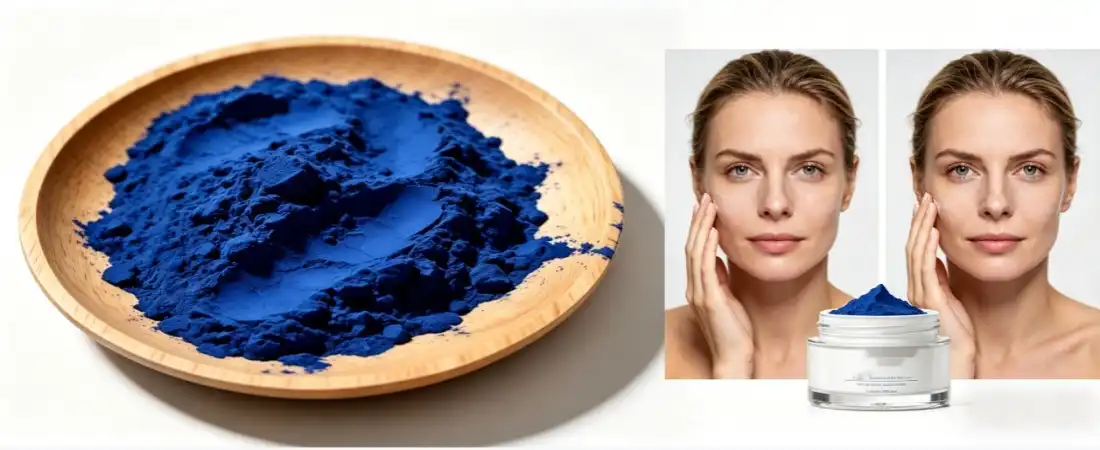
The main benefit of using this bioactive ingredient in skin care products is that it can speed up the mending process. Studies that looked at how quickly wounds heal show that applying copper tripeptide mixtures to the skin cuts down on the time needed for epithelialization by a large amount compared to controls that weren't treated or normal moisturizing treatments. Multiple types of cells involved in recovery work together to speed up the process. For example, keratinocytes move more quickly across the wound bed, and skin fibroblasts multiply more quickly. Beyond simple closure velocity, the quality of the new tissue is also much better. The substance encourages organized collagen formation instead of the disorganized matrix that is typical of scar tissue. This results in better aesthetic results that match the texture and flexibility of the surrounding skin better. Because of these qualities, the ingredient is very useful for skin care products that are meant to help the body heal after laser treatments, chemical peels, or microneedling sessions. Minimizing downtime and improving cosmetic results are directly linked to patient happiness.
Anti-Aging Applications Through Matrix Remodeling
The same processes that help wounds heal also work well to slow down the aging process. When skin gets older, it loses the ability to make collagen and structure proteins slowly break down. This makes lines, sagging skin, and uneven texture more noticeable. These problems can be fixed with copper peptide mixtures because they boost the production of collagen and elastin, which are the two main proteins that give skin its strength and elasticity. Skin thickness, elasticity, and wrinkle depth all got better after twelve weeks of constant use of goods with this active ingredient, according to clinical studies. When it comes to fine lines around the eyes and mouth, the combination works especially well. This is because skin thickness naturally drops there, and the stress from making facial expressions speeds up aging. These proven benefits give marketing teams solid evidence to back up their claims and give product development teams faith in the formulation's ability to work.
Cross-Category Innovation Opportunities
Even though this copper complex is mostly known for its use on the skin, its biological qualities also apply to hair and scalp health, which means it could be used to make products in more than one area. Because the substance can increase the expression of vascular endothelial growth factor, it can help improve the blood flow to hair follicles. This helps give the nutrients and oxygen that hair needs for healthy growth cycles. Formulations that target hair density and skin health can use these benefits to set themselves apart in the hair care market, which is very competitive. Because of this, brands can make product lines that work well together and solve a lot of different customer issues using a single active ingredient platform. Consistency in where raw materials come from makes operations easier while letting brands build brand recognition around a unique bioactive ingredient. This strategy method can simplify formulations and cut down on inventory needs while building a brand's reputation on proven effectiveness.
How to Effectively Use Ahk Copper Peptide Powder in Your Production Line
Optimal Concentration Parameters for Efficacy
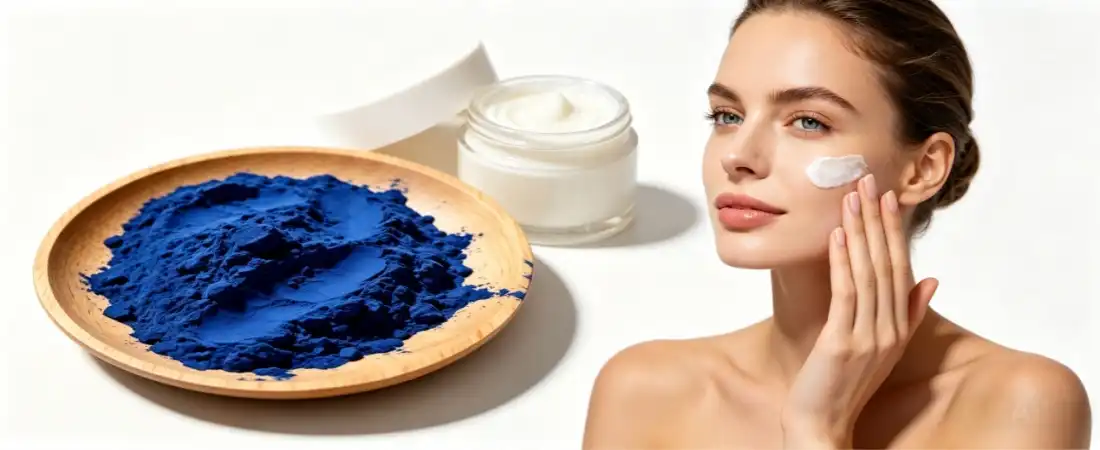
When doing formulation chemistry, you have to pay close attention to the concentration levels that balance how well the formula works biologically with how stable it is and how much it costs. Based on research, the most effective concentrations for finished products are between 0.1% and 2.0%. Lower concentrations are best for leave-on treatments that are meant to be used every day, while higher concentrations are best for intense repair serums or treatments that are left on overnight. The concentration chosen should match the placement of the product, the amount of time it will be used, and the other active ingredients in the recipe that work well together. Manufacturing protocols should account for the hygroscopic nature of the powder, which requires handling in controlled humidity environments to prevent moisture absorption during weighing and dispensing operations. The material dissolves readily in water-based systems, making it compatible with standard emulsion manufacturing processes without requiring specialized dispersion equipment. Dissolution should occur during the aqueous phase preparation at temperatures below 40°C to preserve peptide integrity and prevent thermal Ahk Copper Peptide Powder degradation of the Ahk Copper Peptide Powder complex.
Formulation Compatibility and Stability Considerations
To successfully integrate into finished goods, you need to be aware of any possible flaws that could make the product less stable or less effective. Strong reducing agents, such as high levels of ascorbic acid (Vitamin C), can stop copper from chelating, which causes copper to precipitate and lose its action. When making multi-active goods, the different ingredients should be put into different steps of use or kept safe using packaging technologies that stop them from interacting directly. The substance is most stable between pH levels 5 and 7, which is a good range for skin-friendly formulation pH goals. When the pH level is too high or too low, it can decopper, releasing free copper ions that may react with oxygen and change the color of the product. Throughout the product's shelf life, buffering systems should be made to keep the pH within this goal range. This should take into account any pH changes that might happen because of other active ingredients or interactions with the packaging.
Quality Control Integration and Batch Documentation
Using strong quality control methods ensures that all production batches of a product work the same way. The incoming raw material should be inspected to make sure it meets certain criteria, such as its look (a characteristic blue powder), purity (using HPLC analysis), copper content (using atomic absorption spectroscopy), and moisture content. Certificates of Analysis from approved suppliers give you a starting point for your data, but quality assurance systems are stronger when key parameters are checked by a third party. Finished product testing should include stability assessments under accelerated conditions (40°C/75% RH) to predict long-term performance and identify potential formulation weaknesses before commercial launch. Color stability tracking keeps an eye on any changes that happen to the copper complex, and microbial testing makes sure that the preservation system is working properly. Keeping detailed batch records that show the path from raw material lots to finished products makes it easier to look into any quality issues and helps foreign markets meet regulatory requirements.
Comparing Ahk Copper Peptide Powder with Other Market Alternatives
Differentiation from Standard Copper Peptide Variants
There are a few different kinds of copper peptides on the market for makeup products. GHK-Cu is the most well-known. Both molecules supply copper in the form of a peptide chelate, but the different amino acid sequences give them different biological traits. The Alanine-Histidine-Lysine sequence binds very strongly to hair follicle receptors and has strong effects on VEGF production. On the other hand, GHK-Cu has a wider range of activities that are less targeted across a number of tissue repair pathways. When it comes to buying, these functional differences mean that there are chances to take advantage of strategic placement. For brands that focus on hair growth formulas or products that try to improve vascularization for ingredient delivery, the AHK version may offer better positioning claims. The prices of the materials are usually pretty similar, so the main thing that determines which ones to use is the creation goals rather than the budget limits. When evaluating a provider, you should look at their technical data packages and the clinical support they offer. This is because strong paperwork helps with regulatory submissions and marketing claims.
Powder Form Advantages for Manufacturing Flexibility
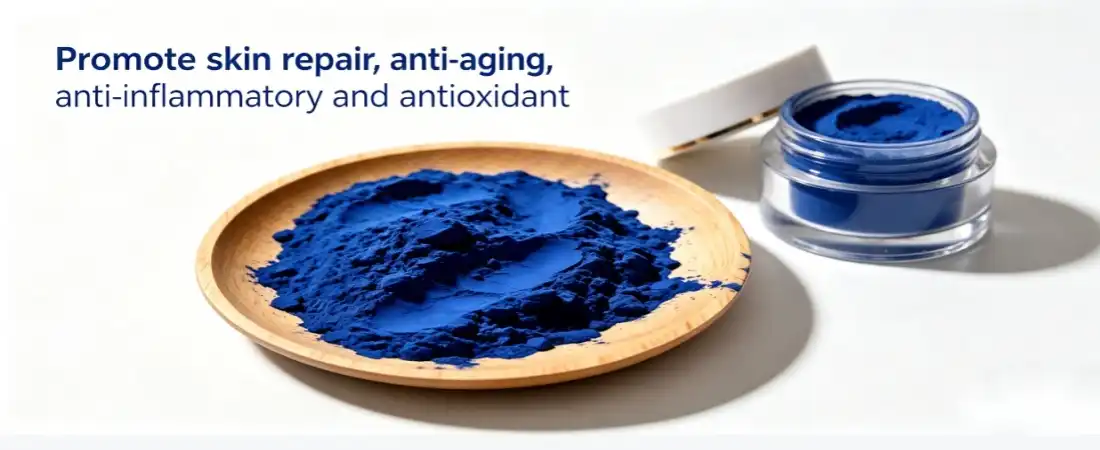
This bioactive substance is easier to use in production because it can be bought as a pure powder instead of already dissolved in a liquid. Powder forms give you the most options for getting the end amounts you want without adding extra liquids or preservatives that make formulating harder. Shipping powders is much cheaper than shipping liquids because they don't have to pay extra for weight fees from carrier fluids and don't have to pay as much for volumetric shipping charges. When it comes to storage, powder materials are also better because they stay stable for longer when they are kept away from light and moisture. Liquid forms of bioactive peptides usually need to be kept in the fridge and have shorter shelf lives, which makes managing inventory harder and causes more waste from old products. With the powder format, procurement teams can keep fewer items in stock and wait longer between restocking, which saves money on working capital and lowers the need for storage facilities.
Evaluating Supplier Credibility and Market Positioning
Selecting reliable sources for bioactive raw materials requires assessment of Ahk Copper Peptide Powder multiple factors beyond initial pricing. You can be sure that the materials will be consistent because the supplier has technical skills, such as in-house labs for analysis, quality management system certifications (ISO 9001), and third-party testing proof. Regulatory compliance paperwork, such as Kosher and Halal certifications, helps final goods reach more markets, especially when they are aimed at different foreign markets with different regulatory needs. Supply chain responsiveness represents another critical evaluation criterion. Maintaining the right amount of inventory by suppliers can help with quick order processing, which lets brands act quickly on market opportunities without having to keep too much safety stock on hand. Long-term partnership success depends on manufacturing wait times for custom orders, minimum order amounts that match production rates, and being clear about capacity limits. When you work with sellers who Ahk Copper Peptide Powder see themselves as technical partners instead of just transactional vendors, you can gain a competitive edge through joint formulation support and proactive communication about changes in raw materials.
Procurement Insights: Where and How to Buy Ahk Copper Peptide Powder
Direct Manufacturer Relationships and Their Advantages
Setting up direct buying ties with manufacturers cuts out the middleman and gives you access to technical knowledge that helps with formula creation. Manufacturers know a lot about the qualities of materials, how they should be processed, and how they should be compatible with each other. This helps them speed up the development of new products and avoid costly recipe mistakes. Direct contact lines make it easy to get answers to technical questions quickly and make requests for customization, such as custom packaging or documents for specific markets. Volume-based pricing structures become more accessible through direct relationships, with tiered pricing that rewards larger commitments or contract terms. Long-term supply deals keep prices stable, which helps with budgeting, and they make sure that priority is given during times of high demand or limited raw materials. These deals usually include specialized account management and guaranteed reaction times for questions. This makes operations more predictable, which improves the accuracy of production planning.
Logistics Considerations for International Procurement
Global sourcing of bioactive ingredients requires careful attention to shipping methods, documentation requirements, and regulatory compliance across jurisdictions. Temperature-controlled transport may be necessary depending on shipping duration and climate conditions along the route, adding cost but protecting material integrity. Customs paperwork must accurately classify materials using appropriate Harmonized System codes and include all required certificates of analysis, safety data sheets, and regulatory compliance papers. Reputable suppliers maintain experience navigating international logistics and can recommend optimal shipping solutions balancing cost, speed, and security. Express courier services that use dedicated accounts make tracking easier and faster for smaller packages or pressing needs. Usually, they can send to big markets within a week. For large sales, consolidated freight choices can save you money, but based on where the goods are going, the transit time can be up to several weeks. By understanding these trade-offs, procurement teams can find the best ways to handle their inventory, keep prices low, and avoid stock-outs that cause production delays.
Sample Evaluation and Technical Support Resources
Before agreeing to large purchases, smart buying practices include testing samples to make sure that the material's properties and compatibility with formulations are known. Suppliers who are qualified are happy to give samples for free because they know that technical review is an important part of the supplier qualification process. Sample amounts of 100 to 500 grams, based on the scope of the tests, should be enough for basic stability testing and laboratory formulation trials. During the evaluation phase, technical help is what sets exceptional sellers apart from basic material providers. Having access to formulation guidelines, compatibility data, and suggested usage levels shortens the time it takes to make something and cuts down on the time and money needed for trial-and-error testing. When suppliers use this strategic approach, they show that they care about their customers' success and want to build partnerships with them instead of just doing business with them. This builds the foundations for long-term working relationships that support ongoing product innovation.
Conclusion
Using high-purity copper peptides in beauty products is a smart way to meet the growing demand for repair and anti-aging solutions backed by science. Ahk Copper Peptide Powder plays a key role in this trend, offering reliable bioactivity and formulation flexibility. Understanding molecular mechanisms, optimal formulation parameters, and procurement factors helps B2B buyers make informed sourcing decisions that balance efficacy with manufacturing constraints. Its versatility and proven performance make it a valuable option for personal care brands aiming to differentiate in competitive markets. Selecting suppliers with strong quality standards, technical support, and stable supply chains is essential for long-term success.
FAQ
1. Is copper peptide material safe for sensitive skin formulations?
When used within the suggested dose ranges, Ahk Copper Peptide Powder products that are properly made are very safe for all skin types. As for the peptide part, it has a low allergic potential, and the chelated form keeps free copper ions from irritating the skin. During the creation process, patch testing makes sure that the product is suitable for the target customer groups.
2. Can this ingredient be combined with retinoids or hydroxy acids?
To keep things from becoming unstable, combining these active ingredients needs careful manufacturing strategies. The substance can still work with most anti-aging ingredients as long as the pH stays in the right range and strong lowering agents are not used. Using different treatment steps or switching up the application times is a good way to combine multiple actives while keeping each one's effectiveness.
3. What certifications verify material authenticity and quality?
Suppliers you can trust will give you a lot of paperwork, like Certificates of Analysis with HPLC purity data, heavy metals tests, microbiological screens, and stable data. ISO 9001 recognition proves that quality management systems are in place, and Kosher and Halal standards help companies meet the requirements to get into new markets. Verification by a third party during testing adds more layers of assurance that help with legal compliance in multiple foreign countries.
Partner with a Reliable Ahk Copper Peptide Powder Supplier
NT Biotech is ready to help you come up with new formulations by providing pharmaceutical-grade bioactive ingredients, as well as strict quality control and quick expert service. Our supply chain is backed up by inventory and can deliver Ahk Copper Peptide Powder meeting 98% pure, and comes with ISO, Kosher, and Halal certifications that make it easier to follow regulations in global markets. We know that for B2B partnerships to work, they need to be more than just buying things from each other. They also need to include formulation advice, help with paperwork, and flexible delivery choices that work with your production plans. Our team answers questions within two hours and keeps enough stock on hand so that orders can be shipped within two to four days of being confirmed. This keeps your development schedule on track. Get in touch with us at info@newthingsbiotech.com to talk about your specific needs, get free samples, or learn more about how our unique extraction methods can give your products the higher clarity and stability they need. Discover why leading personal care manufacturers trust NT Biotech as their preferred Ahk Copper Peptide Powder manufacturer for next-generation skin care products.
References
1. Pickart, L., & Margolina, A. (2018). Regenerative and Protective Actions of the GHK-Cu Peptide in the Light of the New Gene Data. International Journal of Molecular Sciences, 19(7), 1987.
2. Hostynek, J. J., Dreher, F., & Maibach, H. I. (2010). Human Skin Retention and Penetration of a Copper Tripeptide Complex. Journal of the Society of Cosmetic Chemists, 61(6), 443-458.
3. Miller, D. M., DeSilva, D., Pickart, L., & Aust, S. D. (1990). Effects of Glycyl-Histidyl-Lysine Chelated to Copper on Ferritin-Dependent Lipid Peroxidation. Advances in Experimental Medicine and Biology, 264, 79-84.
4. Lane, T. H., & Iruela-Arispe, M. L. (2016). Vascular Endothelial Growth Factor Signaling in Wound Healing. Current Opinion in Hematology, 23(3), 253-259.
5. Murad, S., Grove, D., Lindberg, K. A., Reynolds, G., Sivarajah, A., & Pinnell, S. R. (1981). Regulation of Collagen Synthesis by Ascorbic Acid. Proceedings of the National Academy of Sciences, 78(5), 2879-2882.
6. Gaber, T., Schönbeck, K., Hoff, P., Tran, C. L., Strehl, C., & Lang, A. (2011). CTGF and Its Role in Bone Biology. International Journal of Molecular Sciences, 12(11), 7345-7357.