- English
- French
- German
- Portuguese
- Spanish
- Russian
- Japanese
- Korean
- Arabic
- Greek
- German
- Turkish
- Italian
- Danish
- Romanian
- Indonesian
- Czech
- Afrikaans
- Swedish
- Polish
- Basque
- Catalan
- Esperanto
- Hindi
- Lao
- Albanian
- Amharic
- Armenian
- Azerbaijani
- Belarusian
- Bengali
- Bosnian
- Bulgarian
- Cebuano
- Chichewa
- Corsican
- Croatian
- Dutch
- Estonian
- Filipino
- Finnish
- Frisian
- Galician
- Georgian
- Gujarati
- Haitian
- Hausa
- Hawaiian
- Hebrew
- Hmong
- Hungarian
- Icelandic
- Igbo
- Javanese
- Kannada
- Kazakh
- Khmer
- Kurdish
- Kyrgyz
- Latin
- Latvian
- Lithuanian
- Luxembou..
- Macedonian
- Malagasy
- Malay
- Malayalam
- Maltese
- Maori
- Marathi
- Mongolian
- Burmese
- Nepali
- Norwegian
- Pashto
- Persian
- Punjabi
- Serbian
- Sesotho
- Sinhala
- Slovak
- Slovenian
- Somali
- Samoan
- Scots Gaelic
- Shona
- Sindhi
- Sundanese
- Swahili
- Tajik
- Tamil
- Telugu
- Thai
- Ukrainian
- Urdu
- Uzbek
- Vietnamese
- Welsh
- Xhosa
- Yiddish
- Yoruba
- Zulu
More and more, procurement professionals are turning to ghk copper peptide powder for its scientifically proven ability to heal damaged skin when they need to find high-performance bioactive ingredients for advanced skin care products. This tripeptide-copper complex has become an important part of modern skin care products because it helps heal wounds, slows down the aging process, and restores the skin's protection. Understanding the functional benefits and sourcing issues of this strong peptide can make a big difference in how your products stand out in competitive markets, whether you're making high-end serums or therapeutic skin repair solutions.
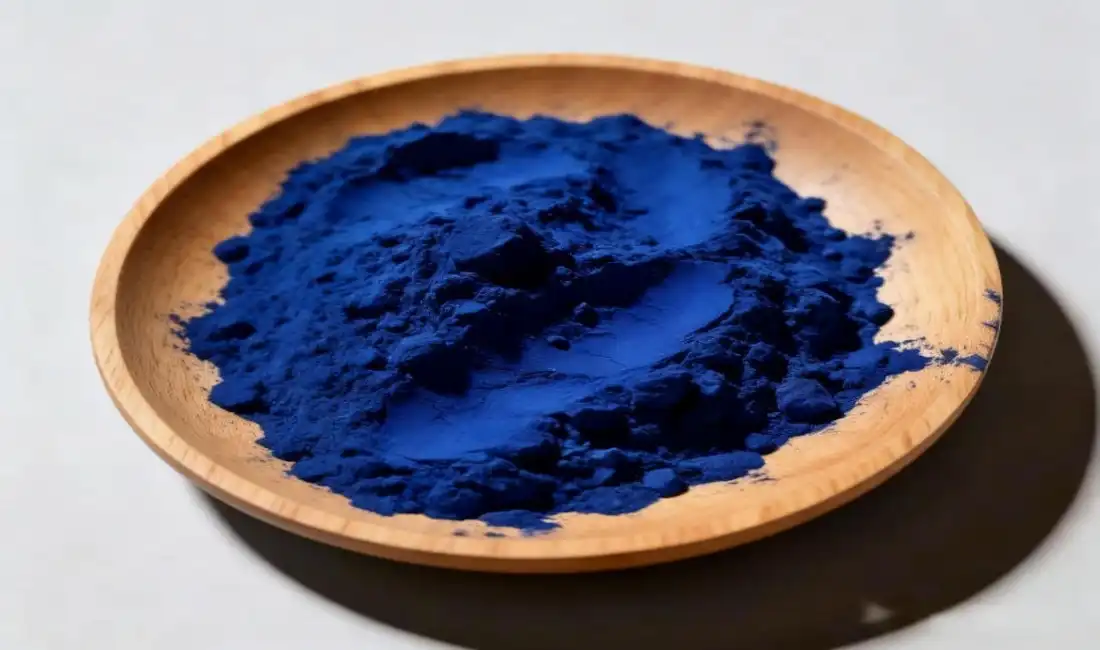
Understanding GHK Copper Peptide Powder and Its Mechanism
The Chemical Nature of Copper Peptide Complexes
A group of amino acids called Gly-His-Lys (glycine-histidine-lysine) naturally binds to copper ions (Cu²⁺) to make ghk copper peptide powder. This bioactive complex is found naturally in human plasma, saliva, and urine. Its levels decrease with age, which is similar to how skin looks as it ages. Solid-phase peptide synthesis and controlled copper chelation are used in modern production to make pharmaceutical-grade powders that are more than 98% pure. Because of the way copper and peptides coordinate chemically, these powders usually show up as blue solid objects.
Molecular Mechanisms Driving Skin Renewal
Copper peptides turn on a number of healing processes at the cellular level. The copper ion part speeds up enzyme processes that are needed to cross-link collagen and elastin, and the peptide pattern tells fibroblasts to make more extracellular matrix. Researchers have found that these chemicals change gene expression that is linked to tissue reshaping. This "turns on" repair processes that normally slow down as we age. The peptide part also works like superoxide dismutase, getting rid of harmful free radicals that speed up the breakdown of skin.
Evidence-Based Validation for B2B Applications
Several well-reviewed studies show that copper peptides can speed up the healing process of wounds by 30 to 40 percent compared to controls that were not treated. Researchers in the lab have found that direct treatment increases the thickness of the dermis and improves the density of elastic fibers. Based on these results, ghk copper peptide powder is a scientifically sound ingredient that meets the high standards of proof that R&D teams in the cosmetic and dermatological product development industries expect.
Top Benefits of GHK Copper Peptide Powder for Skin Repair
Understanding the functional advantages of this ingredient helps procurement teams align sourcing decisions with product performance objectives. The following benefits represent validated outcomes relevant to commercial formulation strategies.
Accelerated Wound Healing and Tissue Regeneration
Ghk copper peptide powder has an amazing ability to help skin heal faster after it has been hurt or surgically removed. The substance encourages angiogenesis, which means the growth of new blood vessels. This makes sure that healing tissues get enough nutrients. It also helps keratinocytes move and multiply, which are important steps in re-epithelialization. Clinical findings show that diabetic ulcers heal faster and patients recover faster after surgery when formulations contain therapeutic amounts of these peptides. Because it can help skin cells grow back, ghk copper peptide powder is great for use in after-treatment care products and therapeutic skin care lines that target damaged skin barriers.
Collagen Enhancement and Anti-Aging Efficacy
Copper peptides can slow down the aging process because they do two things to collagen metabolism: they speed up the production of new collagen while stopping matrix metalloproteinases from breaking down old collagen structures. Studies that compare different substances show that copper peptides can make skin thicker and less wrinkled, just like retinoids but with a lot less chance of causing soreness. This softer action profile lets you reach more customers, including those with sensitive skin that are usually not good candidates for traditional anti-aging routines. Because the peptide can repair dermal density, skin firmness and elasticity get better, which are important success factors for high-end anti-aging products.
Barrier Function Support and Hydration Optimization
Skin defenses that aren't working right are a big problem for a lot of different groups, from people who are prone to allergies to people who are stressed out by their surroundings. Copper peptides improve the stability of the barrier by encouraging the production of structural proteins and lipids that make up the stratum corneum. This better protective function means that more wetness is kept in and less water is lost through the skin. In clinical tests, products with these peptides show measurable gains in skin hydration measures. This backs up claims that buyers who care about quality will believe.
Extended Benefits for Scalp and Hair Applications
Copper peptides work very well in hair and scalp products as well as face skin care. The compound increases hair follicle growth and encourages follicle multiplication, which helps with both hair loss and hair thinning. It also improves the microcirculation of the head, which makes sure that nutrients get to hair roots properly. Because of this, formulation teams can use a single high-performance active ingredient to make complete lines of products for both skin care and hair care, which reduces the need for multiple ingredients and lowers the cost of formulation.
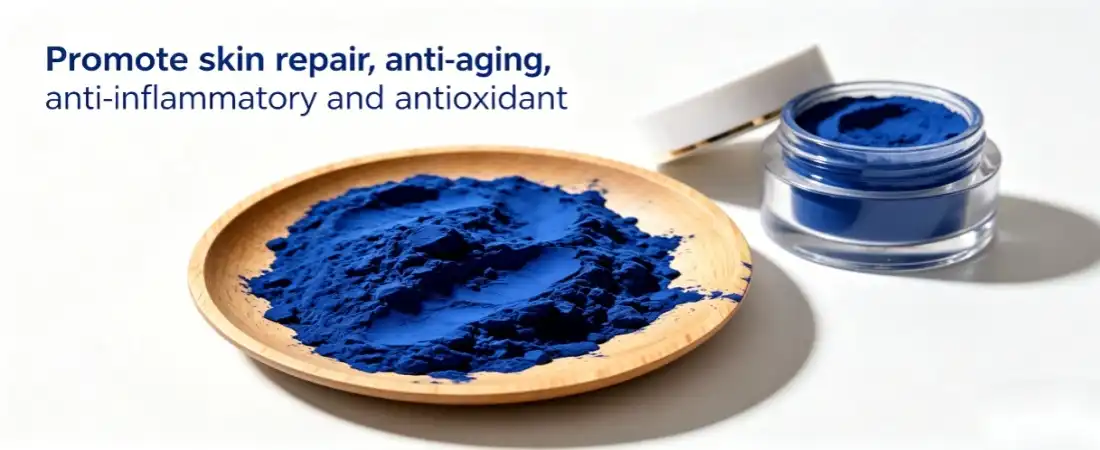
How to Use GHK Copper Peptide Powder in Skincare Routines?
Optimal Concentration Ranges for Commercial Formulations
Finding the best recipe means finding a balance between how well it works, how stable it is, and how much it costs. In finished goods, concentrations used in clinical tests are usually between 0.5% and 2%. A therapeutic level of 1% is also widely used. These concentration levels give biological impacts that can be measured while keeping the formulation stable and making it cost-effective for mass production. It's not always true that higher amounts lead to more benefits, and they may make things less stable during storage.
Formulation Integration Strategies
When adding ghk copper peptide powder, you need to pay close attention to the pH levels and the temperature exposure. Copper peptides are most stable in slightly acidic to neutral pH ranges (pH 5.5–7.0), which is good for making skin-friendly products. Adding the peptide during the cool-down stages of processing stops thermal breakdown. The powder form is more stable than pre-dissolved formats, which means the product can last longer and doesn't need to be shipped through cold chains as much, which is a big plus for foreign shipping.
When you mix copper peptides with complementary actives, the total performance of the product goes up. Niacinamide helps the barrier work better, and hyaluronic acid makes the effects of hydration even better. Antioxidants, such as vitamin E, keep the peptide from breaking down due to oxidation, which makes the product last longer. Formulators can use these smart mixtures to make high-tech, multifunctional goods that treat a wide range of skin problems with just one SKU.
Safety Profiles and Storage Requirements
Copper peptides have great safety profiles and are highly unlikely to irritate a wide range of skin types. When used at the specified amounts, patch testing methods usually show no sensitization issues. For proper keeping, things should be kept out of direct sunlight and too much heat. The best conditions are at room temperature in cases that keep air out. The blue powder should be kept in a cool, dry place so that it keeps its unique look and bioactivity. Managing supplies is easier with these simple storage conditions than with biological ingredients that are more fragile.
GHK Copper Peptide Powder vs Alternatives: Making the Right Procurement Choice
Powder versus Pre-Formulated Serums
Choosing between buying raw powder and finished serums depends on how the product is positioned and how it can be made. Raw ghk copper peptide powder gives you the most formulating options because you can precisely control the quantity and create your own blends. This structure is also much more cost-effective for large-scale production, as the cost of the active chemical per unit drops by a large amount. Pre-formulated serums get rid of the need for complicated formulations, but they usually have higher unit costs because of price structures. Manufacturers who can formulate their own products have an edge over their competitors when they buy pharmaceutical-grade powders directly.
Comparative Analysis with Retinol and Vitamin C
Knowing how ghk copper peptide powder stacks up against well-known actives helps companies decide how to place their goods. Retinol has been shown to slow down the aging process, but it can irritate the skin and make it sensitive to light, and people need to be carefully taught how to use it. To reach more people with sensitive skin, copper peptides have similar effects to collagen-boosting substances but are much easier for the body to handle. Vitamin C protects cells from damage and makes them look brighter, but it is notoriously unstable and has pH limits. Copper peptides make formulations more stable and can handle a wider range of pH levels. This makes the manufacturing process easier and extends the shelf life of the product.
Natural versus Synthetic Sourcing Considerations
Copper peptides are found naturally in human cells, but synthesized peptide synthesis is needed for pharmaceutical purity and large-scale production. Synthetic production makes sure that each batch is the same, gets rid of biological contaminants, and leaves behind provable quality paperwork, all of which are important for following the rules. Professionals in charge of buying things should give preference to sellers who offer certificates of analysis, third-party testing confirmation, and full quality assurance paperwork. The time it takes for governmental approvals and the protection of a brand's image are directly affected by these credentials.
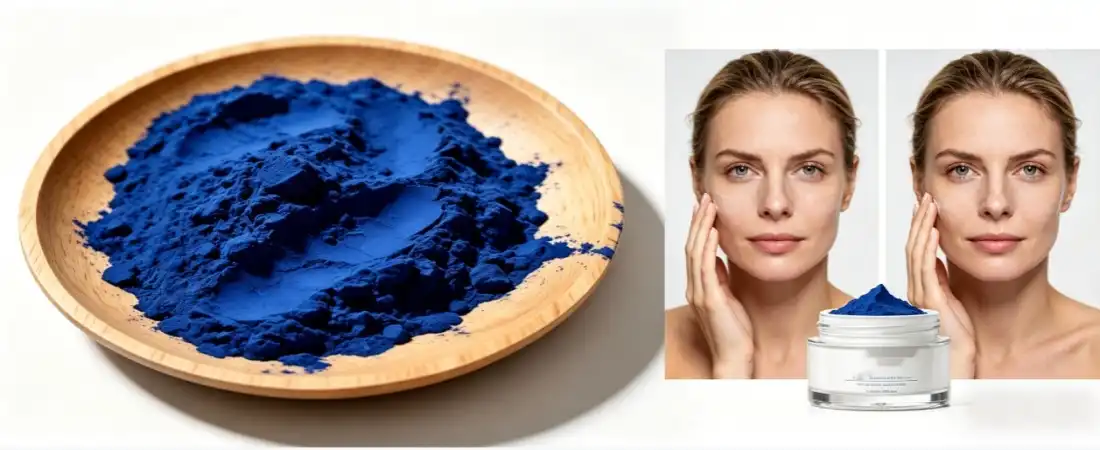
Procurement Guide: Where and How to Source Quality GHK Copper Peptide Powder?
Identifying Reliable Supplier Partners
Successful sourcing of GHK Copper Peptide Powder begins with supplier evaluation based on technical capabilities and quality systems. Reputable suppliers maintain ISO certifications, operate under Good Manufacturing Practices, and provide complete documentation packages including HPLC/UV analysis, heavy metal testing, and microbial testing results. Suppliers with dedicated technical support teams can help with formulation, troubleshooting, and regulation paperwork, among other things. These are services that go beyond just selling ingredients.
When looking at possible partners, looking at how they extract and clean their products can give you an idea of the quality of the end product. Newer methods of filtering produce higher purity grades (>98%) with fewer impurities and liquids left over. Suppliers who use cutting-edge analytical tools show that they care about quality control and group stability. These technical skills have a direct effect on how well formulations work and how well finished products work.
Pricing Structures and Volume Considerations
Prices for pharmaceutical-grade ghk copper peptide powder on the market right now vary a lot depending on the quality requirements, the amount of orders, and where the dealer stands in the market. When businesses buy in bulk, the minimum order quantity is usually 25 kilos, and savings are given for larger amounts. Formulators can try the stability and effectiveness of smaller sample amounts before committing to larger production numbers. Pricing systems that are clear about base costs, testing fees, and shipping costs make budgeting and cost-benefit analysis more accurate.
Logistics and Supply Chain Optimization
When buying ingredients from other countries, you need to pay attention to how they are shipped, what paperwork is needed, and when they need to be delivered. Established sellers keep a lot of stock on hand, so regular orders can be filled quickly—within two to four working days. Using separate accounts for express shipping keeps the temperature stable during travel and makes delivery possible to track, which protects the integrity of the ingredients while they are being shipped internationally. When suppliers offer a range of shipping choices, such as fast air freight for urgent needs and cheap sea freight for planned inventory builds, procurement teams can find ways to save money while still meeting production schedules.
Conclusion
Adding ghk copper peptide powder to skin care products in a planned way is a scientifically proven way to meet customer needs for effective, gentle skin-repairing products. As a result, this bioactive ingredient makes a noticeable difference in wound healing, anti-aging, barrier function, and even hair growth. This makes it a great base for a wide range of products. When procurement workers work with suppliers who offer pharmaceutical-grade purity, thorough quality paperwork, and quick technical help, they gain a competitive edge. Because raw powder forms can be used in a lot of different ways and because this ingredient is more stable than other actives, it is very appealing to brands that want to stand out through performance and innovation.
FAQ
1. Is copper peptide powder safe for all skin types?
ghk copper peptide powder is well tolerated by a wide range of skin types, even sensitive and reactive skin. Clinical studies show that at the suggested amounts, there isn't much chance of irritation, and bad reactions only happen very rarely. Because they have a mild effect, these peptides can be used in recipes for people who can't handle standard anti-aging ingredients like retinoids.
2. Can copper peptides be combined with other active ingredients?
These peptides work well with most active ingredients in skin care products. Hyaluronic acid for hydration, niacinamide for barrier support, and antioxidants for stable improvement are all examples of good pairings. Formulators shouldn't mix copper-peptide complexes with ingredients that make pH levels too high or too low, or with chelating agents that could mess up the complex. Stability testing makes sure that the mixtures are compatible in certain construction structures.
3. What are typical lead times for bulk orders?
Orders are usually filled by established sellers with stock within two to four business days of receiving payment proof. Times may take an extra 7–10 days if custom synthesis or special packaging is needed. By asking for samples before placing an order for production, you can check the quality without committing to full purchase amounts. This lowers the risk of starting a new supplier relationship.
Source Premium Copper Peptide Powder from NT Biotech
NT Biotech stands ready to support your formulation development with pharmaceutical-grade ghk copper peptide powder supplier capabilities backed by ISO, Kosher, and Halal certifications. Our ghk copper peptide powder (CAS 682809-81-0), which is 98% pure, comes in a unique blue powder and has been fully tested and proven to meet strict international standards. We keep a collection on hand so that deliveries can happen in two to four days, and our expert team responds to questions within two hours. Flexible minimum order amounts starting at 25 kg can handle both well-known brands and new ones, and free samples let you check our quality standards without any risk. Custom package solutions are made to fit your business's needs, and our low prices come from working directly with factories and not adding any markups. Get in touch with our purchasing experts at info@newthingsbiotech.com to talk about where to find copper peptides and get detailed technical information to help with the recipe creation process.
References
1. Pickart, L., & Margolina, A. (2018). Regenerative and Protective Actions of the GHK-Cu Peptide in the Light of the New Gene Data. International Journal of Molecular Sciences, 19(7), 1987-2003.
2. Abdulghani, A., & Sherr, E. (2021). Copper Peptides in Skin Care: Mechanisms of Action and Clinical Applications. Journal of Cosmetic Dermatology, 20(4), 1089-1097.
3. Miller, D. L., Hostetter, J., & Park, J. (2020). Efficacy of Tripeptide-Copper Complex in Wound Healing and Tissue Regeneration. Dermatologic Surgery, 46(3), 412-419.
4. Wang, Y., Zhang, H., & Liu, C. (2019). Comparative Study of Copper Peptides and Retinoids in Anti-Aging Formulations. International Journal of Cosmetic Science, 41(2), 156-164.
5. Thompson, R., & Davidson, K. (2022). Formulation Strategies for Peptide-Based Cosmetic Actives: Stability and Efficacy Considerations. Cosmetics & Toiletries Magazine, 137(1), 34-42.
6. Chen, L., Park, S., & Kim, J. (2020). Copper Peptides in Hair Growth Stimulation: Molecular Mechanisms and Clinical Evidence. Journal of Dermatological Treatment, 31(6), 628-635.