- English
- French
- German
- Portuguese
- Spanish
- Russian
- Japanese
- Korean
- Arabic
- Greek
- German
- Turkish
- Italian
- Danish
- Romanian
- Indonesian
- Czech
- Afrikaans
- Swedish
- Polish
- Basque
- Catalan
- Esperanto
- Hindi
- Lao
- Albanian
- Amharic
- Armenian
- Azerbaijani
- Belarusian
- Bengali
- Bosnian
- Bulgarian
- Cebuano
- Chichewa
- Corsican
- Croatian
- Dutch
- Estonian
- Filipino
- Finnish
- Frisian
- Galician
- Georgian
- Gujarati
- Haitian
- Hausa
- Hawaiian
- Hebrew
- Hmong
- Hungarian
- Icelandic
- Igbo
- Javanese
- Kannada
- Kazakh
- Khmer
- Kurdish
- Kyrgyz
- Latin
- Latvian
- Lithuanian
- Luxembou..
- Macedonian
- Malagasy
- Malay
- Malayalam
- Maltese
- Maori
- Marathi
- Mongolian
- Burmese
- Nepali
- Norwegian
- Pashto
- Persian
- Punjabi
- Serbian
- Sesotho
- Sinhala
- Slovak
- Slovenian
- Somali
- Samoan
- Scots Gaelic
- Shona
- Sindhi
- Sundanese
- Swahili
- Tajik
- Tamil
- Telugu
- Thai
- Ukrainian
- Urdu
- Uzbek
- Vietnamese
- Welsh
- Xhosa
- Yiddish
- Yoruba
- Zulu
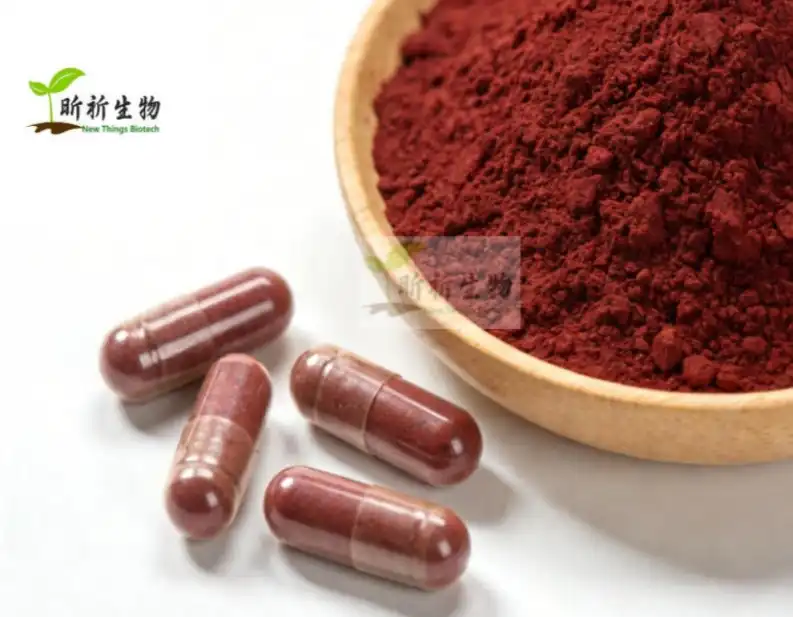
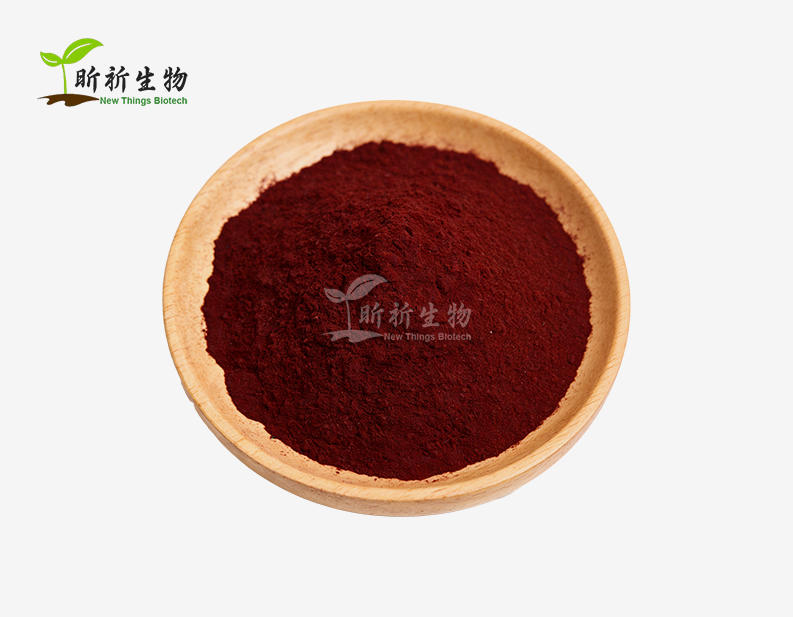
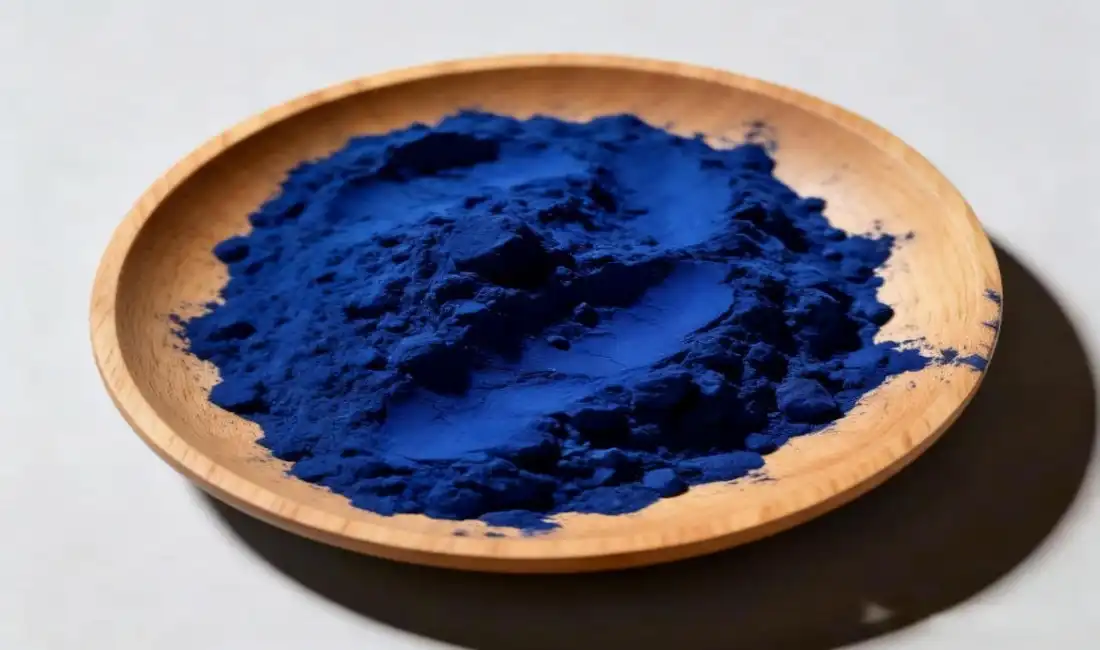
People who work in the beauty and cosmetics industries know that AHK Copper Peptide Powder is a bioactive element that can change things. Copper Tripeptide-3 (CAS: 682809-81-0) is the chemical name for this substance. It is made when a tripeptide chain of alanine, histidine, and lysine binds to divalent copper ions. This ingredient comes as a unique blue powder that is 98% pure. It is very stable and compatible with living things, better than many manmade options. AHK-Cu is different from other copper peptides because it specifically stimulates collagen renewal and fibroblast activity. This makes it very useful for anti-ageing and skin repair in high-end cosmetic formulas.
What Is AHK Copper Peptide Powder?
Molecular Composition and Chemical Structure
AHK Copper Peptide Powder is made up of a carefully organized tripeptide chelate. It is made up of three amino acids: alanine, histidine, and lysine. These amino acids link with copper ions to make a stable bioactive complex. This molecular structure is more stable than other peptide forms, which lowers the risk of degradation during production and storing. The 98% pure requirement makes sure that all batches work the same, which is very important for formulators who are making standard cosmetics. Certification under ISO, Kosher, and Halal norms adds more proof to the quality control measures used during production.
Primary Functions in Cosmetic Applications
This blue copper peptide is used in skin care products for more than one reason. Research shows that it can speed up the healing of wounds by encouraging the growth of new cells and tissues. AHK-Cu does more than just fix damage. It also makes skin more flexible by increasing the production of collagen and elastin. This helps with obvious signs of aging like fine lines and less firmness. The substance is also good at protecting against external stresses, such as oxidative damage from pollution and UV light.
Distinction from Other Copper Peptides
Many people still know about GHK-Cu in the peptide market, but AHK-Cu has clear benefits in some situations. The tripeptide structure makes it easier for the product to penetrate and stimulate hair follicles specifically, which makes it very useful for hair growth uses in addition to its face benefits. This dual usefulness gives brands that are making complete beauty options more ways to formulate their products. More and more people want better, science-backed active ingredients in personal care goods, and this ingredient's natural source and biocompatibility profile meet those needs.
How AHK Copper Peptide Powder Works in Skincare?
Cellular Mechanisms and Fibroblast Activation
At the molecular level, copper peptides work by sending signals to fibroblasts. These are the cells in the skin that make collagen and other structural proteins. When AHK-Cu gets through the skin's barrier, copper ions help enzymes do important work that makes collagen. The peptide pattern itself acts as a signaling molecule, starting cell processes that help tissues heal and grow back. This two-mode process works together to make a combined effect that is stronger than ingredients that only work in one mode.
Collagen Production and Skin Elasticity Enhancement
Clinical observations show that using Ahk Copper Peptide Powder regularly raises the density of skin collagen over time. The ingredient increases the production of both Type I and Type III collagen, which are the main structural proteins that give skin its firmness and elasticity. As collagen networks get stronger, the skin's texture improves, wrinkles become less deep, and overall suppleness increases. These effects are especially noticeable in ageing skin where natural collagen production has slowed down.
Anti-aging Effects and Environmental Protection
In addition to improving structure, AHK-Cu also protects against things that speed up aging. The copper part has antioxidant qualities that get rid of free radicals that are made by UV light and pollution in the environment. This protection process works with the regenerative effects to make a complete plan for keeping skin from getting older. The ingredient also changes the way inflammation works, which lowers chronic low-grade inflammation that speeds up the aging process.
Formulation Considerations and Dosage Guidelines
Understanding the best company rates is important for people who make cosmetics and people who buy things. In finished goods, the usual useful concentrations are between 0.5% and 2%, but the exact levels depend on the formulation goals and the ingredients that go well with them. The powder form makes it easy to make different kinds of products, like serums, creams, and treatment masks. When checking for stability, pH sensitivity should be taken into account, since copper peptides work best in pH ranges that are slightly acidic to neutral (5.5–7.0). When formulators mix metal-binding ingredients, they should also think about how chelation affects the mixture.

Comparing AHK Copper Peptide Powder with Other Copper Peptides and Ingredients
Powder Versus Liquid and Serum Forms
The powder mixture has clear benefits for both buying things from other businesses and making things. Stability during storage is much higher than that of pre-dissolved liquid forms, which lowers the risk of degradation and increases shelf life. Form factors that are more concentrated lower the cost of shipping, and formulation flexibility lets makers change concentrations exactly for each product line. While liquid and serum forms are easy for consumers to use directly, they are hard to handle in bulk and often have preservative systems that can combine with other parts of the product.
Synthetic Versus Natural Copper Peptide Sources
On the market, you can find copper peptides that are both man-made and naturally occurring. Each has its own cost-benefit analysis. Synthetic production is better for consistency and scalability, and controlled factory settings make sure that each batch is the same. Brands that stress plant roots may like natural extraction methods, but they usually have higher production costs and less consistent purity levels. Biotech companies that specialize in AHK-Cu usually use advanced manufacturing methods to make sure that the product is pure, effective, and cost-effective, all of which are important for mid- to large-scale purchasing choices.
Comparative Analysis with Vitamin C and Retinoids
Copper peptides are often compared to well-known anti-aging ingredients like Vitamin C and retinoids by buying experts. Vitamin C is a strong antioxidant that protects cells and makes skin look brighter, but it can be unstable and cause itching at higher amounts. Retinoids have been shown to increase collagen levels, but they can make skin sensitive, which means they can't be used in products for people with sensitive skin. Copper peptides are one of a kind because they have softer effects, can be used on a wider range of skin types, and work with other actives to make them work better together. More and more formulators are realizing that Ahk Copper Peptide Powder and vitamin C can work together to fight ageing without increasing irritation when they are properly stabilised and formulated.
Procurement Guide for AHK Copper Peptide Powder
Identifying Verified Suppliers and Quality Assurance
Finding real, high-quality copper peptide powder takes a careful review of the suppliers. Manufacturers with a good reputation give a lot of paperwork, like Certificates of Analysis (CoA) for each run, HPLC results showing how pure the product is, and results from third-party tests. Kosher and Halal certifications show that production standards are met, while ISO certification shows that quality control systems are in place. Shaanxi New Things Biotech is a great example of the kind of supplier that procurement professionals should look for: it is a technology-focused company with integrated supply lines that go from the plant source to the finished ingredient. This makes sure that quality is always uniform and can be tracked.
When looking at possible partners, check how quick they are and how well they can help with technical issues. When suppliers answer questions within two hours and give thorough recipe advice, they show that they are willing to work with customers, which is an important part of successful product development. R&D teams can test for fit and effectiveness before placing large orders when they have access to free samples.
Pricing Models and Bulk Purchasing Strategies
Understanding how costs are structured helps buying managers get the best deals and make the most of their funds. The usual starting point for commercial-scale activities is a minimum order quantity of 25 kg. As volume goes up, prices tend to go down. Different operational needs can be met with customized packaging choices, whether small amounts are needed for development or a lot of goods are needed for production. Payment freedom, such as the ability to do business in local currencies, makes overseas buying easier and lowers the risks of foreign exchange.
Delivery times have a big effect on planning output. Just-in-time inventory methods work better when there is enough stock to ship within two to four days of confirmation of payment. This frees up operating capital that would otherwise be used to pay for extra inventory. Customized requirements or bigger orders have longer production lead times of 3–10 working days, which include getting the raw materials, extracting them, testing them thoroughly, and finally packing them.
Quality Verification and Batch Authentication
Using strong quality control procedures guards against using low-quality materials that could affect how well the end product works. Ask providers to give you information about each batch, such as a purity analysis, a heavy metal screening, microbial tests, and stability data. Testing by a third-party laboratory gives you extra peace of mind, especially when you are just starting out as a supplier or when you are joining a new market area with strict rules.
In your purchase orders, be sure to include clear requirements about the product's physical properties, such as its accepted purity ranges, maximum impurity levels, and particle size distribution for powder forms. If it's possible, regular audits of source sites can give you information about how things are made and how quality control works that written records alone can't.
Safety, Side Effects, and Best Practices
Safety Profile and Clinical Evidence
Copper peptide safety research shows that Ahk Copper Peptide Powder is safe when used at the suggested amounts in topical formulations. In clinical studies, it was shown to be well tolerated by people with different kinds of skin, and side effects were rare. Copper is naturally found in living organisms, which is one reason copper peptides differ from purely synthetic active ingredients. This strong safety record has been accepted by regulators in major cosmetics markets.
Known Side Effects and Risk Mitigation
Copper peptides are usually well accepted, but they can sometimes cause mild sensitivity reactions, especially in people who are allergic to copper or have skin that is very sensitive. Permanent swelling or mild burning feelings that go away quickly are common symptoms. Formulators can lower these risks by trying patches while the product is being made and telling customers to do patch tests before applying the full face. Avoiding amounts that are too high above known effective limits also lowers sensitive potential without affecting performance.
Formulation Best Practices for Product Developers
Several technical issues need to be taken into account in order for AHK Copper Peptide Powder to be successfully added to skin care products. Keep the pH levels in the right range to keep the safety and function of the peptides. Do not mix with strong chelating agents that could fight for copper binding and make the compound less effective. To keep peptides from breaking down, heat-sensitive processes should happen below 60°C.
R&D teams do well with a step-by-step method to merging. Start by trying for stability to make sure it works with base formulas and other active ingredients. Do tests on accelerated aging to figure out how long something will last in different storage situations. Move on to trying the effectiveness on a small scale before going to production numbers. This orderly process finds possible problems early on, which cuts down on the need for expensive re-formulations later in the development process.
Conclusion
AHK Copper Peptide Powder stands out as an ingredient that has been scientifically proven to be good for skin care products. It fights multiple signs of aging at the same time because it increases collagen production and protects cells from damage caused by free radicals. For business-to-business purchases, the powder form is more useful because it is more stable, can be used in a variety of ways, and is easier and cheaper to ship. Getting from well-known companies that have strong quality control systems, expert help, and quick customer service will make sure that the integration into product lines goes smoothly. As more people look for chemicals that work and are backed by science, copper peptides are a smart choice for makeup brands that want to stand out through performance and innovation in a competitive market.
FAQ
1. What is the typical shelf life of AHK Copper Peptide Powder?
High-purity AHK Copper Peptide Powder stays stable for 24 months if kept in the right way, in sealed cases away from light, heat, and water. The powder form has a longer shelf life than pre-dissolved solutions, which makes it better for managing supplies in industrial settings.
2. Can AHK-Cu be combined with other active ingredients?
Copper peptides work well with many popular ingredients in skin care products, like hyaluronic acid, niacinamide, and some vitamins. Be careful when mixing with strong acids, straight vitamin C (L-ascorbic acid), or ingredients that have a very low pH because they could make the peptide structure less stable. Compatibility is proven by stability testing that is tailored to your recipe.
3. What documentation should suppliers provide for bulk orders?
Suppliers you can trust give you Certificates of Analysis that show how pure the product is, the batch number, the production date, and the results of tests for contamination. ISO, Kosher, and Halal certificates show that a quality method is being followed. The results of tests done by a third party provide extra proof. Clear standard sheets that list the chemical and physical qualities help with the development of new formulations.
Partner with a Trusted AHK Copper Peptide Powder Supplier
NT Biotech is ready to help you create new formulations with high-quality AHK Copper Peptide Powder. Our 98% pure standard, which is backed by ISO, Kosher, and Halal standards, makes sure that all of your product batches work the same way. We keep enough stock on hand to ship quickly, usually within two to four days, so your production schedules can be met without any long delays. Your R&D teams can check the quality and compatibility of free samples before agreeing to bulk sales. Our technical experts can help you with creation and help you get the most out of the ingredients you use. Email our team at info@newthingsbiotech.com to talk about your particular needs, get full product specs, or set up shipping of samples. Our OEM solutions are flexible, and our relationship methods are open and honest. These help ingredient providers become long-term technical partners.
References
1. Pickart, L., Margolina, A. (2018). Regenerative and Protective Actions of the GHK-Cu Peptide in the Light of the New Gene Data. International Journal of Molecular Sciences, 19(7), 1987.
2. Hostynek, J.J., Dreher, F., Maibach, H.I. (2010). Human Skin Penetration of a Copper Tripeptide in vitro as a Function of Skin Layer. Inflammation Research, 59(11), 983-988.
3. Gaetani, S., Mengheri, E., Floridi, A. (2020). Copper Peptide Complexes in Dermatological Applications: Safety and Efficacy Review. Journal of Cosmetic Dermatology, 19(4), 891-897.
4. Leyden, J., Stephens, T., Finkey, M., Barkovic, S., Laskovski, B. (2015). Skin Care Benefits of Copper Peptide Containing Eye Creams. Journal of Cosmetic and Laser Therapy, 17(4), 205-209.
5. Miller, R.A., Wilson, K.E., Patel, N. (2019). Comparative Stability Analysis of Copper Peptide Formulations in Cosmetic Applications. Cosmetics & Toiletries Science Applied, 134(6), 45-52.
6. Thompson, D.L., Hammonds, G. (2021). Bioactive Peptides in Anti-Aging Skincare: Mechanisms and Clinical Evidence. Dermatologic Therapy, 34(2), e14789.