- English
- French
- German
- Portuguese
- Spanish
- Russian
- Japanese
- Korean
- Arabic
- Greek
- German
- Turkish
- Italian
- Danish
- Romanian
- Indonesian
- Czech
- Afrikaans
- Swedish
- Polish
- Basque
- Catalan
- Esperanto
- Hindi
- Lao
- Albanian
- Amharic
- Armenian
- Azerbaijani
- Belarusian
- Bengali
- Bosnian
- Bulgarian
- Cebuano
- Chichewa
- Corsican
- Croatian
- Dutch
- Estonian
- Filipino
- Finnish
- Frisian
- Galician
- Georgian
- Gujarati
- Haitian
- Hausa
- Hawaiian
- Hebrew
- Hmong
- Hungarian
- Icelandic
- Igbo
- Javanese
- Kannada
- Kazakh
- Khmer
- Kurdish
- Kyrgyz
- Latin
- Latvian
- Lithuanian
- Luxembou..
- Macedonian
- Malagasy
- Malay
- Malayalam
- Maltese
- Maori
- Marathi
- Mongolian
- Burmese
- Nepali
- Norwegian
- Pashto
- Persian
- Punjabi
- Serbian
- Sesotho
- Sinhala
- Slovak
- Slovenian
- Somali
- Samoan
- Scots Gaelic
- Shona
- Sindhi
- Sundanese
- Swahili
- Tajik
- Tamil
- Telugu
- Thai
- Ukrainian
- Urdu
- Uzbek
- Vietnamese
- Welsh
- Xhosa
- Yiddish
- Yoruba
- Zulu
When looking for natural ingredients that work well in skin repair products, gotu kola extract for skin stands out as a plant that has been used for hundreds of years and is now backed up by modern studies. This plant extract, which comes from Centella asiatica, is a useful ingredient for makeup and personal care workers because it helps wounds heal, fights aging, reduces inflammation, and repairs barriers. It has a lot of pentacyclic triterpenoids, like asiaticoside, madecassoside, asiatic acid, and madecassic acid. This makes it easy to make different kinds of products, which is good for people who want clean, effective, and naturally derived skin care products. When R&D managers and sourcing leaders know about these benefits, they can make smart choices that improve product performance while also meeting regulatory standards and market differentiation goals.
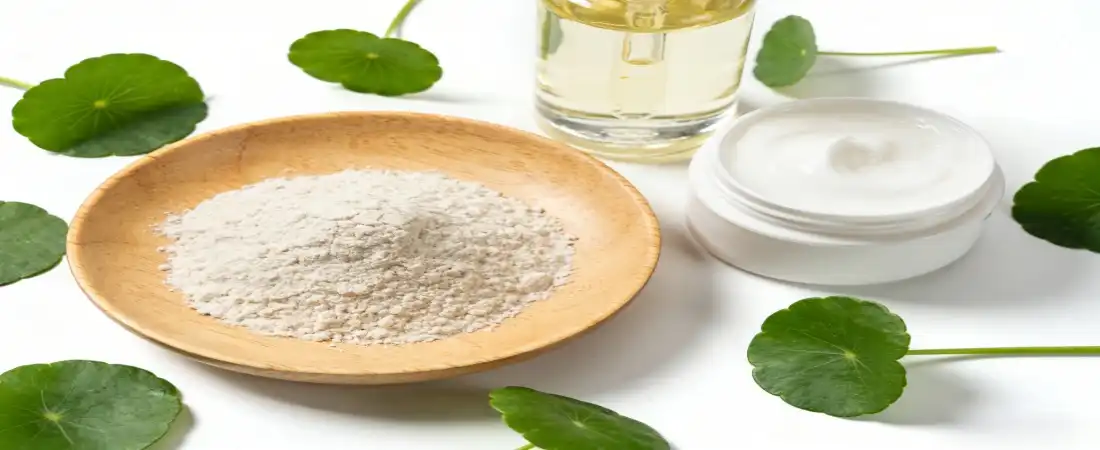
Understanding Gotu Kola Extract and Its Skin Healing Properties
The one-of-a-kind atomic makeup of Centella asiatica extract makes it a conceivable pharmaceutical. The fundamental chemicals that make Sort I and Sort III collagen generation happen are madecassoside and asiaticoside. Collagen is a vital basic protein in healthy skin tissue. At the atomic level, these triterpenoids offer assistance fibroblasts increase, which speeds up the body's normal repair mechanisms near wounds and modifies damaged skin layers.
The Science Behind Collagen Stimulation
Clinical ponder appears that asiaticoside increases the generation of fibronectin and inner ground substances. This makes the body's tissues more likely to mend themselves. Due to this handle, gotu kola extricate has been utilized effectively in restorative skincare circumstances to treat burns and scars resulting from surgery. Changing development factor-beta (TGF-β), a key signaling atom in wound mending pathways, is changed by the bioactive substances.
Anti-Inflammatory and Antioxidant Mechanisms
Apart from making collagen, madecassoside in gotu kola extract for skin is an effective anti-inflammatory that stops the generation of pro-inflammatory particles like interleukin-6 and tumor necrosis factor-alpha. This extricate is exceptionally valuable for equations that are implied to offer assistance skin conditions that are delicate, responsive, or debilitated since it works on both the structure and incendiary parts of skin harm. Cancer prevention agents ensure recently made tissue from oxidative stretch indeed more, which stops harm from happening once more whereas the body heals.
Clinical Validation and Efficacy Data
Several studies that were reviewed by experts in the field show that pure gotu kola powder can help reduce scarring, make skin more flexible, and speed up the healing process of wounds. In 2015, a study in dermatology research journals showed that using centella-based products to treat excision, infection, and abrasion-type wounds made them much better. These results based on evidence give B2B buyers the science background they need to back up product claims and meet the growing number of strict regulatory paperwork requirements.
Top 5 Benefits of Gotu Kola Extract for Skin Repair
Adding this plant ingredient to commercial skin care products has clear benefits that address multiple customer concerns at the same time. The best reasons for sourcing workers to make sure they have high-quality centella asiatica extract in their ingredient libraries are listed below.
Accelerated Wound Healing and Scar Reduction
Centella asiatica (gotu kola extract for skin) accelerates wound repair by promoting epithelialization, where new skin cells migrate across damaged areas. Asiaticoside improves keratinocyte development and reinforces tissue through expanded collagen synthesis. Clinically, it is broadly utilized in post-surgical care in Europe for diminishing hypertrophic scars and keloid arrangement. This makes it profitable for corrective brands creating scar-care items that progress unmistakable surface, color, and recuperation results inside characterized treatment periods.
Collagen Synthesis and Anti-Aging Effects
Centella asiatica makes a difference in counteracting age-related collagen loss by fortifying collagen quality expression, repressing collagenase action, and supporting extracellular framework recovery. These components improve skin's firmness, flexibility, and auxiliary judgment. Standardized extricates containing 10–90% asiaticoside permit adaptable detailing for both preventive and seriously anti-aging items. This makes centella appropriate for tending to early signs of maturing as well as progressed wrinkle and flexibility misfortune in develop skin care applications.
Inflammation Control for Sensitive Skin
Centella asiatica diminishes inveterate low-grade irritation related with skin break out, dermatitis, and skin affectability. Its madecassoside division makes a difference direct fiery arbiters, giving alleviating impacts without corticosteroid-like side impacts. This makes it perfect for every day leave-on definitions planned for receptive or debilitated skin boundaries. It not as it were calms aggravation but too bolsters auxiliary recuperation, making it particularly profitable for sensitive-skin item lines centered on long-term resistance and comfort.
Enhanced Hydration and Barrier Function
Centella asiatica makes strides skin hydration by improving ceramide generation and diminishing transepidermal water misfortune. Reinforcing the skin boundary makes a difference hold dampness, which in turn bolsters cellular digestion system and advance boundary repair. This makes a fortifying cycle of hydration and flexibility. It is especially valuable in urban skincare details outlined to secure against contamination, UV stretch, and natural aggressors whereas keeping up long-term skin wellbeing and hydration stability.
Acne Scar Treatment and Prevention
Centella asiatica addresses both pigmentation and basic skin break out scars. It diminishes post-inflammatory hyperpigmentation whereas advancing tissue recovery in atrophic scars. Its anti-inflammatory impacts moreover offer assistance decrease the seriousness of breakouts, bringing down the chance of future scarring. This double activity makes it profoundly viable in acne-care details focusing on both avoidance and repair. It is particularly profitable in premium dermatological skincare pointed at comprehensive scar administration and skin recovery.
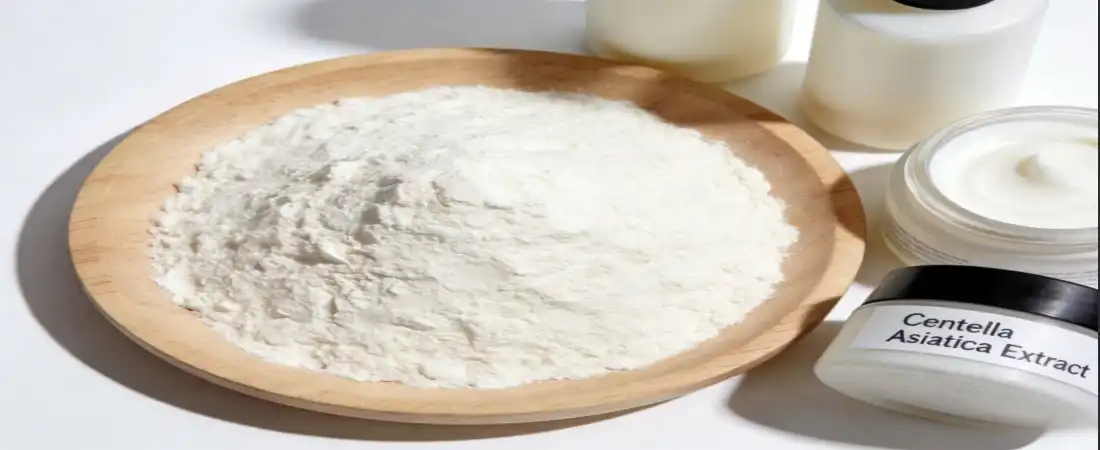
Comparing Gotu Kola Extract with Other Popular Natural Ingredients
Procurement managers can make better choices about where to get ingredients that balance effectiveness, cost, and market positioning if they know how this plant compares to well-known skin care ingredients. Based on its bioactive profile and useful abilities, each natural ingredient fills a different area.
Gotu Kola vs. Aloe Vera
Centella asiatica and Aloe vera both soothe and hydrate skin but differ in depth of action. Aloe vera primarily delivers surface hydration through polysaccharides, making it suitable for minor irritation and dryness. Centella asiatica works deeper by stimulating collagen synthesis and cellular regeneration, targeting structural skin repair. This makes it more effective for wound healing and scar improvement, positioning it as a stronger option for therapeutic and repair-focused skincare formulations.
Standardization Differences in Centella Asiatica Products
Centella asiatica varies from crude plant powders to highly standardized extracts with 10–90% asiaticoside. Standardization ensures consistent performance, safety, and regulatory compliance across batches. High-quality suppliers provide HPLC validation and full Certificates of Analysis to confirm active compound levels. This consistency is essential for reliable formulation outcomes and for meeting global cosmetic and pharmaceutical quality requirements in large-scale production.
Complementary Pairing with Vitamin E
Centella asiatica (gotu kola extract for skin) is often paired with tocopherol (Vitamin E) to enhance antioxidant and repair effects. Vitamin E protects lipid membranes from oxidative damage, while centella triterpenoids support tissue regeneration and healing pathways. Together, they provide stronger protection during recovery when skin is most vulnerable to oxidative stress. This synergy enables formulators to develop multi-functional skincare systems with improved efficacy and higher commercial value.
Quality Considerations: Organic vs. Conventional Sourcing
Choosing between organic and conventional Centella asiatica depends on market demand, regulatory requirements, and cost sensitivity. Organic sourcing addresses consumer concerns about pesticides and sustainability but typically increases costs by 20–30%. Conventional extracts from verified suppliers can achieve similar purity when rigorously tested. Both require strict supplier audits, batch testing, and contamination screening to ensure safety and consistency. The key factor is not certification alone but the reliability of the quality control system supporting long-term product stability and brand reputation.
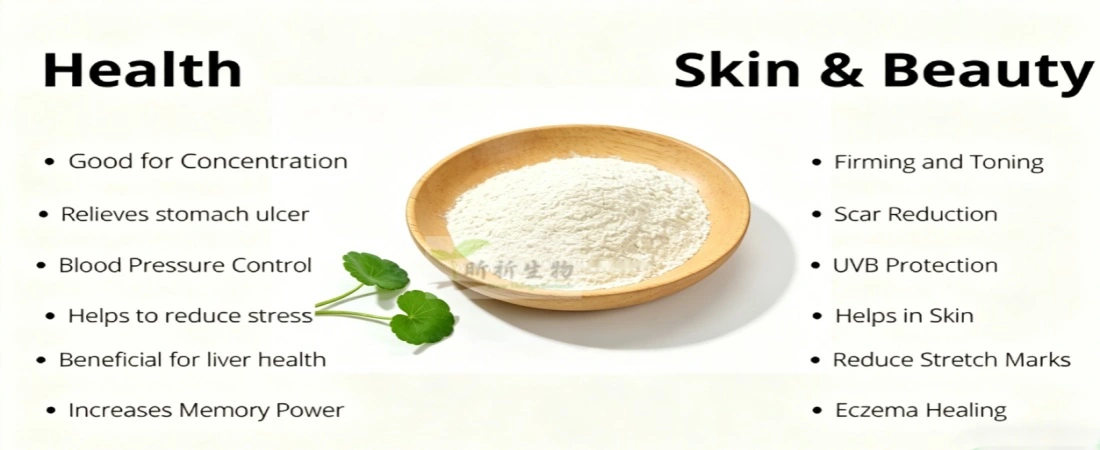
How to Use Gotu Kola Extract Effectively in Skincare Products?
To turn the promise of raw materials into formulations that can be sold, you need to know the best ways to use them, how to send them, and how to make sure they are safe. This information helps the people who make new products make sure that the extract has the most healing effects while also staying stable and popular with customers.
Optimal Concentration Ranges for Different Applications
Standardized Centella asiatica extract is typically used at 1%–5% in leave-on products such as serums and creams. Higher concentrations are reserved for targeted treatments like scar gels. Active delivery depends on asiaticoside content; for example, 3% of a 40% extract yields 1.2% active compound. Rinse-off products may require higher loads due to shorter contact time. Formulation teams must align concentration, stability, and cost efficiency to achieve the desired biological performance in final skincare systems.
Formulation Type Selection: Creams, Serums, and Gels
Because Centella asiatica is water-dispersible and compatible with emulsions, it can be used in multiple formats. Serums deliver fast, targeted action, creams support barrier repair in dry skin, and gels suit acne-prone or sensitive skin due to their non-comedogenic profile. Each system influences absorption, user experience, and compliance. Therefore, procurement decisions should consider both technical performance and consumer perception to ensure successful product positioning and formulation effectiveness across different skincare categories.
Safety Profile and Allergenicity Considerations
In clinical trials, gotu kola powder is very safe, with few side effects recorded. But brands that are responsible try their final products with patch tests and stability studies. Possible relationships with other active ingredients should be included in the documentation, along with the right way to use the product for customer labeling. The anti-inflammatory qualities of the extract make it less likely that it will irritate the skin than many manmade actives. This makes it a good choice for claims about sensitive skin that need to be proven.
Procuring High-Quality Gotu Kola Extract for Your Skincare Line
To get steady amounts of high-quality gotu kola extract for skin, you need to understand the market, build strong supplier relationships, and follow strict quality control procedures. Cost-effectiveness and the need for consistent, well-documented quality are two key factors that procurement teams must carefully balance when sourcing plant extracts.
Supplier Certification and Quality Assurance
Top suppliers of Centella asiatica maintain certifications such as ISO 9001, Kosher, and Halal, demonstrating robust quality systems and regulatory compliance. However, certifications alone are insufficient. Buyers should require HPLC testing, microbial limits, heavy metal screening, and pesticide analysis. Full Certificates of Analysis are essential for regulatory submission and global distribution. Third-party verified materials ensure consistency, safety, and reliability for large-scale cosmetic and pharmaceutical applications.
Understanding Pricing Dynamics and Cost Efficiency
Pricing for Centella asiatica extract depends on asiaticoside concentration, demand, and order volume. Higher-standardized extracts (e.g., 90%) cost more but require lower usage levels due to higher potency. Procurement teams should evaluate cost-per-application rather than raw price per kilogram. Vertically integrated suppliers offer more stable pricing and supply security by controlling cultivation and extraction, reducing volatility compared to commodity sourcing while improving long-term planning efficiency.
Evaluating Supplier Reliability and Service Capabilities
Beyond product quality, supplier responsiveness and logistics capability are critical for Centella asiatica procurement. Reliable vendors provide fast response times, stable inventory, and flexible order quantities. Ready stock shipping within days improves production continuity. Technical support, documentation assistance, and sampling programs reduce development risk. These capabilities are especially important for new brands scaling production, as they help reduce inventory pressure and improve supply chain predictability.
Customization and Private Label Opportunities
With OEM and ODM capabilities, brands can make their goods stand out by using special mixes and concentrations that are designed to fit the needs of each market. When suppliers offer custom packing choices like bulk drums and bins that are ready for consumers, they make supply chains run more smoothly and make handling easier. Being able to change the amounts of asiaticoside and add plants that work well with them makes it possible to make formulations that are one of a kind. This helps with intellectual property plans and standing out in crowded markets.
Conclusion
Gotu kola extract for skin is a highly valuable ingredient for cosmetic companies that want to meet customer demand for natural skin repair products that have been proven to work by science. Because it has been shown to help with wound repair, collagen production, inflammation control, and barrier support, it is a key ingredient in many anti-aging, sensitive skin, and scar care products. In the natural skincare market, which is growing quickly, procurement professionals who know the differences in quality between standardized extracts, build relationships with certified suppliers who offer technical support and flexible service, and include these factors in product development plans will have a leg up on the competition. When you combine traditional use validation with modern clinical proof, you get the appeal of both heritage and science, which today's smart customers really like.
FAQ
1. Why does gotu kola extract stand out among herbal skin repair ingredients?
Gotu kola extract for skin stands out among herbal repair ingredients due to its high concentration of pentacyclic triterpenoids, including asiatic acid, madecassic acid, asiaticoside, and madecassoside. These compounds stimulate fibroblast activity, increase collagen synthesis, and accelerate wound healing at usable concentrations. Unlike botanicals that mainly provide antioxidant or soothing effects, Centella supports structural skin regeneration. Peer-reviewed research and clinical studies reinforce its credibility, allowing functional and therapeutic claims. This blend of traditional use and modern evidence makes it valuable for advanced skincare formulation and regulatory positioning.
2. What potential side effects should formulators consider when using this ingredient?
Centella asiatica extract has a strong safety profile in clinical and post-market studies, with adverse reactions rare. Allergic contact dermatitis occurs infrequently, mainly in individuals sensitive to Apiaceae family plants. Formulators should conduct patch testing, stability assessments, and compatibility studies with other active ingredients. While risk is low, proper labeling and cosmetic warnings are recommended. High tolerability makes it suitable for sensitive-skin formulations and long-term use, where cumulative safety is important. This safety record supports wide adoption in cosmetic and therapeutic skincare applications markets globally.
3. How can procurement teams identify trustworthy gotu kola extract suppliers?
Trustworthy gotu kola extract suppliers demonstrate reliability through multiple quality indicators, including ISO certifications, Kosher and Halal compliance, and transparent standardization of active compounds. They provide full documentation such as HPLC reports, Certificates of Analysis, and third-party testing results. Strong suppliers maintain consistent batch quality, offer sampling support, and respond quickly to technical inquiries. Vertical integration and stable inventory indicate supply chain control. These factors ensure consistent product safety and performance. Procurement teams should evaluate suppliers holistically rather than focusing solely on price to reduce regulatory quality risks.
Partner with a Trusted Gotu Kola Extract Supplier for Exceptional Formulations
Skincare brands and personal care companies that need a solid source of gotu kola extract for skin will get a lot out of working with NT Biotech. Our standardized Centella asiatica extracts contain asiaticoside concentrations between 10% and 90%. This gives you precise control over the mixture for a wide range of uses, from daily care to intensive repair treatments. Each batch goes through strict HPLC testing and testing by a third party. There is a lot of paperwork to back up your legal compliance needs across global markets. We keep ready-to-ship inventory that lets us ship within two to four days of receiving your order, so your production plans don't get thrown off. In addition to providing high-quality raw materials, we also offer technical support through formulation advice, custom standards to meet the needs of each product, and a range of flexible packing choices, from 25 kg drums to specs that fit your production process. Our ISO 9001, Kosher, and Halal approvals show that we are dedicated to quality systems that keep your brand's image safe. Formulation development can be done without any risks when free samples are sent along with full analysis results. Get in touch with us at info@newthingsbiotech.com to talk about how our gotu kola extract can improve your skin treatment line.
References
1. Bylka, W., Znajdek-Awiżeń, P., Studzińska-Sroka, E., & Brzezińska, M. (2013). Centella asiatica in cosmetology. Postepy Dermatologii i Alergologii, 30(1), 46-49.
2. Gohil, K. J., Patel, J. A., & Gajjar, A. K. (2010). Pharmacological review on Centella asiatica: A potential herbal cure-all. Indian Journal of Pharmaceutical Sciences, 72(5), 546-556.
3. Hashim, P., Sidek, H., Helan, M. H., Sabery, A., Palanisamy, U. D., & Ilham, M. (2011). Triterpene composition and bioactivities of Centella asiatica. Molecules, 16(2), 1310-1322.
4. Lee, J., Jung, E., Kim, Y., Park, J., Park, J., Hong, S., Kim, J., Hyun, C., Kim, Y. S., & Park, D. (2006). Asiaticoside induces human collagen I synthesis through TGFβ receptor I kinase (TβRI kinase)-independent Smad signaling. Planta Medica, 72(4), 324-328.
5. Ratz-Łyko, A., Arct, J., & Pytkowska, K. (2016). Moisturizing and antiinflammatory properties of cosmetic formulations containing Centella asiatica extract. Indian Journal of Pharmaceutical Sciences, 78(1), 27-33.
6. Somboonwong, J., Kankaisre, M., Tantisira, B., & Tantisira, M. H. (2012). Wound healing activities of different extracts of Centella asiatica in incision and burn wound models: An experimental animal study. BMC Complementary and Alternative Medicine, 12, 103.