- English
- French
- German
- Portuguese
- Spanish
- Russian
- Japanese
- Korean
- Arabic
- Greek
- German
- Turkish
- Italian
- Danish
- Romanian
- Indonesian
- Czech
- Afrikaans
- Swedish
- Polish
- Basque
- Catalan
- Esperanto
- Hindi
- Lao
- Albanian
- Amharic
- Armenian
- Azerbaijani
- Belarusian
- Bengali
- Bosnian
- Bulgarian
- Cebuano
- Chichewa
- Corsican
- Croatian
- Dutch
- Estonian
- Filipino
- Finnish
- Frisian
- Galician
- Georgian
- Gujarati
- Haitian
- Hausa
- Hawaiian
- Hebrew
- Hmong
- Hungarian
- Icelandic
- Igbo
- Javanese
- Kannada
- Kazakh
- Khmer
- Kurdish
- Kyrgyz
- Latin
- Latvian
- Lithuanian
- Luxembou..
- Macedonian
- Malagasy
- Malay
- Malayalam
- Maltese
- Maori
- Marathi
- Mongolian
- Burmese
- Nepali
- Norwegian
- Pashto
- Persian
- Punjabi
- Serbian
- Sesotho
- Sinhala
- Slovak
- Slovenian
- Somali
- Samoan
- Scots Gaelic
- Shona
- Sindhi
- Sundanese
- Swahili
- Tajik
- Tamil
- Telugu
- Thai
- Ukrainian
- Urdu
- Uzbek
- Vietnamese
- Welsh
- Xhosa
- Yiddish
- Yoruba
- Zulu
When looking at different types of carotenoids for eye health products, lutein and zeaxanthin powder are different from beta-carotene in how it works and what it can be used for. Beta-carotene's main job is to make vitamin A, which helps the immune system and vision. Lutein and zeaxanthin, on the other hand, are concentrated in the macula lutea of the retina and protect against age-related macular degeneration by blocking harmful blue light. Because of this, xanthophyll powders from marigolds are becoming more popular in modern eye health supplements. They meet the B2B market's need for scientifically proven, condition-specific ingredients that deliver measurable benefits without the dosage concerns that come with high-level beta-carotene intake, especially among smokers and certain demographic groups. Eye wellbeing supplements are a quickly growing fragment of the nutraceutical industry, driven by maturing populaces and expanded screen presentation. Acquirement groups presently assess carotenoids not as it were for adequacy but too for administrative compliance, security, and detailing adaptability. Lutein, zeaxanthin, and beta-carotene vary essentially in structure, work, and clinical approval, impacting item situating. Among them, lutein and zeaxanthin are progressively favored for macular back. Selecting the right carotenoid fixings is fundamental for building competitive, science-backed items that meet worldwide administrative and customer expectations.
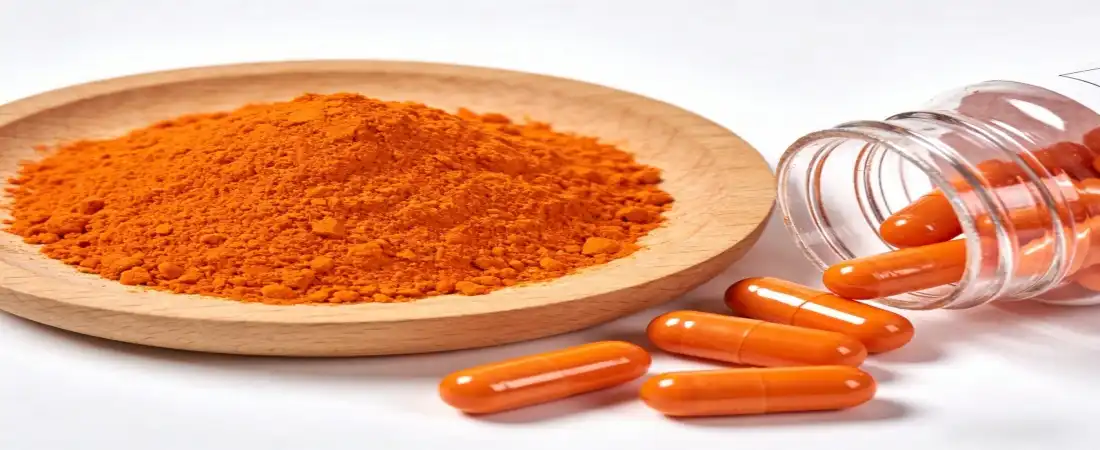
Understanding Lutein and Zeaxanthin Powder vs Beta-Carotene
Chemical Structure and Biological Classification
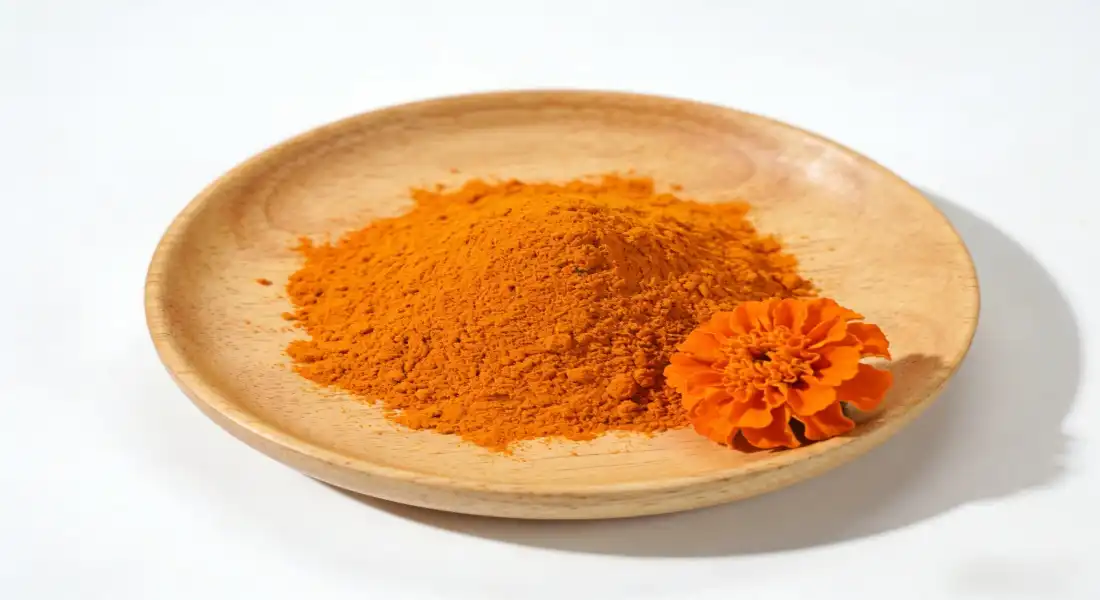
Lutein and zeaxanthin are carotenoids in the xanthophyll family. They have hydroxyl groups that make them more hydrophilic and more connected to tissues than carotenes. Generally from Tagetes erecta L. was extricated. These chemicals are found in marigold blossoms as 3,3'-dihydroxy-β-carotene atoms, and their CAS number is 144-68-3. Beta-carotene, on the other hand, is a hydrocarbon shade that doesn't have any oxygen capacities. It can be found in carrots, green growth like Dunaliella salina, or it can be made chemically. The assimilation courses and tissue spread are set by these morphological contrasts. Xanthophylls tend to assemble in the macula and other eye tissues. There, they make macular color, a defensive layer that pieces blue light with wavelengths between 400 and 500nm. Beta-carotene is broken down by proteins into retinol, which is vitamin A. Retinol makes a difference bar cells make rhodopsin but doesn't have the protective forms that lutein and zeaxanthin do.
Extraction Methods and Sourcing Considerations
High-quality lutein and zeaxanthin powders are ordinarily extricated from Tagetes erecta utilizing dissolvable extraction taken after by saponification to expel undesirable lipids and chlorophyll. Progressed handling jam the trans-isomer frame basic for bioactivity. Immaculateness levels can run broadly depending on refinement steps. Beta-carotene sourcing changes between green growth extraction and engineered chemical union, each with particular fetched and administrative suggestions. These contrasts impact acquirement methodologies, item labeling, and showcase situating, particularly in clean-label or common supplement categories.
Clinical Evidence and Protective Mechanisms
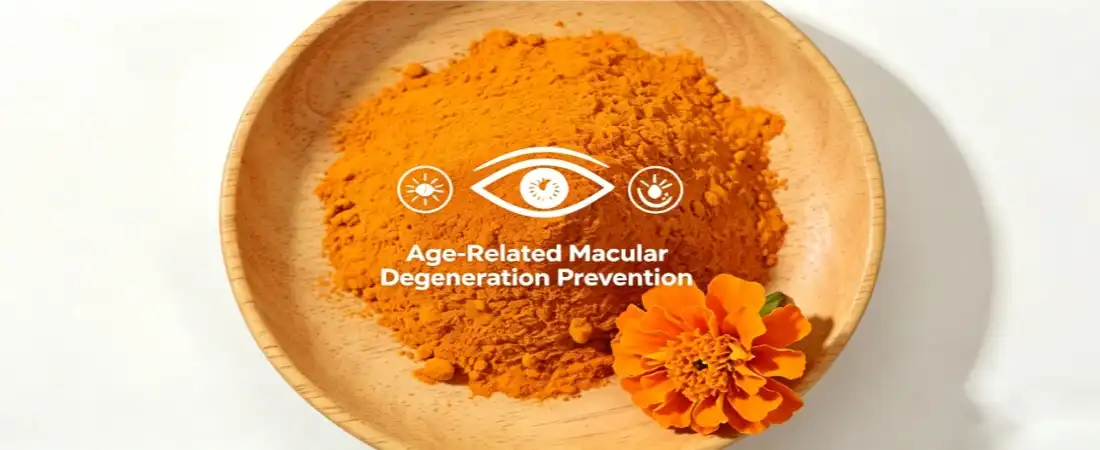
Clinical investigate appears that higher macular color optical thickness, driven by lutein and zeaxanthin admissions, is related with diminished hazard of age-related macular degeneration. These compounds neutralize responsive oxygen species produced by blue light presentation. Beta-carotene bolsters vitamin A pathways but needs coordinate macular collection. Major considers, counting AREDS2, supplanted beta-carotene with lutein and zeaxanthin due to security concerns in smokers. This move reinforced the clinical and administrative inclination for xanthophyll-based definitions in eye wellbeing products.
Comparative Benefits and Limitations for B2B Clients
Efficacy Advantages of Xanthophyll Powders
Xanthophyll powders offer targeted blue-light filtration, addressing modern digital eye strain concerns. Their antioxidant properties extend potential applications beyond eye health to skin and neurological support. Beta-carotene provides general antioxidant benefits but lacks tissue-specific ocular protection. From a formulation standpoint, lutein and zeaxanthin enable stronger science-based marketing claims. This makes them attractive for premium supplement lines where efficacy, safety, and regulatory acceptance are key purchasing criteria for manufacturers and brand owners.
Safety Profile and Regulatory Considerations
Lutein and zeaxanthin demonstrate strong safety profiles with minimal adverse effects across clinical studies and regulatory assessments. They are generally recognized as safe (GRAS) by major authorities. In contrast, high-dose beta-carotene supplementation has been linked to increased health risks in specific populations, leading to stricter usage limits. These differences significantly impact labeling requirements and regulatory approvals. As a result, xanthophyll-based formulations are easier to register and market globally, reducing compliance complexity for manufacturers.
Formulation and Cost Dynamics
Production costs vary depending on purity, extraction complexity, and sourcing stability. Marigold-derived lutein and zeaxanthin benefit from established agricultural supply chains but are subject to seasonal variability. Higher-purity grades require additional purification steps, increasing cost significantly. Beta-carotene may be cheaper synthetically, but natural positioning affects market preference. Procurement decisions must balance cost efficiency, consumer demand for natural ingredients, and regulatory positioning when selecting carotenoid inputs for supplement or functional food applications.
Procurement Insights: Selecting the Ideal Ingredient for Your Supply Chain
Regulatory Framework Alignment
Successful ingredient procurement requires understanding target market regulations. Our lutein and zeaxanthin powder holds ISO9001, Kosher, and Halal certifications, ensuring compliance across global markets. Each batch includes HPLC/UV analysis, heavy metal screening, microbial testing, and pesticide residue reports. GMP-compliant production ensures full traceability from cultivation to packaging. This documentation supports customs clearance and regulatory submissions, while also simplifying audits for downstream manufacturers and accelerating product launch timelines in highly regulated supplement markets.
Supplier Evaluation Criteria
Quality consistency recognizes driving providers from product sources. We apply factual prepare controls to screen carotenoid substance, molecule estimate (80 work), dampness levels, and microbial limits over each bunch. This guarantees detailing solidness and solid item execution. Supply chain flexibility is reinforced through coordinates cultivating organizations and progressed extraction frameworks. This diminishes crude fabric dangers and stabilizes estimating. Quick reaction times and productive examining advance quicken R&D workflows, supporting quicker item advancement cycles and making strides acquirement efficiency.
Volume Requirements and Pricing Strategies
Bulk obtaining empowers economies of scale for both providers and buyers. Adaptable bundling alternatives incorporate 25 kg fiber drums and customized designs. Bigger arrange commitments permit for arranged estimating focal points, whereas multi-currency installment choices rearrange universal exchanges. The 25 kg MOQ equalizations fabricating proficiency with availability for unused item improvement. Free tests back definition testing some time recently large-scale generation. This approach builds believe between buyers and providers whereas guaranteeing unsurprising supply chain execution and fetched control.
Case Studies and Real-World Applications
OEM Success Stories in Supplement Manufacturing
Many supplement brands have replaced beta-carotene with lutein-zeaxanthin blends, achieving improved customer feedback and higher repurchase rates. One North American brand reported a 23% sales increase after repositioning its eye health product around blue-light protection claims. Regulatory approval processes were also streamlined due to strong documentation and third-party testing. This demonstrates how ingredient selection and supplier quality directly influence market performance, regulatory efficiency, and overall product success beyond simple cost considerations.
Food and Beverage Applications
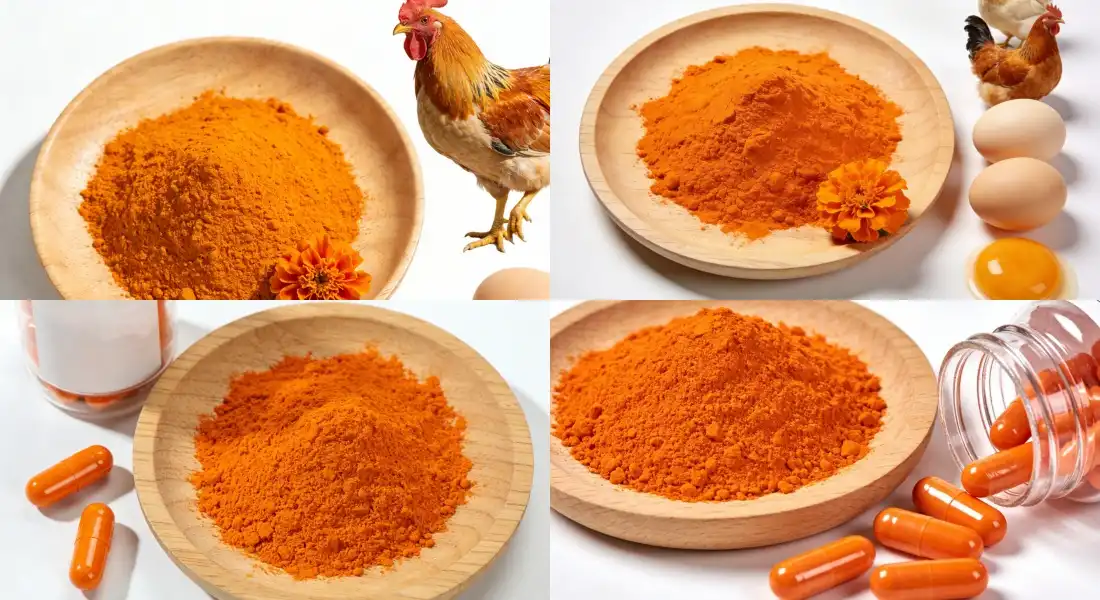
Xanthophyll powders extend beyond supplements into food and beverage applications. Their stable yellow-orange color supports clean-label formulations in drinks, dairy alternatives, and nutrition bars. In animal nutrition, marigold extracts enhance egg yolk pigmentation and improve poultry product quality, while aquaculture uses natural coloring for salmon. These multifunctional properties increase demand across B2B industries. Combined functional and visual benefits make lutein and zeaxanthin valuable ingredients for diversified applications in modern food systems.
Cosmetic Formulation Integration
Lutein and zeaxanthin are increasingly used in cosmetic photoprotection products. Their antioxidant properties help protect skin from UV and blue light damage, supporting anti-aging claims in premium skincare. Micronized 80-mesh powders ensure smooth integration into emulsions, serums, and color cosmetics. Compliance with global cosmetic safety standards ensures purity and absence of contaminants. This expands their application in dermatological formulations, making them valuable ingredients for brands targeting skin protection and environmentally stressed skin conditions.
Maximizing the Value of Lutein and Zeaxanthin Powder in Your Product Line
Bioavailability Enhancement Strategies
How bioavailable carotenoids are depends a lot on how they are made. Lipid-based delivery methods, like softgels with oils, emulsions, or liposomal preparations, are much better at absorption than dry powder pills. Combining xanthophylls with healthy fats in functional foods also increases uptake, which is something to think about when placing a product and writing directions for how to use it. Synergistic mixtures of ingredients make the benefits even greater. Vitamin E and omega-3 fatty acids work with lutein and zeaxanthin to protect cells from damage and keep lipid rafts stable. Zinc helps the health of the macula in different ways, which makes it possible to make eye health products that are complete and deserve to be priced higher. These smart pairings show a deep knowledge of ocular biochemistry, which sets science-based brands apart from generic ones.
Stability Considerations and Packaging Protection
To keep carotenoids stable, they need to be kept away from light, air, and high temperatures while they are being stored and for as long as possible. In our process, we use natural antioxidants that keep the trans-isomer structure, which is the bioactive form that is best taken and used by human cells. Packaging in light-resistant, nitrogen-flushed cases keeps the medicine's effectiveness for longer amounts of time. During stability testing of a finished product, the preservation of carotenoids under rapid aging conditions should be evaluated. This will help with expiration dates and storage suggestions. We provide stable data that supports a two-year shelf life when stored properly. This information is useful for setting standards for finished products and quality control rules. This expert help shows that we are long-term partners instead of just transactional providers.
Market Positioning and Consumer Communication
Scientific proof builds trust in a brand and makes people more likely to buy lutein and zeaxanthin powder products. Consumers who are informed and looking for answers based on evidence respond well to marketing materials that use peer-reviewed research, clinical study results, and mechanistic descriptions of blue light filters. Making information about where the marigolds come from, how they are extracted, and the purity levels known builds trust in markets that are becoming less trusting of vague "proprietary blend" claims. Sustainability stories are in line with what people want, especially younger people who are driving market growth. Marigold farming has benefits for agricultural sustainability, such as the ability to fix nitrogen and the benefits of planting with other plants. By talking about these qualities, brands can be seen as caring about the environment and set themselves apart from fake options that leave bigger marks on the environment.
Future Trends and Innovation Opportunities
Personalized diet is a new field where genetic differences that affect how carotenoid are metabolized and transported could help make dose suggestions for each person. Brands that spend in research relationships that look into genetic polymorphisms and biomarker-driven supplementation put themselves at the forefront of innovation, even though the rules for making these kinds of claims are still being worked out. Demand for organic certification keeps going up in developed countries. Certified organic marigold farming is part of our buying network, which means that finished goods that are organic can command higher prices. Supply chain transparency technologies, like blockchain tracking and QR code batch verification, appeal to consumers who care about openness and help with authentication in markets where fake goods are a problem.
Conclusion
Using lutein and zeaxanthin powder instead of beta-carotene in a comparison study shows that xanthophyll-based formulas are better for eye health today. These ingredients from marigolds are the best choices for B2B buying workers making competitive, science-based goods because they are safe, target ocular tissue accumulation, filter blue light well, and have strong clinical proof. Beta-carotene is still useful as an antioxidant and vitamin A supplement, but it doesn't have the specific properties that are driving the growth of the eye health market today. Strategically choosing ingredients from qualified providers who offer consistent quality, thorough paperwork, and quick technical support has a direct effect on the success of formulations and where they are positioned in the market. By knowing these differences, you can make smart purchasing choices that combine effectiveness, safety, legal compliance, and business goals in a wide range of application areas and global markets.
FAQ
1. Which carotenoid provides superior eye health benefits?
Lutein and zeaxanthin defend the macular by blocking blue light and acting as antioxidants in specific areas. This directly lowers the chance of age-related macular degeneration. Beta-carotene helps with normal vision by turning into vitamin A, but it doesn't do as well at collecting in the macula or blocking blue light. There is clinical proof, like the AREDS2 study, that lutein and zeaxanthin are the best ingredients for eye health products.
2. What sourcing differences exist between organic and synthetic options?
Organic lutein and zeaxanthin powder comes from growing certified organic marigolds. It meets both USDA and EU organic standards for sellers who want to sell high-end natural products. Xanthophylls can't be made synthetically, but beta-carotene can be made in synthetic forms that are exactly the same as those found in nature. Organic approval comes with higher prices, but it also helps with marketing and aligns customer tastes with those who care about their health.
3. What safety concerns affect the choice of ingredients?
High amounts of beta-carotene supplements have been linked to lung cancer in smokers, which is why they need warning signs and are limited in some places. Lutein and zeaxanthin have clean safety profiles across all studied groups and dosages, which gets rid of these problems with regulation and labeling. This safety benefit makes it easier to reach more of the target market and makes compliance paperwork for foreign marketing easier.
Partner with NT Biotech: Your Trusted Lutein and Zeaxanthin Powder Supplier
NT Biotech specializes in sending high-quality marigold extract powders that meet the strict requirements of supplement makers, food ingredient buyers, and makeup formulators around the world. We have been making lutein and zeaxanthin powders for a long time and use our own special extraction technology along with strict quality control systems to make uniform powders that meet 5% to 98% of the standards. Our products are certified ISO9001, Kosher, and Halal. Our helpful staff promises to answer any questions you have within two hours, to have items in stock so that you can get them in two to four days, and to provide all the technical information you need to make regulatory reports easily. We allow OEM customizations that are flexible, accept payments in your local currency, and offer free samples to make sure that the ingredients work before you commit to buying a lot of them. Get in touch with our team at info@newthingsbiotech.com to talk about your specific buying needs, look into bulk price options, or ask for technical specs. You'll be working with a seller who cares about the success of your recipe and the long-term growth of the market.
References
1. Age-Related Eye Disease Study 2 Research Group. (2013). Lutein + zeaxanthin and omega-3 fatty acids for age-related macular degeneration: the Age-Related Eye Disease Study 2 (AREDS2) randomized clinical trial. Journal of the American Medical Association, 309(19), 2005-2015.
2. Bernstein, P. S., Li, B., Vachali, P. P., et al. (2016). Lutein, zeaxanthin, and meso-zeaxanthin: The basic and clinical science underlying carotenoid-based nutritional interventions against ocular disease. Progress in Retinal and Eye Research, 50, 34-66.
3. Hammond, B. R., Fletcher, L. M., & Elliott, J. G. (2013). Glare disability, photostress recovery, and chromatic contrast: relation to macular pigment and serum lutein and zeaxanthin. Investigative Ophthalmology & Visual Science, 54(1), 476-481.
4. Khachik, F., Beecher, G. R., & Smith, J. C. (1995). Lutein, lycopene, and their oxidative metabolites in chemoprevention of cancer. The Journal of Cellular Biochemistry, Supplement 22, 236-246.
5. Tan, J. S., Wang, J. J., Flood, V., et al. (2008). Dietary antioxidants and the long-term incidence of age-related macular degeneration: the Blue Mountains Eye Study. Ophthalmology, 115(2), 334-341.
6. Yeum, K. J., & Russell, R. M. (2002). Carotenoid bioavailability and bioconversion. Annual Review of Nutrition, 22, 483-504.