- English
- French
- German
- Portuguese
- Spanish
- Russian
- Japanese
- Korean
- Arabic
- Greek
- German
- Turkish
- Italian
- Danish
- Romanian
- Indonesian
- Czech
- Afrikaans
- Swedish
- Polish
- Basque
- Catalan
- Esperanto
- Hindi
- Lao
- Albanian
- Amharic
- Armenian
- Azerbaijani
- Belarusian
- Bengali
- Bosnian
- Bulgarian
- Cebuano
- Chichewa
- Corsican
- Croatian
- Dutch
- Estonian
- Filipino
- Finnish
- Frisian
- Galician
- Georgian
- Gujarati
- Haitian
- Hausa
- Hawaiian
- Hebrew
- Hmong
- Hungarian
- Icelandic
- Igbo
- Javanese
- Kannada
- Kazakh
- Khmer
- Kurdish
- Kyrgyz
- Latin
- Latvian
- Lithuanian
- Luxembou..
- Macedonian
- Malagasy
- Malay
- Malayalam
- Maltese
- Maori
- Marathi
- Mongolian
- Burmese
- Nepali
- Norwegian
- Pashto
- Persian
- Punjabi
- Serbian
- Sesotho
- Sinhala
- Slovak
- Slovenian
- Somali
- Samoan
- Scots Gaelic
- Shona
- Sindhi
- Sundanese
- Swahili
- Tajik
- Tamil
- Telugu
- Thai
- Ukrainian
- Urdu
- Uzbek
- Vietnamese
- Welsh
- Xhosa
- Yiddish
- Yoruba
- Zulu
For supplement marketers, functional-food makers, and wellness companies buying turkey tail mushroom powder bulk is more than merely getting the cheapest price per kilogram. The real worth of a mushroom ingredient depends on species identity, cultivation or sourcing records, extraction method, active-compound testing, moisture control, packaging, lead time and regulatory documentation. NT Biotech produces raw materials of plant and mushroom origin for dietary supplements, functional meals, cosmetics and animal nutrition. Its turkey tail mushroom powder bulk solution is for buyers needing consistent quality, scalable supply, batch documentation and flexible OEM support. With standardized processing, CoA support, international logistics, and ISO9001, Kosher, and Halal capabilities, NT Biotech is a practical choice for companies looking for a professional turkey tail mushroom powder bulk supplier.
Start with the Ingredient Identity
What turkey tail mushroom powder actually is
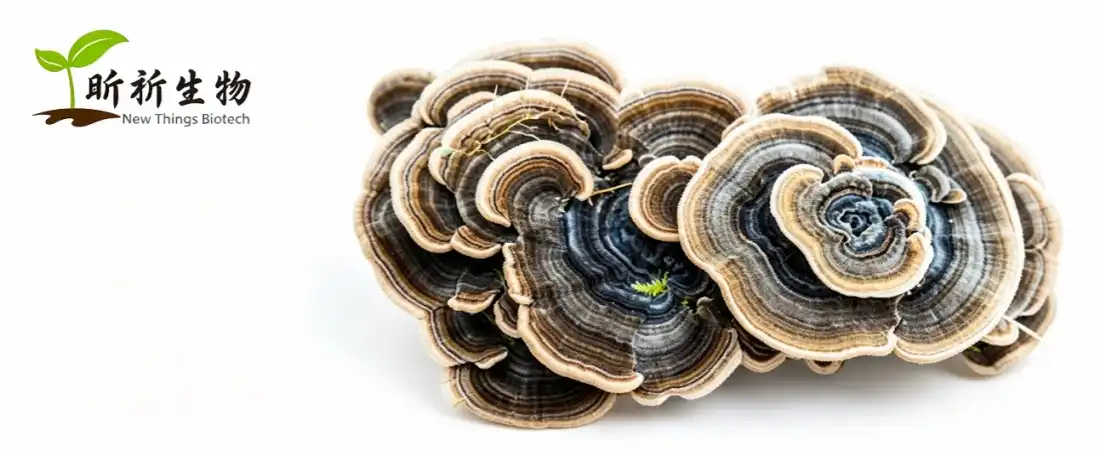
Turkey tail is the common name for the bracket fungus Trametes versicolor. Its fan-shaped, concentrically coloured fruiting bodies are easily recognised. It has a long history in traditional food and mushroom studies and is often used by modern supplement producers in powders, extracts, capsules, drink mixes and functional blends. However, the word "mushroom powder"can refer to a number of distinct things. The product could be derived from dried fruiting bodies, cultured mycelium, a mixed mushroom biomass or an extract that has been turned into powder. Materials are not automatically comparable. Turkey tail mushroom powder bulk customers should seek the Latin botanical name, plant part or production material, country of origin, cultivation details and processing description. These details establish a clear identity before price and volume are discussed.
Powder and extract are different purchasing categories
A plain dried mushroom powder is typically milled after drying, whereas an extract is treated to concentrate certain chemicals or to enhance dispersibility in water. Extracts may be described by extraction ratio, polysaccharide content, beta-glucan level or other approved marker. These terms are not the same. A buyer developing a capsule may prefer a concentrated extract, while a food manufacturer may want a milled whole-mushroom powder for a broader ingredient story. NT Biotech can help customers compare specifications according to the intended application. For turkey tail mushroom powder bulk, the most important question is not only "How much does it cost?" but also "What exactly is being supplied, and how will it perform in my finished product?"
Why traceability matters
Responsible sourcing and environmental management are vital since mushrooms can absorb things from their growing environment. A good provider should be able to take you through raw material qualification, controls on cultivation or collection, drying conditions, milling, prevention of foreign matter and batch traceability. NT Biotech lays out a value chain model linking plant or natural-material sources to R&D, intelligent manufacturing, lab testing and adaptive supply chain management. This type of integrated approach helps buyers follow the material from source to application. When a company is evaluating a turkey tail mushroom powder bulk supplier, traceability can reduce uncertainty during audits, customer inquiries, label review, and future product expansion.
| Identity item to request | Why it matters |
|---|---|
| Latin name: Trametes versicolor | Confirms the intended mushroom species |
| Material description | Distinguishes fruiting body, mycelium, biomass, powder, or extract |
| Origin and production records | Supports traceability and supplier qualification |
| Processing information | Helps assess concentration, dispersibility, and application suitability |
| Batch CoA | Provides evidence that the delivered lot meets agreed specifications |
Judge Quality by Evidence, Not Appearance
The role of marker testing
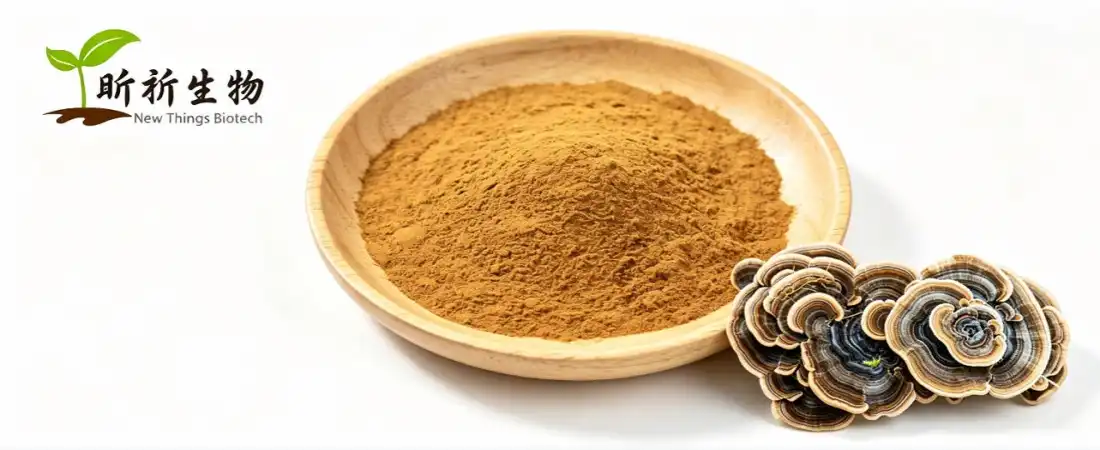
Rich brown colour or earthy aroma may be enticing, but looks alone can't establish identification or potency. Depending on the product type, purchasers may ask for testing of total polysaccharides, beta-glucans, moisture, ash, microbiological limits, heavy metals, pesticides and other relevant parameters. A complete powder and a concentrated extract may require different requirements and it should be established in advance which tests are acceptable. NT Biotech specialises in natural compounds that are standardised and well documented, including HPLC/UV testing and Certificates of Analysis, where applicable. A proper CoA for bulk turkey tail mushroom powder should be tied to a specific lot number and should specify the test procedures, results, units, and acceptance limits. This makes the material valuable for technical evaluation, and not merely for marketing attachment.
Purity and stability in commercial production
Purity does not have one universal meaning. It may refer to the absence of adulterants, the percentage of a specified compound, microbiological cleanliness, or conformity to a defined raw-material standard. Buyers should therefore avoid accepting vague phrases such as “high purity” without a measurable specification. NT Biotech states that its proprietary processing can achieve exceptional purity above 98% for key products, but customers should confirm the exact value and test method for the specific turkey tail mushroom powder bulk grade they plan to purchase. Stability is equally important. Moisture, heat, oxygen, and packaging conditions can influence shelf life and powder flow. A supplier should provide recommended storage conditions and packaging details, while the finished-product manufacturer should perform stability testing in the final formulation.
Testing that supports safer supply decisions
A reliable testing plan usually combines identity confirmation with contaminant and quality testing. Mushroom ingredients may be assessed for microbial counts, yeast and mold, heavy metals, pesticide residues, residual solvents where applicable, and foreign matter. The exact panel depends on origin, processing, regulations, and intended use. Buyers should also ask whether samples are retained and how out-of-specification results are investigated. NT Biotech’s technology-based production model and batch CoA process can support a more structured approval workflow. The goal is not to create unnecessary paperwork; it is to ensure that turkey tail mushroom powder bulk arrives with enough evidence for quality teams, contract manufacturers, and brand owners to make an informed decision.
Planning a new mushroom product? Contact NT Biotech at info@newthingsbiotech.com with your target market, desired format, annual volume, and required testing documents. A clear project brief allows the team to recommend a more appropriate specification and supply plan.
Match the Powder to the Final Product
Capsules and tablets
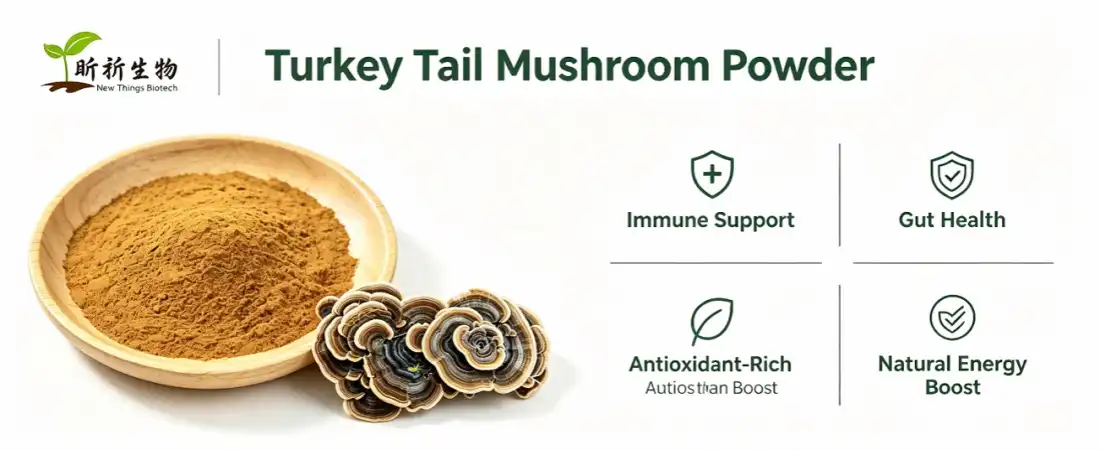
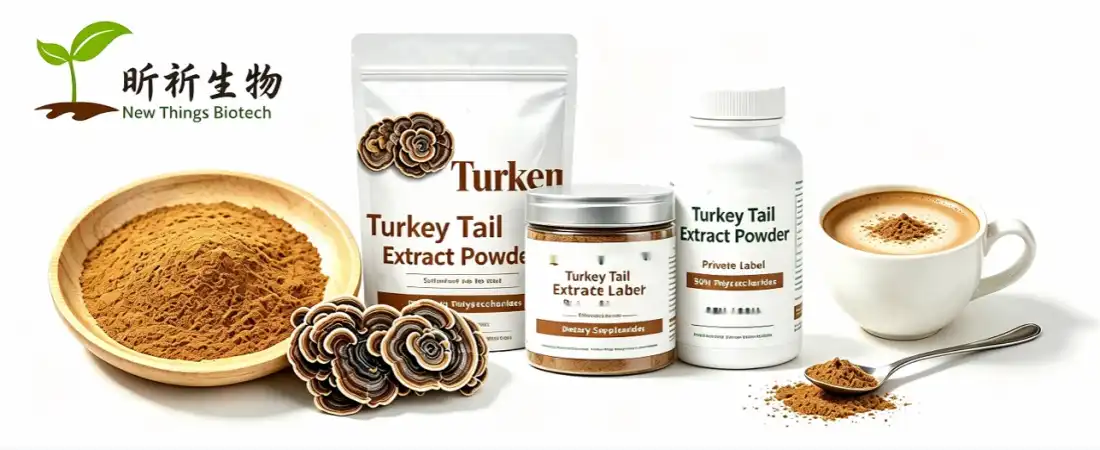
Capsules are among the most straightforward formats for turkey tail mushroom materials because they can deliver a defined amount without requiring the powder to taste pleasant in water. Even so, powder density, flowability, moisture, particle size, and compatibility with excipients affect manufacturing efficiency. A high-volume capsule line may require excellent flow and consistent bulk density to maintain fill-weight accuracy. Tablet producers must consider compression behavior and disintegration. If the material is an extract rather than a simple powder, the serving size and label language may also change. Before selecting turkey tail mushroom powder bulk, manufacturers should test a representative sample under production-like conditions. NT Biotech’s OEM and ODM capabilities may be useful for companies that need support moving from raw material to a private-label or customized supplement.
Drink powders and functional foods
Beverages, sachets, gummies, nutrition bars, and other functional foods create different technical challenges. Consumers may notice mushroom flavor, color, sediment, or astringency more readily in a drink than in a capsule. Water dispersibility and particle size become especially important, while flavor systems must be tested for compatibility. A whole mushroom powder may support a natural, minimally processed story, whereas an extract may be preferred when a smaller serving size or improved dispersion is required. Turkey tail mushroom powder bulk can be evaluated for use in these formats, but the final decision should be based on pilot trials rather than assumptions. NT Biotech can coordinate technical discussions around packaging, formulation direction, and OEM production for different regional markets.
Cosmetics and broader wellness applications
Mushroom ingredients are also appearing in beauty-from-within products and topical cosmetic concepts. In these applications, the material may be selected for its natural-origin story and formulation versatility. However, cosmetic and ingestible products follow different regulatory pathways, so the same raw material may require different documents, specifications, and claim strategies. A brand should confirm whether the supplier’s documentation supports the intended application and whether the material meets local requirements. NT Biotech serves food, supplements, cosmetics, and animal-nutrition industries, giving it experience across several product categories. For companies developing a turkey tail mushroom powder bulk project with multiple formats, this broad perspective can make communication between raw-material sourcing, formulation, and finished-product teams more efficient.
| Finished-product format | Main development focus |
|---|---|
| Capsules | Flowability, fill weight, assay, and excipient compatibility |
| Tablets | Compression, hardness, disintegration, and blend uniformity |
| Drink powders | Dispersibility, flavor, sedimentation, and moisture protection |
| Functional foods | Taste, texture, heat exposure, and label compliance |
| Cosmetic products | Application-specific specifications and regulatory suitability |
Compare Suppliers by Service and Supply Security
Lead time and inventory planning
A dependable supplier should communicate not only a quotation, but also a realistic delivery plan. NT Biotech states that it aims to respond to inquiries within two hours, holds inventory for selected popular standardized extracts, and may ship stocked products within one to three working days after order confirmation. Its typical production lead time for production orders is three to ten working days, covering sourcing, processing, laboratory testing, CoA preparation, and final packaging. Actual timing for turkey tail mushroom powder bulk will depend on the grade, order quantity, packaging, testing requirements, and destination country. Buyers should request confirmation before publishing a launch date. Sharing rolling forecasts can help the turkey tail mushroom powder bulk supplier plan raw materials and production capacity more effectively.
Logistics for samples and large orders
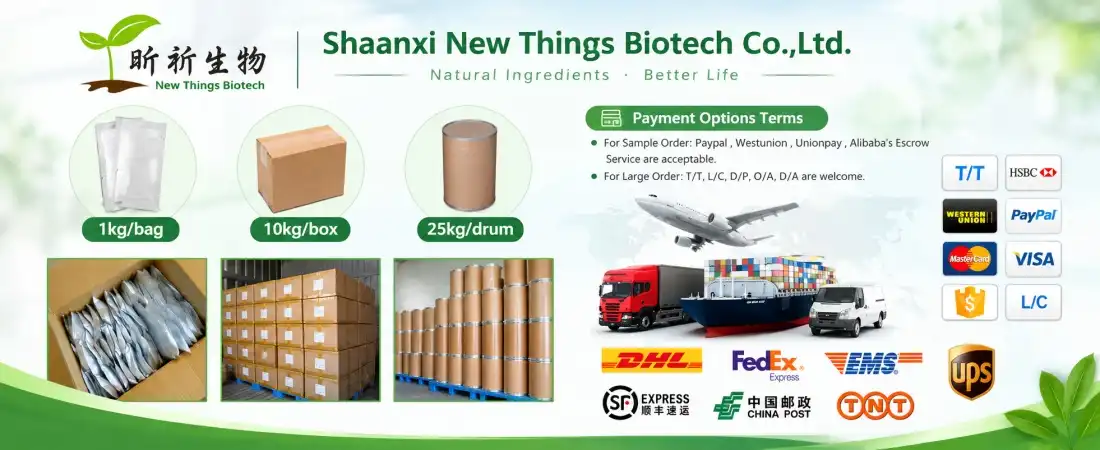
Small samples, pilot quantities, and commercial shipments often require different transportation solutions. Express delivery may be appropriate for urgent samples, air freight can balance speed and volume, and sea freight is generally considered for larger orders where cost efficiency is more important. NT Biotech reports the use of FEDEX and UPS accounts for direct shipments and trusted freight forwarders for bulk transportation. This allows customers to select a method according to urgency, shipment size, and budget. For turkey tail mushroom powder bulk, packaging should protect the powder from moisture and damage during transit. Buyers should clarify carton dimensions, palletization, inner-bag materials, labeling, customs documents, and insurance responsibility before dispatch.
OEM, ODM, and market localization
A raw material becomes commercially valuable when it can be adapted to a real market. NT Biotech provides customized OEM and ODM solutions for different countries and customer requirements. This may include private labeling, packaging coordination, dosage-form development, document preparation, or communication with a contract manufacturer. Buyers should provide a complete brief covering target consumers, product format, serving size, claims direction, certifications, package size, expected order volume, and desired launch date. Such details help the supplier assess whether a standard turkey tail mushroom powder bulk grade is appropriate or whether a customized specification is needed. Flexible payment options, including payment in the buyer’s local currency where available, may also simplify international purchasing.
Build a Better Buying Checklist
Questions to ask before approving a sample
A sample is valuable only when it represents the commercial material. Buyers should ask whether the sample comes from current inventory, whether the production process matches the intended bulk grade, and which tests are included. They should compare the specification with the CoA and inspect color, odor, particle size, flow, packaging, and dispersibility. If the finished product will carry a vegan claim, the complete supply chain should be reviewed rather than relying solely on the ingredient name. For turkey tail mushroom powder bulk, it is also sensible to confirm whether the product is a powder or extract and whether any carriers or processing aids are included. These questions help prevent costly reformulation after the first commercial shipment.
Certifications and market readiness
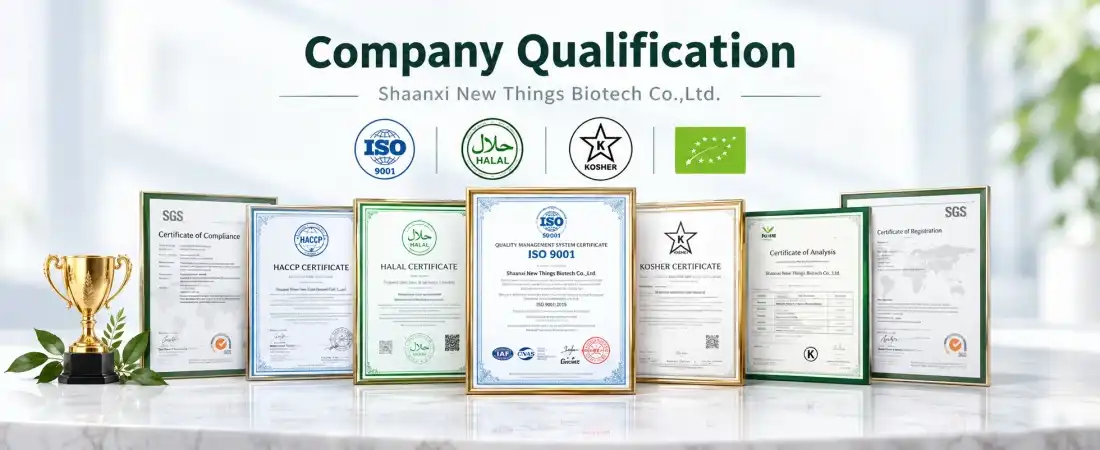
Certifications are a way to build client confidence but the level of importance depends on the target market and product category. NT Biotech counts ISO9001, Kosher, and Halal as part of its quality advantages. These documents may be beneficial for supplier audits and market preparation; additional local regulations may apply for labelling, innovative foods, dietary supplements or cosmetic additives. Buyers should request copies of current certifications and check the scope, the issuing body, the duration of validity and the relation to the specific plant or product. A reputable bulk supplier of turkey tail mushroom powder should be able to tell you which documentation are available and which need to be arranged by the finished-product producer or importer.
Total cost rather than unit price
The real cost of an ingredient is more than the cost per kilogram. Test, pack, freight, customs, MOQs, storage, manufacturing losses, rejected batches, and time to fix documentation errors should be considered. A little more expensive powder with consistent quality and faster communication could minimise the entire cost of a product launch. NT Biotech's integrated supply model, batch documentation, flexible transportation, and OEM support can help buyers evaluate total project value. When comparing turkey tail mushroom powder bulk offers, request the same information from every supplier: specification, assay basis, packaging, lead time, Incoterms, payment terms, certification status, and sample policy. A transparent comparison is more useful than a simple price table.
Conclusion
Buying turkey tail mushroom powder bulk requires a clear understanding of species identity, material type, testing, processing, storage, and supply logistics. A whole mushroom powder, mycelium-based material, and concentrated extract may serve different product concepts, so buyers should never compare them by price alone. Reliable documentation, traceability, batch consistency, suitable packaging, and responsive technical support are essential for commercial success. NT Biotech offers plant-derivative expertise, standardized processing, CoA documentation, OEM/ODM services, flexible transportation, and ISO9001, Kosher, and Halal capabilities. By choosing a qualified turkey tail mushroom powder bulk supplier, brands can develop more credible supplements and functional products while reducing supply uncertainty. Contact NT Biotech to discuss your specification, volume, and target market.
FAQ
1. What is turkey tail mushroom powder?
It is a powdered material made from turkey tail mushroom, commonly identified as Trametes versicolor. The exact material may be whole mushroom, mycelium, or extract.
2. Is turkey tail powder the same as turkey tail extract?
No. Powder is generally milled dried material, while an extract is processed to concentrate selected constituents or improve specific properties.
3. What quality documents should buyers request?
Request a product specification, batch CoA, identity information, origin statement, storage conditions, contaminant testing, and applicable certification documents.
4. Can NT Biotech provide bulk and customized solutions?
Yes. NT Biotech supports bulk supply and offers OEM/ODM services for different formats, packaging requirements, and regional markets.
5. How fast can bulk orders be shipped?
Timing depends on stock, grade, quantity, testing, and destination. NT Biotech reports one-to-three-working-day shipment for selected stocked products and three-to-ten-working-day production lead times.
Choose NT Biotech for Turkey Tail Mushroom Powder Bulk
NT Biotech helps international brands source natural mushroom and plant-derived ingredients with greater clarity and confidence. Its support covers standardized processing, batch testing, CoA documentation, packaging coordination, OEM/ODM development, and flexible express, air, or sea transportation. The company's integrated approach is valuable for buyers who need more than a catalog price: they need traceability, reliable communication, suitable certifications, and a supply plan that can grow with the product. Whether you are developing capsules, functional beverages, mushroom blends, or private-label wellness products, the right supplier can make the journey smoother from sample approval to commercial delivery. Send your project details to info@newthingsbiotech.com today and ask NT Biotech how its turkey tail mushroom powder bulk can support your next product.
References
1. Wasser, S. P. “Medicinal Mushroom Science: Current Perspectives, Advances, Evidences, and Challenges.” Biomedical Journal, 2014.
2. Kidd, P. M. “The Use of Mushroom Glucans and Proteoglycans in Cancer Treatment.” Alternative Medicine Review, 2000.
3. Cui, J., and Y. Chisti. “Polysaccharopeptides of Coriolus versicolor: Physiological Activity, Uses, and Production.” Biotechnology Advances, 2003.
4. Kidd, P. M. “The Mushroom Beta-Glucans and Their Biological Effects.” Alternative Medicine Review, 2000.
5. Hobbs, C. Medicinal Mushrooms: An Exploration of Tradition, Healing, and Culture. Botanica Press, 1995.
6. Stamets, P. Growing Gourmet and Medicinal Mushrooms. Ten Speed Press, 2000.