- English
- French
- German
- Portuguese
- Spanish
- Russian
- Japanese
- Korean
- Arabic
- Greek
- German
- Turkish
- Italian
- Danish
- Romanian
- Indonesian
- Czech
- Afrikaans
- Swedish
- Polish
- Basque
- Catalan
- Esperanto
- Hindi
- Lao
- Albanian
- Amharic
- Armenian
- Azerbaijani
- Belarusian
- Bengali
- Bosnian
- Bulgarian
- Cebuano
- Chichewa
- Corsican
- Croatian
- Dutch
- Estonian
- Filipino
- Finnish
- Frisian
- Galician
- Georgian
- Gujarati
- Haitian
- Hausa
- Hawaiian
- Hebrew
- Hmong
- Hungarian
- Icelandic
- Igbo
- Javanese
- Kannada
- Kazakh
- Khmer
- Kurdish
- Kyrgyz
- Latin
- Latvian
- Lithuanian
- Luxembou..
- Macedonian
- Malagasy
- Malay
- Malayalam
- Maltese
- Maori
- Marathi
- Mongolian
- Burmese
- Nepali
- Norwegian
- Pashto
- Persian
- Punjabi
- Serbian
- Sesotho
- Sinhala
- Slovak
- Slovenian
- Somali
- Samoan
- Scots Gaelic
- Shona
- Sindhi
- Sundanese
- Swahili
- Tajik
- Tamil
- Telugu
- Thai
- Ukrainian
- Urdu
- Uzbek
- Vietnamese
- Welsh
- Xhosa
- Yiddish
- Yoruba
- Zulu
The ingredient known as ube yam powder, which comes from purple yams, has become a game-changer in functional foods and nutritional supplements, adding both aesthetic value and quantifiable health advantages. This bright purple powder comes from Dioscorea alata L. and blends traditional nutritional knowledge with modern formulation science. It gives procurement managers and product developers a flexible ingredient that meets the growing demand for plant-based goods with clean labels. The powder's naturally occurring anthocyanins, resistant starch, and bioactive substances help the immune system, digestive health, and protect against free radicals. It also gives formulators a natural colorant that gets rid of the need for manmade fillers in ingredient lists.
Understanding Ube Yam Powder: Composition, Production, and Nutritional Profile
What Makes Purple Yam Powder Unique
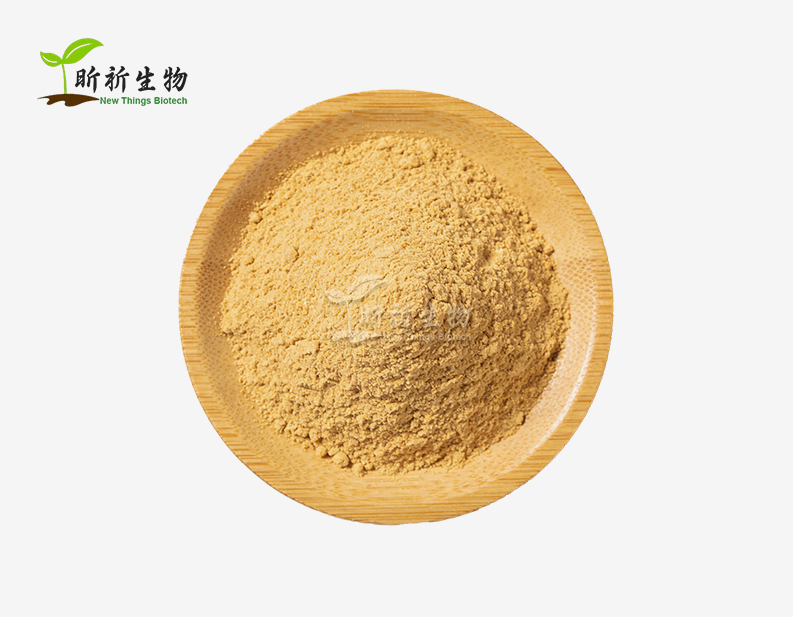
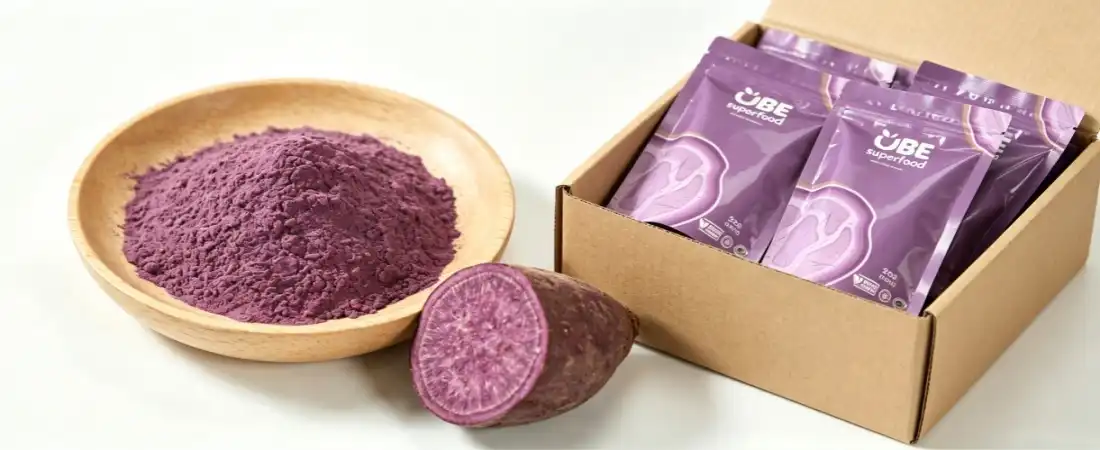
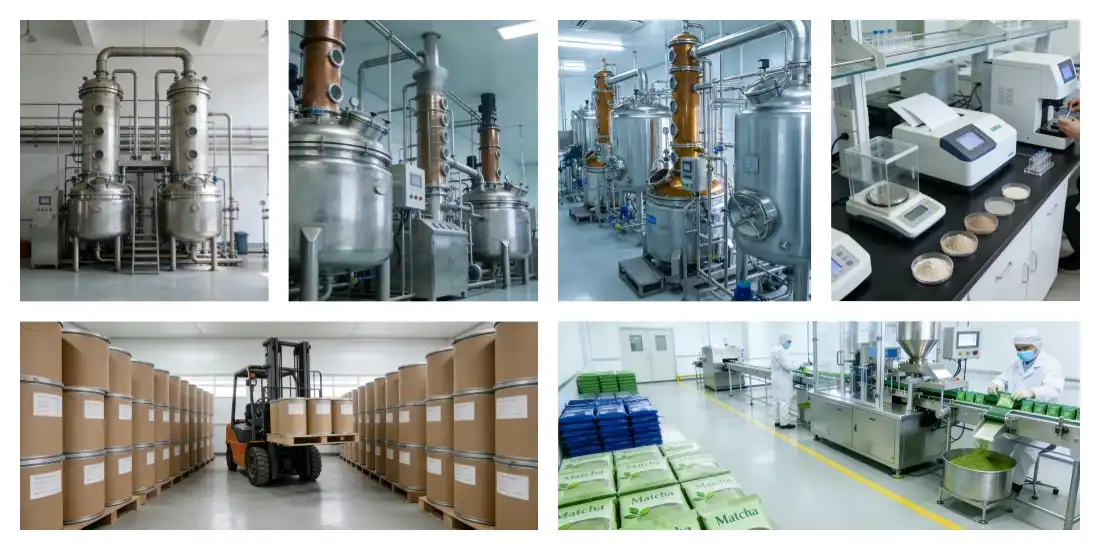
More than just a pretty ingredient, the plant product made from purple yam roots is useful. Asian countries have long revered ube yam powder as "Purple Ginseng," and it has been used as medicine for hundreds of years. NT Biotech uses a very controlled process to make this ingredient. They start by choosing grown, high-quality roots and then clean them very well to get rid of any impurities. As the production goes on, the food is cooked in steam to make it easier to stomach, dried at low temperatures to protect nutrients that are sensitive to heat, and finely ground to an 80-mesh particle size that mixes well in liquids.
This level of accuracy during production makes sure that the finished product keeps its unique light purple to deep violet color and slightly earthy, naturally sweet taste that customers like. Its creamy smoothness and tiny particle structure make it perfect for instant drinks and nutritional goods that are ready to mix.
Nutritional Composition and Health Properties
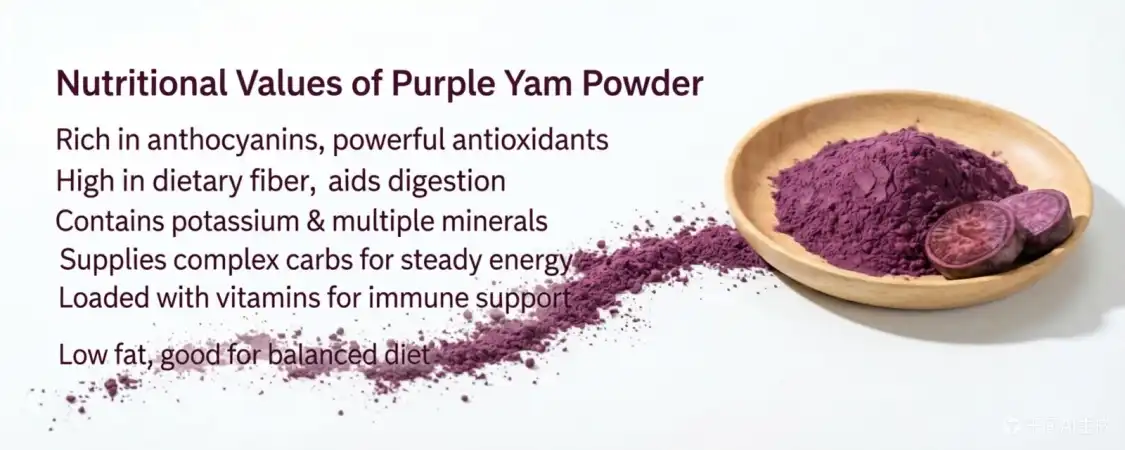
Ube yam powder has a lot of different nutrients in it, not just the basic macronutrients. The item has a lot of resistant starch, which is a type of carbohydrate that breaks down slowly and helps keep glucose levels steady when eaten as part of a healthy diet. Because of this, it's very useful for functional food makers who are making foods for metabolic health.
Anthocyanins, which are found naturally, give the powder its distinctive color and help fight oxidative stress by being antioxidants. With the vitamin C levels, these polyphenolic chemicals work together to help protect cells. There is also mucilage and dietary fiber in the ingredient, which are typically linked to digestive health and balance.
The powder contains polysaccharides and diosgenin-like substances that may help the immune system work normally. However, formulation scientists should keep in mind that health promises need to be properly substantiated under the relevant regulatory frameworks. The item has a clean name because it is made from a single source: 100% pure purple yam, with no added chemicals, preservatives, or man-made parts.
Quality Standards and Certification
This plant-based ingredient is made by NT Biotech following strict quality standards that meet international food safety standards. Before being packed in a lab, each batch goes through a metal detector test and a full quality check. The factory has ISO9001 certification for quality management systems, as well as Kosher and Halal standards, which make the item more useful for a wider range of markets and cultural needs.
Functional Applications of Ube Yam Powder in Food and Nutritional Products
Natural Colorant and Flavor Enhancement
Product designers are looking for plant-based options to replace manmade colorants more and more. Ube yam powder meets this need while also adding nutritional value. The ingredient gives products like protein shakes and baked goods a unique purple color that makes them stand out on store shelves that are already full of products. Unlike separate color compounds, the powder gives you this cosmetic benefit along with all of its health benefits, which backs up marketing claims about using whole foods and little processing.
The flavor input is still light enough to work with formulas instead of taking over them. The mild earthiness goes well with vanilla, chocolate, and fruity flavors that are often found in dietary supplements. Because of this, formulators can use the item in both sweet and spicy recipes without having to make big changes to the original ones.
Beverage and Ready-to-Mix Applications
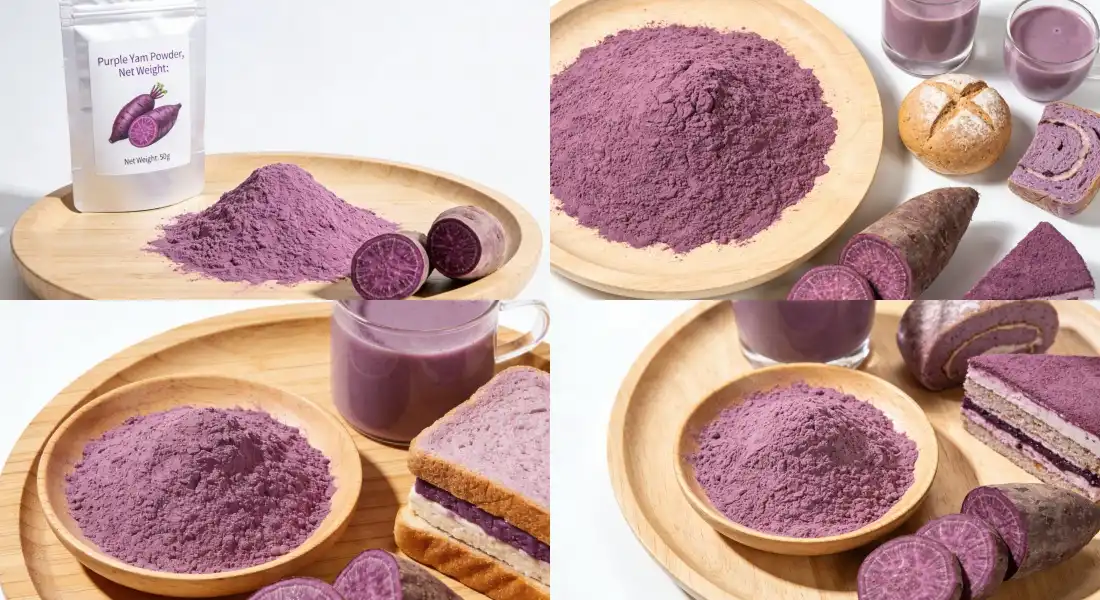
The ability of this ingredient to dissolve well is especially useful for companies that make nutritional drinks. The small particles mix easily in both water-based and milk-based systems, making textures that are smooth instead of gritty, which can make people not want to buy the product. The ube yam powder's complex carbohydrate content gives ready-made nutrition drinks long-lasting energy, and the added fiber and color make plant-based protein shakes more interesting.
Formulators of meal replacement products like this ingredient because it helps people feel full because it contains fiber and resistant starch. The powder works well with quick meal mixes, superfood blend powders, and functional beverage concentrates that are made to be drunk on the go.
Bakery and Confectionery Innovation
The use of ube yam powder in baking is another area where it is growing. The item can handle normal baking temperatures and keeps its color, so cakes, muffins, cookies, and bread with nice purple tones can be made. The powder has been successfully added to donut glazes, pancake mixes, and ice cream recipes by both artisan bakeries and commercial makers, making goods that stand out in crowded markets.
Due to its natural sweetness, the powder can be used in some situations where a small amount of sugar is needed to help product development teams make healthier changes. It can improve how texture is perceived in low-fat products because it gives food a creamy mouthfeel. This has useful benefits beyond nutrients and color.
Supplement Formulation Considerations
Nutraceutical companies use ube yam powder in capsules, tablets, and powdered supplement mixes that are meant to help with gut health, antioxidant support, and general wellness. The traditional uses of the ingredient and its known nutritional makeup give formulators proof that their goods belong in the growing functional foods market.
Quality managers should set the right standards for key factors like anthocyanin content, moisture levels, and microbe parameters when supplement products are being made. NT Biotech includes full Certificates of Analysis with every batch. These show that the product meets international quality standards and help with regulatory applications in target markets.
Comparing Ube Yam Powder to Alternative Ingredients: Making Informed Formulation Decisions
Purple Yam Powder Versus Purple Sweet Potato Powder
Both ingredients give food a purple color, but their plant sources and chemical makeup are very different. The ube yam powder comes from a species of Dioscorea. It has special substances like mucilage, resistant starch, and chemicals linked to diosgenin that help with digestion and overall health. The purple sweet potato powder that comes from Ipomoea batatas has higher amounts of anthocyanin, which makes it a great natural colorant with strong antioxidant qualities.
Product makers choose between these options based on the goals of the recipe. For projects that want to make antioxidant claims based on high anthocyanin content, sweet potato powder might be best. On the other hand, ube-derived powder would be better for projects that want the unique texture and traditional health benefits of ube yam. These choices are also affected by things like cost, the mechanics of the supply chain, and the availability in the area.
Functional Comparison with Yam Flour and Starches
Ube yam powder that is intensified is not the same thing as regular yam flour. Normal yam flours don't have the bright color and concentrated bioactive profile that make ube yam powder stand out. Potato starch and other starches derived from tubers can thicken and bind things together, but they aren't as healthy or attractive as ube yam powder.
Formulators who want to change regular starches with ones that are better for you will find that ube yam powder is a good option that also looks good on a clean label. The ingredient can be used in place of some other carbohydrate sources in recipes to increase nutritional value without changing how the product is made.
Organic Versus Conventional Sourcing
When B2B buyers are thinking about how to source goods, they need to weigh the costs of getting organic approval against the quantity of supplies. The price of organic ube yam powder is higher, but it gives companies access to natural and organic product outlets where customers are willing to pay more. Regular ube yam powder has the same general nutritional profile but is cheaper. This means it can be used in value-oriented product lines or situations where organic certification doesn't give a big edge in the market.
There are also differences in the supply chains for organic and standard sources. Most of the time, organic farming doesn't produce as much as normal farming, which could make it harder to find things when demand is high. It's easier to find what you need when you build relationships with sellers who can do both organic and conventional output.
Strategic Procurement of Ube Yam Powder for Global B2B Clients
Identifying Qualified Suppliers and Manufacturers
A careful evaluation of the seller is the first step to successful procurement. Buyers who care about quality look at a possible partner's manufacturing certifications, production capacity, quality control systems, and history of supplying foreign markets. NT Biotech has been making plant ingredients for ten years, which shows that their operations are stable and lowers supply chain risk for B2B customers building long-term product platforms.
Requesting samples of a product before making a large buy helps quality assurance teams to make sure that the specs match the parameters that have been written down. For approved buyers, NT Biotech provides free samples, which can be used for lab testing and small-scale recipe trials before orders are placed for mass production. This lowers the risk of reformulation and makes sure that the chosen ube yam powder works as planned in the intended uses.
Understanding MOQ and Logistics Requirements
The minimum order amounts strike a balance between how efficiently suppliers make things and how well buyers handle their stock. The minimum order quantity (MOQ) for NT Biotech's ube yam powder is 10 kilograms. This amount is enough for both new brands trying out new recipes and established companies doing pilot production runs. This easy-to-use entry point encourages new ideas, and bigger customers can get customized packaging choices that make getting and storing goods easier.
Delivery times are another important factor in purchasing. NT Biotech keeps a stock of famous standardized extracts, so orders can be shipped two to four days after payment is confirmed. This fast delivery helps just-in-time manufacturing tactics and keeps buyers' working capital from getting stuck in raw material inventory. The business uses dedicated freight forwarder accounts to make sure that foreign shipping goes smoothly, and the ability to see where the packages are at all times helps with planning the supply chain.
Evaluating Technical Support and Customization Capabilities
Buyers who are looking to the future value providers who offer expert partnership in addition to basic ingredient supply. The research and development team at NT Biotech helps customers with manufacturing, helping them figure out the best dosage levels and answering any questions they have about suitability that come up during product development. This technical teamwork shortens the time it takes to get a product to market and lowers the costs of trying new materials and seeing what works and what doesn't.
With custom specification capabilities, makers can use proprietary ingredient variants to make their final goods stand out. Whether they're changing the particle size for certain uses, making custom blends with botanical ingredients that go well together, or coming up with unique packaging formats for private label programs, these services turn ingredient suppliers into strategic partners that help businesses stay ahead of the competition.
Future Trends and Opportunities in the Ube Yam Powder Market for Functional Foods
Rising Consumer Demand for Plant-Based Nutrition
Market study shows that people are becoming more and more interested in plant-based products, especially younger people who care about health and the environment. Ube yam powder is a whole food that fits right in with this style because it shows that the food is natural and healthy. Product designers who base their recipes on known plant ingredients instead of isolated compounds can appeal to people who want minimal processing and the idea that food can be used as medicine.
Because the element can naturally be used in drinks, foods, and supplements, it gives brand owners chances to grow their businesses. If you make a protein shake recipe that works with ube yam powder, you can use it in snack bars, breakfast cereals, or useful candies too, since people are already familiar with the ingredient in these other forms.
Regulatory Evolution and Compliance Preparation
The rules around the world are changing all the time, and more attention is being paid to where ingredients come from, how well they are documented, and whether health claims are true. Proactive procurement teams build ties with suppliers that plan for changes in regulations instead of just reacting to them. It is easier for buyers to meet new needs quickly when they work with manufacturers who keep full quality paperwork, third-party certifications, and clear supply lines.
NT Biotech keeps its ISO9001, Kosher, and Halal standards up to date. These show that the company follows the systematic approach to quality management that officials are expecting more and more. These certifications make it easier to fill out paperwork when registering goods in new markets or reacting to customer checks. This cuts down on the paperwork that can slow down product launches.
Sustainability as Competitive Differentiator
Environmental factors are becoming more and more important in both individual and business buying decisions. Botanical products that have been grown for a long time and have a low effect on the environment have sustainability stories that appeal to environmentally conscious customers. Growing ube yams needs less water than many other crops, and they do well in tropical areas where they help local farming economies.
Brands that use stories about sustainability in their marketing work better with items that are made in a way that supports these ideas. Clear information about where the food comes from, backed up by proof from the supplier of farming methods and processing efficiency, builds trust with customers and sets goods apart in crowded market segments.
Conclusion
Ube yam powder is a smart ingredient choice for companies that are making the next generation of useful foods and nutritional products. Its mix of good looks, clean label credentials, and proven health benefits appeals to a wide range of customer tastes and gives formulators useful benefits in processing and stability. The ingredient can be used in a wide range of products, such as ready-to-drink drinks, baked goods, and encapsulated vitamins. This gives brand owners platform freedom that helps them get the most out of their development efforts.
For adoption to go well, you need to work with suppliers who know both the technical side of making food and how the market works to drive innovation. Quality certifications, quick response times for customer service, and the ability to offer technology help set providers that can support long-term growth apart from those who only sell ingredients. As the need for natural, plant-based goods grows, brands that use unique ingredients early on can create a market position and set themselves apart from competitors, which becomes more valuable as the categories develop.
FAQ
1. Is purple yam powder suitable for gluten-free and allergen-sensitive formulations?
Ube yam powder made from Dioscorea alata doesn't naturally contain gluten and doesn't cause many allergies in most people. The ingredient can be used in gluten-free products, which means it can be used in more specialty diet groups. During production, manufacturers should follow the right allergy control procedures and make sure that cross-contamination risks are kept under control throughout the supply chain. People who are known to be allergic to tubers should be careful, but these allergies are still not very common compared to big allergens.
2. What dosage levels work best in supplement formulations?
Typical inclusion rates vary based on application and intended positioning. Beverage formulations commonly incorporate 2-5 grams per serving to deliver noticeable color and nutritional contribution without overwhelming flavor profiles. Capsule supplements targeting concentrated benefits might use 500-1000 milligrams per dose. Product developers should conduct sensory evaluation and stability testing to optimize dosage for specific formulations, balancing functional benefits, taste impact, and cost considerations.
3. How can buyers verify supplier quality and certifications?
Request complete documentation including Certificates of Analysis for recent production batches, showing test results for heavy metals, microbial parameters, and active component levels. Verify that certifications like ISO9001, Kosher, and Halal remain current and issued by recognized certification bodies. Free samples enable independent laboratory verification before committing to volume purchases, confirming specifications match supplier claims.
Source Premium Purple Yam Powder from NT Biotech
NT Biotech stands ready to support your functional food and nutritional supplement development with premium ube yam powder backed by over ten years of botanical ingredient expertise. Our 100% pure ube yam powder (Latin name: Dioscorea alata L.) arrives with complete ISO, Kosher, and Halal certifications, providing the quality documentation your regulatory and quality assurance teams require. Stock availability enables rapid shipment within two to four days, while our 10-kilogram minimum order quantity makes trial orders accessible for emerging brands and established manufacturers alike.
Contact our technical team at info@newthingsbiotech.com to request free samples and discuss how our customizable packaging and private label capabilities can streamline your supply chain. Whether you need a reliable ube yam powder supplier for established product lines or formulation support for innovative new launches, our responsive customer service and flexible production capabilities deliver the partnership your business deserves.
References
1. Smith, J. & Chen, L. (2022). "Anthocyanin Stability and Bioactivity in Purple Yam (Dioscorea alata) Processing." Journal of Food Science and Technology, 59(4), 1456-1468.
2. Rodriguez, M., Kim, S. & Patel, R. (2021). "Resistant Starch Content and Glycemic Response of Tropical Tuber Crops." International Journal of Food Sciences and Nutrition, 72(3), 334-347.
3. Thompson, A. & Williams, K. (2023). "Natural Colorants in Functional Food Formulations: Stability and Consumer Perception." Food Innovation and Technology Quarterly, 18(2), 89-102.
4. Zhang, H., Nakamura, Y. & O'Connor, P. (2022). "Bioactive Compounds in Dioscorea Species: Traditional Uses and Modern Applications." Phytochemistry Reviews, 21(1), 215-238.
5. Garcia, E. & Muller, T. (2023). "Clean Label Ingredient Trends in North American Supplement Markets." Nutritional Business Journal, 28(6), 44-59.
6. Lee, D., Santos, F. & Anderson, B. (2021). "Procurement Strategies for Botanical Ingredients: Quality Assurance and Supply Chain Management." Journal of Applied Food Technology, 14(5), 678-694.