- English
- French
- German
- Portuguese
- Spanish
- Russian
- Japanese
- Korean
- Arabic
- Greek
- German
- Turkish
- Italian
- Danish
- Romanian
- Indonesian
- Czech
- Afrikaans
- Swedish
- Polish
- Basque
- Catalan
- Esperanto
- Hindi
- Lao
- Albanian
- Amharic
- Armenian
- Azerbaijani
- Belarusian
- Bengali
- Bosnian
- Bulgarian
- Cebuano
- Chichewa
- Corsican
- Croatian
- Dutch
- Estonian
- Filipino
- Finnish
- Frisian
- Galician
- Georgian
- Gujarati
- Haitian
- Hausa
- Hawaiian
- Hebrew
- Hmong
- Hungarian
- Icelandic
- Igbo
- Javanese
- Kannada
- Kazakh
- Khmer
- Kurdish
- Kyrgyz
- Latin
- Latvian
- Lithuanian
- Luxembou..
- Macedonian
- Malagasy
- Malay
- Malayalam
- Maltese
- Maori
- Marathi
- Mongolian
- Burmese
- Nepali
- Norwegian
- Pashto
- Persian
- Punjabi
- Serbian
- Sesotho
- Sinhala
- Slovak
- Slovenian
- Somali
- Samoan
- Scots Gaelic
- Shona
- Sindhi
- Sundanese
- Swahili
- Tajik
- Tamil
- Telugu
- Thai
- Ukrainian
- Urdu
- Uzbek
- Vietnamese
- Welsh
- Xhosa
- Yiddish
- Yoruba
- Zulu
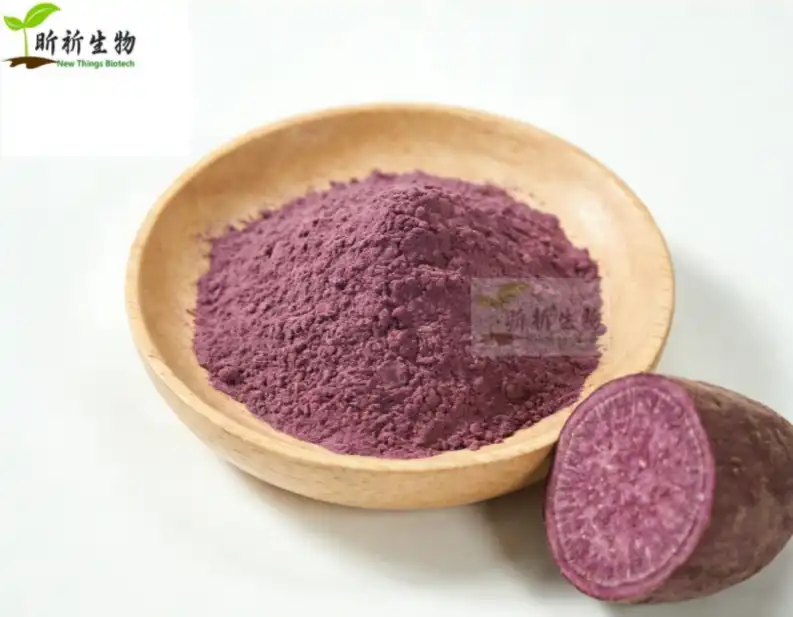
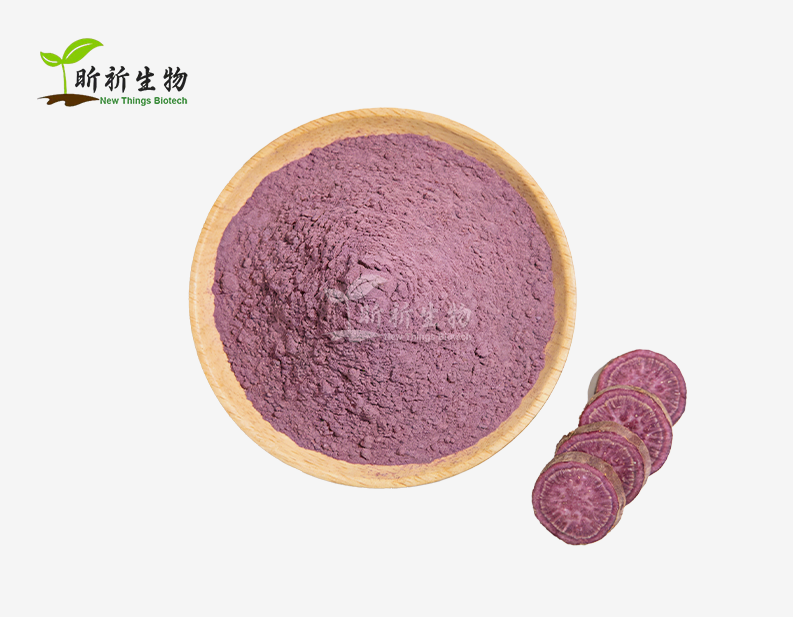
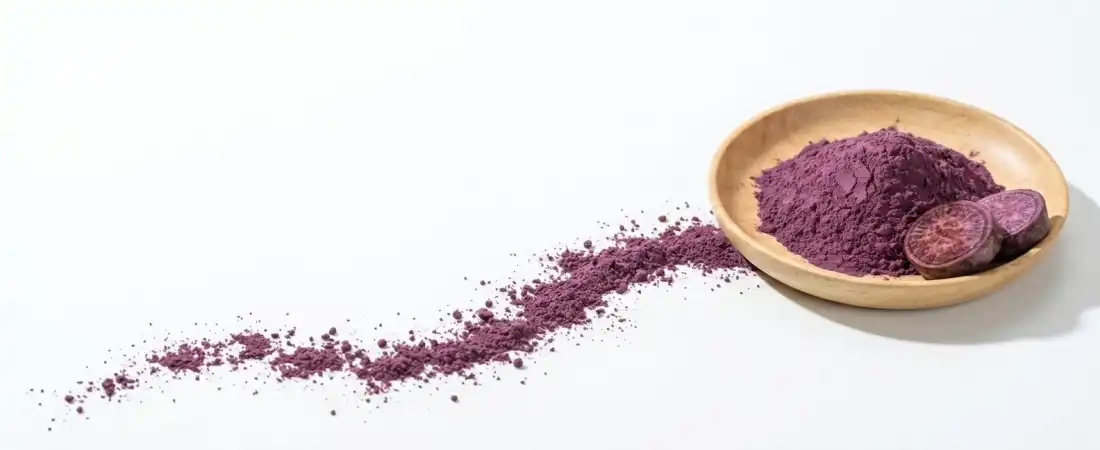
Natural ube powder, which comes from the colorful purple yam (Dioscorea alata L.), is a great choice for companies that make food and drinks and want to use products that are good for you and look good on the label. This finely ground violet powder still has the natural color, bioactive chemicals, and mild sweetness of hand-picked purple yams. This makes it a great choice for product makers who want to make useful new products. This botanical ingredient meets the needs of consumers who want naturally colored ingredients that come from plants and is high in anthocyanins, resistant starch, dietary fiber, and essential minerals. It can be used in functional beverages, baked goods, meal replacements, and cosmetics.
Understanding Modern B2B Procurement Trends
The way botanical ingredients are bought has changed a lot. Now, R&D managers and buying leaders want more openness than ever before in the supply chain. Data-driven decisions are used to choose suppliers, and the ability to track products from cultivation to final packing is what determines the viability of a relationship. Procurement pros use digital scorecards to look at a supplier's skills. These scorecards look at things like extraction methods, batch consistency, and regulatory compliance paperwork.
The Shift Toward Verified Supply Chain Transparency
These days, teams that buy things need a lot of paperwork for every batch of ingredients. Reports on Certificates of Analysis, HPLC test results, and ISO 9001 approval are no longer things that set companies apart from their competitors; they are now things that everyone expects. Kosher and Halal licenses make it easier for products to get into new markets, especially those that are aimed at a wide range of consumers in North America and Europe.
Digital Integration in Ingredient Sourcing
Now, procurement management systems connect directly to seller platforms. This lets you see your goods in real time and automatically reorder based on how much you expect to make. This combination of technologies cuts down on wait times and the chance of preparation delays caused by lack of ingredients. For companies that need to get new products quickly, suppliers who keep standard extracts in stock with mesh sizes like 80 mesh can help them in a smart way.
Key Challenges Faced by Global Procurement Teams
International sourcing managers have to deal with a lot of different rules and regulations. For example, the specs of the ingredients they use have to match FDA guidelines, EU Novel Food laws, and clean-label standards. Supply chain problems have made it more important to have more than one source, especially for botanical products that change with the seasons and trade risks caused by geopolitics.
Regulatory Compliance Complexity
If you want to use natural ube powder in functional foods, it has to meet strict quality standards and keep the same amount of anthocyanin in each batch. Professionals in purchasing decide which providers to work with based on how well they can provide detailed proof of their GRAS status and compliance with food ingredient rules in specific markets.
Mitigating Raw Material Price Volatility
Prices of agricultural goods change depending on how much food is harvested, the weather, and how people in different areas want to buy them. Strategic buying teams make outline deals with providers of botanical ingredients that show they are fully integrated from growing the plants to handling them. This method keeps prices stable and makes sure there is a steady supply even when the market is down.
Quality Assurance Across International Borders
When you buy plant powders from Asian sellers, you have to follow strict quality control procedures. It becomes necessary to have heavy metals, microbial pollution, and chemical traces tested by a third party. Suppliers with their own labs and strict quality control departments make it easier for buying teams to do their jobs and speed up the time it takes for new products to hit the market.
Strategic Sourcing for Competitive Advantage
When you switch from buying ingredients on a transactional basis to strategic sourcing, you gain real competitive benefits in the speed of product innovation and the performance of your formulations. Total cost of ownership research looks at more than just unit price. It also looks at things like consistent quality, access to expert support, and how quickly a supplier responds to requests for custom specifications.
Supplier Segmentation for Botanical Ingredients
Top buying firms divide sellers into groups based on how important they are strategically and how well they can do their jobs technically. Botanical extract partners who help with preparation and application become important friends in the process of making new products. This way of working together speeds up the time it takes for functional drinks and nutritional products with ingredients like natural ube powder that are known to be good for you to hit the market.
Performance Metrics That Drive Innovation
Supplier scorecards for plant products look at more than just price and delivery time. Long-term relationship choices are based on things like consistent extraction yield, keeping bioactive substances safe, and the ability to make custom packaging configurations. Suppliers with flexible minimum order numbers, like 10 kg starting amounts, can handle both small-scale production runs and large-scale production needs.
Leveraging Technology to Optimize Procurement Operations
Automation in buying processes cuts down on mistakes made by hand and improves the accuracy of compliance paperwork. AI-powered demand prediction lets you buy ingredients ahead of time so they arrive on time for production, which cuts down on the costs of storing perishable botanical materials in warehouses.
Blockchain-Enabled Ingredient Traceability
New blockchain uses in plant supply chains create permanent records that show when purple yams were grown, when they were harvested, when they were processed, and the results of quality tests. This technological infrastructure backs up marketing claims about clean labels and meets customer demands for ingredient origin openness.
Integration With Enterprise Resource Planning Systems
Finance teams can keep track of the prices of ingredients and the outputs of production in real time with procurement tools that work well with current ERP systems. This kind of insight helps businesses maximize their profit margins and make smart choices about what ingredients to use when market conditions change.
Rapid Response Capabilities
Suppliers with digital communication systems promise to answer questions within two hours, including scientific questions about the stability of anthocyanin, the best way to use it, or whether it will work with certain formulation patterns. This responsiveness is very important when product development processes are short, and time-to-market decides where a company stands in the market.
Building Trust and Long-Term Supplier Relationships
Supply chains that are reliable rely on procurement teams and botanical ingredient sources working together. Clear information about production capacity, quality control processes, and backup plans builds trust between parties that can withstand changes in the market.
Joint Innovation Initiatives
Strategic providers take the time to learn about their customers' goals for product development and offer free recipe advice and sample materials to help with pilot testing. Before ordering a lot of natural ube powder, product makers can get samples to make sure the color stays the same under different processing conditions and that the powder tastes good.
Consistent Quality Through Vertical Integration
Better batch-to-batch accuracy comes from suppliers who oversee the growing, extraction, and packing processes. This vertical integration gets rid of middlemen who might lower quality standards. This makes sure that every kilogram of powder meets agreed-upon standards for look, mesh size, and useful compound content.
Performance Evaluation and Continuous Improvement
Business reviews that happen every three months between buying teams and key suppliers find ways to make the process run more smoothly. These organized reviews could look at new ways of packing, shorter lead times, or wider certification coverage to help with new strategies for breaking into new markets.
Partnering With NT Biotech for Your Purple Yam Powder Requirements
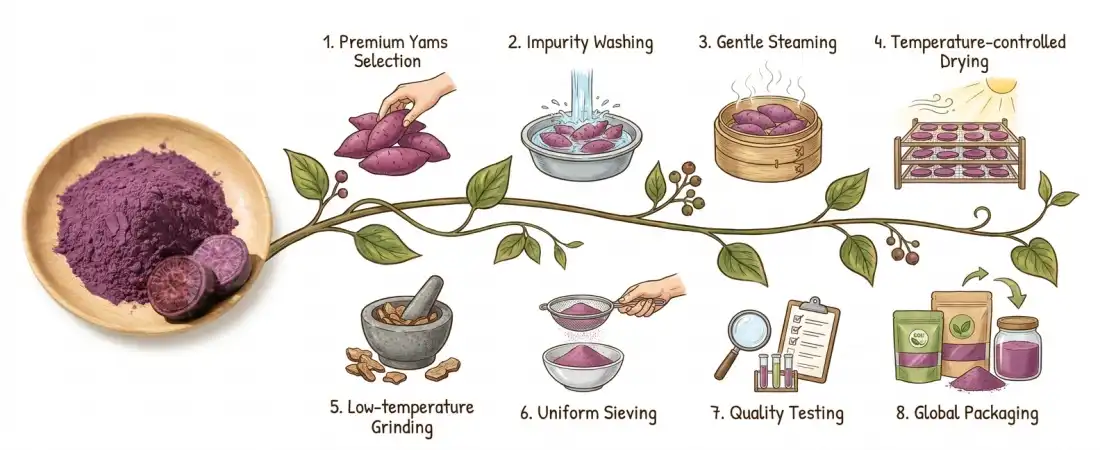
For more than ten years, NT Biotech has helped companies that make food, drinks, and cosmetics by providing plant ingredient solutions that have been proven to work by science. Our natural ube powder comes from carefully chosen Dioscorea alata roots that have been milled at a low temperature that keeps the vitamin C, anthocyanins, and carbohydrates in the roots. Before being released, each 100% pure batch goes through a thorough quality check. This is backed by ISO 9001, Kosher, and Halal standards that make it easier to sell on the global market.
Our technical benefits come from our advanced research and development skills, which help us find the best extraction conditions to keep as many beneficial compounds as possible. Every package comes with a lot of paperwork, like HPLC chromatograms and Certificates of Analysis that list the nutrients and prove there are no contaminants. This level of technical rigor directly leads to reliable formulations and consistent product performance.
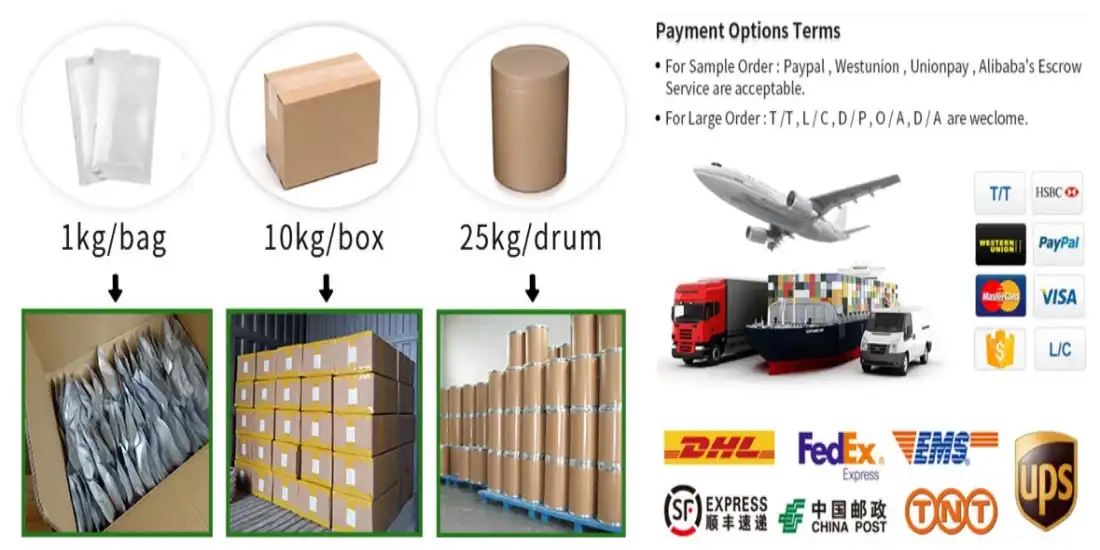
Our service model is unique because it allows for flexible logistics. Standard sales of purple powder can be shipped within two to four days of proof of payment, as long as the powder is in stock. Custom production runs can meet particular needs and have wait times of 3–10 working days. This includes verifying the raw materials, extracting them, testing them, and packaging them. We set up shipping through FEDEX and UPS for fast delivery or reliable freight forwarders for large ocean packages, making sure that the cost and travel time are as low as possible based on your needs.
Our dedication to working together goes beyond just providing ingredients. Application experts give advice on how to mix natural ube powder into functional drink systems, protein shakes, bakery mixes, and frozen treats. OEM help includes custom package layouts that fit your production processes, whether you need 1 kg bags for small amounts or 10 kg boxes for large-scale production.
Conclusion
Natural ube powder brings together nutritional benefits, clean-label appeal, and visual appeal for product makers who are trying to make their way through the tough functional food market. To strategically buy this botanical element, you need to look at providers' technical skills, quality systems, and flexible service models that can keep up with the timelines for innovation. The bioactive ingredients in purple yam, such as anthocyanins, resistant starch, and nutritional fiber, make it possible to make a wide range of goods, from health drinks to sports nutrition. As more people want ingredients that come from plants and are clear about where they come from, working with certified botanical sources becomes important for success in the market.
FAQ
1. What makes purple yam powder suitable for clean-label formulations?
Natural ube powder doesn't have any added chemicals, colors, or fillers that aren't natural. It is made from mechanically processing only Dioscorea alata roots, so it meets clean-label guidelines and has a natural violet color from anthocyanins. This botanical origin backs up marketing claims about chemicals that come from plants and clear supply lines.
2. How does resistant starch in ube powder benefit functional food applications?
It takes longer for resistant starch to be digested than other carbohydrates, which helps keep glucose levels stable after a meal. Because of this useful quality, natural ube powder is good for making meal replacements, sports nutrition products, and healthy snacks that focus on metabolic health.
3. What documentation should procurement teams expect from qualified suppliers?
Authentic plant ingredient providers send Certificates of Analysis with every batch. These documents show the moisture content, mesh size confirmation, microbial testing results, and heavy metal screens. ISO 9001 certification shows that quality management is done in a planned way, and Kosher and Halal standards make the product more useful in more markets. Tests using HPLC prove the amount of anthocyanin present and make sure that no other substances are present.
Contact NT Biotech: Your Trusted Natural Ube Powder Supplier
NT Biotech is your key partner for high-quality purple yam ingredients, backed by strict quality systems and quick expert support. Our natural ube powder source can do more than just provide ingredients. They can also help with formulation, come up with custom packaging solutions, and offer flexible order amounts starting at 10 kg. We make it easier for you to go from idea to business start by keeping your products in stock so you can get them quickly (within two to four days) and by offering full OEM support for developing branded products. Email our foreign sales team at info@newthingsbiotech.com to get free samples and talk about how our approved botanical ingredients can make your next product idea stand out.
References
1. Journal of Agricultural and Food Chemistry. "Anthocyanin Content and Antioxidant Capacity of Purple-Fleshed Sweet Potato Extracts." Volume 58, Issue 7, 2010.
2. International Journal of Food Sciences and Nutrition. "Resistant Starch: Functional Properties and Health Benefits in Food Formulations." Volume 71, Issue 3, 2020.
3. Food Chemistry. "Bioactive Compounds in Purple Yam and Their Potential Health Applications." Volume 342, 2021.
4. Critical Reviews in Food Science and Nutrition. "Natural Food Colorants: Anthocyanins in Functional Food Development." Volume 60, Issue 15, 2020.
5. Journal of Functional Foods. "Dioscorea alata Polysaccharides: Structural Characterization and Immunomodulatory Activities." Volume 68, 2020.
6. Trends in Food Science and Technology. "Clean Label Ingredients in Modern Food Manufacturing: Consumer Preferences and Market Dynamics." Volume 102, 2020.