- English
- French
- German
- Portuguese
- Spanish
- Russian
- Japanese
- Korean
- Arabic
- Greek
- German
- Turkish
- Italian
- Danish
- Romanian
- Indonesian
- Czech
- Afrikaans
- Swedish
- Polish
- Basque
- Catalan
- Esperanto
- Hindi
- Lao
- Albanian
- Amharic
- Armenian
- Azerbaijani
- Belarusian
- Bengali
- Bosnian
- Bulgarian
- Cebuano
- Chichewa
- Corsican
- Croatian
- Dutch
- Estonian
- Filipino
- Finnish
- Frisian
- Galician
- Georgian
- Gujarati
- Haitian
- Hausa
- Hawaiian
- Hebrew
- Hmong
- Hungarian
- Icelandic
- Igbo
- Javanese
- Kannada
- Kazakh
- Khmer
- Kurdish
- Kyrgyz
- Latin
- Latvian
- Lithuanian
- Luxembou..
- Macedonian
- Malagasy
- Malay
- Malayalam
- Maltese
- Maori
- Marathi
- Mongolian
- Burmese
- Nepali
- Norwegian
- Pashto
- Persian
- Punjabi
- Serbian
- Sesotho
- Sinhala
- Slovak
- Slovenian
- Somali
- Samoan
- Scots Gaelic
- Shona
- Sindhi
- Sundanese
- Swahili
- Tajik
- Tamil
- Telugu
- Thai
- Ukrainian
- Urdu
- Uzbek
- Vietnamese
- Welsh
- Xhosa
- Yiddish
- Yoruba
- Zulu
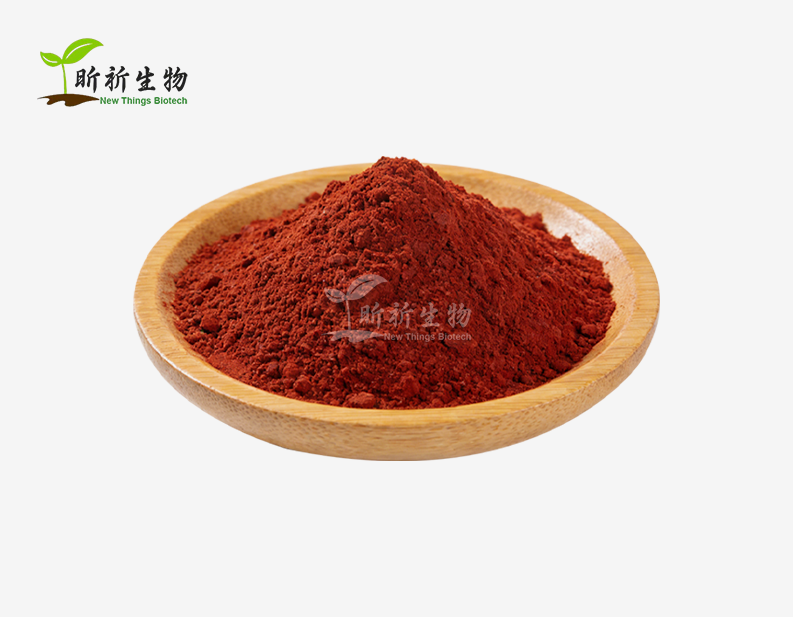
Astaxanthin supplements deliver powerful antioxidant protection that surpasses traditional vitamins by neutralizing free radicals, supporting skin health, and promoting cardiovascular wellness. Derived predominantly from microalgae like Haematococcus pluvialis, Quality Astaxanthin Powder offers B2B buyers a stable, highly bioavailable ingredient that integrates seamlessly into nutraceuticals, functional foods, and cosmetic formulations. Its scientifically validated benefits include reducing inflammation, improving eye health, enhancing athletic recovery, and protecting cellular structures from oxidative stress. The powder format ensures superior stability and dosing precision, making it the preferred choice for manufacturers seeking consistent, high-performance results in their product lines.
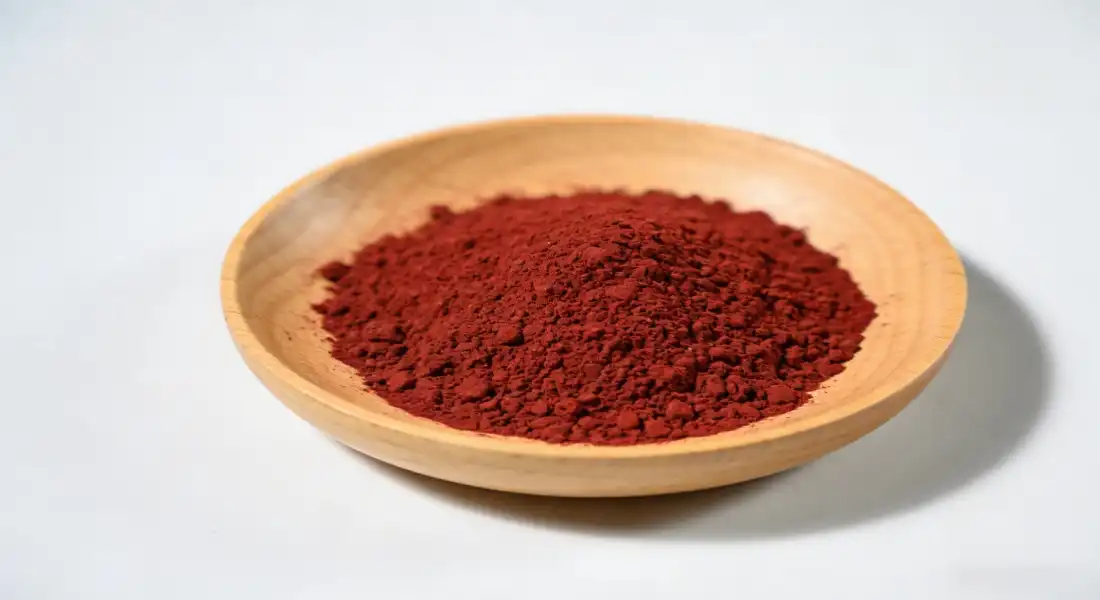
Understanding Astaxanthin Supplements and Their Benefits
When it comes to carotenoids, Astaxanthin is one of the most powerful antioxidants found in nature. Small algae make this bright red color, which you can also find naturally in seafood like salmon and shrimp. A lot of people in the health and beauty industries are interested in it. Before you can choose ingredients that will make your product stand out and make customers happy, you need to know where this compound comes from and how it is made.
The Science Behind Natural Astaxanthin Extraction
Astaxanthin-rich freshwater microalgae Haematococcus pluvialis. When developed under regulated stress, this organism produces protective carotene. Extraction generally uses supercritical CO2 technology. The tiny (3S, 3'S) stereoisomer structure that affords the drug considerable biological action is preserved. Natural Astaxanthin's fatty acid esterification remains constant, making it simpler for cells to absorb. Synthetic versions employ petrochemicals. This approach preserves the powder's antioxidant activity without hazardous solvents. This strength is hundreds of times greater than conventional vitamins. New microencapsulation technologies shield active ingredients from light and oxidation. This extends the product's lifespan and assures label accuracy.
Core Health Benefits Backed by Clinical Evidence
Astaxanthin is a versatile substance since it helps numerous bodily areas. Experts have proved that it can pass blood-brain-retinal barriers, protecting the brain and retina. NF-kB pathways are blocked by the chemical to reduce inflammation. This decreases chronic disease-causing systemic inflammatory markers. Skin care is a lucrative usage. Astaxanthin pills reduce fine wrinkles, protect skin against singlet oxygen species, and increase elasticity. They protect skin from UV harm. It keeps retinal cells alive, reducing eye fatigue and protecting against age-related macular degeneration. Better mitochondrial efficiency and fewer muscle damage after hard exercise benefit athletes and active individuals. Studies measured creatine kinase after exercise. Astaxanthin significantly reduced muscle injury indicators compared to controls. greater lipid profiles, reduced LDL cholesterol oxidation, and greater endothelial function keep blood flowing and arteries flexible, keeping the heart healthy.
Dosage Guidelines and Safety Considerations for Product Development
The proper dosage depends on how and who uses a substance. For general health, take 4–8 mg daily. However, sports nutrition products may include 12–16 mg to fulfill athletes' greater oxidative demands. It works cosmetically whether taken orally or applied to the skin. The powder concentration may be adjusted for the formulation. For all dosages, safety is excellent. Human studies of 20 mg of the chemical daily for 24 weeks reported no negative effects. This indicates good compound tolerance. Governments worldwide consider Astaxanthin to be safe (GRAS). Selling items abroad is increasingly simpler for enterprises. It doesn't combat free radicals like beta-carotene. It can be used by more individuals since dosage doesn't affect dangers. Powder medication may be made more ways than capsule or oil medicine. Manufacturers may tailor strengths to certain markets since they control potency. Making your own mixes or satisfying market regulations is much easier with this characteristic.
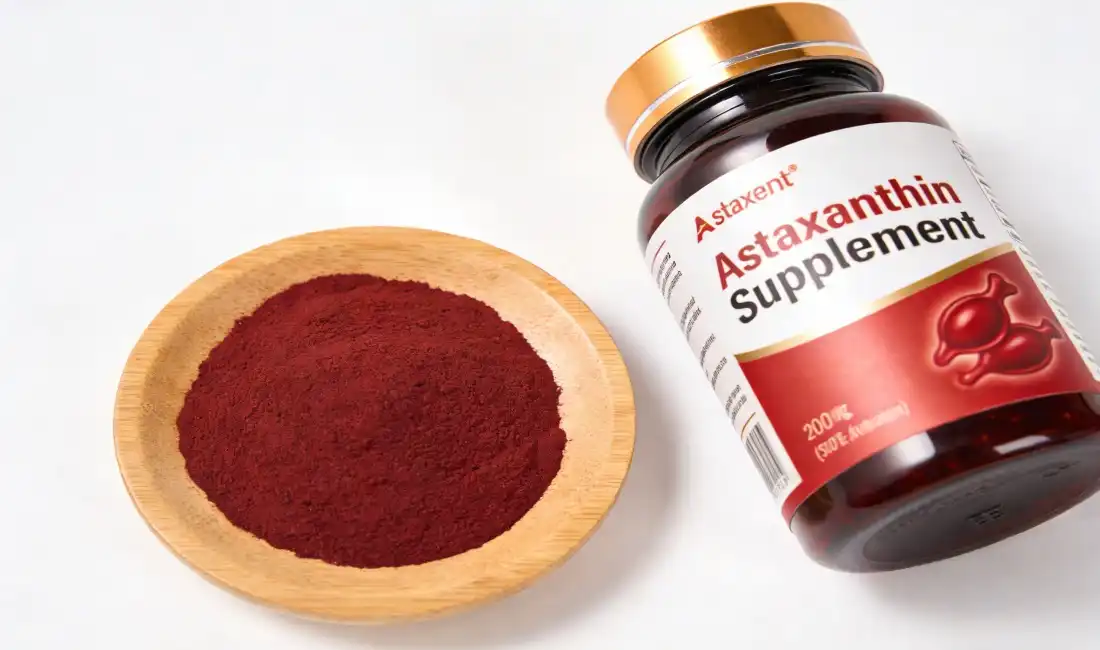
Evaluating Quality: How to Identify the Best Astaxanthin Powder
Buying goods requires knowing good from poor raw materials. Quality Astaxanthin Powder comes in several grades. Some dealers offer phony or improperly processed natural extracts, which are unsafe and ineffective. Good quality evaluation helps safeguard your brand's image and ensure compliance in all international markets.
Natural vs. Synthetic: Critical Differences Affecting Performance
Stereochemical arrangement is the fundamental distinction between natural and lab-made Astaxanthin. Naturally occurring isomers are predominantly (3S, 3'S) and linked to fatty acids. Factory-made racemic mixes with (3R, 3'R) and meso forms are less physiologically active. Many clinical trials have indicated that natural isomers are more accessible and efficient antioxidants. Lower dosages that work better for folks provide greater outcomes. The only way to be sure is to use natural powder with more than 95% (3S, 3'S) content. If you detect distinct isomers immediately, the product was lab-made or poor. Astaxanthin naturally includes lutein and canthaxanthin. These may assist, but they must be monitored to avoid affecting the test. Making affects the environment and how people think. Environmentally conscious markets appreciate natural cultivation since algal biomass is reusable. However, synthetic ways employ petroleum-based compounds, which disturbs environmentalists. This disparity affects brand positioning and high-end item prices, which affects marketing.
Third-Party Testing and Certification Requirements
Analytical testing is the key to quality assurance. Astaxanthin may be measured accurately using HPLC with UV-Vis detection at 474 nm. This distinguishes it from other carotenoids whose findings are influenced by simpler UV spectroscopy techniques. Each batch should have an HPLC-checked analytical certificate that indicates the procedure employed. USP guidelines require microbiological safety tests to show that total plate counts are fewer than 1,000 CFU/g, yeast and mold counts are less than 100 CFU/g, and dangerous organisms like Salmonella and E. coli are absent. Water-borne heavy metal accumulation is harmful. California Proposition 65 and FDA rules require ICP-MS to screen for lead and arsenic below 1.0 ppm. Gas chromatography flame ionization detection (GC-FID) tests for residual solvents demonstrate that all extraction solvents have been removed, per ICH Q3C. Photosensitivity responses from algal powders and other chlorophyll-degrading products may be prevented by monitoring pheophorbide. ISO 17025-certified labs authorized these extensive testing techniques. They prove your quality claims and regulatory filings.
Potency Selection and Supplier Verification Strategies
Powder typically contains 1.0% to 5.0% Astaxanthin, depending on the product and dosage targets. Higher concentrations produce fewer capsules but cost more and may be unstable. Lower concentrations save money on beverages and meals when spreading them out is more essential than saving space. An active ingredient's true value may be calculated by its cost per milligram instead of per kilogram to account for varied suppliers' concentrations. There's more to supplier screening than reading papers. Asking for facility inspection reports or taking virtual tours of companies may reveal how they create goods, how sophisticated their equipment are, and how they ensure quality. By looking at clean room standards, extraction containers, and drying equipment, you can determine contamination risk and batch consistency. Some well-known providers divide their manufacturing lines to avoid mixing plant extracts. Buy straight from a manufacturer to avoid middlemen markups. Technical personnel may also advise on extraction parameters and problem-solving. Working directly with manufacturers with flexible minimum order amounts may lead to long-term collaborations. This lets you purchase in bulk during product development and move to smaller quantities when demand drops. Quality management system certifications should include ISO 9001. Certain consumers should additionally have Kosher and Halal certificates.
How to Procure Quality Astaxanthin Powder: B2B Buyer's Guide
When you buy Quality Astaxanthin Powder with a plan, you keep your money safe and build strong supply chains that help your company grow. It takes organized methods that have been honed over years of experience in the field to handle international business, negotiate good terms, and make sure quality is met before committing.
Platform Selection and Transaction Security
Businesses buying from other businesses (B2B) are increasingly adopting internet platforms that link certified vendors with foreign customers. These platforms help resolve disputes, secure payments, and verify suppliers, making business safer. If you have reputable suppliers, engaging directly with manufacturers may offer you better discounts and strengthen connections. Platforms are used to discover suppliers, then direct contact for ongoing orders. Payment type affects transaction safety and cost. Letters of credit are the safest method to transmit money, but they cost more and take longer. To send money by wire transfer, you must trust the recipient. They are fast and affordable. Progressive payment models include deposit, pre-shipment, and post-delivery payments. These arrangements smooth cash flow and share risk. The currency you pick affects pricing. Suppliers may provide discounts for paying in their currency. This reduces their hedging costs. Choosing a shipping business and clear Incoterms influence shipment reliability. FedEx and UPS can deliver small, urgent items worldwide in 3–5 days and let you monitor them. Air freight works best for shipments between 50 kg and 200 kg, while ocean freight works best for orders exceeding 500 kg. However, air freight costs more. Knowing FOB, CIF, and DDP might help you avoid customs and pricing surprises. Freight forwarders make shipping plant extracts straightforward and handle phytosanitary certifications and country-specific import requirements. Reliable providers contact them.
Negotiation Tactics and Volume Purchasing Strategies
You must know current pricing and supply to negotiate prices successfully. Astaxanthin powder is scarce and expensive depending on harvesting. Working with many competent suppliers creates competition and backup supply. Multi-year framework agreements guarantee favorable pricing even during oversupply. This prevents future price increases and ensures suppliers always make the same amount. Suppliers base their minimum order quantity (MOQ) on their business expenses. Commercial production grades and premium specialty grades usually have a 1–25 kilogram MOQ. Suppliers that negotiate lower MOQs while a product is being created want to collaborate with you and know volumes will rise once the product is out. Buy a lot and receive discounts along established curves. Prices decrease significantly at 50, 100, 250, and 500 kilogram. The true price is the shipping and customs fees plus the "landed cost." Freight charges might be confusing when headline rates per kilogram vary often. Negotiating payment arrangements lets you acquire the greatest pricing and satisfy cash flow demands. Net 30 or Net 60 arrangements allow long-term consumers with strong credit to borrow money without interest. Early payment incentives range from 2% to 3%. This reduces costs and boosts supplier cash flow. Scheduled deliveries distribute financial withdrawals and ensure material availability for large yearly contracts. It's extremely useful when planning new launches with unclear demand curves.
Sample Evaluation and Partnership Development
Buying purely on specs might lead to costly blunders. Sample validation prevents errors. Request 50–100 gram samples from your vendors. This allows complete testing and small-batch trial manufacturing. An independent lab examination of the product's potency, purity, and contaminant levels and supplier certifications of analysis are further quality assurance methods. You may test your formulation matrix's solubility before ordering in bulk to check for incompatibilities. Test its stability under accelerated circumstances (40°C/75% RH for 90 days) to estimate its shelf life. Once issued and successful, a product retains its color, strength, and efficacy even after aging fast. When testing samples from multiple suppliers under the same settings, you may detect quality variances that weren't clear from the analytical procedures employed in the samples' paperwork. Both parties must communicate properly for a relationship to last. Knowing how you want your goods to expand helps your suppliers prepare for future requirements and ensure they have adequate manufacturing capacity. Timely feedback on quality concerns or successful applications improves collaborative problem-solving. Suppliers give technical help to retain customers. Help with formulation, knowledge on changing rules, and early notice about raw material issues are examples. Even online, frequent quality meetings strengthen connections and identify issues before they affect output. Trends in analysis across batches show minimal quality improvements. Kosher, Halal, and organic certificates must be updated annually. Reliable vendors monitor renewals and ensure your labels fulfill regulations without gaps.
Conclusion
Studies have shown that taking Astaxanthin supplements can help protect the skin, keep the eyes healthy, help the heart, and make athletes better. If you buy Quality Astaxanthin Powder from a trustworthy seller, you can be sure that your formulations will meet government standards and give customers consistent results. Supplement, beauty, and functional food companies can make more money with powder because it gives formulators more freedom, lower costs, and better stability. Firm quality checks, sample testing, and honest partnerships with suppliers are some of the strategic ways that businesses can build reliable supply chains that help them grow over time. In the global wellness market, which is growing, you can charge more and stay ahead of the competition if you know how to position your business in the market and use strategies that have been shown to work.
FAQ
1. What makes natural astaxanthin powder superior to synthetic alternatives?
Because it contains (3S, 3'S) stereoisomers, Astaxanthin from Haematococcus pluvialis has greater bioavailability and antioxidant activity than manufactured racemic combinations. Fatty acid esterification makes the natural form simpler to absorb. Additionally, research suggest that lower dosages perform better. Natural source appeals to consumers who choose plant-based products over petroleum-based ones, regardless of performance. This aids sustainability and premium product tales. Chiral chromatography verifies the product and distinguishes genuine powder from fakes.
2. How should astaxanthin powder be stored to maintain potency?
Best storage settings are cold, dry, dark, below 25°C, and below 60% relative humidity. Antioxidants break down in air, yet they operate in oxygen-free containers. UV radiation degrades carotenoids, therefore protection from sunshine is crucial. Microencapsulated powder that can withstand warehouse conditions may be stored for 24 to 36 months. Refrigerated items are more stable, but moisture management prevents condensation. Following these procedures will ensure that your product's label claims are accurate while on the shelf.
3. What analytical methods verify astaxanthin powder quality?
HPLC using UV-Vis detection at 474 nm reliably detects Astaxanthin and distinguishes it from other carotenoids that distort UV findings. Chiral chromatography quantifies stereoisomers to determine natural or artificial. Microbiological tests that fulfill USP criteria ensure product safety, while ICP-MS heavy metal analysis examines contaminant levels for legality. GC-FID examination of residual solvents verifies pure extraction. Full certificates of analysis from ISO 17025-accredited laboratories that demonstrate these processes ensure compliance and trademark protection.
Partner with NT Biotech for Your Astaxanthin Powder Sourcing Needs
The correct astaxanthin powder supplier affects product success and brand reputation. By focusing on purity, scientific rigor, and collaboration, Shaanxi New Things Biotech has become a trusted Quality Astaxanthin Powder provider. Our patented extraction procedures provide >98% purity and stereoisomer verification, ensuring your formulas work as intended. ISO 17025-accredited labs provide HPLC documentation and certificates of analysis for every batch, satisfying FDA, ISO 9001, Kosher, and Halal requirements. Standard grades ship in 1-3 days from our current inventory, while special manufacturing orders take 3-10 days. Contact our technical staff within two hours for formulation advice, stability data, and regulatory information to speed up product development. Flexible OEM solutions meet your market needs, and local currency payments ease international transactions. Reach out to our team at info@newthingsbiotech.com to request samples, discuss your project specifications, or explore partnership opportunities.
References
1. Ambati, R.R., Phang, S.M., Ravi, S., & Aswathanarayana, R.G. (2014). Astaxanthin: Sources, extraction, stability, biological activities and its commercial applications—A review. Marine Drugs, 12(1), 128-152.
2. Fassett, R.G., & Coombes, J.S. (2011). Astaxanthin: A potential therapeutic agent in cardiovascular disease. Marine Drugs, 9(3), 447-465.
3. Tominaga, K., Hongo, N., Karato, M., & Yamashita, E. (2012). Cosmetic benefits of astaxanthin on humans subjects. Acta Biochimica Polonica, 59(1), 43-47.
4. Yuan, J.P., Peng, J., Yin, K., & Wang, J.H. (2011). Potential health-promoting effects of astaxanthin: A high-value carotenoid mostly from microalgae. Molecular Nutrition & Food Research, 55(1), 150-165.
5. Brendler, T., & Williamson, E.M. (2019). Astaxanthin: How much is too much? A safety review. Phytotherapy Research, 33(12), 3090-3111.
6. Kidd, P. (2011). Astaxanthin, cell membrane nutrient with diverse clinical benefits and anti-aging potential. Alternative Medicine Review, 16(4), 355-364.