- English
- French
- German
- Portuguese
- Spanish
- Russian
- Japanese
- Korean
- Arabic
- Greek
- German
- Turkish
- Italian
- Danish
- Romanian
- Indonesian
- Czech
- Afrikaans
- Swedish
- Polish
- Basque
- Catalan
- Esperanto
- Hindi
- Lao
- Albanian
- Amharic
- Armenian
- Azerbaijani
- Belarusian
- Bengali
- Bosnian
- Bulgarian
- Cebuano
- Chichewa
- Corsican
- Croatian
- Dutch
- Estonian
- Filipino
- Finnish
- Frisian
- Galician
- Georgian
- Gujarati
- Haitian
- Hausa
- Hawaiian
- Hebrew
- Hmong
- Hungarian
- Icelandic
- Igbo
- Javanese
- Kannada
- Kazakh
- Khmer
- Kurdish
- Kyrgyz
- Latin
- Latvian
- Lithuanian
- Luxembou..
- Macedonian
- Malagasy
- Malay
- Malayalam
- Maltese
- Maori
- Marathi
- Mongolian
- Burmese
- Nepali
- Norwegian
- Pashto
- Persian
- Punjabi
- Serbian
- Sesotho
- Sinhala
- Slovak
- Slovenian
- Somali
- Samoan
- Scots Gaelic
- Shona
- Sindhi
- Sundanese
- Swahili
- Tajik
- Tamil
- Telugu
- Thai
- Ukrainian
- Urdu
- Uzbek
- Vietnamese
- Welsh
- Xhosa
- Yiddish
- Yoruba
- Zulu
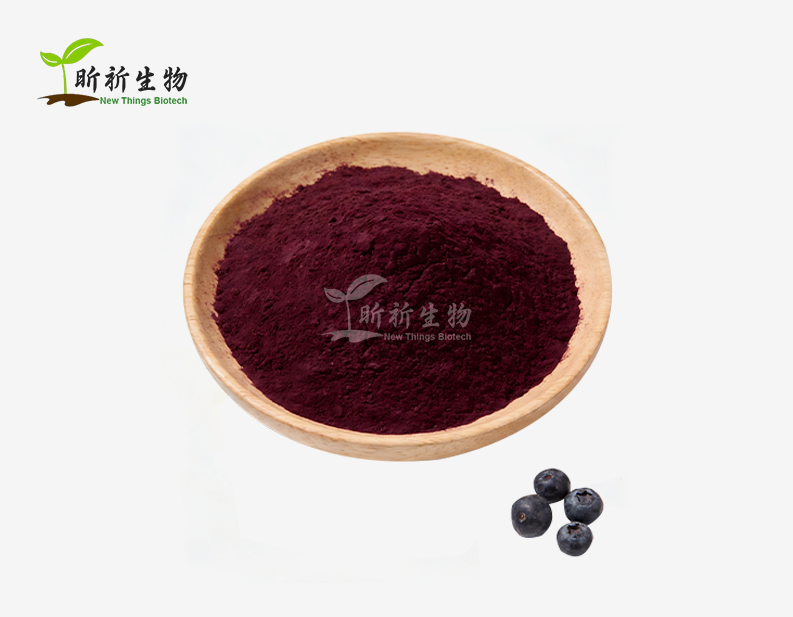
Yes, blue spirulina genuinely works as a functional ingredient, backed by peer-reviewed research demonstrating antioxidant, anti-inflammatory, and neuroprotective effects. The bioactive chemical phycocyanin neutralizes free radicals and improves cellular health at therapeutic concentrations. Blue Spirulina Bulk for commercial formulations relies on standardized phycocyanin concentration (15-25%), extraction purity, and consistent supply chain quality, making supplier selection crucial to realizing these scientifically validated benefits in your finished products.
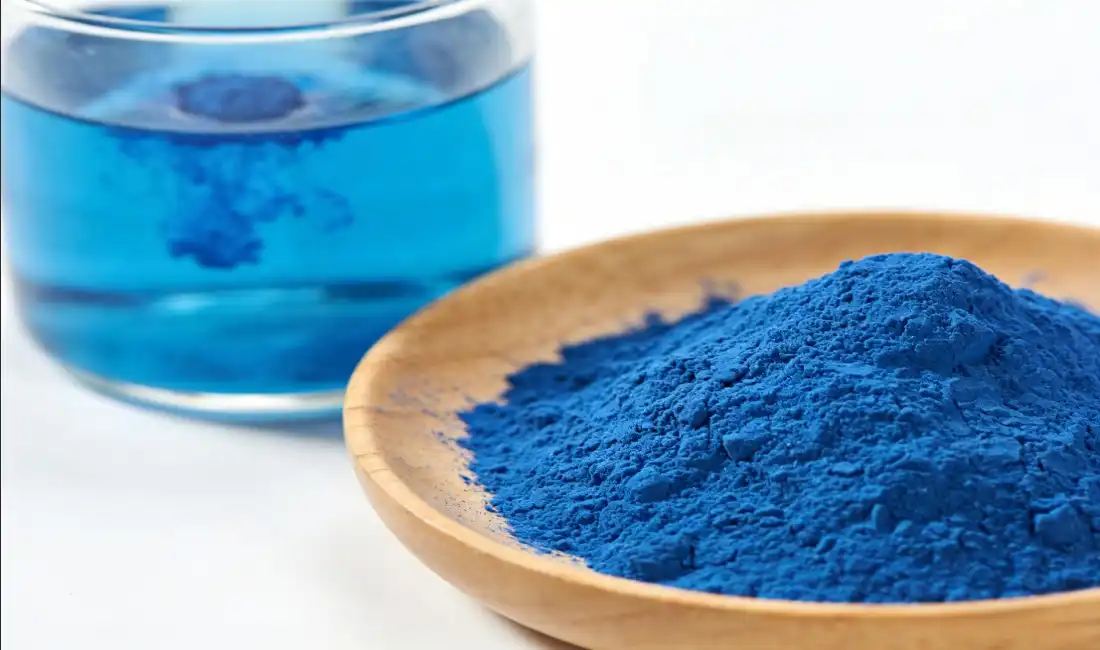
Understanding Blue Spirulina: What Is It and How Does It Work?
Blue spirulina comes from Arthrospira platensis. In controlled alkaline water, it grows. Standard green spirulina includes phycocyanin and chlorophyll, but a technique separates the beneficial bright blue pigment. Removing green chlorophyll and stringy cell walls concentrates and makes the powder simpler to digest and absorb. Blue spirulina arranges phycocyanin. It decreases inflammation without the side effects of pharmaceutical anti-inflammatories because it suppresses COX-2. Phycocyanin protects cell DNA from oxygen by converting unstable free radicals into safe molecules. Research reveals that 1-3 grams daily may considerably prevent oxidative damage after four weeks.
Nutritional Profile and Bioactive Components
Blue spirulina has 60–65 grams of protein per 100 grams because to its concentration. All nine amino acids are in it, like egg protein. Bioactive B12, readily absorbed iron, zinc, and selenium are micronutrients. This protein's phycocyanobilin concentration makes it distinctive. The antioxidant bilirubin is similar to this molecule. Redox biology studies show that phytocyanobilin stops NADPH oxidase from producing inflammatory superoxide radicals. Blue spirulina's biochemistry makes it useful in heart, brain, and metabolic health formulas.
Applications in Manufacturing Contexts
Purchasing agents want blue spirulina used in various industries. Manufacturing nutraceuticals on high-speed encapsulation lines requires powder that mixes nicely into tablets and capsules without disrupting flow. This neutral pH substance combines nicely with water, unlike lipophilic plant extracts that may cause formulation difficulties. Functional meals include blue spirulina for color and nutrition. It does not impact color when added to acidic juice blends between 4.5 and 8.0, which beverage makers enjoy. It binds ingredients together and hides omega-3 oil and botanical extract off-notes, so energy bar producers like it. In anti-aging serums and preventative skin care products, its antioxidant activities stabilize emulsion systems.
Evaluating the Effectiveness: Does Blue Spirulina Actually Work?
In the recent decade, more research have shown blue spirulina works. Seventeen randomized controlled trials indicated that 1–8 grams of spirulina per day lowered C-reactive protein and interleukin-6. These results relate to commercial formulators seeking physiologically active ingredients.
Research-Backed Health Benefits
Heart health study yields intriguing results. For 12 weeks, metabolic syndrome patients using 2 grams of spirulina extract daily observed LDL cholesterol decrease 10.1% and HDL climb 6.7%. A natural statin, phycocyanin inhibits pancreatic lipase and slows intestinal cholesterol absorption. Human and animal studies show it protects neurons. Phycocyanin penetrates the blood-brain barrier and protects neuronal cells from excitotoxicity and inflammation. Supplements improved processing and memory recall in 55-70-year-olds after eight weeks. Blue spirulina may benefit older brain health supplements.
Quality Determinants of Efficacy
Various blue spirulina preparations behave differently. Although premium grades include 8% to 25% phycocyanin, its usefulness depends on its concentration. Strong chemicals break down proteins, compromising purity and bioactivity, whereas water-based extraction maintains structure and antioxidants. Standardization procedures are essential for efficiency. Suppliers may help formulators calculate doses by testing phycocyanin at 615 nm using UV-Vis spectrophotometry. HPLC detects deterioration and molecular integrity. To distinguish professional-grade material from commodity powder, request batch-specific Certificates of Analysis with phycocyanin and heavy metal screening.
Safety Profile and Dosage Considerations
Several human investigations show blue spirulina is safe. Non-toxic, the Joint FAO/WHO Expert Committee on Food Additives has no maximum limit for consumption. Nausea and mushy stools are rare side effects of high-dose supplements without a cautious introduction. Formulation chemists should know that blue spirulina contains shellfish-like protein epitopes that may cause allergies. Warning labels should include cross-reactivity. Natural iodine content makes it excellent for thyroid products. Responsible suppliers provide allergy and nutrition data for compliance labeling.
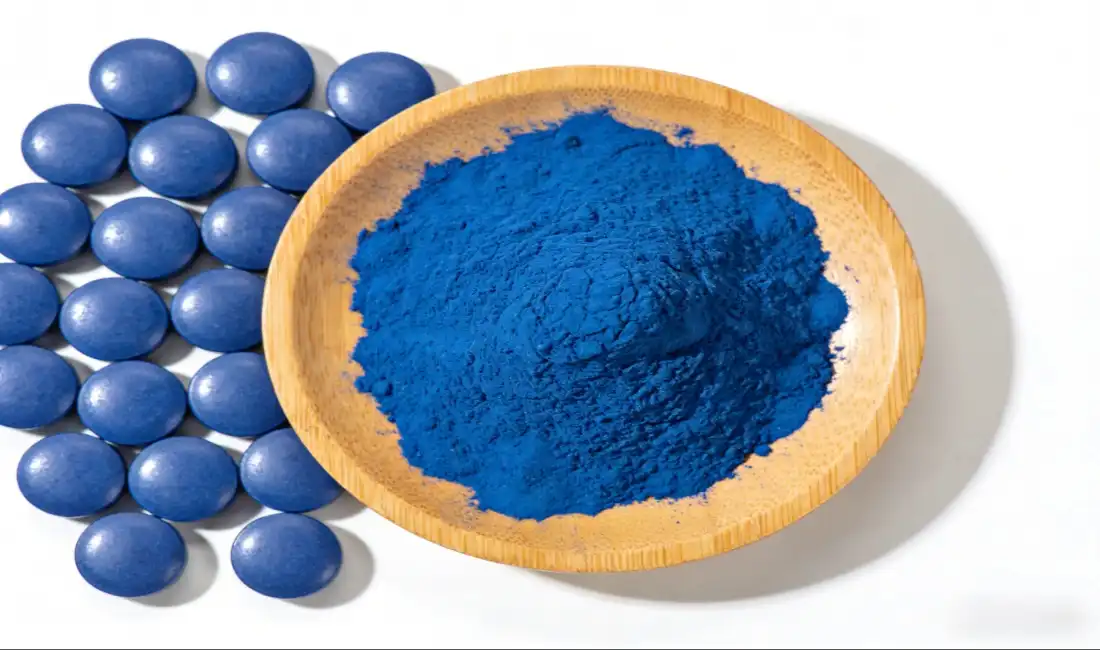
Comparing Blue Spirulina Bulk with Other Superfood Powders and Forms
Each superfood powder is produced differently based on its properties. Blue Spirulina Bulk may appeal to procurement teams for its product and market advantages.
Form Factor Impact on Performance
Whole green spirulina clumps in liquids due to fibers, but blue powder mixes easily. Studies show that blue spirulina dissolves fully in room-temperature water in 30 seconds with moderate agitation, whereas green takes longer and leaves visible particles. Disparity affects beverage production efficiency. Medium bulk density (0.35-0.45 g/mL) and fine particle size (80–120 mesh) make blue spirulina appropriate for tablet manufacture. This helps rotary tablet presses fill dies evenly. It needs minimum granulation operations since its compressibility index is acceptable for direct compression. Unlike untreated green spirulina, hygroscopic spirulina must be handled and stored for moisture to prevent caking.
Organic Certification Economics
Organic blue spirulina costs 25–40% extra due to strict growth regulations. Certified organic farming employs natural nitrates without synthetic nitrogen. Annual inspections, extensive paperwork, and tracking systems are needed from cultivation to packaging. In North America and Europe, organic firms may attract health-conscious customers. Consumer study shows that 68% of supplement buyers want organic labeling and are willing to pay 15%–30% extra. Organic certification changes the decision-making process for bulk food service or animal feeding by raising cost without visible benefit.
Comparative Analysis with Alternative Algae
Compare chlorella's chlorophyll and cell wall polysaccharides to other healthy microalgae. Blue spirulina has more phytocyanin. Spirulina's thinner cell wall takes less effort than chlorella's, which involves breaking the cell wall to get nutrients. Several species, notably lake Aphanizomenon flos-aquae, make "blue-green algae" ambiguous. The FDA and other organizations warn that wild-harvested blue-green algae may include microcystin-producing cyanobacteria. Grown spirulina is safer and more reliable for commercial use.
How to Choose the Right Blue Spirulina Bulk Supplier: A Buyer's Guide
Blue spirulina source selection may be most important. Inconsistent Blue Spirulina Bulk quality might impair its effectiveness, regulatory compliance, and brand reputation. Long-term corporate development partners are found via systematic screening.
Certification Verification and Regulatory Compliance
Start with the certification process to assure quality. ISO 9001 certifies document control and process validation are quality management systems. Make sure your ISO certification covers spirulina manufacturing. Many providers claim it. Some cover office jobs or associated products. Europe has different organic label criteria than the US, which uses the USDA NOP. Global sellers operate with several criteria, increasing costs. High-end providers often get KOSHER and HALAL certifications to attract more clients.
Product Purity and Testing Protocols
Since aquatic organisms acquire pollutants, algae-based goods may include heavy metals. A Certificate of Analysis is supplied by reputable suppliers after testing each batch for lead, cadmium, arsenic, and mercury. Even if the products aren't sold in California, they should meet North America's strictest safety standards, including Proposition 65. USP microbe standards include total plate counts and E. coli, Salmonella, and Staphylococcus aureus pathogen tests. Since certain markets ban ethylene oxide and gamma irradiation, manufacturers should tell customers. Low-temperature processing preserves bioactive compounds and microbiological purity best.
Packaging and Logistics Considerations
Bulk packaging affects product handling and stability. Fiber drums with double-layered polyethylene bags weigh 15–25 kg and are safe for most uses and easy to carry. Larger enterprises may use high-volume vendor-only intermediate bulk containers (IBCs) or direct bulk transfer into storage silos. Since oxygen destroys packing materials, container air is essential. Phycocyanin breakdown is prevented by nitrogen flushing before sealing, increasing shelf life. Cheaper vacuum-sealed packaging may settle powder and need further processing. Desiccant sachets in packaging prevent moisture in humid areas.
Lead Time and Minimum Order Requirements
For successful supply chain management, each instance needs real lead times. Stock materials from reputable suppliers require 3–7 business days, whereas mesh sizes and private label packaging take 15–30 days. Since production peaks in warmer months, spirulina prices and lead times fluctuate. Supplier MOQs vary widely. Large enterprises target industrial customers and may have MOQs of 500 kg or more, whereas mid-sized suppliers may take 25–50 kg. To manage cash flow, new businesses should assess stock costs versus bulk buying and merge purchases every three months.
Procurement Strategies: Buying Blue Spirulina Bulk Powder Efficiently and Cost-Effectively
Strategic procurement includes logistics, risk reduction, and price comparisons, not just supplier selection. These skills boost gross earnings and help your company compete.
Market Pricing Dynamics and Negotiation Leverage
Phycocyanin, certification, and order quantity determine blue spirulina costs. For 100 kg orders, conventional Blue Spirulina Bulk with 15–18% phycocyanin costs $45–$65 per kilogram, whereas organic costs $15–$25. Ultra-pure grades with above 20% phycocyanin cost $75–$95 per kilogram in bulk. Buyers with market knowledge and passion succeed more. Annual volume contracts with quarterly releases might lower prices by 8–15%. Instant payment or a letter of credit is best. Negotiating with foreign merchants in their currency (RMB for Chinese, EUR for European) reduces costs.
Quality Control Upon Receipt
Quality control may avoid expensive complications with well-known suppliers. A vivid blue color without browning, small particles that won't lump, and undamaged packaging should be seen. It should smell like seaweed; fishy or decaying food indicates oxidation or contamination. Certified lab verification costs $200–$400 each sample and validates criteria. The most important tests are phycocyanin UV-Vis spectrophotometry, moisture determination, and heavy metal screening. Domestic labs may approve goods in 5–7 business days, allowing manufacture.
Storage Optimization for Extended Shelf Life
Properly stored blue spirulina is bioactive. Place powder in closed containers in climate-controlled rooms between 15°C and 25°C/59°F and 77°F. Keep them out of direct sunlight and water, and humidity below 60%. These conditions preserve 90% of its phycocyanin for 18–24 months. Storage above 30°C (86°F) degrades phycocyanin and diminishes product usefulness by 15–20% after six months. Nothing is preserved by freezing, and thawing condensation feeds bacteria. Material-intensive facilities need climate-controlled storage. FIFO inventory rotation reduces spoiling before use. Electronic inventory management systems track lot numbers and receipt dates, making things easier to find in case of problems. Multiple nations restrict storage to 12 months or less to retain quality.
Conclusion
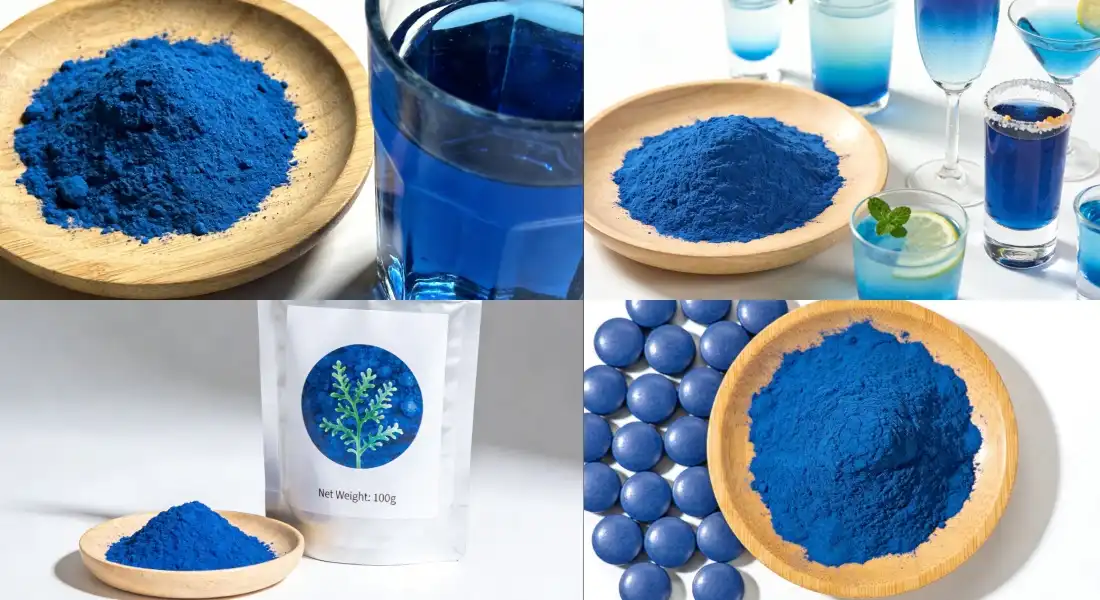
Healthy Blue Spirulina Bulk spirulina is a valuable element in cosmetics, nutraceuticals, and functional foods, according to scientists. Your supplier's phycocyanin concentration, purity, and processing influence biological effectiveness. This element will assist firms most if purchasing managers check certifications, do quality control upon delivery, and optimize storage. Strategic and cost-effective procurement may help businesses stand out in science-backed, clean-label marketplaces.
FAQ
1. What is the typical shelf life of blue spirulina bulk powder?
For 18–24 months, blue spirulina bulk powder should be stored in moisture-proof, sealed containers in climate-controlled surroundings (15–25°C, relative humidity below 60% Over 90% of phycocyanin, the main bioactive ingredient, remains. It may degrade faster in storage or heat, light, and humidity, making it 15–30% less useful beyond shelf life. Suppliers should provide production and "best by" dates for inventory rotation.
2. Are there any side effects associated with blue spirulina consumption?
Scientific research has found minimal negative effects, however some people have soft stools or mild vomiting after taking supplements. These issues usually resolve with physical adaption. Seafood allergy patients should be careful since proteins might interfere, and thyroid sufferers should check the ingredient's natural iodine content. Lab-grown spirulina from licensed suppliers is safer than wild-harvested.
3. How does blue spirulina differ from regular green spirulina?
Blue spirulina is isolated for phycocyanin from chlorophyll and fibrous cell walls. Powder containing 15–25% phycocyanin is generated, compared to 8–12% in green spirulina. This cleaned version tastes neutral, dissolves better in water, and is bright blue for drinks and natural food coloring. Green spirulina contains more chlorophyll and gamma-linolenic acid than blue, which costs 40–60% more.
Partner with NT Biotech for Premium Blue Spirulina Bulk Supply
Blue Spirulina Bulk supplier NT Biotech ensures quality consistency and technical assistance for your formulations. Our unique extraction procedures provide phycocyanin above 18%, verified by HPLC and documented in batch-specific Certificates of Analysis. We meet ISO9001, KOSHER, and HALAL standards and help your global regulatory compliance. We cooperate quickly and flexibly throughout the procurement cycle. Contact us within two hours and order popular standardized extracts for speedy deployment—they arrive within 1-3 working days. In 3-10 days, special needs and larger production runs involve premium raw material procurement, unique extraction, stringent laboratory testing, and final packaging. Our FEDEX, UPS, and trusted freight forwarders deliver safely and quickly regardless of order size. We provide custom OEM formulation and accept local currencies for overseas transactions. Contact our technical team at info@newthingsbiotech.com to request samples, discuss your specific application requirements, or receive competitive quotations
References
1. Czerwonka, A., Kaławaj, K., & Nachman, K. (2022). Phycocyanin from Arthrospira platensis: Extraction, Purification, and Therapeutic Applications. Journal of Applied Phycology, 34(5), 2419-2437.
2. Deng, R., & Chow, T. J. (2021). Hypolipidemic, Antioxidant, and Anti-inflammatory Activities of Microalgae Spirulina. Cardiovascular Therapeutics, 2021, Article ID 5520746.
3. Finamore, A., Palmery, M., Bensehaila, S., & Peluso, I. (2023). Antioxidant, Immunomodulating, and Microbial-Modulating Activities of the Sustainable and Ecofriendly Spirulina. Oxidative Medicine and Cellular Longevity, 2023, Article ID 3824931.
4. McCarty, M. F., Barroso-Aranda, J., & Contreras, F. (2020). Oral Phycocyanobilin May Diminish the Pathogenicity of Activated Brain Microglia in Neurodegenerative Disorders. Medical Hypotheses, 144, Article 109982.
5. Ovando, C. A., Carvalho, J. C., Vinícius de Melo Pereira, G., Jacques, P., Soccol, V. T., & Soccol, C. R. (2021). Functional Properties and Health Benefits of Bioactive Peptides Derived from Spirulina: A Review. Food Reviews International, 37(4), 337-361.
6. Wu, Q., Liu, L., Miron, A., Klímová, B., Wan, D., & Kuča, K. (2021). The Antioxidant, Immunomodulatory, and Anti-inflammatory Activities of Spirulina: An Overview. Archives of Toxicology, 95(5), 1817-1842.