- English
- French
- German
- Portuguese
- Spanish
- Russian
- Japanese
- Korean
- Arabic
- Greek
- German
- Turkish
- Italian
- Danish
- Romanian
- Indonesian
- Czech
- Afrikaans
- Swedish
- Polish
- Basque
- Catalan
- Esperanto
- Hindi
- Lao
- Albanian
- Amharic
- Armenian
- Azerbaijani
- Belarusian
- Bengali
- Bosnian
- Bulgarian
- Cebuano
- Chichewa
- Corsican
- Croatian
- Dutch
- Estonian
- Filipino
- Finnish
- Frisian
- Galician
- Georgian
- Gujarati
- Haitian
- Hausa
- Hawaiian
- Hebrew
- Hmong
- Hungarian
- Icelandic
- Igbo
- Javanese
- Kannada
- Kazakh
- Khmer
- Kurdish
- Kyrgyz
- Latin
- Latvian
- Lithuanian
- Luxembou..
- Macedonian
- Malagasy
- Malay
- Malayalam
- Maltese
- Maori
- Marathi
- Mongolian
- Burmese
- Nepali
- Norwegian
- Pashto
- Persian
- Punjabi
- Serbian
- Sesotho
- Sinhala
- Slovak
- Slovenian
- Somali
- Samoan
- Scots Gaelic
- Shona
- Sindhi
- Sundanese
- Swahili
- Tajik
- Tamil
- Telugu
- Thai
- Ukrainian
- Urdu
- Uzbek
- Vietnamese
- Welsh
- Xhosa
- Yiddish
- Yoruba
- Zulu
Krill oil with astaxanthin provides health benefits beyond Omega-3s. Antioxidants include marine carotenoids and phospholipid-linked EPA and DHA. Increases heart function, brain protection, and inflammation reduction. Best Krill Oil With Astaxanthin dissolves better than others. It provides wonderful cuisine, health supplements, and medicine-safe nutraceuticals. Its chemical composition makes astaxanthin connect with cells and limit oxidation. This makes it a stable, helpful ingredient that meets health-conscious market standards.
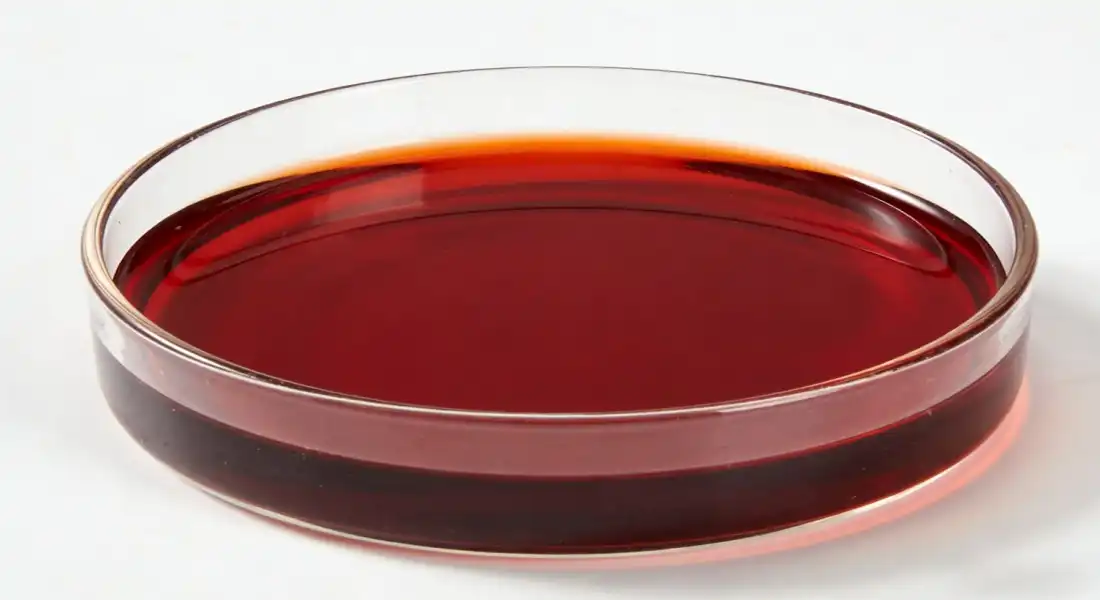
Understanding Krill Oil With Astaxanthin
This amazing mineral comes from Antarctic krill. Pure Southern Ocean water fits these crabs. They eat astaxanthin-rich algae. Nature generated the most nutrients in krill oil over millions of years.
The Synergistic Composition of Marine Lipid Extracts
Krill oil molecules vary from other marine oils. Krill don't store triglycerides. Phosphatidylcholine naturally binds omega-3s. They can be constructed without bile salt enzymes because they resemble human cell membranes. Astaxanthin, an antioxidant, reduces lipid peroxidation and heals. A Journal of the American College of Nutrition study found that phospholipid-bound Omega-3s peak 25–40% faster than triglycerides. So, vital fatty acids reach the right organs quicker. Most of their impacts are on the heart and brain.
Biological Origins and Functional Synergy
Krill only thrive in Antarctica. The Commission for the Conservation of Antarctic Marine Living Resources enforces environmental collection regulations. Most factory pollution stays out of these waters. Modern processing ships use fast on-board extraction to preserve astaxanthin and Omega-3 chains from heat. EPA, DHA, and astaxanthin protect nutrients. Free radicals destroy omega-3s. Astaxanthin blocks harmful radicals. Studies show that astaxanthin is 550 times stronger than vitamin E and 40 times stronger than beta-carotene as an antioxidant. This is shown by its singlet oxygen escape resistance. Omega-3s prevent inflammation and improve food shelf life.
Superior Bioavailability Through Phospholipid Structure
Traditional Omega-3 pills degrade slowly. Before usage, pancreatic lipase and bile must break down triglyceride-linked fish oils and stabilize them. Krill oil avoids much of this because amphipathic phospholipids dissolve in fat and water. Diverse oil layers don't have to float together. They may spread in wet intestines. The "fishy burp" many fish oil users report is rarer. It measures red blood cell wall Omega-3. Krill oil products function 30–50% less than ethyl ester fish oils, study shows. This allows companies to make concentrated or smaller pills that work. Increases recipe growth.
Benefits and Comparative Advantages Over Other Supplements
Among omega-3 vitamins, krill oil containing astaxanthin is unique due to its benefits. Purchasing professionals may identify where to buy items for their target market and comply with government regulations if they notice these differences.
Enhanced Antioxidant Capacity and Anti-Aging Effects
Two barriers keep blood from the retina and brain. Astaxanthin is a top neuroprotectant since it spans both. Aspartate protects fat- and water-loving cells. In contrast, water-soluble and fat-soluble antioxidants stay outside cells and in lipid compartments. Its position allows it to remove reactive oxygen species from mitochondrial membranes. Astaxanthin inhibits skin aging, says Nutrients. For substantial skin elasticity, moisture, and wrinkle depth improvements, supplements took 12 weeks. Genes that produce collagen and matrix metalloproteinases are activated concurrently. Anti-aging measures protect all bodily cells, not just skin. This makes it suitable for luxury anti-aging supplements. Antioxidants Omega-3s and Astaxanthin protect. Cell walls become more flexible with omega-3 fatty acids, enhancing cell activity. Astaxanthin shields newly linked fatty acids from oxygen. This protection stabilizes both parts, extending product shelf life and distribution chain use.
Bioavailability Differences and Purity Standards
Compared pharmacokinetic studies show drugs are taken differently. In the controlled Lipids in Health and Disease study, krill and fish oil delivered the same EPA and DHA. Krill oil users had 62% greater EPA and 45% higher DHA in regular blood tests at peak values. The high levels lasted longer, enhancing tissue retention. Purity concerns extend beyond Omega-3s to all lipids. High-quality krill oil may contain 56% phospholipids. The Best Krill Oil With Astaxanthin contains 500–3000 ppm of astaxanthin, compared to 100–300 in typical extracts. Concentrations need different quantities of treatment to work.
Safety Profile and Procurement Considerations
Marine oils retain natural contaminants, drawing curiosity. Krill, toward the bottom of the food chain, absorb less heavy metals and organic pollutants than predatory fish used for fish oils. Independent testing generally shows krill oil has less than 0.01 ppm mercury, much below the government's 0.1 ppm guideline. Procurement managers must understand allergies. Despite thorough purification, krill oil includes some crab proteins, mostly tropomyosin. People allergic to mussels may react. Thus, the product should explicitly state when not to use. Communicating with end-users is vital for target market selection. Best dose depends on health goals. Most individuals need 300–900 mg of EPA and DHA daily for heart health. Sports nutrition may use greater amounts to assist you recover from exercise and decrease inflammation than brain products. Formulators may obtain desired blood levels with fewer doses since the body utilizes phospholipids more readily. This simplifies capsule usage, improving compliance.
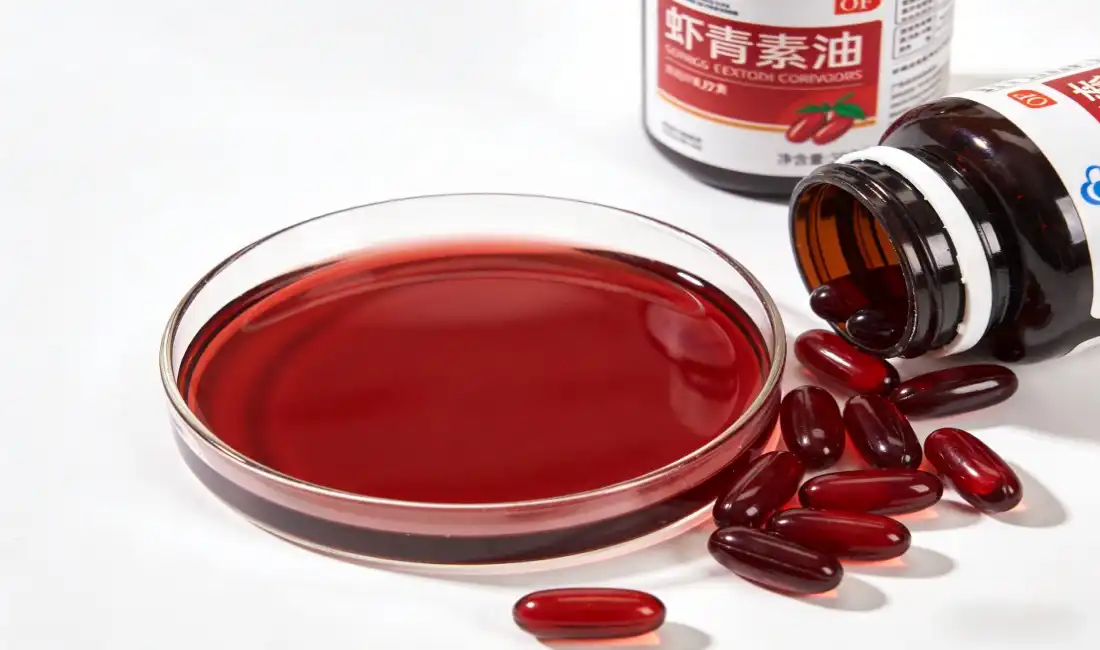
Selecting the Best Krill Oil With Astaxanthin for Your Business Needs
Cost, quality, and supply chain stability must be considered while buying nutritional foods. Krill oil with astaxanthin complicates matters by altering product performance.
Quality Markers and Certification Requirements
A complete gas chromatography fatty acid profile determines purity. Like Antarctic krill, high-quality krill oils have 2:1 EPA/DHA. Not following this number may suggest cheaper fish oils or inappropriate processing. Krill oil absorbs efficiently and stands out with at least 40% phospholipids. This may be confirmed by HPLC or NMR. Because astaxanthin inhibits light, special chemical instruments are needed to measure it. Lab-made free astaxanthin is differentiated from naturally esterified by concentration. HPLC and photodiode array detection allow this. This more stable and soluble astaxanthin costs more but works better in recipes. Quality may be best measured by oxidation. Astaxanthin preserves fat quality, but inappropriate storage diminishes it. Add peroxide and anisidine to get TOTOX. Product should be under 10. For accurate readings, oils with a lot of color need many extraction procedures. Compliance Certificates of Analysis are required for each batch.
Source Sustainability and Supply Chain Transparency
Marine resource sustainability formerly influenced business activity but now influences consumer behavior. The Marine Stewardship Council's approval demonstrates Best Krill Oil With Astaxanthin krill fishing is sustainable, selective, and managed properly. Harvesting boats' eco-harvesting technology avoids bycatch and processes krill in hours, keeping its nutritional value and lowering environmental effect. Track Antarctic ocean items to factories and shipping boxes. This boosts customer trust and helps companies meet harsher regulations. Blockchain widens supply routes more than ever. B2B buyers may now check harvest dates, processing techniques, and quality. This information helps regulators and consumers locate trustworthy suppliers.
Natural Versus Synthetic Astaxanthin Distinctions
Astaxanthin comes from wild sea, algae fermentation, and chemicals. Esterified fatty acids with astaxanthin hydroxyl groups are most frequent. These are krill. Esterification preserves and lipophilizes the molecule during processing. It's better for the body than synthetics. Due to its chemical composition, artificial astaxanthin is cheaper but less effective. For coloring fish food. In live creatures, natural astaxanthin protects cells 20–50 times better than artificial. Some markets limit synthesized astaxanthin to animal feed, not vitamins. Natural and eco-friendly microalgae astaxanthin is a good balance. Krill oil contains marine astaxanthin without the high quantities in special goods. Transparent astaxanthin providers can meet B2B buyers' brand strategy and consumers' demands.
Private Label Options and Brand Customization
In the health supplement sector, standing out requires more than picking the right ingredients. They must also debate product name, packaging, and market position. Famous krill oil companies are doing more private label. Without pricey factories and equipment, brands may post recipes. Many things are changeable. Regular gelatin softgels and modified starch or pullulan veggie capsules are offered. Enteric coating and transport mechanisms delay breakdown until the small intestine. This removes fishy taste and aids digestion. Some businesses add antioxidants, coenzyme Q10, and vitamin D3 to krill oil. Everything works together to help your body achieve wellness. Some suppliers want container-load commitments, while others allow smaller initial orders for market testing. Strategically, flexible manufacturing partners that can increase production as demand grows help organizations approach markets carefully while maintaining supply security.
Procurement Strategies for Buying Krill Oil With Astaxanthin in Bulk
You must find bulk purchases that retain quality and quantity while saving money. Few companies globally make krill oil. This makes it distinct from previous purchases.
Identifying Reliable Manufacturing Partners
Working directly with manufacturers provides advantages beyond cost savings. Manufacturers who own picking vessels, processing facilities, and quality labs may better understand the supply chain and react quicker to quality or standard changes. Relationships make co-creation simpler. Purchasing teams may alter formula parameters to get distinct secret extract offers. Plant goods are Shaanxi's specialty, but it also makes nutraceuticals. Global legislation restricts krill fishing to Antarctica. NT Biotech makes additional value-added goods. These facilities use advanced cleaning technologies and understand marine lipids. Find a business partner by visiting their processing equipment, quality control labs, storage conditions, and documentation methods. Company certifications like GMP (Good Manufacturing Practices) show its pharmaceutical-grade devotion. Certification by ISO 9001 shows quality control. B2B websites simplify international commerce by linking buyers and sellers. Research these markets before going. They streamline cost comparisons. Platform checking services may provide you peace of mind, but third-party reports are better for verifying critical connections.
Negotiation Strategies and Volume Considerations
The price of astaxanthin-rich krill oil depends on raw material prices, market circumstances, and disposal difficulties. Approval, phospholipids, and astaxanthin affect krill oil pricing, but spot prices are clear. Know these value drivers to bargain effectively. Bulk customers get lower discounts, but they must consider supply shortages and shipping costs. If kept correctly, krill oil may last 24–36 months, so you can always have enough. Some companies let sellers keep items until the maker reuses them. Buyer will pay less for operating capital and have supplies. Due to the difficulties of doing business abroad, payment arrangements are variable. Progressive retailers accept several currencies. Tracking is easier and foreign currency risk is eliminated. Letters of credit safeguard both parties from the start. Faith changes, hence open account phrases are used.
Quality Assurance and Certification Verification
Select a vendor and regularly assess product quality as part of procurement due diligence. Certificates of Analysis shall accompany all packages. Please include phospholipids, astaxanthin, oxidation markers, heavy metals, and microbiological status. Independent third-party lab testing verifies crucial materials. This helps when assessing a supplier for the first time or after manufacturing process changes. Each target market has its own rules. Offering KOSHER and HALAL products to religious people may increase your reach. EU regulations limit new foods, trash content, and packaging claims. The US FDA does what? CGMP and structure-function assertions are checked. Many markets are easier to penetrate with multi-certified suppliers. Long-term commercial partnerships depend on quality control, according to NT Biotech. The amount of information that comes with every product batch shows our openness. For global sales, we follow ISO 9001, KOSHER, and HALAL standards. We assess performance against approved standards using recognized methodologies. Because of our strict approach, international customers trust us.
Logistics and Supply Chain Optimization
Logistics impact international shipping costs and dependability. FedEx and UPS send little items quickly. Cross-country orders take 5–7 days. They track and file shipments, but anything beyond 100–200 kg is too expensive. In the middle is air freight. Product transfers from a few hundred kilograms to several tons take seven to fifteen days, including customs. Temperature-controlled air freight protects delicate goods in harsh weather, but it costs more. Ocean freight is the cheapest way to ship containers, although it takes six weeks on major trade routes. Moving products long distances requires reefer boxes to preserve temperature. Experienced freight forwarders handle customs, documentation, and last-mile transit. There expertise enhances things. NT Biotech offers client-specific delivery. Our solid relationships with the best freight forwarders and organizations allow us to safely deliver 10 kilogram samples or cases. We don't charge agency fees for factory-direct shipment. The whole tracking process is transparent. We'll answer your first inquiry in two hours, as promised. We distribute popular extracts in one to three business days due to our supply.
Conclusion
High-tech nutrition products seldom include phospholipid-bound Omega-3 fatty acids and astaxanthin antioxidants like krill oil. Many health advantages, bioavailability, stability. This makes Best Krill Oil With Astaxanthin appropriate for anti-inflammatory, cardiovascular, and neurological drugs. Purchasing properly requires industry experience, quality standards, and sustainability certifications. To comply with rules and gain customer trust, brands need strategic partnerships with technically adept suppliers who provide dependable quality, open operations, and speedy service.
FAQ
1. Why does krill oil with astaxanthin demonstrate superior bioavailability compared to fish oil?
Triglyceride-based fish oils become cell membranes with enzymes and bile salts. Phospholipids in krill oil may infiltrate cell membranes. Main phospholipid in krill oil is phosphatidylcholine. Because it mimics cell membranes, oil may absorb and spread quicker. By 30–50% less than ethyl ester or triglyceride fish oil supplements, krill oil supplements raise blood levels to a healthy level, according to the Omega-3 Index.
2. What concentration of astaxanthin should I specify when sourcing bulk krill oil?
Krill feed algae, therefore standard krill oil has 100–300 ppm astaxanthin. The Best Krill Oil With Astaxanthin contains 500–3000 ppm. Simply adding or subtracting natural astaxanthin to the oil does this. As populations expand, antioxidant protection increases and marketing may focus, but expenses rise. Focus on who you sell to and how much you charge.
3. Can krill oil products be safely consumed by individuals with shellfish allergies?
Krill contain tropomyosin, which causes shellfish allergies. This means shellfish allergy patients may not enjoy krill oil. Processing filters and cleans many chemicals, yet protein may remain. All krill oil products must be labeled and avoided by shellfish-sensitive people. Factor this allergy profile into target market size and risk management.
Partner With NT Biotech as Your Trusted Best Krill Oil With Astaxanthin Supplier
Best Krill Oil With Astaxanthin: NT Biotech. NT Biotech has worked with plants for decades and knows marine fatty acids. Customers trust them for high-quality krill oil with astaxanthin. Famous cosmetics, functional food, and nutritional supplement producers utilize our products. Quality, clear documentation, and timely service are important to us. Our experts may assist on formula formulation and legal concerns to guarantee a smooth product development process. We provide low prices since we're efficient. We never lower our proven quality standards. Stop thinking about the number of samples you need for R&D or commercial manufacturing. Flexible inventory and speedy shipment (1-3 days for in-stock items). Keeps your supply chain flowing. Send us an email at info@newthingsbiotech.com to talk about your specific needs and find out how our OEM services can help you get your product on the market faster by making recipes that fit the goal of your brand.
References
1. Schuchardt, J. P., & Hahn, A. (2013). Bioavailability of long-chain omega-3 fatty acids. Prostaglandins, Leukotrienes and Essential Fatty Acids, 89(1), 1-8.
2. Bunea, R., El Farrah, K., & Deutsch, L. (2004). Evaluation of the effects of Neptune Krill Oil on the clinical course of hyperlipidemia. Alternative Medicine Review, 9(4), 420-428.
3. Tou, J. C., Jaczynski, J., & Chen, Y. C. (2007). Krill for human consumption: nutritional value and potential health benefits. Nutrition Reviews, 65(2), 63-77.
4. Ulven, S. M., Kirkhus, B., Lamglait, A., Basu, S., Elind, E., Haider, T., ... & Holven, K. B. (2011). Metabolic effects of krill oil are essentially similar to those of fish oil but at lower dose of EPA and DHA, in healthy volunteers. Lipids, 46(1), 37-46.
5. Pashkow, F. J., Watumull, D. G., & Campbell, C. L. (2008). Astaxanthin: a novel potential treatment for oxidative stress and inflammation in cardiovascular disease. American Journal of Cardiology, 101(10), 58-68.
6. Winther, B., Hoem, N., Berge, K., & Reubsaet, L. (2011). Elucidation of phosphatidylcholine composition in krill oil extracted from Euphausia superba. Lipids, 46(1), 25-36.