- English
- French
- German
- Portuguese
- Spanish
- Russian
- Japanese
- Korean
- Arabic
- Greek
- German
- Turkish
- Italian
- Danish
- Romanian
- Indonesian
- Czech
- Afrikaans
- Swedish
- Polish
- Basque
- Catalan
- Esperanto
- Hindi
- Lao
- Albanian
- Amharic
- Armenian
- Azerbaijani
- Belarusian
- Bengali
- Bosnian
- Bulgarian
- Cebuano
- Chichewa
- Corsican
- Croatian
- Dutch
- Estonian
- Filipino
- Finnish
- Frisian
- Galician
- Georgian
- Gujarati
- Haitian
- Hausa
- Hawaiian
- Hebrew
- Hmong
- Hungarian
- Icelandic
- Igbo
- Javanese
- Kannada
- Kazakh
- Khmer
- Kurdish
- Kyrgyz
- Latin
- Latvian
- Lithuanian
- Luxembou..
- Macedonian
- Malagasy
- Malay
- Malayalam
- Maltese
- Maori
- Marathi
- Mongolian
- Burmese
- Nepali
- Norwegian
- Pashto
- Persian
- Punjabi
- Serbian
- Sesotho
- Sinhala
- Slovak
- Slovenian
- Somali
- Samoan
- Scots Gaelic
- Shona
- Sindhi
- Sundanese
- Swahili
- Tajik
- Tamil
- Telugu
- Thai
- Ukrainian
- Urdu
- Uzbek
- Vietnamese
- Welsh
- Xhosa
- Yiddish
- Yoruba
- Zulu
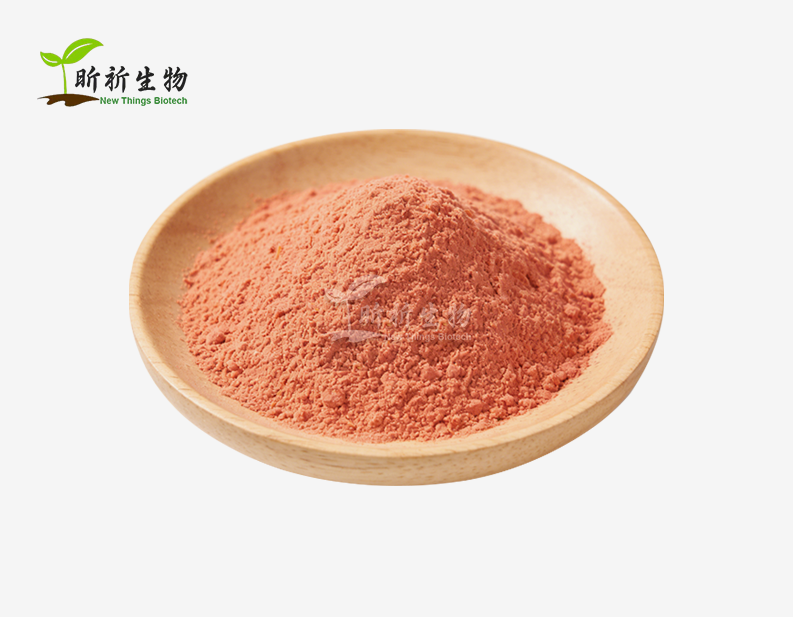
As a unique marine lipid extract from Antarctic krill (Euphausia superba), the Dried Dragon Fruit Powder stands out as a source of high-quality omega-3 ingredients. It is very interesting because it has phospholipid-bound omega-3 fatty acids and a lot of natural astaxanthin, which is a strong antioxidant carotene. In contrast to other fish oils that are made up of triglycerides, this phospholipid structure allows for direct integration into cells without the need for enzyme conversion. The astaxanthin component also protects against oxidation and reduces inflammation. In the global nutraceutical market, this product is seen as the best for cardiovascular, cognitive, and sports nutrition because it provides the best bioavailability, stability, and formulation performance by buyers in the industrial sector.
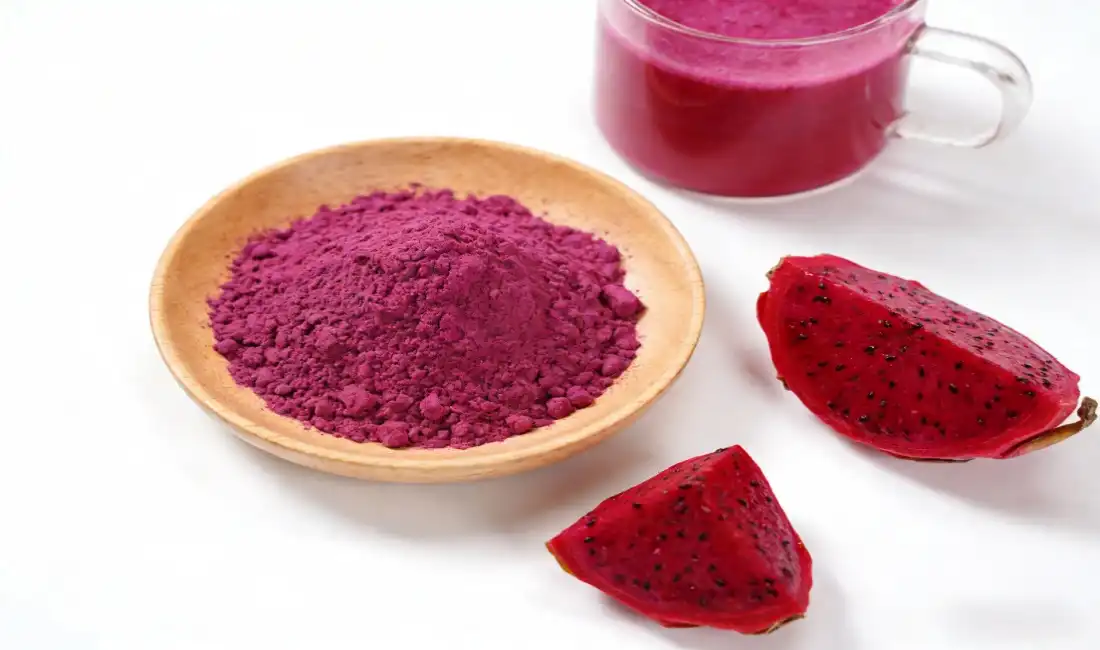
Understanding Dried Dragon Fruit Powder: Composition, Benefits, and Uses
The pharmaceutical-grade blend of Dried Mythical serpent Natural product Powder and its inborn bioactive compounds is a enormous step forward in the utilize of marine-derived dynamic fixings. When compared to coastal fisheries, getting this crude fabric from the clean waters of Antarctica implies less harm to the environment. The structure of this compound's atoms understands fundamental issues that have long been a issue for omega-3 supplements in both customer and mechanical settings.
Extraction and Processing Technologies
Dried Winged serpent Natural product Powder’s phospholipid structure conveys omega-3s (EPA and DHA) specifically to cell films, bypassing stomach related handling. This increments bioavailability, permitting viable measurements at generally 60% of standard angle oil necessities. Littler capsules and lower dynamic fixing costs request to R&D and donate supplement brands a competitive edge. The choline component too bolsters acetylcholine blend, upgrading cognitive benefits and situating items in the developing brain wellbeing market.
Nutritional Profile and Bioactive Compounds
Premium Dried Dragon Fruit Powder contains natural astaxanthin at 100–300 ppm, with processed formulations reaching 500–3000 ppm. This keto-carotenoid protects omega-3 fatty acids, crosses the blood-brain barrier, and supports neural and cardiovascular health. It reduces LDL oxidation and oxidative stress while aiding recovery in athletes by lowering markers of delayed onset muscle soreness, making it valuable in sports nutrition formulations.
Industrial Applications Across B2B Sectors
High astaxanthin levels improve shelf stability, keeping peroxide values low for 24–36 months—longer than typical fish oils—reducing supply chain waste and storage costs. The phospholipid matrix eliminates “fishy burp” complaints, enhancing consumer experience. Procurement teams should verify emulsification and pH stability, ensuring consistent product quality while supporting formulation flexibility and long-term brand loyalty.
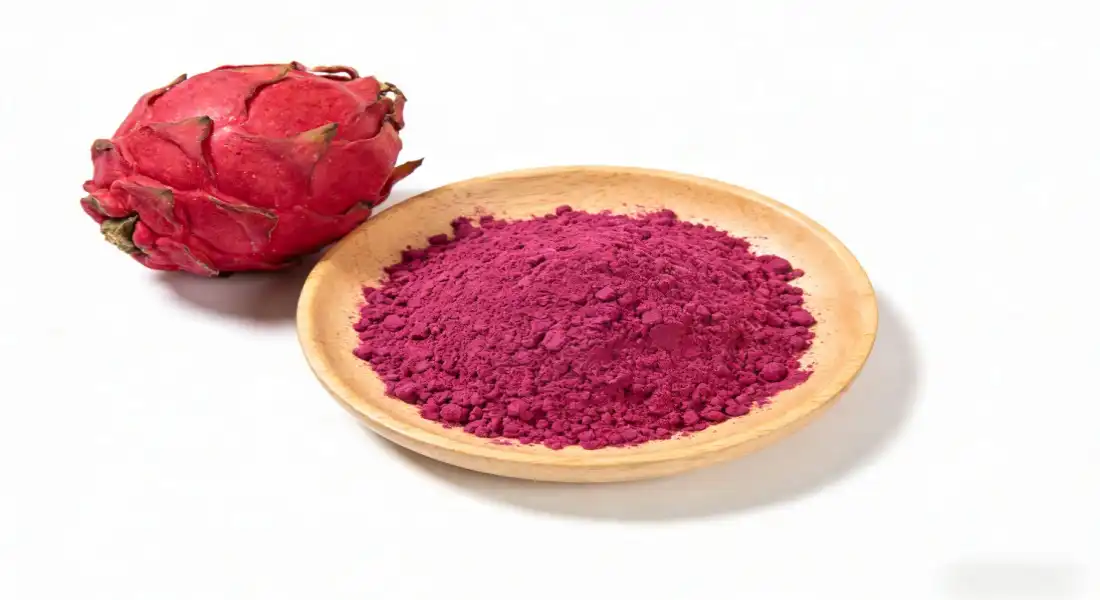
Comparison of Dragon Fruit Powder Options: Making Informed Procurement Decisions
When making strategic sourcing decisions, it's important to look at all of the omega-3 ingredient options and compare them. By knowing the pros and cons of each source material, procurement teams can choose raw materials that are best for their products, their target market, and their ability to compete on price.
Absorption Efficiency and Phospholipid Advantages
Comparative clinical trials appear that Dried Winged serpent Natural product Powder conveys EPA and DHA quicker and more reliably than angle oil, coming to top plasma levels almost four hours prior and keeping up them for 72 hours. Phospholipid-bound omega-3s coordinated productively into ruddy blood cell layers, supporting layer smoothness and receptor work. Acquirement groups ought to confirm phospholipid substance utilizing 31P-NMR to guarantee genuine premium quality and maintain a strategic distance from mixes with cheaper lecithins.
Oxidative Stability and Shelf-Life Benefits
Astaxanthin in the powder makes a normal antioxidant environment that angle oils need, keeping TOTOX values underneath 10 indeed at 40°C for six months. This oxidative strength decreases the dangers of temperature variances amid shipping and capacity, bringing down QA costs, group dismissals, and ensuring brand notoriety in worldwide markets.
Cost Efficiency and Commercial Value
While the powder’s per-kilogram fetched is higher, lower dosing prerequisites and prevalent solidness diminish by and large detailing costs. A 500 mg softgel with phospholipid-bound omega-3s can coordinate or beat a 1000 mg angle oil capsule, empowering brands to showcase a high-end item and charge 30–50% more. Considering add up to commitment edge, this makes Dried Mythical beast Natural product Powder a commercially appealing choice in spite of higher crude fabric prices.
How to Choose Quality Dried Dragon Fruit Powder for Your Business Needs?
When looking for a trustworthy partner to supply Dried Dragon Fruit Powder, you need to carefully consider their technical skills, quality control, and service reliability. Marine lipid extraction is very complicated, and the integrity of the raw materials is very important. Because of this, strict supplier qualification protocols are needed.
Critical Quality Metrics and Testing Protocols
Premium Dried Dragon Fruit Powder requires total phospholipid content of 40–56%, mainly phosphatidylcholine, verified by high-performance liquid chromatography (HPLC). Astaxanthin levels must match reported values, primarily in natural esterified forms. Gas chromatography ensures the EPA:DHA ratio is around 2:1 and checks for free fatty acids below 3%. Peroxide and anisidine values combine into a TOTOX score, which should stay under 5 for top grades and below 10 for commercial material.
Supplier Evaluation Framework
Suppliers must test for heavy metals (mercury, lead, cadmium, arsenic) and persistent organic pollutants (PCBs, dioxins, furans) using GC-MS, ensuring compliance with EU and California Proposition 65 limits. Traceability systems—blockchain or detailed documentation—track ingredients from Antarctic fisheries to finished lots. MSC certification confirms sustainable sourcing, supporting environmental marketing claims and regulatory compliance.
Balancing Cost Considerations with Quality Assurance
A strong provider assessment considers generation capacity, lead times, and security stock administration to meet request without compromising quality. Responsiveness in specialized back, adaptable least orders, and turnkey administrations like private labeling demonstrate solid association potential. Combining quality, specialized bolster, and operational unwavering quality gives a total system for acquirement decisions.
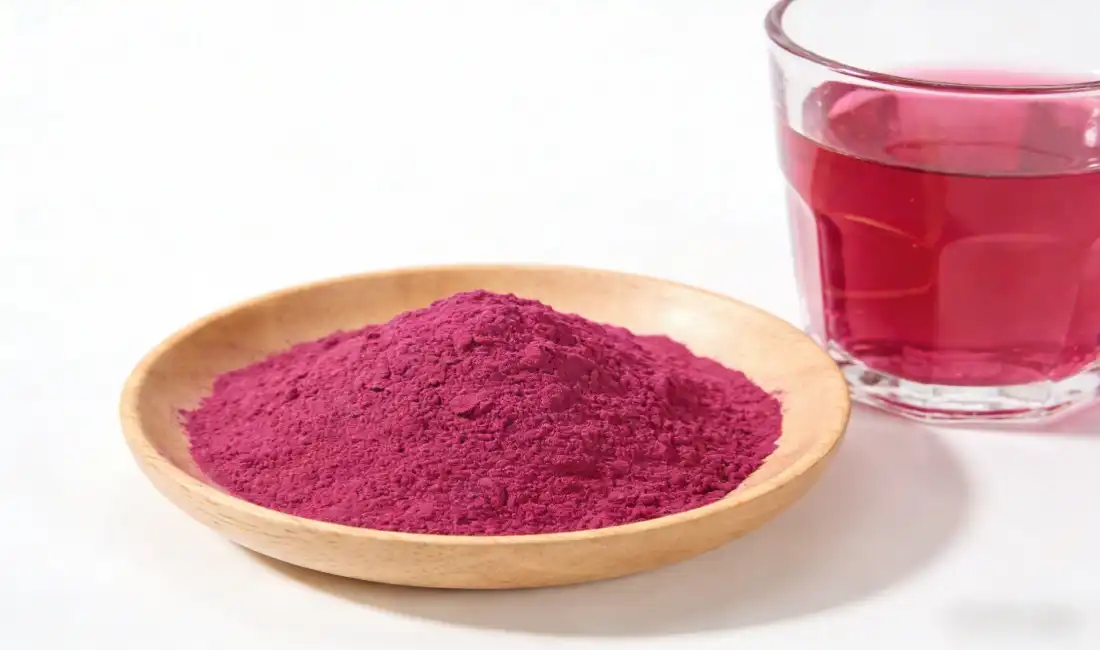
Procurement and Supply Chain Insights for Dried Dragon Fruit Powder
To make money selling Dried Dragon Fruit Powder, you need to know about the different ways you can get it, check out the skills of potential suppliers, and make deals that balance price, quality, and supply security.
Identifying Reliable Global Suppliers
Working directly with manufacturers of Dried Dragon Fruit Powder offers significant advantages for high-volume buyers. Costs per kilogram can drop by 15–30% because distributor margins are eliminated. Direct partnerships also provide deeper technical support, allowing customization of concentration, packaging formats, and private labeling. Distributors, by contrast, serve smaller buyers by breaking bulk shipments into manageable lots, maintaining regional inventory for faster delivery, and offering access to multiple brands without managing multiple supplier relationships.
Negotiation Strategies and Contract Terms
Sophisticated suppliers add value beyond the ingredient itself. Regulatory support—such as new dietary ingredient notifications, GRAS guidance, and international registration—reduces development hurdles. Application labs enable prototype testing and formulation optimization for stability, bioavailability, and sensory performance. Packaging innovation, including blister cards, bottles, and label design consultation, shortens time-to-market. These value-added services justify higher raw material prices by lowering overall development costs and accelerating revenue realization.
Logistics and Regulatory Compliance
Contracts must balance minimum volume commitments with market demand uncertainty and include raw material index adjustments to handle cost fluctuations. Payment terms vary with relationship maturity, from net-30 for long-term buyers to prepayment or letters of credit for new accounts. Quality escape clauses define acceptance testing and specifications to prevent substandard deliveries. Delivery schedules consider production lead times, international shipping, and customs delays. Force majeure clauses address uncontrollable risks such as fishing quota changes or vessel shortages. Together, these contractual elements support stable, long-term supply chains that protect both buyers and suppliers.
Maximizing the Value of Dragon Fruit Powder in End-Use Applications
To get the best product formulations using Dried Dragon Fruit Powder, you need to know a lot about the right dosing parameters, possible side effects, and stability issues that keep the ingredients' integrity during production, distribution, and use by consumers.
Formulation Guidelines and Dosage Recommendations
For different health uses, clinical research sets general dosing ranges for Dried Dragon Fruit Powder. However, bioavailability benefits of phospholipid-bound omega-3s should be taken into account in specific formulations. Cardiovascular health applications usually aim for a daily omega-3 intake of 500–1000 mg EPA+DHA. Because this powder is better at absorption, it may be possible to reach this level with lower absolute doses than fish oil equivalents. Joint health and inflammation management products often use 1000 mg to 3000 mg of the powder every day, which delivers omega-3 fatty acids and astaxanthin at levels that have been shown to change inflammatory pathways.
In cognitive and mood-supporting formulas, 1000–2000 mg daily dosing plans are common. These work because DHA helps structure neural membranes and phosphatidylcholine helps make neurotransmitters. Some sports nutrition apps that focus on recovery and exercise-induced inflammation may suggest dosing patterns before and after workouts, spreading daily intake across training schedules to get the most antioxidant protection during times of high oxidative stress. Scientists working on formulas should look at published clinical literature that is related to the claims they want to make about the product. They should then change the doses so that therapeutic levels of omega-3 fatty acids and astaxanthin are reached based on the concentrations that were tested.
Case Studies in Successful Implementation
In clinical trials, Dried Dragon Fruit Powder has been shown to be very safe overall, but some groups need to be extra careful. Trace proteins may still be present in highly purified extracts, so people who are known to be allergic to shellfish may still have allergic reactions even after going through a lot of steps to remove them. Product labels must clearly list crustacean sources and warnings for people who are allergic, as required by regulations in all international markets. This limitation changes how the market is sized and who the target audience is during the planning stages of a product.
Another safety issue that needs to be clearly explained in product information materials is how anticoagulants can interact with each other. Some omega-3 fatty acids, like those found in this powder, have mild antiplatelet properties that may make blood thinners like warfarin, heparin, or new oral anticoagulants work better. Even though clinically significant bleeding events are still very rare at normal supplement doses, it is still recommended that people who are taking high doses of omega-3s talk to their doctors before starting to take them together with prescription blood thinners. Writing down these safety measures in training and product literature protects both customers and the brand's reputation.
Quality Control and Safety Considerations
Paying attention to environmental factors that affect oxidative stability is important for keeping the quality of Dried Dragon Fruit Powder high throughout the supply chain. Astaxanthin is an antioxidant that protects naturally, but temperature control is still the most important thing. Bulk powder should be kept at temperatures below 25°C. For longer periods of time than six months, refrigeration at 2–8°C is best. Using nitrogen-flushed containers for packaging reduces the amount of oxygen that gets into the headspace, which further protects against oxidative degradation. Astaxanthin is protected from light-related degradation by opaque or amber packaging materials. This is because this photosensitive carotenoid loses its effectiveness over time when exposed to UV light.
When making something, heat exposure and oxidative stress must be kept to a minimum. Enclosing the material in nitrogen or argon gas under controlled atmospheric conditions lowers the amount of oxygen that comes into contact with it during softgel formation. If the filling process is sensitive to temperature, the powder should be kept below 30°C to keep its antioxidant activity and stop oxidation from speeding up. Quality control tests done at several stages of production—when the raw materials are received, after they are filled, and after they are packaged—ensure that stability goals are met throughout the whole manufacturing process. Real-time and accelerated shelf life studies are used to set the right expiration dates and storage guidelines for finished goods. This makes sure that consumers get quality goods during the labeled shelf life periods.
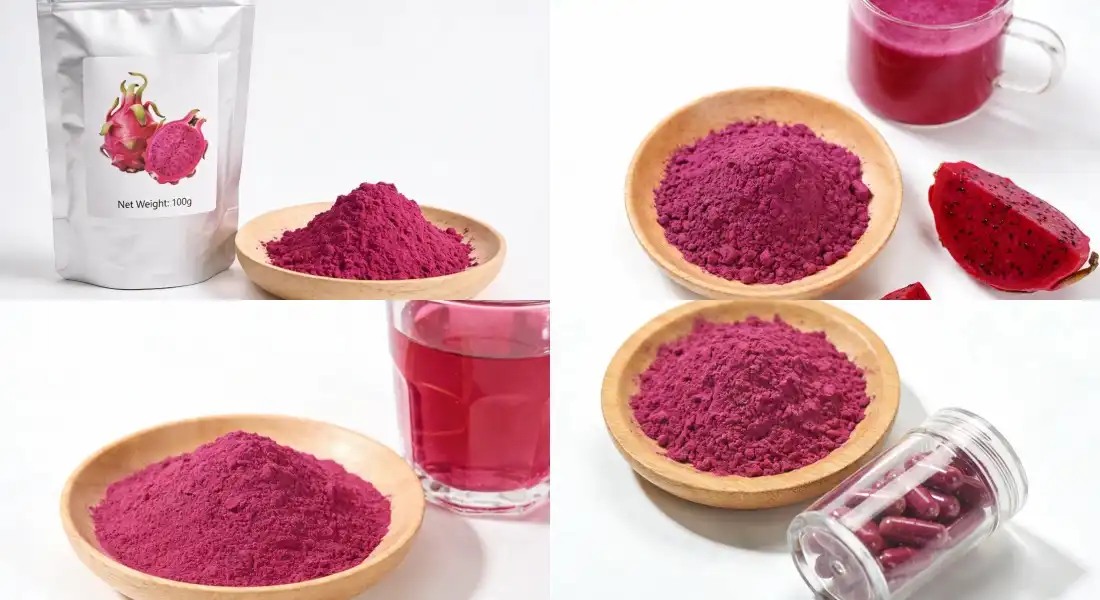
Conclusion
To choose high-quality Dried Dragon Fruit Powder that is high in astaxanthin, you have to weigh technical specs, the dependability of the supply chain, and the business benefits. When you combine the phospholipid-bound omega-3 structure with high astaxanthin concentrations, you get bioavailability benefits and oxidative stability that make it worth paying more for in the supplement market. To make a procurement process go smoothly, suppliers must meet strict requirements that include being pure through thorough analytical testing, being environmentally friendly through recognized certifications, and having the potential to form partnerships through responsive service and technical support. Learning about the right dosing guidelines, safety concerns, and best practices for stability.
FAQ
1. What is the difference between triglyceride fish oil and phospholipid-bound omega-3?
Omega-3 fatty acids in Dried Dragon Fruit Powder are attached directly to cell membranes without having to go through bile salt emulsification and enzyme conversion first. This molecule structure is similar to the structure of human cell membranes, which makes absorption faster and tissue incorporation better. Studies in humans show that phospholipid forms reach their highest levels in the blood more quickly and stay there longer than triglyceride equivalents. Because phospholipids mix with the watery contents of the stomach instead of floating as a separate oil layer that can back up into the esophagus, lower effective doses are needed and gastric side effects are lessened.
2. How much astaxanthin should buyers be looking for?
Premium Dried Dragon Fruit Powder mixtures usually have astaxanthin levels between 500 and 3000 parts per million, which is a lot higher than the 100 to 300 ppm levels found in regular extracts. Higher concentrations offer better antioxidant protection and more therapeutic potential, but for most uses, the benefits decrease after about 1000 ppm. Buyers should check the amount of astaxanthin using HPLC analysis and make sure that the carotene is mostly found in its natural esterified form and not in any synthetic forms. The concentrations you want should match how you want to position your product.
3. Does the powder make people with allergies sick?
Although Dried Dragon Fruit Powder comes from marine sources and has been refined a lot, it still contains trace proteins that could be allergenic for people who are sensitive to shellfish. Tropomyosin, the main allergenic protein, may stay in the body in tiny amounts that are enough to cause reactions in people who are very sensitive. Labels must make it clear if a product contains crustaceans and include allergen warnings that meet the rules in the target markets. Even though the refined oil is less likely to cause allergies than eating whole shellfish, doctors generally tell people who are allergic to shellfish to stay away from these products.
Partner with a Trusted Dried Dragon Fruit Powder Supplier
NT Biotech can help you produce your product with its marine and botanical extract knowledge and years of nutraceutical industry experience. As Dried Dragon Fruit Powder suppliers, we understand the technical and financial issues procurement professionals face when designing competitive supplement formulations. Our stringent quality control assures every batch meets ISO 9001, KOSHER, and HALAL standards. This gives regulatory teams proof and traceability. Beyond ingredient supply, we appreciate cooperation. Our technical team responds to questions within two hours with formulation advice, stability testing support, and application expertise, speeding your product development. No matter your project timeline, we can provide stock material in one to three days or unique extraction requirements in three to ten. Each shipment includes a detailed Certificate of Analysis verifying the product's purity, potency, and safety using approved analytical methods. Our low prices reflect our supply chain management and direct manufacturer partnerships, giving you value without sacrificing brand quality. OEM formulation, private labeling, and strategic cooperation inquiries are welcome. Contact us at info@newthingsbiotech.com to find out how NT Biotech's extract services can help you make your products better and give you an edge in the growing omega-3 market.
References
1. Wu, L., Hsu, H., Chen, Y., Chiu, C., Lin, Y., & Ho, J. (2006). Antioxidant and antiproliferative activities of red pitaya. Food Chemistry, 95(2), 319-327.
2. Tenore, G., Novellino, E., & Basile, A. (2012). Nutraceutical potential and antioxidant benefits of red pitaya fruit. Journal of Functional Foods, 4(1), 137-145.
3. Wybraniec, S., & Mizrahi, Y. (2002). Fruit flesh betacyanin pigments in Hylocereus cacti. Journal of Agricultural and Food Chemistry, 50(21), 6086-6089.
4. Luo, H., Cai, Y., Peng, Z., Liu, T., & Yang, S. (2014). Chemical composition and in vitro evaluation of the cytotoxic and antioxidant activities of supercritical carbon dioxide extracts of pitaya seed oil. Food Chemistry, 165, 149-156.
5. Liaotrakoon, W., De Clercq, N., Van Hoed, V., Van de Walle, D., Dewettinck, K., & Fraigne, A. (2013). Impact of thermal treatment on physicochemical, antioxidative and rheological properties of white-flesh and red-flesh dragon fruit purees. Food and Bioprocess Technology, 6(2), 416-430.
6. Ramli, N., Ismail, P., & Rahmat, A. (2014). Influence of conventional and ultrasonic-assisted extraction on phenolic contents, betacyanin contents, and antioxidant capacity of red dragon fruit. The Scientific World Journal, 2014, Article ID 964365.