- English
- French
- German
- Portuguese
- Spanish
- Russian
- Japanese
- Korean
- Arabic
- Greek
- German
- Turkish
- Italian
- Danish
- Romanian
- Indonesian
- Czech
- Afrikaans
- Swedish
- Polish
- Basque
- Catalan
- Esperanto
- Hindi
- Lao
- Albanian
- Amharic
- Armenian
- Azerbaijani
- Belarusian
- Bengali
- Bosnian
- Bulgarian
- Cebuano
- Chichewa
- Corsican
- Croatian
- Dutch
- Estonian
- Filipino
- Finnish
- Frisian
- Galician
- Georgian
- Gujarati
- Haitian
- Hausa
- Hawaiian
- Hebrew
- Hmong
- Hungarian
- Icelandic
- Igbo
- Javanese
- Kannada
- Kazakh
- Khmer
- Kurdish
- Kyrgyz
- Latin
- Latvian
- Lithuanian
- Luxembou..
- Macedonian
- Malagasy
- Malay
- Malayalam
- Maltese
- Maori
- Marathi
- Mongolian
- Burmese
- Nepali
- Norwegian
- Pashto
- Persian
- Punjabi
- Serbian
- Sesotho
- Sinhala
- Slovak
- Slovenian
- Somali
- Samoan
- Scots Gaelic
- Shona
- Sindhi
- Sundanese
- Swahili
- Tajik
- Tamil
- Telugu
- Thai
- Ukrainian
- Urdu
- Uzbek
- Vietnamese
- Welsh
- Xhosa
- Yiddish
- Yoruba
- Zulu
Ahk Copper Peptide Powder is a copper-binding tripeptide compound based on the amino acid sequence alanine-histidine-lysine (AHK). cosmetic ingredient research, especially for hair and scalp applications, has taken notice. AHK-Cu was shown to promote human hair follicle elongation in an ex vivo assay and boost dermal papilla cell proliferation in vitro in a 2007 research. The results are encouraging, but should not be presented as evidence for a clinical hair growth impact in humans. The more helpful issue for B2B formulators and procurement teams is how the ingredient is recognised, what proof supports it and what quality documentation should be examined before purchase.
Introduction
Copper peptides are employed by cosmetic researchers since copper is involved in biological processes such as enzymes, connective tissue and cellular signalling. AHK-Cu is one member of this category, but has a much smaller research basis than well recognised copper peptides such as GHK-Cu.
This difference important for manufacturers. AHK-Cu should be judged on the data that exists for this unique molecule and not by the transfer of all the purported benefits of the other copper peptides. Thus this guide will describe the structure of AHK-Cu, its claimed biological activity, formulation concerns, procurement criteria and the information B2B buyers should seek from a provider.

Understanding AHK-Cu: What It Is and How It Works?
Molecular Composition and Structure
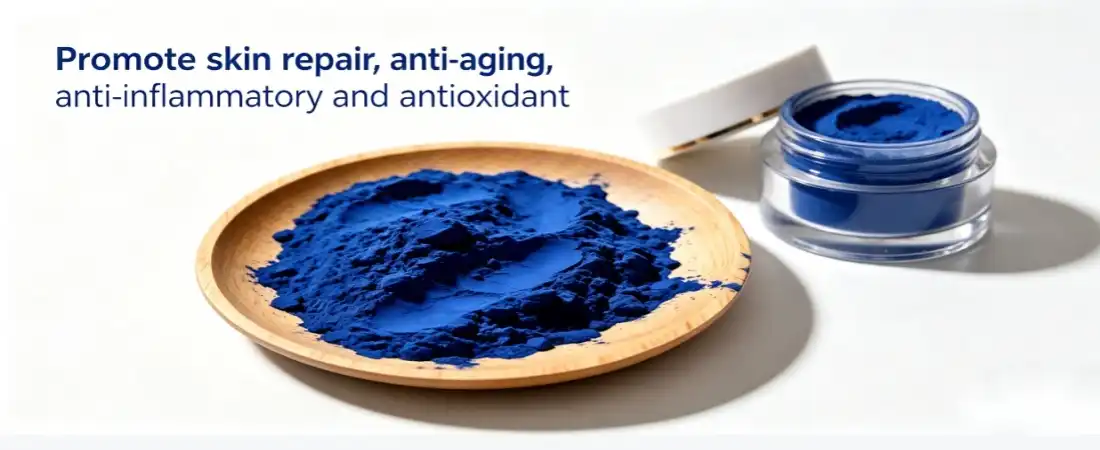
AHK-Cu is a copper compound of the tripeptide alanine-histidine-lysine. The histidine-containing region offers a copper binding site and the peptide part specifies the molecular framework of the complex.
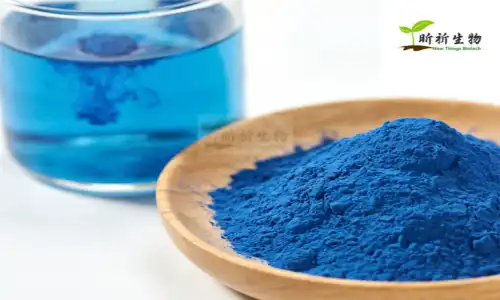
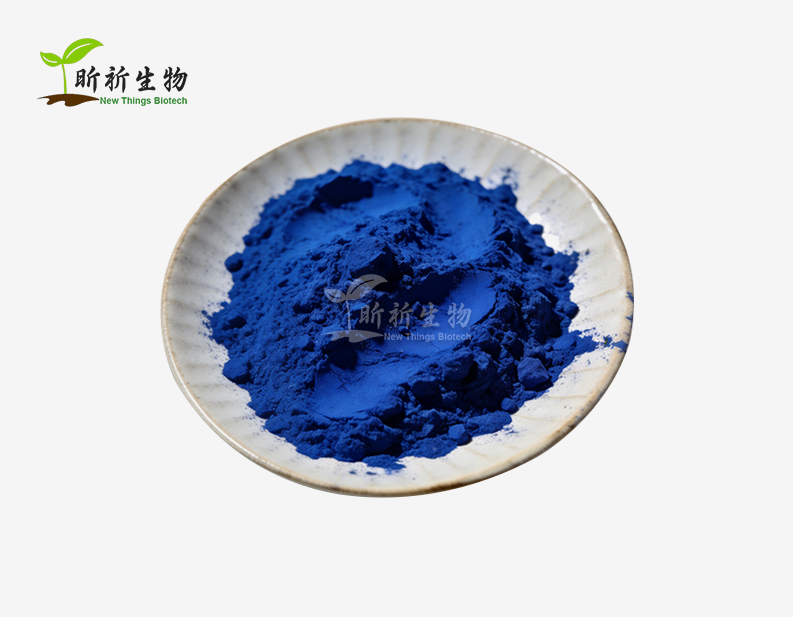
The substance they provide on the NT Biotech product site is Ahk Copper Peptide Powder with 98% specification, blue powder appearance and CAS 682809-81-0. The same site will also show you ISO, Kosher and Halal documents and standard and bespoke packaging alternatives. Buyers should still check the precise salt form, analytical technique and batch-specific identification on the current specification sheet and Certificate of Analysis before manufacturing.
The blue colour is consistent with a copper containing complex. Colour alone should not be used as confirmation of purity or identification. HPLC and other suitable analytical documents are more significant bases for quality verification.
So what does ahk-cu mean in simple terms? It is the copper complex of the tripeptide ala-his-lys (AHK). Sold by NT Biotech as Ahk Copper Peptide Powder, 98% specification. The molecule appears blue and differs from other copper peptides such as GHK-Cu, since the histidine residue provides the copper-binding site.
Cellular Mechanisms of Action
The most direct evidence for AHK-Cu comes from laboratory studies. In 2007, Pyo et al. reported that AHK-Cu induced elongation of isolated human hair follicles and boosted proliferation of cultured dermal papilla cells. The researchers also analysed signs of apoptosis and cell survival.
These results give a biological basis for the investigation of AHK-Cu as hair-care formulations. The experimental context is significant. Isolated follicles and cultivated cells do not constitute a completed cosmetic product to be applied to the scalp. There is not sufficient direct human clinical data to state that AHK-Cu consistently boosts hair density or heals hair loss in consumers.
Therefore, it is more correct to characterise AHK-Cu as an ingredient backed by preliminary hair-follicle and cellular research rather as a clinically proven hair-regrowth therapy.
What is ahk-cu supposed to perform in practice? The most direct evidence comes from laboratory models: Pyo et al. (2007) noted elongation of isolated human hair follicles and enhanced proliferation of cultured dermal papilla cells. These are early, ingredient-level discoveries, not clinical confirmation of a hair-growth benefit. So formulators should regard the activity as research-backed, not as a confirmed therapeutic claim.
Key Benefits for Product Formulation
In case a formulation approach requires a copper binding peptide, especially in hair and scalp product development, AHK-Cu might be explored. Its direct research profile is focused mostly on dermal papilla cells and isolated human hair follicles.
Copper peptides are also being explored in skin-care research, particularly areas relating to extracellular-matrix processes and skin restoration. But the evidence of GHK-Cu or other copper peptides should not be directly referred to as the evidence of AHK-Cu. The two drugs contain distinct peptide sequences, and should be studied independently.
This difference might help the product developer with formulation choices and marketing claims. Claims must be supported by evidence for the particular constituent, completed formulation, concentration, mode of application and intended use.
Comparing AHK Copper Peptide Powder with Other Copper Peptide Solutions
Superior Stability and Bioavailability
Rather than presuming that AHK-Cu is more stable or more bioavailable than other Cu peptides, formulators should compare the actual material and formulation system under evaluation.
AHK-Cu and GHK-Cu are similar in structure, although differing in the copper-binding peptides. GHK-Cu has a much bigger published literature whereas direct research on AHK-Cu is relatively restricted and mostly involves hair-follicle models.
Procurement teams may compare relevant aspects such as HPLC purity, copper content, identification testing, solubility, moisture, storage conditions, packaging, and analytical consistency across batches. When making these selections, a blanket statement that one copper peptide is “better” than another is less informative than a supplier’s batch-specific COA.
Powder Versus Liquid Formulations
The powder and liquid versions address distinct industrial requirements. A powder provides formulators with control over when the active is integrated into a completed formula, and may facilitate bulk storage provided the material is properly packed.
Ahk Copper Peptide Powder is blue powder And it is available in 1 kilogram bags or customised packaging. The product site also shows a MOQ of 25kg, free samples, in stock availability and a claimed delivery time of 2-4 days following payment.
Liquid systems may be good for certain finished-product processes, however stability relies on the whole formula, solvent system, preservatives, pH, package and storage conditions. So powder vs. liquid should be a choice based on the formulation technique of the producer, not a blanket difference in quality.
Synergistic Ingredient Combinations
AHK-Cu may be compared to other cosmetic actives but formulation testing is needed to confirm compatibility rather than assuming it based on each ingredient’s particular activities.
Ideas for barrier protection and hydration in skin-care products often include hyaluronic acid, ceramides, and niacinamide. If used in conjunction with AHK-Cu then the whole recipe should be tested for pH, solubility, appearance, stability and preservative efficacy.
The same goes for mixing copper peptides with retinoids, antioxidants or herbal compounds. Ingredient interaction may depend on concentration and formulation circumstances, hence accelerated stability testing and completed product testing are more reliable than generic compatibility statements.
Procurement Guide: How to Source AHK Copper Peptide Powder Efficiently?
Identifying Qualified Suppliers
A competent supplier should be able to give unambiguous product identification, specifications, analytical documentation and batch information.
It is recommended to seek the latest product specification and batch specific COA for Ahk Copper Peptide Powder from customers. Documentation that may be beneficial might include HPLC purity, copper content, appearance, solubility, moisture or loss on drying data and necessary certification certificates, depending on the project.
NT Biotech cites a 98% standard for their substance and notes ISO, Kosher, and Halal certifications on its product site. These papers may be used to assist with supplier certification, but should be used in conjunction with the real batch paperwork and the needs of the target market.
A realistic supplier audit should also address packaging, traceability, sample availability, MOQ, lead time & technical communication. This offers procurement teams a better sense of whether a raw-material source can sustain recurring manufacturing, not just a one-off buy.
Understanding Pricing and Order Parameters
The price of peptide raw materials might be different based on purity criteria, quantity ordered, packaging, analysis required, manufacturing condition, and logistics. With these factors, a set market price should not be given without a current quote.
NT Biotech’s public product information indicates MOQ of 25 kg, free sample, standard 1 kilogram packaging, customised packaging. The product is also shown as in stock, with a claimed delivery time of 2-4 days following payment.
Buyers may request a sample and technical documentation before going to a bulk order for a new formulation. This enables the R&D team to confirm solubility, compatibility, appearance and stability within the proposed formulation before committing to production volumes.
Logistics and International Shipping
When you ship internationally, you have to consider transportation, packing, storage conditions, paperwork, destination-country regulations and delivery deadlines.
Express services may be used to transport urgent volumes for development or small samples. Large commercial shipments can be sent by air or sea freight depending on order volume and production schedules. Not as a rule, the delivery method for each purchase should be confirmed.
Buyers should also check that product name, CAS information, batch number, COA, package information and other commercial documents are consistent. If the ingredient will be utilised in a regulated cosmetic market, the buyer should verify the paperwork and ingredient-status requirements for the completed product prior to launch.
OEM and ODM Collaboration Opportunities
For businesses creating peptide-based hair- or skin-care products, supplier help might go beyond buying a raw ingredient. Formulation Discussions may enable the R&D team to determine ingredient compatibility, packaging needs, sample testing and manufacturing criteria.
NT Biotech Ahk Copper Peptide Powder is a B2B ingredient procurement platform and OEM related assistance is one of the services offered. Before launching a bespoke project, purchasers need to identify the target product format, intended use, specifications needed, package volume, paperwork, and delivery timetable.
This makes the development process simpler to handle since both parties have a defined technical brief. It also helps to avoid the danger of picking a raw material based only on a marketing description without testing to see whether its requirements meet the completed recipe.
Practical Applications and Case Studies of AHK Copper Peptide Powder
Hair Growth and Scalp Treatment Products
The reported AHK-Cu study has the greatest immediate applicability in hair and scalp care.
The landmark work by Pyo et al. investigated AHK-Cu in cultured dermal papilla cells and human hair follicles in isolation. The researchers found that at certain experimental dosages, the dermal papilla cells proliferated and hair follicle elongation was stimulated. Therefore, the work lays the foundation for future analysis of AHK-Cu in hair-care formulations.
However, it does not specify a proportion for consumer goods, a guarantyd treatment schedule or scientifically proven improvement in hair density. Product claims should be made only after formulators have performed their own compatibility, stability, safety and effectiveness testing.
Potential product forms include scalp serums, leave on scalp treatments and other cosmetic ideas where a peptide based active is applicable. The finalised formula and related cosmetic standards should decide the final application and claim text.
Anti-Aging and Skin Repair Formulations
AHK-Cu may potentially be of interest to makers of skin-care products, since copper peptides have been related with studies on cellular and extracellular-matrix activities.
However, the data on skin rejuvenation, collagen remodelling or wound healing should be considered with caution. Studies using GHK-Cu or with other copper peptides cannot be automatically offered as direct clinical evidence for AHK-Cu. Direct evidence for AHK-Cu is significantly more limited at now.
Therefore, developers should include AHK-Cu as one component of a wider formulation approach for an anti-aging compound. Hydration, barrier support, antioxidant systems, packaging, preservation and overall product testing affect the performance of the completed product.
Post-Procedure and Wound Healing Applications
Claims after procedures and wound healing demand special care. Copper peptides are a larger class of ingredients that have been studied in relation to tissue regeneration, however there is not enough direct evidence for AHK-Cu in clinical wound healing to justify the bold assertions stated in the previous version of this page.
AHK-Cu may be addressed as a research ingredient related to cellular and hair-follicle studies, but a cosmetic raw-material site should not indicate that it has been clinically proved to expedite healing after laser therapy, microneedling, chemical peels, or surgery.
For businesses creating post-procedural goods, safety and effectiveness of the completed product should be demonstrated via adequate testing and expert assessment prior to making any therapeutic or wound healing claim.
Conclusion
Ahk Copper Peptide Powder has a distinctive research profile making it particularly relevant for the development of hair and scalp peptide-based products. Direct study has described effects on isolated human hair follicles and cultured dermal papilla cells, however the information presented should not be mistaken with human clinical evidence. For B2B purchasers, a more reliable check includes identification of ingredients, analytical purity, batch documentation, formulation compatibility, and supplier consistency. NT Biotech offers the ingredient as a blue powder, 98% specifications, applicable certification documentation, 25 kg MOQ, free samples, and in-stock supply.
So what is ahk-cu for the B2B buyer? It is a copper-binding tripeptide component with a targeted research profile in hair-follicle and dermal papilla models, given as a blue powder with verified purity, certification and batch COA. Assessment based on the actual spec sheet and lot-specific testing, not marketing jargon lifted from other copper peptides.
FAQ
1. Is AHK-Cu safe for all skin types?
Safety should be determined for the whole final formulation and not presumed from the peptide's chemical structure. There are minimal human safety data for AHK-Cu and formulators should do suitable compatibility, safety and tolerance testing for the desired product.
2. How should I store copper peptide powder to maintain potency?
Storage Requirements: Follow the current specification sheet, COA and product label of the supplier . Stability: Stability is dependent upon particular chemical form, packaging, moisture exposure, temperature and storage term. Keep the material sealed and protected from improper climatic conditions and check the range of storage specified by the supplier before manufacturing.
3. Can AHK-Cu be combined with other active ingredients?
It may be included in multi-active cosmetic formulations, however compatibility should be validated by formulation testing. Stability is affected by pH, solubility, oxidation conditions, preservatives, packaging and the concentration of other actives. Just because two substances are used together in a lot of cosmetic products doesn’t mean they’re compatible.
Partner with NT Biotech for Reliable AHK Copper Peptide Powder Supply
NT Biotech supplies Ahk Copper Peptide Powder with a listed 98% specification for B2B cosmetic ingredient applications. Its public product information lists blue powder, ISO/Kosher/Halal documentation, 25 kg MOQ, free samples, customized packaging, in-stock availability, and a stated 2–4 day delivery time after payment.
For procurement and R&D teams, the next step is to verify the current specification, batch COA, packaging requirements, and formulation compatibility before placing a commercial order. NT Biotech can also discuss sample requirements and customized supply needs. For technical documents, samples, or purchasing inquiries, contact info@newthingsbiotech.com.
References
1. Pickart, L., Vasquez-Soltero, J.M., and Margolina, A. (2017). "The Effect of the Human Peptide GHK on Gene Expression Relevant to Nervous System Function and Cognitive Decline." Journal of Analytical Oncology, 6(2), 135-149.
2. Wang, Y., Chen, M., and Liu, H. (2019). "Copper Peptides in Dermatology: Mechanisms and Clinical Applications." Dermatologic Therapy, 32(4), e12945.
3. Hostynek, J.J., Higuchi, W.I., and Maibach, H.I. (2010). "Human Skin Penetration of a Copper Tripeptide In Vitro as a Function of Skin Layer." Inflammation Research, 59(11), 983-988.
4. Bajaj, G., and Yiu, Y. (2018). "Peptides in Cosmeceuticals." Journal of Cosmetic Dermatology, 17(3), 347-357.
5. Miller, S.J., and Alam, M. (2021). "Novel Peptide-Based Therapies for Hair Growth Stimulation." International Journal of Trichology, 13(5), 189-196.
6. Zhang, L., Falla, T.J., and Wu, M. (2016). "Therapeutic Application of Copper-Peptide Complexes in Skin Repair and Regeneration." Skin Pharmacology and Physiology, 29(1), 26-34.