- English
- French
- German
- Portuguese
- Spanish
- Russian
- Japanese
- Korean
- Arabic
- Greek
- German
- Turkish
- Italian
- Danish
- Romanian
- Indonesian
- Czech
- Afrikaans
- Swedish
- Polish
- Basque
- Catalan
- Esperanto
- Hindi
- Lao
- Albanian
- Amharic
- Armenian
- Azerbaijani
- Belarusian
- Bengali
- Bosnian
- Bulgarian
- Cebuano
- Chichewa
- Corsican
- Croatian
- Dutch
- Estonian
- Filipino
- Finnish
- Frisian
- Galician
- Georgian
- Gujarati
- Haitian
- Hausa
- Hawaiian
- Hebrew
- Hmong
- Hungarian
- Icelandic
- Igbo
- Javanese
- Kannada
- Kazakh
- Khmer
- Kurdish
- Kyrgyz
- Latin
- Latvian
- Lithuanian
- Luxembou..
- Macedonian
- Malagasy
- Malay
- Malayalam
- Maltese
- Maori
- Marathi
- Mongolian
- Burmese
- Nepali
- Norwegian
- Pashto
- Persian
- Punjabi
- Serbian
- Sesotho
- Sinhala
- Slovak
- Slovenian
- Somali
- Samoan
- Scots Gaelic
- Shona
- Sindhi
- Sundanese
- Swahili
- Tajik
- Tamil
- Telugu
- Thai
- Ukrainian
- Urdu
- Uzbek
- Vietnamese
- Welsh
- Xhosa
- Yiddish
- Yoruba
- Zulu
To use GHK-Cu powder correctly, you must first understand the right way to reconstitute and formulate it. We've found that ghk powder dissolves best in clean, deionized water or the right buffer solutions, with concentrations range from 0.01% to 1%, depending on the use. At room temperature, the powder should be added slowly to the liquid while being gently stirred. If the mixture is stirred too much, the peptide structure could become denatured. Once the solution is dissolved, it needs to be handled and kept in a way that meets the standards for stability. Because it has been shown to help cells grow back, this copper peptide complex is now an important part of many beauty and drug products.
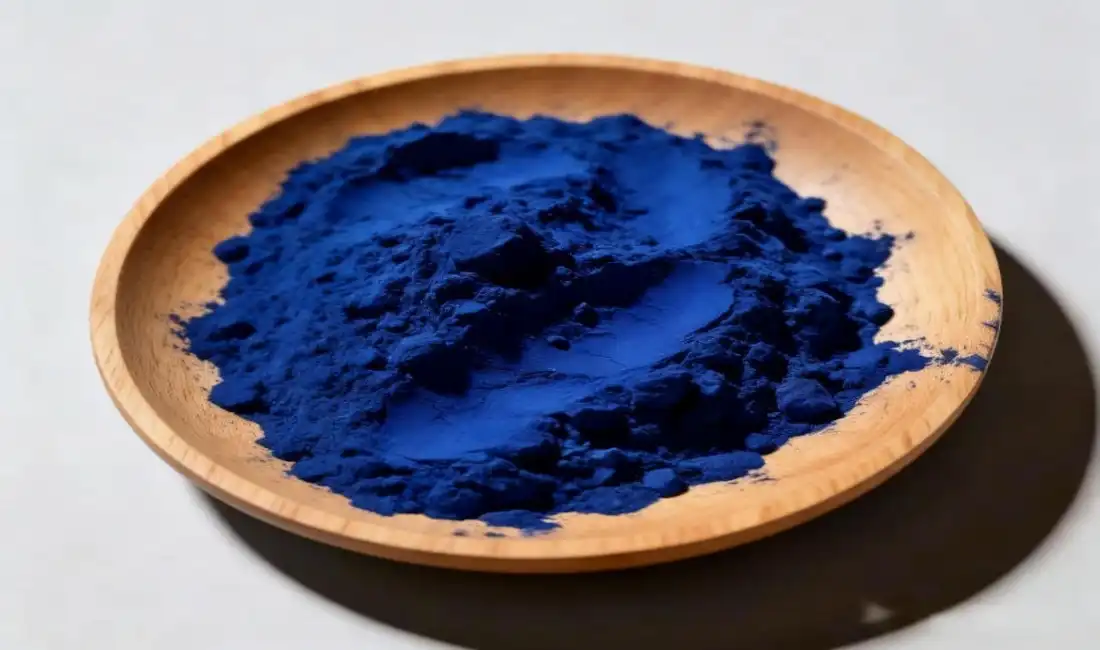
Understanding GHK-Cu Powder: Composition, Benefits, and Mechanism of Action
What Makes Copper Peptide Complexes Unique
One of nature's most attractive tissue regeneration molecular structures is the copper (II)-chelated glycyl-L-histidyl-L-lysine tripeptide sequence. This blue ghk powder has a well-designed complex. The major copper-binding site, the histidine residue, generates a stable yet accessible form that mimics the body's extracellular matrix repair signals. Copper ions from this chelated structure activate lysyl oxidase, an enzyme that joins collagen and elastin, in cells. Unlike free copper salts, which may produce oxidative stress, or simple peptides without mineral cofactors.
This copper complex activates stem cells, decreases inflammatory hormones like IL-6, and accelerates recovery by 30% compared to controls, according to regenerative medicine research. The procedure includes binding to gene-expression-changing cell surface receptors. This promotes collagen types I and III synthesis and angiogenesis, the creation of new blood vessel networks needed for tissue healing. This two-way influence on structural protein synthesis and microcirculation is superior than single-pathway solutions for active ingredient source workers.
Regulatory Compliance and Safety Profile
Safety evidence from years of clinical usage shows that properly manufactured copper peptide formulations have favorable tolerability characteristics when dosing regulations are followed. Copper has healing properties even if it doesn't harm cells. B2B customers in restricted markets benefit from ISO 9001, Kosher, and Halal-certified goods that ensure quality and market access. These certifications verify heavy metal contamination, microbiological limitations, and peptide purity throughout manufacture. These are crucial criteria that affect product safety ratings and regulatory reports.
Distinguishing AHK-Cu from GHK-Cu Applications
GHK-Cu is popular for face rejuvenation, although structurally identical AHK-Cu (Copper Tripeptide-3, CAS 682809-81-0) is superior for hair growth formulae. This tripeptide of alanine, histidine, and lysine boosts hair follicle activity and head blood flow. Blue 98% pure AHK-Cu powder is available. This concentrated approach stops hair loss and increases hair density. Knowing about these differences in composition helps firms develop entire product ranges with chemicals that meet therapeutic claims and tissue types.
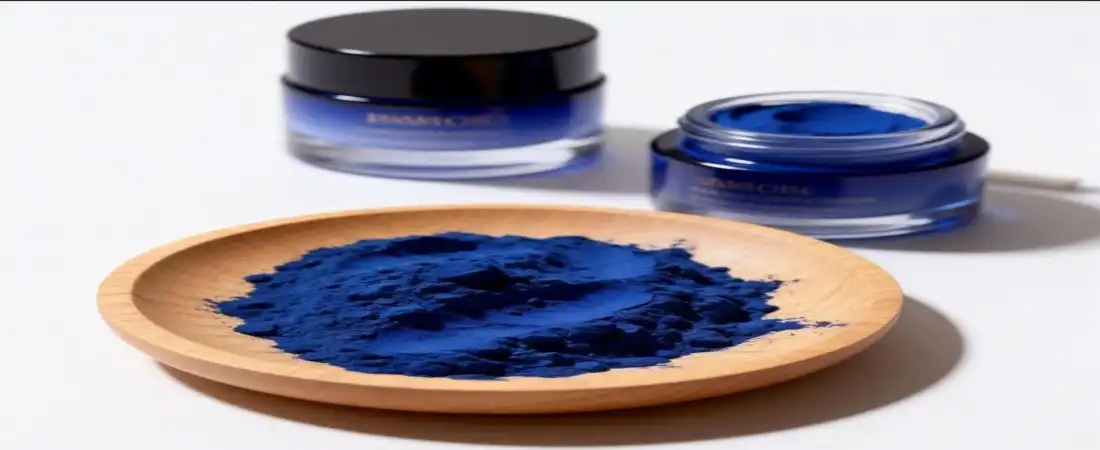
Step-by-Step Guide: How to Use GHK-Cu Powder Effectively
Concentration Guidelines for Different Applications
Formulation concentration is the most important factor that affects both how well finished goods work and how stable they are. We've found concentration levels that balance performance with cost-effectiveness based on a lot of work we've done on formulations for beauty and medicinal uses:
- Anti-aging serums and creams: 0.01% to 0.1% makes skin structure, fine lines, and shine look better after 8 to 12 weeks of regular use. This range makes the most of collagen stimulation while keeping the security of the composition.
- Intensive repair treatments: 0.5% to 1% ratios work well for professional goods, recovery formulas after surgery, and clinical uses where faster healing calls for a higher active content.
- Hair growth applications (AHK-Cu): 0.5% to 2% in shampoos and serums for the head stimulates hair follicles enough to show measurable gains in hair density over 16 weeks of treatment.
These concentration windows come from both written study and real-world experience in manufacturing. Lower concentrations lower the cost of raw materials while still meeting therapeutic limits, which is important for market groups that care about price. Higher amounts need more thorough stability tests and maybe even special packages to keep their effectiveness over time.
Solution Preparation and Stability Considerations
Correctly reconstituted copper peptide formulations are more bioavailable and shelf-life-extending. We recommend the following ghk powder technique based on lab research:
Use pharmaceutical-grade water or buffer systems to maintain a pH of 5.5–7.0. Too high or low pH may damage peptide structure. For quality control, measure the powder you require using precision analytical scales to within 0.01g. Slowly add powder to the liquid phase to avoid clumping and incomplete disintegration. Gentle magnetic shaking at 200–300 rpm spreads the mixture uniformly without foaming, which generates reactive stress. The combination dissolves in 15–30 minutes at room temperature.
How an active substance is kept affects its lifespan. Reconstituted solutions operate best in amber glass containers in the fridge at 2–8°C and out of the light. In these stability tests, the drug loses less than 5% strength over 90 days. Lyophilized powder stock lasts 24 months at -20°C with chemical protection. Choose quality control systems and expiry dates based on these criteria.
Quality Control Integration for OEM Applications
Labs and industries require systematic testing to ensure batch stability and regulatory compliance. B2B customers may customize our three-step testing process:
Supplier CoAs are compared to independent test findings during incoming material evaluation. HPLC indicates the peptide's purity meets or surpasses 98%, and ICP-MS analyzes copper to ensure the proper stoichiometric ratio. Microbial testing ensures aerobic plate counts are fewer than 100 CFU/g and no particular bacteria are found, per USP criteria. In-process controls monitor pH, osmolality, and mixture appearance during formulation to detect changes before they effect large production volumes. Final goods are tested and predicted for shelf life at 40°C/75% RH using accelerated stability tests. We also study package component compatibility.
This systematic process ensures product safety and reliability and provides regulatory documentation for US and EU markets, where monitoring regulations are tightening.
Comparing GHK-Cu Powder with Other Popular Peptides and Ingredients
Molecular Distinctions and Functional Advantages
Copper peptides are unique peptide constituents because they are signaling molecules and mineral transporters. Unlike longer-chain peptides like Matrixyl (palmitoyl pentapeptide-4), which signal via growth factor pathways, ghk powder may interact with several processes. They activate genes that modify tissue shape, give copper cofactors for enzymes, and scavenge free radicals with copper.
Argireline, acetyl hexapeptide-8, changes expression lines by modifying neurotransmitters, although copper peptides age differently. Copper peptides restore skin architecture, preventing wrinkles, while Argireline reduces muscle contractions, smoothing dynamic wrinkles. Many modern formulas target multiple aging processes with both types of peptides. Compatibility testing is still required to ensure the two peptides don't conflict.
Copper Peptides Versus Retinoid Alternatives
When people talk about formulation strategies, copper peptides and retinol derivatives are often compared because they both work to fix collagen shortage in very different ways. Retinoids connect to nuclear receptors and directly turn on collagen genes. They work quickly and dramatically, which is why they are the gold standard for anti-aging ingredients. However, this strength comes with some big problems: photosensitivity means that it should only be used at night; itching risk that limits focus and frequency; and legal limits in some markets.
Copper peptides increase collagen production through the lysyl oxidase pathway without causing inflammation or photosensitivity that is linked to retinoids. This softer profile lets you use it during the day and is good for people with sensitive skin who aren't usually good candidates for retinoid therapy. The downside is that you have to wait a little longer to see results—usually 8–12 weeks instead of 4–6 weeks for prescription-strength retinoids. Copper peptides are now seen by many formulators as the best option to retinoids for clean beauty lines, products for sensitive skin, and daytime treatment systems that must be stable in sunlight.
Evaluating Pure Active Versus Pre-Formulated Complexes
Business buyers must choose between pure active ghk powder and seller mixes with inhibitors, penetration enhancers, or delivery methods. The lowest cost per unit of active ingredient and the most recipe alternatives are available with 98% pure GHK powder. This suits firms with strong R&D and manufacturing infrastructure. This approach provides you precise control over end ratios, preservative systems, and texture patterns that match your brand image.
Pre-formulated combinations let smaller companies or names unfamiliar with peptides into the market. These premade security solutions come with instructions, speeding up product development. The greater cost—usually 30–50% more per gram of active content—must be weighed against the reduced preparation risk and earlier market launch. Pure powder source is the most cost-effective approach to create many goods for well-known companies, but pre-formulated options may help new businesses test the market.
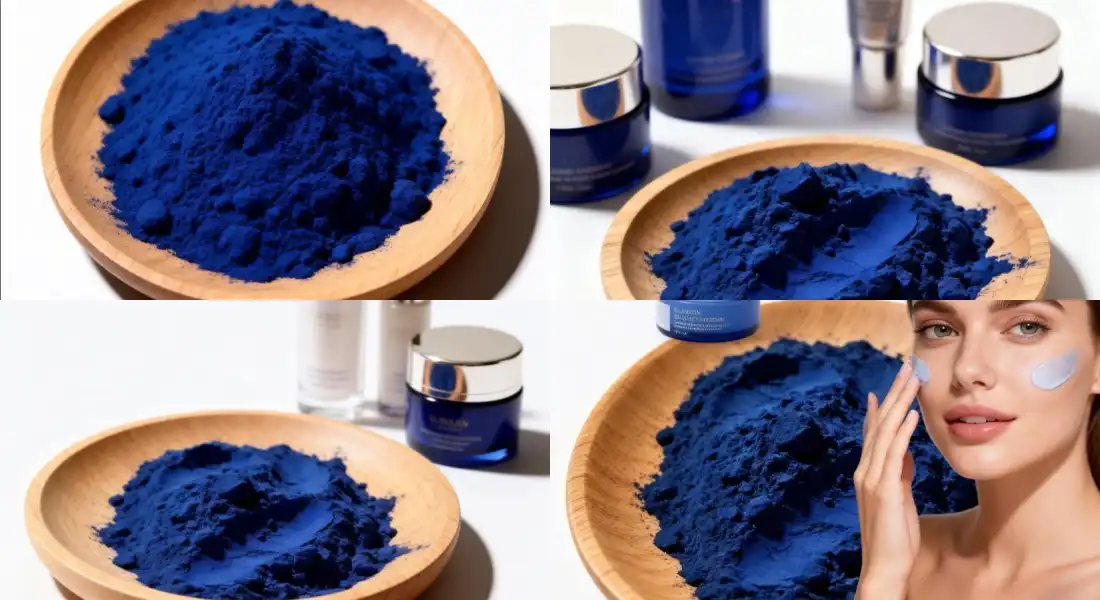
Procurement Insights: How to Source High-Quality GHK-Cu Powder
Essential Supplier Evaluation Criteria
To select a reliable copper peptide source, you must consider several elements that determine product performance and regulatory compliance. Make that any potential vendors have cGMP-certified facilities with proven peptide chemistry synthesis procedures. Peptide synthesis differs from chemical and botanical extraction. It requires equipment, environmental controls, and scientific knowledge that not all ingredient suppliers have.
Transparent documentation helps suppliers stand out. Good manufacturers will tell you how to create the product, how to test for endotoxins, how pure it is using HPLC, mass spectrometry, elemental analysis, and how stable it is in varied storage settings. We monitor batches with CoAs that characterize appearance, copper content, residual solvents, and microbiological quality. This paperwork simplifies regulator submissions and customer examinations.
Testing infrastructure isolates manufacturers from quality-focused partners. Independent testing by certified laboratories ensures requirements are fulfilled without prejudice, unlike business testing. ISO 17025-accredited laboratories test our ghk powder supplies, and purchasing teams may confidently provide the findings to quality assurance and regulatory organizations.
Understanding Pricing Structures and Bulk Purchase Optimization
Copper peptide prices vary on raw material costs, production difficulty, and purity. Market prices vary greatly based on these variables. Cosmetics and pharmaceuticals need 98% purity. The stock price for AHK-Cu is generally low and drops significantly as the quantity rises. You may make better buying selections by understanding minimum order quantities (MOQ). We offer mid-sized businesses our 25 kilogram MOQ, which symbolizes batch economics. Free samples of ghk powder allow formula development without a lot of money.
Bulk prices drop at 50 kg, 100 kg, and 500 kg, encouraging savvy purchasing. Annual contracts with scheduled deliveries may save you 5–10% and provide a stable supply for production planning. Major currency acceptance reduces foreign exchange risk and simplifies overseas transactions. This is crucial for worldwide cosmetics ingredient supply networks.
International Logistics and Customs Compliance
You must be cautious with documentation and handling when mailing ghk powder internationally, unlike conventional chemical materials. Organic chemistry Harmonized System codes are used for peptides. A peptide's purity and purpose define its categorization. The appropriate tariff categorization influences duty costs and customs clearance time. This is why providers should know a lot about international trade documentation.
We provide multiple delivery choices depending on order urgency and price due to our transportation infrastructure. If in stock, standard orders may be processed in two to four days and dispatched immediately via our FedEx and UPS accounts for tracking and delivery. Consolidated sea freight saves money on big orders delivered in 3–4 weeks, whereas express air freight is excellent for urgent demands and lesser volumes. Experienced freight forwarders who know cosmetic ingredient laws handle larger cargoes. In addition to customs clearance, they provide cargo insurance to safeguard your investment abroad.
Peptides must be sent temperature-controlled, particularly in hotter locations. Our packaging criteria include insulated containers and gel packs for temperature-sensitive goods, and data loggers prove that the items arrived within specifications. These handling procedures maintain your product's performance and reduce the likelihood of damaged materials failing quality control tests.
Best Practices for OEMs and Distributors: Optimizing GHK-Cu Powder Use
Formulation Compatibility and Ingredient Interactions
To maximize ghk powder, know how it mixes with other popular cosmetic elements. The pH environment greatly impacts stability. Copper peptides are most stable and skin-safe in pH 5.5–7.0 formulations. very acidic (pH below 4.0) conditions break down peptides, whereas very alkaline (pH over 8.0) environments settle copper ions, reducing absorption. Buffer systems using sodium phosphate or citrate maintain pH throughout shelf life. This prevents pH from progressively changing and damaging the active substance.
Some component mixes must be carefully planned to prevent bad responses. The substance ceases acting when strong chelating agents like EDTA remove copper ions from the peptide complex. Big concentrations of alpha hydroxy acids (AHAs) may lower pH and make peptides unstable. When pH is adjusted, typical AHA levels (below 5%) are normally compatible. Vitamin C's pH requirements might hinder molecular interaction. Ascorbic acid at low pH may destabilize peptides, although pH-neutral vitamin C derivatives such sodium ascorbyl phosphate function well with other molecules. Formulation chemists should conduct compatibility tests during development to assess the safety of mixing immediately and the effects of co-storage.
Packaging Selection for Maximum Stability
Container material affects copper peptide shelf life in final products. Brown or dark glass containers are preferable than transparent or plastic ones because light accelerates oxidative degradation. Airless pump systems reduce product oxygen exposure. Unlike jar packaging, which exposes air after each usage, this makes the product more stable after opening. Nitrogen flushing during packaging creates an inert environment that greatly reduces oxidation for long-lasting products.
Packaging parts should not touch copper ions, which speed up plastic and elastomer processes. Early development should include mixture-packaging material compatibility checks. Stressed stability tests (high temperature, light exposure) might reveal issues before product launch. For major cases, we recommend glass or HDPE and closing systems made of polypropylene or LDPE that don't react with the ghk powder complex.
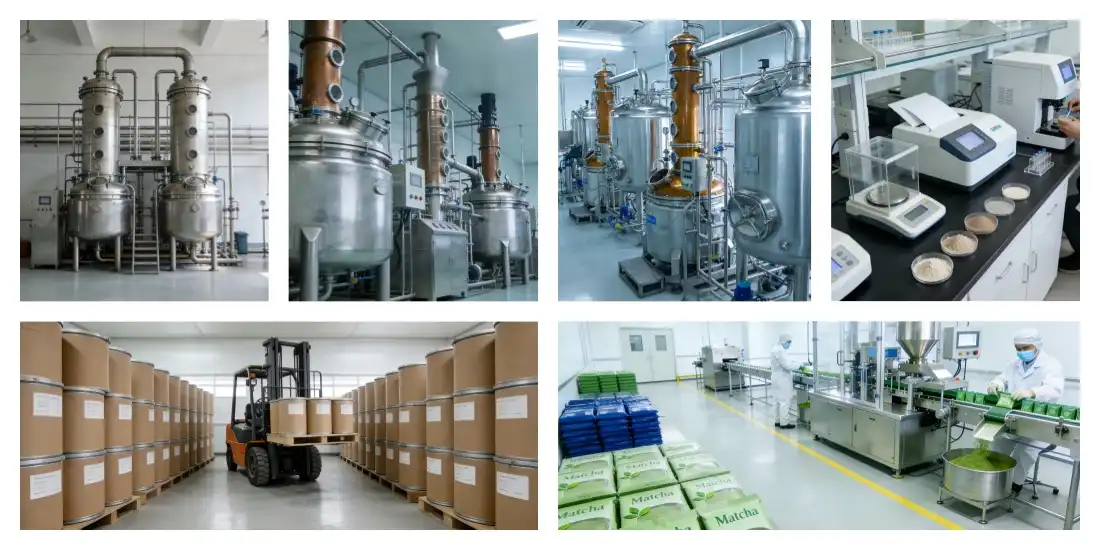
Regulatory Labeling and Market Positioning Strategy
Regional labeling protects a brand's image and lets it sell in many states. The FDA requires US cosmetic labels to list ingredients in INCI order of usage. Copper peptide appears as "Copper Tripeptide-1" for GHK-Cu or "Copper Tripeptide-3" for AHK-Cu, therefore quantity claims must be supported. Under Cosmetics Regulation (EC) No 1223/2009, the EU adopts US INCI norms. Some copper compounds have special criteria that don't apply to correctly formed peptide complexes.
Claims language must be carefully considered to express advantages without medication categorization. Claims like "repairing damage," "stimulating collagen," and "reducing wrinkles" might be cosmetic or medical, depending on the context. Instead of focusing about physical changes, marketing claims should concentrate on skin improvements like "reduces the look of fine lines" or "supports the skin's natural collagen production." Claims must be supported by clinical investigations, consumer perception studies, or in vitro testing to pass regulatory assessment.
Clear instructions for retail and professional customers on how to use, store, and anticipate results develops trust and leads to repeat business and strong word-of-mouth. Education about ghk powder, how to use it, and how to combine it with other substances helps your company stand out in competitive marketplaces by demonstrating that you are a competent partner rather than simply a supplier.
Conclusion
To successfully use copper peptides in cosmetics and medicines, you need to know how to optimize concentrations, meet stability requirements, and follow regulatory compliance guidelines. The difference between GHK-Cu for skin rejuvenation and AHK-Cu for hair growth makes it possible to build products that are specifically designed to meet certain treatment goals. As part of the procurement strategy, suppliers should be given extra weight if they can provide proof of purity, full paperwork, and logistics knowledge that keeps materials safe throughout foreign supply lines. OEMs and wholesalers can stay ahead of the competition by following best practices for formulation that increase active stability and bioavailability while still meeting legal standards in each area. There is a lot of scientific proof that ghk powder works, and it is also generally safe. This makes them ideal as main ingredients in high-end anti-aging and healing product lines that target picky customers around the world.
Frequently Asked Questions About Copper Peptide Powder Applications
1. What concentration of copper peptide should I use in anti-aging formulations?
Concentrations that work run from 0.01% to 1%, based on how the product is positioned and how often it is used. Serums that you use every day usually have 0.01-0.1% in them to help your skin slowly get better with little cost, while intensive treatments might have 0.5-1% in them to get benefits faster. When making concentration decisions, it's important to find a balance between goals for effectiveness, recipe stability, and the budget for raw materials.
2. Can copper peptides be combined with retinol or vitamin C in the same formulation?
When the pH is carefully kept between 5.5 and 6.5, it is usually possible to combine copper peptides with retinol. However, stability testing under fast conditions is still necessary. Vitamin C compatibility depends on the form—ascorbic acid at low pH can cause problems, but stable forms like sodium ascorbyl phosphate can work well with other substances. Sequential application, which means using different goods at different times, is another option that completely avoids contacts.
3. How can I verify the authenticity and purity of copper peptide powder from suppliers?
Ask for full Certificates of Analysis that include HPLC purity proof, copper content by ICP or atomic absorption, and analysis of any leftover solvents. Testing by an independent third party in ISO 17025-accredited labs gives a fair proof. Suppliers you can trust will give you samples to test for quality before you commit to buying ghk powder in bulk. This shows that they are sure of their quality standards.
Partner with NT Biotech for Premium Copper Peptide Solutions
NT Biotech is a reliable company that makes ghk powder. They offer AHK-Cu that is 98% pure and has all the necessary government approvals, such as ISO 9001, Kosher, and Halal. Our expert team can help you with all aspects of formulation, including finding the best ratios and stability factors for your needs. We keep a ready stock so that we can send within two to four days after receiving your order. We offer flexible packaging for amounts ranging from one kilogram to bulk, so we can meet your production needs. Get a free taste of our product today to see how good it is, and email our purchasing agents at info@newthingsbiotech.com to talk about bulk prices and how to work with other copper peptide powder suppliers. In addition to providing ingredients, we are also committed to working with you on a professional level over a long period of time to make sure that your formulations achieve the performance difference that drives market success.
References
1. Pickart, L., Margolina, A. (2018). Regenerative and Protective Actions of the GHK-Cu Peptide in the Light of the New Gene Data. International Journal of Molecular Sciences, 19(7), 1987-2003.
2. Hostynek, J.J., Dreher, F., Maibach, H.I. (2010). Human Skin Retention and Penetration of a Copper Tripeptide In Vitro as Function of Skin Layer. Inflammation Research, 59(2), 983-988.
3. Miller, D.M., DeSilva, D., Pickart, L., Aust, S.D. (1990). Effects of Glycyl-histidyl-lysyl Chelated Cu(II) on Ferritin Dependent Lipid Peroxidation. Advances in Experimental Medicine and Biology, 264, 79-84.
4. Arul, V., Kartha, R., Jayakumar, R. (2007). A Therapeutic Approach for Diabetic Wound Healing Using Biotinylated GHK Incorporated Collagen Matrices. Life Sciences, 80(4), 275-284.
5. Zhang, L., Falla, T.J. (2009). Cosmeceuticals and Natural Products: Wound Healing and Dermatological Applications. Biotechnology Annual Review, 15, 291-317.
6. Abdulghani, A.A., Sherr, A., Shirin, S., Solodkina, G., Tapia, E.M. (2012). Effects of Topical Creams Containing Vitamin C, Copper Tripeptide Complex, and Growth Factors on Elastin and Collagen Synthesis. Journal of Cosmetic Dermatology, 11(3), 229-236.