- English
- French
- German
- Portuguese
- Spanish
- Russian
- Japanese
- Korean
- Arabic
- Greek
- German
- Turkish
- Italian
- Danish
- Romanian
- Indonesian
- Czech
- Afrikaans
- Swedish
- Polish
- Basque
- Catalan
- Esperanto
- Hindi
- Lao
- Albanian
- Amharic
- Armenian
- Azerbaijani
- Belarusian
- Bengali
- Bosnian
- Bulgarian
- Cebuano
- Chichewa
- Corsican
- Croatian
- Dutch
- Estonian
- Filipino
- Finnish
- Frisian
- Galician
- Georgian
- Gujarati
- Haitian
- Hausa
- Hawaiian
- Hebrew
- Hmong
- Hungarian
- Icelandic
- Igbo
- Javanese
- Kannada
- Kazakh
- Khmer
- Kurdish
- Kyrgyz
- Latin
- Latvian
- Lithuanian
- Luxembou..
- Macedonian
- Malagasy
- Malay
- Malayalam
- Maltese
- Maori
- Marathi
- Mongolian
- Burmese
- Nepali
- Norwegian
- Pashto
- Persian
- Punjabi
- Serbian
- Sesotho
- Sinhala
- Slovak
- Slovenian
- Somali
- Samoan
- Scots Gaelic
- Shona
- Sindhi
- Sundanese
- Swahili
- Tajik
- Tamil
- Telugu
- Thai
- Ukrainian
- Urdu
- Uzbek
- Vietnamese
- Welsh
- Xhosa
- Yiddish
- Yoruba
- Zulu
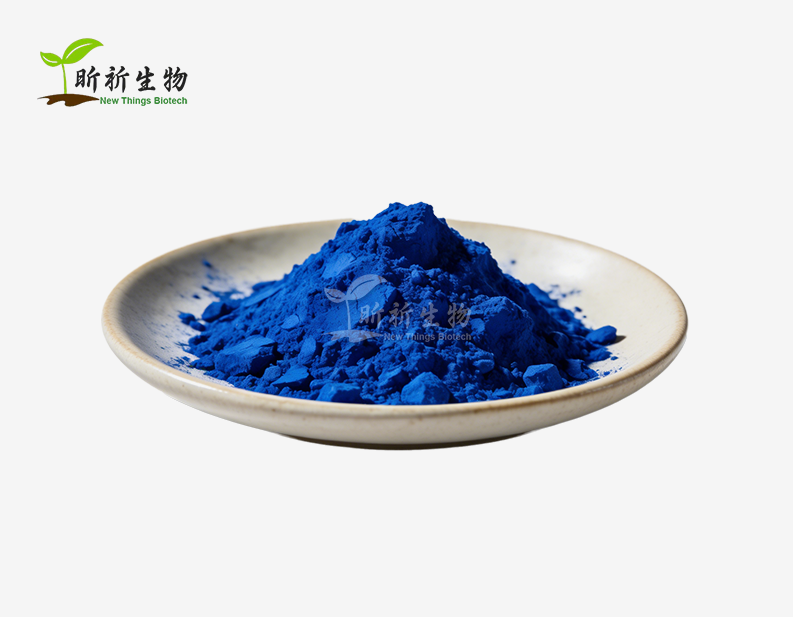
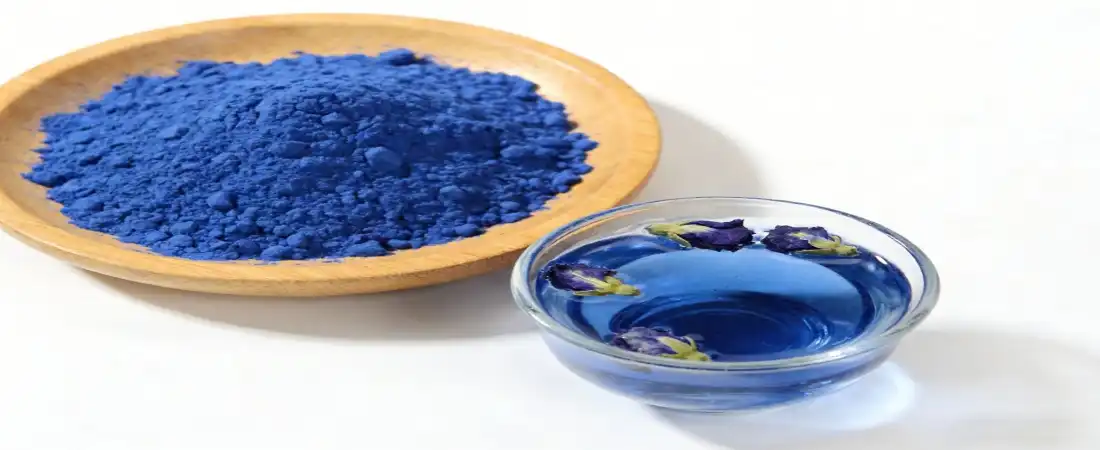
Butterfly pea powder is mostly used to naturally add color to foods, help with antioxidants, and add a caffeine-free plant choice to drinks and vitamins. Blue Matcha Butterfly Pea Flower Powder comes from Clitoria ternatea flowers. It is bright blue and good for you because it helps your brain, reduces inflammation, and makes your skin healthier. Many businesses that want to use clean labels and plant-based solutions for today's health-conscious customers like to use this ingredient. It can be found in drinks, makeup, functional foods, and dietary supplements.
Introduction
Butterfly pea powder is now a natural ingredient that is changing the way business-to-business markets around the world do business. People in charge of buying things in the diet, animal feed, makeup, and food businesses are interested. There is one type of Blue Matcha Butterfly Pea Flower Powder that stands out because it looks great and has many useful properties that go beyond looks. And more and more, producers, wholesalers, and original equipment makers (OEMs) see this plant extract as an important part that meets customer needs for being open, long-lasting, and effective. Buyers and people who make products can use our guide to learn about butterfly pea powder's plant roots, nutritional makeup, useful uses, and where to get it. Knowing about these things helps people choose what to buy and speeds up the creation of new goods in markets with a lot of competition. This full guide tells you everything you need to know about butterfly pea powder so you can use it in your goods in the best way possible, whether you're making natural makeup, useful drinks, or food supplements.
Understanding Butterfly Pea Powder and Blue Matcha Butterfly Pea Flower Powder
Botanical Origins and Processing Distinctions
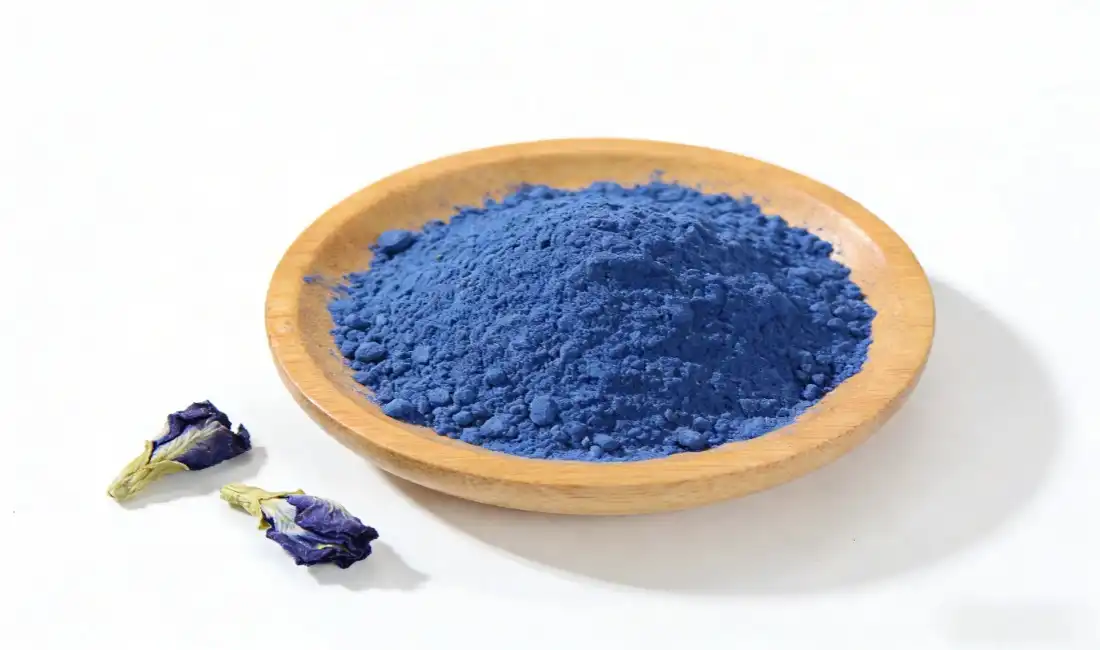
The flowering plant Clitoria ternatea L., which is native to Southeast Asia, is used to make butterfly pea powder. The flower petals are carefully picked, dried, and then ground at low temperatures to keep the good chemicals inside. Blue Matcha Butterfly Pea Flower Powder is made with a more advanced process that makes ultra-fine particles (80 mesh) that mix better and look and feel like regular green tea matcha, but don't have any caffeine. There are a lot of differences between how the product works and how it is made. The peas are left to dry in the air and then milled in the usual way to make standard butterfly pea powder. One way to make Blue Matcha Butterfly Pea Flower Powder is to freeze-dry or hydro-distill the peas and then grind them up very small. With this more advanced processing, more of the anthocyanins, especially ternatins, that give fruit its blue color are kept. These make the fruit more antioxidant-rich. At different pH levels, these small technical differences make a big difference in how stable the mix is and how bright the colors are.
Nutritional Profile and Health-Centric Composition
Because it is high in nutrients, butterfly pea powder is useful for more than just how it looks. You can find powerful antioxidants in this plant product. It has flavonoids, anthocyanins, and polyphenolic substances. At the level of cells, these help fight reactive stress. The mineral content has small elements that help the body do many things, and the amino acid profile has building blocks that are needed for digestion to work. Like green matcha, butterfly pea powder comes from the Camellia sinensis plant, but it doesn't have any caffeine in it. Being useful without being stimulating, it's a great ingredient for drinks in the evening, products for kids, and mixtures for people who want useful ingredients. Tannins and other flavonoids in it make it very stable at different temperatures. In other words, you can use it for hot or cold drinks. For health or personal reasons, some people don't want to use drugs. This plant profile without caffeine opens up Blue Matcha Butterfly Pea Flower Powder the market to those people.
What Is Butterfly Pea Powder Good For? – Health and Industrial Applications
Cognitive Support and Neuroprotective Properties
Butterfly pea powder has good things in it that are good for your brain in many ways. Neurons are protected by the anthocyanin content because it lowers oxidative stress in brain cells. Oxidative stress is a major cause of memory loss. Researchers say that these chemicals may make acetylcholine work better. Acetylcholine is a neurotransmitter that helps us learn and remember things. People who make nootropic pills or functional drinks that are meant to make people smarter can use these traits to make scientifically sound products that older people and workers who want to get smarter will like. There are chemicals in butterfly pea powder called flavonoids that can get into the brain through the blood-brain barrier and protect nerve cells directly. Because of this, it is often found in vitamins meant to keep brain health in good shape over time. When companies use this ingredient in their products, they can sell them as natural options to nootropics made in a lab. People who care about their health and want plant-based brain support without the bad effects of drugs will like this.
Anti-Aging and Skin Health Applications
Butterfly pea powder is good for anti-aging items that you eat or put on your face because it has polyphenols and anthocyanins in it. These things stop collagen from breaking down by getting rid of free radicals, which make skin age faster. The anti-inflammatory properties lower cellular stress factors that are linked to getting old quickly. This means it can be used in beauty-from-within vitamin lines and functional drinks that are sold to improve skin health. Beauty companies put butterfly pea extract in their products because it naturally colors things and gives them vitamins. There are many carrier bases that the powder melts easily in, which gives formulators a lot of choices when they are making new goods. Some hair care items, face masks, and serums don't need to use dyes because the plant itself is blue. There is a clean-beauty style going on in both the US and Europe that this fits with. Because it reduces inflammation, it can also help with solutions for sensitive skin, lowering swelling, and getting skin back to normal after surgery.
How to Use Blue Matcha Butterfly Pea Flower Powder Effectively
Preparation Methods for Large-Scale Production
In manufacturing, there needs to be standardization in the way things are prepared so that each batch of products has the same quality. Blue Matcha Butterfly Pea Flower Powder dissolves best in waters that are between 60°C and 80°C (140°F to 176°F). But cold dispersion is still possible if you stir it enough. Pressure rates on industrial mixing equipment should be kept at a healthy level to keep anthocyanin from breaking down and to make sure that all the particles are fully mixed and moist. Fine 80-mesh particles make the powder good for dry mixing because they make sure that powder recipes are spread out evenly and don't separate while they're being kept. No changes need to be made to the tools used to make pills or tablets when the material is added. Depending on the benefits that are wanted, between 200 and 500 mg are usually added per serve. To make sure that colors are the same from batch to batch, which is important for brand recall, spectrophotometers should be used in quality control.
Optimal Dosage and Formulation Strategies
What the person wants to achieve with the drug affects the dosage that is recommended. People who work in buying and making things can set basic standards with the help of the average range across different uses:
- Beverage Applications: Adding 0.5 to 2% of the liquid gives it enough color, Blue Matcha Butterfly Pea Flower Powder, and health benefits without making the flavors taste bad or making you feel worse.
- Dietary Supplements: 200–600 mg per serving is the suggested amount for cognitive and anti-aging benefits, and it gives a lot of antioxidant support.
- Cosmetic Formulations: A range of 0.1 to 1% in facial products is a good amount to get color while keeping ingredient costs low and skin safety in mind.
- Food Products: Adding between 0.3% and 1.5% by dry weight can make baked goods, sweets, and hot foods look and work better.
People use these standards as a place to start when they are making new formulas. Even though the product will be stored in a certain way, it is still important to test its safety there. This is because changes in pH, temperature, and light exposure can affect the structure and color of bioactive chemicals over time.
Synergistic Blending with Complementary Botanicals
Mixing butterfly pea powder with plant-based ingredients that work well with it and help with more than one health goal at the same time can make goods work better. It's better for your brain in more than one way when you add adaptogenic plants like rhodiola or ashwagandha to drinks. The antioxidant profiles come together when you mix with green tea extract. The caffeine amount is also kept in check so that people who want good energy can get it. They make the antioxidants work better and keep the color longer when mixed with vitamin C products in makeup. When beauty products mix them with hyaluronic acid, they make treatments that keep skin moist from the inside out. Butterfly pea powder has a neutral flavor that works well with a lot of different plants. There is a lot of room for creativity at this point. It's still very important to test for stability when making mixes with more than one ingredient, because changes in pH from some plants can cause color changes that change how the product looks and how people feel about it.
Choosing the Right Blue Matcha Butterfly Pea Flower Powder Supplier
Quality Certifications and Organic Sourcing Verification
Procurement workers have to test sellers against strict quality standards to make sure rules are followed and reduce risks in the supply chain. One important certification is ISO9001 for quality control systems. This shows that the way things are made is standard and the results are always the same. Religious food items can get into more stores with ease thanks to the KOSHER and HALAL approvals. This is very helpful in North America and Europe, where economies are very different. Testing by a third party is a safe way to check for heavy metal levels, bacterial loads, and pesticide residues. A Certificate of Analysis (CoA) is sent with every batch by sellers you can trust. This proves that the item has the right amount of anthocyanin and doesn't contain any other potentially dangerous chemicals. If organic approval is available, it might help your application rank higher, but not all apps need it. It's important for suppliers to be clear about where their goods come from and how they are grown so that buyers can make choices based on social and environmental factors that are becoming more important to them.
Pricing Frameworks and Quality Parameters
A lot of different quality factors affect how much something costs per kilogram. These quality factors have a direct link to how well the plan works and how the finished product turns out. When purchasing managers get quotes from different providers, they shouldn't just pick the one with the cheapest unit cost. They should also compare prices based on important quality factors. It is clear that color brightness, anthocyanin concentration, and the way things look in the end are all connected by standardized color space values. Better quality grades cost more, but they work better and need lower inclusion rates, which could make up for the difference in cost. Most price schemes for bulk items let you save money by getting a certain amount at once. As a general rule, the minimum order size is between 10 kg and 25 kg, and prices go down at 50 kg, 100 kg, and 500 kg or more. People who do business with you often can get better prices, consistent quality, and a steady supply when they sign a long-term supply deal. Buyers should ask for samples before they place a large order. This lets tests of formulations see if they work well and are compatible with certain uses.
Why Blue Matcha Butterfly Pea Flower Powder Is the Preferred Choice for B2B Buyers
Market Trends Driving Natural Ingredient Adoption
Around the world, more and more people who care about their health, Blue Matcha Butterfly Pea Flower Powder, and don't trust man-made additives are buying "clean label" products. Butterfly pea powder goes well with this style. It looks good and is good for you without adding any color or stimulation. A study of the market shows that health-conscious people are picking caffeine-free choices more and more, especially for drinks in the evening and products for kids and pregnant women who are more likely to be sensitive. As time goes on, regulations are shifting in favor of natural chemicals over man-made ones. Some blue dyes that are made in the European Union are limited or require warning signs. Companies that use natural dyes find it hard to follow the rules because of this. Blue Matcha Butterfly Pea Flower Powder is a sensible choice that will meet the needs of large markets now and in the future when rules change. The plant is GRAS (Generally Recognized as Safe) in the US, which makes it easier to make new goods and faster to get them on the market than new man-made choices that need a lot of safety paperwork.
Competitive Advantages Over Alternative Botanicals
Butterfly pea powder is different from other natural colorants and useful plants in ways that make it a good choice for high-end recipes. Spirulina and blue-green algae are both blue, but they have strong tastes that make them less useful and may cause allergies in people who are sensitive. It takes a lot more of the anthocyanins found in purple sweet potatoes or red cabbage to get the same amount of color strength. It costs more and might change the taste and structure of the recipe. Other natural colorants don't have the pH-reactive color change, which makes this one very useful. It helps you make your goods stand out so people will buy them. Limited-edition releases, seasonal changes, and interesting marketing that make people love the brand and share it on social media are all possible because of this trait. The antioxidant makeup, especially the ternatin compounds, backs up health statements that have been proven by study. This helps get higher prices and better locations in places with a lot of competition.
Innovation Opportunities Through Supplier Collaboration
Purchasing managers who are ahead of the curve know that working together with suppliers to make new goods and quickly adapt to changes in the market is a valuable tool. It is possible to get custom formulas, standardized extract versions, and one-of-a-kind ingredient solutions that give you an edge over your competitors if you work with plant extract sources that can do research and development. Before going ahead with a full launch, suppliers with adjustable minimum order amounts and custom packing can help test a product's success in the market. New ingredients are always being made because the world of useful foods and drinks is always changing. Because butterfly pea powder is so versatile, it can be used to make a lot of different things. Nootropic pills can help your brain, and beauty drinks can keep your skin healthy and make you look good on Instagram. The cost of research and development goes down, and the time it takes to make new goods goes down when suppliers offer science papers, formulation ideas, and legal help. This way of working together is very helpful when you're going into new markets or making things for groups of people who have specific wants and needs.
Conclusion
Butterfly pea powder, especially the refined Blue Matcha Butterfly Pea Flower Powder type, is a strategic ingredient that meets many buying goals at once, such as offering a clean label, working well, and following the rules. Because it can be used in food, health products, cosmetics, and functional drinks, it is useful enough to put money into sources and build relationships with vendors. When procurement experts know where the plants come from, how they are handled, what quality standards are used, and how they are used, they can make smart decisions that improve product lines and help the company stand out in the market. More and more people want natural products that can be used for more than one thing. To take advantage of new opportunities in the food, beauty, and health industries, producers can set up reliable supply lines for premium butterfly pea powder.
FAQ
1. Does Blue Matcha Butterfly Pea Flower Powder contain caffeine?
Although it has the word "matcha" in its name, Blue Matcha Butterfly Pea Flower Powder does not have any caffeine in it. Tea leaves called Camellia sinensis are used to make traditional green matcha. On the other hand, this powder is made from butterfly pea flowers and doesn't contain any chemicals. This means it can be used all day, at night, and in things for people who don't want coffee.
2. What is the recommended storage method to preserve color and potency?
Do not put butterfly pea powder near heat or light sources. Store it in containers that do not let air in. It is best to store things at temperatures between 15°C and 25°C (59°F and 77°F) and with less than 60% humidity. For 18 to 24 months, the amount of anthocyanin and the brightness of the color stay the same. People who buy in bulk should use containers that keep water out and follow rules about how to switch out their goods.
3. Which certifications verify quality for bulk purchasing?
Some important licenses for business-to-business purchases are ISO9001 for quality control, KOSHER and HALAL for religious food needs, and proof that the product has been tested by a third party. Each batch should have a Certificate of Analysis that says how pure it is, how much anthocyanin it contains, and that it doesn't have any toxins like heavy metals, pesticides, or microbial loads that are higher than what is safe.
Partner with NT Biotech for Premium Blue Matcha Butterfly Pea Flower Powder Supply
You can depend on NT Biotech to give you Blue Matcha Butterfly Pea Flower Powder. They sell plant products that are 100% pure and are verified by ISO, KOSHER, and HALAL. The most anthocyanin is kept in our special low-temperature handling, and we can ship within 2 to 4 days of getting your order approval. We give away free samples so that you can try the formula before you decide to buy a lot of it. When you buy at least 10 kg from us, our prices are low, and we give you full expert help and CoA paperwork with every batch. If you have any questions, our friendly staff will get back to you within two hours, and they can also help you stick to your product development plan by giving you advice. Email us at info@newthingsbiotech.com to get samples, talk about different ways to package our Blue Matcha Butterfly Pea Flower Powder for sale, or learn how it can help your business meet the best quality standards.
References
1. Jeyaraj, E.J., Lim, Y.Y., & Choo, W.S. (2021). Extraction methods of butterfly pea (Clitoria ternatea): A review. Journal of Food Science and Technology, 58(6), 2054-2067.
2. Neda, G.D., Rabeta, M.S., & Ong, M.T. (2013). Chemical composition and anti-proliferative properties of flowers of Clitoria ternatea. International Food Research Journal, 20(3), 1229-1234.
3. Chusak, C., Thilavech, T., Henry, C.J., & Adisakwattana, S. (2018). Acute effect of Clitoria ternatea flower beverage on glycemic response and antioxidant capacity in healthy subjects. BMC Complementary and Alternative Medicine, 18(1), 6-14.
4. Lakshan, S.A.T., Jayanath, N.Y., Abeysekera, W.P.K.M., & Abeysekera, W.K.S.M. (2019). A commercial potential of butterfly pea (Clitoria ternatea L.) in health and food applications. Journal of Pharmacognosy and Phytochemistry, 8(1), 1284-1287.
5. Escher, G.B., Marques, M.B., do Carmo, M.A.V., Azevedo, L., & Granato, D. (2020). Clitoria ternatea L. petal bioactive compounds display antioxidant, antihemolytic and antihypertensive effects. Food Research International, 128, 108763.
6. Srichaikul, B., & Bunsang, R. (2016). Evaluation of color stability and antioxidant activity of butterfly pea (Clitoria ternatea Linn.) petal extracts. Thai Journal of Agricultural Science, 49(2), 83-94.