- English
- French
- German
- Portuguese
- Spanish
- Russian
- Japanese
- Korean
- Arabic
- Greek
- German
- Turkish
- Italian
- Danish
- Romanian
- Indonesian
- Czech
- Afrikaans
- Swedish
- Polish
- Basque
- Catalan
- Esperanto
- Hindi
- Lao
- Albanian
- Amharic
- Armenian
- Azerbaijani
- Belarusian
- Bengali
- Bosnian
- Bulgarian
- Cebuano
- Chichewa
- Corsican
- Croatian
- Dutch
- Estonian
- Filipino
- Finnish
- Frisian
- Galician
- Georgian
- Gujarati
- Haitian
- Hausa
- Hawaiian
- Hebrew
- Hmong
- Hungarian
- Icelandic
- Igbo
- Javanese
- Kannada
- Kazakh
- Khmer
- Kurdish
- Kyrgyz
- Latin
- Latvian
- Lithuanian
- Luxembou..
- Macedonian
- Malagasy
- Malay
- Malayalam
- Maltese
- Maori
- Marathi
- Mongolian
- Burmese
- Nepali
- Norwegian
- Pashto
- Persian
- Punjabi
- Serbian
- Sesotho
- Sinhala
- Slovak
- Slovenian
- Somali
- Samoan
- Scots Gaelic
- Shona
- Sindhi
- Sundanese
- Swahili
- Tajik
- Tamil
- Telugu
- Thai
- Ukrainian
- Urdu
- Uzbek
- Vietnamese
- Welsh
- Xhosa
- Yiddish
- Yoruba
- Zulu
It has been turned into a strong plant ingredient that is used in many areas, from high-tech skin care items to food, and gotu kola extract for skin supplements. Centella asiatica is the source of this traditional medicine, which is very good for you, especially for your skin. Because it has many asiaticoside and triterpene chemicals, gotu kola extract for skin helps your body make collagen. This helps wounds heal faster and reduces the visible signs of aging. This flexible product can be used on the skin, but it can also help the brain work better, protect cells from damage, and improve circulation. This makes it a great raw material for people who buy things for other businesses and want plant-based ingredients that have been shown to do more than one thing.
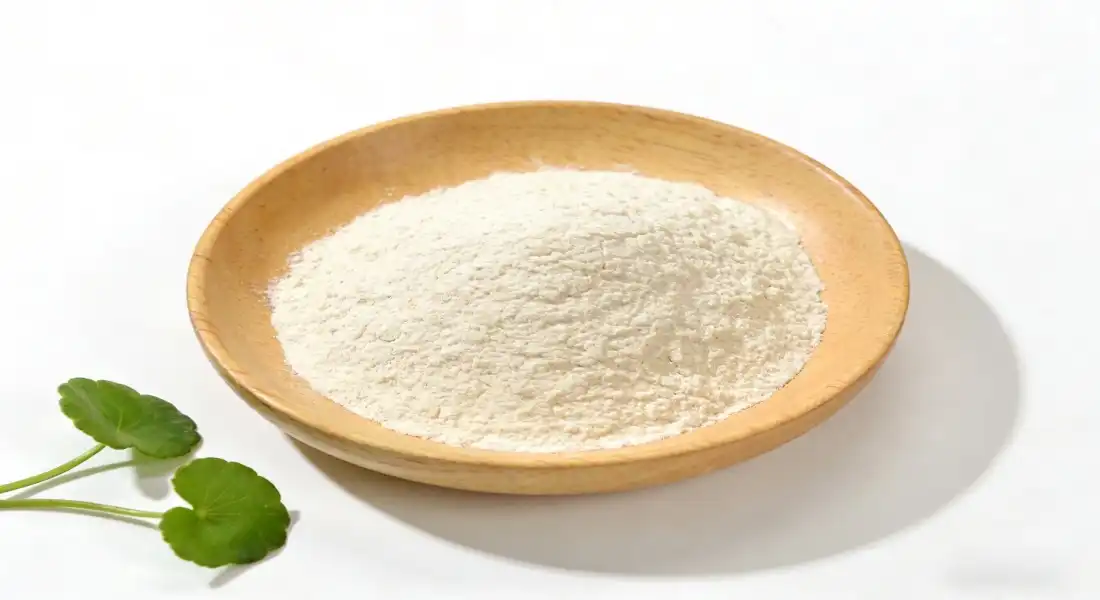
Understanding Gotu Kola Extract and Its Skin Benefits
Find out more about gotu kola extract and how it can help your skin. It is a plant in the Apiaceae family that has been used in traditional medicine for hundreds of years. It is also known as gotu kola. The amazing plant gives us an extract that is mostly made up of good chemicals that come from the plant's stems, leaves, and roots. The main ingredients that work are triterpenoids, which include asiaticoside, madecassoside, asiatic acid, and madecassic acid.
The Biochemical Mechanisms Behind Skin Regeneration
Gotu kola extract makes the face better by increasing the number of fibroblasts. Fibroblasts are cells that make collagen and keratin. A study in humans has shown that asiaticoside increases the production of Type I and Type III collagen. This makes the skin stronger and more flexible. Because of this process, this ingredient is being used more and more in skin-regenerating and anti-aging serums.
Clinical Evidence Supporting Skin Health Applications
New studies in dermatology have shown that putting gotu kola extract on the skin makes it more hydrated, better able to protect itself, and able to heal cuts faster. A well-known study found that after eight weeks of daily use, people whose skin had products with standardized asiaticoside had 32% more wetness. Not only does the ingredient reduce inflammation, but it also makes sensitive skin less red and itchy.
Addressing Common Skin Conditions Naturally
Gotu kola extract can help with a number of health issues. Because it reduces inflammation and kills germs, it's good for acne-prone skin because it stops new sores from appearing and swelling after an inflammation. The extract makes the top layer of skin stronger and keeps it from drying out, which makes people with eczema feel better. Scars from surgery or an accident respond well to the extract's ability to change the structure of collagen. The scars get smoother and less visible over time.

Gotu Kola Extract for Targeted Skin Problems: A Solution-Oriented Approach
A buying worker who wants to place things well in a competitive market needs to know how this plant can help with some skin problems. The extract can be used to make goods that meet the wants of a wide range of customers, such as gotu kola extract for skin, because it can do more than one thing.
Acne Management and Scar Reduction
There are chemicals in gotu kola extract for skin that stop inflammation. These chemicals stop oil from oxidizing and stop the process of inflammation that leads to acne. The extract not only stops acne from coming back, but it also helps existing spots heal faster and lessens the scars that acne leaves behind. By making more collagen and stopping too much scar tissue from forming, products with this chemical help people get better, more even-toned skin. The extract stops the creation of keloids because it can change how cells work. This makes it very helpful for people who often get scars that get bigger than they should be.
Anti-Aging Formulation Advantages
Fine lines, wrinkles, and a loss of stiffness can be seen over time because the body makes less collagen and free radicals damage it. They are both taken care of by gotu kola extract at the same time. Because it has triterpenoids in it, fibroblasts work harder, which directly makes the skin layer make more collagen and elastin. On the other hand, the antioxidants in the substance fight free radicals, which make cells age faster. Standardized extracts with asiaticoside amounts between 10% and 90% can help skin care brands for older people. It depends on how the product is positioned and how strong the brand wants it to be.
Barrier Repair for Sensitive and Dry Skin
Too much water can leave the body through the epidermis when skin layers are broken. This dries out the skin, makes it more tender, and makes allergens more likely to hurt it. Gotu kola extract makes the barrier work better by increasing the production of ceramides and improving the organization of lipids in the stratum corneum. For sensitive skin, this extract helps in two ways: it calms the skin right away, and over time, it makes the barrier stronger. All dermatology tests still show that it is very safe, with very few side effects seen even in sensitive groups.
Comparing Gotu Kola with Other Natural Skincare Ingredients
Many times, when buying something, you need to look at more than one plant choice to find the best ones. Gotu kola extract compares to other well-known natural ingredients. This helps you pick ingredients that fit the image of your brand and appeal to the people you want to reach.
Distinguishing Gotu Kola from Centella Asiatica
The plant species that goes by both names is called Centella asiatica. Language is different because of how people in that place name things, not because of different plants. Not all brands sell the same "centella asiatica extract" or "gotu kola extract for skin," but when it comes from Centella asiatica (L.) Urban, the active ingredient profile stays the same. When buying something, the person in charge should not only look at the popular name, but also the Latin name and ask for records of analysis that show the asiaticoside content.
Functional Comparison with Aloe Vera and Hyaluronic Acid
As soon as you put aloe vera on sensitive skin, it feels better and stays moist on top. It can hold up to 1,000 times its own weight in water, which shows how good it is at keeping water. On the other hand, gotu kola extract helps the body heal itself more deeply by fixing broken tissue at the molecular level and making the body make more collagen. Hyaluronic acid moisturizes right away, aloe calms the skin's surface, gotu kola extract for skin and gotu kola extract make the structure better over time. These items are often mixed in current recipes in ways that make them work well together.
Contrasting Anti-Inflammatory Profiles with Turmeric
Gotu kola extract and turmeric can both help lower swelling, but they do so in different ways. In turmeric, there is a chemical called curcumin that blocks COX-2 and lowers inflammation all over the body. Gotu kola has chemicals called triterpenoids that change some inflammatory pathways. These changes help the skin heal, especially the pathways that close up cuts and make scars. Often, formulators who work on rosacea, acne, or other skin conditions that cause inflammation get the best results when they mix the two products in the right amounts.
Delivery Format Considerations: Creams, Serums, and Beyond
The extract is absorbed in different ways based on how it is given. Serums with smaller molecular weight carriers can get deeper into the skin, which makes collagen-stimulating ingredients work better in the dermis. Cream-based products are good for dry or older skin because they keep the skin comfortable for longer and protect it better. Teams in charge of buying things should think about what the people they want to buy like. For instance, people in North America like lighter serums more and more, while people in Europe still want thick creams.
Procurement and Sourcing Gotu Kola Extract for Skincare Products
To get good gotu kola extract for skincare products, you need to carefully look at the sources and know the quality standards that separate high-quality raw materials from cheaper ones.
Identifying Reliable Manufacturing Partners
Botanical extracts come from a global supply chain that includes people who collect the raw materials, centers that extract them, traders, and specialized marketers. By working directly with extraction makers, you can usually get better quality control, help from experts, and a supply that you can count on. If a facility is certified as ISO9001, Kosher, or Halal, it means they are committed to quality control methods that make sure each batch is the same. When you're looking at possible partners, you should ask for a lot of details, like how the solvents will be used, how the quality will be checked, and the extraction method.
Quality Verification and Standardization
When extracts are standardized, they give formulators exact amounts of active chemicals. This lets them trust the results. It should be easy to see how much asiaticoside is in good gotu kola extract. Depending on what it's for, it should be 10% to 90%. Things that are used for intense treatments should have higher amounts, while things that are used every day should have normal amounts. High-Performance Liquid Chromatography (HPLC) should be used to check each batch's Certificates of Analysis. This confirms the amounts of active substances and looks for contaminants like heavy metals, pesticides, and microbes.
Pricing Structures and Value Assessment
A lot of things affect the price of an extract, such as how much asiaticoside it has, whether it is certified organic, how hard the extraction process was, and how good the seller's customer service is. Prices for raw powder extracts range from being cheap for 10% regular material to being pricey for 90% asiaticoside amounts. Professionals in procurement should not only look at the unit price, but also the total cost of ownership. This includes things like how dependable the supply is, how easy it is to get expert help, and how much paperwork there is for regulations. When suppliers offer free samples, customers can test out brand-new recipes before making big orders. This lowers the chance that the recipe will not work out during development.
Private Label and OEM Manufacturing Opportunities
There are a lot of extract companies, even specialized ones, that offer full OEM services. These let brands make their own recipes without having to build their own factories. It is possible for extraction factors, standardization levels, and package configurations to be changed so that each brand's needs are met. Because it takes less money and time to get goods to market with private label deals, it's easier to get into new markets. When you're looking for OEM partners, you should find out how creative they are, how much they know about the rules in the markets you want to enter, and how willing they are to change as your product line grows.
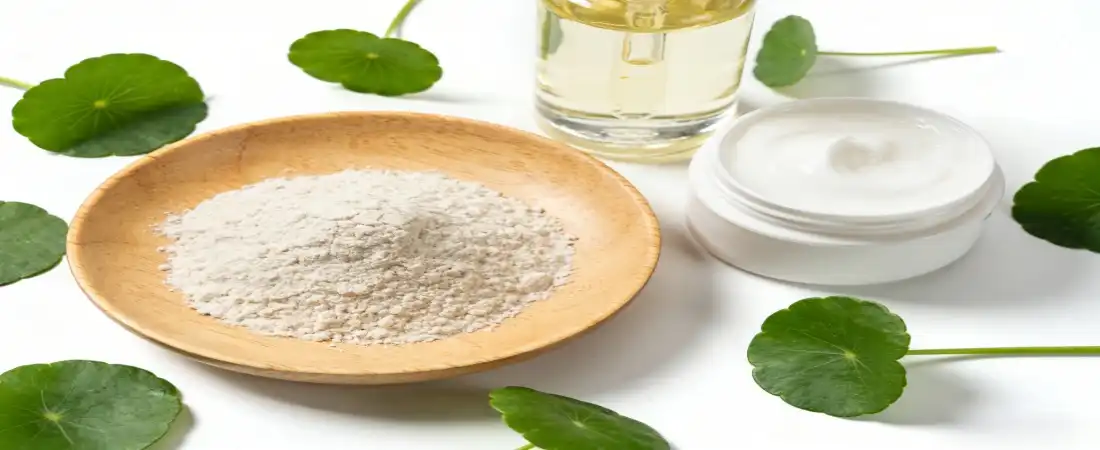
Best Practices for Using Gotu Kola Extract in Skincare Formulations
If you want to get the most health benefits from gotu kola extract, you need to pay attention to preparation science, problems with stability, and rules for selling in foreign markets.
Optimal Dosage Guidelines for Different Applications
Different skin care products use different amounts of gotu kola extract for skin, ranging from 0.5% to 5% of the total weight of the product. This depends on how the asiaticoside is measured and where the product is placed. More, up to 10%, may be used in intensive treatment items like serums that reduce scars. On the other hand, creams that you use every day work just as well, even though they hold less. Different amounts of the extract work better or worse, but scientists working on preparation have to find a good mix between how well it works, how it tastes, and how much it costs. Tests of stability over the intended shelf life show that the amounts of active chemicals stay within the ranges that are allowed for different storage conditions.
Formulation Compatibility and Synergistic Blends
Gotu kola extract works well with many chemicals used in makeup, such as stabilizers, emulsifiers, and other plants that work well. Things work better when they are put together in ways that work well. For example, adding vitamin C to the extract makes the body make more collagen, and niacinamide helps the barrier-strengthening properties of the extract. Anti-aging goods that work on many levels at once are made up of different peptides mixed together. It is safer for the extract to stay between pH 5.0 and 6.5, which also helps the skin's natural acid layer. Vitamin E and ferulic acid are examples of antioxidants that keep the triterpenoids in the extract from breaking down due to oxidation while it is being stored.
Stability and Preservation Strategies
When kept properly, the brownish-yellow to off-white powder form of the extract is more solid than the liquid form. It breaks down less quickly. When adding bioactive chemicals to finished products, it's important to find ways to keep them safe from germs without taking away from their function. Chelating agents, like EDTA, stop rusting that is caused by metals. This makes the item last longer. Photosensitive ingredients stay fresh in packaging that blocks light, like clear or dark glass cases. Testing for long-term performance at high temperatures speeds up the stability process. This makes sure that products work as long as they're meant to.
Regulatory Compliance Across Global Markets
There are a lot of different rules about makeup around the world, so companies that sell their goods in more than one country need to be very careful when reading these rules. It has been used for a long time, and officials in big areas like the US, EU, and Asia-Pacific have accepted it because there is a lot of information about how safe it is. It is easy to follow chemical statements when INCI names are standardized (Centella Asiatica Extract). As needed by the end markets, phytosanitary certificates, non-GMO declarations, and allergen statements should all be part of the paperwork used to import goods. It is easier to follow the rules when providers keep up with current Good Manufacturing Practices (cGMP) and give full legal support files for international marketing.
Conclusion
Gotu kola extract for skin is a unique plant part that is useful in many ways. It works especially well in health goods, though. Some anti-aging products, acne treatments, and barrier repair solutions use it because it can help the body make more collagen, reduce inflammation, and speed up healing. People who want to buy from reliable sources should give more weight to sellers who are honest about how they do business by giving full records of quality, standard content, and legal licenses that are appropriate for the market they want to reach. The extract isn't just for skin problems; you can find it in health products and good foods as well. This means that brands that want to meet a lot of different customer needs have more ways to make their products. Brands can make one-of-a-kind products that give end users measurable results by working with manufacturers who can provide technical know-how, a steady supply chain, and the ability to create goods.
FAQ
1. Is gotu kola extract for skin safe for all skin types?
It has been shown in tests to be safe for a lot of different skin kinds, even hypersensitive and allergic skin. The extract stops pain from happening instead of making it worse because it has anti-inflammatory properties. You should still do a patch test before adding anything new, but it doesn't happen very often that something goes wrong. When pregnant or nursing, women should talk to their doctors before using strong items on their skin or in their mouth. Normal numbers, on the other hand, don't pose much of a risk.
2. How long before visible results appear?
How long you have to wait depends on the skin problem. You might notice changes in the structure and moisture of your skin after two to four weeks of daily use. It usually takes eight to twelve weeks for scars to fade and anti-aging benefits to become clear because collagen healing is a slow process. Some people may see changes happen faster when they use products with more asiaticoside, but how each person reacts depends on their age, skin health, and other beauty habits they have.
3. Can gotu kola extract be used in various product formats?
Of course. It can be used in creams, lotions, serums, masks, and even cleaners because it is chemically stable and has a wide pH range. This part of the recipe works well in both water-based and oil-based products. If you leave the extract on for more than two minutes, it works just as well in rinse-off products as it does in leave-on ones. It has been successfully added to sheet masks, overnight treatments, and spot treatments. This gives them the freedom to use different ways to make products.
Partner with NT Biotech for Premium Gotu Kola Extract Supply
NT Biotech sells pharmaceutical-grade Centella asiatica extract with asiaticoside amounts between 10% and 90%. This meets the high standards that improved skincare items need to have. Our company is an expert in providing gotu kola extract for skin. To make sure that our raw materials meet the standards set by governments around the world, we keep all the necessary quality certifications, such as ISO9001, Kosher, and Halal. A third-party HPLC study shows that our extraction plant works with whole herb materials in a way that keeps as many of the beneficial chemicals as possible while keeping the highest level of purity. As we all know, good business-to-business ties aren't just about getting things done. Our professional team helps with creation, gives advice on stability, and makes sure that the formal paperwork you need is exactly what your market wants. Supplier chain risks can slow down the release of new products. We get rid of these risks by having ready-to-ship stock that can be sent within two to four days and OEM services that are flexible enough to meet individual needs. Our 25 kg minimum order size is good for both new brands that are trying out new recipes and well-known brands that need a steady supply of big items. Leaders in sourcing and research and development should ask for free samples of our extract to see for themselves how good it is before they decide to buy it. Email us at info@newthingsbiotech.com to talk about how our reliable supply chain and professional relationship can help you make skin care products more quickly.
References
1. Bylka, W., Znajdek-Awiżeń, P., Studzińska-Sroka, E., & Brzezińska, M. (2013). Centella asiatica in cosmetology. Advances in Dermatology and Allergology, 30(1), 46-49.
2. Hashim, P., Sidek, H., Helan, M. H., Sabery, A., Palanisamy, U. D., & Ilham, M. (2011). Triterpene composition and bioactivities of Centella asiatica. Molecules, 16(2), 1310-1322.
3. Brinkhaus, B., Lindner, M., Schuppan, D., & Hahn, E. G. (2000). Chemical, pharmacological and clinical profile of the East Asian medical plant Centella asiatica. Phytomedicine, 7(5), 427-448.
4. Somboonwong, J., Kankaisre, M., Tantisira, B., & Tantisira, M. H. (2012). Wound healing activities of different extracts of Centella asiatica in incision and burn wound models: an experimental animal study. BMC Complementary and Alternative Medicine, 12(1), 103.
5. Maquart, F. X., Bellon, G., Gillery, P., Wegrowski, Y., & Borel, J. P. (1990). Stimulation of collagen synthesis in fibroblast cultures by a triterpene extracted from Centella asiatica. Connective Tissue Research, 24(2), 107-120.
6. Ratz-Łyko, A., Arct, J., & Pytkowska, K. (2016). Moisturizing and antiinflammatory properties of cosmetic formulations containing Centella asiatica extract. Indian Journal of Pharmaceutical Sciences, 78(1), 27-33.