- English
- French
- German
- Portuguese
- Spanish
- Russian
- Japanese
- Korean
- Arabic
- Greek
- German
- Turkish
- Italian
- Danish
- Romanian
- Indonesian
- Czech
- Afrikaans
- Swedish
- Polish
- Basque
- Catalan
- Esperanto
- Hindi
- Lao
- Albanian
- Amharic
- Armenian
- Azerbaijani
- Belarusian
- Bengali
- Bosnian
- Bulgarian
- Cebuano
- Chichewa
- Corsican
- Croatian
- Dutch
- Estonian
- Filipino
- Finnish
- Frisian
- Galician
- Georgian
- Gujarati
- Haitian
- Hausa
- Hawaiian
- Hebrew
- Hmong
- Hungarian
- Icelandic
- Igbo
- Javanese
- Kannada
- Kazakh
- Khmer
- Kurdish
- Kyrgyz
- Latin
- Latvian
- Lithuanian
- Luxembou..
- Macedonian
- Malagasy
- Malay
- Malayalam
- Maltese
- Maori
- Marathi
- Mongolian
- Burmese
- Nepali
- Norwegian
- Pashto
- Persian
- Punjabi
- Serbian
- Sesotho
- Sinhala
- Slovak
- Slovenian
- Somali
- Samoan
- Scots Gaelic
- Shona
- Sindhi
- Sundanese
- Swahili
- Tajik
- Tamil
- Telugu
- Thai
- Ukrainian
- Urdu
- Uzbek
- Vietnamese
- Welsh
- Xhosa
- Yiddish
- Yoruba
- Zulu
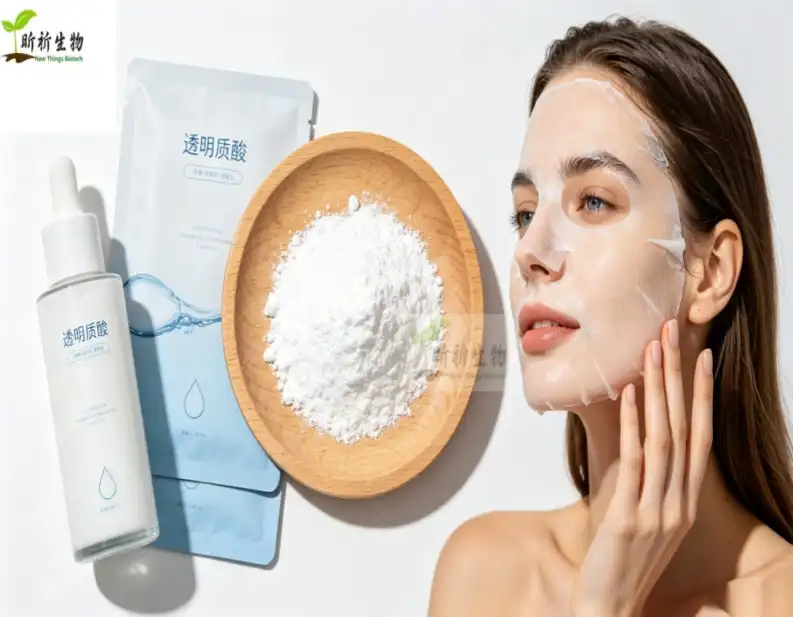
Hyaluronic acid powder bulk is the concentrated, dry form of sodium hyaluronate that is sold in large amounts for industrial or medicinal use. It is mostly made through microbial fermentation methods instead of animal extraction. Manufacturers of food supplements, useful drinks, cosmetic formulations, and pharmaceutical goods use this dehydrated raw material as their main active element. When B2B buyers get this powder form, they don't have to worry about stability issues or the costs of shipping that come with liquid solutions. They also have full control over customizing molecular weights, ranging from very low oligomeric grades to very high molecular weights, to meet specific formulation needs. This adaptability is very important for purchasing managers who need preservative-free ingredients that can be scaled up and down and work consistently from batch to batch across a wide range of commercial uses.
Bulk supplements hyaluronic acid is a go-to raw material for nutraceutical brands and contract manufacturers. The dry powder is a consistent and 99% pure ingredient, with a customisable molecular weight and lower logistics cost than liquid or pre-filled alternatives, while giving formulation teams full control over dosage, blending and end-product specifications.
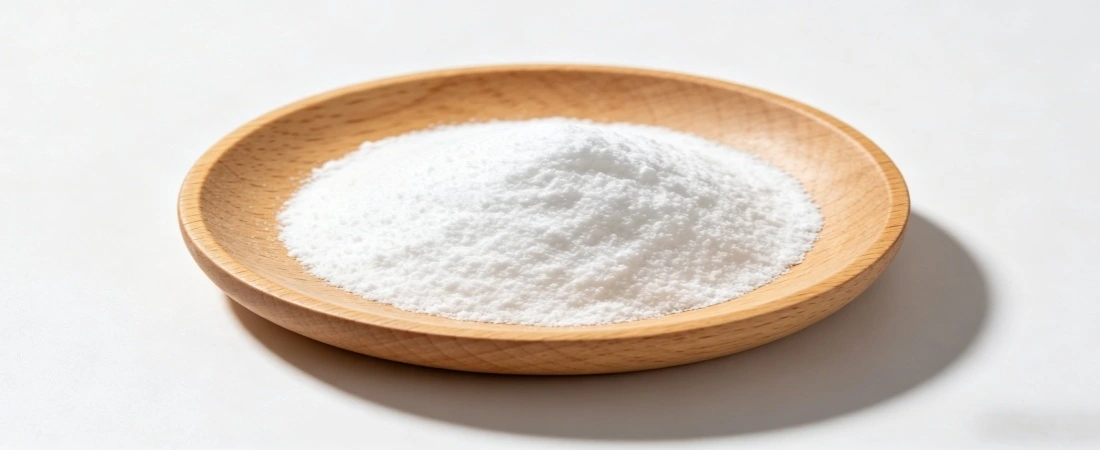
Understanding Hyaluronic Acid Bulk Powder
Chemical Structure and Molecular Identity
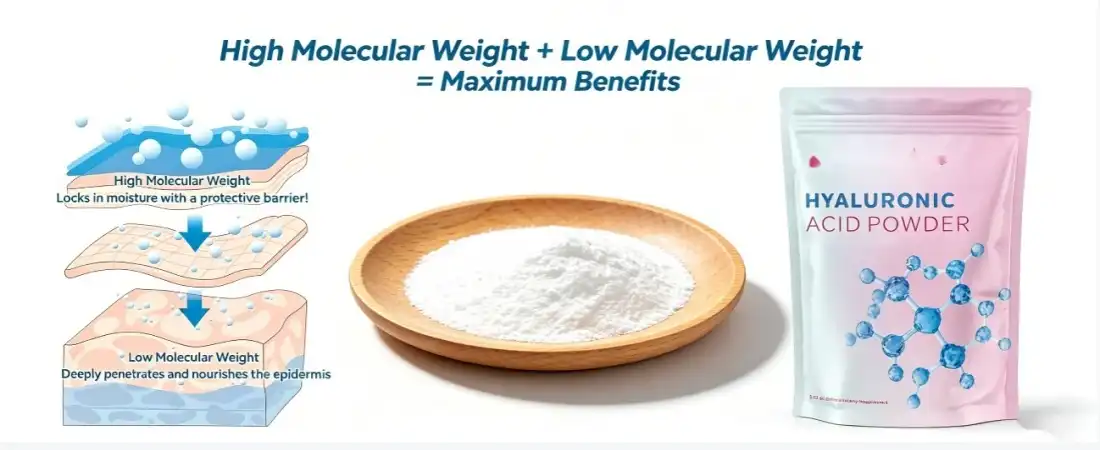
Hyaluronic acid is a straight polysaccharide of disaccharide units linking D-glucuronic acid and N-acetyl-D-glucosamine. This naturally occurring glycosaminoglycan shows high biocompatibility. Its chemical formula is (C14H21NO11)n with CAS number 9004-61-9. Molecular weight range significantly affects finished product performance. Low molecular weight (below 50 kDa) penetrates dermal layers effectively. High molecular weight (above 1,000 kDa) forms surface film barriers and improves joint lubrication properties for mobility support applications.
Production Methods and Purity Standards
Modern hyaluronic acid production uses bio-fermentation with Streptococcus zooepidemicus strains, yielding vegan-friendly raw materials without animal components. This method ensures high purity, typically 99% sodium hyaluronate content on dry basis. NT Biotech follows strict quality standards throughout production. The 80-mesh white powder meets international standards with ISO9001, Kosher, and Halal certifications. Each batch undergoes extensive testing confirming glucuronic acid content above 44.0% and moisture content below 10.0% for consistent stability and efficacy.
Distinction from Alternative Forms
Hyaluronic acid appears in various forms: pre-dissolved liquids, ready-to-use capsules, and sterile injectables. Bulk powder offers greatest benefits for manufacturers. Liquid formulations require preservatives and cold-chain operations, increasing cost and complexity. Pre-filled capsules limit customization and brand differentiation opportunities. Powder form enables precise concentration adjustments, blending with complementary ingredients like collagen or ceramides, and complete control over end-product specifications. This versatility makes sodium hyaluronate powder the preferred choice for R&D managers.
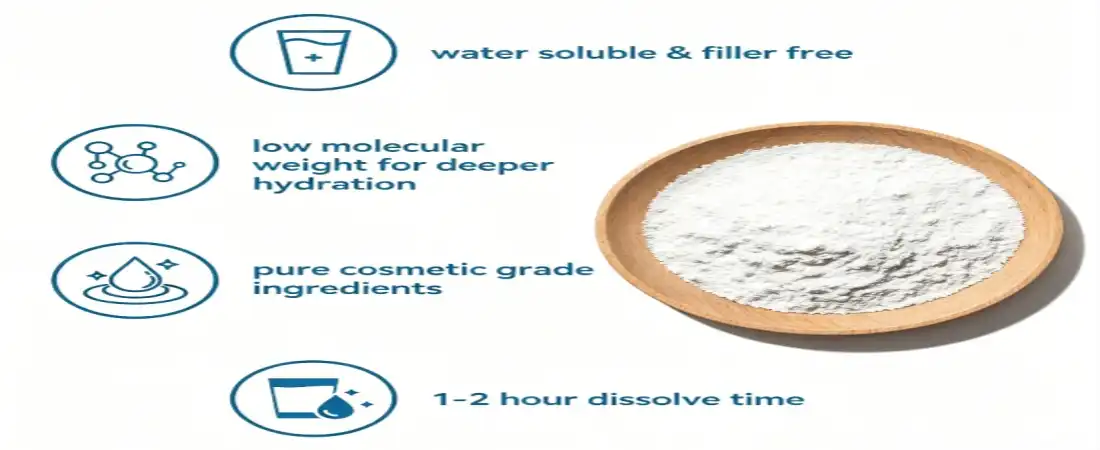
Benefits and Applications of Hyaluronic Acid Powder Bulk
Superior Hydration and Anti-Aging Properties
Hyaluronic acid's unique ability to hold 1,000 times its weight in water delivers enhanced skin hydration, increased elasticity, and visible reduction of dehydration-related fine lines. Incorporated into beauty-from-within products, HA maintains skin moisture balance internally, complementing topical applications. This ingredient particularly appeals to brands developing premium anti-aging supplements targeting remote workers, older demographics, or individuals with sleep-deprivation-related skin concerns. The science-backed efficacy supports strong consumer appeal and repeat purchases.
Joint Support and Mobility Enhancement
Beyond cosmetic benefits, hyaluronic acid serves as a critical component of synovial fluid, which cushions and lubricates joint spaces. Bulk HA powder supplementation helps maintain joint flexibility and comfort during daily movement while supporting management of normal joint wear associated with aging and active lifestyles. Hyaluronic acid's dual application for both beauty and joint health makes it a versatile ingredient for companies developing diverse health product lines serving active adults and seniors seeking natural mobility support.
Diverse Industry Applications
Hyaluronic acid powder bulk is used in many different types of manufacturing, and each one needs its own recipe factors. In food supplements, the powder mixes easily into hard capsules, tablets, and soft gels. Its flowability and tap density make it possible for high-speed automatic encapsulation equipment to work. When making beauty drink mixes and nutrition shots, functional beverage makers like how easily the powder dissolves. To get multiple levels of water, cosmetic formulators use different molecular weight grades in serums, creams, and masks. Even companies that make supplements for animals know that HA is good for helping animals' joints stay healthy and their tissues heal.
Here are the core advantages this versatile ingredient brings to manufacturing operations:
1. Formulation Flexibility: The powder form lets makers precisely control dosage, which lets them make unique product mixes that set their names apart in crowded markets. Whether you're making HA vitamins on their own or complicated blends that work well with glucosamine, chondroitin, or collagen peptides, the dry powder mixes easily without adding extra water or preservatives that could make the recipe less stable.
2. Extended Shelf Stability: Hyaluronic acid powder stays potent and effective for longer amounts of time than liquid versions, which need to be kept cool to avoid breaking down. When kept in a cool, dry place out of direct light, the powder doesn't get contaminated by microbes or break down due to oxygen. This means that less inventory is lost and the supply chain stays open longer, which is good for both makers and wholesalers.
3. Cost Efficiency at Scale: Buying powder in bulk cuts the cost of each item by a lot compared to buying ready-made options. Because the powder is so concentrated, it has smaller shipping weights and volumes, which has a direct effect on the cost of operations. When manufacturers buy in bulk, they can get economies of scale that let them spend their money on marketing, quality testing, and brand growth instead of paying more for raw materials.
Together, these benefits solve some of the most important production problems that supplement makers, functional food developers, and makeup formulators face when they are looking for reliable, high-performance ingredients that help them come up with new products and run their businesses more efficiently.
Storage and Handling Best Practices
Keeping the purity of an item requires paying attention to how it is stored and how it is handled. Hyaluronic acid powder is hygroscopic, which means it easily soaks up water from the air. This can cause it to clump and become less dissolvable. We suggest keeping the powder in sealed packages in controlled settings where the temperature stays between 15°C and 25°C and the relative humidity stays below 60%. When making the mixture, don't let the powder be exposed to pH levels that are too high or too low. This could damage the molecular structure and useful features. When turning powders back into solutions, the best results come from slowly dispersing them with gentle stirring instead of quickly mixing them, which can lead to foam formation.
Comparing Hyaluronic Acid Powder Bulk to Other Forms
Cost-Efficiency and Economic Considerations
A study of prices shows that buying powder is much more cost-effective than buying other types. Liquid hyaluronic acid solutions usually have active ingredient ratios of 1% to 5%. This means that makers pay a lot for the water weight during shipping but only get a small amount of useful material. Manufacturers could absorb the costs of encapsulation work, quality testing, and shipping that are built into the price of pre-filled pills. Due to strict legal standards and specialized processing, sterile injectable grades cost more than other grades. The bulk powder format gets rid of these middle-man costs, giving makers the most active ingredient for their money and letting them set the best prices for their finished goods.
Shelf Stability and Degradation Resistance
Comparing stability shows that hyaluronic acid powder bulk is clearly better in a number of preservation conditions. Enzymatic breakdown, pH shift, and microbe contamination are all risks that liquid products face, which is why they need preservative systems and cold-chain management. Studies show that liquid HA treatments may lose up to 30% of their effectiveness after six months of being left out in the open air. On the other hand, powder that is kept properly stays more than 95% effective for at least two years. This gives buying managers more inventory options and cuts down on waste from old materials. This difference in steadiness has a direct effect on the total cost of ownership, since powder that lasts longer means less reordering and the costs that come with that.
Application Suitability and Versatility
Based on how they are made and what they are used for, different types of products need different HA forms. When formulators start making topical cosmetics, they often start with powder. This lets them control when the powder hydrates and achieve the thickness profiles they want by controlling reconstitution. Supplement makers like powder because it's easier to package and control the amount. When making injectable medicines, you need to use sterile-filtered solutions that are made from very pure powder in a clean room. Knowing these connections between formats and applications helps procurement experts choose the best raw materials that match production skills and product standards. This way, they can avoid having to do expensive reformulation work or letting the performance of the product suffer.
Quality Verification and Certification Requirements
Quality control is still the most important thing for products that are meant to be eaten or put on the skin, no matter what form they come in. Reliable providers give full records, like Certificates of Analysis (CoA), that show purity tests, molecular weight distribution, endotoxin levels, heavy metal content, and bacterial testing results. Verification by a third party, like an independent lab, gives seller promises more weight. International certifications like ISO9001 show that a company is dedicated to quality management systems. Kosher and Halal certifications, on the other hand, let companies reach new customer groups. At NT Biotech, we know that for buyers who have to deal with complicated legal settings in multiple countries, the quality of the paperwork is often just as important as the quality of the product itself.
How to Procure Hyaluronic Acid Powder Bulk?
Supplier Evaluation Criteria
There are more than just price quotes to consider when choosing the right hyaluronic acid provider. Experience in manufacturing is important. Suppliers who have been in the nutraceutical products business for ten years or more bring useful process knowledge and well-established quality systems to the table. Production capacity and inventory depth show that the business can handle both original sales and future growth needs without any supply problems. Technical help, such as advice on preparation and application knowledge, is especially useful for buyers who are creating new product categories. Certification portfolios that show products meet foreign standards give buyers peace of mind that they will do so in North America, Europe, and the Asia-Pacific area, among other places.
Minimum Order Quantities and Pricing Structures
Buyers can make the best use of their purchasing plans for hyaluronic acid powder bulk when they understand MOQ standards and price tiers. NT Biotech has a 25 kg minimum order number for hyaluronic acid powder bulk and packages our products in standard drums, but we can make changes to the drums to fit your needs. This easy-to-reach starting point lets smaller brands and contract manufacturers get high-quality hyaluronic acid powder in bulk without large capital outlay. Larger purchases of hyaluronic acid powder bulk receive volume discounts with pricing reflecting production and shipping economies of scale. Transparency about pricing factors builds trust and lasting supplier relationships.
Logistics and Transit Considerations
Good transportation management keeps the quality of the product safe from the plant to the formulation center. We keep a stockpile of common standardized extracts that can be shipped within one to three business days of receiving an order confirmation for things that are in stock. Production orders usually take between three and ten working days, which includes checking the raw materials, using unique extraction methods, doing full lab tests, and finally packing them. We fit the shipping method—express messenger, air freight, or ocean transport—with the needs of the customer, taking into account speed, volume, and cost. Our established accounts with FEDEX and UPS allow for quick direct shipping from our building. Larger shipments that need special treatment and help with customs clearance are taken care of by trusted freight forwarders.
Regulatory Compliance and Documentation
To get around the rules for foreign trade, you need to keep detailed records and know the rules. People who want to import ingredients for making dietary supplements need to deal with sellers who know about FDA rules, such as NDI notices, GRAS status, and GMP compliance standards. Suppliers of cosmetic ingredients must show proof that their safety ratings and allergy claims are true. Our export paperwork package includes business invoices, packing lists, Certificates of Analysis, and regulatory compliance statements that make clearing customs easier and meet the needs of the import authority. We answer requests for documents within two hours because we know that procurement managers are working on tight project schedules and can't afford delays caused by paperwork that isn't complete.
Conclusion
For companies creating cutting-edge dietary supplements, functional foods, and cosmetic formulas, hyaluronic acid powder bulk is an important element. Its excellent ability to bind water, wide range of molecular weight options, and higher stability compared to liquid alternatives make it the medium of choice for brands that care about quality. To do good buying, you need to look at more than just price when deciding which providers to work with. You should look at their production experience, certifications, technical support, and the freedom of their transportation. The cost-effectiveness, longer shelf life, and formulation flexibility of the powder format directly support strategies for product creation and market difference. As more people look for beauty and health products that keep you hydrated, it's more important than ever to work with dependable suppliers who offer consistent quality, thorough paperwork, and quick service in order to stay ahead of the competition in global markets.
FAQ
1. What is the recommended dosage for cosmetic formulations?
Hyaluronic acid is usually found in cosmetics at levels ranging from 0.1% to 2.0%, based on the type of product and the thickness that is wanted. 0.5 to 1.0% is common for light serums, while up to 2.0% can be found in heavier creams. Choosing the right molecular weight has a big effect on the smoothness and entry properties. Low molecular weight grades make the skin feel lighter, while high molecular weight grades make the surface more moist.
2. How does powder stability compare to liquid forms?
For long-term stability, powder formulas are better than liquid options. Powder that is kept properly can keep its potency above 95% for at least two years, while liquid solutions may lose 30% of their strength in six months at room temperature. The powder form doesn't need any preservatives and saves money on shipping because the active ingredients are more concentrated and there is no extra water weight.
3. Are private labeling options available for OEM manufacturers?
Of course, NT Biotech offers full OEM support, which includes custom package layouts, private marking services, and help with formulating. We work with contract makers and brand owners to make unique goods that meet specific market positioning needs and are in line with regulations in all target markets. Our production methods are flexible enough to handle both small trial runs and big business orders.
4. What are bulk supplements hyaluronic acid best used for?
Bulk supplements hyaluronic acid is most typically sold as hard capsules, tablets, soft gels and beauty drink mixes where the free flowing powder lends itself to high speed encapsulation and accurate dosage. The same bulk supplements hyaluronic acid raw material is also used in joint-support products and topical cosmetics when combined with actives such as collagen or ceramides. NT Biotech produces pharmaceutical grade sodium hyaluronate powder (99% purity, 80 mesh, CAS 9004-61-9) for various applications. NT Biotech has ISO 9001, Kosher and Halal certification.
Partner with NT Biotech for Premium Hyaluronic Acid Powder Bulk Supply
NT Biotech can help you with your manufacturing projects by providing pharmaceutical-grade sodium hyaluronate powder that meets the strict needs of the global cosmetics and nutritional markets. We are more than just a supplier of raw materials; we are your long-term professional partner, helping you with formulation, legal issues, and making sure your supply chain is reliable, all of which help your brand grow. Our quality systems are backed by ISO9001, Kosher, and Halal certifications, and we've been exporting to makers in North America, Europe, and the Asia-Pacific region for over ten years. We can give your procurement team the stability and paperwork they need. Our quick service model ensures that we'll answer your questions within two hours, and because we keep an eye on our inventory, we can ship most orders within two to four days. Get a free sample by emailing our technical team at info@newthingsbiotech.com. Find out why top supplement brands choose NT Biotech as their preferred hyaluronic acid powder bulk supplier.
References
1. Bukhari, S.N., Roswandi, N.L., Waqas, M., Habib, H., Hussain, F., Khan, S., Sohail, M., Ramli, N.A., Thu, H.E., Hussain, Z. (2018). "Hyaluronic acid, a promising skin rejuvenating biomedicine: A review of recent updates and pre-clinical and clinical investigations on cosmetic and nutricosmetic effects." International Journal of Biological Macromolecules, 120, 1682-1695.
2. Keen, M.A. (2016). "Hyaluronic Acid in Dermatology." Skinmed, 14(5), 382-386.
3. Papakonstantinou, E., Roth, M., Karakiulakis, G. (2012). "Hyaluronic acid: A key molecule in skin aging." Dermato-Endocrinology, 4(3), 253-258.
4. Litwiniuk, M., Krejner, A., Speyrer, M.S., Gauto, A.R., Grzela, T. (2016). "Hyaluronic Acid in Inflammation and Tissue Regeneration." Wounds, 28(3), 78-88.
5. Necas, J., Bartosikova, L., Brauner, P., Kolar, J. (2008). "Hyaluronic acid (hyaluronan): a review." Veterinarni Medicina, 53(8), 397-411.
6. Fallacara, A., Baldini, E., Manfredini, S., Vertuani, S. (2018). "Hyaluronic Acid in the Third Millennium." Polymers, 10(7), 701.