- English
- French
- German
- Portuguese
- Spanish
- Russian
- Japanese
- Korean
- Arabic
- Greek
- German
- Turkish
- Italian
- Danish
- Romanian
- Indonesian
- Czech
- Afrikaans
- Swedish
- Polish
- Basque
- Catalan
- Esperanto
- Hindi
- Lao
- Albanian
- Amharic
- Armenian
- Azerbaijani
- Belarusian
- Bengali
- Bosnian
- Bulgarian
- Cebuano
- Chichewa
- Corsican
- Croatian
- Dutch
- Estonian
- Filipino
- Finnish
- Frisian
- Galician
- Georgian
- Gujarati
- Haitian
- Hausa
- Hawaiian
- Hebrew
- Hmong
- Hungarian
- Icelandic
- Igbo
- Javanese
- Kannada
- Kazakh
- Khmer
- Kurdish
- Kyrgyz
- Latin
- Latvian
- Lithuanian
- Luxembou..
- Macedonian
- Malagasy
- Malay
- Malayalam
- Maltese
- Maori
- Marathi
- Mongolian
- Burmese
- Nepali
- Norwegian
- Pashto
- Persian
- Punjabi
- Serbian
- Sesotho
- Sinhala
- Slovak
- Slovenian
- Somali
- Samoan
- Scots Gaelic
- Shona
- Sindhi
- Sundanese
- Swahili
- Tajik
- Tamil
- Telugu
- Thai
- Ukrainian
- Urdu
- Uzbek
- Vietnamese
- Welsh
- Xhosa
- Yiddish
- Yoruba
- Zulu
Choosing the right hyaluronic acid powder bulk is a smart choice that has a direct effect on how well the product works, how well it meets legal requirements, and how cheaply it can be made. Procurement experts have to look at a lot of technical and financial factors when they are looking for sodium hyaluronate powder for food supplements, functional drinks, or capsules. The right provider gives you regular purity levels—ideally 99%—along with a lot of paperwork, like Certificates of Analysis and batch traceability records. It is very important to know about differences in molecular weight, mesh size requirements, and verification standards such as ISO9001, Kosher, and Halal. This makes sure that your raw material works successfully in a wide range of formulations, from beauty-from-within capsules to joint support tablets. It also makes sure that your product meets the standards of foreign markets and supports your brand's image for quality and innovation.

Understanding Hyaluronic Acid Powder Bulk: Properties and Benefits
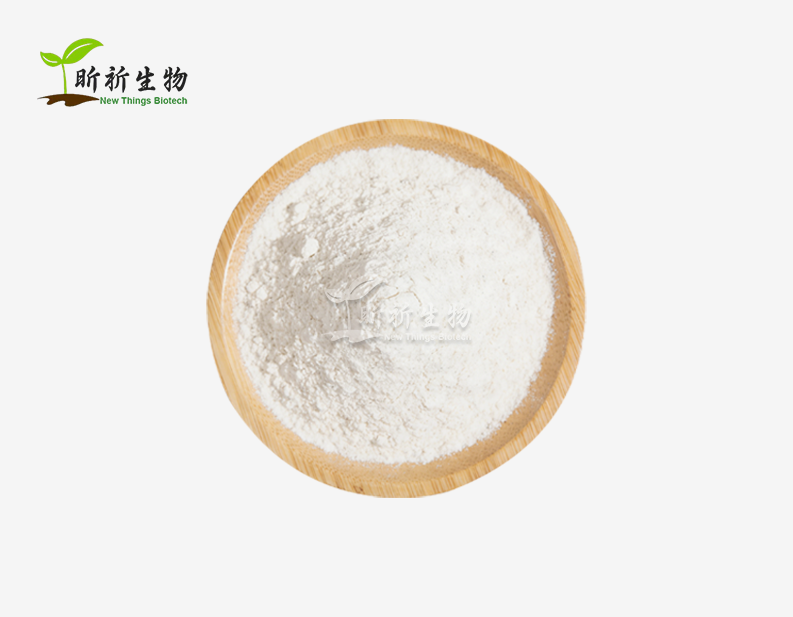
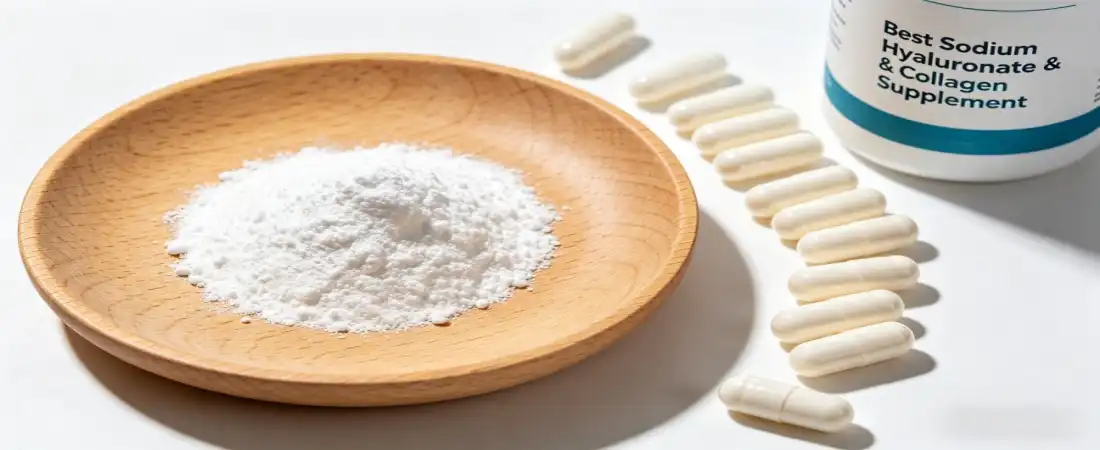
Hyaluronic acid, which is also called sodium hyaluronate in science, is a naturally occurring protein that is found in large amounts in skin, joints, and connective tissues. Its chemical structure, which is shown by the formula (C14H21NO11)n, makes it very good at holding water—up to 1,000 times its own weight. Because of this one-of-a-kind quality, it has become an important ingredient in the cosmetics, nutraceuticals, and pharmaceutical businesses. When bought as a hyaluronic acid powder bulk with particles that are 80 mesh and 99% pure, the material dissolves easily and can be used in a wide range of industrial processes.
Why Molecular Weight Matters in Bulk Procurement?
When looking for hyaluronic acid powder, molecular weight is the most important technical factor. Low molecular weight versions (below 50 kDa) penetrate tissue barriers better, suiting joint health products where absorption matters. High molecular weight options (above 1,000 kDa) excel at moisture retention and lubrication for topical formulas and beauty supplements. Middle ranges balance both traits. Premium joint support formulas often blend molecular weights for synergistic benefits, ensuring raw material specifications align with finished product performance claims.
Purity Standards and Their Impact on Formulation Stability
Levels of purity have a direct effect on both following the rules and keeping the product stable. A 99% standard, confirmed by HPLC testing, makes sure that there isn't much pollution from proteins, nucleic acids, or microbial leftovers. The FDA and the European Food Safety Authority have strict rules about food supplements, and this grade meets those rules. Lower purity grades might add factors that make it harder to keep batches consistent or cause bad reactions in people who are more sensitive. If a company has ISO9001 approval, it means that they have structured quality controls in place throughout the whole production process, from getting the raw materials to packaging them up at the end. Kosher and Halal approvals make markets bigger, especially for brands that want to reach Muslim and Jewish consumers in the Middle East, Southeast Asia, and around the world.
Industrial Benefits Beyond Hydration
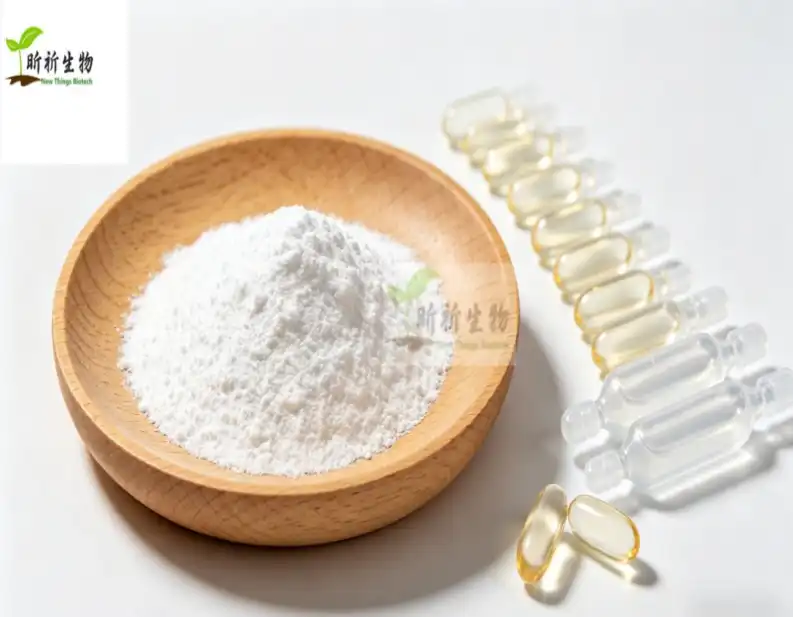
While marketing stories focus on moisture retention, bulk hyaluronic acid offers practical benefits solving specific manufacturing challenges. Its gelatinous properties improve tablet binding and reduce capsule stickiness during high-speed sealing. When blended with collagen peptides, it enhances protein solubility in drink powders, preventing clumping and settling. The white powder appearance ensures no color contrast, maintaining product line consistency. Controlled storage stability extends shelf life and reduces waste for contract manufacturers managing high-volume production.
Hyaluronic Acid Powder Bulk vs Other Forms: Making the Right Choice
When buying something, people often have to choose between hyaluronic acid powder bulk, liquid treatments, and ready-to-use serums. Each format has its own pros and cons when it comes to operations, formulation freedom, and total cost of ownership.
Stability and Shelf Life Considerations
When it comes to stability, powder types are better than water-based treatments. Hyaluronic acid that is liquid needs to be preserved to stop microbes from growing, and it usually stays good for 12 to 18 months when kept in the fridge. Powder, on the other hand, that is kept properly—in 25 kg drums with desiccant protection—stays stable at room temperature for 24 to 36 months. This longer shelf life lowers the pressure to sell items quickly and lowers the amount of money lost due to expiration. Shipping costs are also in powder's favor: getting rid of water weight cuts freight costs by 60–70% on foreign lines. These organizational benefits are especially important for buyers who buy goods from Asian production hubs and then ship them to markets in North America and Europe.
Manufacturing Compatibility and Formulation Flexibility
Formulators have full control over the quantity and mixing ratios when using powder forms. Using the same base powder, a supplement company making a collagen-hyaluronic acid beauty drink can change the amount of HA in each dose from 50 mg to 200 mg depending on where it is sold and how much it costs. This freedom is limited by liquid forms, which often lock buyers into pre-set ratios. Powder works well with automatic tools for encapsulation and tableting as well. Flow features of 80-mesh powder allow uniform dosing through volumetric fillers, which cuts down on machine downtime and changes in weight between doses. When going from small trial runs to business runs of more than 100,000 units per month, these practical efficiencies are very important.
Cost Efficiency Analysis for Large-Scale Operations
Comparing powder's total landing costs shows its economic benefits. Prices per kilogram may look higher than prices for liquid solutions, but buyers only get the active ingredient because the water is taken out. When compared to the real amount of HA, powder usually costs 30 to 40 percent less per gram of active material. Temperature-controlled shipping fees are no longer needed because cold chain transport needs have been cut down. Less space is needed for storing, so it costs less to store things. When brands use 500 kg or more of these savings each year, they add up to a lot, which directly increases the gross margin on finished goods.

How to Choose the Best Hyaluronic Acid Powder Bulk Supplier?
When choosing a supplier, it's not just about negotiating prices; it's also about quality assurance systems, legal knowledge, and the stability of the supply chain. Setting these standards up front lowers the risks of procurement and creates a base for long-term relationships. Establishing a hyaluronic acid powder bulk strategy based on these criteria mitigates procurement risks and builds foundation for long-term partnerships.
Evaluating Certifications and Quality Documentation
ISO9001 approval shows that quality management is orderly, but it's just a starting point. The best sellers give batch-specific Certificates of Analysis that show how much glucuronic acid is in the product (at least 44%), how much is lost when it dries (up to 10%), and how much heavy metal is present in a way that meets USP standards. Third-party testing by ISO/IEC 17025-accredited labs adds extra steps of proof that make regulatory reviewers happy who are skeptical. Kosher approval from well-known organizations like OK Kosher or Star-K lets a lot of different types of people into the market. Halal approval should come from groups that are recognized in the places you want to reach, like JAKIM in Malaysia or IFANCA in North America. Buyers who are making goods for more than one foreign market should ask for full dossiers that include allergen statements, BSE/TSE declarations, and confirmations that the products are GMO-free.
Commercial Terms That Protect Supply Continuity
In order to balance inventory risk and price benefits, minimum order amounts are used. A 25 kg MOQ lets smaller brands try formulations without committing too much capital. However, bigger buyers who negotiate quarterly contracts of 500 kg or more usually get 8–12% price cuts. Flexibility in packaging is important. For example, 1 kg foil bags work well for lab use, but 25 kg fiber drums with plastic covers inside are needed for production areas. Payment terms that take into account the buyer's preferred currency—accepting USD, EUR, or the buyer's own currency—lower foreign exchange risk. Letters of credit or escrow agreements protect both parties during the first few deals, before trust is built.
Geographic Sourcing and Logistics Reliability
About 70% of industrial hyaluronic acid production comes from Chinese companies, making them the world's biggest suppliers. This focus saves money, but it also comes with risks in terms of geopolitics and business. Suppliers who keep a lot of stock on hand and can ship within two to four business days of receiving payment protect against supply problems. Having direct links with freight forwarders speeds up the process of clearing customs and moving containers. Suppliers with a lot of experience let you know ahead of time when port congestion or changes to regulations will affect when your package will arrive. We keep stock on hand so that we can ship right away, and our established logistics partnerships help us send packages through efficient hubs. Our team answers questions within two hours, so even during busy times, purchase deadlines are always met.
Practical Guide: How to Use and Store Hyaluronic Acid Powder Bulk?
Following the right procedures for handling hyaluronic acid powder bulk will help you get the most out of them and keep their quality from the time they are received until they are finished. Proper handling protocols maximize material utilization and maintain product integrity through formulation and finished goods.
Dosage Guidelines for Different Applications
Hyaluronic acid supplements usually have between 50 mg and 200 mg of the chemical per dose. The amount varies based on the molecular weight and the health benefits. Joint support items that help with osteoarthritis symptoms often contain 120–160 mg of high molecular weight HA. This is because clinical study has shown that this amount of HA improves the synovial fluid. There may be 80–120 mg of collagen peptides, vitamins, and other ingredients in beauty-from-within pills. Lower amounts (30–50 mg per serve) are best for beverage powders so they stay tasty while still providing hydration benefits. For tablet and capsule uses, the amounts of excipients need to be changed. For example, a 500 mg capsule might have 100 mg of HA mixed with flowing agents and bulking substances to get the right fill weight and breakdown profiles.
Storage Conditions That Preserve Efficacy
Hyaluronic acid powder is hygroscopic, which means it easily takes in water from the air. Once a container is opened, it should be sealed again right away with desiccant packs and kept in a climate-controlled space with temperatures between 15°C and 25°C and a relative humidity of 40 to 60%. Light breaks down molecule structures over time, so it's best to store things in opaque cases or dark rooms. When you handle the 25 kg drums the right way, the sealed inner cases will keep the contents safe for 24 months. FIFO-based inventory movement keeps older batches from being stored for too long. When goods are delivered, buyers should set up procedures that check the integrity of the seal, the accuracy of the label, and the tracking of the batch number.
Integration Into Manufacturing Workflows
Controlled dispersion is needed to keep powder from sticking when it is added to recipes. Adding dry ingredients like microcrystalline cellulose ahead of time helps the mix get distributed better in pill and tablet forms. For drinking uses, the powder is fully hydrated when mixed into room-temperature water and stirred gently for 15 to 20 minutes. You should stay away from high-shear mixing because it can break down chemical chains and make the mixture less viscous. At the receiving, pre-blending, and final packaging steps, quality control checks make sure that the specifications are met. Our technical team helps buyers improve processing factors during scale-up phases by giving them formulation advice that is specific to their production equipment and the types of products they want to make.
Conclusion
To pick the right hyaluronic acid powder bulk, you need to carefully look at its technical specs, the credibility of the seller, and how well it works with other products. Formulations that are legal and work are based on choosing the right molecular weight, making sure they are pure, and meeting approval standards. When you compare powder to other forms, you can see that buying it in bulk is easier and cheaper. Assessing a supplier is more than just looking at price. It also looks at quality standards, how well they communicate, and how resilient their supply chain is. The purity of materials is maintained throughout the manufacturing process by using the right methods for keeping and handling. By consistently using these criteria, procurement experts can find high-quality raw materials that help with new product development, regulatory approval, and customer happiness in the supplement and functional food markets, which are very competitive.
FAQ
1. What distinguishes bulk hyaluronic acid powder from ready-to-use serums?
Serums are ready-to-use topical treatments, while hyaluronic acid powder bulk is a raw material that needs to be mixed with other ingredients to make finished goods. Powder lets makers control the quantity, mix it with other ingredients that work well together, and make it fit the needs of each brand. Serums are sold directly to consumers, but they can't be made in a variety of ways. When making choices about what to buy, you should think about whether your business makes supplements and useful foods or sells finished cosmetics.
2. How can buyers verify purity when purchasing hyaluronic acid powder directly?
Ask for Certificates of Analysis from approved labs that show sodium hyaluronate test results (95–105% on a dried basis is the goal), glucuronic acid content (at least 44%), and heavy metal limits that meet USP or EP standards. Third-party testing by SGS, Eurofins, or other similar labs gives you an extra layer of security. Suppliers with a good reputation will let buyers test their products and will keep samples for proof reasons.
3. Are there safety concerns associated with large-scale hyaluronic acid usage in supplements?
When used as an oral substance, hyaluronic acid has great safety ratings. Tolerability has been shown in clinical tests at amounts of up to 240 mg per day for long periods of time. Regulatory bodies like the FDA and EFSA have not found any major negative affects. Animal-derived toxins are not found in materials that are sourced through fermentation methods. Buyers should still do their research on the allergen status of products and make sure that final goods have the right information about recommended intake amounts.
Partner with NT Biotech: Your Trusted Hyaluronic Acid Powder Bulk Supplier
NT Biotech (Shaanxi New Things Biotech Co., Ltd.) exports high-quality sodium hyaluronate powder and has been doing so for ten years. They have strict quality control methods in place. Our 99% purity standard, 80-mesh particle size, and full ISO9001, Kosher, and Halal standards set your products up for success in markets around the world. We keep a large collection so that we can ship within two to four business days. We also offer flexible payment choices that accept your local currency. Our research and development team can help you with formulation, so whether you're making beauty pills, tablets for joint support, or healthy drink powders, they will work seamlessly with your manufacturing processes to optimize your hyaluronic acid powder bulk utilization. We promise to answer all of your questions within two hours because we are a manufacturer that values open communication and quick service. Buyers who meet the requirements can get free samples to test the recipe. Connect with our purchasing agents at info@newthingsbiotech.com to talk about your unique needs, ask for Certificates of Analysis, or set up product samples that show how committed we are to quality and how skilled our technicians are.
References
1. Papakonstantinou, E., Roth, M., & Karakiulakis, G. (2012). Hyaluronic acid: A key molecule in skin aging. Dermato-Endocrinology, 4(3), 253-258.
2. Kawada, C., Yoshida, T., Yoshida, H., et al. (2014). Ingestion of hyaluronan moisturizes dry skin. Nutrition Journal, 13(70).
3. Tashiro, T., Seino, S., Sato, T., Matsuoka, R., Masuda, Y., & Fukui, N. (2012). Oral administration of polymer hyaluronic acid alleviates symptoms of knee osteoarthritis. The Scientific World Journal, 2012, Article ID 167928.
4. Boeriu, C. G., Springer, J., Kooy, F. K., van den Broek, L. A. M., & Eggink, G. (2013). Production methods for hyaluronan. International Journal of Carbohydrate Chemistry, 2013, Article ID 624967.
5. Kogan, G., Šoltés, L., Stern, R., & Gemeiner, P. (2007). Hyaluronic acid: A natural biopolymer with a broad range of biomedical and industrial applications. Biotechnology Letters, 29(1), 17-25.
6. Fallacara, A., Baldini, E., Manfredini, S., & Vertuani, S. (2018). Hyaluronic acid in the third millennium. Polymers, 10(7), 701.