- English
- French
- German
- Portuguese
- Spanish
- Russian
- Japanese
- Korean
- Arabic
- Greek
- German
- Turkish
- Italian
- Danish
- Romanian
- Indonesian
- Czech
- Afrikaans
- Swedish
- Polish
- Basque
- Catalan
- Esperanto
- Hindi
- Lao
- Albanian
- Amharic
- Armenian
- Azerbaijani
- Belarusian
- Bengali
- Bosnian
- Bulgarian
- Cebuano
- Chichewa
- Corsican
- Croatian
- Dutch
- Estonian
- Filipino
- Finnish
- Frisian
- Galician
- Georgian
- Gujarati
- Haitian
- Hausa
- Hawaiian
- Hebrew
- Hmong
- Hungarian
- Icelandic
- Igbo
- Javanese
- Kannada
- Kazakh
- Khmer
- Kurdish
- Kyrgyz
- Latin
- Latvian
- Lithuanian
- Luxembou..
- Macedonian
- Malagasy
- Malay
- Malayalam
- Maltese
- Maori
- Marathi
- Mongolian
- Burmese
- Nepali
- Norwegian
- Pashto
- Persian
- Punjabi
- Serbian
- Sesotho
- Sinhala
- Slovak
- Slovenian
- Somali
- Samoan
- Scots Gaelic
- Shona
- Sindhi
- Sundanese
- Swahili
- Tajik
- Tamil
- Telugu
- Thai
- Ukrainian
- Urdu
- Uzbek
- Vietnamese
- Welsh
- Xhosa
- Yiddish
- Yoruba
- Zulu
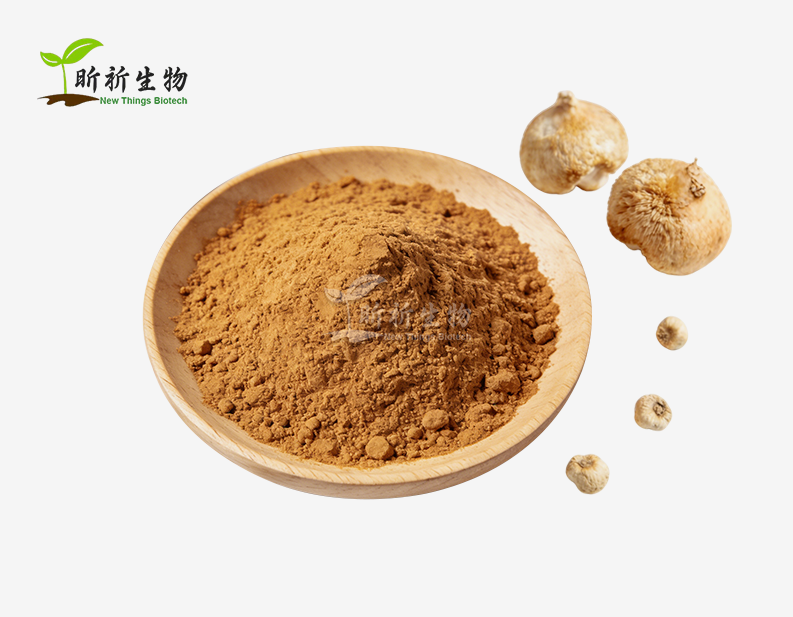
Maca extract powder is a concentrated supplement derived from the Peruvian maca root (Lepidium meyenii), offering enhanced bioavailability compared to raw maca flour. This adaptogenic superfood powder supports energy levels, hormonal balance, and reproductive health through standardised bioactive compounds including macamides, macaenes, and glucosinolates. Unlike traditional maca powder, the extract undergoes specialised processing to remove fibrous materials and concentrate active ingredients, delivering superior absorption and consistent potency for dietary supplement formulations.
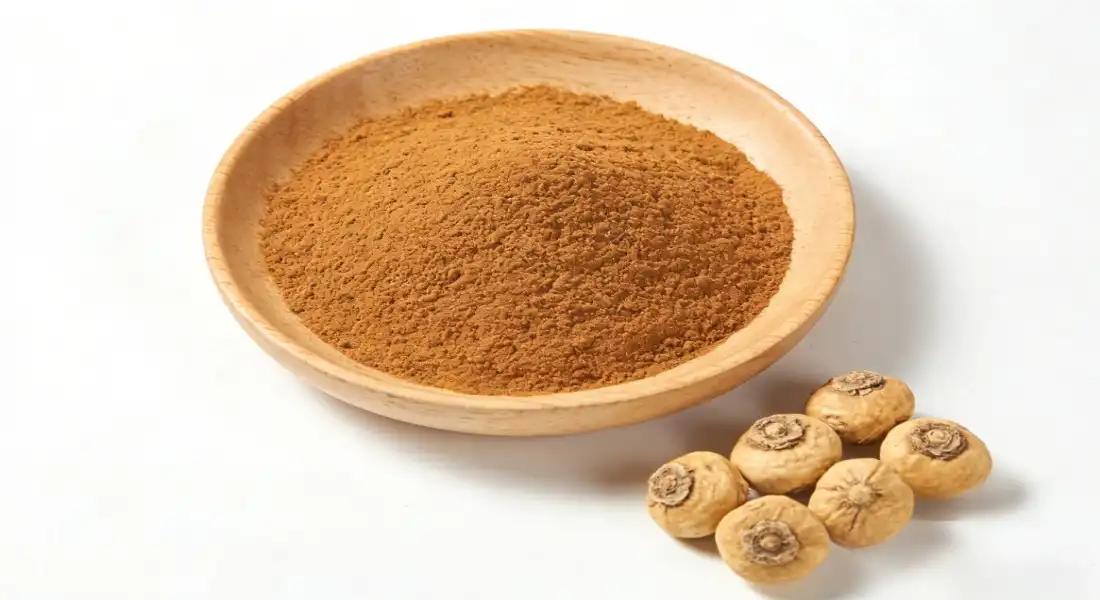
What is Maca Extract Powder?
Advanced Extraction and Standardisation
Maca extract powder is a sophisticated step forward in nutritional supplements. It turns the old Peruvian superfood into a highly concentrated, bioactive form. This high-quality extract comes from the dried roots of the cruciferous plant Lepidium meyenii Walp, which grows naturally in the high Andes mountains of Peru and has done so for over 2,000 years at elevations above 11,000 feet. The process of making this product is different from regular maca flour because it uses advanced solvent extraction methods with water or ethanol-water solutions.
Gelatinisation and Potency Control
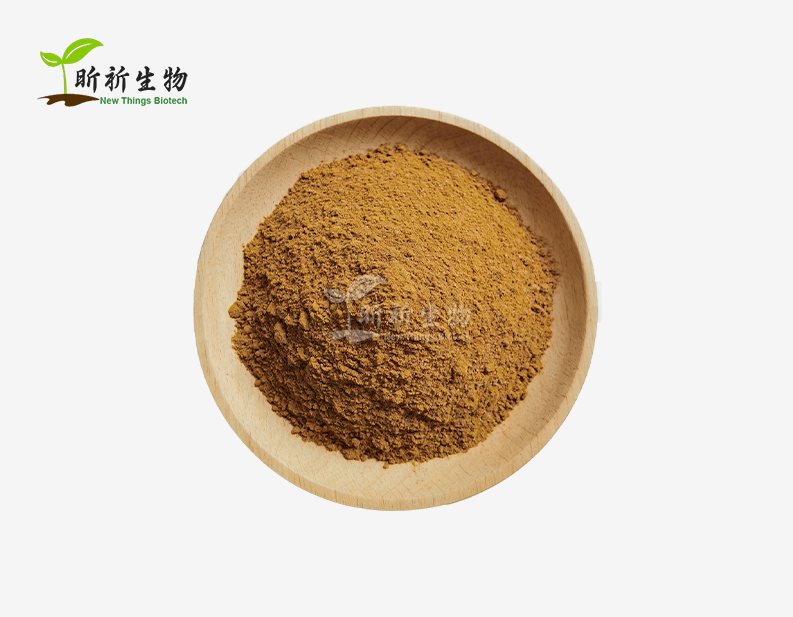
During processing, the raw maca root goes through a process called gelatinisation, which breaks down the starch chains and removes the fibrous mass while focusing the secondary metabolites. This methodical process creates a standard powder with active ingredients ranging from 1% to 10:1 to 100:1, making sure that the potency is the same from batch to batch. The brown-yellow powder that is made is better at dissolving in water and has smaller particles, usually processed to 80 mesh for maximum formulation flexibility.
Removal of Anti-Nutrients and Bioactive Enrichment
Raw maca has goitrogens and resistant starches that can make digestion problems worse. The extract takes out the bad chemicals while keeping the good bioactives. This process of refining maca extract powder solves some of the biggest problems that the raw maca extract has, like low bioavailability, unstable standardisation, and problems with formulation compatibility. Modern maca extract powder has high levels of special lipid compounds called macaenes and macamides, which researchers think help it adapt to different environments. The process of standardisation focuses on certain marker molecules, mainly the amount of glucosinolates and benzyl glucosinolates. This makes sure that the therapeutic potential stays the same across production runs.
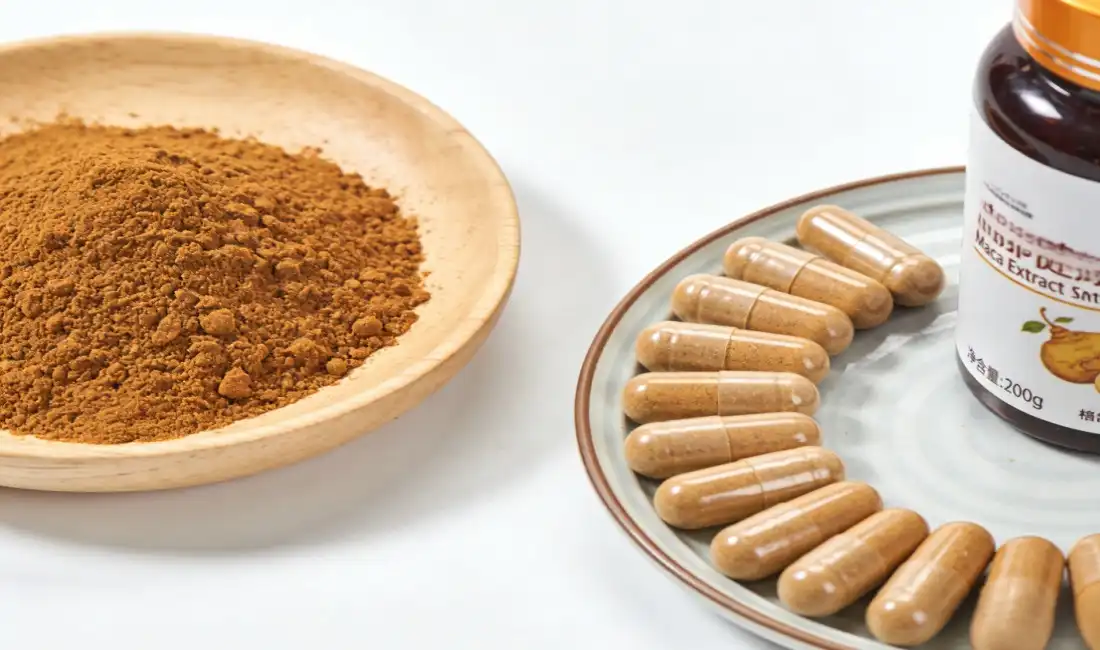
The Problem It Solves and Industrial Need
Bioavailability and Digestive Tolerance
When working with raw maca materials, the dietary maca extract powder supplement and functional food businesses face big problems. This means that there is a big need for refined extract solutions. There are several problems with formulating raw maca powder that have a direct effect on product quality, customer satisfaction, and the efficiency of manufacturing. Bioavailability is the main worry for supplement makers. Raw maca has a lot of goitrogens and tough starches that make it hard for the body to absorb nutrients and often make people sick to their stomachs. These chemicals cause gas, bloating, and stomach pain, which led to bad reviews and the product being taken off the market. Processing maca extract powder gets rid of these bothersome compounds, making it easier for the active ingredients to be absorbed by the body by getting rid of starch barriers.
Standardisation and Consistency
Standardisation instability is a problem with getting raw maca because its potency changes a lot depending on harvest conditions, altitude, and soil composition. The amount of active compounds in raw biomass can change a lot, which makes it hard for supplement brands to give consistent doses. This variety makes it hard to follow the rules, and when goods give different results, customers lose faith in them. Standardising the extract to certain marker ratios makes sure that the effectiveness of each production batch is consistent.
Formulation Flexibility and Safety
However, the limited formability of raw maca makes it less useful in current supplement formats. Because it is rough and doesn't mix well with other things, raw powder isn't good for ready-to-drink drinks, gummies, or liquid vitamins that need to have a smooth mouthfeel. Because extract powder is easier to mix with water and has smaller particles, it can be used in a wider range of delivery systems. This gives manufacturers more market opportunities. However, quality control is harder to do with raw maca because it comes from farms, which means it has higher microbial loads and contamination risks. Through controlled manufacturing settings, extract processing lowers the number of microbes that are present. This helps products last longer and be safer. This improvement is especially important for foreign markets that have strict quality standards.
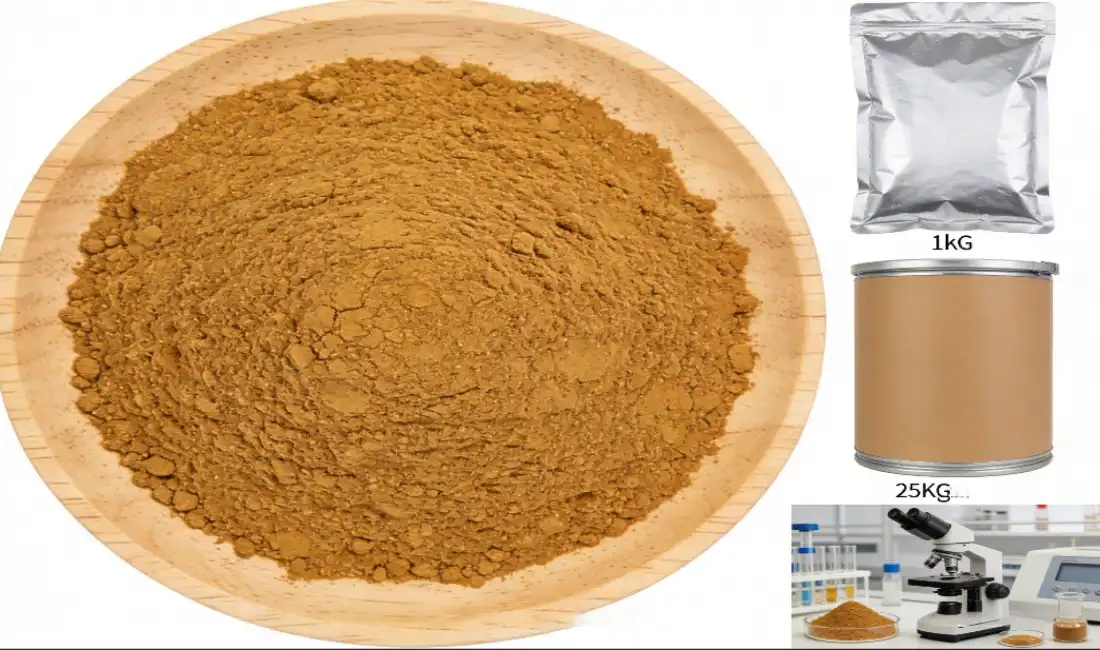
Core Features and Functionality Deep Dive
Bioactive Profile and Adaptogenic Compounds
Maca extract powder is effective due to its concentrated bioactive profile and excellent physicochemical properties. The extract contains enough macaenes and macamides, lipid compounds that distinguish maca from other adaptogenic plants. These bioactive compounds are persistent and effective, supporting the extract's constant therapeutic benefits. Another significant functional component is glucosinolate, which is standardised between 0.6% and 2.0% depending on extraction parameters. Sulphur compounds protect cells and make maca adaptogenic. These natural chemicals enhance bioactivity with other plant metabolites, unlike manufactured ones.
Polysaccharides, Sterols, and Digestive Benefits
Polysaccharide fractions in the extract help the immune system work while also being prebiotic. The extraction method concentrates these helpful carbohydrates while getting rid of the problematic resistant starches. This makes the product easier to digest and more effective as a medicine. There are extra health benefits for the heart and hormones from plant sterols like beta-sitosterol.
Stability in Formulations and Manufacturing Advantages
The extract is more stable than raw ingredients in complicated formulations. Maca extract remains effective whether coupled with rhodiola, ashwagandha, caffeine, or mineral salts. This stability is crucial for multi-ingredient sports nutrition and nootropic mixes. Microbes cannot thrive below 5% moisture, therefore properly kept products last longer. Low moisture prevents clumping in pre-workout mixes containing water-loving substances like citrulline malate and beta-alanine. Bulk density of 0.45-0.65 g/ml permits precise dosing in automated encapsulation equipment. Removing fibre and boosting active chemical concentration boosts bioavailability. The improvement allows lower effective dosages to retain therapeutic benefits. This simplifies capsule use and increases user compliance.
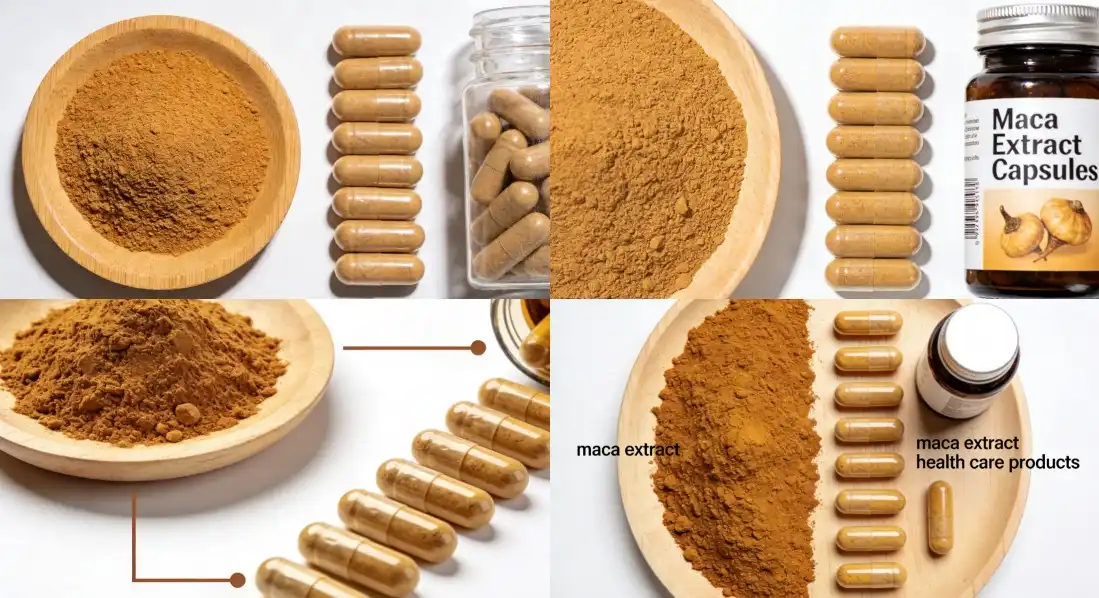
Technology and Manufacturing Process
Selection and Preparation of Raw Material
The process of making maca extract powder is very complicated. It includes many carefully planned steps that turn raw root material into a standardised, bioactive concentrate. The first step in the process is carefully choosing the best maca roots from the best growing areas in the Peruvian highlands. These areas have the right amount of altitude and soil conditions for bioactive compound development. The dried roots are then carefully cleaned and sized down through controlled milling operations.
Solvent Extraction and Gelatinisation
Solvents like pharmaceutical-grade water or ethanol-water remove the substance. Temperatures and pH are monitored. Gelatinisation is a huge stride forward in maca processing since it precisely removes desired chemicals while leaving fibrous debris and troublesome starches behind. This regulated heating breaks starch chains that hinder digestion and absorption. Gelatinisation concentrates beneficial chemicals and makes the extract simpler to digest. The finished product is more effective and user-friendly.
Concentration, Drying, and Quality Control
Advanced filtration and separation methods remove particles and concentrate liquid extract. After spray or hoover drying, the liquid concentration becomes a stable powder with heat-resistant bioactive compounds. The delicate macaenes and macamides that give maca its particular properties are preserved by controlling drying temperature. To monitor biomarker concentrations during manufacturing, HPLC and UV spectrophotometry are utilised. Active chemicals, microorganisms, heavy metals, and liquids are tested in every manufacturing batch. This analytical rigour ensures quality and international market compliance. Standardisation allows producers to modify extraction settings to achieve concentration ratios between 10:1 and 100:1, depending on usage. This lets you adjust for various clients while maintaining quality.
Key Advantages and Selling Points
Enhanced Solubility and Bioavailability
Maca extract powder has strong benefits that meet important needs in the functional food and dietary supplement businesses. The main benefit is better solubility, which means it is absorbed more quickly than raw maca powder. The extraction process gets rid of digestive barriers while concentrating active compounds. This means that consumers can get benefits from lower doses with fewer side effects in the digestive system.
Standardisation and Therapeutic Reliability
Standardisation reliability gives manufacturers consistent potency across production batches, which gets rid of the problems that come with raw agricultural materials being different. This consistency helps with correct label claims, following the rules, and building trust with customers by making sure that products always work the way they say they will. Standardised glucosinolate and macamide content guarantees therapeutic reliability that raw materials can't match.
Formulation Flexibility and Market Opportunities
Better formulation flexibility lets it be used in a wide range of supplement forms, such as capsules, tablets, drinks, and gummy candies. Because it dissolves better in water and has a smooth texture, it can be used in ready-to-drink drinks where raw maca would make the drinks too gritty. This versatility opens up more market possibilities and makes products easier for consumers to get.
Stability, Manufacturing Efficiency, and Cost Benefits
Lower moisture content and controlled processing conditions lead to longer shelf stability. When mixed with other active ingredients, the extract stays potent longer than the raw materials and doesn't break down. This stability lowers the risk of stockpiling and helps meet the needs of international shipping. It also improves the flow properties for automated equipment, keeps the bulk density constant for accurate filling, and lowers the risk of contamination compared to raw agricultural inputs. Because of these benefits, production costs are lower and quality control standards are higher. The concentrated format lowers shipping costs and storage needs while increasing the amount of active compounds per unit weight. This efficiency helps foreign suppliers and manufacturers keep inventory costs down the most.
Conclusion
Maca extract powder represents a significant advancement in natural ingredient technology, offering superior bioavailability, standardisation, and formulation versatility compared to raw alternatives. The concentrated bioactive profile, including standardised macamides and glucosinolates, provides consistent therapeutic potential for diverse supplement applications. While cost considerations and processing complexity present challenges, the extract's advantages in digestibility, stability, and consumer acceptance justify the investment for quality-focused manufacturers. As consumer demand for natural, effective ingredients continues growing, maca extract powder stands positioned to capture expanding market opportunities across multiple supplement categories.
FAQ
Q1: What is the recommended daily dosage of maca extract powder for supplement formulations?
A: Depending on extraction ratio and usage, 500mg to 3000mg daily is typical. 500-1000mg of 10:1 extracts equals 5-10g of raw maca bioactivity. Higher concentration extracts like 50:1 or 100:1 may need 200-500mg daily. Clinical trials employ 1500–3000mg gelatinised maca extract. Formulation should balance bioactive delivery, target market preferences, capsule size limits, and cost.
Q2: How does the extraction ratio affect the potency and applications of maca extract powder?
A: Active chemical concentration increases with higher extraction ratios. A 10:1 ratio yields 1 kilogram of extract from 10 kilograms of raw maca, a modest concentration for wellness goods. Premium formulations with 50:1 or 100:1 ratios are most potent but costlier. Lower ratios (4:1 to 10:1) work well for food and budget-conscious items, whereas higher ratios suit pharmaceutical-grade supplements and focused therapeutics needing precise bioactive delivery.
Q3: What quality certifications should procurement professionals look for when sourcing maca extract powder?
A: For consistent production, ISO 9001 quality management system accreditation is essential. Halal and Kosher certifications provide market access for various consumers. Organic certification may be needed for natural products, however suppliers vary. GMP accreditation shows pharmaceutical-grade quality control. Safety is enhanced by third-party heavy metal, pesticide, and microbiological testing certifications. HACCP certification ensures food safety throughout manufacturing and handling.
Partner with NT Biotech for Premium Maca Extract Powder Supply
NT Biotech stands as your trusted maca extract powder manufacturer, delivering pharmaceutical-grade botanical extracts with unmatched quality and reliability. Our proprietary extraction methods achieve >98% purity while maintaining superior stability that enhances your formulation performance. With 10 years of specialised experience and comprehensive quality documentation, including HPLC analysis and certificates of analysis with every batch, we ensure your products meet international standards. Contact our technical team at info@newthingsbiotech.com to discuss your specific requirements and request complimentary samples. Our responsive supply chain guarantees shipment within 2-4 days, supporting your production schedules with dependable service.
References
1. Gonzales, G.F., et al. "Effect of Lepidium meyenii (MACA) on sexual desire and its absent relationship with serum testosterone levels in adult healthy men." Andrologia, vol. 34, no. 6, 2002, pp. 367-372.
2. M Stone, M., et al. "A pilot investigation into the effect of maca supplementation on physical activity and sexual desire in sportsmen." Journal of Ethnopharmacology, vol. 126, no. 3, 2009, pp. 574-576.
3. Zenico, T. et al. "Subjective effects of Lepidium meyenii (Maca) extract on well-being and sexual performances in patients with mild erectile dysfunction." Andrologia, vol. 41, no. 2, 2009, pp. 95-99.
4. Rubio, J., et al. "Effect of three different cultivars of Lepidium meyenii (Maca) on learning and depression in ovariectomized mice." BMC Complementary and Alternative Medicine, vol. 6, 2006, article 23.
5. Wang, S., et al. "Maca: An Andean crop with multi-pharmacological functions." Food Research International, vol. 40, no. 7, 2007, pp. 783-792.
6. Piacente, S., et al. "Investigation of the tuber constituents of maca (Lepidium meyenii Walp.)." Journal of Agricultural and Food Chemistry, vol. 50, no. 20, 2002, pp. 5621-5625.