- English
- French
- German
- Portuguese
- Spanish
- Russian
- Japanese
- Korean
- Arabic
- Greek
- German
- Turkish
- Italian
- Danish
- Romanian
- Indonesian
- Czech
- Afrikaans
- Swedish
- Polish
- Basque
- Catalan
- Esperanto
- Hindi
- Lao
- Albanian
- Amharic
- Armenian
- Azerbaijani
- Belarusian
- Bengali
- Bosnian
- Bulgarian
- Cebuano
- Chichewa
- Corsican
- Croatian
- Dutch
- Estonian
- Filipino
- Finnish
- Frisian
- Galician
- Georgian
- Gujarati
- Haitian
- Hausa
- Hawaiian
- Hebrew
- Hmong
- Hungarian
- Icelandic
- Igbo
- Javanese
- Kannada
- Kazakh
- Khmer
- Kurdish
- Kyrgyz
- Latin
- Latvian
- Lithuanian
- Luxembou..
- Macedonian
- Malagasy
- Malay
- Malayalam
- Maltese
- Maori
- Marathi
- Mongolian
- Burmese
- Nepali
- Norwegian
- Pashto
- Persian
- Punjabi
- Serbian
- Sesotho
- Sinhala
- Slovak
- Slovenian
- Somali
- Samoan
- Scots Gaelic
- Shona
- Sindhi
- Sundanese
- Swahili
- Tajik
- Tamil
- Telugu
- Thai
- Ukrainian
- Urdu
- Uzbek
- Vietnamese
- Welsh
- Xhosa
- Yiddish
- Yoruba
- Zulu
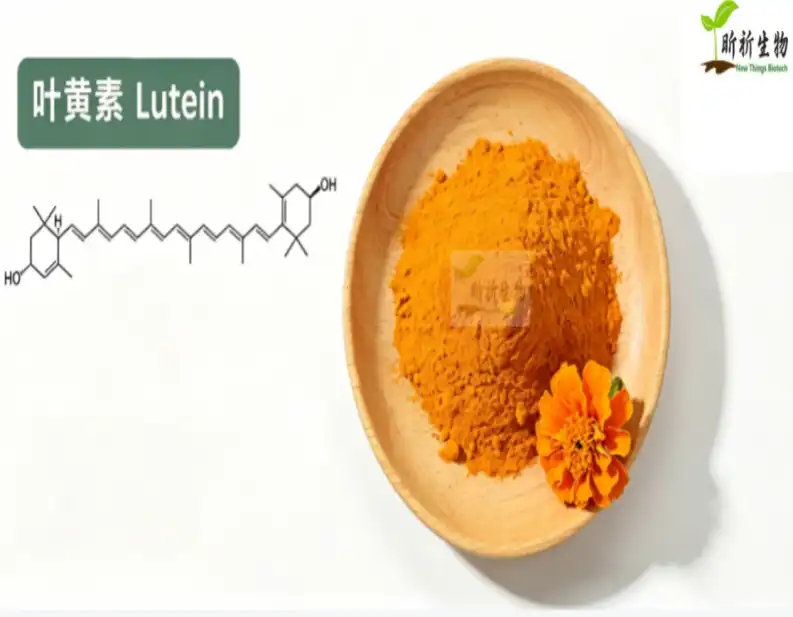
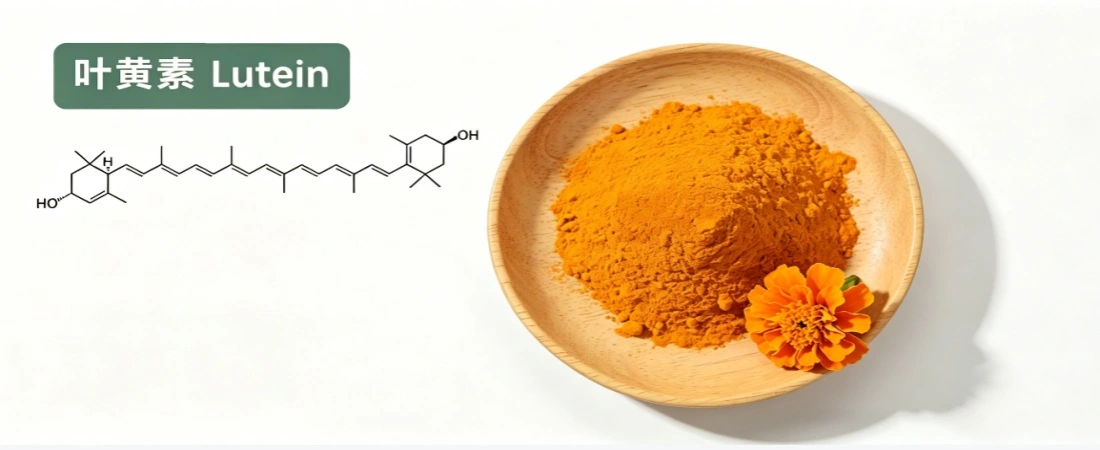
The lutein powder in marigold extract comes from the flowers of the marigold plant and is standardised for lutein, a carotenoid that is used in eye-health, beauty-from-within, functional food, and cosmetic formulas. Brands that need reliable active-content control, clear HPLC/UV testing records, and adjustable OEM support can get this ingredient from NT Biotech. Our marigold extract lutein powder gives buyers a place to start looking at how the product can be used and what they need to do to get it. The real benefit isn't just a powder that is bright yellow. It is a proven source of lutein that can help products work consistently, make formulation decisions more easily, and have a stronger natural product story.

Why Marigold Extract Lutein Powder Is in High Demand
A Natural Source of a Valuable Carotenoid
The lutein powder used in marigold extract is usually made from Tagetes erecta flowers. Lutein esters are found in these flowers and can be removed, cleaned, and standardised so that they can be used in industrial goods. There is a type of carotene called lutein. It happens normally in the macula, a small part of the eye that controls center and fine vision. Because of this link, lutein is often found in vitamins for eye health. Marigold is great for production because it is a plant-based source of lutein that can be scaled up and is more consistent for use in food than many other food-based sources.
Lutein Fits Eye-Health and Beauty Product Categories
Lutein is commonly found in eye-health products, but it has other uses in business besides helping with vision. Marigold extract lutein powder is often mixed with collagen, vitamin C, hyaluronic acid, ceramides, or fruit extracts that are high in antioxidants. This provides a "beauty from within" position that people who want to improve the look of their skin and age in a healthy way will like. Researchers have looked into how lutein and zeaxanthin affect eye colour and antioxidant activity in the skin. This means that product makers can still use these carotenoids [1, 4].
| Product Information Area | Why It Matters | Buyer Action |
|---|---|---|
| Botanical source | Marigold offers a plant-based lutein story. | Confirm botanical identity and source traceability. |
| Key active compound | Lutein is the main standardization marker. | Request the lutein assay in the current CoA. |
| Physical format | Powder can suit capsules, tablets, gummies, and blends. | Check particle size, carrier system, and flow behavior. |
| Main applications | Supplements, functional foods, cosmetics, and animal nutrition may use different grades. | Confirm the intended application before ordering. |
A Recognizable Ingredient Helps Product Marketing
Consumers often understand “lutein from marigold” more easily than a long chemical ingredient name. That recognition helps brands explain why a specific active appears in a capsule, gummy, sachet, or beauty drink. The best product messaging stays clear and compliant. It can explain that lutein is a naturally occurring carotenoid and that marigolds are a practical plant source. It should not make disease-treatment claims. The AREDS2 study increased global awareness of lutein and zeaxanthin in nutrition research, giving formulators a credible scientific foundation for responsible eye-health product positioning [2].
How Does Marigold Extract Lutein Powder Work in the Body?
Lutein Reaches the Macular Region of the Eye
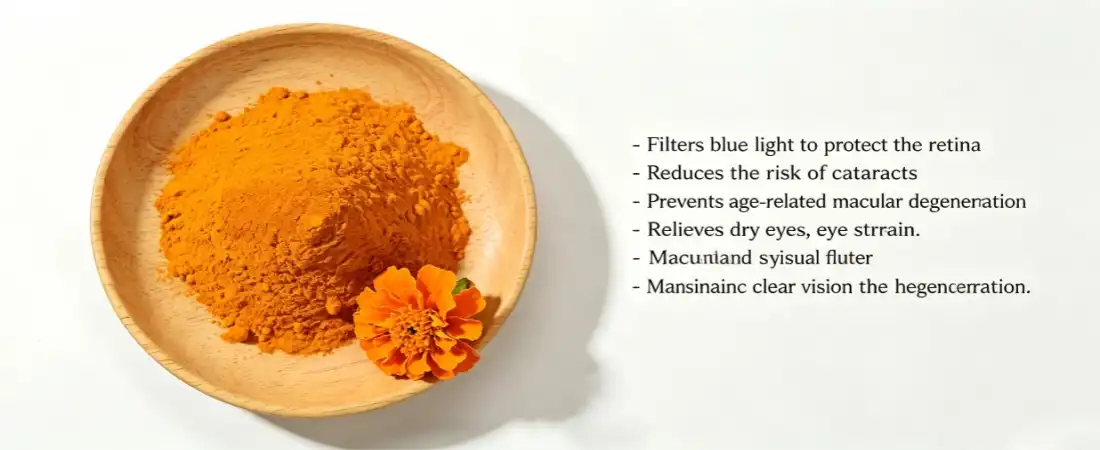
The macula is the central part of the retina that helps people see fine detail. Lutein and zeaxanthin are found in macular pigment, where they contribute to the pigment’s optical properties. After ingestion, lutein is absorbed with dietary fats, transported through the body, and can accumulate in eye tissues. This is why many premium eye-support products pair marigold extract lutein powder with oil-based delivery systems or recommend taking finished products with meals. Research has linked lutein supplementation with increased macular pigment optical density, although the final outcome depends on dosage, diet, individual biology, and product design [3].
Its Antioxidant Story Supports Modern Wellness Formulas
Lutein is valued for more than its yellow-orange color. It has antioxidant characteristics, meaning it can help support the body’s defense against oxidative processes. Product developers often connect this story with digital-screen lifestyles, healthy aging, and beauty support. However, a good formulation should avoid making broad promises that cannot be supported in the target market. Marigold extract lutein powder works best when the brand uses clear language, reliable dosage control, and evidence-aware labeling. This creates trust with consumers and gives distributors fewer compliance questions.
Absorption Depends on Formula Design
Lutein is fat-soluble, so the final product format can affect how the ingredient performs. Softgels can be useful because they place lutein in an oil-based environment. Capsules and tablets can also work when formulators use suitable carriers, blending controls, and stability checks. A powder product may need emulsification or compatibility review if the finished formula is intended for beverages. NT Biotech can help buyers discuss ingredient format, target application, and technical documents before production. This saves time when marigold extract lutein powder moves from sample testing to a commercial order.
If you are comparing lutein formats, active levels, or private-label options, contact info@newthingsbiotech.com. NT Biotech can help you select a material that suits your formula, target market, and production timeline.
What Should Buyers Evaluate Before Selecting a Supplier?
The Certificate of Analysis Is a Core Buying Tool
A serious buyer should never select marigold extract lutein powder based only on color or price. The Certificate of Analysis, often called a CoA, should show the batch-specific results that matter to the agreed specification. HPLC or UV testing can help verify lutein content. Other documents may cover appearance, moisture, microbiological limits, heavy metals, storage requirements, packaging, and shelf life. NT Biotech provides HPLC/UV documentation and CoAs to support technical review. This level of detail helps contract manufacturers, quality teams, and importers avoid confusion between an early sample and the final production batch.
Cost Per Gram of Verified Lutein Is More Useful
Low price per kilogram can be misleading. One powder may have a different lutein concentration, carrier level, stability profile, or documentation package than another. Buyers should calculate the cost per gram of verified lutein rather than comparing only the bulk price. NT Biotech specializes in standardized, high-value plant extracts. Some key extracts in our portfolio reach purity levels above 98%, while every marigold grade should be evaluated against its own approved lutein specification. This is a more honest way to compare suppliers and protect finished-product consistency.
| Supplier Review Point | What a Strong Supplier Should Provide | Why It Protects Your Brand |
|---|---|---|
| Active-content verification | HPLC/UV test information and a batch CoA. | Confirms the ingredient matches the ordered lutein specification. |
| Quality-system evidence | ISO 9001 documentation and applicable quality records. | Supports a controlled production and documentation process. |
| Market-support documents | Current Kosher or Halal documents, where applicable. | Helps serve customers with specific market or dietary needs. |
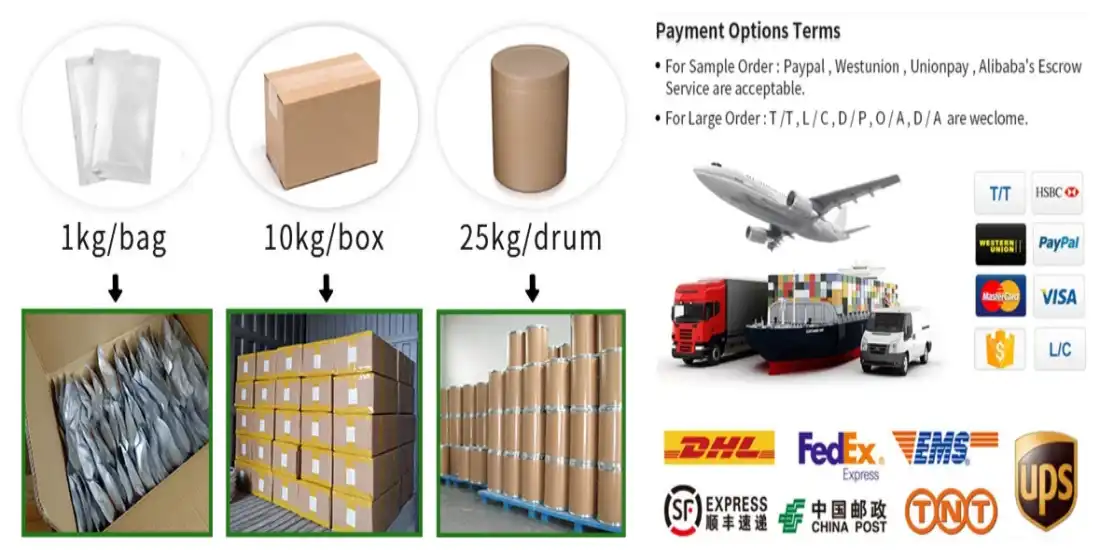
| Logistics plan | Express, air, or sea freight choices. | Balances speed, order volume, and landed cost. |
Documentation Must Match the Intended Market
Buyers should ask what each certificate actually covers. ISO 9001 relates to a quality-management system. Kosher and Halal documents may help when relevant to the product and the current certificate scope. CE marking and FDA approval should not be used casually for botanical ingredients because their legal meaning depends on the specific product category and market. A responsible marigold extract lutein powder supplier explains what documents are available, what they cover, and what the buyer must confirm locally. That transparency helps prevent regulatory delays when the finished product enters a new country.
How Can NT Biotech Support a Lutein Product From Concept to Delivery?
Technical Support Starts Before the Purchase Order
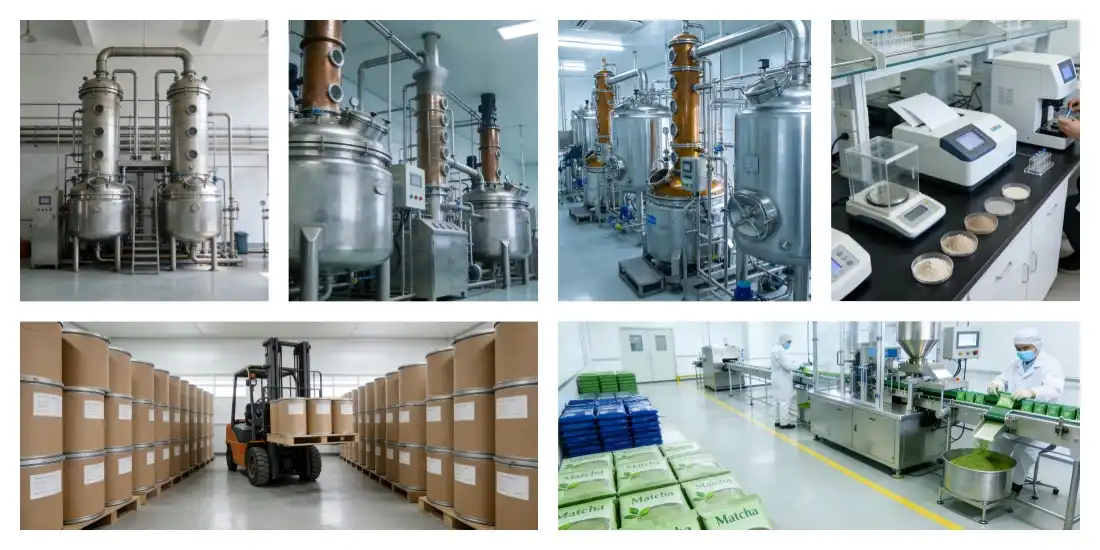
NT Biotech is a plant-derivative supplier and a long-term technical partner for supplement, food, cosmetic, and animal nutrition customers. We combine plant-source management, extraction research, intelligent production, laboratory control, and adaptive supply-chain planning. This structure helps us support marigold extract lutein powder from raw material selection through finished product application. A buyer may need support with active-content selection, packaging size, documentation, shipping method, or formula direction. Our team works through these practical decisions early, when changes are easier and less expensive.
OEM and ODM Options Make Local Launches Easier
A lutein product in Southeast Asia may need different packaging, dosage forms, language, and price points than a similar product in the Middle East, Europe, or North America. NT Biotech offers flexible OEM and ODM solutions for brands that need a more localized approach. You may need bulk ingredient supply for your own factory, private-label capsules for a new brand, or a customized beauty-support formula. Marigold extract lutein powder can fit each route when the specification matches the commercial plan. We also discuss flexible payment solutions, including local-currency arrangements when available and appropriate.
Fast Response and Flexible Logistics Protect Launch Plans
Ingredient supply affects marketing schedules, production bookings, and retail launches. NT Biotech aims to respond to new inquiries within two hours. Popular standardized extracts held in stock may ship within one to three working days after order confirmation. Production orders usually take three to ten working days, including material preparation, extraction, laboratory testing, CoA release, and packaging. We can use FedEx or UPS for direct express delivery and work with freight partners for secure air or sea shipments. This gives buyers more control over cost, speed, and shipment volume.
Conclusion
Marigold extract lutein powder is a standardized botanical ingredient that helps brands create eye-health, beauty, functional food, and nutrition products with a recognizable lutein story. Its performance depends on verified active content, suitable formulation design, complete documentation, and dependable supply support. NT Biotech combines extraction experience, HPLC/UV testing, batch CoAs, flexible OEM options, and responsive logistics to help global buyers move from product concept to market launch. Choosing the right lutein supplier means choosing more than a powder. It means choosing consistency, technical clarity, and a partner that understands commercial deadlines.
FAQ
1. What is marigold extract lutein powder?
It is a plant-derived powder made from marigold flowers and standardized for lutein, a carotenoid used in eye-health and beauty-support products.
2. What is lutein mainly used for?
Lutein is widely used in visual-wellness supplements, beauty-from-within formulas, functional foods, and selected cosmetic applications.
3. Can NT Biotech provide a Certificate of Analysis?
Yes. NT Biotech can provide batch-specific CoAs and HPLC/UV testing documentation for approved orders.
4. Is the ingredient suitable for OEM products?
Yes. NT Biotech offers OEM and ODM options for capsules, powders, gummies, softgels, and customized product concepts.
5. How fast can NT Biotech ship orders?
In-stock standardized extracts may ship within one to three working days. Production orders commonly take three to ten working days.
Build Your Lutein Product With NT Biotech
NT Biotech can help turn your lutein concept into a stable, market-ready product with trusted marigold extract lutein powder, clear testing documentation, and flexible supply options. Whether you need bulk material, private-label support, customized packaging, or an OEM formula for eye health and beauty, our team can guide the next step. We provide HPLC/UV records, Certificates of Analysis, practical logistics support, and responsive communication from inquiry through shipment. Email info@newthingsbiotech.com today to request specifications, samples, pricing, or a tailored supply plan for your target market.
References
1. Krinsky, N. I., Landrum, J. T., and Bone, R. A. “Biologic Mechanisms of the Protective Role of Lutein and Zeaxanthin in the Eye.” Annual Review of Nutrition, 2003.
2. Age-Related Eye Disease Study 2 Research Group. “Lutein + Zeaxanthin and Omega-3 Fatty Acids for Age-Related Macular Degeneration.” JAMA, 2013.
3. Ma, L., Liu, R., Du, J. H., Liu, T., Wu, S. S., and Liu, X. H. “Lutein, Zeaxanthin and Meso-Zeaxanthin Supplementation Associated With Macular Pigment Optical Density.” PLOS ONE, 2016.
4. Juturu, V., and Kruger, C. L. “Lutein and Zeaxanthin: Effects on Eye and Skin Health.” Journal of the American College of Nutrition, 2017.
5. Palombo, P., Fabrizi, G., Ruocco, V., et al. “Beneficial Long-Term Effects of Combined Oral and Topical Antioxidant Treatment With the Carotenoids Lutein and Zeaxanthin on Human Skin.” Skin Pharmacology and Physiology, 2007.
6. Kijlstra, A., Tian, Y., Kelly, E. R., and Berendschot, T. T. J. M. “Lutein: More Than Just a Filter for Blue Light.” Progress in Retinal and Eye Research, 2012.