- English
- French
- German
- Portuguese
- Spanish
- Russian
- Japanese
- Korean
- Arabic
- Greek
- German
- Turkish
- Italian
- Danish
- Romanian
- Indonesian
- Czech
- Afrikaans
- Swedish
- Polish
- Basque
- Catalan
- Esperanto
- Hindi
- Lao
- Albanian
- Amharic
- Armenian
- Azerbaijani
- Belarusian
- Bengali
- Bosnian
- Bulgarian
- Cebuano
- Chichewa
- Corsican
- Croatian
- Dutch
- Estonian
- Filipino
- Finnish
- Frisian
- Galician
- Georgian
- Gujarati
- Haitian
- Hausa
- Hawaiian
- Hebrew
- Hmong
- Hungarian
- Icelandic
- Igbo
- Javanese
- Kannada
- Kazakh
- Khmer
- Kurdish
- Kyrgyz
- Latin
- Latvian
- Lithuanian
- Luxembou..
- Macedonian
- Malagasy
- Malay
- Malayalam
- Maltese
- Maori
- Marathi
- Mongolian
- Burmese
- Nepali
- Norwegian
- Pashto
- Persian
- Punjabi
- Serbian
- Sesotho
- Sinhala
- Slovak
- Slovenian
- Somali
- Samoan
- Scots Gaelic
- Shona
- Sindhi
- Sundanese
- Swahili
- Tajik
- Tamil
- Telugu
- Thai
- Ukrainian
- Urdu
- Uzbek
- Vietnamese
- Welsh
- Xhosa
- Yiddish
- Yoruba
- Zulu
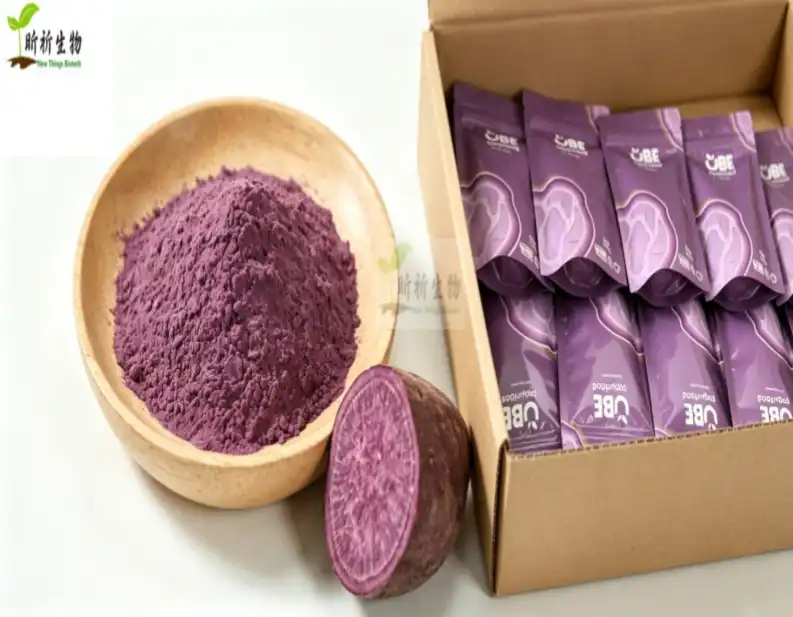
Pure purple yam powder is made from the seeds of the Dioscorea alata L. plant, that has been finely ground. This plant is also called purple yam or ube. Bright purple powder that is 100% pure has become a must-have for business-to-business buyers in the food, nutrition, and beauty industries. Purple yams that were carefully picked and then ground at low temperatures were used to make it. The colorful anthocyanins, strong starch, and medicinal chemicals that were in the raw material are still there. More and more people want plant-based and clean-label goods. This powder fills a big gap in the market by getting rid of artificial colors, making products more uniform, and raising the nutritional value of foods, drinks, and supplements.
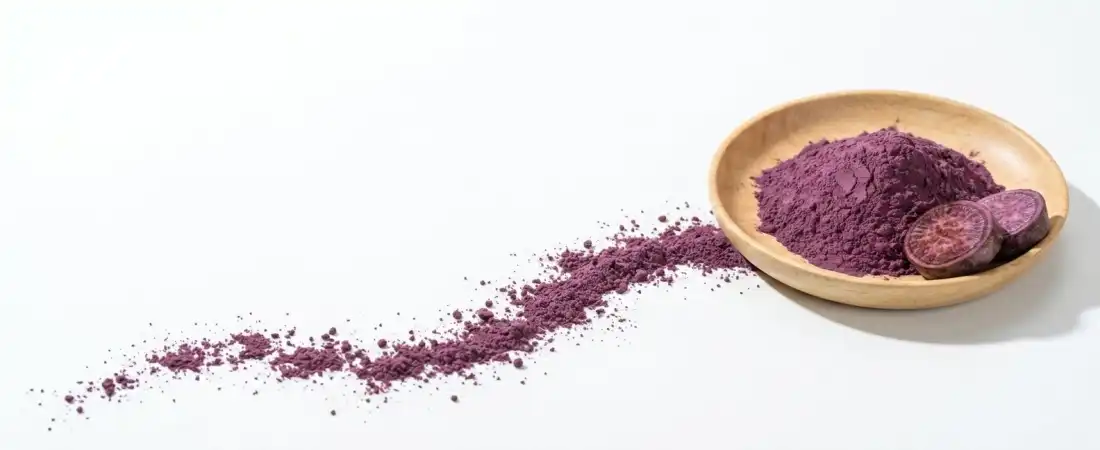
Understanding Pure Purple Yam Powder
Origin and Botanical Identity
Pure purple yam powder comes from Dioscorea alata, a root crop grown all over Southeast Asia and known for a long time as "Purple Ginseng" due to its health benefits. There is a morning glory plant called Ipomoea batatas that grows purple sweet potatoes. But there is a different plant called the true purple yam that has different starch granule shapes and phytochemical profiles. After being cleaned, boiled in steam to kill enzymes, and dried at low temperatures, the powder is made in several steps. First, the particles are ground until they are 80 mesh. Up to 95% of the tuber's beneficial chemicals are kept during this controlled processing. This makes premium types different from cheaper air-dried ones that lose nutrients and turn sour.
Nutritional and Functional Composition
In addition to being helpful, pure purple yam powder is also good for you because it is full of nutrients. Anthocyanins, especially cyanidin and peonidin glycosides, are what give plants their violet color and strong defenses. There is resistant starch in the powder, which keeps enzymes from breaking it down. This helps your body stay healthy by keeping your blood sugar levels steady after a meal. Between 12% and 18% of the food is fiber. Fiber is a prebiotic material that helps the stomach stay healthy. It also has important minerals like manganese and potassium, vitamin C, carbohydrates, and diosgenin molecules. People who care about their health are asking for clean labels more and more, and these traits meet those standards.
Quality Certifications and Production Standards
In production, papers that can be checked and standard ways of making things are what give the company credibility. The best companies that sell pure purple yam powder keep their ISO 9001 approval for quality control methods up to date. This makes sure that each batch of powder is the same, which is important for making a lot of it. Markets get bigger when products are certified as Kosher or Halal. This is especially true for global brands that want to reach a lot of people. As part of quality control, HPLC research is used to find out how much anthocyanin is present. To keep the food stable, the moisture level is kept below 6%, and microbe screening is done to make sure it passes international food safety standards. When sellers send Certificates of Analysis (CoA) with every shipment, quality managers and R&D teams can make sure that the ingredients work the way the recipe says they should.
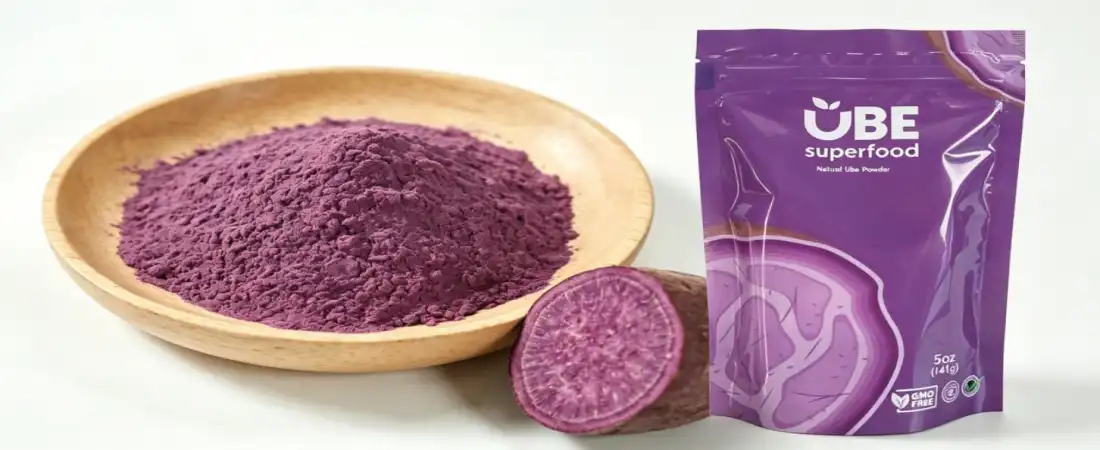
Application and Usage of Purple Yam Powder
Industrial Baking and Confectionery Applications
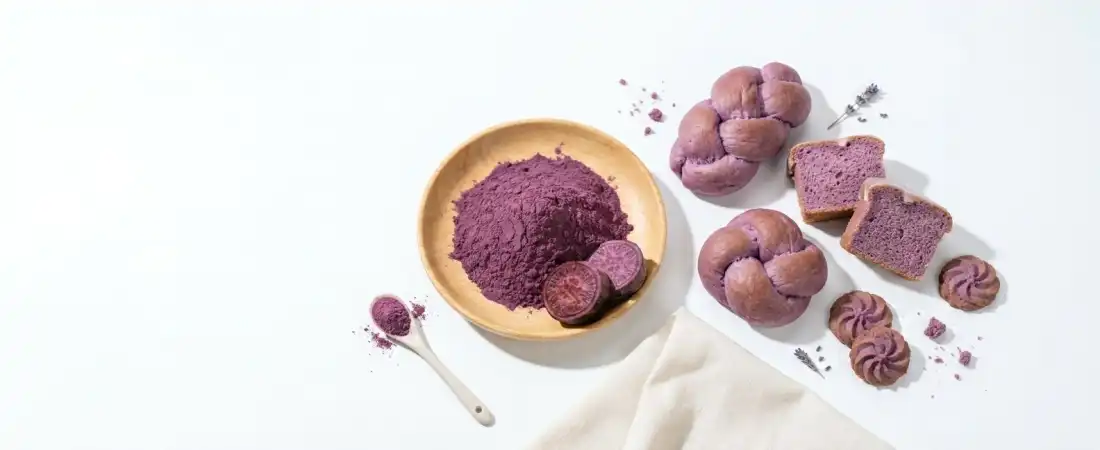
When baking for a living, pure purple yam powder can be used as a natural colorant or mixed in with gluten-free flour mixes. Its complex starch structure helps keep water inside, which is what keeps cakes and bread from sticking together over time. The anthocyanin colors stay safe in high-heat baking tubes because the powder is thermally safe. But if you mix it with leavening agents in an alkaline setting, the color might change a little. Candy makers use it in ganaches, sauces, and frozen treats because it doesn't mix with water. This means the food stays fresh longer. People like treats that are violet in color, which fits with a trend to buy naturally colored foods that look good in pictures.
Functional Beverage and RTD Formulations
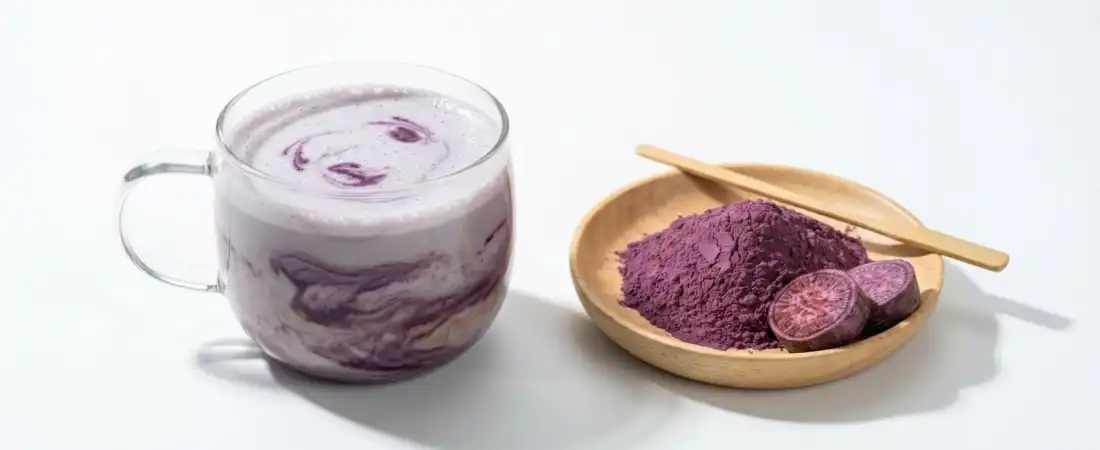
Making ready-to-drink drinks involves a lot of technical challenges, like making sure that the colors and ingredients stay mixed. Pure purple yam powder that has been broken up into tiny pieces makes it easier to mix into drinks like smoothie blends, bubble tea, and protein shakes. The powder doesn't sink to the bottom of the drink because of this, so you don't need any fake gums or supports. Natural thickening powder that tastes sweet and vanilla-like and goes well with both plant-based milk systems and dairy drinks. The color changes based on pH, which is helpful for people who make drinks because it lets them be creative with health and nutritional drinks that are sold for their vitamin content. But the pH needs to be carefully controlled while it is being made and while it is being stored so that the color stays the same.
Optimal Storage and Handling Protocols
To keep the cleanliness of materials all along the supply chain, strict rules need to be put in place. Keep pure purple yam powder in a cool, dry place where the temperature stays below 25°C, and the relative humidity stays below 60%. You don't want it to stick. When you open a package, you need to put it back together right away and use it within six months to keep the anthocyanin steady and stop reactive taste changes. Large sales come in sealed foil-lined boxes that keep light out, which can weaken the colors. Any company that wants to use this ingredient in automatic production lines should think about how the powder moves and how thick it is when setting up the dosing tools. They can be sure that every batch is the same this way.
Comparing Purple Yam Powder with Similar Products
Purple Yam vs. Purple Sweet Potato Powder
Even though both items are violet, they work in different ways because they come from different plants. This is something you should know before you buy. A new study on nutrition says that pure purple yam powder (Dioscorea alata) has more resistant starch and diosgenin chemicals, which may help to change how the immune system works. This yam powder tastes more nutty and earthy than purple sweet potato powder, which tastes sweeter. There are also differences in the size of the starch pieces and the temperature at which they turn into gelatin. These differences affect how thick soups and puddings get. It's clear that pure purple yam powder is useful for scientific purposes when a heat-stable color is needed, and it also claims to be good for your metabolism. Prices vary based on when and where the potatoes are grown, but purple sweet potatoes are usually less expensive.
Organic vs. Non-Organic Variants
The supply system is more complicated and costs more when it gets organic approval, but more and more people and stores want foods that don't contain chemicals. Most of the time, organic pure purple yam powder costs 20% to 35% more than normal grades. This is because a third party checks it and it is grown in a way that doesn't hurt the earth. Stock changes with the seasons, though, and the minimum order quantity may be higher when production runs are smaller. Non-organic versions are less expensive for brands that need to keep costs low. If they come from a trusted source that tests them carefully for contaminants, they still have the same nutritional value as organic versions. To choose between these options, procurement workers should think about their budgets and how they want to place themselves in the market.
Market Pricing and Sourcing Strategies
The price of pure purple yam powder changes all over the world based on the amount of crops grown, the value of different currencies, and the demand in each area. Regular grades cost between $15 and $45 per kilogram on the market right now, while organic grades cost between $50 and $70 per kilogram. Most of the time, you can save 10% to 15% when you buy more than 500 kilos. It's easier to see where the goods come from and how they were made when you buy them straight from the makers instead of going through middlemen. If you work with suppliers who keep stable stock levels, you can avoid production delays during times of high demand. This is an important thing to keep in mind for just-in-time manufacturing.
How to Choose the Right Purple Yam Powder Supplier
Core Procurement Criteria
There are many things you need to carefully consider in order to find a company you can trust for pure purple yam powder. Order minimums for bulk items are not the same. Some well-known companies, like NT Biotech, offer customized MOQs that start at 10 kilograms. These can be used for both small and big production runs. Lead times should match up with plans for making things. Premium companies keep enough in stock so that most orders can be sent out within two to four days. However, it may take seven to ten days for special formulas to be made. It's not enough to just look at papers to make sure someone is certified; you should also ask for up-to-date CoAs with batch tracking numbers and check that the seller is listed with food safety officials in foreign markets. The supply chain is open because there are tools that keep track of where goods came from, when they were processed, and the quality test results. This is needed to follow the law.
Evaluating Supplier Capabilities
Transactional sellers are not strategic partners because they can only sell things. Strategic partners can also make things and help with technology. Suppliers who have worked with plant products for more than 10 years can really help with the preparation process. They can help R&D teams figure out the best doses and fix problems with the recipe, like when the texture or color changes. In-house R&D teams can change the specs for each use by altering the particle size, moisture level, or carrier systems. If buyers can change how they make their goods as their business grows, they can keep the quality of the goods they sell high. When international sales teams answer questions quickly (within two hours), it's easier for people in different time zones to talk to each other. This speeds up the buying process.
Sampling and Trial Order Protocols
As part of smart shopping, real checks need to be made before big orders for pure purple yam powder are placed. For taste tests, color consistency tests, and test runs of new recipes, you can ask for free samples that come with CoAs. For the first test in the lab, 100 to 500 grams of samples are enough. When you get sample orders, check the package right away to make sure it's whole and that the labels are correct. Also, write down how well each batch did in real production conditions. So that there is less risk, this method finds any possible quality issues before output reaches full capacity. NT Biotech and other suppliers who are sure of the quality of their goods offer free samples and trial periods. This shows that they value their customers and want to work with them for a long time.
Maximizing Value with Purple Yam Powder in Your Products
Case Study: Bakery Innovation
The gluten-free cakes at a medium-sized organic eatery are now made with pure purple yam powder instead of tapioca starch. It now stays moist 18% better, so it can be stored for 7 days instead of 5 without the need for extra humectants. 73% of people who took part in the consumer acceptance test said the natural purple color was "highly attractive." The cost of production only went up by $0.12 per unit, but the higher price at retail, which led to a 15% markup, made up for it. The batch accuracy went up when the powder specs were made the same. When fresh yam purees were used, there were color differences that led to waste. This cut down on that. There is a clear link between the quality of an item and how well a business runs and where it stands in the market.
Emerging Trends and R&D Opportunities
Because of changes in the business world, pure purple yam powder is being used in more and more unusual ways. Some sports nutrition brands use it in pre-workout mixes to use resistant starch to give you energy slowly over time. There are powder packets on the market that contain it and collagen peptides that are meant to help the skin's antioxidant protections. Scientists are working on new ways to remove certain types of anthocyanins, which could lead to health benefits. As soon as possible, packaging technologies could help heat-sensitive items melt better, such as quick drink mixes. People and businesses that buy this powder now are ahead of the curve when it comes to natural taste trends. They can benefit from the fact that people want plant-based foods that haven't been treated too much.
Conclusion
For B2B companies looking for natural colorants, useful nutrition, and clean label credentials, pure purple yam powder is a wise ingredient choice. It helps formulators in the food, drink, pill, and candy industries reach many of their goals because it is high in healthy things like anthocyanins, resistant starch, and dietary fiber. Technical details like particle size, moisture content, and temperature stability are important to know in order to combine things well. You should choose providers based on how strict their certifications are, how much they can make, and how quickly they can respond to your needs. As the market for plant-based products grows, it becomes more and more important to have reliable suppliers. People are becoming more open to new plant ingredients, and the ingredient can be used in a lot of different ways. This means that it could be a useful addition to innovation methods that focus on health, sustainability, and making a visual difference.
FAQ
1. Is purple yam powder safe for individuals with dietary restrictions?
People who are celiac or allergic to gluten can use pure purple yam powder because it doesn't have gluten in it. Nuts, cheese, and soy, which are often toxins, are not in it. But companies that make things should check with their sources about how they handle allergies to make sure that cross-contamination doesn't happen while the products are being processed. Since it only comes from plants, the vitamin can be found in vegan and veggie food. If you are watching your blood sugar, you should know that resistant starch can speed up your metabolism. However, when you make a full meal, you need to keep in mind that it has carbs.
2. What is the typical shelf life after opening a package?
As long as they are kept cool, dry, and out of the light for 24 months after the date they were made, closed packages of pure purple yam powder will keep their quality. To keep the color and nutritional value at their best, the powder should be used within six months of being opened. They might last a little longer if you put them in sealed, clear cases and put them in the fridge, but you need to be careful about the risk of moisture condensation. Suppliers put production date codes on the packages that make it easy to keep track of how long something will last, which is very useful for factories that need to keep track of their supplies.
3. Can purple yam powder fully replace wheat flour in baking?
If you want to make baked goods that stay together, you can't use pure purple yam powder instead of flour because it doesn't have the proteins that make gluten. But it works well as a part-substitute (15–30% of the total flour weight) in gluten-free recipes that also use psyllium husk or xanthan gum as a binder. This gluten-free powder works with rice, almond, or tapioca flour to add color, keep the dough moist, and make it healthier without changing the structure.
Partner with NT Biotech for Premium Purple Yam Powder Supply
You can trust NT Biotech to give you pure purple yam powder. They have been making plant-based ingredients for more than ten years. The roots of the Dioscorea alata plant are carefully chosen to make our natural ube powder. The powder then goes through a special low-temperature process that keeps the most anthocyanins and other useful chemicals. The fact that we are ISO 9001, Kosher, and Halal approved shows that we follow international quality standards. These standards are important for sending goods all over the world. We can ship orders within two to four days and answer all questions within two hours because our production sites keep stock levels steady. This helps you meet your just-in-time manufacturing needs. Our MOQs can be changed and start at 10 kilograms. We also offer free samples for trying formulations. You can choose from different types of packaging, from 1 kg bags to 10 kg boxes, so they can fit a lot of different order sizes. We have a research and development (R&D) team that can help you make your ideas better, whether you're making new baked goods, healthy drinks, or pills. Email info@newthingsbiotech.com to get a free sample of our best pure purple yam powder. Find out how it can help your product line with natural color, nutrition that is easy on the eyes, and a stable supply chain.
References
1. Champagne, A. & Boutry, M. (2020). Bioactive Compounds in Dioscorea Species: Phytochemistry and Health Benefits. Journal of Agricultural and Food Chemistry, 68(12), 3612-3625.
2. Tan, S.L. & Gan, C.Y. (2019). Purple Yam (Dioscorea alata) as a Functional Ingredient: Nutritional Composition and Antioxidant Properties. Food Science and Nutrition, 7(9), 2890-2902.
3. Rodriguez, M.J. & Santos, M.D. (2021). Application of Purple Yam Powder in Gluten-Free Baking: Effects on Physicochemical Properties and Consumer Acceptance. International Journal of Food Science & Technology, 56(4), 1823-1831.
4. Liu, W., Zhang, Y., & Chen, H. (2022). Resistant Starch from Tropical Tubers: Structure, Functionality, and Health Implications. Comprehensive Reviews in Food Science and Food Safety, 21(2), 1456-1478.
5. Patel, S. (2018). Natural Colorants from Plant Sources: Industrial Applications and Stability Considerations. Food Chemistry, 256, 379-390.
6. Kumar, N. & Singh, A. (2021). Quality Standards and Procurement Guidelines for Botanical Ingredient Suppliers in Food Manufacturing. Critical Reviews in Food Science and Nutrition, 61(18), 3041-3058.