- English
- French
- German
- Portuguese
- Spanish
- Russian
- Japanese
- Korean
- Arabic
- Greek
- German
- Turkish
- Italian
- Danish
- Romanian
- Indonesian
- Czech
- Afrikaans
- Swedish
- Polish
- Basque
- Catalan
- Esperanto
- Hindi
- Lao
- Albanian
- Amharic
- Armenian
- Azerbaijani
- Belarusian
- Bengali
- Bosnian
- Bulgarian
- Cebuano
- Chichewa
- Corsican
- Croatian
- Dutch
- Estonian
- Filipino
- Finnish
- Frisian
- Galician
- Georgian
- Gujarati
- Haitian
- Hausa
- Hawaiian
- Hebrew
- Hmong
- Hungarian
- Icelandic
- Igbo
- Javanese
- Kannada
- Kazakh
- Khmer
- Kurdish
- Kyrgyz
- Latin
- Latvian
- Lithuanian
- Luxembou..
- Macedonian
- Malagasy
- Malay
- Malayalam
- Maltese
- Maori
- Marathi
- Mongolian
- Burmese
- Nepali
- Norwegian
- Pashto
- Persian
- Punjabi
- Serbian
- Sesotho
- Sinhala
- Slovak
- Slovenian
- Somali
- Samoan
- Scots Gaelic
- Shona
- Sindhi
- Sundanese
- Swahili
- Tajik
- Tamil
- Telugu
- Thai
- Ukrainian
- Urdu
- Uzbek
- Vietnamese
- Welsh
- Xhosa
- Yiddish
- Yoruba
- Zulu
When B2B buyers ask what Hyaluronic Acid is best for their formulas, the answer depends on how pure it is, how accurate the molecular weight is, and how reliable the supply is. The best pure hyaluronic acid is 99% pure and comes with lab proof that can be checked, uniform molecular weight profiles that are made to fit your needs, and certification standards that make sure it meets legal requirements across global markets. As 2026 draws near, picky buyers are looking for makers with both technical know-how and clear quality guarantee. These are the differences between commodity providers and strategic partners who can help with product innovation and market differentiation.
Introduction
Hyaluronic Acid will continue impacting cosmetics, nutraceuticals, and pharmaceuticals. Global demand for highly pure Hyaluronic Acid ingredients has grown as companies seek product differentiation through efficacy and safety. Choosing the best Hyaluronic Acid for nutrition, cosmetic, and pharmaceutical supply chains requires understanding molecular characteristics, verifying quality documentation against international standards, and evaluating supplier capabilities. Businesses face pressure to source ingredients delivering measurable performance while maintaining cost efficiency.
Understanding Pure Hyaluronic Acid and Its Benefits
The Science Behind Hyaluronic Acid
Hyaluronic Acid (CAS: 9004-61-9) is a glycosaminoglycan that is found naturally. It is made up of disaccharide units that repeat. Its chemical formula (C14H21NO11)n shows that it is a polymer, which gives it an amazing ability to hold up to 1,000 times its own weight in water. Because of this one-of-a-kind quality, it is perfect for uses that need strong water and viscoelastic qualities. The chemical is found naturally in skin, joint fluid, and connective tissue, where it keeps the balance of fluids and the structure of the cells.
Molecular Weight and Functional Implications
Different molecular weights of the best pure hyaluronic acid produce distinct functional outcomes. High molecular weight versions (1,000-1,800 kDa) of the best pure hyaluronic acid form protective films on skin surfaces providing moisture retention and barrier support. Forms of the best pure hyaluronic acid below 50 kDa penetrate deeper dermal layers supporting tissue repair and collagen production. Medium molecular weight options of the best pure hyaluronic acid combine surface hydration with moderate penetration. Understanding these differences enables formulators to select appropriate grades of the best pure hyaluronic acid for specific product objectives from anti-aging serums to joint health supplements.
Industrial Applications Across Sectors
High-purity Hyaluronic Acid extends beyond topical skincare. Sodium Hyaluronate powder serves as the base for artificial tears and surgical aids in ophthalmology. Dietary supplement manufacturers incorporate food-grade Hyaluronic Acid into capsules and tablets supporting joint and eye health. Injectable grades enable dermal fillers and tissue augmentation in aesthetic medicine. Pharmaceutical companies utilize it in wound healing preparations and drug delivery systems, demonstrating the importance of consistent quality across regulatory frameworks.
Safety Profile and Regulatory Compliance
Hyaluronic Acid from reputable suppliers undergoes rigorous safety testing meeting pharmacopeial standards. Good manufacturing practices ensure low endotoxin levels and microbiological purity. ISO9001, KOSHER, or HALAL certifications demonstrate systematic quality control and cultural compliance. These credentials prove essential for regulated market access or specific dietary consumer segments. Procurement teams should request batch-specific Certificates of Analysis verifying purity, molecular weight distribution, heavy metals, microbial limits, and residual solvents.
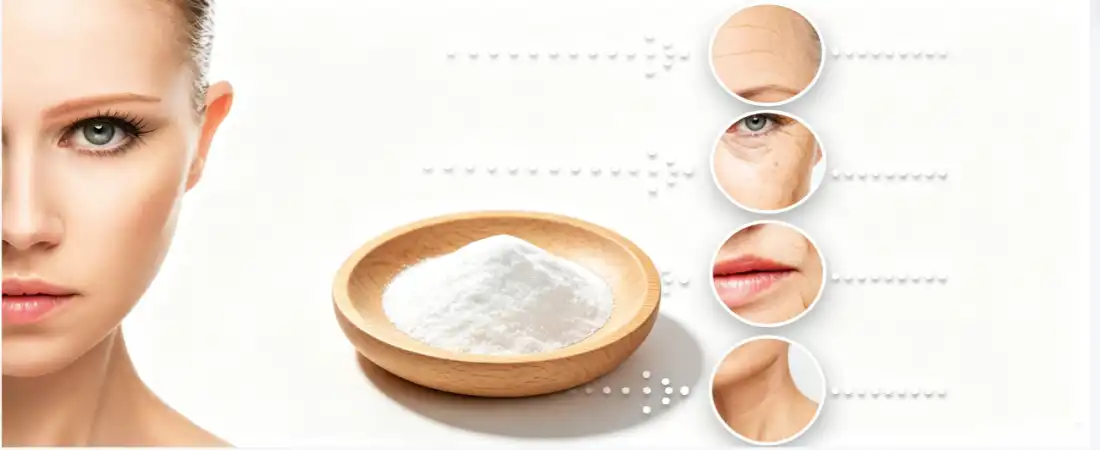
Comparing Hyaluronic Acid Types and Concentrations
Pure Hyaluronic Acid Versus Sodium Hyaluronate
Chemically similar yet handling differently, Hyaluronic Acid and Sodium Hyaluronate show distinct processing behaviors. Sodium Hyaluronate as the sodium salt offers greater stability and solubility when incorporated into water-based systems. Its smaller molecular size enables deeper penetration for certain cosmetic applications. Pure Hyaluronic Acid maintains native polymer structure with different rheological properties suiting specific formulation matrices. Form selection depends on pH requirements, stability needs, and desired skin feel characteristics.
Concentration Impact on Product Performance
Formulation ratios typically range 0.1-2%, with each concentration serving different purposes. Lower concentrations (0.1-0.5%) suit lightweight serums and daily moisturizers providing hydration without tackiness. Medium concentrations (0.5-1%) balance efficacy with sensory experience, popular in premium skincare lines. Higher concentrations (1-2%) deliver enhanced treatment effects but require careful formulation to maintain aesthetic properties. Molecular weight and concentration interact to determine finished product performance, making formulation expertise valuable.
Synergistic Ingredient Combinations
Hyaluronic Acid performs better through strategic combination with complementary ingredients. Vitamin C partnerships enhance antioxidant defense and collagen synthesis. Peptide combinations address multiple aging pathways simultaneously. Ceramide additions improve barrier function preventing trans-epidermal water loss. Niacinamide partnerships improve skin tone and texture while maintaining hydration. These synergies enable product differentiation and premium pricing. When sourcing Hyaluronic Acid for multi-ingredient systems, verify compatibility data and seek technical support from knowledgeable suppliers.
The Best Pure Hyaluronic Acid Products and Brands for 2026
Evaluating Supplier Credentials and Capabilities
Leading Hyaluronic Acid manufacturers differentiate through extraction technology, quality infrastructure, and technical support. Companies operating over ten years have refined processes to consistently meet 99% purity specifications. R&D teams address formulation challenges and provide application guidance reducing development timelines. GMP-compliant facilities with multiple international certifications demonstrate quality commitment. NT Biotech exemplifies this profile as a trusted source for pharmaceutical-grade Hyaluronic Acid powder.
Technical Specifications That Matter
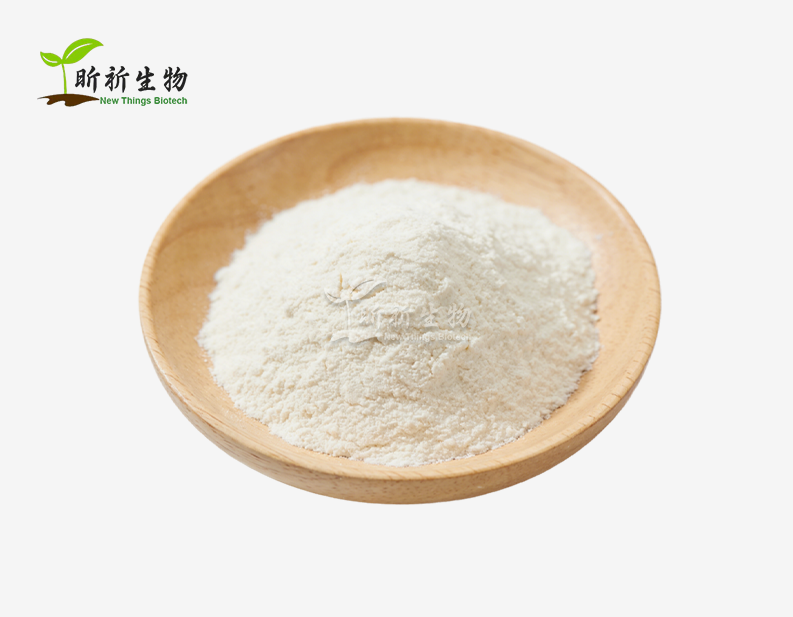
Specifications provide objective comparison metrics. Premium Hyaluronic Acid appears as white powder with 80-mesh particle size enabling uniform dispersion. The 99% purity standard ensures minimal impurities that could compromise stability or cause adverse reactions. Each batch includes comprehensive documentation including HPLC/UV verification of molecular weight distribution and contamination absence. These technical details prove critical when developing products requiring regulatory review or when brand reputation depends on consistent performance.
Pricing Structures for Bulk Procurement
Cost analysis extends beyond per-unit pricing. Minimum order quantities typically start at 25 kg, though some suppliers accommodate varying sizes. Volume discounts encourage larger commitments while maintaining quality. Packaging options from standard 25 kg drums to custom designs affect shipping costs and storage. Smart procurement calculates total landed cost including freight, duties, and inventory carrying. Suppliers offering transparent pricing, samples, and flexible payment terms including local currency options simplify budgeting and procurement.
Emerging Trends Shaping 2026 Supply
Sustainability concerns increasingly influence sourcing decisions for the best pure hyaluronic acid. Suppliers using biotechnology-based production instead of traditional rooster comb extraction reduce environmental impact. Cross-linked variants offer enhanced stability and extended shelf life. Combination ingredients blending Hyaluronic Acid with complementary actives streamline manufacturing. Procurement professionals monitoring these innovations position their organizations to capture emerging opportunities while maintaining supply chain resilience through diversified strategies.
How to Procure the Best Pure Hyaluronic Acid for Your Business?
Strategic Sourcing Framework
Getting competitive prices, making sure quality is consistent, keeping supplies going, and getting expert help are all goals that need to be balanced in order for procurement to work well. Start by writing down all of your exact needs, such as the molecular weight range, purity standards, licensing needs, and expected yearly volume. This makes it easier to have useful conversations with suppliers and get accurate quotes. Check out possible partners' production capabilities, quality control systems, ability to follow regulations, and customer references. Even though they take a lot of time and money, site checks are very helpful for learning about production skills and quality culture.
Quality Assurance Protocols
Strong quality verification defends both your business and your customers. Ask to keep samples from each lot so that stable tests can be done and the samples can be tracked. Set up processes for inspecting new products upon arrival to check their appearance, solubility, and the accuracy of the paperwork. Do independent third-party testing on a regular basis to check specs. Keep track of seller scorecards that show on-time delivery, meeting specifications, and timeliness. These practices help find problems early on and build partnerships for ongoing growth with suppliers who are dedicated to doing a great job.
Logistics and Supply Chain Considerations
Hyaluronic Acid is more stable than temperature-sensitive ingredients, which makes transportation easier. However, it is still important to handle it properly. Suppliers who offer more than one shipping choice, like express (2-4 days), plane freight, or sea transport, can meet the needs of customers with different budgets and levels of urgency. Companies that keep an overstock on hand can quickly fill orders, which is very important when production plans get tight or demand goes up without warning. Direct shipping from sites owned by the maker cuts down on handle points and the quality risks that come with them. Clear communication procedures make sure that everyone is kept up to date on the state of orders, production plans, and possible delays, which allows for proactive management of the supply chain.
NT Biotech is very good at logistics because it has dedicated FEDEX and UPS accounts for fast packages and established relationships with freight forwarders for bulk ocean containers. Their promise to answer questions within two hours and fill stock orders within one to three business days shows that they care about being prompt, which is something that procurement professionals value. Their three-to-ten-day cycle from buying the raw materials to extracting, testing, and packing the finished product makes it easy to plan production runs.
Building Strategic Supplier Relationships
Buying things for transactions' sake doesn't create value. Strategic relationships allow people to work together on technology, create custom solutions, and get special attention when there aren't enough resources. Key suppliers will be able to predict your needs and offer new products if you share your product plan with them. Work together on composition problems and use their knowledge of application. Give comments on how the product is doing and how the market is changing. This will help suppliers set the right goals for growth. These partnerships give businesses a competitive edge by letting them work together on projects, solve problems more quickly, and make sure they have enough supplies when the market is down.
How to Use Pure Hyaluronic Acid Effectively in Skincare Routines?
Formulation Best Practices
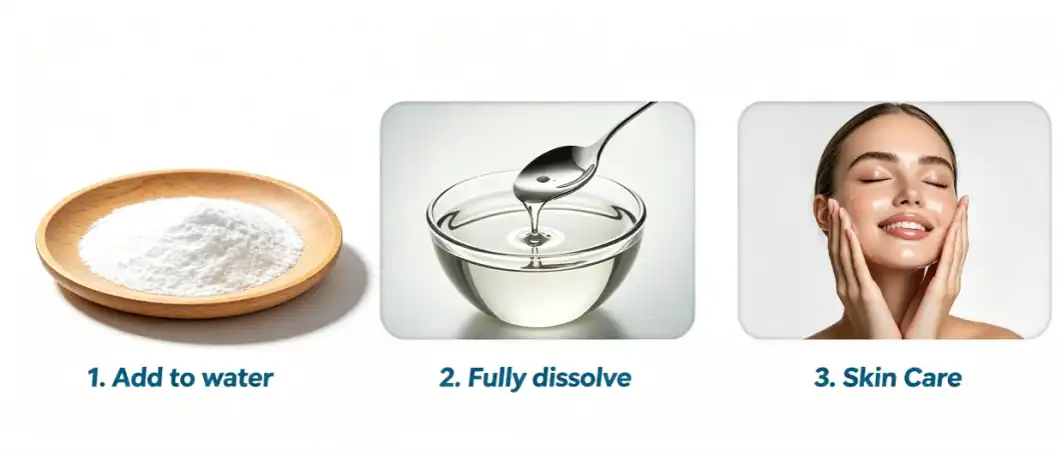
Paying attention to pH ranges, temperature exposure, and the order of addition are all important when adding the best pure hyaluronic acid to finished goods. The component breaks up effectively in water-based frameworks and is as a rule included amid the watery stage, when the temperature is room temperature and there is sufficient time to blend the fixings. Steadiness and viability are kept up by keeping the pH between 5.0 and 8.0. As well much warm breaks down particle structure, so amid preparing, producers ought to remain underneath 50°C. Microbial defilement of hydration-rich items can be dodged with the right conservation strategies. These specialized issues appear if the fixing works the way it's gathered to in wrapped up goods.
Application Guidance for End Users
Even in spite of the fact that this direct is for the most part almost B2B buys, knowing how the item will be utilized by buyers can offer assistance with plan choices. Hyaluronic Corrosive serums work best when connected to skin that is still moist, which makes a difference them assimilate more water. Putting moisturizers on beat of occlusive creams stops dampness misfortune and amplifies the benefits of hydration. Abuse doesn't more often than not cause issues, but places that are exceptionally dry might require additional shield security. Keeping nourishment absent from warm and light is the best way to keep it new for as long as conceivable. Clear bearings on how to utilize wrapped up merchandise make clients more joyful and cut down on returns.
OEM and Private Label Opportunities
Custom recipe services let brands stand out without having to spend a lot of money on research and development. Manufacturers with a lot of experience help customers choose the right ingredients, find the best quantity, and test the product's reliability. They make sure that recipes are legal by navigating regulatory requirements across target markets. There are different kinds of packaging, from bulk supplies for well-known names to full private label plans for new brands. Businesses at different stages of growth can use flexible minimum order amounts. Brand positioning is more credible when it has technical proof to back up marketing statements, like clinical testing, efficacy studies, and safety reviews.
Conclusion
In 2026, finding the best Hyaluronic Acid supplier means looking at more than just price. You need to look at purity requirements, molecular weight compatibility, certification qualifications, and the seller's abilities. The best relationships have consistent quality, professional know-how, quick logistics, and working together to solve problems. When procurement workers put these things at the top of their list, their companies are better prepared for product success, regulatory compliance, and customer happiness. As the market moves toward ingredients that are natural, effective, and created in a way that doesn't harm the environment, smart sourcing relationships for the best pure hyaluronic acid become competitive advantages that help a business grow and come up with new ideas over the long term.
FAQ
1. What concentration of hyaluronic acid works best for sensitive skin formulations?
When using medium to high molecular weight Hyaluronic Acid, formulas for sensitive skin usually work best with amounts between 0.2% and 0.5%. This range moisturizes and protects skin well enough without being too much for sensitive skin. Lower amounts reduce the chance of discomfort while still providing measurable effects. Adding relaxing elements like allantoin or bisabolol to Hyaluronic Acid makes it easier to handle. Always test the stability and compatibility of your whole recipe, because how ingredients combine affects how well the end product works.
2. How does molecular weight affect hyaluronic acid efficacy?
The molecular weight affects the depth of penetration and the practical results. High molecular weight versions (above 1,000 kDa) stay on the skin's surface and make moisture-retaining films that are great for soothing and protecting right away. Forms with a molecular weight of less than 50 kDa can get deeper into the skin, activating cells and helping to maintain long-lasting structural changes. These traits are balanced by choices with a medium molecular weight. Many high-end formulas combine different molecular weights to give both short-term and long-term benefits that meet customers' needs for quick obvious results and long-term skin improvement.
3. What certifications should I require from hyaluronic acid suppliers?
Some important certifications are ISO9001 for quality management systems, which makes sure that work methods are always the same and that things are always getting better. When selling to people with religious food needs, KOSHER and HALAL approvals are important. GMP compliance means that the production standards are up to par for making medicines. Regional licenses, such as FDA registration for U.S. markets or EU compliance documents, make it easier for regulators to approve a product. For each batch, you should ask for a Certificate of Analysis that confirms the microbial purity, heavy metal limits, and compliance with specifications. These certificates protect the image of your business and make it easier to file regulatory information in all of your target markets.
Partner with NT Biotech for Premium Hyaluronic Acid Supply
NT Biotech can help you find Hyaluronic Acid by meeting your requirements for 99% purity, providing full quality paperwork, and responding quickly to keep your production plans on track. We offer pharmaceutical-grade Hyaluronic Acid powder that can be used in cosmetic, nutrition, and pharmaceutical products. Our company is ISO9001, KOSHER, and HALAL approved, and we've been in business for over ten years. Our unique extraction methods guarantee the highest levels of purity and stability, and our technical team can help you make a recipe that fits the needs of your individual product. We make buying easy and risk-free by having items in stock that can be shipped within two to four days and giving away free samples for testing. Email our team at info@newthingsbiotech.com to talk about your needs, get detailed specs, or set up shipping of samples. Discover why leading brands trust NT Biotech as their best pure hyaluronic acid supplier for reliable quality, responsive service, and competitive wholesale pricing that supports your product innovation and market success.
References
1. Bukhari, S.N.A., Roswandi, N.L., Waqas, M., et al. (2018). "Hyaluronic Acid, a Promising Skin Rejuvenating Biomedicine: A Review of Recent Updates and Pre-clinical and Clinical Investigations on Cosmetic and Nutricosmetic Effects." International Journal of Biological Macromolecules, 120, 1682-1695.
2. Pavicic, T., Gauglitz, G.G., Lersch, P., et al. (2011). "Efficacy of Cream-Based Novel Formulations of Hyaluronic Acid of Different Molecular Weights in Anti-Wrinkle Treatment." Journal of Drugs in Dermatology, 10(9), 990-1000.
3. Stern, R., Asari, A.A., and Sugahara, K.N. (2006). "Hyaluronan Fragments: An Information-Rich System." European Journal of Cell Biology, 85(8), 699-715.
4. Goa, K.L. and Benfield, P. (1994). "Hyaluronic Acid: A Review of its Pharmacology and Use as a Surgical Aid in Ophthalmology, and its Therapeutic Potential in Joint Disease and Wound Healing." Drugs, 47(3), 536-566.
5. Fallacara, A., Baldini, E., Manfredini, S., and Vertuani, S. (2018). "Hyaluronic Acid in the Third Millennium." Polymers, 10(7), 701.
6. Necas, J., Bartosikova, L., Brauner, P., and Kolar, J. (2008). "Hyaluronic Acid (Hyaluronan): A Review." Veterinarni Medicina, 53(8), 397-411.