- English
- French
- German
- Portuguese
- Spanish
- Russian
- Japanese
- Korean
- Arabic
- Greek
- German
- Turkish
- Italian
- Danish
- Romanian
- Indonesian
- Czech
- Afrikaans
- Swedish
- Polish
- Basque
- Catalan
- Esperanto
- Hindi
- Lao
- Albanian
- Amharic
- Armenian
- Azerbaijani
- Belarusian
- Bengali
- Bosnian
- Bulgarian
- Cebuano
- Chichewa
- Corsican
- Croatian
- Dutch
- Estonian
- Filipino
- Finnish
- Frisian
- Galician
- Georgian
- Gujarati
- Haitian
- Hausa
- Hawaiian
- Hebrew
- Hmong
- Hungarian
- Icelandic
- Igbo
- Javanese
- Kannada
- Kazakh
- Khmer
- Kurdish
- Kyrgyz
- Latin
- Latvian
- Lithuanian
- Luxembou..
- Macedonian
- Malagasy
- Malay
- Malayalam
- Maltese
- Maori
- Marathi
- Mongolian
- Burmese
- Nepali
- Norwegian
- Pashto
- Persian
- Punjabi
- Serbian
- Sesotho
- Sinhala
- Slovak
- Slovenian
- Somali
- Samoan
- Scots Gaelic
- Shona
- Sindhi
- Sundanese
- Swahili
- Tajik
- Tamil
- Telugu
- Thai
- Ukrainian
- Urdu
- Uzbek
- Vietnamese
- Welsh
- Xhosa
- Yiddish
- Yoruba
- Zulu
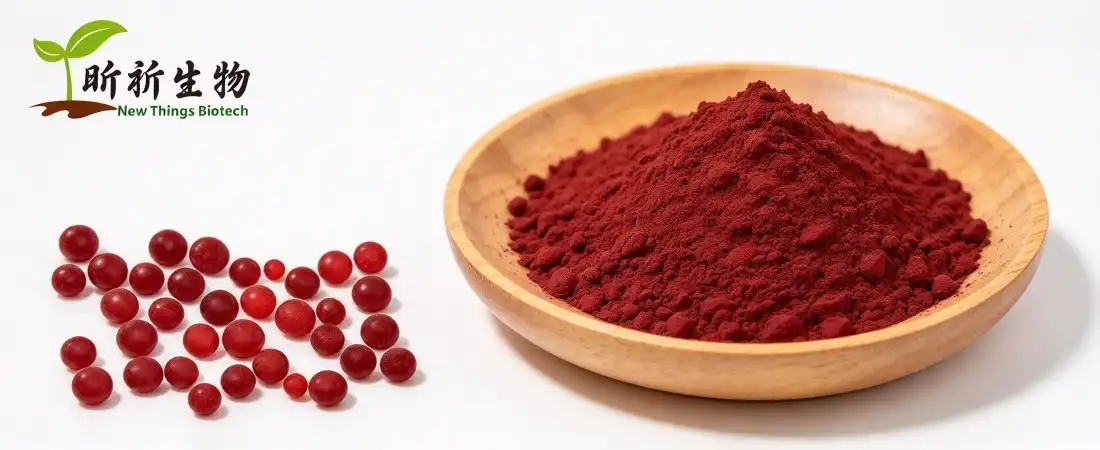
At some point every feed formulator confronts the same practical question: where does a colour ingredient go in a diet already balancing protein, fat, minerals and cost? Most people think the solution for astaxanthin is farther from the premix than it really is. NT Biotech has astaxanthin powder bulk for this stage, providing mills with a dry, blendable, batch-tested source of natural pigment for aquafeed and other animal nutrition lines. Our astaxanthin powder bulk ships with a Certificate of Analysis and the firm is ISO9001, KOSHER and HALAL certified. This article teaches you through how to find the ingredient in a recipe, how to deal with it and how to choose a partner. Got questions along the way? Email us at info@newthingsbiotech.com.
Start Here: The Job Astaxanthin Does Inside a Formula
A Pigment With a Nutritional Side
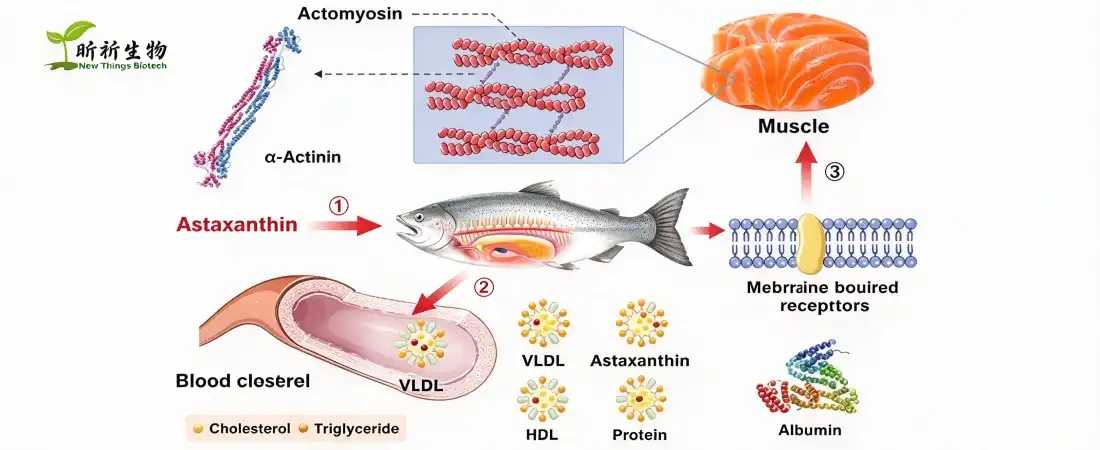
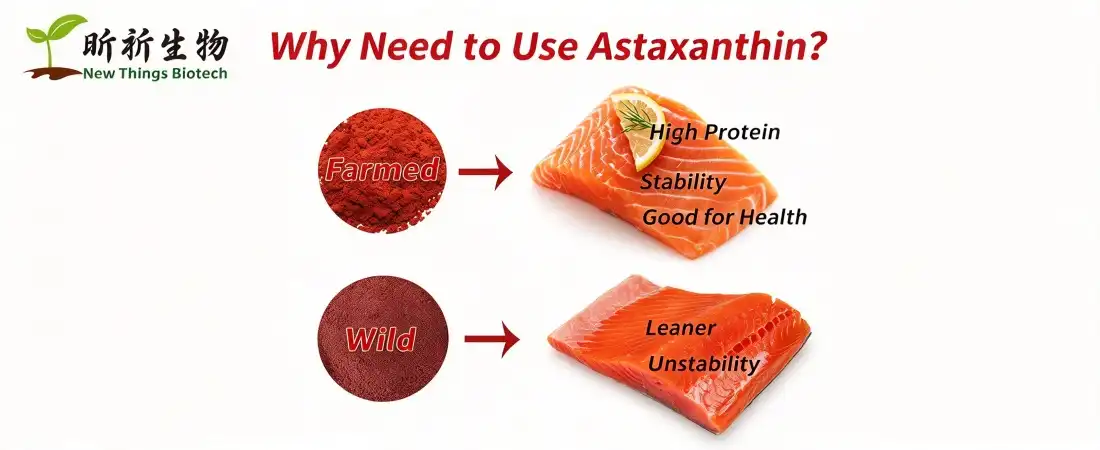
Most feed components do one thing in a feed formula. Protein develops tissue; oil provides energy; minerals strengthen bones and shells. Astaxanthin is unique in that it performs two things at once. It is the pigment that gives salmon meat and cooked shellfish its red colour and, according to the application notes on the NT Biotech product site, also helps the proper development, reproduction and survival of farmed animals. That combination is what makes astaxanthin powder bulk a functional ingredient in the eyes of formulators, rather than a cosmetic finish.
Why Natural Sources Matter to Buyers
Astaxanthin is naturally found in microalgae, yeast, krill, prawns and crayfish and the freshwater microalga Haematococcus pluvialis is generally considered as the richest natural source. Buyers are asking more and more where an ingredient originates from, and a natural origin narrative helps businesses explain their choices to customers. A good wholesale astaxanthin supplier can trace that origin and back it up with testing so the narrative remains plausible. When you purchase astaxanthin powder in bulk from a supplier that keeps batch records, your sales team can speak with confidence about sourcing, and your quality team can track every kilogram.
Where the Powder Form Helps
A free-flowing powder may be weighed, pre-blended and dosed using the same equipment the mill currently has for vitamins and trace minerals, making changeover straightforward. And if you mix it in the right sequence it will spread evenly through a premix and it’s that evenness which makes for a consistent colour in the final animal. Astaxanthin powder bulk works well with the mills that run numerous formulae a week, which doesn’t need new routines to be introduced. Below is a brief reference table of what the ingredient is and what it accomplishes.
| Attribute | Detail | Why It Matters in Feed |
|---|---|---|
| Compound class | Keto-carotenoid | Gives the red tone seen in salmon and shellfish |
| Natural sources | Microalgae, yeast, krill, shrimp, crayfish | Supports a natural-origin story |
| Feed role | Colorant and nutritional support | Serves market appeal and animal health |
Building the Recipe: Species, Stage and Inclusion Logic
Start With the Target Animal
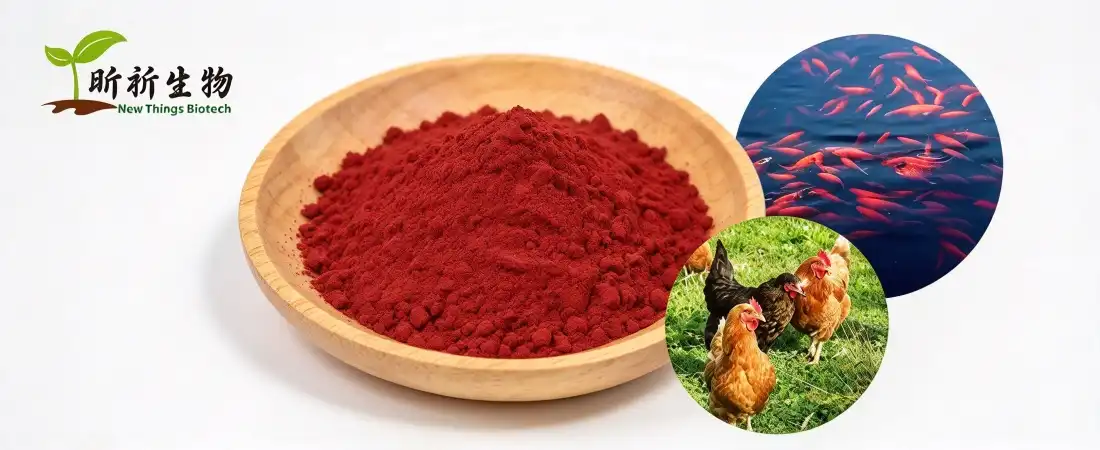
Who is consuming it, that's where every recipe starts. Salmon and rainbow trout store astaxanthin in muscle; crustaceans in shell; ornamental fish in skin. The product site says that aquaculture animals such as abalone, sturgeon, salmon, rainbow trout, sea bream, crabs and ornamental fish would benefit, and also lists poultry and pigs. A mill that maintains a bulk inventory of astaxanthin powder may supply all of these clients from one inventory, merely varying the amount of inclusion. That's one reason feed producers would rather acquire bulk astaxanthin powder from one reliable supplier than divide their orders between a few.
Match the Dose to the Growth Stage
Pigment deposition is variable. There are distinct demands for fish in the finishing phase, prawns nearing harvest and broodstock about to spawn. Inclusion rates are normally set by life stage, water temperature and the colour goal the consumer anticipates. A wholesale astaxanthin producer that provides explicit specs makes that work simpler. Your nutritionist will establish the final figures. Take notes on the results of each experiment, noting the lot number and colour noticed, so that the following formula will be based on fact, not memory.
A Simple Route to Your First Trial
It is preferable when trials are modest and thoroughly recorded. Choose one species, one feed and one goal colour score, do a brief pilot and compare the results to your normal recipe. If you need assistance selecting a starting point please email your target species, feed type and monthly volume to info@newthingsbiotech.com and our experts will provide sample and supply alternatives that work for your strategy. As a bulk supplier of astaxanthin powder, we want to act as a technical partner to our customers, helping you get the pilot perfect, rather than rushing you into a huge purchase.
From Premix to Pellet: Handling Astaxanthin on the Line
Pre-Blending Before the Main Mixer
The safest technique to introduce a little amount of pigment is to pre-blend it. Mix the astaxanthin powder bulk with a carrier or a portion of the vitamin premix and add to the main mixer. Mix until homogenous. This stepwise process distributes the pigment across the full batch, and prevents hot patches. In this form, the bulk astaxanthin powder is simpler to work with as it is dry and does not have any liquid carriers that might clump. Small trial runs that pull samples from different locations in the mixer may validate the blend is even before committing to full production.
Respecting Heat, Light and Oxygen
Astaxanthin is a fat soluble pigment. Like many carotenoids, it is sensitive to heat, light and oxygen. The product site suggests storing the product in a dry place at room temperature, away from all three. This entails keeping containers covered between weighings, not waiting about for extended periods in heated regions and rotating stock so that older lots are utilised first. A wholesale astaxanthin producer who packs meticulously provides you a head start, but strong behaviours in your own plant safeguard that edge. Treat your astaxanthin powder bulk like delicate vitamins and you will be rewarded with stable colour.
Keeping Records That Pay Off Later
The least attractive habit in feed production is the most useful: writing things down. Record the lot number of each bulk supply of astaxanthin powder, the date of opening, the inclusion rate and the batch of feed in which it was included. So when a buyer asks why last season’s colour was great or why one cargo was lighter, those records explain in a hurry.” They also let you evaluate providers fairly, since you can see how each lot of astaxanthin powder bulk fared in your procedure. The table below puts these principles into a basic checklist to be used line-side.
| Stage | What to Do | Why It Helps |
|---|---|---|
| Receiving | Check lot number against the CoA | Keeps every kilogram traceable |
| Storage | Ambient, dry, away from heat, light and oxygen | Protects potency |
| Pre-blend | Mix with a carrier or premix first | Spreads pigment evenly |
| Mixing | Sample from several points | Confirms uniform color |
| Records | Log lot, date and inclusion rate | Allows fair comparison |
Sourcing Smart: What to Expect From a Wholesale Astaxanthin Manufacturer
Quality You Can Verify
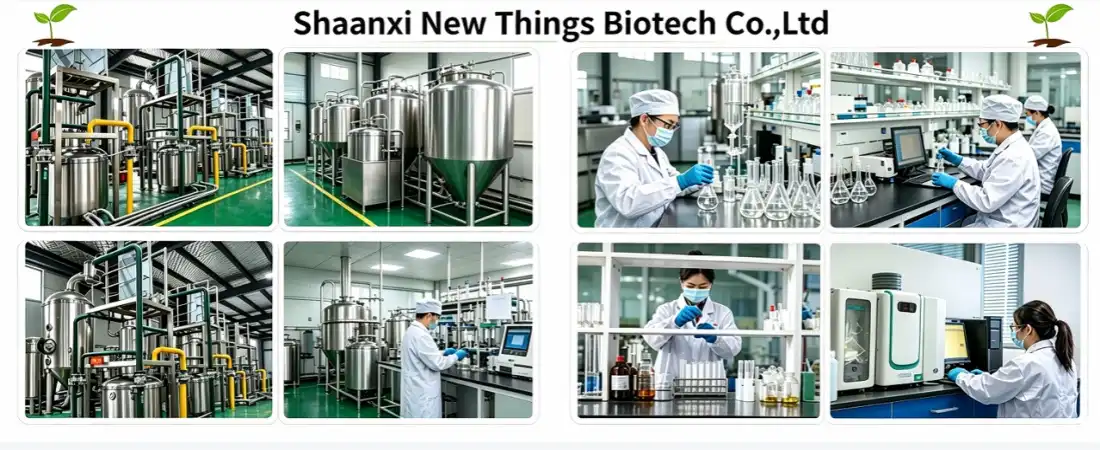
A supplier's promise is only as good as its paperwork. NT Biotech provides a Certificate of Analysis with every batch, supported by HPLC/UV testing, and our proprietary extraction methods are designed to maximize the yield of active compounds while keeping purity and stability high. Our quality system is backed by ISO9001, KOSHER and HALAL certification. When you compare any wholesale astaxanthin manufacturer, ask to see a recent CoA, ask how each lot is tested, and ask what the process looks like from raw material to packed container. Clear, confident answers are a good sign that the astaxanthin powder bulk will perform as described.
Speed and Shipping That Match Your Schedule
We guarantee an initial reply to every inquiry within two hours. Popular standardized extracts held in stock can ship within one to three working days after order confirmation, while production orders usually need three to ten working days for sourcing, extraction, laboratory testing and packing. We match express, air or sea freight to your needs, ship smaller parcels from our factory through our own FEDEX and UPS accounts, and use trusted freight forwarders for large lots of bulk astaxanthin powder.
Flexibility That Grows With Your Business
Markets differ, and so do the products built for them. We offer ODM and OEM solutions tailored to each country and customer, and we accept payment in the buyer's local currency, which makes international purchasing simpler. Whether you run a regional premix business or a private-label feed brand, a flexible astaxanthin powder bulk supplier helps you adapt without starting over. The table below gathers the questions worth asking any partner, alongside the answers you can expect from NT Biotech.
| Question to Ask | What Good Looks Like | NT Biotech |
|---|---|---|
| Response time | Reply within hours | Within two hours |
| Stock and lead time | Clear, written timelines | 1–3 days for stock; 3–10 days for production |
| Documentation | CoA for every batch | CoA with HPLC/UV testing |
| Certifications | Recognized systems | ISO9001, KOSHER, HALAL |
Conclusion
Astaxanthin belongs in the premix, where its powder form blends easily and its color and nutritional value reach every pellet. Getting it right means matching dose to species and growth stage, protecting the ingredient from heat, light and oxygen, and keeping careful records. It also means choosing a partner who backs each batch with documents and answers quickly. NT Biotech offers astaxanthin powder bulk with two-hour replies, fast shipping, flexible OEM support and ISO9001, KOSHER and HALAL certification. If you need a dependable wholesale astaxanthin manufacturer, reach out and let us help you place astaxanthin exactly where your formula needs it.
FAQ
1. Where is astaxanthin added in a feed formula?
Most mills pre-blend it into the premix, then add the blend to the main mixer.
2. Which animals use astaxanthin in feed?
Salmon, rainbow trout, sea bream, sturgeon, crustaceans, abalone and ornamental fish, plus poultry and pigs.
3. How should the powder be stored?
At ambient temperature, dry, and protected from heat, light and oxygen.
4. Why buy bulk astaxanthin powder?
Larger lots keep color consistent across runs and simplify purchasing and planning.
5. What support does NT Biotech offer?
Batch CoAs, two-hour replies, ODM/OEM solutions and payment in your local currency.
Ask NT Biotech About Astaxanthin Powder Bulk for Your Next Formula
Ready to give your feed a stronger color story and steadier quality? NT Biotech is here to help. We bring plant extraction experience, batch-level testing, flexible OEM services and fast, friendly support to every project, so your team can formulate with confidence. Tell us about your target species, monthly volume and destination market, and we will suggest a practical supply plan, from samples to full shipments. Our astaxanthin powder bulk is available for pilot trials and long-term contracts, with express, air or sea delivery and payment in your local currency. Email us today at info@newthingsbiotech.com and let us help you turn better pigmentation into a stronger brand.
References
1. Shah, M. M. R., Liang, Y., Cheng, J. J., & Daroch, M. (2016). Astaxanthin-producing green microalga Haematococcus pluvialis: From single cell to high value commercial products. Frontiers in Plant Science, 7, 531.
2. Higuera-Ciapara, I., Félix-Valenzuela, L., & Goycoolea, F. M. (2006). Astaxanthin: A review of its chemistry and applications. Critical Reviews in Food Science and Nutrition, 46(2), 185–196.
3. Storebakken, T., & No, H. K. (1992). Pigmentation of rainbow trout. Aquaculture, 100(1–3), 209–229.
4. Meyers, S. P. (1994). Developments in world aquaculture, feed formulations, and role of carotenoids. Pure and Applied Chemistry, 66(5), 1069–1076.
5. Lim, K. C., Yusoff, F. M., Shariff, M., & Kamarudin, M. S. (2018). Astaxanthin as feed supplement in aquatic animals. Reviews in Aquaculture, 10(3), 738–773.
6. Wade, N. M., Gabaudan, J., & Glencross, B. D. (2017). A review of carotenoid utilisation and function in crustacean aquaculture. Reviews in Aquaculture, 9(2), 141–156.