- English
- French
- German
- Portuguese
- Spanish
- Russian
- Japanese
- Korean
- Arabic
- Greek
- German
- Turkish
- Italian
- Danish
- Romanian
- Indonesian
- Czech
- Afrikaans
- Swedish
- Polish
- Basque
- Catalan
- Esperanto
- Hindi
- Lao
- Albanian
- Amharic
- Armenian
- Azerbaijani
- Belarusian
- Bengali
- Bosnian
- Bulgarian
- Cebuano
- Chichewa
- Corsican
- Croatian
- Dutch
- Estonian
- Filipino
- Finnish
- Frisian
- Galician
- Georgian
- Gujarati
- Haitian
- Hausa
- Hawaiian
- Hebrew
- Hmong
- Hungarian
- Icelandic
- Igbo
- Javanese
- Kannada
- Kazakh
- Khmer
- Kurdish
- Kyrgyz
- Latin
- Latvian
- Lithuanian
- Luxembou..
- Macedonian
- Malagasy
- Malay
- Malayalam
- Maltese
- Maori
- Marathi
- Mongolian
- Burmese
- Nepali
- Norwegian
- Pashto
- Persian
- Punjabi
- Serbian
- Sesotho
- Sinhala
- Slovak
- Slovenian
- Somali
- Samoan
- Scots Gaelic
- Shona
- Sindhi
- Sundanese
- Swahili
- Tajik
- Tamil
- Telugu
- Thai
- Ukrainian
- Urdu
- Uzbek
- Vietnamese
- Welsh
- Xhosa
- Yiddish
- Yoruba
- Zulu
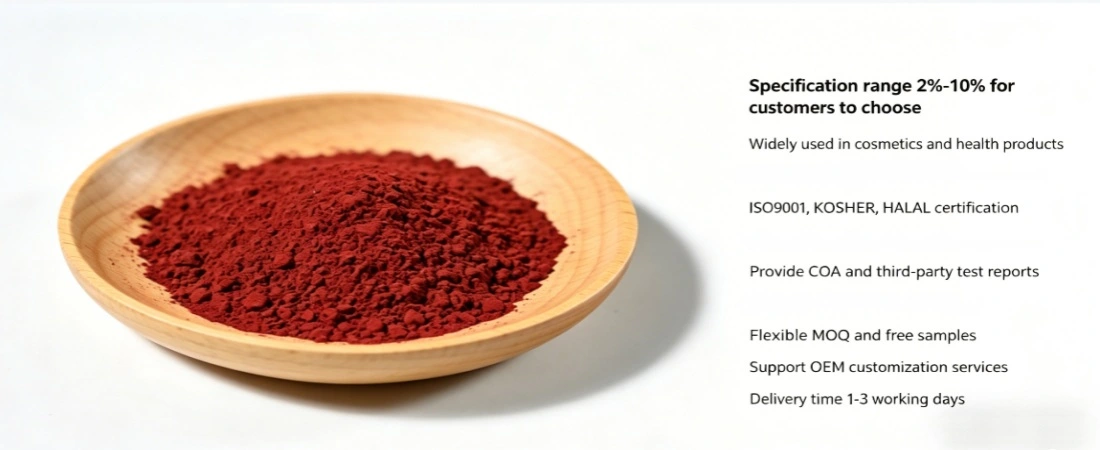
When searching for astaxanthin bulk supplements on the international market, you should be very careful about quality, license, and the seller's reliability. Companies like Shaanxi New Things Biotech sell natural astaxanthin powder that has been standardized and comes from Haematococcus pluvialis. Some of its strengths are 2% to 10%, and it is ISO, Kosher, and Halal approved. They have a simple way to buy things, which includes competitive MOQs starting at 25 kg, free trials, and delivery in 2–4 days. These are important things for procurement workers to think about when they're looking for scalable buying options that don't lower the quality of the products or break rules.
Introduction
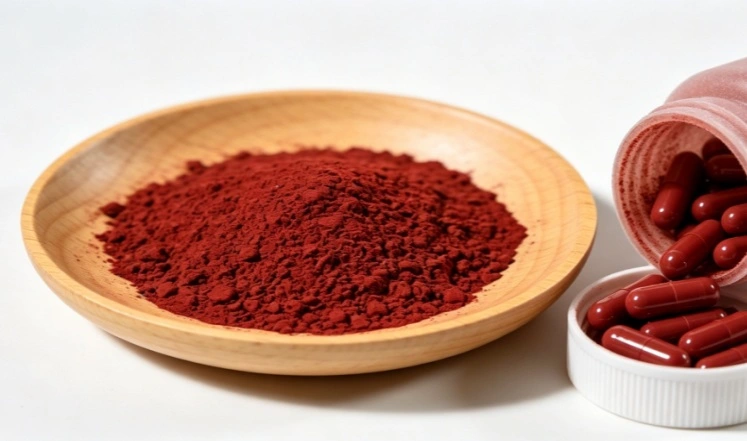
Astaxanthin is a special kind of antioxidant that is becoming more and more famous in the diet, health, and beauty industries around the world. This dark red chemical is one of nature's most powerful carotenoids—as an antioxidant, it is said to be 6,000 times stronger than Vitamin C. It is now an important part of making dietary supplements, useful foods, cosmetics, and fish feed. More and more, people who work in global business-to-business buying are under pressure to find high-quality astaxanthin bulk supplements that work with goods and follows the strict rules set by different markets.
This guide makes it easy for purchasing managers, buying directors, and OEM clients to deal with the difficult world of getting astaxanthin. People who read this will be able to make better supply chain decisions and build stronger relationships with trustworthy makers after reading about the different kinds of goods, how to evaluate sellers, and the best ways to buy things. How well your goods work, how competitive you are in the market, and how long your business can last depend on where you get your astaxanthin bulk supplements. This is true whether you're making next-generation nutraceuticals or anti-aging skin care lines.
Understanding Astaxanthin Bulk Supplements: Key Insights for Procurement
Forms and Formats: Matching Product Type to Application Needs
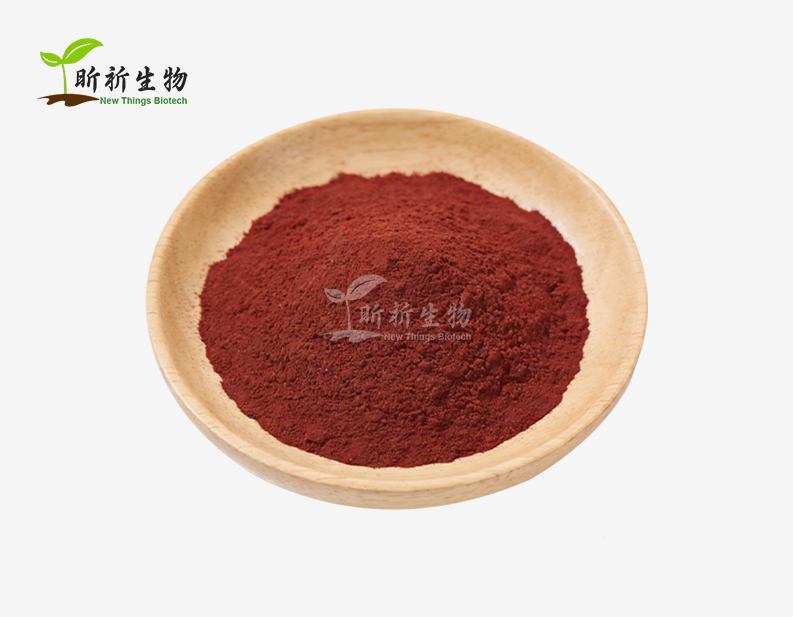
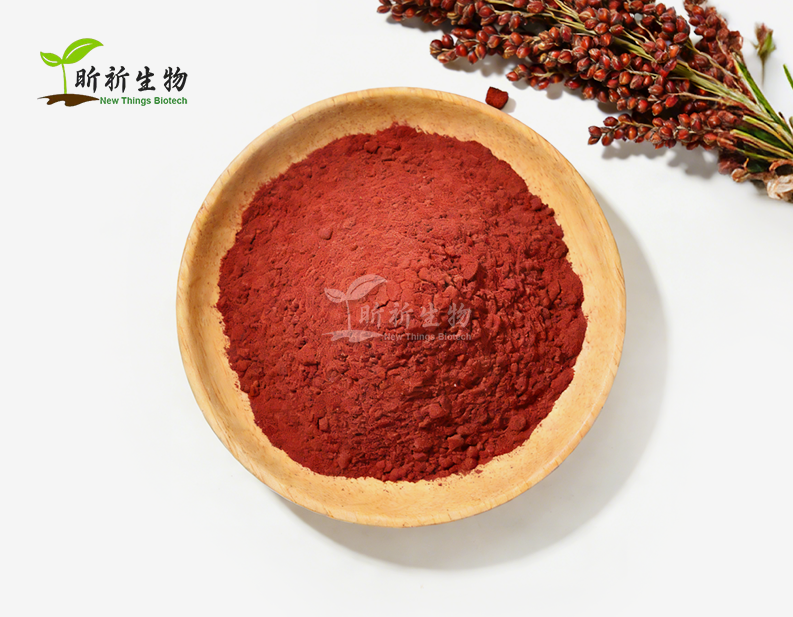
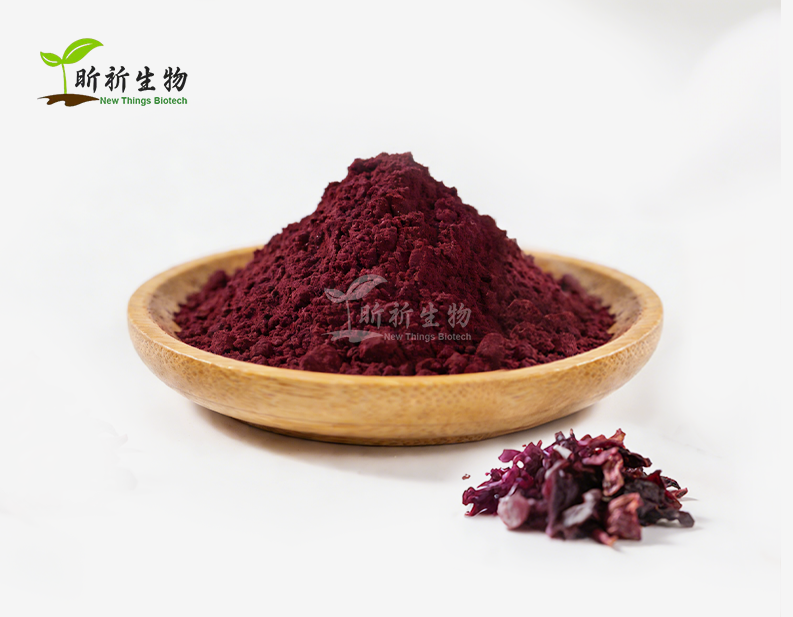
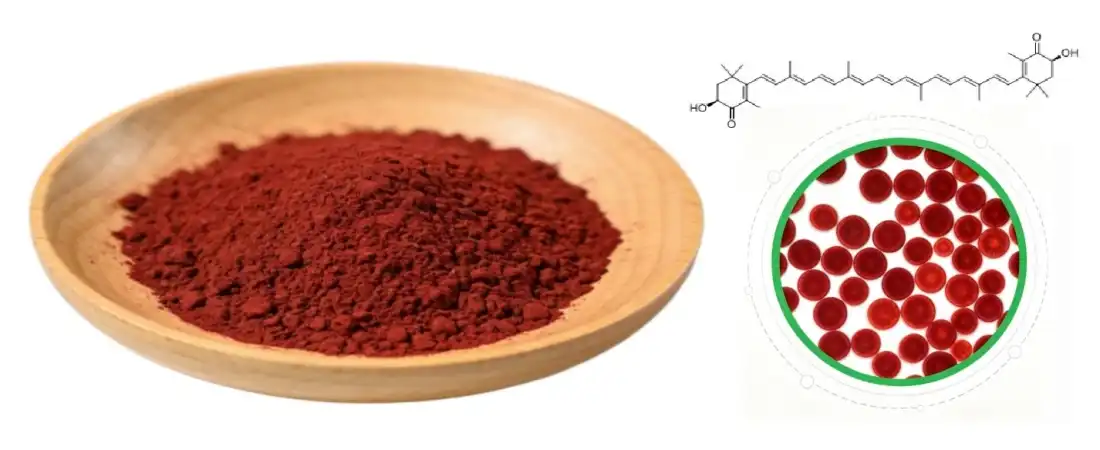
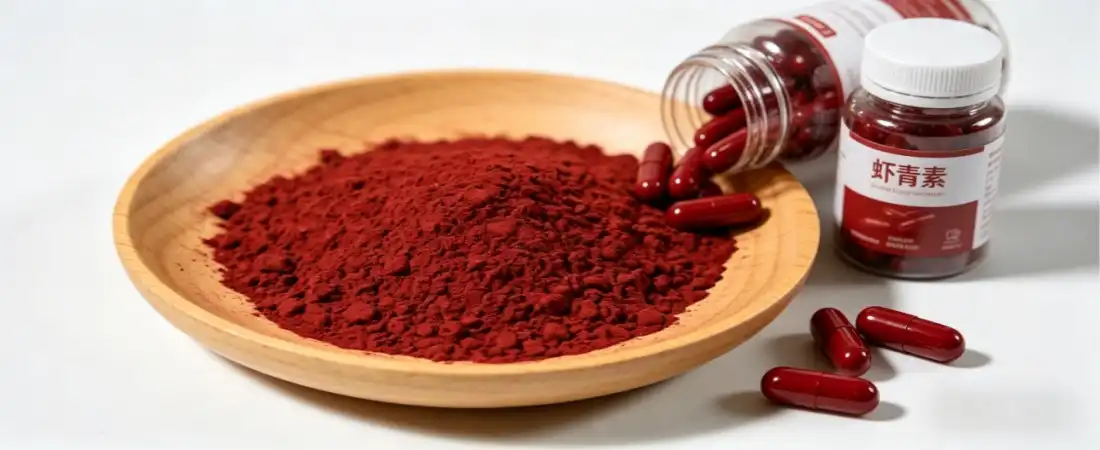
Powder, oleoresin, oil solutions, and microencapsulated beadlets are some of the different types of astaxanthin that can be bought in stores. There are different technical needs for each form in industrial settings. When the quantity of powdered astaxanthin is between 2% and 10%, it can be used in a lot of different ways. For example, it can be used to make capsules, tablets, and premix recipes. You can store the dark red powder form of Haematococcus pluvialis microalgae safely as long as you follow the right steps. This makes it great for places that need to be able to easily keep track of their stock.
When used in softgels, oleoresin solutions make the drug more bioavailable because they carry fats that are easier to absorb. Astaxanthin doesn't like water, which can be a problem. Cold water soluble (CWS) beadlets, on the other hand, let astaxanthin be spread out evenly in functional drinks and food ingredients without setting or changing color. To make sure that the ingredients work best in the products they make, procurement experts have to weigh the changes in format against their production skills, the tools they use, and the tastes of the people they want to sell to.
Natural Versus Synthetic: Quality Implications for Brand Positioning
Astaxanthin can come from both natural and man-made sources. How goods are named, what customers think of them, and how well companies follow the rules are all affected by this. When you take astaxanthin from Haematococcus pluvialis and either use supercritical CO2 or a liquid to remove it, the structure is better because it has both esterified and free forms. This setup makes the antioxidants work better and fits with the clean-label trend that is making people buy more expensive vitamins.
It is easier to use synthetic forms for coloring in aquaculture, but they are not as good for your health as natural ones. Studies show that natural astaxanthin is better for your health and can help with things like eye health, heart health, and recovery from exercise. If buying teams are going after high-value health and cosmetics markets, they should focus on natural sources that can be proven through Certificates of Analysis (COA), HPLC testing, and third-party validation. This will help back up marketing claims and keep the brand's credibility.
Dosage Considerations and Safety Standards in Industrial Contexts
Guidelines for dosage that are specific to the purpose are an important part of smart buying. Most of the time, food pills have 4 to 12 mg of astaxanthin per dose. This means that the specs of the end product must be carefully compared to how strong the raw materials are. For decorative purposes, smaller numbers work best for getting into the skin. For aquaculture feed, on the other hand, higher inclusion rates are needed for the color to work. Everyone in the supply chain can make accurate guesses about amounts and costs if they know these dose factors.
There are a lot of different safety rules and laws that apply to different places. Astaxanthin is usually thought to be safe (GRAS) in the United States for certain uses by the Food and Drug Administration (FDA). You need a Novel Food license, though, if you want to sell it in Europe. People who work in procurement have to make sure that buyers keep their ISO9001, HACCP, and GMP certifications up to date and give a lot of information to target markets to prove that they follow the rules. This extra work makes it less likely that people will break the rules, which could cause products to be late or cost a lot to return.
Comparison of Astaxanthin Bulk Supplements: Making Informed Choices
Evaluating Stability, Performance, and Cost-Effectiveness
It is important to carefully study stability patterns under real-world production and storage situations in order to choose the best astaxanthin format. If you keep astaxanthin bulk supplements in a cool, dark place with little air flow, it will last longer—usually 24 to 36 months. This makes it a good choice for businesses that need to restock more often. When processing at low temperatures, the powder shape stays solid. But too much heat during extrusion or coating can make it less effective, so the temperature must be able to be controlled during production.
Bioavailability is better in oil-based liquids because they dissolve first in fatty carriers. This helps when using softgels and liquid supplements, since absorption has a direct effect on claims of clinical success. But these forms need to be stored in a more controlled way and have shorter stability windows than powder choices. When it comes to finished dosage forms, capsules can be sold right away in shops, but they need to be treated with more care during shipping and usually cost more, which limits how much wholesalers can make.
Cost considerations extend beyond unit pricing. They also include freight, import taxes, and safety tests. These are all called "landed costs." For astaxanthin content, bulk powder is usually the best deal per kg, especially when you buy more than 100 kg at once. In order to properly compare offers from different suppliers based on these many factors, procurement teams should make thorough cost models that include payment terms, shipping methods, and minimum order amounts.
Supplier Credibility: Certifications, Reviews, and Quality Assurance
To build reliable supply partnerships, you need to carefully check possible sellers' credentials and real-world skills. Kosher and Halal certifications help brands that want to reach certain groups of people get into more markets. ISO9001 recognition shows that quality management is done in a planned way. Independent labs test the product on a third party to make sure it meets the stated specs and look for any adulterants or contaminants that might make it less safe.
How open providers are about how they do batch testing, where they get their raw materials, and how they extract things can show you how far along their organization is in terms of growth. The best manufacturers keep careful records of everything they do, from the conditions needed to grow microalgae to information about how stable the end product is. This lets all activity be tracked, which is good for authorities and users who want to learn more. Before making big purchases, those who are in charge of getting things should request sample batches and Certificates of Analysis that show proof of effectiveness and tests for bacteria, heavy metals, and leftover solvents.
You can get useful information from seller performance records that look at things like how reliable deliveries are, how quickly contacts are answered, and how good technical help staff are. As a general rule, makers who answer questions quickly (within two hours) and keep stock on hand to ship quickly are operationally excellent and keep the supply chain going smoothly. The risk of foreign exchange is smaller when buyers can choose the currency they want to use for payments. This makes international deals even easier.
How to Buy Astaxanthin Bulk Supplements Online: Step-by-Step Procurement Process
Identifying Certified Suppliers with Custom Formulation Capabilities
Find a lot of sellers if you want to buy well. You can use manufacturer listings, trade groups for your business, and specific B2B sites to do this. More weight should be given to sellers who can show they know how to use botanical extraction technologies and keep up with H. pluvialis biomass managed farming or buying partnerships. If a manufacturer offers custom formulation services, they can help you make your own mixes, change the amounts of active ingredients, or add other ingredients that make finished goods stand out in a market where competition is high.
People who own brands can get white-label products that meet their exact needs through private labeling, without having to spend a lot of money on production equipment. Suppliers like Shaanxi New Things Biotech offer full value-chain services, from where the plants come from to where the finished product is sold. They do this by combining self-sufficient farming with cutting-edge research and smart production systems. With this type of vertical integration, quality control is more regular and supply is more reliable than when suppliers aren't in charge of making the goods.
Understanding MOQs, Sampling Protocols, and Logistics Complexity
The lowest amount you can buy is usually between 25 kg and 100 kg, but it depends on the type of product and how the seller prices their production batches. The 25 kg MOQ level is the same as standard drum packing, and it's easy for medium-sized businesses to start working with new sources or making their first lines of products. When bigger companies commit to getting more than 500 kg, they can often get better prices on yearly supply deals. To make the most of their operating capital, they need to carefully guess what people will want and plan their supplies.
How samples are collected is a very important part of lowering risks before big financial claims are made. You can get free samples from suppliers you can trust. The samples will usually weigh between 50 and 100 grams and will come with specification sheets and Certificates of Analysis. You can be sure that what the source says about the strength, look, solubility, and ability to work with other recipes is true by testing samples in-house for quality control. This proof step keeps you from having to wait for pricey re-formulations or find out about problems with the product after big orders have been sent out.
Logistics considerations encompass shipping methods, import regulations, and compliance documentation requirements. Express shipping services, like FedEx and UPS, can get pressing orders or first samples to you quickly (within 5–7 business days). Compared to air freight, ocean freight is cheaper for container loads, but it takes longer to get there. Know the Harmonized System (HS) codes for things that contain astaxanthin bulk supplements, which is generally put in the group of carotenoid pigments. This will help you make more accurate customs reports. There are different rules for what can be brought into each country. It takes longer to clear goods in some places because they need health certificates, pre-shipment checks, or Novel Food warnings. Working with suppliers who already have freight handling relationships and legal knowledge makes it easier to do business across countries and cuts down on the number of issues that arise during clearing.
Quality Assurance Protocols: COAs and Third-Party Verification
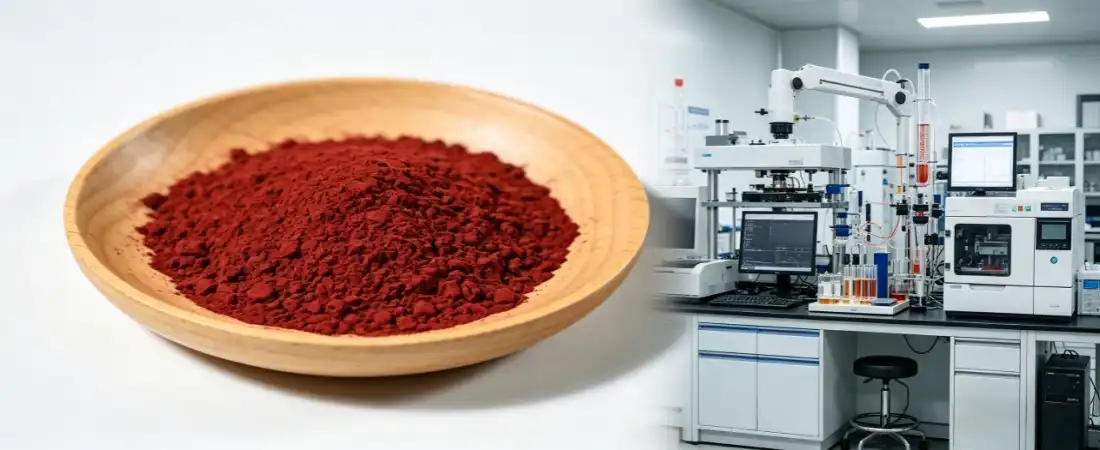
Tough quality control tells the difference between workers who are honest and those who are not. Each batch that is made should have a Certificate of Analysis that says the astaxanthin level was checked using HPLC and was within the acceptable ranges (usually ±5% of the stated value). The document should also say that the product was checked for heavy metals (like arsenic, lead, cadmium, and mercury), microbial pollution (like yeasts, molds, and pathogens), and pesticide residues (if needed). There is objective proof in these thorough reports to back up regulatory papers and customer quality checks.
Independent third-party testing by approved labs adds another level of safety that is very important for high-stakes situations like drugs or high-end consumer brands. Suppliers who have long-term relationships with well-known testing groups show that they care about quality and openness. The buying team should include clear quality standards in buy agreements. For example, they should include acceptance criteria for analytical parameters and clear directions on how to handle non-conforming material, such as how to replace it, give credit, or refuse it. This clear wording in the contract is good for both sides because it sets standards for work that help relationships last a long time.
Maximizing Value from Your Astaxanthin Bulk Supplement Purchase
Aligning Specifications with Distribution Channels and End-Use Applications
It's not enough to just get the best price when you shop strategically. On top of that, it means making sure that the specs are perfect for how things are sent out and how customers receive them. Companies that make softgels for nutraceuticals can use oleoresin solutions that have already been mixed with carrier oils. A company that makes tablets, on the other hand, needs powder that is free to flow and has particles that are within certain size ranges so that it mixes and pushes evenly. Top of the list for formulators is making sure that emulsion systems are stable and that they work with protection packages so that products keep their color strength over time.
A lot of different types of business can use customized bulk sales, like contract manufacturing, private label development, and branding product lines. While making plans to buy astaxanthin bulk supplements, it's important to think about the different ways that the goods will be handled and sold, such as using large drums and split plastic bags. Flexible box designs from providers cut down on waste and make storing more efficient. This is especially helpful for businesses that deal with a lot of different product lines that all have different amounts of astaxanthin in them.
Staying Competitive Through Sustainable Sourcing and Innovation Trends
New market trends stress how important it is for all parts of the food supply chain to be environmentally friendly. Astaxanthin is better for the environment when it is grown in microalgae instead of being taken from nature or made in a lab. This is because photosynthesis uses CO2 and doesn't need a lot of room. Purchasing teams should give more weight to buyers who can show they use environmentally friendly methods like green energy, water recycling systems, and wildlife protection when they buy things for people who care about the environment. This will help people believe their stories about sustainability.
As better ways of extracting astaxanthin are found, it is better absorbed and stays stable. New microencapsulation techniques protect delicate carotenoids from oxidation damage and allow controlled release in the gut. Traditional hexane extraction methods worry about the chemicals that are left over, but supercritical CO2 extraction methods don't have to. This backs up the clean-label position. If you know about these new technologies, you can make changes to requirements that will keep product formulations competitive even as standards in the industry change.
Building Long-Term Supplier Relationships for Sustainable Procurement
Negotiation Strategies and Contract Management Best Practices
Becoming more open and honest with your suppliers helps both of you grow and makes the supply chain stronger in more ways than one. You can find a good mix between your cost goals, your need for quality assurance, and your need for service level when you deal well. Supply contracts that last longer than a year and promise a certain amount of goods will be delivered usually get better prices and make sure that supplies will be available even if the market stops or there aren't enough raw materials. A good deal that keeps prices stable is one that includes ways to change prices based on real factors, such as the price of energy and the cost of microalgae waste.
There should be information in the deal about how to get professional help to follow the rules and make recipes better. Technical service teams at suppliers are very helpful when making new goods, fixing problems with processing, or solving regulatory questions that need ingredient paperwork. When buyers work together in this way, they become strategic partners who bring more than just raw materials to the table.
Performance Monitoring Through KPIs and Continuous Improvement
By setting clear success measures, you can find the best providers and start projects that will keep getting better. Practical factors like on-time delivery, order accuracy, and communication timeliness are some of the most important measures. Quality factors like batch acceptance rates and standard compliance percentages are also important. Regular reviews of the business look at these KPIs to find ways to make things better and to praise the good work of the service, which makes the relationship more valuable.
Audit programs and feedback systems help make sure that quality is always high and that processes are always getting better. There will be facility checks to make sure that the ways things are made, stored, and checked for quality are in line with the rules and what the government wants. It shows commitment to greatness to use positive feedback loops to fix small issues before they become big quality events. This is good for both groups. People who work in buying spend money on these relationship-building activities to stay ahead of the competition and make sure that suppliers don't cause too many problems during business cycles.
Conclusion
When purchasing astaxanthin bulk supplements online, you should learn a lot about the product, the seller, and whether or not you can do business with them again in the future. Astaxanthin powder from Haematococcus pluvialis that comes from approved makers who follow strict quality control rules is better for high-end uses. Buying teams can make smart decisions that save money without sacrificing quality when they know about different forms, government rules, and complicated processes. Getting things from providers can be turned from a necessary evil into a strategic asset by building helpful relationships with them through open communication, tracking performance, and technical partnership. In the very competitive global markets, businesses that put these all-around buying methods at the top of their list will be successful in the long run.
FAQ
1. What are typical minimum order quantities for bulk astaxanthin powder?
The lowest amount you can buy varies by seller and item. Usually, it's between 25 kg and 100 kg. As little as 25 kg, which is about one standard drum, is all a small business needs to start out. So, they can test the market without having to buy a lot of stock at once. People who buy more than 500 kg of something a year can often get price breaks that make the price per kilogram 10 to 20 percent less.
2. How can I verify the purity and authenticity of astaxanthin bulk supplements?
Request for Certificates of Analysis (COA) that show HPLC tests proved the astaxanthin level met the needs. Third-party lab proof from well-known testing groups is an independent source of evidence. Check the supplier's credentials. For example, ISO9001, Kosher, and Halal licenses show that they take quality control seriously. A sample test by your own quality control or a lab you hire before you place a big order makes it less likely that you will get a fake.
3. What import regulations affect astaxanthin shipments into the United States?
When astaxanthin is brought into the United States, it has to follow FDA rules and have the right HS code description, which is usually 3204.17 for carotene colors. It is okay to use natural astaxanthin in some ways as a food supplement. When people bring things into a country, they need to make sure that they meet standards for identity, marking, and facility registration. Companies that want to follow FDA rules can keep records like COAs, names of ingredients, and descriptions of how the product was made in case they are searched.
Partner with NT Biotech for Reliable Astaxanthin Bulk Supplements Supply
There's no question that NT Biotech is a good place to get astaxanthin bulk supplements. They sell a natural product of Haematococcus pluvialis that has been tried and shown to work 2% to 10% of the time. They also have ISO, Kosher, and Halal certifications for their goods. Because of the way we extract, the results are much purer and more steady than those found in the business. This is important for a wide range of preparation needs. We promise to answer your questions within two hours, have a collection that can be sent in two to four days, and give you free samples to help you decide what to buy. Because our OEM solutions are adaptable, they can meet the needs of different markets around the world when it comes to unique specs, chosen packaging, and legal papers. Our technical team can be reached at info@newthingsbiotech.com to get full product information, low bulk prices, and professional help that will give you a long-term edge in the market.
References
1. Ambati, R.R., Phang, S.M., Ravi, S., & Aswathanarayana, R.G. (2014). Astaxanthin: Sources, extraction, stability, biological activities and its commercial applications. Marine Drugs, 12(1), 128-152.
2. Guerin, M., Huntley, M.E., & Olaizola, M. (2003). Haematococcus astaxanthin: applications for human health and nutrition. Trends in Biotechnology, 21(5), 210-216.
3. Capelli, B., Bagchi, D., & Cysewski, G.R. (2013). Synthetic astaxanthin is significantly inferior to algal-based astaxanthin as an antioxidant and may not be suitable as a human nutraceutical supplement. Nutrafoods, 12(4), 145-152.
4. Hussein, G., Sankawa, U., Goto, H., Matsumoto, K., & Watanabe, H. (2006). Astaxanthin, a carotenoid with potential in human health and nutrition. Journal of Natural Products, 69(3), 443-449.
5. Higuera-Ciapara, I., Felix-Valenzuela, L., & Goycoolea, F.M. (2006). Astaxanthin: A review of its chemistry and applications. Critical Reviews in Food Science and Nutrition, 46(2), 185-196.
6. Lorenz, R.T. & Cysewski, G.R. (2000). Commercial potential for Haematococcus microalgae as a natural source of astaxanthin. Trends in Biotechnology, 18(4), 160-167.